Exciting Authentic Vietnamese Street Food
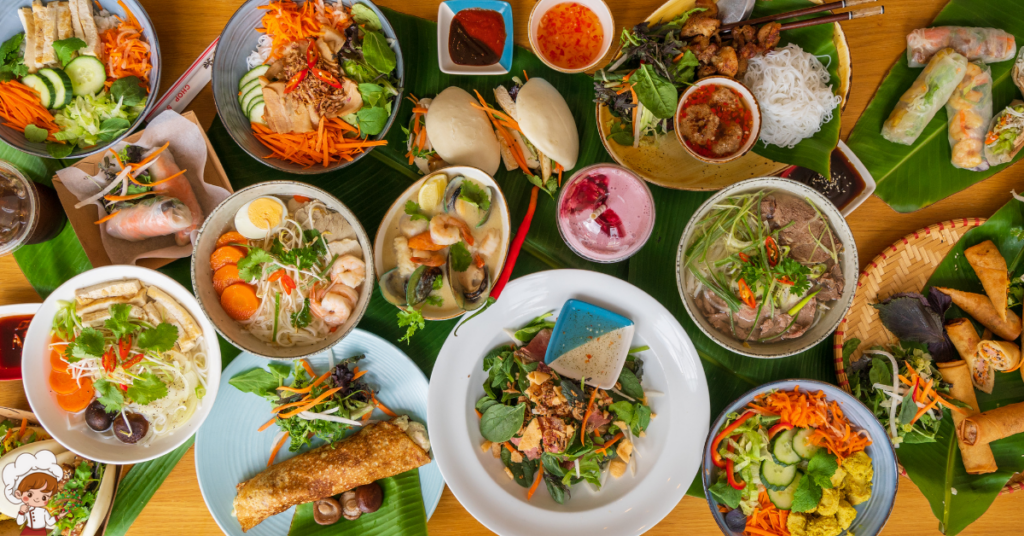
Exciting Authentic Vietnamese Street Food; Imagine yourself walking down the bustling streets of Hanoi, Vietnam, the scent of sizzling meats and aromatic herbs wafting through the air. Amidst the chaos and vibrant energy, you stumble upon a humble food cart, its owner skillfully crafting a bowl of pho with precision and care. This delectable dish, like a symphony of flavors, captures the essence of authentic Vietnamese street food. But what lies beyond this iconic dish? What other culinary treasures await you in the vibrant alleys and hidden corners of Vietnam’s street food scene? Prepare to embark on a mouthwatering journey as we uncover the secrets and stories behind the diverse and tantalizing world of authentic Vietnamese street food.
We’ve Got Everything You Need to Make Your Masterpiece.
History of Vietnamese Street Food
Vietnamese street food has a rich and fascinating history, with its origins dating back centuries and its evolution shaped by a unique blend of cultural influences. Throughout history, street food has played a significant role in Vietnamese culture, serving as a reflection of the country’s diverse culinary traditions and a means of connecting people from all walks of life.
Famous street food vendors have become an integral part of Vietnam’s culinary landscape. These vendors, often operating from humble food carts or makeshift stalls, have perfected their craft over generations, passing down secret family recipes and techniques. From the bustling streets of Hanoi to the vibrant alleyways of Ho Chi Minh City, these vendors offer a wide array of mouthwatering dishes that capture the essence of Vietnamese cuisine.
The cultural significance of street food in Vietnam cannot be overstated. It serves as a social gathering point, where locals and tourists alike come together to sample the flavors of the country. The vibrant street food scene creates a sense of community, with people sharing tables, engaging in lively conversations, and embracing the culinary heritage that has been passed down through generations.
Furthermore, street food offers an affordable and convenient dining option for many Vietnamese people. With its quick preparation and easy accessibility, it has become a staple in the daily lives of locals. Whether it’s a steaming bowl of pho for breakfast or a crispy banh mi sandwich for lunch, street food provides a quick and satisfying meal for those on the go.
Famous Vietnamese Street Food Markets
As we continue our exploration of Vietnamese street food, let’s now turn our attention to the vibrant and bustling markets that are famous for their delectable culinary offerings. These famous street food markets are the heart and soul of Vietnamese street food culture, where locals and tourists alike flock to indulge in an array of mouthwatering dishes.
One of the most renowned street food markets in Vietnam is Ben Thanh Market in Ho Chi Minh City. This bustling market is a food lover’s paradise, with numerous vendors offering a wide variety of Vietnamese delicacies. From the fragrant pho to the crispy banh mi, you can find it all here. As you navigate through the narrow alleyways, the aroma of sizzling meats and simmering broths fills the air, enticing you to sample everything in sight.
Another must-visit street food market is Hoi An Night Market in the charming town of Hoi An. This market comes alive in the evening, with rows of colorful stalls displaying a plethora of local specialties. As you stroll along the lantern-lit streets, you can sample dishes like cao lau, a traditional noodle dish, and white rose dumplings, which are unique to Hoi An.
What makes these street food markets truly special are the stories behind the vendors. Many of them have been perfecting their recipes for generations, passing down their culinary secrets from one family member to another. Each stall has its own unique story, adding a personal touch to the food that is served.
Essential Ingredients in Vietnamese Street Food
When it comes to Vietnamese street food, the key ingredients for flavor are what truly make it stand out. From aromatic herbs and spices to savory fish sauce and tangy lime juice, each bite is a burst of bold and vibrant flavors. The use of fresh and local produce is also essential, ensuring that the dishes are not only delicious but also wholesome and nutritious. Traditional cooking techniques, such as stir-frying and grilling, add depth and complexity to the dishes, creating a unique culinary experience that cannot be replicated elsewhere.
Key Ingredients for Flavor
To create the bold and vibrant flavors found in Vietnamese street food, a careful selection of essential ingredients is crucial. Vietnamese cuisine is known for its use of regional spices and traditional cooking techniques that enhance the taste and aroma of the dishes. One key ingredient is fish sauce, made from fermented anchovies and salt. Its umami flavor adds depth and richness to many Vietnamese dishes. Another essential ingredient is lemongrass, which imparts a fresh and citrusy flavor to the food. Additionally, the abundant use of herbs like mint, cilantro, and Thai basil adds freshness and complexity to the dishes. The combination of these ingredients, along with the skillful use of traditional cooking techniques like stir-frying and grilling, results in the enticing flavors that make Vietnamese street food so irresistible.
We’ve Got Everything You Need to Make Your Masterpiece.
Fresh and Local Produce
Fresh and local produce plays a vital role in the exquisite flavors of Vietnamese street food. The farm to table movement in Vietnam emphasizes the use of seasonal ingredients, ensuring that each dish bursts with the vibrant tastes of nature’s bounty. Here are two reasons why fresh and local produce is essential in Vietnamese street food:
- Superior Flavor: By using locally sourced ingredients, Vietnamese street food vendors can guarantee that their dishes are bursting with flavor. The freshness of the produce enhances the taste and elevates the overall dining experience.
- Sustainable and Supportive: Supporting local farmers not only ensures the use of fresh ingredients but also contributes to the sustainability of the local agricultural industry. This farm to table approach fosters a sense of community and allows for a deeper connection with the food being served.
Incorporating the freshest seasonal ingredients from local farms into Vietnamese street food is a testament to the culinary tradition and commitment to quality that makes it truly authentic.
Traditional Cooking Techniques
With the foundation of fresh and local produce established, the next crucial aspect to explore in Vietnamese street food is the utilization of traditional cooking techniques and essential ingredients. These techniques are deeply rooted in the country’s rich culinary heritage and vary across different regions. Each region in Vietnam has its unique cooking methods and flavor profiles, which contribute to the diverse and vibrant street food scene. From the northern region’s emphasis on simplicity and balance, to the central region’s use of bold and spicy flavors, and the southern region’s love for sweetness and freshness, these regional cooking techniques shape the distinct taste of Vietnamese street food. Additionally, street food influences, such as French colonialism and neighboring Asian countries, have also played a role in shaping the techniques and ingredients used in Vietnamese street food. The result is a harmonious blend of flavors, textures, and aromas that make Vietnamese street food truly authentic and delicious.
Must-Try Vietnamese Street Food Dishes
When it comes to Vietnamese street food, there are a few must-try dishes that you can’t miss. From the popular Banh Mi sandwich filled with flavorful meats and pickled vegetables, to the traditional Pho soup with its aromatic broth and tender noodles, Vietnamese street food offers a wide range of flavors that will satisfy any palate. What sets these dishes apart is not only the use of fresh ingredients, but also the unique cooking techniques that have been passed down through generations, resulting in dishes that are both delicious and deeply rooted in Vietnamese culinary traditions.
Popular Street Food
Indulge in the vibrant world of Vietnamese street food, where a myriad of must-try dishes await your taste buds. From the bustling streets of Hanoi to the vibrant alleys of Ho Chi Minh City, Vietnamese street food offers a diverse culinary experience that reflects the country’s rich cultural heritage. Here are two lists of popular street food that will surely evoke a sense of excitement and anticipation:
Famous Street Food Vendors:
- Banh Mi Phuong in Hoi An: This iconic street food stall is known for its mouthwatering banh mi sandwiches, filled with a variety of meats, pickled vegetables, and flavorful sauces.
- Quan Goc Da in Hue: Renowned for its aromatic and savory bun bo Hue, this street food vendor has been satisfying locals and tourists alike with its delicious beef noodle soup.
Street Food in Different Regions:
- Pho in Hanoi: The capital city is famous for its beef or chicken pho, a fragrant and hearty noodle soup that is a staple in Vietnamese cuisine.
- Cao Lau in Hoi An: This regional specialty combines thick noodles, tender slices of pork, and crispy croutons in a savory broth, creating a unique and satisfying dish.
Explore these popular street food options to truly immerse yourself in the flavors and culture of Vietnam.
Traditional Flavors
Immerse yourself in the vibrant flavors of Vietnamese street food as you embark on a culinary adventure through the traditional dishes that are a must-try for any food lover. Vietnamese cuisine is known for its regional specialties and the diverse range of flavors that can be found in its street food culture.
One of the most popular traditional dishes is pho, a hearty noodle soup that is a staple in Vietnamese cuisine. This fragrant soup is made with a savory broth, tender rice noodles, and a variety of fresh herbs and spices. The combination of flavors creates a rich and satisfying dish that is enjoyed by locals and tourists alike.
Another must-try dish is banh mi, a Vietnamese sandwich that showcases the fusion of French and Vietnamese flavors. The baguette is filled with a variety of ingredients such as grilled meats, pickled vegetables, and pate, creating a delightful balance of textures and tastes.
Other traditional favorites include bun cha, a grilled pork dish served with rice noodles, herbs, and a tangy dipping sauce, and banh xeo, a crispy pancake filled with shrimp, pork, and bean sprouts.
As you explore the streets of Vietnam, be sure to try these traditional dishes and experience the authentic flavors of Vietnamese street food.
We’ve Got Everything You Need to Make Your Masterpiece.
Unique Cooking Techniques
Discover the fascinating cooking techniques that make Vietnamese street food dishes truly unique and must-try culinary experiences. Vietnamese cuisine is known for its diverse regional cooking styles and the cultural influences that shape its flavors. When it comes to cooking techniques, Vietnamese street food stands out for its simplicity and precision. Here are two sub-lists to evoke emotion in you as you explore the unique cooking techniques of Vietnamese street food:
- Grilling:
- Experience the mouth-watering aroma of grilled meats, such as the famous Vietnamese grilled pork skewers known as “nem nuong.” The smoky flavors and tender texture will leave you craving for more.
- Indulge in the crispy goodness of banh mi, a Vietnamese sandwich made with grilled meats, fresh vegetables, and a variety of sauces that harmonize perfectly, creating a burst of flavors in each bite.
- Steaming:
- Delight in the delicate flavors of steamed rice rolls, or “banh cuon,” filled with savory ingredients such as minced pork, mushrooms, and fried shallots. The soft, translucent texture of the rice rolls adds a delightful contrast to the flavorful filling.
- Savor the comforting warmth of steamed savory rice cakes, or “banh beo.” These bite-sized treats are topped with dried shrimp, scallion oil, and crispy pork skin, creating a harmonious blend of textures and flavors.
Through these unique cooking techniques, Vietnamese street food captures the essence of its regional cooking styles and cultural influences, delivering a truly unforgettable culinary experience.
Vegetarian Options in Vietnamese Street Food
When exploring Vietnamese street food, you will be pleasantly surprised by the wide array of flavorful and satisfying vegetarian options available. Vegetarian street food options in Vietnam have become increasingly popular due to the growing awareness of sustainability and the desire for healthier food choices.
Vietnamese cuisine is known for its fresh and vibrant flavors, and this extends to its vegetarian offerings. One of the most popular vegetarian dishes is “Banh Mi Chay,” a vegetarian version of the iconic Vietnamese sandwich. It is made with a crispy baguette filled with a variety of vegetables, tofu, and a tangy sauce. The combination of crunchy vegetables and savory tofu creates a delicious and satisfying meal.
Another popular vegetarian option is “Pho Chay,” a vegetarian version of the traditional Vietnamese noodle soup. Instead of beef or chicken, this vegetarian version uses a flavorful vegetable broth, filled with rice noodles, tofu, and an assortment of fresh herbs. The broth is simmered for hours to develop a rich and aromatic flavor, making it a perfect comfort food option.
Vegetarian rice paper rolls, known as “Goi Cuon Chay,” are also a must-try when exploring vegetarian street food in Vietnam. These fresh and healthy rolls are filled with a variety of vegetables, tofu, and herbs, wrapped in delicate rice paper. They are often served with a flavorful dipping sauce, adding a burst of flavor to every bite.
Vietnamese street food and sustainability go hand in hand. Many vegetarian options use locally sourced ingredients, reducing the carbon footprint associated with transportation. Additionally, the focus on fresh vegetables and herbs promotes a healthier and more balanced diet.
Regional Varieties of Vietnamese Street Food
As you continue your exploration of Vietnamese street food, you will be intrigued by the diverse regional varieties that showcase the unique flavors and culinary traditions of different areas in Vietnam. Each region has its own specialties and iconic dishes that will leave you craving for more. Here are some examples:
- Northern Vietnam:
- Pho: This iconic dish originated in Hanoi and is a must-try. The flavorful beef or chicken broth, combined with tender rice noodles and aromatic herbs, creates a harmonious taste that is hard to resist.
- Banh Cuon: Originating from the capital city, this dish consists of delicate rice paper rolls filled with seasoned ground pork and wood ear mushrooms. It is usually served with a side of fish sauce for dipping.
- Central Vietnam:
- Banh Xeo: This crispy and savory pancake is a popular street food in the central region. Made from rice flour batter and stuffed with shrimp, pork, and bean sprouts, it is best enjoyed with fresh herbs and a tangy fish sauce.
- Cao Lau: Hailing from the ancient town of Hoi An, this dish features thick rice noodles topped with slices of barbecue pork, bean sprouts, and crispy croutons. The secret to its unique taste lies in the water used to cook the noodles, which can only be found in the local wells.
These regional specialties highlight the diverse culinary landscape of Vietnam. From the hearty pho in the north to the flavor-packed banh xeo in the central region, each dish tells a story of its origin and reflects the local ingredients and traditions. So, as you venture into the streets of Vietnam, be ready to savor the distinct flavors that make each region’s street food truly exceptional.
We’ve Got Everything You Need to Make Your Masterpiece.
Vietnamese Street Food and Cultural Traditions
Exploring the vibrant world of Vietnamese street food unveils not only a delectable array of flavors but also a deep connection to the country’s rich cultural traditions. Vietnamese street food is not just about satisfying your taste buds; it is a cultural experience that has been passed down through generations. The preservation of these culinary traditions is a source of pride for the Vietnamese people.
Vietnamese street food reflects the country’s history and the influence of different cultures. One of the prominent influences on Vietnamese street food is French cuisine. During the French colonial period, the French introduced their culinary techniques and ingredients to Vietnam. This blend of French and Vietnamese flavors led to the creation of iconic dishes like banh mi, which is a delicious fusion of French baguette and Vietnamese fillings such as pate, mayonnaise, pickled vegetables, and grilled meats.
In addition to the French influence, Vietnamese street food also reflects the diversity and regional variations within Vietnam. Each region has its own specialties and unique flavors. For example, in the northern region, you can find dishes like bun cha, which consists of grilled pork, rice noodles, and herbs, while in the south, dishes like banh xeo, a savory rice flour pancake filled with shrimp, pork, and bean sprouts, are popular.
The cultural preservation of Vietnamese street food is evident in the way these dishes are prepared and enjoyed. Street food vendors use traditional cooking techniques and locally-sourced ingredients to ensure the authenticity of the dishes. Eating street food in Vietnam is not just about the food itself, but also about the lively atmosphere, the communal dining experience, and the interactions with the vendors.
The Art of Noodle Making in Vietnamese Street Food
The art of noodle making in Vietnamese street food is a meticulous craft that requires skill, precision, and a deep understanding of the culinary traditions that have shaped this beloved cuisine. Noodles are a staple in Vietnamese cuisine and are used in a variety of dishes, from pho to bun bo Hue. The process of making noodles is not only about the ingredients but also about the techniques used to create the perfect texture and flavor.
- The noodle making process starts with selecting the right ingredients. Traditional noodle recipes call for simple ingredients like rice flour, water, and sometimes tapioca starch. These ingredients are mixed together to form a dough that is then rolled out and cut into thin strips. The choice of ingredients and the proportions used are crucial in achieving the desired texture and taste of the noodles.
- The next step is the noodle making techniques. One popular technique is hand-pulling, where the dough is stretched and folded repeatedly until thin strands of noodles are formed. This technique requires great skill and strength to achieve the desired thickness and uniformity. Another technique is the use of a noodle press, where the dough is pressed through a machine to create noodles of different shapes and sizes. Each technique requires a different level of expertise and adds a unique touch to the final dish.
The art of noodle making in Vietnamese street food is not just about creating a delicious dish, but it is also about preserving the rich culinary traditions that have been passed down through generations. It is a craft that requires patience, dedication, and a deep appreciation for the flavors and textures that make Vietnamese cuisine so special. Whether it’s the hand-pulled noodles in a steaming bowl of pho or the perfectly pressed noodles in a flavorful bun bo Hue, each bite is a testament to the skill and passion of the noodle makers who continue to carry on this ancient tradition.
Exploring the Flavors of Vietnamese Street Food
Get ready to embark on a culinary adventure as you explore the flavors of Vietnamese street food. From the savory goodness of pho to the aromatic lemongrass-infused dishes, Vietnamese street food offers a tantalizing array of tastes that will leave your taste buds craving for more. The vibrant street food culture in Vietnam reflects the country’s rich culinary heritage and diverse regional flavors, making it a must-try experience for any food lover.
Tasty and Diverse Dishes
With a plethora of mouthwatering flavors and an abundance of diversity, Vietnamese street food offers a tantalizing culinary adventure that will leave your taste buds craving for more. As you explore the vibrant streets of Vietnam, you will be captivated by the rich tapestry of flavors that the local cuisine has to offer. From the tangy and refreshing flavors of the famous Banh Mi sandwich to the savory and aromatic Pho soup, each dish embodies the essence of Vietnamese street food culture. The diverse flavors will take you on a journey through the bustling markets, where the aroma of sizzling meats and fragrant herbs fills the air. From the sweet and spicy Cha Ca fish to the crispy and flavorful Bánh Xèo pancake, each bite will transport you to the heart of Vietnam’s culinary heritage.
Vibrant Street Food Culture
As you continue your culinary journey through the vibrant streets of Vietnam, immerse yourself in the vibrant street food culture and explore the irresistible flavors that Vietnamese street food has to offer. Vibrant street food festivals are a common sight in Vietnam, where locals and tourists gather to savor a wide variety of dishes. These festivals showcase the rich diversity of Vietnamese street food, with stalls offering everything from banh mi sandwiches to pho noodle soup. The street food culture in Vietnam is deeply ingrained in the daily lives of the Vietnamese people, providing a quick and affordable option for delicious meals. What sets Vietnamese street food apart is its emphasis on fresh ingredients, bold flavors, and skillful techniques. While other countries also have their own street food culture, Vietnam stands out for its vibrant and dynamic culinary scene, making it a must-visit destination for food lovers.
We’ve Got Everything You Need to Make Your Masterpiece.
Unique Snacks and Desserts in Vietnamese Street Food
Vietnamese street food offers a tantalizing array of unique snacks and desserts that will leave your taste buds craving for more. From regional specialties to popular street food snacks, Vietnam’s culinary landscape is a treasure trove of flavors and textures. Here are some mouthwatering treats that you must try:
- Banh Xeo: This crispy Vietnamese pancake is made with rice flour and turmeric powder, filled with succulent shrimp, pork, and bean sprouts. The pancake is then folded in half, creating a delightful combination of crunchy and savory goodness.
- Che: A beloved Vietnamese dessert, che is a sweet soup made with various ingredients such as beans, fruits, and jelly. It comes in many flavors, like che ba mau (three-color dessert) with layers of mung beans, red beans, and jelly, or che dau xanh (green bean sweet soup) with creamy coconut milk.
These unique snacks and desserts are not only delicious but also showcase the creativity and diversity of Vietnamese street food. Each region in Vietnam has its own specialties, reflecting the local ingredients and culinary traditions. Whether you’re wandering the bustling streets of Hanoi or exploring the charming alleyways of Ho Chi Minh City, you’ll find an abundance of flavors waiting to be discovered.
Immerse yourself in the vibrant street food culture of Vietnam and indulge in these unique snacks and desserts. The combination of flavors, textures, and aromas will transport you to the bustling streets of Vietnam, where food is an integral part of the cultural experience. So, grab a banh xeo and end your culinary adventure with a refreshing bowl of che, and let Vietnamese street food take you on a gastronomic journey like no other.
Food Safety and Hygiene in Vietnamese Street Food
After savoring the delectable array of unique snacks and desserts in Vietnamese street food, it is essential to understand the importance of food safety and hygiene in maintaining the quality and authenticity of these culinary delights. Vietnamese street food offers a vibrant and diverse experience, but it is crucial to ensure that the food you are consuming is prepared in a safe and hygienic manner.
In Vietnam, food safety regulations play a vital role in ensuring that street vendors adhere to strict standards when it comes to handling and preparing food. The government has implemented various measures to monitor and enforce these regulations, including regular inspections and training programs for street food vendors. These regulations aim to minimize the risk of foodborne illnesses and ensure that customers can enjoy their meals without any worries.
Street food preparation techniques in Vietnam are often passed down through generations, with vendors using traditional methods to create their dishes. However, it is essential for vendors to balance tradition with modern food safety practices. They must maintain clean and sanitized cooking utensils, wash their hands regularly, and store ingredients at the correct temperatures to prevent contamination.
To maintain the authenticity of Vietnamese street food while ensuring food safety, vendors must prioritize hygiene without compromising the flavors and textures that make their dishes unique. By following food safety regulations and employing proper preparation techniques, vendors can continue to delight customers with their delicious and authentic street food offerings. So, the next time you indulge in Vietnamese street food, rest assured that your culinary adventure is not only tasty but also safe.
Street Food Etiquette in Vietnam
When experiencing the vibrant street food culture in Vietnam, understanding and practicing proper street food etiquette is key to fully immerse yourself in the culinary experience. Vietnamese street food is not just about the delicious flavors and unique dishes, it also holds a deep cultural significance. To make the most of your street food experiences, here are some essential etiquette tips to keep in mind:
- Respect the vendors: Street food vendors in Vietnam are often hardworking individuals who take pride in their craft. Show your appreciation by treating them with respect and kindness. A simple greeting and a smile can go a long way in establishing a friendly connection.
- Embrace the communal dining culture: In Vietnam, it is common to share tables and eat alongside strangers. Embrace this communal dining culture by being open to sitting with others and engaging in friendly conversation. It’s a great opportunity to learn about local traditions and recommendations for the best street food spots.
- Be adventurous, but mindful: Vietnamese street food offers a wide variety of options, including some unique and exotic dishes. While it’s encouraged to try new things, it’s important to be mindful of your own dietary preferences and restrictions. If you have any allergies or dietary concerns, make sure to communicate them to the vendor.
- Eat with chopsticks: Chopsticks are the traditional utensils used in Vietnam. While some street food may be eaten with your hands, using chopsticks shows respect for the local customs and adds to the authenticity of the experience.
Street Food Vendors and Their Stories
Now let’s explore the fascinating stories behind the street food vendors in Vietnam. These vendors come from diverse backgrounds, each with their own unique experiences and culinary expertise. From former chefs to home cooks with generations of family recipes, these individuals bring their passion and skills to the streets, offering delicious and distinctive food that captures the essence of Vietnamese cuisine.
Vendor Backgrounds
As you explore the vibrant streets of Vietnam, the enticing aromas and bustling atmosphere lead you to the humble street food vendors, each with their own unique background stories. These vendors are the heart and soul of Vietnam’s street food scene, and their stories add depth and authenticity to the culinary experience. Here are some examples of their inspiring backgrounds:
- Survivors of War: Many street food vendors in Vietnam have lived through the hardships of war. Their resilience and determination to rebuild their lives is evident in the delicious dishes they serve.
- Family Traditions: Some vendors come from a long line of street food chefs, with recipes passed down from generation to generation. Their dedication to preserving their family’s culinary heritage is evident in every bite.
These vendor stories not only enrich the street food experience but also provide a glimpse into the rich history and culture of Vietnam.
Unique Food Offerings
The captivating stories behind each street food vendor’s background in Vietnam set the stage for their unique culinary creations and the fascinating narratives that accompany them. These vendors take immense pride in showcasing regional specialties that have been passed down through generations. From the bustling streets of Hanoi to the vibrant markets of Ho Chi Minh City, every corner of Vietnam offers its own unique flavors and delicacies. Whether it’s the fragrant Pho Bo in the north or the delectable Banh Xeo in the south, each dish tells a story of its origin and cultural significance. Visitors to Vietnam can experience these culinary delights firsthand at street food festivals, where vendors come together to showcase their most prized creations. These festivals are a celebration of the rich diversity and culinary heritage of Vietnam, offering a feast for the senses and a glimpse into the lives of the vendors who pour their heart and soul into their craft.
We’ve Got Everything You Need to Make Your Masterpiece.
Tips for Finding the Best Vietnamese Street Food
To find the best Vietnamese street food, you must venture off the beaten path and explore the bustling sidewalks of Hanoi and Ho Chi Minh City. These cities are teeming with hidden gems that will satisfy your taste buds and leave you craving for more. Here are some tips to ensure you find the most authentic and delicious street food while avoiding common tourist traps:
- Seek out the crowded stalls: When it comes to Vietnamese street food, the more crowded the stall, the better the food. Locals know the best spots, so follow their lead and join the queue for a taste of the most mouthwatering dishes.
- Watch for long lines: Long lines are a sure sign of a popular street food vendor. Waiting patiently in line will reward you with a culinary experience like no other.
- Listen for locals ordering in Vietnamese: Pay attention to the interactions between the vendor and the customers. If you hear locals ordering in Vietnamese, it’s a good indication that you’ve found an authentic street food stall.
- Explore the lesser-known areas: While it may be tempting to stick to the main tourist areas, the real treasures lie in the hidden corners of the city. Venture into the narrow alleyways and side streets to discover street food vendors that cater to the locals, serving up dishes that have been perfected over generations.
Frequently Asked Questions: Exciting Authentic Vietnamese Street Food
Can You Provide a Recipe for One of the Must-Try Vietnamese Street Food Dishes Mentioned?
You can find many Vietnamese street food recipes online. They are easy to make and full of flavor. To find authentic Vietnamese street food, try exploring local markets and food stalls.
Are There Any Common Food Allergies or Dietary Restrictions to Be Aware of When Trying Vietnamese Street Food?
When trying Vietnamese street food, it’s important to be aware of common food allergies and dietary restrictions. Some common allergens to watch out for include peanuts, shellfish, and gluten. It’s always best to ask about ingredients before indulging.
What Are Some Popular Street Food Vendors in Vietnam and Their Unique Stories?
Popular street food vendors in Vietnam each have unique stories that contribute to the vibrant culinary scene. Their delicious dishes, like banh mi and pho, have become iconic, showcasing the rich flavors and techniques of Vietnamese cuisine.
How Can Tourists Ensure They Are Finding the Best and Most Authentic Vietnamese Street Food?
To find the best and most authentic Vietnamese street food, follow these tips and recommendations. Discover hidden gems and lesser known spots in Vietnam. Explore the bustling streets and let your taste buds guide you to the most flavorful and traditional dishes.
Are There Any Street Food Festivals or Events in Vietnam Where Visitors Can Experience a Wide Variety of Dishes?
There are several street food festivals and events in Vietnam where you can experience a wide variety of dishes. These festivals showcase the vibrant food culture of the country and offer visitors the chance to try different flavors and culinary traditions. Additionally, food tours are a popular way to explore the local street food scene and sample authentic Vietnamese dishes.
Conclusion
If you’re a food lover looking for an authentic and flavorful experience, exploring Vietnamese street food is a must. From the bustling markets to the diverse range of dishes, the vibrant street food scene in Vietnam offers a taste of the country’s rich culinary heritage. Whether you’re a meat lover or a vegetarian, there are plenty of options to satisfy your taste buds. Just remember to follow the local etiquette and hygiene practices, and you’ll be in for a memorable culinary adventure.