Exploring The Amazing Different Types Of Korean Noodles
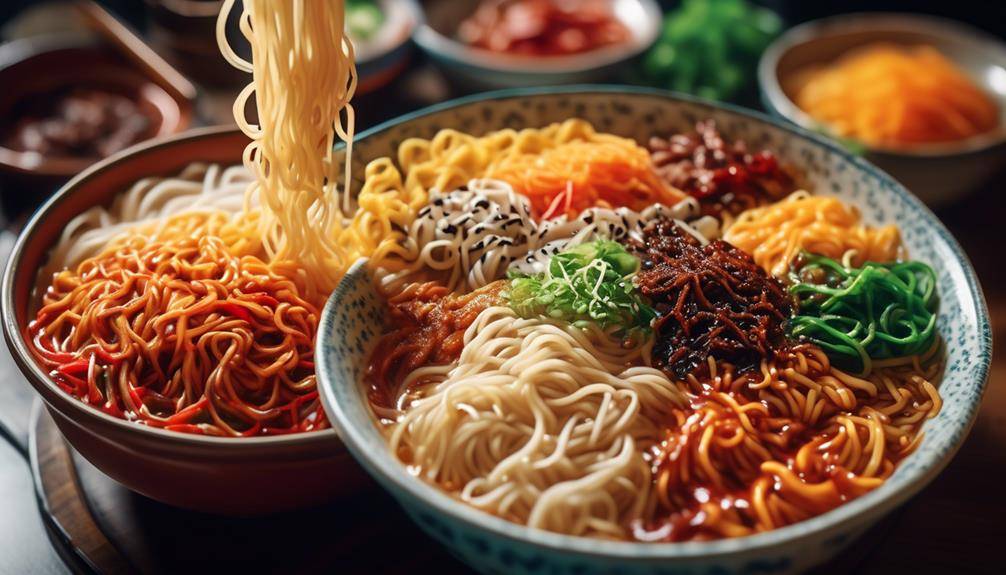
Amazing Different Types Of Korean Noodles; Have you ever wondered about the vast array of Korean noodles and the unique flavors they bring to the table? From the chewy and translucent Japchae made with sweet potato glass noodles to the fiery and comforting Ramyeon, there is a noodle dish to suit every palate. But what makes these noodles so special? In this discussion, we will explore the different types of Korean noodles, their origins, and the delicious variations that await you. So prepare to embark on a culinary journey that will leave you craving for more.
We’ve Got Everything You Need to Make Your Masterpiece.
Japchae: Sweet Potato Glass Noodles
Japchae is a popular Korean dish made with sweet potato glass noodles that are stir-fried with various vegetables and seasoned with a flavorful sauce. This dish holds significant cultural significance in Korea and is often served on special occasions such as birthdays and weddings. Japchae is known for its vibrant colors, enticing aroma, and delightful taste, making it a favorite among locals and tourists alike.
One of the key aspects to explore when discussing Japchae is its nutritional value. The dish is filled with an array of vegetables, such as carrots, bell peppers, spinach, and mushrooms, which provide essential vitamins and minerals. Sweet potato glass noodles, the main ingredient, are made from sweet potato starch, making them gluten-free and a suitable option for those with dietary restrictions. The noodles are low in calories and fat, making Japchae a healthy choice for individuals who are conscious about their calorie intake.
In addition to its nutritional benefits, Japchae is deeply rooted in Korean culture. Traditionally, it was prepared during special occasions to celebrate the harvest season. The colorful vegetables symbolize abundance and prosperity, while the noodles represent longevity and good fortune. The dish also reflects the balanced approach to cooking in Korean cuisine, where vegetables, meat, and starches are harmoniously combined.
Ramyeon: Spicy Instant Noodles
Ramyeon is a type of spicy instant noodles that offers a bold and fiery flavor profile. It is a quick and convenient meal option that has gained immense popularity in Korean cuisine. With its intense heat and satisfying texture, Ramyeon has become a staple in households and is widely enjoyed by people of all ages.
Spicy Flavor Profile
One of the most popular choices in Korean cuisine for those seeking a spicy flavor profile is a type of instant noodle known for its fiery kick. Ramyeon, the spicy instant noodles, have gained widespread popularity not only in Korea but also globally. People are drawn to these noodles for their intense spiciness, which presents a challenge for those who enjoy testing their tolerance for heat.
Despite the burning sensation, many people find pleasure in consuming these spicy noodles. Additionally, spicy food enthusiasts often appreciate the health benefits associated with consuming spicy foods. These benefits include increased metabolism, improved digestion, and potential pain relief. So, if you’re looking to satisfy your craving for a spicy flavor profile, give Ramyeon a try and experience the fiery kick that it offers.
Quick and Convenient
For those seeking a quick and convenient meal option that still delivers a fiery kick, look no further than the popular Korean dish of spicy instant noodles, known as Ramyeon. Ramyeon is the perfect choice for a busy day when you want something flavorful and satisfying without spending hours in the kitchen. With its wide variety of flavors, from classic spicy to seafood or vegetable-based options, there is a Ramyeon flavor for every palate.
Cooking Ramyeon is incredibly easy, making it an ideal choice for those with limited time or cooking skills. Simply boil water, add the noodle block and seasoning packet, and in just a few minutes, you’ll have a piping hot bowl of deliciousness ready to be enjoyed. So, when you’re craving a quick and convenient meal with a spicy kick, reach for a bowl of Ramyeon.
Popular Korean Staple
With its fiery flavors and quick preparation, spicy instant noodles, known as Ramyeon, have become a beloved staple in Korean cuisine. These noodles are not only popular in Korea but also have gained worldwide recognition. Here are some reasons why Ramyeon is such a popular Korean dish:
- Convenience: Ramyeon is the ultimate comfort food for busy individuals. It can be prepared in just a few minutes by simply boiling the noodles and adding the flavor packet.
- Versatility: Ramyeon can be enjoyed in various ways. You can add vegetables, meat, or seafood to enhance the flavor and nutritional value. Some people even get creative by adding cheese, eggs, or kimchi.
- Rich flavors: The spicy broth of Ramyeon is what makes it so addictive. The combination of spicy, savory, and umami flavors creates a satisfying and mouth-watering experience.
- Affordable: Ramyeon is not only delicious but also budget-friendly. It is a convenient and inexpensive option for a quick and satisfying meal.
Whether you’re a student, a busy professional, or simply craving a tasty meal, Ramyeon is a go-to choice that never disappoints.
We’ve Got Everything You Need to Make Your Masterpiece.
Naengmyeon: Cold Buckwheat Noodles
Naengmyeon, a popular Korean dish, features cold buckwheat noodles that are typically served in a flavorful broth and topped with various garnishes. One of the distinctive features of naengmyeon is the spicy flavor variations it offers. While there are different types of naengmyeon, two of the most well-known variations are bibim naengmyeon and mul naengmyeon.
Bibim naengmyeon is a spicy version of the dish that is made by tossing the cold noodles in a spicy gochujang-based sauce. The sauce typically includes ingredients like vinegar, sesame oil, and sugar to balance the heat of the gochujang. The result is a tangy and spicy flavor that adds a kick to the coolness of the noodles.
On the other hand, mul naengmyeon is a milder version of the dish that is served in a chilled broth. The broth is made from beef or radish and is seasoned with soy sauce, vinegar, and sugar. The combination of the cold broth and the chewy buckwheat noodles creates a refreshing and light flavor profile.
In addition to the different flavor variations, naengmyeon also offers unique toppings that enhance the overall taste and texture of the dish. Common toppings include thinly sliced cucumber, pickled radish, boiled egg, and Korean pear. These toppings add a crunchy texture and a hint of sweetness to the dish, complementing the noodles and the broth.
Whether you prefer the spicy kick of bibim naengmyeon or the refreshing taste of mul naengmyeon, naengmyeon is a delightful dish that offers a unique and satisfying dining experience.
Bibim Guksu: Spicy Mixed Noodles
Bibim Guksu is a traditional Korean dish known for its spicy flavor profile. This dish consists of mixed noodles tossed in a spicy sauce made with gochujang, a fermented red chili paste. The combination of the chewy noodles and fiery sauce creates a harmonious balance of flavors that is enjoyed by many.
Spicy Flavor Profile
One of the most popular spicy Korean noodle dishes is Bibim Guksu, which is known for its fiery flavor profile. This dish combines chewy noodles with a spicy sauce made from gochujang, a fermented red chili paste. The spicy flavor profile of Bibim Guksu not only adds a kick to your taste buds but also offers several health benefits.
The capsaicin found in spicy foods has been shown to boost metabolism, reduce inflammation, and improve digestion. If you want to add a spicy kick to your favorite noodle dishes, here are a few tips: 1) Use gochujang or other chili pastes to create a spicy sauce. 2) Add sliced fresh chili peppers to your noodles for an extra punch of heat. 3) Experiment with different spicy seasonings like cayenne pepper or chili flakes. 4) Balance the spiciness with other flavors by adding ingredients like soy sauce, sesame oil, or vinegar.
Traditional Korean Dish
To explore the traditional Korean dish of Bibim Guksu, we now turn our attention to its unique blend of fiery flavors and chewy noodles. Bibim Guksu, also known as Spicy Mixed Noodles, is a popular dish in Korean cuisine. It holds significant cultural significance as it reflects the vibrant and bold flavors that are characteristic of Korean food. The dish typically consists of cold noodles, usually made from wheat flour or buckwheat, mixed with a spicy sauce made from gochujang, soy sauce, vinegar, and sesame oil.
Additional ingredients such as cucumbers, carrots, and kimchi are often added for extra texture and flavor. Bibim Guksu is enjoyed throughout the year, but it is especially popular during the hot summer months due to its refreshing and spicy nature. The combination of spicy, tangy, and savory flavors, along with the chewy texture of the noodles, makes Bibim Guksu a truly unique and satisfying traditional Korean dish.
Kalguksu: Handmade Knife-Cut Noodles
Kalguksu, a beloved Korean dish, features handmade knife-cut noodles that are known for their rustic texture and unique taste.
Here are some key aspects of kalguksu:
- Noodle making process: Kalguksu noodles are made by hand, using a simple mixture of flour, water, and salt. The dough is rolled out and then cut into thin, flat noodles with a knife. This traditional method gives the noodles a slightly uneven shape, adding to their rustic appeal.
- Rustic texture: The handmade knife-cut noodles have a distinct texture that sets them apart from other types of Korean noodles. They are slightly chewy and have a satisfying bite that pairs well with the rich broth.
- Variations in broth flavors: Kalguksu can be enjoyed with a variety of broth flavors. The most common option is a chicken broth, which is simmered with vegetables and sometimes dried seafood to create a flavorful base. However, there are also variations that use beef, seafood, or even spicy broth for those who prefer a kick of heat.
- Toppings and accompaniments: Kalguksu is often served with a range of toppings and accompaniments to enhance the overall flavor. These can include sliced vegetables, mushrooms, minced meat, kimchi, or even a sprinkle of sesame seeds. Each addition adds its own unique taste and texture to the dish.
Mul Naengmyeon: Cold Noodles in Chilled Broth
Mul Naengmyeon, a refreshing Korean dish, features cold noodles served in a chilled broth that is perfect for hot summer days. The term “mul” translates to “water” in Korean, emphasizing the importance of the chilled broth in this dish. Mul naengmyeon is typically made with buckwheat noodles, also known as naengmyeon noodles, which are thin and chewy in texture. These noodles are cooked and then rinsed in cold water to ensure they are cool and refreshing when served.
The chilled broth that accompanies the cold noodles in mul naengmyeon is made from a combination of beef broth, vinegar, and other seasonings. The broth is often slightly sweet, tangy, and savory, creating a unique flavor profile. It is important for the broth to be chilled to enhance the refreshing nature of the dish.
Mul naengmyeon is typically garnished with various toppings, such as sliced cucumbers, pickled radish, and a boiled egg. These toppings add a crunch and additional flavors to the dish. Some variations may also include thinly sliced beef or pear, further enhancing the taste and texture.
When enjoying mul naengmyeon, it is common to mix the noodles, broth, and toppings together before eating. This allows for an even distribution of flavors and textures. The cold noodles and chilled broth provide a cooling sensation, making it a popular choice during the hot summer months.
Jajangmyeon: Black Bean Sauce Noodles
Jajangmyeon, a popular Korean dish, features noodles in a rich black bean sauce. This dish holds cultural significance in Korea, as it is considered a comfort food and a staple in Korean-Chinese cuisine. Jajangmyeon is typically made with wheat noodles, which are long and thick, providing a satisfying chewiness to the dish. The black bean sauce is made from fermented black soybeans, onions, and sometimes pork or seafood. Here are four cooking techniques associated with jajangmyeon:
- Sautéing the black bean paste: The first step in making jajangmyeon is sautéing the black bean paste in oil. This process helps to release the flavors and aromas of the paste, creating a rich and savory base for the sauce.
- Incorporating vegetables and meat: After sautéing the paste, vegetables such as onions, zucchini, and potatoes are added to the pan. These vegetables provide texture and flavor to the dish. Some variations of jajangmyeon also include diced pork or seafood.
- Simmering the sauce: Once the vegetables and meat are cooked, water or broth is added to the pan to create a sauce. The sauce is then simmered until it thickens, allowing the flavors to meld together.
- Boiling the noodles: In a separate pot, the noodles are boiled until they are cooked to the desired consistency. The cooked noodles are then drained and rinsed before being added to the sauce.
Jajangmyeon is typically served hot and garnished with thinly sliced cucumbers or pickled radish. It is enjoyed by Koreans as a delicious and comforting meal, perfect for any occasion.
We’ve Got Everything You Need to Make Your Masterpiece.
Dangmyeon: Korean Sweet Potato Noodles
Continuing our exploration of Korean noodles, let’s now turn our attention to Dangmyeon, a unique variety made from sweet potatoes. Dangmyeon, also known as Korean sweet potato noodles, is a popular ingredient in Korean cuisine. These translucent and springy noodles are made from sweet potato starch and offer a delightful chewy texture that makes them stand out from other types of noodles.
Dangmyeon not only adds a delicious taste to dishes but also boasts several health benefits. These noodles are low in calories and fat, making them a great option for those looking to maintain a healthy diet. Additionally, dangmyeon is gluten-free, making it suitable for individuals with gluten sensitivities or those following a gluten-free diet. It is also a good source of vitamin C, fiber, and potassium.
When it comes to cooking dangmyeon, there are various methods you can try. One popular dish that features dangmyeon is Japchae, a stir-fried noodle dish mixed with an assortment of vegetables, meat, and a savory sauce. To prepare dangmyeon for Japchae, soak the noodles in warm water until they become soft, then boil them for a few minutes until they are fully cooked. Once cooked, drain the noodles and rinse them with cold water to remove excess starch. They are now ready to be stir-fried with your choice of ingredients.
In addition to Japchae, dangmyeon can also be used in soups, salads, and stir-fried dishes. Its versatility and unique texture make it an excellent choice for a variety of recipes. So, next time you’re in the mood for trying something new, give dangmyeon a try and explore the delightful flavors and health benefits it has to offer.
We’ve Got Everything You Need to Make Your Masterpiece.
Frequently Asked Questions: Amazing Different Types Of Korean Noodles
How Long Do I Need to Cook Japchae: Sweet Potato Glass Noodles to Achieve the Perfect Texture?
To achieve the perfect texture for japchae’s sweet potato glass noodles, cook them for around 6-8 minutes. This cooking time allows the noodles to become soft and chewy, creating a delightful experience in every bite.
Can I Substitute the Spicy Seasoning Packet in Ramyeon: Spicy Instant Noodles With a Milder Option?
Yes, you can substitute the spicy seasoning packet in ramyeon with a milder option. This will allow you to customize the flavor to your preference. Experiment with different seasonings to find the perfect balance for your taste buds.
Is Naengmyeon: Cold Buckwheat Noodles Typically Served With Any Specific Toppings or Condiments?
Naengmyeon, a cold buckwheat noodle dish, is typically served with various toppings and condiments. Exploring the different types of Korean noodles, you’ll find that naengmyeon is often garnished with sliced cucumbers, pickled radish, and a tangy sauce for added flavor.
What Are Some Common Variations of Bibim Guksu: Spicy Mixed Noodles That I Can Try?
Some common variations of bibim guksu include kimchi bibim guksu, spicy bulgogi bibim guksu, and soybean sprout bibim guksu. The best side dishes for bibim guksu are pickled radish, cucumbers, and kimchi.
Can I Use Regular Wheat Noodles as a Substitute for Kalguksu: Handmade Knife-Cut Noodles?
Regular wheat noodles can be used as a substitute for kalguksu, but they won’t have the same texture. Kalguksu noodles are hand-cut, giving them a chewy and rustic quality that adds to the dish’s overall experience.

Conclusion
In conclusion, the world of Korean noodles is diverse and delicious. From the chewy and sweet Japchae made with glass noodles, to the fiery and flavorful Ramyeon, there is a noodle dish for every palate. Whether you prefer cold buckwheat noodles or spicy mixed noodles, Korean cuisine offers a wide range of options. The handmade knife-cut Kalguksu and the refreshing Mul Naengmyeon in chilled broth are also popular choices. And let’s not forget the rich and savory Jajangmyeon! Lastly, the Korean sweet potato noodles, known as Dangmyeon, add a unique twist to any dish. With such variety, exploring the different types of Korean noodles is a culinary adventure worth embarking on.