Great Vietnamese Soups And Stews
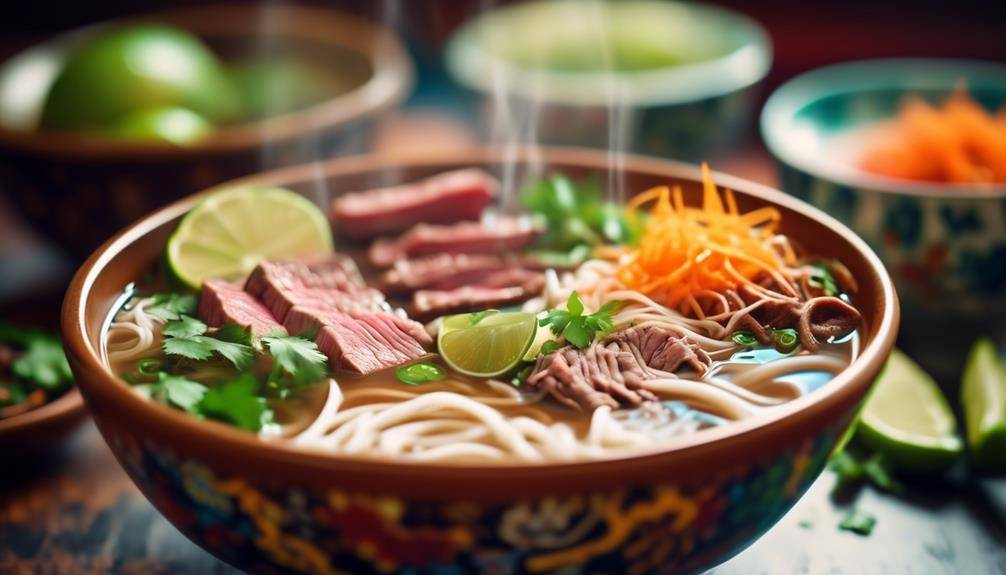
Great Vietnamese Soups And Stews; Step into a world of simmering flavors and aromatic spices, where each bowl of Vietnamese soups and stews tells a story that is waiting to be unravelled. From the iconic Pho to the spicy and fragrant Bun Bo Hue, Vietnamese cuisine offers a tantalizing array of soups and stews that will transport your taste buds to a land of culinary adventure. But there’s more to these dishes than meets the eye – hidden beneath their humble appearances are complex flavors and rich textures that will leave you craving for more. So, grab a spoon and prepare to embark on a gastronomic journey through the diverse and delightful world of Vietnamese soups and stews.
We’ve Got Everything You Need to Make Your Masterpiece.
Pho: The Iconic Vietnamese Soup
Pho, the iconic Vietnamese soup, tantalizes your taste buds with its rich broth, tender slices of meat, and fragrant blend of herbs and spices. This beloved dish has become a symbol of Vietnamese cuisine, and its popularity has spread far beyond its country of origin. Pho is a noodle soup that is made by simmering beef bones, onions, and spices for hours, resulting in a flavorful and aromatic broth. The cooking technique used for making pho is crucial to its taste and quality.
Traditionally, pho is made by boiling the bones and aromatics for several hours, allowing the flavors to meld together and create a deeply savory broth. The bones used can vary, but typically include beef knuckles, oxtail, and marrow bones. The longer the bones simmer, the richer and more flavorful the broth becomes.
Pho also has regional variations throughout Vietnam. In the north, pho is typically made with wider rice noodles and has a lighter, clearer broth. The south, on the other hand, prefers thinner noodles and a darker, more robust broth. These regional differences can also be seen in the choice of meat toppings, with the north favoring lean cuts of beef and the south incorporating more fatty and offal cuts.
The art of making pho lies in finding the perfect balance of flavors. The broth should be fragrant, with hints of star anise, cinnamon, and cloves. The meat should be tender and thinly sliced, and the noodles should be cooked just right – soft yet slightly chewy. Pho is typically served with a plate of fresh herbs, bean sprouts, lime wedges, and chili peppers, allowing you to customize each bite to your liking.
Bun Bo Hue: A Spicy and Fragrant Delight
Get ready to experience a bold and aromatic adventure with Bun Bo Hue, a Vietnamese soup that will ignite your taste buds. The star of this dish is the spicy broth, rich with flavors of lemongrass, shrimp paste, and chili. Tender beef and pork, along with rice noodles, complete this hearty bowl of goodness. Don’t forget the traditional garnishes of herbs, lime, and chili oil to enhance the already vibrant flavors.
Spicy Broth and Noodles
Indulge in the fiery and aromatic flavors of Bun Bo Hue, a tantalizing Vietnamese soup that will transport you to the vibrant streets of Hue.
- Spicy broth variations: Bun Bo Hue is known for its rich and spicy broth, made with a combination of beef bones, lemongrass, shrimp paste, and chili oil. The broth packs a punch of heat and is infused with fragrant spices like star anise and cloves, creating a complex and flavorful base.
- Noodle soup toppings: This delectable dish is traditionally served with rice noodles, tender slices of beef, and pork. It is then garnished with various toppings, such as fresh herbs like Thai basil and cilantro, crispy bean sprouts, lime wedges, and sliced onions. These toppings add a refreshing and textural contrast to the spicy broth.
With its bold flavors and aromatic spices, Bun Bo Hue is a true culinary delight that will leave your taste buds satisfied and craving for more.
Traditional Garnishes and Flavors
Immerse yourself in the vibrant world of Bun Bo Hue by exploring its traditional garnishes and flavors that enhance the already spicy and fragrant delight of this Vietnamese soup. Traditional garnishes play a crucial role in adding depth and complexity to the dish. Common garnishes include fresh herbs like Thai basil, cilantro, and mint, which provide a refreshing contrast to the rich and spicy broth.
Sliced banana blossoms add a hint of sweetness, while bean sprouts offer a crunchy texture. Lime wedges and chili peppers are often served on the side, allowing you to adjust the level of tanginess and spiciness according to your taste. It’s important to note that while there are regional variations of Bun Bo Hue, the garnishes and flavors remain consistent, ensuring a harmonious balance of tastes in every bowl.
Canh Chua: A Tangy and Savory Soup
Canh Chua, a tangy and savory soup, is a delightful Vietnamese dish that tantalizes the taste buds with its vibrant flavors and aromatic ingredients. This traditional soup is known for its unique combination of sweet, sour, and savory flavors, making it a favorite among Vietnamese households. The cooking process involves a careful balance of ingredients to create the perfect harmony of flavors. Here are the key components that make Canh Chua so special:
- Fresh and Fragrant Herbs: Canh Chua is traditionally made with a variety of fresh herbs such as lemongrass, Vietnamese mint, and cilantro. These herbs not only add a burst of freshness to the soup but also contribute to its aromatic profile.
- Tangy Tamarind: Tamarind is the star ingredient that gives Canh Chua its signature tangy flavor. The pulp of the tamarind fruit is combined with water to create a sour base for the soup. This tanginess is balanced by the sweetness of pineapple or tomatoes, resulting in a harmonious blend of flavors.
- Protein and Vegetables: Canh Chua typically includes a combination of fish or shrimp and an assortment of vegetables. The protein is cooked in the tamarind broth until tender, while the vegetables, such as okra, bean sprouts, and tomatoes, add texture and color to the soup.
To prepare Canh Chua, the ingredients are slowly simmered together, allowing the flavors to meld and develop. The soup is then served hot, garnished with fresh herbs and a squeeze of lime juice. Each spoonful of Canh Chua offers a burst of tanginess, a hint of sweetness, and a refreshing herbal aroma. It is a true testament to the Vietnamese culinary tradition, showcasing the delicate balance of flavors that the cuisine is known for. So, the next time you crave a tangy and savory soup, give Canh Chua a try and experience the vibrant taste of Vietnam.
We’ve Got Everything You Need to Make Your Masterpiece.
Banh Canh: A Thick and Chewy Delight
Get ready to experience the deliciousness of Banh Canh, a Vietnamese soup that is known for its thick and chewy noodles. The key ingredients for this delightful dish include tapioca flour, rice flour, pork, and various herbs and spices. The cooking process involves making the dough for the noodles, boiling them until they become chewy, and then adding the flavorful broth and toppings. When serving Banh Canh, you can garnish it with fresh herbs, green onions, and a squeeze of lime for an extra burst of flavor.
Ingredients for Banh Canh
To create the perfect bowl of Banh Canh, you will need a combination of essential ingredients that contribute to its unique texture and delightful chewiness. Here are the key ingredients for this Vietnamese soup:
- Rice Flour: The base of Banh Canh is made from a mixture of rice flour and water, creating a thick and chewy noodle-like texture that sets it apart from other soups.
- Pork Bones: The broth is typically made by simmering pork bones for hours, extracting all the rich flavors and collagen that give Banh Canh its hearty and satisfying taste.
- Toppings: Banh Canh can be customized with various toppings such as shrimp, crab, or pork. These toppings add different flavors and textures, enhancing the overall experience.
While the basic cooking techniques for Banh Canh remain the same, there are regional variations that incorporate different ingredients and spices, resulting in unique flavors across Vietnam.
Cooking Process for Banh Canh
For the perfect bowl of Banh Canh, follow these simple steps to achieve its thick and chewy delight. The cooking process for Banh Canh involves a few key techniques that are essential to its unique texture and flavor. First, you will need to make a flavorful broth by simmering pork bones, shrimp shells, and aromatics like onions and garlic. Next, prepare the Banh Canh noodles by combining rice flour with water and kneading it into a soft dough. Roll the dough into long strands and cut them into thick, chewy noodles.
Cook the noodles in boiling water until they are tender and then transfer them to the broth. Finally, top your Banh Canh with various ingredients like sliced pork, shrimp, herbs, and crispy shallots to add layers of flavor and texture. With these cooking techniques, you can create variations of Banh Canh that suit your taste preferences, whether it’s with seafood, meat, or vegetarian options.
Serving Suggestions for Banh Canh
Enhance your Banh Canh experience with these delectable serving suggestions that complement its thick and chewy nature.
- Pair it with fresh herbs and sprouts: The vibrant flavors of cilantro, basil, and bean sprouts add a refreshing contrast to the rich and hearty Banh Canh. Sprinkle them generously on top of your soup to elevate its taste and texture.
- Add a squeeze of lime: The tangy acidity of lime juice cuts through the richness of the broth, enhancing the overall balance of flavors. A squeeze of lime also adds a bright and zesty note to the dish.
- Customize with condiments: Explore different condiments like chili sauce, hoisin sauce, or fish sauce to add an extra punch of flavor. These condiments can be drizzled over the Banh Canh or served on the side for dipping.
These serving suggestions not only enhance the taste of Banh Canh but also allow you to tailor the dish to your personal preferences. Experiment with these techniques and create a Banh Canh experience that is uniquely yours.
Hu Tieu: A Versatile and Flavorful Soup
Hu Tieu, a beloved Vietnamese soup known for its versatility and bold flavors, is a culinary masterpiece that will transport your taste buds to the vibrant streets of Vietnam. This soup is incredibly popular and can be found in various regions of Vietnam, each with its own unique twist. There are several variations of Hu Tieu, including Hu Tieu Nam Vang, Hu Tieu My Tho, and Hu Tieu Saigon. Each variation showcases different ingredients and flavors, making it a versatile dish that can be enjoyed by all.
One of the highlights of Hu Tieu is the wide range of toppings that can be added to enhance the flavors and textures of the soup. Common toppings include sliced pork, shrimp, squid, and fish cake. These proteins add a savory and rich element to the soup, making it even more satisfying. Additionally, bean sprouts, cilantro, and green onions are often added for freshness and a burst of color.
The broth of Hu Tieu is what truly sets it apart. It is typically made from a combination of pork bones, dried shrimp, and various spices such as star anise, cinnamon, and cloves. This results in a flavorful and aromatic broth that is the perfect base for the noodles and toppings. The noodles used in Hu Tieu are usually rice noodles, which have a chewy and slippery texture that pairs well with the rich broth.
Whether you prefer a simple Hu Tieu with just a few toppings or a more elaborate version with a variety of proteins, Hu Tieu is a soup that will satisfy your cravings. Its versatility and bold flavors make it a culinary delight that should not be missed when exploring Vietnamese cuisine. So, take a trip to Vietnam through your taste buds and indulge in a bowl of Hu Tieu today.
Mi Quang: A Colorful and Nutritious Dish
Mi Quang is a Vietnamese dish known for its vibrant colors and rich flavors. It is made with a variety of ingredients, including rice noodles, shrimp or chicken, herbs, and vegetables, all cooked in a savory broth. This dish is not only visually appealing but also packed with nutritional benefits, as it is a good source of protein, fiber, and vitamins.
Ingredients and Flavors
With its vibrant colors and rich flavors, Mi Quang is a highly nutritious dish that is sure to satisfy your taste buds. This traditional Vietnamese soup recipe incorporates a variety of popular ingredients to create a harmonious blend of flavors. Here are three key elements that make Mi Quang stand out:
- Turmeric-infused broth: The base of Mi Quang is a fragrant broth made with turmeric, giving it a beautiful golden hue. This spice not only adds a warm and earthy flavor but also provides numerous health benefits.
- Rice noodles: Mi Quang is typically served with thick rice noodles, which have a chewy texture that complements the other ingredients. These noodles are a staple in Vietnamese cuisine and are a great source of energy.
- Fresh herbs and vegetables: Mi Quang is topped with an array of fresh herbs and vegetables, such as basil, coriander, lettuce, and bean sprouts. These ingredients add freshness and crunch to the dish, as well as essential vitamins and minerals.
Mi Quang is a delightful combination of colors, flavors, and nutrients, making it a must-try Vietnamese soup.
We’ve Got Everything You Need to Make Your Masterpiece.
Cooking and Serving
To fully experience the vibrant colors and rich flavors of Mi Quang, it is essential to understand the cooking and serving techniques that make this Vietnamese dish truly special. Mi Quang is traditionally made by boiling pork or chicken bones to create a flavorful broth. The key to its unique taste lies in the use of turmeric, which gives the soup its distinctive yellow color.
The noodles are cooked separately and then combined with the broth and a variety of toppings, such as shrimp, pork, and herbs. To serve Mi Quang, the soup is presented in a shallow bowl, allowing the vibrant colors and textures to be showcased. The toppings are arranged beautifully on top, creating an enticing visual appeal. This attention to detail in both cooking and presentation elevates Mi Quang from a simple noodle soup to a culinary masterpiece.
Nutritional Benefits
A colorful and nutritious dish, Mi Quang offers a variety of health benefits that make it a wholesome choice for any meal. Vietnamese soups, including Mi Quang, have a positive impact on digestion, thanks to their rich ingredients and flavors. The combination of herbs, vegetables, and protein in Mi Quang aids in breaking down food and promoting healthy digestion. Moreover, Vietnamese soups play a crucial role in boosting immune health. With its abundance of fresh herbs, spices, and nutrient-dense ingredients, Mi Quang provides the body with essential vitamins, minerals, and antioxidants that strengthen the immune system. Additionally, the warm broth of Mi Quang helps to soothe the throat and clear the sinuses, providing relief during cold and flu season.
Chao Ga: Vietnamese Rice Porridge With Chicken
Chao Ga, a comforting and nourishing Vietnamese rice porridge, is a delicious dish that combines tender chicken and fragrant rice in a flavorful broth. This traditional Vietnamese dish is prepared using various cooking techniques to create a delightful texture and taste. The chicken is typically simmered with fragrant herbs and spices, allowing the flavors to infuse into the broth. The rice is then added and cooked until it becomes soft and creamy, creating a velvety consistency.
One of the key health benefits of Chao Ga is its ability to provide nourishment and comfort to the body. The slow cooking process helps to release the nutrients from the chicken, making it easier for the body to absorb. Chicken is a good source of lean protein, which is essential for muscle growth and repair. It also contains important vitamins and minerals, such as vitamin B6 and selenium, that support immune function and promote overall well-being.
The addition of rice in Chao Ga not only adds to its comforting texture but also provides energy and sustenance. Rice is a staple food in Vietnamese cuisine and is rich in carbohydrates, which are the body’s main source of fuel. It is also low in fat and cholesterol, making it a healthy choice for those looking to maintain a balanced diet.
Chao Ga is often garnished with fresh herbs, such as cilantro and green onions, which not only add a pop of color but also contribute to its overall flavor profile. The herbs provide a burst of freshness and a hint of bitterness, balancing out the richness of the broth and chicken.
Sup Mang Cua: Crab and Asparagus Soup
Crab and asparagus come together in a flavorful broth to create the exquisite Vietnamese soup known as Sup Mang Cua. This soup is a perfect blend of delicate flavors and textures, making it a popular choice among Vietnamese cuisine enthusiasts. Here are some key cooking techniques and health benefits of this delectable dish:
- Cooking Techniques:
- The first step in making Sup Mang Cua is to prepare the crab meat. The crab is carefully cracked and the meat is extracted, ensuring that all the succulent flavors are captured.
- Asparagus is then cleaned and trimmed before being added to the soup. It is important to cook the asparagus just enough to retain its crispness and vibrant green color.
- The broth for Sup Mang Cua is made by simmering chicken or pork bones with aromatics such as ginger, shallots, and fish sauce. This slow-cooking process allows the flavors to meld together, resulting in a rich and aromatic broth.
- Health Benefits:
- Asparagus is a nutritious vegetable that is rich in vitamins A, C, and K. It is also a good source of fiber, which aids in digestion and promotes overall gut health.
- Crab meat is low in fat and calories, making it a healthy protein choice. It is also a good source of omega-3 fatty acids, which are beneficial for heart health.
- The broth used in Sup Mang Cua is not only flavorful but also provides nourishment. It is packed with nutrients from the bones and aromatics, making it a comforting and healing soup.
Bun Rieu: A Delicious Tomato-based Soup
To experience the delightful flavors of Vietnamese cuisine, look no further than Bun Rieu, a tantalizing tomato-based soup that will transport your taste buds to the streets of Vietnam. This beloved dish is known for its unique combination of ingredients and the skillful cooking techniques used to bring out its rich flavors.
Bun Rieu is made by simmering a flavorful broth, typically made from tomatoes, crab paste, and shrimp paste. The broth is then seasoned with various herbs and spices such as lemongrass, garlic, and fish sauce, giving it a distinct and aromatic taste. The soup is often served with vermicelli noodles, which add a light and refreshing element to the dish.
One of the most interesting aspects of Bun Rieu is its variations and regional differences. In the northern regions of Vietnam, the soup is often prepared with freshwater crabs, giving it a slightly sweeter flavor. In the southern regions, on the other hand, the soup is traditionally made with saltwater crabs, resulting in a more savory taste. Additionally, different regions may also include other ingredients such as tofu, pork, or even blood cubes to enhance the complexity of the dish.
When it comes to cooking techniques, making Bun Rieu requires patience and precision. The broth needs to be simmered slowly to allow the flavors to meld together and develop a rich depth. The crab paste and shrimp paste are crucial ingredients that add a unique umami flavor to the soup. These pastes are usually made by grinding fresh crabs and shrimp, which requires skill and attention to detail.
We’ve Got Everything You Need to Make Your Masterpiece.
Bo Kho: A Hearty and Spicy Beef Stew
Bo Kho is a robust and fiery beef stew that will warm your soul with its bold flavors and tender chunks of meat. This traditional Vietnamese dish combines the richness of beef with fragrant spices and herbs to create a hearty and satisfying meal. Here are three key aspects of Bo Kho that make it a standout dish in Vietnamese cuisine:
- Flavorful Broth: The key to a delicious Bo Kho lies in its deeply flavorful broth. Made with a combination of beef stock, lemongrass, ginger, star anise, and other aromatic spices, the broth develops a complex and savory taste that is both comforting and invigorating. As the beef simmers in the broth, it absorbs the flavors, becoming tender and succulent.
- Tender Beef: Bo Kho typically uses tougher cuts of beef, such as brisket or shank, which benefit from long, slow cooking. The result is meat that is melt-in-your-mouth tender and full of flavor. The beef becomes infused with the spices and herbs, creating a harmonious marriage of taste and texture.
- Spicy Kick: Bo Kho is known for its spicy kick, thanks to the addition of chili peppers or chili paste. This heat adds depth and complexity to the stew, elevating it from a simple beef dish to a bold and exciting culinary experience. The spiciness can be adjusted according to personal preference, making it a versatile dish that can be enjoyed by everyone.
Bo Kho is a versatile dish that can be customized to suit individual tastes. Some popular variations include adding vegetables like carrots and potatoes, or even substituting the beef with chicken or tofu for a vegetarian twist. Regardless of the recipe or variation, Bo Kho remains a beloved Vietnamese dish that embodies the heart and soul of Vietnamese cuisine.
Ca Kho To: A Caramelized Fish Stew
Ca Kho To is a Vietnamese fish stew that boasts a flavorful combination of fish and sauce. The dish is made using traditional cooking techniques, such as caramelizing the fish in a clay pot, which gives it a unique and rich taste. The key to its deliciousness lies in the perfect balance of sweet and savory flavors, creating a dish that is both satisfying and comforting.
Flavorful Fish and Sauce
With its rich flavors and succulent fish, Ca Kho To is a Vietnamese stew that tantalizes the taste buds and leaves you craving for more. This dish is a perfect example of the flavorful fish dishes that Vietnam is known for. The secret lies in the unique dipping sauces that are used to enhance the natural flavors of the fish. Here are three key components that make Ca Kho To so special:
- Caramelization: The fish is cooked in a caramel sauce made from sugar, water, and fish sauce. This caramelization process gives the dish a deep, sweet, and savory flavor.
- Fish: Ca Kho To is traditionally made with catfish, but other firm-fleshed fish like salmon or cod can also be used. The fish is marinated in a mixture of spices and then simmered in the caramel sauce until it becomes tender and infused with the flavors of the sauce.
- Dipping sauce: To complement the rich flavors of the stewed fish, Ca Kho To is often served with a tangy and spicy dipping sauce made from fish sauce, lime juice, chili, and garlic. This sauce adds a refreshing and zesty kick to the dish.
Ca Kho To is a true delight for seafood lovers, offering a symphony of flavors that will transport you to the vibrant streets of Vietnam.
Traditional Cooking Techniques
To master the art of creating a delectable Ca Kho To, you must become familiar with the traditional cooking techniques that bring out the rich flavors and tender texture of the caramelized fish stew. The secret lies in the careful balance of heat, time, and ingredients. The first step is marinating the fish in a mixture of fish sauce, sugar, and spices, allowing it to absorb the flavors.
Then comes the unique cooking technique of caramelization, where the fish is simmered in a clay pot with sugar and water until the sauce thickens and turns a deep amber color. This process infuses the fish with a delightful combination of sweet and savory flavors. The dish is then garnished with fresh herbs and served with steamed rice, creating a harmonious blend of tastes and textures. The traditional cooking techniques used in Ca Kho To truly elevate this dish to a culinary masterpiece.
Perfect Balance of Sweet and Savory
Achieving the perfect balance of sweet and savory is essential in creating the mouthwatering flavors of Ca Kho To, a caramelized fish stew. This traditional Vietnamese dish is known for its rich, complex taste that combines sweetness from caramelized sugar with the umami flavors of fish and other ingredients. To create this balance, the stew is simmered slowly, allowing the flavors to meld together and develop. Here are three key elements that contribute to the perfect balance of sweet and savory in Ca Kho To:
- Caramelization: The use of caramelized sugar adds a deep, rich sweetness to the dish, complementing the savory flavors of the fish and other ingredients.
- Fish sauce: A staple in Vietnamese cuisine, fish sauce provides a salty and savory element that enhances the overall taste of the stew.
- Aromatic spices: Fragrant spices like garlic, shallots, and chilies bring additional layers of flavor to the dish, balancing out the sweetness and adding depth.
For those looking for sauce options or vegetarian alternatives, Ca Kho To can be adapted to suit different dietary preferences. The caramelized fish stew can be served with a side of nuoc cham, a tangy dipping sauce, or paired with steamed vegetables for a vegetarian-friendly version.
Canh Bun: a Soup With Vermicelli and Pork
Canh Bun is a delectable Vietnamese soup that features vermicelli noodles and tender pork, creating a harmonious blend of flavors and textures. This soup has various variations and regional differences throughout Vietnam, each offering its own unique twist on the classic dish. In the south, canh bun is typically served with a clear broth and topped with bean sprouts, sliced pork, and shrimp.
The noodles are thin and delicate, adding a soft and chewy texture to each spoonful. In the central regions, the soup is often prepared with a thicker and more flavorful broth, made by simmering pork bones and shrimp shells. The noodles used in this version are slightly thicker, providing a heartier bite. Moving up to the northern parts of Vietnam, canh bun is known for its distinctive red broth, which is achieved by using tomatoes as a base. This gives the soup a tangy and slightly sweet taste.
Popular toppings for this version include fried tofu, pork hock, and blood cake. Regardless of the regional variation, canh bun is typically served with an array of condiments and toppings. These can include lime wedges, fresh herbs like cilantro and mint, sliced chilies, and fish sauce. These condiments enhance the flavors of the soup, allowing you to customize each spoonful to your liking. Whether you prefer a clear or thick broth, or enjoy the tanginess of tomatoes, canh bun is a soup that satisfies all taste buds.
Dau Hu Non Om: Braised Tofu and Mushroom Stew
Braised tofu and mushroom stew, known as Dau Hu Non Om in Vietnamese cuisine, offers a comforting and flavorful combination of tender tofu, earthy mushrooms, and aromatic herbs. This dish showcases the art of braising techniques, where the tofu and mushrooms are slowly cooked in a flavorful liquid until they become tender and infused with the rich flavors of the broth. Dau Hu Non Om is a popular vegetarian option in Vietnamese cuisine, providing a hearty and satisfying meal for those who prefer plant-based dishes.
Here are three reasons why Dau Hu Non Om is a must-try:
- Tender and flavorful tofu: The braising process allows the tofu to absorb the savory flavors of the broth, resulting in a melt-in-your-mouth texture. The tofu becomes infused with the aromatic herbs and spices, creating a delicious contrast to the earthy mushrooms.
- Earthy and aromatic mushrooms: The addition of mushrooms adds depth and umami to the stew. Whether it’s shiitake, oyster, or button mushrooms, their earthy flavors complement the tofu and create a hearty and satisfying dish.
- Versatile and customizable: Dau Hu Non Om can be tailored to suit individual preferences by adding a variety of vegetables such as bok choy, carrots, or bell peppers. It can also be served with rice or noodles to make it a complete meal.
Dau Hu Non Om is a dish that showcases the versatility of vegetarian options in Vietnamese cuisine. Whether you’re a vegetarian or simply looking to incorporate more plant-based meals into your diet, this braised tofu and mushroom stew is sure to satisfy your cravings for a comforting and flavorful dish.
We’ve Got Everything You Need to Make Your Masterpiece.
Bun Moc: A Pork and Mushroom Noodle Soup
To experience the rich flavors and textures of Vietnamese cuisine, look no further than Bun Moc, a delightful noodle soup made with tender pork and earthy mushrooms. This soup combines the perfect pork and mushroom combo, creating a harmonious blend of flavors that will leave you craving for more.
Bun Moc is a traditional Vietnamese dish that showcases the skillful balance of ingredients and flavors that the cuisine is known for. The soup is typically prepared by simmering pork bones and meat, along with dried mushrooms, in a flavorful broth. The result is a broth that is both deeply savory and slightly sweet, thanks to the natural umami of the pork and the earthiness of the mushrooms.
The star of the dish, aside from the pork and mushrooms, is the delicate rice noodles. These thin, translucent noodles soak up the flavors of the broth, adding a satisfying chewiness to each spoonful. The noodles are typically served in the soup, along with tender slices of pork, fragrant herbs, and crispy shallots, creating a medley of textures that is truly delightful.
One of the great things about Bun Moc is its versatility. While it is traditionally made with pork and mushrooms, you can also find variations that include other ingredients such as fish, shrimp, or even tofu. Each version adds its own unique twist to the dish, offering a range of flavors and textures for you to explore.
Sup Bap Cua: Corn and Crab Soup
Building upon the exploration of Vietnamese soups and stews, let’s now turn our attention to Sup Bap Cua, a delectable corn and crab soup that showcases the unique flavors and ingredients of Vietnamese cuisine. This soup is not only a culinary delight but also holds cultural significance in Vietnamese cooking. Here’s why Sup Bap Cua deserves a special place on your dining table:
- Cooking Techniques: Sup Bap Cua is a labor of love that requires skillful cooking techniques. The corn kernels are scraped off the cob, creating a creamy base when combined with crab meat and broth. The soup is simmered slowly to allow the flavors to meld together, resulting in a rich and hearty dish. The delicate balance of flavors is achieved by carefully adding ingredients at the right time, ensuring that each component shines through.
- Unique Ingredients: The use of fresh corn and succulent crab meat sets Sup Bap Cua apart from other soups. Corn, a staple in Vietnamese cuisine, lends its natural sweetness and creamy texture to the soup. The addition of crab meat adds a subtle brininess and enhances the overall flavor profile. The combination of these ingredients creates a harmonious blend of sweet and savory notes that will tantalize your taste buds.
- Cultural Significance: Sup Bap Cua holds cultural significance in Vietnamese cuisine as it represents the harmony between land and sea. Corn symbolizes the agricultural bounty of the land, while crab represents the abundance of the sea. The soup is often enjoyed during family gatherings and special occasions, reflecting the importance of communal dining and sharing meals with loved ones.
Sup Bap Cua is more than just a soup; it is a testament to the art of Vietnamese cooking. Its intricate cooking techniques, unique ingredients, and cultural significance make it a dish worth savoring. So, why not treat yourself to a bowl of Sup Bap Cua and experience the flavors of Vietnam?
We’ve Got Everything You Need to Make Your Masterpiece.
Frequently Asked Questions: Great Vietnamese Soups And Stews
What Are the Main Ingredients Used in Pho?
In vegetarian pho, the main ingredients are rice noodles, broth, and various vegetables. As for variations of banh canh, they typically include thick noodles made from either rice or tapioca flour, meat or seafood, and a flavorful broth.
How Is Banh Canh Different From Other Vietnamese Soups?
Banh canh, unlike other Vietnamese soups, has variations in its noodle thickness. It is a hearty dish with popular toppings like pork or seafood. The flavors blend together, creating a satisfying and comforting meal.
What Is the Flavor Profile of Canh Chua?
Canh chua has a unique flavor profile that combines sweet, sour, and savory notes. It is a tangy and refreshing soup, typically made with fish or shrimp, but there is also a delicious vegetarian version available.
Can You Provide a Vegetarian Version of Hu Tieu?
If you’re looking for a vegetarian version of hu tieu, there are plenty of alternatives to traditional ingredients. You can try using tofu, mushrooms, or even seitan for a hearty and flavorful bowl of soup. The variations in flavor profiles are endless!
How Is Sup Mang Cua Traditionally Served?
Sup mang cua is traditionally served in a large bowl with a side of rice noodles, fresh herbs, and lime wedges. The hot and sour soup is topped with chunks of crab meat, bamboo shoots, and egg.

Conclusion
Vietnamese soups and stews are a true delight for the senses. From the iconic Pho with its rich broth and tender noodles, to the spicy and fragrant Bun Bo Hue, each dish offers a unique blend of flavors and textures. Whether it’s the tangy and savory Canh Chua or the thick and chewy Banh Canh, Vietnamese soups and stews showcase the country’s culinary expertise. With their versatility and depth of flavors, these dishes are sure to satisfy any palate.