Amazing Vietnamese Food And Wine Pairings
Amazing Vietnamese Food And Wine Pairings; Did you know that Vietnamese cuisine offers a unique and flavorful experience that can be enhanced by the right wine pairing? While many people may not be familiar with Vietnamese food and its diverse range of flavors, it is worth exploring how different wines can complement and elevate these dishes. From traditional starters to noodle dishes, rice dishes, stir-fries, and even desserts, there are countless opportunities to discover exciting combinations that will tantalize your taste buds. So, if you’re ready to embark on a culinary adventure and uncover the perfect wine pairings for Vietnamese cuisine, get ready to elevate your dining experience to a whole new level.
Click Here and Turn Every Masterpiece into a Showstopper!
Understanding Vietnamese Cuisine
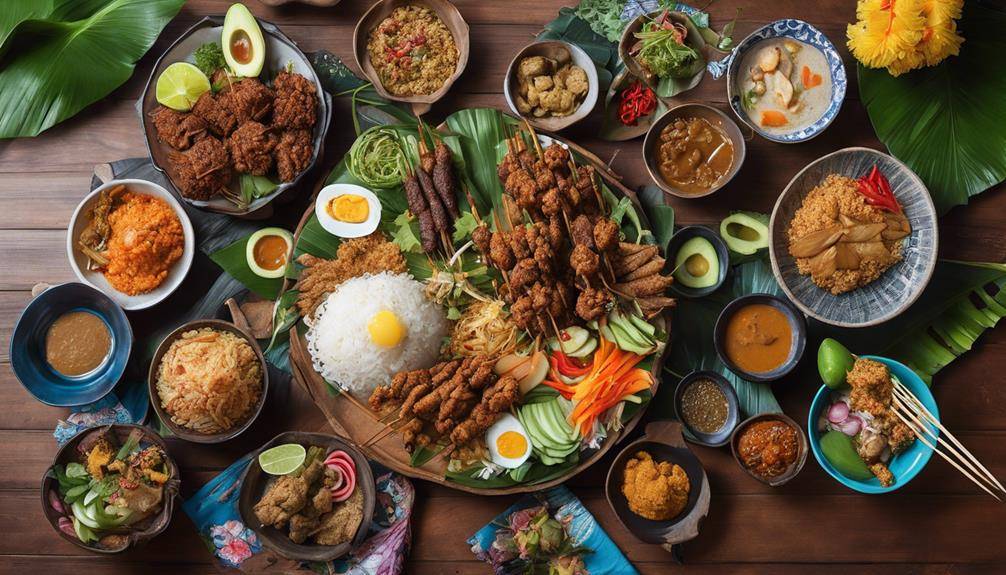
Understanding Vietnamese cuisine is essential for discovering the unique flavors and cultural influences that make it one of the most beloved and diverse culinary traditions in the world. Vietnamese cuisine is characterized by its fresh ingredients and delicate balance of flavors. To truly understand Vietnamese cuisine, it is important to familiarize yourself with the key ingredients and traditional cooking techniques that are integral to its rich culinary heritage.
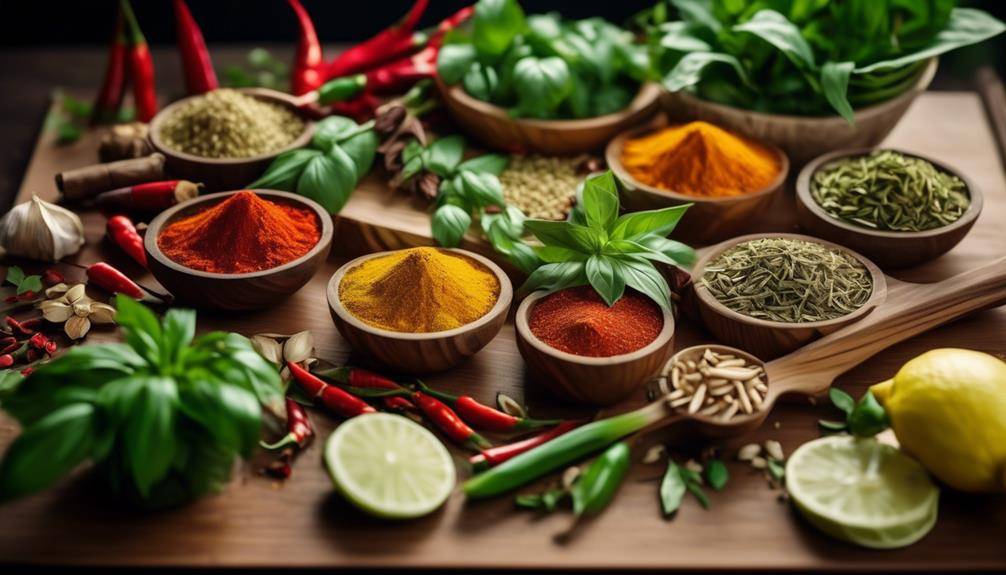
Vietnamese cuisine is known for its emphasis on fresh herbs and vegetables. Ingredients such as lemongrass, basil, mint, and cilantro are commonly used to add a vibrant and aromatic touch to dishes. Fish sauce, a staple in Vietnamese cooking, provides a distinct umami flavor that enhances the overall taste of a dish. Other essential ingredients include rice noodles, rice paper, and tropical fruits like mango and dragon fruit.
Traditional Vietnamese cooking techniques are rooted in simplicity and balance. Stir-frying, steaming, and grilling are commonly used methods of cooking. These techniques help to preserve the natural flavors and textures of the ingredients, resulting in dishes that are light and refreshing. Additionally, Vietnamese cuisine places great importance on the art of balance. The harmony between sweet, sour, salty, and spicy flavors is carefully achieved in each dish, creating a complex and harmonious taste profile.
The Basic Principles of Food and Wine Pairing
To fully appreciate the flavors of Vietnamese cuisine, it is important to understand the basic principles of food and wine pairing. When it comes to pairing food with wine, it is essential to consider the flavors and characteristics of both the dish and the wine. Understanding wine varietals and exploring flavor profiles can greatly enhance your dining experience.
When selecting a wine to pair with Vietnamese food, it is crucial to consider the dominant flavors and ingredients in the dish. Vietnamese cuisine is known for its fresh herbs, vibrant spices, and delicate flavors. For dishes with tangy and spicy flavors, a crisp and acidic white wine like Sauvignon Blanc or Riesling can be an excellent choice. The acidity of these wines cuts through the richness of the dish and balances the flavors. For dishes with rich and savory flavors, a medium-bodied red wine like Pinot Noir or Merlot can complement the dish well.
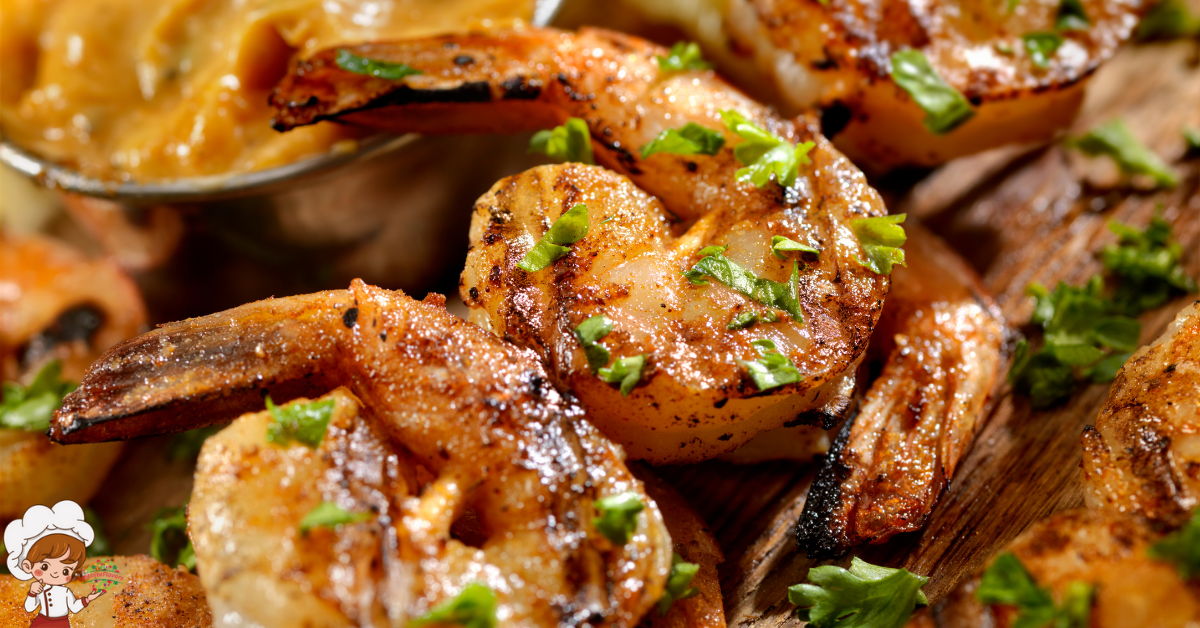
Another important factor to consider is the intensity of flavors in both the food and the wine. If the dish has complex and bold flavors, such as in a spicy lemongrass beef stir-fry, a full-bodied red wine like Cabernet Sauvignon can stand up to the intensity. On the other hand, for lighter dishes like summer rolls or grilled shrimp, a light and refreshing white wine like Pinot Grigio or Chardonnay can be a great match.
Pairing Wine With Traditional Vietnamese Starters
When it comes to exploring the vibrant flavors of Vietnamese cuisine, you’ll want to know the perfect wine pairings for traditional starters. Understanding wine profiles and exploring traditional Vietnamese ingredients can help you create harmonious flavor combinations that enhance your dining experience.
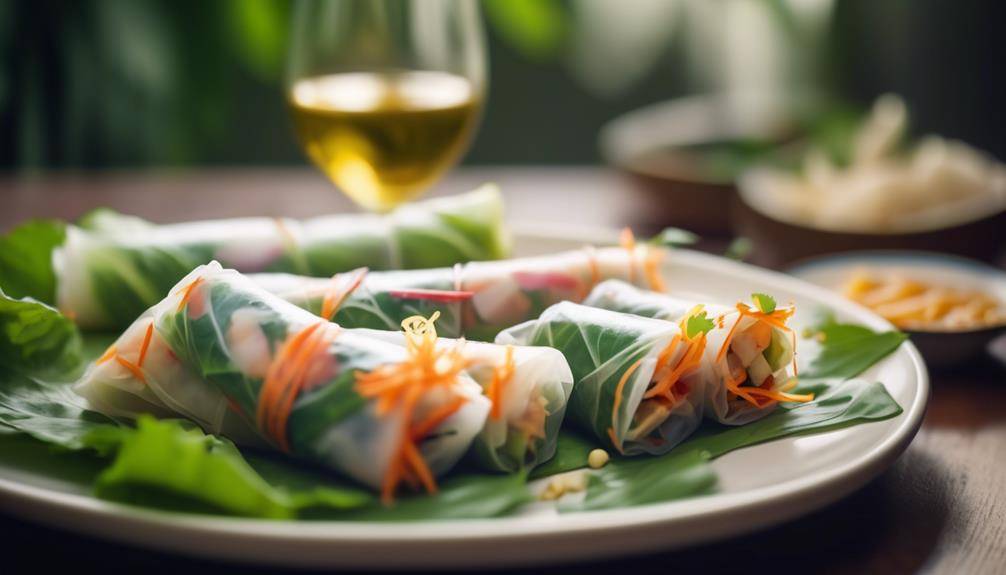
One popular traditional Vietnamese starter is Goi Cuon, also known as fresh spring rolls. These light and refreshing rolls are typically filled with a combination of herbs, rice noodles, and shrimp or pork. To complement the delicate flavors of Goi Cuon, a crisp and acidic white wine like Sauvignon Blanc or Riesling is a great choice. The acidity of these wines cuts through the richness of the filling, while their fruity and floral notes enhance the herbal components of the dish.
Another traditional starter is Banh Xeo, a savory pancake filled with pork, shrimp, bean sprouts, and herbs. This dish has a range of flavors, from the savory pancake to the tangy dipping sauce. To balance the richness of Banh Xeo, a light-bodied red wine like Pinot Noir or Beaujolais is a good option. These wines have enough acidity to cut through the heaviness of the pancake, while their fruity and earthy notes complement the flavorful filling.
Lastly, Cha Gio, or Vietnamese fried spring rolls, are a popular starter that is crispy and flavorful. These rolls are typically filled with ground pork, vegetables, and vermicelli noodles. To complement the rich and savory flavors of Cha Gio, a medium-bodied red wine like Merlot or Syrah works well. These wines have enough structure and tannins to stand up to the fried exterior, while their dark fruit flavors enhance the meaty filling.
Click Here and Turn Every Masterpiece into a Showstopper!
Enhancing the Flavors of Vietnamese Noodle Dishes
When it comes to enhancing the flavors of Vietnamese noodle dishes, there are a few key points to consider. First, the texture of the noodles plays a crucial role in the overall taste experience. Pairing the right type of noodle with the dish can elevate the flavors to new heights. Secondly, the combination of spicy and sweet flavors is a hallmark of Vietnamese cuisine. Finding the perfect balance between these two elements can bring out the complexity and depth of the dish. Lastly, the addition of fresh herbs and aromatics adds a burst of freshness and fragrance to the noodles, enhancing the overall taste profile.
Noodle Texture Pairings
Enhance the flavors of your Vietnamese noodle dishes by pairing them with the perfect texture of noodles. Noodle texture pairings play a crucial role in enhancing the overall taste and mouthfeel of your dish. When it comes to Vietnamese rice dishes, different noodle textures can bring out the flavors in unique ways. For example, bún (rice vermicelli) pairs well with lighter, more delicate flavors, such as grilled meats and fresh herbs. The soft and silky texture of bún complements the freshness of the ingredients, creating a harmonious combination.
On the other hand, bánh phở (flat rice noodles) pairs perfectly with rich and bold flavors. The chewy texture of the noodles absorbs the flavorful broth, creating a satisfying and comforting experience. When choosing wine options for Vietnamese rice dishes, consider light and crisp white wines like Riesling or Sauvignon Blanc. These wines complement the delicate flavors of bún dishes. For bánh phở, opt for a medium-bodied red wine like Pinot Noir or Beaujolais. The fruity and earthy notes in these wines enhance the richness of the dish. By selecting the right noodle texture and wine pairing, you can elevate your Vietnamese noodle dishes to new heights of flavor.
Spicy and Sweet Combinations
To enhance the flavors of your Vietnamese noodle dishes, explore the delightful combination of spicy and sweet elements. The sweet and tangy combinations bring a balance to the spiciness, creating a harmonious blend of flavors. Here are three ways to incorporate this dynamic duo into your Vietnamese noodle dishes:
- Sweet and Spicy Sauce: Drizzle a homemade sweet and spicy sauce over your noodles for a burst of flavor. Combine ingredients like soy sauce, honey, chili flakes, and lime juice to create a tantalizing sauce that complements the dish perfectly.
- Fresh Fruits: Add a touch of sweetness to your noodle dishes by incorporating fresh fruits like pineapple or mango. The natural sweetness of these fruits pairs well with the heat of the spices, creating a refreshing and satisfying combination.
- Pairing Wine with Spicy Dishes: When it comes to pairing wine with spicy Vietnamese noodle dishes, opt for a Riesling or Gewürztraminer. These white wines have a touch of sweetness that complements the spiciness, enhancing the overall dining experience.
Fresh Herbs and Aromatics
Fresh herbs and aromatics play a crucial role in elevating the flavors of Vietnamese noodle dishes, adding a burst of fragrance and complexity to each bite. In Vietnamese cuisine, fresh herbs are used abundantly to enhance the taste and texture of dishes. The combination of herbs like mint, Thai basil, and cilantro provides a refreshing and vibrant contrast to the rich flavors of the noodles.
These herbs not only add a pop of color but also contribute to the overall aroma of the dish. Aromatics like garlic, ginger, and lemongrass are also key ingredients in Vietnamese cooking. They infuse the dishes with their distinct flavors and create a harmonious balance of tastes. To make the most of fresh herbs in Vietnamese cooking, it is important to use them at the right stage of cooking and avoid overcooking, as this may dull their flavors. Additionally, gently bruising the herbs before adding them to the dish releases their oils and intensifies their aroma. Overall, fresh herbs and aromatics are essential components of Vietnamese noodle dishes, enhancing their flavors and creating a truly delightful culinary experience.
Click Here and Turn Every Masterpiece into a Showstopper!
Exploring Wine Options for Vietnamese Rice Dishes
When it comes to Vietnamese rice dishes, finding the perfect wine pairing can elevate your dining experience to new heights. The subtle flavors and textures of rice dishes, such as com tam or sticky rice, call for a wine that can complement and enhance these flavors. By exploring different wine options, you can discover exciting flavor combinations that will take your Vietnamese rice dishes to the next level.
Wine Options for Rice
When pairing wine with Vietnamese rice dishes, there are a variety of options that enhance the flavors and complement the textures of these delectable meals. Here are three wine options that work well with rice dishes:
- Light-bodied white wines: For vegetarian rice dishes, such as Vietnamese fried rice with tofu and vegetables, a light-bodied white wine like Sauvignon Blanc or Pinot Grigio is an excellent choice. These wines offer crisp acidity and refreshing citrus flavors that balance the richness of the dish.
- Off-dry Riesling: If you prefer a touch of sweetness in your wine, an off-dry Riesling pairs beautifully with rice dishes. Its fruity notes of apple and peach harmonize with the flavors of Vietnamese fried rice, while the slight sweetness helps to counterbalance any spicy elements.
- Rosé: For a more versatile option, opt for a dry rosé. Its vibrant acidity and fruit-forward profile make it a great match for various rice dishes, including Vietnamese fried rice. Choose a rosé with bright red fruit flavors like strawberry or raspberry to complement the savory and aromatic components of the dish.
These wine options provide a delightful accompaniment to Vietnamese rice dishes, enhancing your dining experience with their unique characteristics.
Pairing With Vietnamese Cuisine
To further explore the wine options for Vietnamese rice dishes, let’s now delve into the art of pairing with Vietnamese cuisine. Understanding the traditional spices and exploring regional flavors are essential in finding the perfect wine to complement your meal. Vietnamese cuisine is known for its bold and vibrant flavors, with dishes ranging from tangy and spicy to sweet and savory.
The key to a successful pairing lies in finding a wine that can balance and enhance these flavors. For dishes with a kick of heat, such as the popular spicy beef noodle soup, a light and refreshing white wine like Riesling or Sauvignon Blanc can help cool down the palate. For dishes with rich umami flavors, such as the classic pho, a medium-bodied red wine like Merlot or Pinot Noir can complement the depth of flavors. By understanding the traditional spices and exploring regional flavors, you can find the perfect wine to elevate your Vietnamese rice dishes.
Exploring Flavor Combinations
For a truly elevated dining experience, consider the exciting flavor combinations that can be achieved by pairing Vietnamese rice dishes with the perfect wine. Vietnamese cuisine is known for its bold and vibrant flavors, and when paired with the right wine, the taste profiles can be taken to new heights. Here are three wine options that are worth exploring when experimenting with fusion flavors:
- Riesling: With its crisp acidity and fruity notes, Riesling complements the delicate flavors of Vietnamese rice dishes, such as Pho or Banh Mi. Its sweetness balances the spice and enhances the herbal elements, creating a harmonious fusion of flavors.
- Sauvignon Blanc: This refreshing white wine lends itself well to dishes like Com Tam or Claypot Rice. Its citrusy and herbaceous characteristics cut through the richness of the dish, providing a burst of freshness.
- Pinot Noir: For heartier rice dishes like Cơm Gà or Cơm Tấm, a light-bodied red wine like Pinot Noir is a great choice. Its red fruit flavors and subtle earthiness enhance the savory elements of the dish, creating a delightful combination.
Discovering the Perfect Wine for Spicy Vietnamese Soups
Pairing the perfect wine with spicy Vietnamese soups can take your culinary experience to new heights, as the contrasting flavors and textures create a harmonious symphony on your palate. When it comes to spicy soups like Pho or Bun Bo Hue, finding the right wine can enhance the overall dining experience. Here are some wine pairing tips to help you discover the perfect match.
Spicy Vietnamese soups are known for their intense flavors and heat, so it’s important to choose a wine that can stand up to the boldness. A medium-bodied red wine, such as a Syrah or Grenache, can complement the spiciness of the soup without overpowering it. These wines often have fruity and peppery notes that can enhance the flavors of the dish.
If you prefer white wine, a Riesling or Gewürztraminer can be excellent choices. These wines have a touch of sweetness that can help balance out the spiciness of the soup. Their floral and fruity aromas can also add a refreshing element to the meal.
For those who enjoy sparkling wine, a Brut Champagne or Prosecco can be a surprising and delightful pairing. The effervescence can help cleanse your palate between spoonfuls of soup, while the acidity can cut through the richness of the broth.
When selecting a wine for your spicy Vietnamese soup, it’s important to consider the level of heat and the specific flavors in the dish. Experimenting with different wines can be a fun and rewarding experience, as you discover new flavor combinations that elevate your dining experience to new heights. Cheers to finding the perfect wine for your next bowl of spicy Vietnamese soup!
Elevating the Experience of Vietnamese Seafood Dishes
When it comes to Vietnamese seafood dishes, the flavors of the ocean come alive on your plate, providing a fresh and vibrant dining experience. Elevating seafood dishes with Vietnamese flavors can take your culinary journey to new heights. Here are three ways to enhance the experience and explore unique wine pairings for Vietnamese seafood:
- Balance the flavors: Vietnamese seafood dishes often feature a delicate balance of sweet, sour, salty, and spicy flavors. To elevate these flavors, consider pairing them with a crisp and refreshing white wine, such as a Sauvignon Blanc or a Riesling. These wines can complement the seafood’s natural sweetness while cutting through any spiciness or richness.
- Embrace the herbs and spices: Vietnamese cuisine is known for its vibrant herbs and spices, such as lemongrass, ginger, and chili. To enhance these flavors, opt for a wine with a touch of sweetness, like a Gewürztraminer or a Chenin Blanc. The slight sweetness of these wines can amplify the aromatic spices and complement the seafood’s natural umami flavors.
- Consider the cooking style: Vietnamese seafood dishes can be prepared in various ways, including grilling, steaming, or stir-frying. Each cooking method imparts a unique flavor profile to the seafood. For grilled seafood, a light-bodied red wine, like a Pinot Noir or a Gamay, can provide a subtle smokiness to complement the charred flavors. For steamed or stir-fried seafood, a crisp and fruity rosé or a dry sparkling wine can add a refreshing touch to cut through the richness.
Matching Wine With Vietnamese Meat and Poultry Dishes
After exploring the elevated experience of Vietnamese seafood dishes, it’s time to delve into the art of matching wine with the rich flavors of Vietnamese meat and poultry dishes. When it comes to pairing wine with these hearty dishes, it’s important to consider the flavors, textures, and spices involved. Vietnamese meat and poultry dishes often feature a variety of bold flavors, including fragrant herbs, spices, and sauces, which can complement or contrast with different types of wines.
One popular meat dish in Vietnamese cuisine is bo luc lac, or shaking beef. This dish consists of tender cubes of beef, marinated in a flavorful sauce and stir-fried with garlic, onions, and peppers. The tender texture of the beef pairs well with medium to full-bodied red wines, such as Cabernet Sauvignon or Syrah. These wines have enough structure and tannins to stand up to the richness of the beef, while their fruity flavors complement the dish’s aromatic spices.
Another classic dish is ga xao xa ot, or lemongrass chicken. This dish features tender pieces of chicken cooked with lemongrass, chili peppers, and fish sauce, resulting in a fragrant and savory flavor profile. The bright and citrusy notes of a Sauvignon Blanc or Riesling can enhance the vegetarian flavors of the lemongrass and complement the spiciness of the dish. The acidity in these wines also helps to cut through the richness of the chicken.
When it comes to pairing wine with noodle dishes, such as pho or bun bo Hue, the texture of the noodles becomes an important factor to consider. For dishes with delicate rice noodles, a light-bodied white wine like Pinot Grigio or Chenin Blanc works well. The crisp and refreshing nature of these wines enhances the lightness of the noodles. For dishes with thicker and chewier egg noodles, a medium-bodied red wine like Merlot or Malbec can provide a nice contrast, with their velvety tannins and dark fruit flavors.
Unveiling the Best Wine Pairings for Vegetarian Vietnamese Cuisine
When it comes to vegetarian Vietnamese cuisine, finding the perfect wine pairing can enhance the flavors of the dish. The key is to choose a wine that complements the fresh and vibrant ingredients used in these dishes, such as herbs, vegetables, and tofu. By selecting a wine that balances the flavors and acidity, you can elevate your dining experience and truly appreciate the intricate flavors of vegetarian Vietnamese cuisine.
Perfect Wine Pairings
For a truly exceptional dining experience, explore the perfect wine pairings that complement the rich flavors and textures of vegetarian Vietnamese cuisine.
- Understanding wine varietals: To enhance the delicate flavors of vegetarian Vietnamese dishes, opt for white wines with bright acidity and floral notes. Sauvignon Blanc or Riesling are excellent choices, as they provide a refreshing contrast to the aromatic herbs and spices commonly used in Vietnamese cuisine.
- Exploring regional Vietnamese cuisine: Vietnamese cuisine is diverse, with each region offering its own unique flavors. When enjoying vegetarian dishes from Northern Vietnam, such as “phở chay” (vegetarian pho), pair it with a light-bodied red wine like Pinot Noir. For dishes from Central Vietnam, such as “bánh xèo” (savory pancakes), opt for a crisp and citrusy white wine like Chardonnay.
- Balancing flavors and textures: The key to a successful wine pairing is finding balance. In vegetarian Vietnamese cuisine, where flavors range from sweet and tangy to spicy and savory, choose wines that complement without overpowering. Crisp whites and light-bodied reds offer a harmonious balance, allowing the vibrant flavors of the dishes to shine through.
Enhancing Vegetarian Flavors
To enhance the flavors of vegetarian Vietnamese cuisine, expertly paired wines elevate the dining experience and bring out the best in each dish. When exploring vegetarian wine options, it is important to consider the unique flavors and textures of the dishes. For light and fresh dishes like spring rolls or tofu salad, a crisp and fruity white wine such as Sauvignon Blanc or Riesling would complement the flavors perfectly.
The acidity in these wines helps to cut through the richness of the vegetarian ingredients, enhancing the overall taste. For heartier dishes like vegetarian pho or stir-fried vegetables, a medium-bodied red wine like Pinot Noir or Merlot can add depth and richness to the flavors. The earthy notes in these wines complement the umami flavors of soy sauce and mushrooms commonly found in Vietnamese vegetarian cuisine. By enhancing vegetarian dishes with wine, you can elevate the dining experience and create a harmonious balance of flavors.
Finding the Right Wine for Vietnamese Salads and Fresh Rolls
Enhance your dining experience with the perfect wine pairing for Vietnamese salads and fresh rolls. Vietnamese cuisine is known for its vibrant flavors and fresh ingredients, and finding the right wine to complement these dishes can elevate your meal to a whole new level. Here are three wine options that perfectly complement the flavors of Vietnamese salads and fresh rolls:
- Sauvignon Blanc: This crisp and refreshing white wine is an excellent choice for pairing with Vietnamese salads. Its bright acidity and citrus notes provide a refreshing contrast to the fresh herbs and tangy dressings often found in these dishes. Whether you’re enjoying a traditional green papaya salad or a refreshing mango and shrimp salad, a Sauvignon Blanc will enhance the flavors and cleanse your palate.
- Riesling: With its slightly sweet and floral flavors, Riesling pairs beautifully with the delicate flavors of fresh rolls. The natural sweetness of the wine complements the sweet and savory fillings, such as shrimp, pork, or tofu, while the acidity helps cut through any richness. Whether you’re enjoying a classic shrimp and vegetable fresh roll or a vegetarian version with tofu and herbs, a chilled Riesling will enhance the flavors and balance the dish.
- Rosé: For those who prefer a lighter and fruitier wine, a dry Rosé is an excellent choice for pairing with Vietnamese salads and fresh rolls. The crisp acidity and fruity notes of a Rosé complement the fresh and vibrant flavors of these dishes. Whether you’re enjoying a refreshing pomelo salad or a zesty mango and avocado fresh roll, a Rosé will add a touch of elegance to your meal.
Elevating the Tastes of Vietnamese Grilled and Barbecued Foods
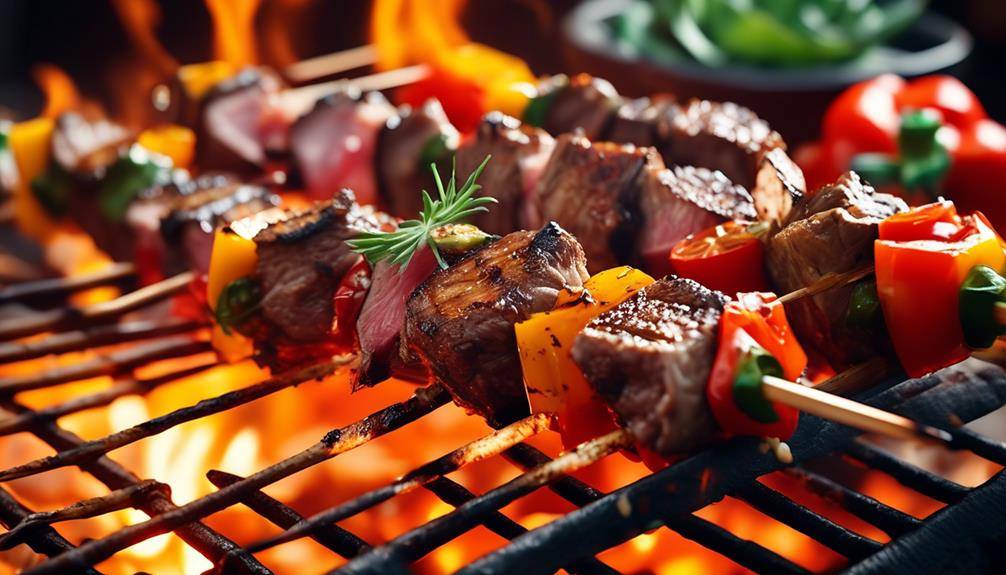
Elevating the flavors of Vietnamese grilled and barbecued foods is a delightful journey of smoky aromas, tender textures, and bold flavors that will transport you to the bustling streets of Vietnam. The beauty of Vietnamese cuisine lies in the harmony of its ingredients, and when it comes to grilled and barbecued dishes, this balance becomes even more pronounced. The charred edges of the meat, the caramelized glaze, and the subtle charcoaled undertones all contribute to the complexity of these dishes. To enhance these flavors, it is important to choose the right wine that can complement and elevate the grilled experience.
When pairing wines with barbecue dishes, it is crucial to consider the intensity of the flavors and the richness of the sauces. For smoky grilled meats like lemongrass beef skewers or grilled pork chops, opt for a red wine with medium to high tannins, such as a Cabernet Sauvignon or a Syrah. These wines have enough structure to stand up to the strong flavors and provide a counterbalance to the richness of the meat.
For barbecued dishes that have a slightly sweeter or spicier profile, such as honey-glazed grilled chicken or chili-lime grilled shrimp, a slightly off-dry Riesling or Gewürztraminer could be a perfect choice. The subtle sweetness of these wines can complement the caramelized flavors while also balancing out the heat from the spices.
If you prefer white wine, a crisp and acidic Sauvignon Blanc or a Chardonnay with tropical fruit notes can also work well with grilled and barbecued foods. The bright acidity of these wines can cut through the richness of the meats and refresh the palate.
Exploring Wine Options for Vietnamese Stir-Fries and Wok Dishes
When it comes to pairing wine with Vietnamese stir-fries and wok dishes, there are a few key points to consider. First, for stir-fried beef, a bold and spicy red wine such as Syrah or Cabernet Sauvignon can complement the rich flavors. Second, when enjoying a vegetable wok dish, a crisp and aromatic white wine like Sauvignon Blanc or Riesling can enhance the freshness of the vegetables. Finally, for seafood stir-fries, a light and citrusy white wine such as Chardonnay or Pinot Grigio can provide a delightful balance to the delicate flavors of the seafood.
Wine for Stir-Fried Beef
For an exquisite pairing with your stir-fried beef, explore the diverse range of wines that beautifully complement Vietnamese stir-fries and wok dishes.
- Red Wine: Opt for a medium-bodied red wine with earthy notes to enhance the savory flavors of the stir-fried beef. Consider a Pinot Noir or a Grenache, which provide a balance of fruitiness and acidity.
- Rosé Wine: A dry rosé wine can also be a delightful choice for stir-fried beef. Its crispness and acidity can help cut through the richness of the dish, while its fruity undertones add a refreshing touch. Look for a Provence or a Spanish Rosé.
- Riesling: If you prefer white wine, a sweeter Riesling can complement the caramelized flavors of the stir-fried beef. Its natural sweetness can enhance the umami of the dish, while its acidity helps cleanse the palate. Choose a German or an Australian Riesling for the perfect pairing.
Pairing With Vegetable Wok
To continue exploring the perfect wine pairings for Vietnamese stir-fries and wok dishes, let’s now turn our attention to the delightful combination of wine with Vegetable Wok. The vegetable wok is a vibrant, flavorful dish that showcases the freshness and crunchiness of various vegetables. It is often paired with stir-fried tofu, which adds a protein element to the dish. When it comes to selecting the right wine, you’ll want to choose one that complements the dish without overpowering its delicate flavors.
A light-bodied white wine, such as a Sauvignon Blanc or a Pinot Grigio, would be an excellent choice. These wines offer crispness and acidity that can cut through the richness of the stir-fried tofu and enhance the freshness of the vegetables. Their citrusy and herbal notes can also add a layer of complexity to the dish. Overall, these wine options provide a refreshing and balanced pairing for the vegetable wok.
Best Wine for Seafood Stir-Fry
For those seeking the perfect wine pairing to complement the flavors of a seafood stir-fry in Vietnamese cuisine, there are a multitude of options to explore. The combination of fresh seafood and vibrant spices calls for a wine that can balance and enhance these flavors. Here are three wines that are ideal for a seafood stir-fry:
- Riesling: With its vibrant acidity and fruity notes, a dry or off-dry Riesling can stand up to the bold flavors of a seafood curry. Its citrusy undertones and mineral character can cut through the richness of the dish, while complementing the spicy elements.
- Sauvignon Blanc: This crisp and refreshing white wine is a great choice for a spicy stir-fried squid. Its zesty acidity and herbaceous flavors can enhance the seafood’s natural sweetness, while providing a refreshing contrast to the heat.
- Gewürztraminer: Known for its exotic aromas and slightly sweet profile, Gewürztraminer can enhance the flavors of a seafood stir-fry. Its floral and tropical fruit notes can complement the spices, while its touch of sweetness can balance the heat.
When it comes to pairing wine with a seafood stir-fry, these options provide a range of flavors and characteristics that can elevate your dining experience.
Enhancing the Flavors of Vietnamese Curry and Stew Dishes
Enhancing the flavors of Vietnamese curry and stew dishes unlocks a symphony of tantalizing aromas and rich, complex tastes. When it comes to exploring wine options for Vietnamese curry dishes, it’s important to find a wine that complements and enhances the bold and spicy flavors. For curry dishes with a strong coconut milk base, a slightly off-dry Riesling can be an excellent choice. The sweetness of the wine helps to balance out the spiciness of the dish, while the acidity cuts through the richness of the coconut milk, creating a harmonious combination.
If you’re looking to enhance the flavors of Vietnamese stews, a medium-bodied red wine with soft tannins can be a great choice. The earthy and savory notes of the wine pair well with the rich and hearty flavors of the stew. A Pinot Noir, with its bright fruit flavors and delicate tannins, can be a perfect match for beef or pork stews. Its acidity helps to cut through the fattiness of the meat, while the fruitiness adds a touch of sweetness to complement the savory flavors.
For vegetarian stews, a lighter red wine like a Beaujolais or a Grenache can be a wonderful option. These wines have vibrant fruit flavors and a silky texture, which pairs beautifully with vegetable-based stews. The bright acidity of these wines helps to enhance the flavors of the vegetables, while the low tannins ensure a smooth and enjoyable drinking experience.
Unveiling the Best Wine Pairings for Vietnamese Desserts
Indulge in a world of exquisite flavors as we delve into the realm of Vietnamese desserts and reveal the perfect wine pairings to elevate your culinary experience. Vietnamese desserts are known for their unique combination of flavors and textures, often incorporating ingredients such as coconut, pandan, and tropical fruits. Pairing these desserts with the right wine can create an explosion of flavors, with unusual pairings and unexpected combinations that will leave your taste buds craving for more.
- Che Ba Mau (Three Color Drink) with Moscato d’Asti: This traditional Vietnamese dessert consists of layers of sweetened beans, jellies, and coconut milk, creating a refreshing and vibrant treat. The delicate bubbles and floral notes of Moscato d’Asti complement the sweetness and complexity of the dessert, enhancing each layer of flavor.
- Banh Chuoi (Banana Cake) with Gewürztraminer: Banh Chuoi is a moist banana cake made with ripe bananas and coconut milk, resulting in a rich and fragrant dessert. The aromatic and slightly sweet Gewürztraminer balances the richness of the cake while adding a touch of spice, creating a harmonious pairing.
- Banh Flan (Creme Caramel) with Tawny Port: Banh Flan is a creamy and smooth caramel custard, often served with a caramel sauce. The nutty and caramel flavors of Tawny Port complement the sweetness and creamy texture of the dessert, creating a decadent and indulgent combination.
Tips for Creating Your Own Vietnamese Food and Wine Pairings
As we continue our exploration of Vietnamese food and wine pairings, let’s now turn our attention to the art of creating your own perfect combinations. Pairing wine with Vietnamese cuisine can be an exciting adventure, as the vibrant flavors and aromatic ingredients offer endless possibilities. To help you navigate this culinary journey, here are some tips for pairing wine with Vietnamese dishes and exploring the delightful flavor combinations.
Firstly, consider the dominant flavors in the dish. Vietnamese cuisine is known for its delicate balance of sweet, sour, salty, and spicy elements. For dishes with a tangy and spicy profile like Pho or Bun Bo Hue, opt for a crisp and refreshing white wine such as Sauvignon Blanc or Riesling. The acidity in these wines complements the flavors and helps cleanse the palate.
Secondly, take note of the cooking techniques used in Vietnamese cuisine. Grilling, stir-frying, and steaming are common methods that result in dishes with distinct flavors. For grilled dishes like Banh Mi or grilled pork skewers, a medium-bodied red wine like Pinot Noir or Grenache is a great choice. The fruity notes and gentle tannins in these wines complement the smoky and charred flavors.
Lastly, don’t be afraid to experiment and explore unique flavor combinations. Vietnamese cuisine offers a wide range of ingredients such as lemongrass, ginger, fish sauce, and coconut milk, which can create complex and interesting flavors. For dishes that incorporate these ingredients, consider pairing them with a Gewürztraminer or a sparkling wine like Prosecco. The aromatic qualities of these wines enhance the exotic flavors and create a harmonious balance.
Frequently Asked Questions: Amazing Vietnamese Food And Wine Pairings
Can I Substitute Wine With Another Type of Alcoholic Beverage in Vietnamese Food and Wine Pairings?
Yes, you can definitely substitute wine with another type of alcoholic beverage when pairing with Vietnamese food. There are plenty of alternatives to wine that can enhance the flavors of Vietnamese cuisine. Additionally, exploring non-alcoholic options can also provide interesting pairings for your meal.
Are There Any Specific Wine Regions or Brands That Are Known to Pair Well With Vietnamese Cuisine?
When it comes to wine regions and popular brands that pair well with Vietnamese cuisine, there are a few options to consider. Different regions, such as Bordeaux or Napa Valley, offer diverse flavors that complement the vibrant and aromatic flavors of Vietnamese dishes. As for popular brands, you might want to try wines from Chateau Ste. Michelle, Riesling, or Gewurztraminer, as they have been known to complement the delicate balance of flavors in Vietnamese food.
Can You Provide Tips for Pairing Wine With Vegetarian Vietnamese Dishes?
When it comes to pairing wine with vegetarian Vietnamese dishes, there are a few tips to keep in mind. Consider the flavors and spices of the dish, and choose a wine that complements them. For spicy Vietnamese soups, opt for a wine with a touch of sweetness to balance out the heat.
How Should I Adjust My Wine Choice When Pairing With Spicy Vietnamese Soups?
When pairing wine with spicy Vietnamese soups, you’ll need to adjust your choice to complement the bold flavors and heat. Opt for a wine with high acidity, like a Riesling or Gewürztraminer, to balance the spiciness. Alternatively, try a sparkling wine or light-bodied red.
Are There Any Traditional Vietnamese Desserts That Pair Particularly Well With Wine?
When it comes to traditional Vietnamese desserts and their wine pairings, you’ll find a world of exploration. From the sweet and tangy flavors of che to the rich and creamy textures of flan, you can discover unique flavor combinations in Vietnamese desserts and wines.

Conclusion
In conclusion, pairing Vietnamese cuisine with the right wine can enhance the flavors and create a harmonious dining experience. By understanding the basic principles of food and wine pairing, one can explore various options for starters, noodle dishes, rice dishes, stir-fries, curries, stews, and even desserts. Whether it’s the refreshing acidity of a Sauvignon Blanc or the fruity notes of a Riesling, there are plenty of wine choices to complement the vibrant and complex flavors of Vietnamese cuisine. So, raise a glass and savor the exquisite combination of Vietnamese food and wine.