Great Traditional Moroccan Dishes And Recipes
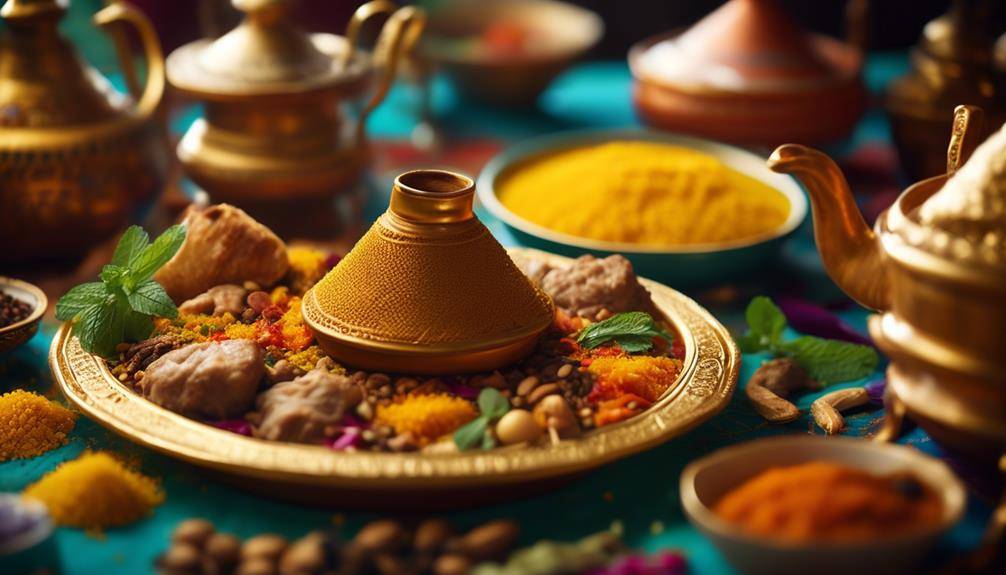
Great Traditional Moroccan Dishes And Recipes; Have you ever tasted the aromatic flavors of a traditional Moroccan tagine? Picture tender chunks of meat, slowly cooked with fragrant spices, and accompanied by a medley of vegetables. The tantalizing aroma fills the air as the dish simmers away, promising a mouthwatering experience. But Moroccan cuisine offers so much more than just tagines. From traditional couscous dishes to exotic spice blends, there is a world of flavors waiting to be explored. So, if you’re ready to embark on a culinary journey to Morocco, get ready to discover the secrets of their delicious street foods, refreshing beverages, and appetizing salads.
Click Here and Turn Every Masterpiece into a Showstopper!
Moroccan Tagine Recipes
If you’re looking to explore the rich and aromatic flavors of Moroccan cuisine, Moroccan Tagine Recipes are a must-try. The traditional Moroccan tagine is a slow-cooked stew that is cooked in a clay pot called a tagine. This cooking method allows the flavors to meld together perfectly, resulting in a dish that is both tender and flavorful. However, there are also many variations of the traditional tagine, each with its own unique twist.
One popular variation is the chicken tagine with preserved lemons and olives. This dish combines the tanginess of the preserved lemons with the brininess of the olives, creating a delicious and complex flavor profile. Another variation is the lamb tagine with apricots and almonds. The sweetness of the apricots pairs perfectly with the richness of the lamb, while the almonds add a nice crunch to the dish.
In recent years, there have also been modern twists on the traditional tagine recipe. Chefs have started incorporating ingredients like quinoa, chickpeas, and even tofu into their tagine dishes. These modern tagine variations offer a healthier and vegetarian-friendly option for those looking to enjoy the flavors of Moroccan cuisine.
Whether you stick to the traditional tagine recipe or try out one of the modern twists, Moroccan Tagine Recipes are sure to impress. The combination of spices, herbs, and ingredients creates a dish that is both fragrant and flavorful. So why not give it a try and transport yourself to the vibrant streets of Morocco with every bite?
Traditional Couscous Dishes
Traditional Couscous Dishes are a cornerstone of Moroccan cuisine, offering a delightful blend of flavors and textures that will transport you to the vibrant streets of Morocco with every bite. Couscous, a staple grain, is prepared in various ways, resulting in exotic couscous variations that showcase the rich culinary heritage of Morocco.
One of the traditional couscous dishes is called “Couscous Tfaya.” This aromatic dish combines tender couscous with caramelized onions, raisins, and a hint of cinnamon. The sweetness of the caramelized onions and the burst of flavor from the raisins create a harmonious balance that is both comforting and satisfying. Another popular variation is “Couscous with Vegetables.” In this dish, couscous is cooked with a medley of colorful vegetables like carrots, zucchini, and bell peppers, resulting in a vibrant and nutritious meal.
Traditional couscous cooking techniques play a crucial role in achieving the perfect texture and flavor. Couscous is traditionally steamed using a special pot called a couscoussier. This double-tiered pot allows the steam to circulate evenly, ensuring that the couscous grains are fluffy and separate. The couscoussier also allows for the addition of flavorful ingredients to the steam, infusing the couscous with aromatic notes.
To further elevate the taste, traditional couscous dishes are often served with a flavorful broth or sauce. The broth is made by simmering meat, such as lamb or chicken, with a variety of spices and herbs. This broth is then poured over the couscous, allowing the grains to absorb the fragrant flavors.
Delicious Moroccan Street Foods
When it comes to Moroccan street foods, there are several popular dishes that you must try. From flavorful kebabs to savory pastries, the streets of Morocco offer a wide variety of authentic snacks that will satisfy your taste buds. Whether you’re exploring the bustling markets of Marrakech or wandering the narrow alleys of Fes, be sure to indulge in these must-try street food delicacies.
Popular Moroccan Street Foods
One cannot resist the allure of the tantalizing aromas and vibrant flavors that permeate the bustling streets of Morocco, where a plethora of mouthwatering street foods beckon adventurous palates. Moroccan street food culture is a rich tapestry of flavors and influences, reflecting the country’s diverse culinary heritage. From the crowded markets of Marrakech to the coastal towns of Essaouira, hidden gems in the Moroccan street food scene are waiting to be discovered.
Among these gems are the famous Moroccan sandwiches known as “bocadillos”, filled with succulent meats and topped with a variety of flavorful sauces. Another must-try street food is “msemen”, a flaky and buttery pancake that is typically served with honey or savory fillings. And let’s not forget about the fragrant and spicy Moroccan soups, such as the hearty harira or the comforting bissara. These street foods not only satisfy your taste buds but also provide a glimpse into the vibrant and diverse culinary traditions of Morocco.
Click Here and Turn Every Masterpiece into a Showstopper!
Authentic Moroccan Street Snacks
Indulge in the authentic flavors of Morocco with a variety of delectable street snacks that will transport your taste buds to the vibrant culinary scene of the country. Moroccan street snacks offer unique experiences that showcase the rich and diverse flavors of the region. One popular street food is the Moroccan sandwich, known as a “bocadillo.” It consists of a freshly baked bread roll filled with various ingredients such as grilled meats, vegetables, and flavorful sauces.
Another must-try snack is the “msemen,” a traditional Moroccan pancake that is crispy on the outside and soft on the inside. Msemen is often served with honey or a savory filling, creating a delightful balance of flavors. For those looking for a sweet treat, the “chebakia” is a must-try. This fried pastry is covered in a sticky honey glaze and sprinkled with sesame seeds, providing a unique combination of textures and flavors. From savory to sweet, authentic Moroccan street snacks offer a delightful culinary adventure that cannot be missed.
Must-Try Street Food Dishes
Immerse yourself in the vibrant flavors of Morocco with a tantalizing array of must-try street food dishes that showcase the country’s rich culinary heritage. Morocco is renowned for its classic Moroccan street foods, which are not only delicious but also offer a glimpse into the country’s diverse food culture. One of the hidden gems in Moroccan cuisine is the famous Moroccan sandwich. This mouthwatering treat consists of a crusty baguette filled with tender grilled meat, aromatic herbs, and tangy sauces.
Another must-try street food is the traditional Moroccan crepe, known as Msemen. This flaky and buttery pancake is often stuffed with savory fillings like spiced ground meat or cheese. Lastly, don’t miss out on trying the addictive Moroccan fried doughnuts called Sfenj. These light and airy treats are sprinkled with sugar and are perfect for satisfying your sweet tooth. So, venture into the bustling streets of Morocco and indulge in these delightful street food dishes that will leave you craving for more.
Authentic Moroccan Pastilla Recipes
Let’s explore the world of authentic Moroccan pastilla recipes together. First, we’ll delve into the traditional pastilla ingredients, which typically include layers of thin pastry, a savory filling of meat or seafood, and a mix of fragrant spices. Then, we’ll guide you through the step-by-step preparation process, ensuring that you achieve the perfect balance of crispy pastry and flavorful filling. Finally, we’ll discuss the various variations of pastilla fillings, from the classic chicken and almond combination to more adventurous options like seafood or vegetarian options. Get ready to embark on a culinary journey through the rich flavors of Moroccan pastilla!
Traditional Pastilla Ingredients
To create an authentic Moroccan pastilla, you will need a carefully curated selection of traditional ingredients. The pastilla, a savory pie that originated in Morocco, has a long and rich history. Traditionally, it is made with a filling of shredded chicken, almonds, eggs, and a blend of aromatic spices such as cinnamon, ginger, and saffron. The use of these spices gives the pastilla its distinct flavor profile.
Over the years, modern variations of pastilla have emerged, incorporating ingredients like seafood, vegetables, or even sweet fillings like apples and dates. However, to truly experience the authentic taste of pastilla, it is important to stick to the traditional ingredients that have been used for generations. These ingredients, when combined, create a harmonious blend of flavors that make Moroccan pastilla a true culinary delight.
Click Here and Turn Every Masterpiece into a Showstopper!
Step-By-Step Pastilla Preparation
Are you ready to embark on a culinary journey and learn how to prepare an authentic Moroccan pastilla step-by-step? Get your apron on and let’s dive into the world of Moroccan cuisine! To make the perfect pastilla, follow these steps:
- Prepare the filling:
- Sauté onions, garlic, and spices in a pan.
- Add meat (usually chicken or pigeon) and cook until tender.
- Stir in toasted almonds, cinnamon, and sugar for a sweet and savory twist.
- Assemble the pastilla:
- Layer thin sheets of warqa pastry, brushing each layer with melted butter.
- Spoon the filling onto the pastry and fold it into a neat parcel.
- Brush the top with more butter and bake until golden and crispy.
Now that your pastilla is ready, it’s time to think about presentation ideas. Dust it with powdered sugar, sprinkle some cinnamon on top, and garnish with fresh herbs for a beautiful touch. Serve it alongside some traditional pastilla accompaniments like a vibrant Moroccan salad or a side of couscous. Bon appétit!
Variations of Pastilla Fillings
Variations of pastilla fillings in Moroccan cuisine offer a delightful array of flavors and textures that elevate this traditional dish to new heights. When it comes to vegetarian pastilla options, there are plenty of delicious choices. One popular filling is made with a combination of sautéed vegetables, such as bell peppers, carrots, and zucchini, seasoned with aromatic herbs like parsley and cilantro. Another option is to use a mixture of spinach, mushrooms, and onions, sautéed in olive oil and seasoned with spices like cumin and paprika. These vegetarian fillings bring a vibrant and fresh taste to the pastilla, making it a great option for those looking for a meatless alternative.
On the other hand, if you have a sweet tooth, there are also sweet pastilla variations that you can indulge in. One classic sweet filling is made with a combination of almonds, sugar, and cinnamon, creating a rich and nutty flavor. Another popular option is a mixture of apples, raisins, and orange blossom water, which gives the pastilla a refreshing and fruity taste. These sweet fillings are perfect for dessert or as a special treat during festive occasions.
Whether you prefer a vegetarian option or a sweet treat, the variations of pastilla fillings in Moroccan cuisine offer something for everyone. From the fresh and flavorful vegetarian options to the indulgent and aromatic sweet variations, these fillings bring a unique twist to the traditional pastilla, making it a versatile and exciting dish to explore.
Exotic Moroccan Spice Blends
When exploring the world of Moroccan cuisine, one cannot overlook the allure and complexity of exotic Moroccan spice blends. These blends are carefully crafted to bring out the unique flavors and aromas that define Moroccan dishes, and they play a crucial role in creating the rich and vibrant taste that Moroccan cuisine is famous for. Here are two subtopics that delve deeper into the significance of these spice blends:
- Exotic spice markets: Moroccan spice blends are a reflection of the country’s rich history and diverse cultural influences. To truly appreciate these blends, one must visit the exotic spice markets that can be found in cities like Marrakech and Fez. These bustling markets offer a sensory overload of vibrant colors, enticing aromas, and a wide variety of spices. From the warm and earthy tones of cumin and coriander to the bold and fiery notes of paprika and chili, these markets are a treasure trove for spice enthusiasts.
- Health benefits: Apart from their incredible flavors, Moroccan spice blends also offer numerous health benefits. Many of the spices used in these blends, such as turmeric, ginger, and cinnamon, are known for their antioxidant and anti-inflammatory properties. They can help boost the immune system, improve digestion, and reduce the risk of chronic diseases. Additionally, these spice blends often contain ingredients like saffron and cardamom, which have been used for centuries in traditional medicine for their calming and soothing effects.
Classic Moroccan Soup Recipes
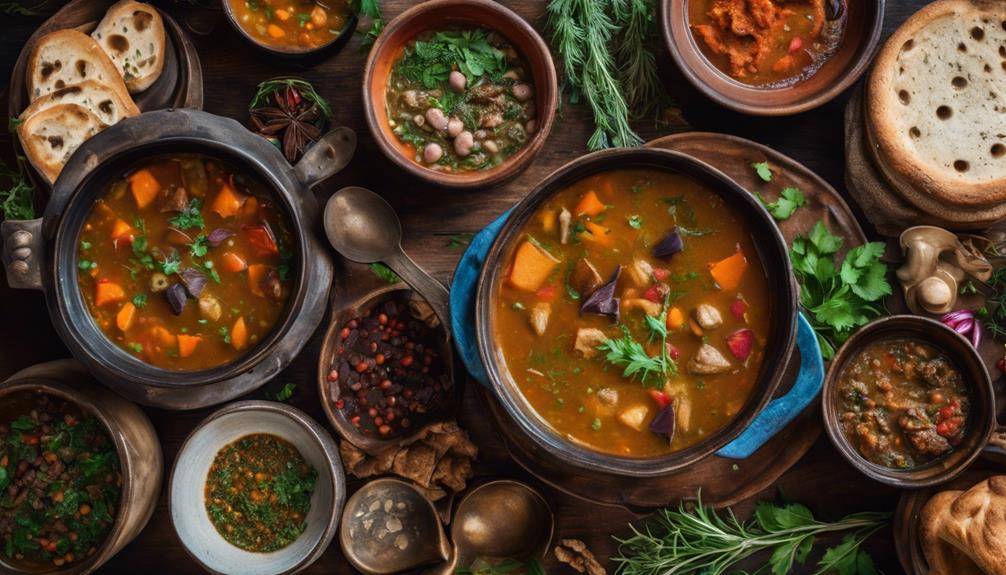
To truly appreciate the vibrant flavors of Moroccan cuisine, you must now explore the realm of classic Moroccan soup recipes. One of the most famous and beloved Moroccan soups is the traditional Moroccan Harira. This hearty soup is often served during Ramadan to break the fast, but it is enjoyed year-round for its rich and comforting flavors. Made with a base of tomatoes, lentils, chickpeas, and a blend of fragrant spices such as ginger, turmeric, and cinnamon, Moroccan Harira is a true culinary delight.
The Moroccan Harira recipe varies from region to region and from family to family, but the essence remains the same. It is a soup that brings people together, nourishing both body and soul. The combination of spices creates a warm and inviting aroma that fills the kitchen as the soup simmers on the stove. The lentils and chickpeas add a satisfying texture, while the tomatoes provide a tangy and sweet flavor.
Another classic Moroccan soup that deserves attention is the Moroccan Lentil Soup. This simple yet delicious soup is a staple in Moroccan households. Made with red lentils, onions, garlic, and a blend of spices such as cumin and paprika, this soup is both nutritious and flavorful. The lentils break down during cooking, creating a thick and creamy consistency that is perfect for dipping crusty bread.
Both the Moroccan Harira and the Moroccan Lentil Soup showcase the essence of Moroccan cuisine – bold flavors, aromatic spices, and a celebration of communal dining. These classic Moroccan soups are a testament to the rich culinary heritage of Morocco and are sure to leave you craving for more. So, grab a ladle and dive into the world of Moroccan soup recipes. Your taste buds will thank you.
Tasty Moroccan Bread Varieties
Now let’s talk about the popular bread types and traditional bread recipes that make Moroccan cuisine so unique. From the iconic Khobz bread, with its round shape and soft, chewy texture, to the crispy Baghrir pancakes, Moroccan bread varieties offer a delightful range of flavors and textures. These breads are not just a side dish, but an essential part of every meal, often used for scooping up flavorful stews and dips. Get ready to discover the delicious world of Moroccan breads!
Popular Bread Types
One cannot explore the culinary delights of Morocco without mentioning the tantalizing array of popular bread types that grace the tables of this vibrant North African country. Moroccan flatbreads are a staple in Moroccan cuisine, known for their versatility and ability to complement a wide range of dishes. These breads come in various shapes and sizes, from the round and crusty khobz to the thin and chewy msemen.
They are often made using traditional methods and ingredients, such as semolina flour and yeast. To truly experience the rich diversity of Moroccan bread, one must visit the famous bread markets found in cities like Marrakech and Fez. Here, vendors proudly display their freshly baked bread, enticing visitors with the aroma and sight of these delectable creations. The markets offer a chance to taste different types of bread and witness the artistry and skill that goes into their production.
Click Here and Turn Every Masterpiece into a Showstopper!
Traditional Bread Recipes
As we shift our focus towards the realm of traditional bread recipes, we can dive into the tantalizing world of Tasty Moroccan Bread Varieties that continue to captivate the taste buds of locals and visitors alike. Moroccan bread is a staple in Moroccan cuisine and is known for its unique shapes and designs. Traditional bread baking techniques are used to create these delicious bread varieties.
One popular bread is Khobz, a round bread with a slightly crispy crust and a soft, chewy interior. Another favorite is Baghrir, also known as Moroccan pancakes, which have a spongy texture and are often served with honey and butter. Moroccan breads are not only delicious but also visually appealing, with intricate patterns and designs that add an element of artistry to the dining experience.
Tempting Moroccan Desserts
Indulge in the delightful world of Moroccan desserts, where rich flavors and intricate textures take center stage. Moroccan pastry recipes are known for their unique blend of sweet and savory ingredients, creating an explosion of flavors in each bite. From decadent pastries to refreshing sweet treats, Moroccan desserts offer a wide range of options to satisfy your cravings.
In the realm of Moroccan pastry recipes, one cannot ignore the iconic Moroccan almond cookies, known as “Ghriba.” These delicate cookies are made with ground almonds, sugar, and fragrant spices such as cinnamon and orange blossom water. The result is a melt-in-your-mouth treat that is both nutty and sweet. Another popular Moroccan pastry is the “M’hanncha,” a coiled pastry made with layers of filo dough and filled with almond paste, sugar, and aromatic spices. The pastry is then baked until golden and crispy, creating a delightful contrast between the crunchy exterior and the soft, sweet filling.
When it comes to sweet Moroccan treats, the options are endless. One must-try dessert is the “Shebakia,” a deep-fried pastry coated in honey and sprinkled with sesame seeds. This irresistible treat is often enjoyed during special occasions and festivals. Another favorite is the “Makroud,” a date-filled pastry that is fried and then soaked in a honey syrup infused with orange blossom water. The result is a sticky and sweet pastry that is simply irresistible.
Moroccan desserts are not only a feast for the taste buds but also a visual delight. The intricate designs and decorations on these sweet treats showcase the artistry and craftsmanship that goes into their creation. So, the next time you find yourself craving something sweet, venture into the world of Moroccan desserts and treat yourself to an unforgettable culinary experience.
Refreshing Moroccan Beverages
Quench your thirst and invigorate your senses with a variety of refreshing Moroccan beverages. Moroccan cuisine is not limited to just delicious dishes, but also offers a wide range of delightful drinks to complement your meal or simply enjoy on their own. One popular choice is Moroccan herbal teas, which are known for their aromatic flavors and medicinal properties.
Moroccan herbal teas are a staple in Moroccan culture and are often served in a traditional teapot called a “berrad.” These teas are made by infusing various herbs and spices such as mint, sage, and chamomile with hot water. The result is a fragrant and soothing beverage that can be enjoyed hot or cold. Mint tea, also known as “Moroccan whiskey,” is particularly popular and is a refreshing choice on a hot day.
Another refreshing option is homemade lemonade. Moroccan lemonade is made by combining freshly squeezed lemons, sugar, and water. It is a simple yet incredibly refreshing drink that is perfect for quenching your thirst. The tartness of the lemons combined with the sweetness of the sugar creates a harmonious balance of flavors.
In addition to herbal teas and lemonade, Morocco also offers other unique and refreshing beverages. One such example is “Sharbat,” a popular drink made from a variety of fruits, herbs, and flowers. Sharbat is often served chilled and can be found in a range of flavors, including rose, orange blossom, and hibiscus.
Whether you choose to indulge in a cup of Moroccan herbal tea, sip on homemade lemonade, or try one of the many other refreshing beverages Morocco has to offer, you are sure to find a drink that will invigorate your senses and leave you feeling refreshed and satisfied.
Flavorsome Moroccan Salad Recipes
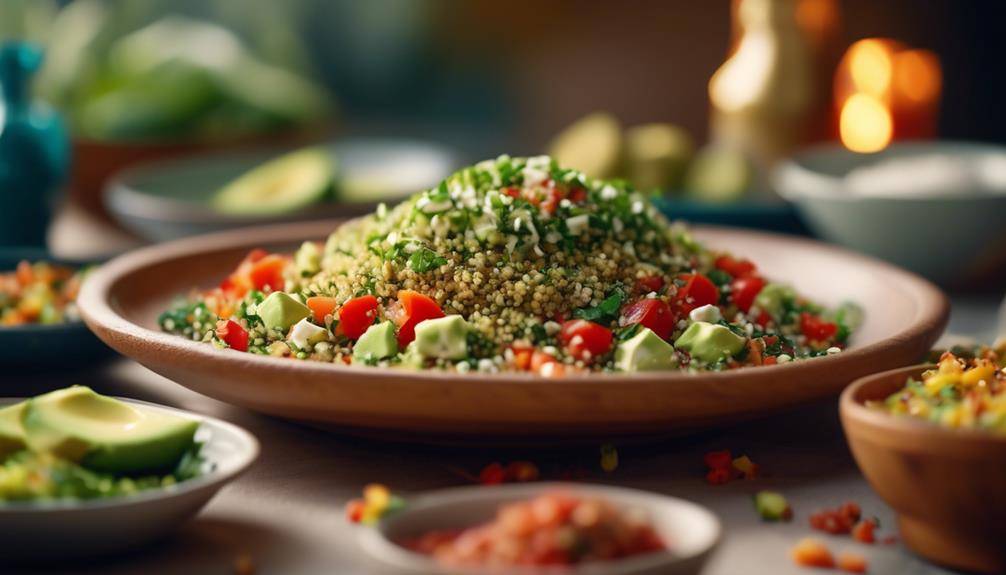
Moroccan salads are a flavorful and vibrant addition to any meal, showcasing a variety of fresh ingredients and aromatic spices. They bring a burst of flavor and a refreshing touch to the table, making them a perfect choice for those who want to add a healthy and delicious element to their dining experience.
When it comes to Moroccan salads, one cannot overlook the flavorful salad dressings that elevate the taste profile of these dishes. The dressings are often made with a combination of olive oil, lemon juice, and a blend of spices such as cumin, paprika, and coriander. These dressings not only add a tangy and zesty flavor to the salads but also help to enhance and balance the other ingredients.
Moroccan salads are also known for their unique salad ingredients, which add an interesting twist to the dish. One popular ingredient is preserved lemons, which are lemons that have been pickled in salt and their own juice. They have a tangy and slightly bitter taste that adds depth to the salad. Another unique ingredient is pomegranate seeds, which add a burst of sweetness and a pop of color to the dish. The combination of these unique ingredients with fresh vegetables like tomatoes, cucumbers, and bell peppers creates a harmonious blend of flavors and textures.
Traditional Moroccan Breakfast Ideas
Start your day with a satisfying and flavorful Moroccan breakfast, filled with a variety of traditional dishes and ingredients. Moroccan cuisine offers a range of easy and delicious breakfast ideas that will leave you feeling energized and ready for the day ahead. One popular option is Msemen, a square-shaped pancake made from a dough of flour, semolina, and yeast. It is typically served with honey or jam for a touch of sweetness. Another breakfast favorite is Baghrir, also known as Moroccan crepes. These light and spongy pancakes are made with a batter of semolina, flour, and yeast, resulting in a unique texture that is perfect for soaking up honey or butter.
If you prefer something more substantial, try Shakshuka, a dish made with poached eggs in a flavorful tomato and pepper sauce. It is often seasoned with spices such as cumin, paprika, and cayenne pepper, giving it a bold and spicy kick. For a lighter option, Moroccan smoothies are a great choice. Traditional Moroccan smoothie recipes often include a combination of fresh fruits, such as oranges, bananas, and dates, blended with yogurt or milk for added creaminess.
In addition to these dishes, Moroccan breakfasts often include an assortment of breads and pastries. Khobz, a round Moroccan bread, is a staple at breakfast tables. It pairs well with butter, honey, or cheese. Another popular pastry is the Msemen, a flaky and layered flatbread that can be enjoyed on its own or filled with savory ingredients like cheese or minced meat.
With these easy and delicious Moroccan breakfast ideas, you can start your day off right and experience the vibrant flavors of traditional Moroccan cuisine.
Must-Try Moroccan Appetizers
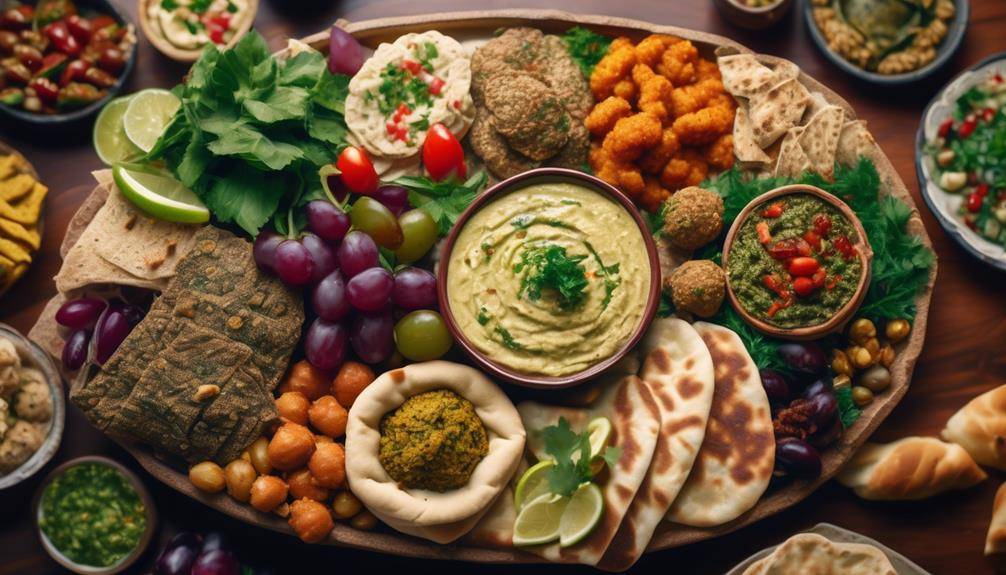
Get ready to tantalize your taste buds with an array of delectable Moroccan appetizers. The Moroccan cuisine boasts a wide range of flavors and textures, and the appetizers are no exception. Whether you are a seafood lover or a vegetarian, there is something for everyone to enjoy.
Moroccan Seafood Dishes:
- *Grilled Sardines:* Fresh sardines marinated in a blend of aromatic spices and grilled to perfection. The smoky flavor of the charred fish combined with the fragrant spices is simply irresistible.
- *Shrimp Pastilla:* A delicate pastry filled with succulent shrimp, seasoned with exotic spices, and topped with a sprinkling of powdered sugar. The sweet and savory combination is a true masterpiece.
Vegetarian Moroccan Starters:
- *Zaalouk:* A flavorful dip made from roasted eggplants, tomatoes, garlic, and a medley of spices. The smoky taste of the eggplants combined with the tanginess of the tomatoes creates a harmonious blend of flavors.
- *Falafel:* Crispy on the outside and soft on the inside, these deep-fried chickpea fritters are a vegetarian delight. Served with a side of tahini sauce, they are the perfect appetizer to start your meal.
These Moroccan appetizers not only serve as an introduction to the main course but also offer a glimpse into the rich cultural heritage of the country. The combination of spices and ingredients used in these dishes reflects the diverse influences that have shaped Moroccan cuisine over the centuries. So, whether you choose to indulge in the flavors of the sea or opt for the vegetarian options, be prepared for an unforgettable culinary experience.
Click Here and Turn Every Masterpiece into a Showstopper!
Frequently Asked Questions: Great Traditional Moroccan Dishes And Recipes
What Is the History of Moroccan Cuisine?
Moroccan cuisine has a rich history influenced by various cultures. The history of Moroccan cuisine can be traced back centuries, with the Berbers, Arabs, and Moors all contributing to its unique flavors and culinary traditions.
Are There Any Vegetarian Options in Traditional Moroccan Dishes?
You’ll be delighted to know that there are plenty of vegetarian options in traditional Moroccan cuisine. Exploring meat-free Moroccan dishes will introduce you to flavorful tagines, couscous salads, and hearty vegetable stews.
What Are Some Popular Ingredients Used in Moroccan Cooking?
Some popular ingredients in Moroccan cooking include spices like cumin, coriander, and cinnamon. Moroccan cuisine is influenced by Mediterranean and Middle Eastern flavors. Vegetarian options in Moroccan dishes include couscous, vegetable tagines, and chickpea salads. Moroccan cooking techniques often involve slow cooking and the use of clay pots.
How Is Moroccan Cuisine Influenced by Other Cultures?
Moroccan cuisine is a culinary fusion that beautifully merges flavors from different cultures. Its global influences can be seen in dishes like couscous, which originated in North Africa but incorporates Mediterranean and Middle Eastern flavors.
Are There Any Special Techniques or Cooking Methods Used in Moroccan Dishes?
In Moroccan cuisine, special cooking techniques are used to create flavorful and aromatic dishes. These techniques, combined with unique Moroccan spices, result in a culinary experience that is rich in taste and tradition.

Conclusion
In conclusion, traditional Moroccan cuisine offers a rich array of flavors and aromas that are sure to tantalize the taste buds. From the aromatic tagine dishes to the delectable couscous and street foods, there is something for everyone to enjoy. The use of exotic spice blends adds a unique depth of flavor, while the refreshing beverages and vibrant salads provide a perfect balance. Whether it’s for breakfast, appetizers, or main courses, Moroccan cuisine is a must-try for any food enthusiast.