Great Creole Cuisine Influences And History
Great Creole Cuisine Influences And History; Did you know that Creole cuisine is a vibrant culinary tradition that blends a variety of cultural influences? With its roots in the vibrant city of New Orleans, Creole cuisine is a testament to the diverse history of the region. From African and Caribbean influences to Spanish and French flavors, Creole cuisine is a melting pot of tantalizing tastes and unique techniques. But what are the origins of this delectable cuisine? How did it evolve over time? And who are the famous chefs and restaurants that have contributed to its legacy? Get ready to embark on a mouthwatering journey through the influences and history of Creole cuisine.
Origins of Creole Cuisine
The origins of Creole cuisine can be traced back to the rich blend of cultural influences in Louisiana, resulting in a unique and flavorful culinary tradition. Creole cuisine is a fusion of various culinary traditions, including French, Spanish, African, and Native American. These diverse influences have shaped the flavors, ingredients, and cooking techniques that define Creole cuisine today.
One of the key influences of Creole cuisine is the use of indigenous ingredients. Native American tribes, such as the Choctaw, Houma, and Chitimacha, cultivated crops like corn, beans, and squash, which became staples in Creole cooking. These ingredients were combined with the flavors brought by European settlers, such as tomatoes, potatoes, and onions, resulting in a harmonious blend of flavors.
The fusion of culinary traditions is another significant aspect of Creole cuisine. French and Spanish settlers brought their own cooking techniques and flavors to Louisiana, which were then combined with the African culinary traditions brought by enslaved Africans. This fusion gave birth to iconic dishes like jambalaya, gumbo, and étouffée, which showcase the diversity of flavors and ingredients in Creole cuisine.
Furthermore, the influence of African cooking techniques, such as the use of roux and slow cooking, can be seen in many Creole dishes. The practice of using roux, a mixture of flour and fat, as a base for sauces and stews, adds richness and depth of flavor to Creole dishes. Slow cooking methods, like simmering and braising, are also commonly used in Creole cuisine to develop complex flavors and tenderize meats.
Caribbean Influences on Creole Cuisine
Caribbean influences have played a significant role in shaping the vibrant and diverse flavors of Creole cuisine in Louisiana. The fusion of African, European, and Indigenous cuisines with Caribbean spices has resulted in a unique culinary tradition that is celebrated worldwide. Here are five ways in which Caribbean influences have left their mark on Creole cuisine:
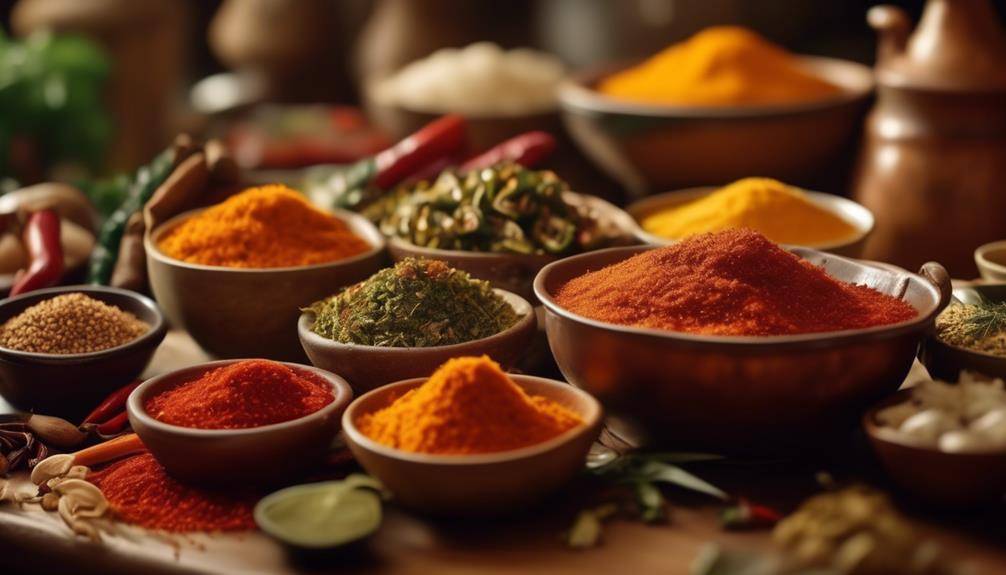
- Spices: Caribbean spices such as allspice, nutmeg, and cinnamon have found their way into many Creole dishes, adding warmth and depth of flavor. These aromatic spices are used in traditional Creole dishes like gumbo, jambalaya, and étouffée, giving them a distinct Caribbean twist.
- Seafood: The abundance of seafood in the Caribbean has greatly influenced Creole cuisine, with dishes like Creole shrimp and crawfish étouffée becoming staples in Louisiana. The use of fresh fish, shrimp, and shellfish in Creole cooking can be traced back to Caribbean culinary traditions.
- Rice and Beans: The combination of rice and beans, known as “congri” or “arroz con gandules” in the Caribbean, has become a fundamental part of Creole cuisine. This hearty and flavorful dish is often served as a side or main course in Creole meals.
- Fusion Dishes: The blending of Caribbean and Creole flavors has given rise to fusion dishes that showcase the best of both culinary traditions. Examples include jerk chicken gumbo, Creole-style curry, and plantain-stuffed beignets. These innovative dishes reflect the dynamic nature of Creole cuisine.
- Rum: The Caribbean’s love affair with rum is evident in Creole cooking, where it is used to add depth and complexity to dishes and desserts. Rum-infused sauces, glazes, and marinades are common in Creole cuisine, adding a touch of Caribbean flair.
Caribbean influences have undeniably left an indelible mark on Creole cuisine in Louisiana. The use of Caribbean spices, the incorporation of seafood, the fusion of flavors, the inclusion of rice and beans, and the influence of rum all contribute to the vibrancy and diversity of Creole dishes. These culinary connections highlight the historical and cultural ties between the Caribbean and Louisiana, making Creole cuisine a true testament to the art of fusion cooking.
Spanish Influences on Creole Cuisine
Now let’s explore the lasting impact of Spanish influences on the vibrant and diverse flavors of Creole cuisine in Louisiana. Spanish influences have played a significant role in shaping the fusion of flavors in Creole dishes. When the Spanish settled in Louisiana, they brought with them a rich culinary tradition that blended seamlessly with the existing Creole cuisine.
One of the most prominent Spanish contributions to Creole cuisine is the use of spices and herbs. Spanish explorers introduced spices such as paprika, saffron, and cumin, which added depth and complexity to Creole dishes. These spices were combined with local ingredients like bell peppers, onions, and garlic to create flavorful dishes like jambalaya and gumbo.
The Spanish also introduced new cooking techniques to the Creole kitchen. They brought the concept of sofrito, a blend of sautéed onions, garlic, and tomatoes, which forms the base of many Creole dishes. The Spanish also introduced the technique of marinating meats in citrus juices, which tenderizes the meat and adds a tangy flavor to dishes like cochon de lait.
Another significant Spanish influence on Creole cuisine is the introduction of ingredients like tomatoes, olives, and rice. These ingredients became staples in Creole cooking and were incorporated into dishes like étouffée and paella. The combination of Spanish ingredients with local flavors created a unique fusion of flavors that is characteristic of Creole cuisine.
French Influences on Creole Cuisine
French influences have had a profound impact on the development and evolution of Creole cuisine in Louisiana. The French culinary techniques and flavor influences brought over by French settlers played a significant role in shaping the unique flavors and cooking styles of Creole cuisine.
Here are five key ways in which French influences have shaped Creole cuisine:
- Roux: The use of roux, a mixture of flour and fat, is a fundamental technique in French cooking. In Creole cuisine, roux is used as a base for many dishes, such as gumbo and étouffée, adding a thickening agent and a rich flavor.
- Braising: Braising is a cooking technique in which meat or vegetables are first seared and then cooked slowly in liquid. This method, commonly used in French cuisine, is also prevalent in Creole cooking, particularly in dishes like daube and Coq au Vin.
- Sauces: French sauces, such as béchamel, velouté, and hollandaise, have influenced the sauce-making techniques in Creole cuisine. These sauces are often used to enhance the flavors of dishes like seafood, poultry, and vegetables.
- Herbs and Spices: French cuisine is known for its use of herbs and spices to add depth and complexity to dishes. Creole cuisine incorporates a similar approach, using herbs like thyme, parsley, and bay leaves, as well as spices like cayenne pepper and paprika.
- Pastries: French pastries, such as croissants and beignets, have become staples in Creole cuisine. These sweet treats have become popular breakfast or dessert options in Louisiana, adding a touch of French influence to the Creole culinary scene.
French influences have greatly contributed to the development and expansion of Creole cuisine in Louisiana. By incorporating French culinary techniques and flavor influences, Creole cuisine has become a fusion of French, Spanish, African, and Native American culinary traditions, creating a unique and flavorful cuisine that continues to delight food enthusiasts around the world.
African Influences on Creole Cuisine
When it comes to African influences on Creole cuisine, you can expect a vibrant explosion of spices and flavors that add depth and complexity to dishes. African culinary techniques and methods, such as slow cooking and marinating, have also greatly influenced the preparation of Creole cuisine. Staple ingredients like okra, black-eyed peas, and plantains are commonly used in Creole cooking, while dishes like jambalaya and gumbo showcase the fusion of African and Creole flavors.
African Spices and Flavors
Incorporating a wide array of aromatic spices and bold flavors, African influences have played a significant role in shaping the distinct taste profile of Creole cuisine. Traditional recipes from Africa introduced a variety of spices that are now staples in Creole cooking. Here are five key African spices and flavors that have made their way into Creole cuisine:
- Gumbo file: Made from ground sassafras leaves, gumbo file is a key ingredient in Creole gumbo. It adds a unique flavor and acts as a thickening agent.
- Berbere: This Ethiopian spice blend brings a fiery and complex flavor to Creole dishes. It typically includes peppers, garlic, ginger, and various herbs and spices.
- Njangsa: Derived from the seeds of an African tree, njangsa adds a nutty and slightly bitter taste to Creole stews and sauces.
- Grains of paradise: These small seeds have a peppery and citrusy flavor, similar to black pepper. They are often used in Creole spice blends.
- Palm oil: Widely used in West African cuisine, palm oil gives Creole dishes a vibrant red color and a subtle earthy flavor.
These African spices and flavors have greatly enriched the culinary heritage of Creole cuisine, making it a truly unique and delicious fusion of cultures.
Culinary Techniques and Methods
Building upon the rich African spices and flavors that have influenced Creole cuisine, the culinary techniques and methods of this unique culinary tradition have also been shaped by African influences. African culinary innovations have played a significant role in the development of Creole cuisine, leading to the creation of a fusion cuisine that is both flavorful and diverse.
One of the key culinary techniques that African influences have brought to Creole cuisine is the use of slow cooking methods. Slow cooking allows the flavors to meld together and creates tender and succulent dishes. This technique is commonly used in dishes like gumbo, jambalaya, and red beans and rice, which are staples of Creole cuisine.
Another culinary technique that can be attributed to African influences is the use of spice rubs and marinades. African cuisines are known for their bold and flavorful spice blends, and these have been incorporated into Creole cuisine to add depth and complexity to dishes. Spices like cayenne pepper, paprika, and thyme are commonly used to season meats and seafood in Creole cooking.
African influences have also brought unique cooking methods to Creole cuisine, such as grilling and smoking. Grilling imparts a smoky flavor to meats and seafood, while smoking adds a depth of flavor that is unparalleled. These techniques are commonly used in dishes like barbecued shrimp and smoked sausages, adding a distinct African touch to Creole cuisine.
Staple Ingredients and Dishes
African influences on Creole cuisine have resulted in a wide array of staple ingredients and dishes that showcase the fusion of flavors and culinary traditions. These influences have played a significant role in shaping the unique and vibrant Creole cuisine we know today. Here are some staple ingredients and traditional recipes that highlight the African influence:
- Okra: This versatile vegetable is a staple in many African dishes and is commonly used in Creole cuisine to thicken stews and soups like gumbo.
- Rice: African slaves brought their knowledge of rice cultivation to the American South, making rice an essential ingredient in dishes like jambalaya and red beans and rice.
- Peanuts: Ground peanuts are used in various African-inspired sauces and stews, adding a rich and nutty flavor to dishes.
- Yams: Yams are a popular ingredient in African cuisine and are used in Creole dishes like yam cakes and candied yams.
- Plantains: These starchy fruits are a staple in African cooking and are commonly fried or baked in Creole cuisine.
These staple ingredients, along with traditional recipes passed down through generations, continue to shape the flavors and character of Creole cuisine.
Indigenous Influences on Creole Cuisine
Native Americans have made significant culinary contributions to Creole cuisine, leaving a lasting impact on its flavors and ingredients. The indigenous peoples of the Caribbean and the Americas introduced ingredients such as corn, beans, squash, and various wild game, which became staples in Creole cooking. Additionally, their traditional cooking methods, such as smoking and roasting, have been incorporated into Creole cooking techniques, adding depth and richness to the cuisine.
Native Culinary Contributions
The rich tapestry of Creole cuisine is woven together with a myriad of culinary contributions from the indigenous people who inhabited the land long before the arrival of European settlers. These native culinary techniques and traditional Creole dishes have left an indelible mark on the cuisine that is beloved today.
- Choctaw influence: The Choctaw people introduced the concept of using cornmeal in dishes like cornbread and grits, which continue to be staples of Creole cooking.
- Native herbs and spices: Indigenous peoples introduced unique flavors like sassafras, filé powder, and wild onions, which are still used in dishes like gumbo and jambalaya.
- Seafood expertise: Native tribes taught Creole communities the art of fishing, crabbing, and oyster shucking, leading to the incorporation of seafood as a central component of Creole cuisine.
- Preservation techniques: Indigenous people introduced smoking and drying methods to preserve food, which influenced the creation of dishes like smoked sausages and jerked meats.
- Agricultural knowledge: Native tribes cultivated crops like beans, squash, and sweet potatoes, which became integral ingredients in Creole dishes such as red beans and rice.
The contributions of indigenous people have shaped Creole cuisine into the vibrant and flavorful cuisine it is today.
Indigenous Flavor Influences
Incorporating a diverse array of indigenous flavors, Creole cuisine showcases the vibrant and dynamic culinary heritage of the land’s original inhabitants. Indigenous flavor influences play a vital role in shaping the unique taste and character of Creole dishes. The indigenous people of the Caribbean, such as the Tainos, Arawaks, and Caribs, had a deep understanding of the local ingredients and traditional cooking methods.
They introduced staple ingredients like corn, beans, peppers, and tropical fruits, which are now integral to Creole cuisine. These flavors are often enhanced with spices and herbs like annatto, cilantro, and allspice, creating a harmonious blend of tastes. Traditional cooking techniques, like grilling, smoking, and slow-cooking, were also passed down through generations, adding depth and complexity to Creole dishes. Overall, indigenous flavor influences are a cornerstone of Creole cuisine, reflecting the rich culinary history of the land’s original inhabitants.
Creole Cuisine in Louisiana
Creole cuisine in Louisiana showcases the rich fusion of flavors and culinary traditions that have shaped the region’s vibrant food culture. Influenced by a mix of African, European, and Native American cuisines, Creole cuisine has had a significant impact on modern Louisiana dishes and Southern cuisine as a whole.
Some key aspects of Creole cuisine in Louisiana include:
- Rich and flavorful ingredients: Creole cuisine is characterized by the use of bold and diverse flavors, such as spices like cayenne pepper, bay leaves, and thyme. Ingredients like okra, seafood, and rice are also commonly found in Creole dishes, adding depth and complexity to the cuisine.
- French and Spanish influences: The French and Spanish colonizers played a crucial role in shaping Creole cuisine in Louisiana. The French brought techniques like braising and roux-making, while the Spanish introduced flavors such as saffron and tomato-based sauces. These influences can still be seen in dishes like jambalaya and gumbo.
- African culinary traditions: The African influence on Creole cuisine can be seen in the use of ingredients like okra and yams, as well as cooking methods like deep frying and stewing. African slaves also brought their knowledge of seasoning and spice blends, which are integral to the bold flavors of Creole cuisine.
- Indigenous ingredients: Native American culinary traditions have also left their mark on Creole cuisine in Louisiana. Ingredients like corn, beans, and squash are commonly used in Creole dishes, showcasing the indigenous flavors that have been incorporated into the cuisine.
- Cultural fusion: Creole cuisine is a reflection of the diverse communities that have called Louisiana home. It has been shaped by the contributions of African, European, and Native American cultures, resulting in a unique culinary heritage that continues to influence modern Louisiana dishes and Southern cuisine as a whole.
Creole cuisine in Louisiana is a testament to the region’s rich history and cultural diversity. Its flavors and culinary traditions have become an integral part of the state’s identity, ensuring that the vibrant food culture of Louisiana will continue to thrive for generations to come.
Creole Cuisine in New Orleans
When exploring the origins of Creole cuisine in New Orleans, it is important to consider the significant influences of the French colonial period and African culinary traditions. The French settlers brought their culinary expertise and techniques, which blended with the local ingredients and flavors to create a unique Creole cuisine. Additionally, the African slaves brought their own culinary traditions, including the use of spices and cooking methods that greatly influenced the development of Creole dishes.
French Colonial Influence
The French colonial influence played a significant role in shaping the unique and diverse culinary traditions found in New Orleans. The fusion of French, African, and Caribbean flavors resulted in the development of Creole cuisine, which has become an integral part of the city’s cultural identity.
- The French introduced techniques such as braising, baking, and roux-making, which are still widely used in Creole cooking.
- Creole cuisine incorporates a variety of ingredients including seafood, meats, vegetables, and spices.
- French pastries, such as beignets and king cakes, have become iconic desserts in New Orleans.
- The French also brought the tradition of using wine and brandy in cooking, adding depth and richness to Creole dishes.
- Creole cuisine reflects the history and diversity of New Orleans, serving as a symbol of cultural unity and resilience.
The French colonial influence not only contributed to the culinary landscape of New Orleans but also played a vital role in shaping its cultural significance.
African Culinary Traditions
As we continue our exploration of the diverse culinary traditions in New Orleans, let us now turn our attention to the rich and influential African culinary traditions that have greatly shaped the development of Creole cuisine. African culinary techniques and traditional dishes have had a profound impact on Creole cooking, infusing it with bold flavors and unique cooking methods.
One of the most significant contributions of African cuisine to Creole cooking is the use of spices and seasonings such as cayenne pepper, thyme, garlic, and onions, which bring depth and complexity to Creole dishes. Additionally, African cooking techniques such as stewing, frying, and smoking have been incorporated into Creole cuisine, resulting in dishes like gumbo and jambalaya. Traditional African dishes like okra soup and black-eyed pea fritters have also become staples in Creole cooking, showcasing the enduring influence of African culinary traditions in New Orleans.
Key Ingredients in Creole Cuisine
Key ingredients play a crucial role in defining the vibrant and robust flavors of Creole cuisine. The unique blend of African, European, and Native American influences in Creole cooking has resulted in a rich and diverse culinary tradition. Here are five key ingredients that are commonly used in Creole cuisine:
- Rice: Rice is a staple in Creole cooking and is often used as a base for many dishes. It is used in traditional dishes like jambalaya and gumbo, where it absorbs the flavors of the other ingredients and adds texture to the dish.
- Seafood: Being located near the coast, seafood is an essential component of Creole cuisine. Shrimp, crawfish, oysters, and crabs are commonly used in dishes like étouffée, seafood gumbo, and shrimp Creole.
- Holy Trinity: The Holy Trinity refers to a combination of onions, bell peppers, and celery, which form the base of many Creole dishes. This aromatic trio adds depth of flavor to dishes and is sautéed together to create a flavorful foundation.
- Tomatoes: Tomatoes are another key ingredient in Creole cuisine, adding a tangy and slightly sweet flavor to dishes. They are often used in sauces, stews, and soups, such as Creole sauce and tomato-based gumbo.
- Spices and Herbs: Creole cuisine is known for its bold and flavorful seasonings. A variety of spices and herbs, such as thyme, oregano, paprika, cayenne pepper, and bay leaves, are used to add depth and complexity to dishes.
These key ingredients, combined with traditional cooking techniques like slow simmering and layering of flavors, contribute to the unique and delicious taste of Creole cuisine. Whether you’re enjoying a spicy gumbo or a hearty jambalaya, the flavors of Creole cuisine are sure to leave you satisfied.
Signature Dishes of Creole Cuisine
Now let’s dive into the mouthwatering world of Creole cuisine and explore its signature dishes that showcase the vibrant flavors and cultural heritage of this culinary tradition. Creole cuisine is a fusion of various culinary influences, resulting in a rich and diverse array of dishes. One of the most famous dishes is gumbo, which has its origins in West Africa. This flavorful stew typically includes a combination of meat or seafood, vegetables, and spices, all simmered together to create a hearty and satisfying meal. Gumbo is not only a delicious dish but also holds cultural significance as it represents the blending of African, French, and Spanish flavors and techniques.
Another iconic Creole dish is jambalaya, a rice-based dish that originated from Spanish paella. Jambalaya typically includes a mixture of meat, such as sausage, chicken, and shrimp, along with vegetables and spices. This one-pot wonder is known for its bold flavors and is often served at celebrations and gatherings, symbolizing the spirit of community and togetherness.
One cannot talk about Creole cuisine without mentioning étouffée. This dish, which means “smothered” in French, features shellfish, such as crawfish or shrimp, cooked in a flavorful roux-based sauce. The dish is traditionally served over rice, allowing the flavors to meld together and create a truly satisfying meal. Étouffée showcases the French influence on Creole cuisine and is a testament to the rich history and cultural heritage of this culinary tradition.
Creole cuisine’s signature dishes not only tantalize the taste buds but also tell a story of the origins and cultural significance of this vibrant culinary tradition. From gumbo to jambalaya to étouffée, these dishes embody the essence of Creole cooking and continue to be celebrated for their bold flavors and unique combinations of ingredients.
Evolution of Creole Cuisine
Over the years, Creole cuisine has evolved and adapted to incorporate new ingredients and techniques while still preserving its rich cultural heritage. The evolutionary influences and cultural fusion have played a significant role in shaping Creole cuisine into what it is today. Here are five key aspects that have contributed to the evolution of Creole cuisine:
- Colonial Influences: The arrival of European colonizers, such as the French, Spanish, and Portuguese, brought new ingredients and cooking techniques to the Creole kitchen. The fusion of African, European, and Native American culinary traditions formed the foundation of Creole cuisine.
- African Influence: The African slaves brought with them their cooking techniques, spices, and flavors, which greatly influenced the development of Creole cuisine. Dishes like gumbo and jambalaya, with their rich and complex flavors, are a testament to this African influence.
- Native American Influence: The Native Americans introduced ingredients like corn, beans, and squash to Creole cuisine. These ingredients were incorporated into traditional Creole dishes, adding depth and variety to the culinary landscape.
- Caribbean Influence: The close proximity and shared history between the Caribbean islands and Louisiana have led to a strong Caribbean influence on Creole cuisine. Ingredients like plantains, coconut, and tropical fruits have found their way into Creole dishes, adding a unique Caribbean flair.
- Modern Innovations: Creole cuisine continues to evolve with modern innovations and global influences. Chefs are experimenting with new ingredients and techniques, creating contemporary Creole dishes that reflect the diverse culinary landscape of today.
The evolution of Creole cuisine has been shaped by a blend of cultural influences and historical events. From the colonial era to modern times, Creole cuisine continues to adapt and incorporate new flavors, while still staying true to its roots.
Famous Creole Chefs and Restaurants
Creole cuisine has been greatly influenced by the talent and creativity of famous chefs and the establishments they have helmed. These renowned chefs have played a significant role in shaping the culinary landscape of Creole cuisine, while iconic restaurants have become synonymous with the rich flavors and traditions of this unique culinary tradition.
One of the most famous Creole chefs is Leah Chase, known as the “Queen of Creole Cuisine.” She became the executive chef of Dooky Chase’s Restaurant in New Orleans in the 1940s and transformed it into a hub of Creole cooking. Chase’s innovative approach to Creole cuisine, blending traditional French techniques with local ingredients, gained her international recognition. Today, Dooky Chase’s Restaurant continues to be a beloved institution, serving up classic Creole dishes like gumbo and jambalaya.
Another renowned chef is John Besh, who has made a name for himself with his modern take on Creole cuisine. His restaurant, August, in New Orleans, showcases his culinary skills and creativity. Besh’s dishes are a fusion of traditional Creole flavors with contemporary techniques, resulting in unique and delicious combinations. His commitment to preserving the authentic flavors of Creole cuisine while pushing the boundaries has earned him numerous accolades.
Commander’s Palace, located in New Orleans, is an iconic Creole restaurant that has been a staple in the city since 1880. Known for its elegant ambiance and refined Creole cuisine, Commander’s Palace has been a training ground for many talented chefs. Emeril Lagasse, one of the most famous celebrity chefs, honed his skills at Commander’s Palace before branching out to open his own successful restaurants.
These famous Creole chefs and iconic restaurants have not only elevated the status of Creole cuisine but also brought it to the forefront of the culinary world. Their dedication to preserving the traditions of Creole cooking while adding their own innovative twists has made them true legends in the culinary industry.
Cultural Significance of Creole Cuisine
As we explore the cultural significance of Creole cuisine, it is important to understand how this unique culinary tradition has not only been shaped by famous chefs and iconic restaurants, but also how it has become deeply intertwined with the history, heritage, and identity of the communities that have embraced it. Creole cuisine holds a special place in the hearts and palates of people all over the world, and its impact on global culinary trends cannot be overstated. Here are some key aspects that highlight the cultural significance of Creole cuisine:
- Fusion of Cultures: Creole cuisine is the result of a beautiful fusion of African, European, Caribbean, and Native American culinary traditions. It reflects the rich and diverse history of the communities that have contributed to its creation, making it a symbol of cultural unity and harmony.
- Preservation of Tradition: Creole cuisine plays a vital role in preserving the cultural heritage of the communities it represents. Through the passing down of recipes, cooking techniques, and food rituals, it keeps alive the traditions and customs of generations past. It serves as a way for communities to connect with their roots and maintain a sense of cultural identity.
- Celebration of Local Ingredients: Creole cuisine celebrates the abundance of local ingredients, showcasing the flavors and aromas of the region. From fresh seafood to aromatic spices, every dish is a tribute to the natural resources of the land and sea.
- Culinary Innovation: Creole cuisine has been a driving force behind culinary innovation. Chefs and home cooks alike have experimented with new flavors and techniques, pushing the boundaries of traditional cuisine. This spirit of creativity and experimentation has had a profound impact on global culinary trends.
- Cultural Tourism: Creole cuisine has become a major draw for cultural tourism, attracting food enthusiasts from around the world. The unique flavors and culinary experiences offered by Creole cuisine have put cities like New Orleans and the Caribbean on the global food map, contributing to the economic growth and cultural vibrancy of these regions.
Frequently Asked Questions: Great Creole Cuisine Influences And History
What Is the Nutritional Value of Creole Cuisine?
Creole cuisine offers a variety of health benefits due to its use of fresh, traditional ingredients. With its emphasis on seafood, vegetables, and spices, it provides a nutritious and flavorful dining experience.
How Has Creole Cuisine Influenced Other Regional Cuisines?
Creole cuisine has had a significant impact on other regional cuisines through cultural exchange and the creation of fusion cuisine. It has brought together diverse flavors and techniques, resulting in unique and delicious dishes.
Are There Any Vegetarian or Vegan Options in Creole Cuisine?
Yes, there are vegetarian and vegan options in Creole cuisine. Creole cuisine incorporates a variety of vegetables, legumes, and grains, which can be used to create flavorful and satisfying dishes for those following a vegetarian or vegan diet.
What Are the Different Regional Variations of Creole Cuisine?
There are different regional variations of Creole cuisine that are influenced by various cultural backgrounds and reflect the cultural diversity of the region. These influences contribute to the unique flavors and ingredients found in Creole dishes.
How Has Modern Technology and Globalization Affected the Preparation and Presentation of Creole Cuisine?
Modern technology and globalization have revolutionized the preparation and presentation of Creole cuisine. With access to new ingredients, cooking techniques, and online platforms, you can explore and experiment with Creole dishes like never before.

Conclusion
In conclusion, Creole cuisine is a rich and diverse culinary tradition that has been influenced by a variety of cultures. Its origins can be traced back to the Caribbean, with Spanish, French, and African influences playing a significant role in shaping its unique flavors and techniques. Creole cuisine’s signature dishes are a testament to its cultural significance and continue to be celebrated by famous chefs and restaurants. As it continues to evolve, Creole cuisine remains a beloved and cherished part of culinary history.
If you enjoyed exploring this topic and want to dive even deeper, be sure to check out some of our other articles here on Infinite Flavors. From rich culinary histories to creative twists on classic recipes, there’s always something new to discover. Whether you’re curious about the origins of a dish, looking for fresh inspiration in the kitchen, or simply love learning about food culture, our collection of posts is the perfect next step on your flavor journey.
The Best Family-Friendly Cajun-Creole Recipes
Amazing Traditional Cajun Creole Recipes
Exciting Healthy Cajun Creole Cooking Tips