Exciting Healthy Cajun Creole Cooking Tips
Exciting Healthy Cajun Creole Cooking Tips; Are you ready to add some zest to your healthy eating routine? Just like the sizzle of a spicy Cajun dish, healthy Cajun/Creole cooking can bring a burst of flavor to your meals without compromising your health goals. But where do you begin? In this discussion, we will explore some tips and tricks to help you create mouthwatering dishes that are both delicious and nutritious. So, grab your apron and get ready to embark on a culinary journey that will leave you craving for more.
Cooking Methods
To achieve the authentic flavors of Cajun/Creole cuisine, it is essential to master the various cooking methods that bring out the best in these vibrant dishes. Two popular cooking methods that can elevate your Cajun/Creole creations are air frying and grilling.
Air frying is a healthier alternative to deep frying, allowing you to enjoy the crispy texture without the excess oil. This method works by circulating hot air around the food, resulting in a golden and crunchy exterior. When air frying Cajun/Creole dishes like fried catfish or hush puppies, you can achieve that satisfying crunch without the guilt. Plus, it’s a quick and convenient way to cook, perfect for those busy weeknight meals.
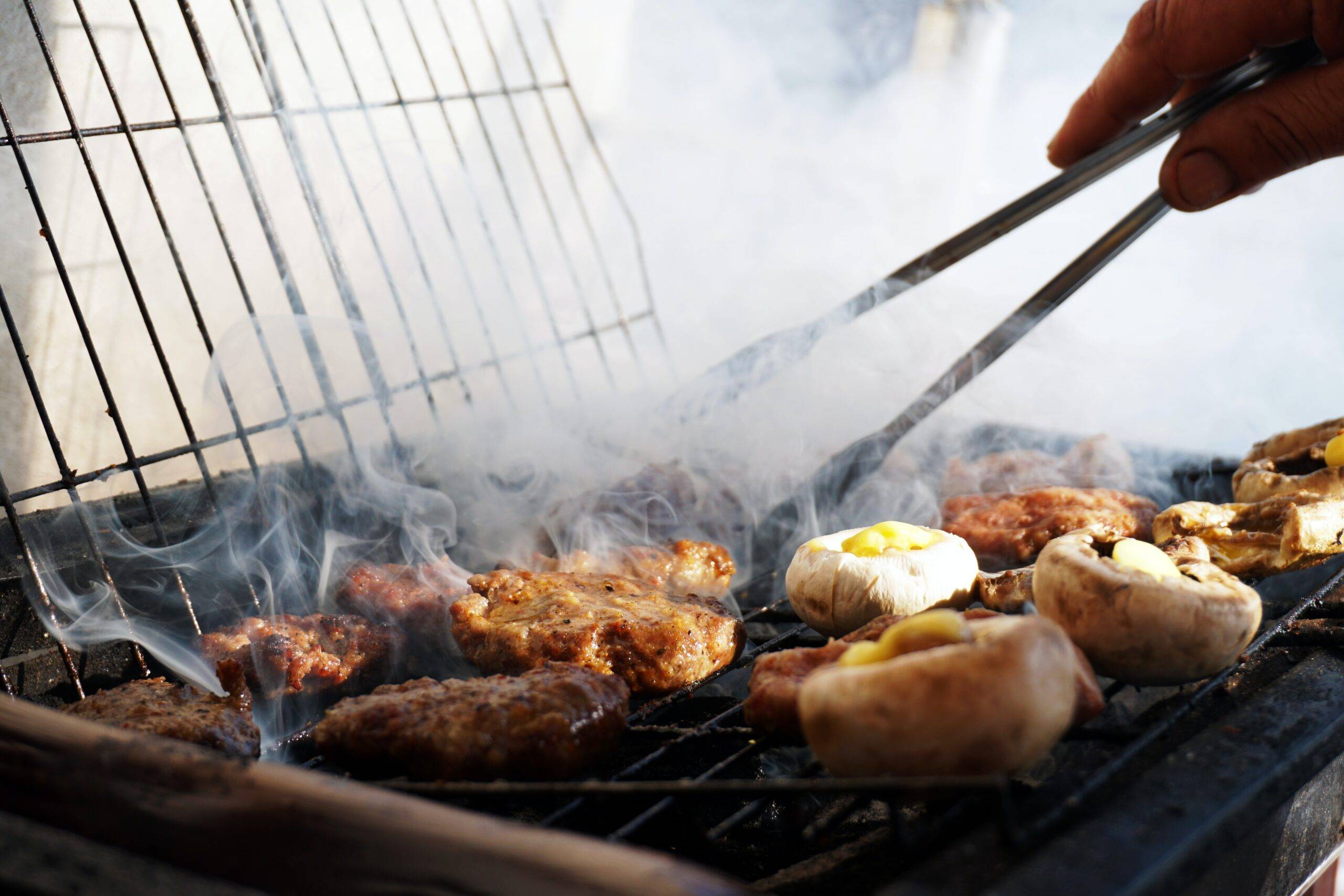
On the other hand, grilling adds a smoky and charred flavor to your Cajun/Creole dishes, bringing an extra layer of complexity to the taste. Whether you’re grilling shrimp for your jambalaya or blackening fish for a po’ boy sandwich, the grill imparts a unique smokiness that enhances the overall dish. Additionally, grilling allows excess fat to drip away, making it a healthier cooking method.
When using these cooking methods, it’s important to pay attention to the cooking time and temperature. Adjustments may be necessary depending on the thickness and size of the ingredients. Always preheat the air fryer or grill to ensure even cooking. Remember, practice makes perfect, so don’t be afraid to experiment and tweak the cooking times and temperatures to suit your taste.
Flavorful Spice Blends
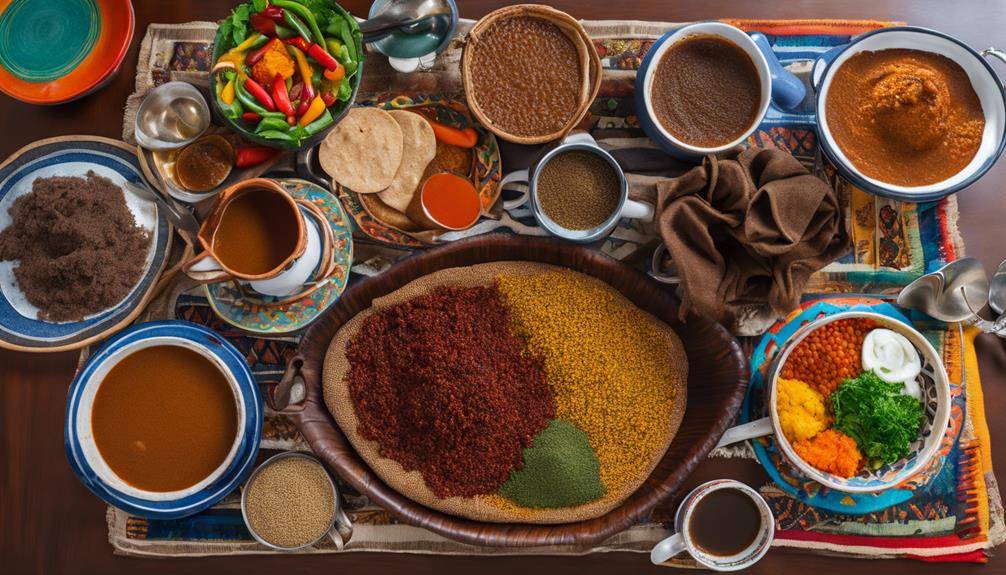
Mastering the cooking methods of air frying and grilling is just the beginning – to truly elevate your Cajun/Creole dishes, you need to explore the world of flavorful spice blends. These spice blends are the secret to achieving the authentic taste and complexity that Cajun/Creole cuisine is known for. By carefully selecting and using the right spices, you can create dishes that burst with flavor and transport you to the heart of Louisiana. Here are four spice pairing and flavor profiles that will take your Cajun/Creole cooking to the next level:
- Cajun Spice Blend: A classic blend of paprika, cayenne pepper, garlic powder, onion powder, and dried herbs like thyme and oregano. This blend adds a smoky, spicy, and slightly sweet flavor to your dishes.
- Creole Spice Blend: A flavorful combination of paprika, garlic powder, onion powder, dried thyme, dried oregano, and cayenne pepper. This blend adds a vibrant and aromatic taste to your dishes, with a well-balanced blend of heat and herbs.
- Blackened Seasoning: A bold blend of paprika, cayenne pepper, garlic powder, onion powder, dried thyme, dried oregano, and black pepper. This blend is perfect for creating that signature blackened crust on seafood and meats, adding a spicy and smoky flavor.
- Gumbo File Powder: Made from ground sassafras leaves, gumbo file powder is a unique spice that adds a distinct flavor to gumbo and other dishes. It has a slightly sweet and earthy taste, enhancing the overall depth of flavor in your Cajun/Creole dishes.
Lighter Protein Choices
When choosing protein for your Cajun/Creole dishes, consider opting for lighter options that still deliver on taste and texture. Incorporating vegetarian options and plant-based proteins into your meals can be a healthy and flavorful way to enjoy these cuisines. Not only are these alternatives lower in saturated fat and cholesterol, but they also provide essential nutrients and can contribute to a well-balanced diet.
One popular vegetarian option that works well in Cajun/Creole cooking is tofu. Tofu is made from soybeans and has a mild flavor that easily absorbs the spices and seasonings commonly used in these dishes. It can be marinated, grilled, sautéed, or added to soups and stews, providing a versatile and protein-packed ingredient.
Another plant-based protein to consider is tempeh. Made from fermented soybeans, tempeh has a nutty flavor and a firm texture that holds up well in Cajun/Creole dishes. It can be sliced or crumbled and used in stir-fries, jambalayas, or even as a meat substitute in gumbo.
For those who prefer legumes, beans such as black beans, kidney beans, or chickpeas are excellent choices. These beans are not only high in protein but also rich in fiber, which helps promote feelings of fullness and supports digestive health. They can be used in a variety of Cajun/Creole dishes, such as red beans and rice, étouffée, or bean-based soups.
Incorporating these lighter protein choices into your Cajun/Creole dishes not only adds variety to your meals but also offers a healthier alternative to traditional meat-based options. By exploring vegetarian options and plant-based proteins, you can create delicious and nutritious dishes that still capture the rich flavors and textures of Cajun/Creole cuisine.
Healthier Fats and Oils
When it comes to healthier fats and oils in Cajun/Creole cooking, there are a few key points to keep in mind. First, it’s important to choose better oil options, such as olive oil or avocado oil, which are rich in heart-healthy monounsaturated fats. Additionally, reducing the use of unhealthy fats like butter and lard can help lower saturated fat intake and promote better overall health.
Better Oil Choices
To make healthier choices when it comes to fats and oils in Cajun/Creole cooking, consider opting for alternative options that are lower in saturated fats and higher in beneficial nutrients. Here are four better oil choices that can help you achieve this:
- Avocado oil: Not only does it have a high smoke point, making it suitable for frying and sautéing, but it also contains heart-healthy monounsaturated fats. Avocado oil is also rich in vitamin E, which has antioxidant properties.
- Olive oil: Another healthy option, olive oil is known for its abundance of monounsaturated fats. It has been associated with various health benefits, such as reduced inflammation and improved heart health.
- Coconut oil: While it is higher in saturated fats, coconut oil is unique because it contains medium-chain triglycerides (MCTs), which are metabolized differently in the body. Some studies suggest that MCTs may aid in weight loss and improve brain function.
- Grapeseed oil: This oil has a high smoke point and a mild flavor, making it suitable for a variety of cooking methods. It is also rich in polyunsaturated fats and vitamin E.
Reducing Unhealthy Fats
Now let’s explore how you can further reduce unhealthy fats in your Cajun/Creole cooking by incorporating healthier fats and oils. One way to do this is by using low-fat alternatives to traditional ingredients. For example, instead of using regular butter, you can opt for a lower-fat spread or margarine. Another option is to substitute whole milk with skim or low-fat milk in your recipes.
Additionally, you can choose lean cuts of meat and remove any visible fat before cooking. When it comes to cooking techniques, grilling, baking, and steaming are great alternatives to frying, as they require less oil. You can also use non-stick cooking sprays or invest in a good quality non-stick pan to minimize the need for added fats. By making these simple changes, you can enjoy healthier Cajun/Creole dishes without sacrificing flavor.
Fresh and Seasonal Ingredients
Fresh and seasonal ingredients are essential for creating authentic and flavorful Cajun/Creole dishes. When it comes to Cajun/Creole cooking, using seasonal produce and embracing farm to table cooking practices can take your dishes to the next level. Here are four reasons why incorporating fresh and seasonal ingredients is crucial for the success of your Cajun/Creole dishes:
- Superior taste: Seasonal ingredients are at their peak flavor, which means your dishes will taste better. Whether it’s the juicy tomatoes in the summer or the sweet potatoes in the fall, using ingredients when they are in season ensures that your dishes are bursting with flavor.
- Nutritional benefits: Fresh and seasonal ingredients are packed with essential nutrients. They are often harvested at their peak ripeness, which means they retain more vitamins, minerals, and antioxidants. By incorporating these ingredients into your dishes, you can boost the nutritional value of your meals.
- Support local farmers: Embracing farm to table cooking means you are supporting local farmers and the local economy. Buying seasonal produce directly from farmers not only ensures the freshness and quality of the ingredients but also helps sustain local agriculture.
- Environmental sustainability: By using seasonal ingredients, you are reducing the carbon footprint of your meals. Seasonal produce is typically sourced locally, which means it travels a shorter distance to reach your plate. This reduces transportation emissions and supports a more sustainable food system.
Incorporating fresh and seasonal ingredients into your Cajun/Creole dishes not only enhances the taste and nutritional value but also supports local farmers and promotes environmental sustainability. So, head to your local farmers market and let the vibrant flavors of the season inspire your next Cajun/Creole masterpiece.
Mindful Portion Control
Practicing mindful portion control is essential for maintaining a healthy balance in your Cajun/Creole dishes. Portion control tips and mindful eating strategies can help you enjoy the flavors of these cuisines while keeping your health goals in check.
First and foremost, be mindful of your plate size. Using smaller plates and bowls can help you control your portion sizes naturally. Research shows that people tend to eat more when their plates are larger, so opt for smaller dishware to prevent overeating.
Another helpful strategy is to listen to your body’s hunger and fullness cues. Before serving yourself, take a moment to assess your hunger level. Are you truly hungry or are you eating out of habit or boredom? Eat until you feel satisfied, not overly full. It takes about 20 minutes for your brain to register feelings of fullness, so eat slowly and savor each bite.
When cooking Cajun/Creole dishes, pay attention to the ingredients that are typically used in large amounts, such as butter, oil, and cream. Consider reducing these ingredients or finding healthier alternatives. For example, you can use cooking spray instead of oil, or substitute Greek yogurt for heavy cream.
Lastly, be mindful of your portion sizes when dining out or ordering takeout. These meals often come in larger portions than what you would typically consume at home. Consider splitting a dish with a friend or asking for a to-go container and saving half for another meal.
Incorporating these portion control tips and mindful eating strategies into your Cajun/Creole cooking can help you maintain a healthy balance while still enjoying the delicious flavors of these cuisines. Remember, it’s all about finding the right balance and listening to your body’s needs.
Sneak in Vegetables
Want to add more vegetables to your Cajun/Creole dishes without sacrificing flavor? You’re in luck! By incorporating veggie-packed dishes, creatively hiding vegetables, and adding nutrition in clever ways, you can enjoy the delicious flavors of Cajun/Creole cuisine while still getting your daily dose of veggies. Get ready to impress your taste buds and nourish your body with these sneaky vegetable tips.
Veggie-Packed Dishes
To enhance the nutritional value of your Cajun/Creole dishes, incorporating a medley of vegetables adds depth of flavor and nourishment. Here are four creative ways to pack your dishes with veggies:
- Veggie-packed smoothies: Blend vegetables like spinach, kale, or carrots into your favorite smoothie recipes. Not only does this add a nutritional punch, but it also creates a creamy texture.
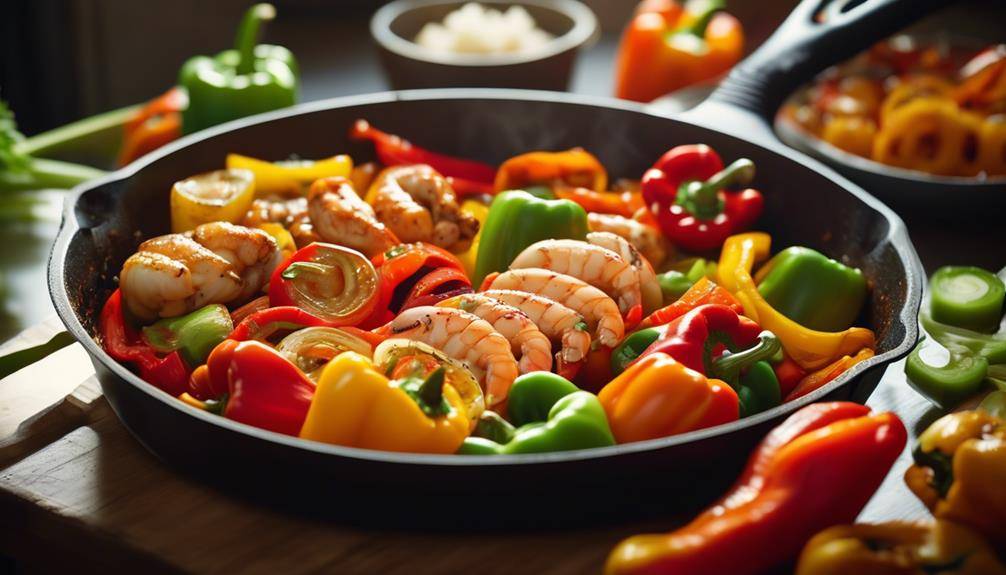
- Creative veggie side dishes: Instead of traditional sides like rice or potatoes, try roasted Brussels sprouts, grilled zucchini, or sautéed bell peppers and onions. These colorful and flavorful options will complement your main dish while adding extra nutrients.
- Vegetable jambalaya: Replace some of the meat in your jambalaya with a variety of vegetables like bell peppers, celery, and tomatoes. This not only reduces the calorie and fat content but also increases the fiber and vitamin content.
- Stuffed vegetables: Hollow out vegetables like bell peppers or zucchini and fill them with a mixture of grains, legumes, and diced veggies. Baking them creates a delicious and satisfying dish that is both nutritious and flavorful.
Hiding Vegetables Creatively
Incorporating hidden vegetables creatively into your dishes can be a smart and delicious way to increase the nutritional content without sacrificing flavor. If you’re looking for ways to add more vegetables to your family’s diet, here are some creative veggie dishes that are kid-friendly and packed with nutrients.
One popular method is to puree vegetables and add them to sauces, soups, and stews. For example, you can blend cauliflower into a creamy Alfredo sauce or mix pureed carrots into tomato sauce for spaghetti. Another idea is to grate vegetables and mix them into meatballs, meatloaf, or burger patties. Finely chopped mushrooms can also be a great addition to ground meat dishes, providing an extra serving of veggies without altering the taste.
Adding Nutrition Without Sacrificing Flavor
A clever way to boost the nutritional value of your meals while maintaining delicious flavor is by sneaking in vegetables. Mindful eating is all about making conscious choices to nourish your body. Here are four satisfying substitutions that will add nutrition to your Cajun/Creole dishes without sacrificing taste:
- Swap out a portion of the meat with finely chopped vegetables like bell peppers, onions, and celery. This not only adds vitamins and fiber but also enhances the flavor profile.
- Use cauliflower rice instead of regular rice. It’s low in carbs and high in nutrients, making it a perfect base for your dishes.
- Incorporate pureed vegetables into sauces and stews. Carrots, sweet potatoes, and butternut squash blend seamlessly, adding nutrients and thickness to your favorite recipes.
- Replace heavy cream with Greek yogurt or coconut milk to reduce saturated fat while still achieving a creamy texture.
Healthy Substitutions
Consider making healthier swaps in your Cajun/Creole cooking to enhance the nutritional value of your dishes without sacrificing flavor. By incorporating healthy ingredient swaps into your recipes, you can create nutritious meals that still satisfy your taste buds. When it comes to nutritious meal planning, there are several substitutions you can make to reduce calories, unhealthy fats, and sodium.
One common ingredient in Cajun/Creole cooking is oil, which adds richness and flavor but can also contribute to excess calories. Instead of using regular cooking oil, opt for healthier alternatives like olive oil or avocado oil. These oils contain healthy fats that are beneficial for your heart and overall health.
Another swap you can make is using whole grains instead of refined grains. Whole grains are packed with fiber, vitamins, and minerals, unlike their refined counterparts. Replace white rice with brown rice or wild rice, or use whole wheat flour instead of all-purpose flour in your roux. These small changes can make a big difference in the nutritional value of your dishes.
Furthermore, you can reduce the amount of sodium in your Cajun/Creole dishes by using herbs, spices, and other flavorings instead of salt. Cajun seasoning blends can be high in sodium, so consider making your own with a mix of paprika, garlic powder, onion powder, cayenne pepper, and other herbs and spices.
Frequently Asked Questions: Exciting Healthy Cajun Creole Cooking Tips
Can You Provide a List of Common Cajun/Creole Cooking Techniques to Enhance Flavor Without Adding Excessive Calories?
To enhance flavor without adding excessive calories in Cajun/Creole cooking, try using flavorful low-calorie substitutes for traditional ingredients. Additionally, reduce added sugars by using spices, herbs, and citrus juices to maintain taste.
Are There Any Traditional Cajun/Creole Spice Blends That Are Already Low in Sodium?
Yes, there are traditional Cajun/Creole spice blends that are already low in sodium. They can add flavor to your dishes without compromising your health. Incorporate them into your cooking along with healthy techniques, alternative protein choices, reduced saturated fat content, healthier oil options, and seasonal ingredients for freshness and variety.
What Are Some Alternative Protein Choices That Can Be Used in Cajun/Creole Dishes to Reduce Saturated Fat Content?
To reduce saturated fat content in Cajun/Creole dishes, consider alternative protein choices like lean meats (such as chicken or turkey), seafood (like shrimp or fish), and plant-based options (such as beans or tofu).
Can You Recommend Some Healthier Oil Options for Cooking Cajun/Creole Cuisine That Are Still Flavorful?
You can use healthier oil options for cooking Cajun/Creole cuisine while still maintaining flavor. Look for flavorful cooking oils like avocado oil, olive oil, or coconut oil, which are healthier alternatives to traditional options.
Are There Any Specific Seasonal Ingredients That Can Be Incorporated Into Cajun/Creole Dishes to Add Freshness and Variety?
Incorporate seasonal ingredients for freshness and variety in your Cajun/Creole dishes. Adding fresh produce to your cuisine can enhance flavors and provide a healthy twist to traditional recipes.

Conclusion
Incorporating healthy cooking methods, flavorful spice blends, lighter protein choices, healthier fats and oils, fresh and seasonal ingredients, mindful portion control, sneaking in vegetables, and using healthy substitutions are practical ways to enjoy Cajun/Creole cuisine while promoting a nutritious lifestyle. By following these tips, you can savor the rich flavors of this cuisine without sacrificing your health.
If you enjoyed exploring this topic and want to dive even deeper, be sure to check out some of our other articles here on Infinite Flavors. From rich culinary histories to creative twists on classic recipes, there’s always something new to discover. Whether you’re curious about the origins of a dish, looking for fresh inspiration in the kitchen, or simply love learning about food culture, our collection of posts is the perfect next step on your flavor journey.
The Best Creole-Inspired Brunch Menu Ideas
Amazing Cajun-Creole Food And Its Native American Heritage
The Best Family-Friendly Cajun-Creole Recipes