Brazilian Cuisine In A Plant-Based Diet
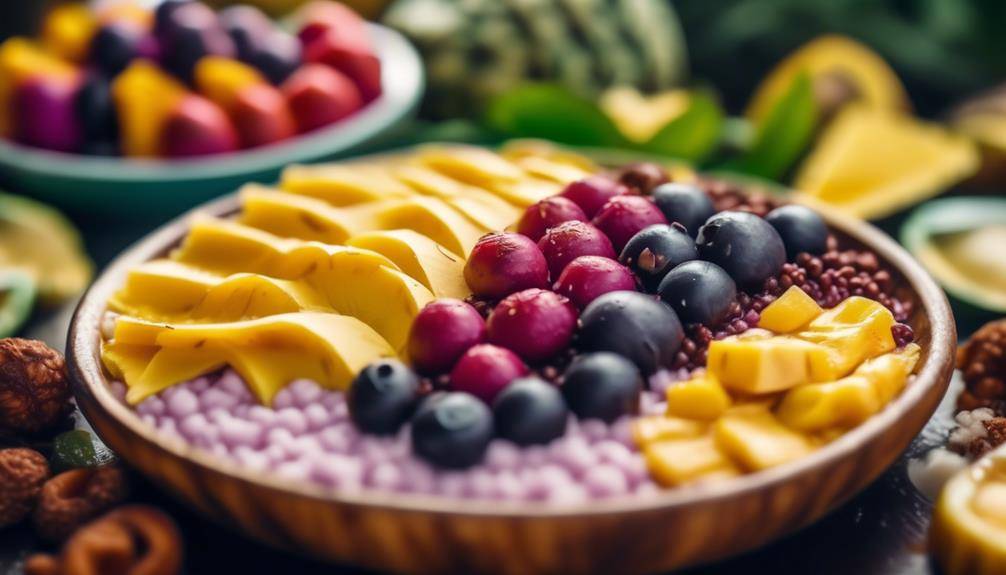
Brazilian Cuisine In A Plant-Based Diet; Have you ever wondered if it’s possible to enjoy the vibrant flavors of Brazilian cuisine while following a plant-based diet? Well, the truth is, Brazilian cuisine offers a rich tapestry of dishes that can easily be adapted to suit a plant-based lifestyle. From hearty stews and savory empanadas to tropical desserts bursting with flavor, there are countless options to explore. So, if you’re curious about how to incorporate the diverse flavors of Brazil into your plant-based meals, get ready to discover a world of delicious possibilities that will tantalize your taste buds and leave you craving for more.
Traditional Brazilian Dishes
When exploring traditional Brazilian dishes, you’ll discover a rich culinary heritage that combines indigenous ingredients with influences from Portugal, Africa, and various other cultures. Brazilian cuisine is known for its vibrant flavors, bold spices, and diverse range of dishes. From traditional Brazilian desserts to popular Brazilian street food, there is something to satisfy every palate.
One of the most beloved aspects of Brazilian cuisine is its desserts. Traditional Brazilian desserts are often made with ingredients like coconut, condensed milk, and tropical fruits. One such dessert is Brigadeiro, a sweet and fudgy chocolate truffle that is rolled in sprinkles. Another popular dessert is the Pudim de Leite, a creamy and caramelized flan that is enjoyed throughout Brazil. These desserts are not only delicious but also reflect the country’s love for rich and indulgent flavors.
In addition to desserts, Brazilian street food is also a major highlight of the culinary scene. Popular street foods like Coxinha and Acarajé can be found in bustling markets and on street corners across the country. Coxinha is a deep-fried pastry filled with shredded chicken, while Acarajé is a deep-fried black-eyed pea fritter filled with shrimp and topped with a spicy sauce. These street foods are not only tasty but also convenient and perfect for on-the-go snacking.
Exploring traditional Brazilian dishes is a delightful journey into the country’s culinary heritage. From the sweetness of traditional Brazilian desserts to the savory delights of popular street food, Brazil’s cuisine is a celebration of flavors and influences from around the world. Whether you have a sweet tooth or a craving for something savory, traditional Brazilian dishes are sure to satisfy your taste buds.
Key Ingredients in Brazilian Cuisine
Now it’s time to explore the vibrant flavors of traditional Brazilian cuisine and how they can be adapted to a plant-based diet. From the richness of coconut milk to the tanginess of lime, these key ingredients bring a burst of flavor to Brazilian dishes. By understanding the foundation of these flavors, you can create delicious plant-based versions of classic Brazilian recipes.
Traditional Brazilian Flavors
Embrace the vibrant flavors of Brazilian cuisine with its key ingredients that bring a taste of tradition and a burst of excitement to your plant-based diet. Traditional Brazilian flavors are known for their boldness and complexity, and luckily, many of these flavors can be easily incorporated into vegan friendly recipes. One of the most iconic ingredients in Brazilian cuisine is the traditional Brazilian spices.
These spices, such as cumin, paprika, and coriander, add depth and richness to dishes like feijoada (black bean stew) and moqueca (fish stew). Other essential ingredients include coconut milk, cassava flour, and tropical fruits like mango and passionfruit. By using these ingredients, you can create mouthwatering plant-based dishes that capture the essence of Brazil’s culinary heritage. So go ahead and explore the traditional flavors of Brazil and elevate your plant-based cooking to a whole new level.
Plant-Based Adaptations
Elevate your plant-based cooking to a whole new level by incorporating the key ingredients of Brazilian cuisine into your recipes. Brazil is a country known for its rich and diverse culinary heritage, and there are plenty of plant-based adaptations you can make to traditional Brazilian dishes. By using plant-based ingredients, you can create delicious and nutritious meals that are not only good for your health, but also pay homage to the cultural traditions of Brazil.
Some plant-based recipe ideas include feijoada made with black beans and tofu instead of meat, acarajé filled with a flavorful mixture of vegetables, and acai bowls topped with fresh fruits and granola. When adapting Brazilian recipes, it’s important to consider the cultural significance of the dishes and find plant-based alternatives that capture the essence of the original flavors. So go ahead and explore the vibrant world of Brazilian cuisine in a plant-based way!
Plant-Based Alternatives to Meat and Seafood
Looking to incorporate more plant-based alternatives into your Brazilian cuisine? You’re in luck! There are plenty of meat substitutes and seafood alternatives that can satisfy your cravings while still keeping your diet plant-based. From tofu and tempeh to jackfruit and seitan, these options provide a great source of plant-based protein to ensure you’re getting the nutrients you need. So why not give them a try and explore the delicious world of plant-based Brazilian cuisine?
Meat Substitutes
If you’re looking to explore the world of plant-based eating, there is a wide array of delicious and nutritious meat substitutes available to satisfy your cravings for meat and seafood. These meat substitutes are made from various plant-based protein sources, providing you with a healthy alternative to animal products. One popular option is tofu, which is made from soybeans and has a versatile texture that can be used in stir-fries, curries, and even as a substitute for eggs in baking.
Another option is tempeh, which is made from fermented soybeans and has a nutty flavor that works well in sandwiches and salads. Seitan, made from wheat gluten, has a meaty texture that makes it perfect for grilling and roasting. Lastly, jackfruit, a tropical fruit, has a fibrous texture that resembles pulled pork and is often used in vegan barbecue dishes. With these meat substitutes, you can enjoy the flavors and textures of meat and seafood while following a plant-based diet.
Seafood Alternatives
Now that we’ve explored meat substitutes, let’s dive into the world of plant-based alternatives to seafood, providing you with a wide range of options to elevate your plant-based diet. Plant-based seafood alternatives are not only delicious but also offer several health benefits. They are typically low in saturated fat and cholesterol, making them heart-healthy choices.
Additionally, they are rich in omega-3 fatty acids, which are essential for brain health and reducing inflammation in the body. There are many plant-based seafood recipes that you can try at home, such as vegan sushi rolls made with cucumber, avocado, and carrot, or a flavorful vegan ceviche made with hearts of palm and lime juice. These alternatives allow you to enjoy the flavors and textures of seafood while following a plant-based lifestyle.
Plant-Based Protein Sources
Plant-based protein sources offer a diverse and satisfying array of alternatives to meat and seafood, allowing you to create delicious and nutritious meals while following a plant-based diet. Incorporating plant-based proteins into your meals not only provides numerous health benefits but also helps reduce your carbon footprint. Here are three plant-based protein sources that you can easily incorporate into your diet:
- Lentils: These tiny legumes are packed with protein, fiber, and essential nutrients. They can be used in soups, stews, salads, and even burgers.
- Chickpeas: Versatile and delicious, chickpeas are a staple in many plant-based diets. They can be roasted for a crunchy snack, mashed for a creamy hummus, or added to curries and salads.
- Quinoa: This ancient grain is not only a great source of protein but also gluten-free. It can be used as a base for salads, made into a pilaf, or used as a substitute for rice in various dishes.
Delicious Brazilian Side Dishes
Indulge in the delectable array of Brazilian side dishes that will transport your taste buds to the vibrant streets of Brazil. When it comes to delicious vegan recipes and plant-based Brazilian snacks, Brazil has no shortage of options that will tantalize your palate. From crispy pastels to creamy pão de queijo, these side dishes are not only packed with flavor but also offer a unique cultural experience.
One popular Brazilian side dish is Coxinha, which is a deep-fried pastry filled with a plant-based chicken-like filling. The crispy exterior paired with the savory filling makes it a perfect snack for any occasion. Another must-try side dish is Acarajé, a deep-fried black-eyed pea fritter filled with a flavorful mixture of vegetables and spices. This dish is commonly found in street food stalls and is a favorite among locals and tourists alike.
For a lighter option, try Salpicão, a Brazilian vegetable salad that is bursting with colors and flavors. This salad typically includes a mix of shredded vegetables, such as carrots, bell peppers, and cabbage, tossed in a tangy dressing made with vegan mayonnaise. It is refreshing, nutritious, and a great addition to any meal.
Lastly, don’t forget to try Feijoada, a traditional Brazilian black bean stew. While it is typically made with meat, plant-based versions of this dish are just as delicious. Packed with protein and a medley of flavors from spices and vegetables, this hearty stew is perfect as a side dish or even a main course.
Incorporating these delicious Brazilian side dishes into your plant-based diet will not only satisfy your taste buds but also introduce you to the richness of Brazilian cuisine. So, gather your ingredients and embark on a culinary journey to Brazil right in the comfort of your own kitchen.
Flavorful Brazilian Sauces and Condiments
Enhance your plant-based Brazilian culinary experience with the addition of flavorful sauces and condiments that will elevate your dishes to new levels of taste and authenticity. Brazilian cuisine is known for its bold and vibrant flavors, and these sauces and condiments are no exception. Whether you’re looking to add a tangy kick or a creamy texture to your dishes, these flavorful Brazilian dips are a must-try.
- Chimichurri: This traditional Brazilian sauce is a perfect accompaniment to grilled vegetables and tofu. Made with fresh herbs like parsley and cilantro, garlic, olive oil, and vinegar, chimichurri adds a burst of freshness and tanginess to your dishes. Drizzle it over your vegan Brazilian finger foods or use it as a marinade for your plant-based protein of choice.
- Pimenta: If you’re a fan of spicy condiments, pimenta is the perfect choice for you. This Brazilian hot sauce is made with fiery peppers, vinegar, and a variety of spices. It adds a fiery kick to any dish, from roasted vegetables to plant-based burgers. Use it sparingly if you can’t handle the heat, or generously if you’re a spice lover.
- Vinagrete: This Brazilian version of salsa is a refreshing and zesty sauce that pairs well with grilled vegetables, salads, and even vegan Brazilian finger foods. Made with tomatoes, onions, bell peppers, vinegar, and olive oil, vinagrete brings a burst of flavor to any dish. It’s a versatile condiment that can be used as a dip or a dressing, adding a tangy and vibrant element to your plant-based meals.
Brazilian Desserts With a Plant-Based Twist
If you’ve satisfied your savory cravings with flavorful Brazilian sauces and condiments, it’s time to satisfy your sweet tooth with Brazilian desserts that have been given a plant-based twist. Who says you can’t enjoy indulgent treats while following a vegan diet? Brazilian cuisine offers a variety of delicious desserts that can be made without any animal products. These vegan desserts not only cater to your taste buds but also provide healthy dessert options that won’t leave you feeling guilty.
One popular Brazilian dessert that can easily be made vegan is brigadeiro. Traditionally made with condensed milk and butter, this chocolate truffle can be transformed into a plant-based delight by using coconut milk and vegan butter. The result is a rich and fudgy treat that melts in your mouth. Another classic Brazilian dessert, the papaya cream, can be made vegan by substituting dairy cream with coconut cream or cashew cream. This tropical dessert is not only refreshing but also packed with nutrients.
If you’re looking for a healthier dessert option, try acai bowls. Acai is a superfood berry native to the Amazon rainforest and is known for its antioxidant properties. Blend frozen acai with plant-based milk, bananas, and other fruits of your choice, and top with granola, nuts, and coconut flakes. This colorful and nutritious bowl will satisfy your cravings and keep you energized throughout the day.
Brazilian desserts with a plant-based twist offer a delightful combination of flavors and textures while also promoting a healthy lifestyle. So go ahead and indulge in these vegan desserts that will leave your taste buds and conscience satisfied.
Exploring Regional Brazilian Cuisine
Discover the diverse and flavorful regional cuisines that make up the rich tapestry of Brazilian food. From the tropical flavors of the Northeast to the smoky dishes of the South, each region boasts its own unique culinary traditions. Explore the vibrant fusion of flavors and ingredients that have shaped regional Brazilian cuisine.
- Northeast: This region is known for its abundance of tropical fruits, seafood, and spicy dishes. Ingredients like coconut milk, palm oil, and cassava are commonly used to create flavorful stews and soups. One iconic dish is Acarajé, a deep-fried ball of black-eyed pea dough filled with shrimp and topped with a spicy sauce. The Northeast also embraces fusion cuisine influences, with dishes like Moqueca Baiana, a seafood stew cooked in coconut milk and dendê oil, showcasing the African and indigenous influences on the region’s culinary heritage.
- Southeast: This region is home to Brazil’s largest cities, such as São Paulo and Rio de Janeiro. The cuisine here is a melting pot of European, African, and indigenous influences. Feijoada, a hearty black bean stew with pork, is a staple dish in the Southeast. Other popular dishes include Coxinha, a deep-fried chicken croquette, and Pão de Queijo, a cheese bread made with tapioca flour. The Southeast is also known for its use of ingredients like manioc flour, Brazilian cheese, and fresh seafood.
- Southern: The Southern region is known for its barbecue culture and German and Italian influences. Churrasco, or Brazilian barbecue, is a popular cooking method that involves grilling various meats over an open flame. The region also embraces German and Italian cuisine, with dishes like Sauerbraten, a marinated pot roast, and Polenta, a cornmeal dish. The Southern region also incorporates regional Brazilian ingredients like chimarrão, a traditional hot drink made from yerba mate.
Experience the flavors of Brazil by exploring its diverse regional cuisines. From the Northeast’s tropical dishes to the fusion cuisine influences in the Southeast and the barbecue traditions of the South, each region offers a unique and delicious taste of Brazilian food.
Frequently Asked Questions: Brazilian Cuisine In A Plant-Based Diet
Are There Any Traditional Brazilian Dishes That Are Already Plant-Based?
There are indeed traditional Brazilian dishes that are already plant-based. Some examples include feijoada made with tofu instead of meat and acarajé filled with vegetables instead of shrimp.
Can You Suggest Some Plant-Based Alternatives to Popular Brazilian Meat Dishes Like Feijoada?
You can create a balanced plant-based Brazilian meal by substituting meat in popular dishes like feijoada with ingredients like beans, tofu, or tempeh. By incorporating Brazilian cuisine into a plant-based diet, you can enjoy the benefits of flavorful, nutritious meals.
What Are Some Common Plant-Based Substitutes for Seafood in Brazilian Cuisine?
You can try using jackfruit or hearts of palm as plant-based substitutes for seafood in Brazilian cuisine. These alternatives not only provide a similar texture and flavor but also offer the benefits of incorporating Brazilian cuisine into a plant-based diet.
Are There Any Plant-Based Alternatives for Popular Brazilian Side Dishes Like Pão De Queijo?
You can find plant-based alternatives for popular Brazilian side dishes like pão de queijo. Explore the use of traditional Brazilian ingredients in plant-based dishes, and don’t forget to try out plant-based alternatives for Brazilian desserts too!
Can You Recommend Any Plant-Based Substitutes for Traditional Brazilian Sauces and Condiments Like Chimichurri or Farofa?
You can find plant-based substitutes for traditional Brazilian sauces like chimichurri and condiments like farofa. There are plenty of flavorful options that will complement your plant-based diet and give you a taste of Brazilian cuisine.

Conclusion
So there you have it, a taste of Brazil in a plant-based diet. With the use of plant-based alternatives, you can enjoy traditional Brazilian dishes without compromising your dietary choices. From feijoada to brigadeiro, there are plenty of delicious options to explore. Don’t forget to try out regional specialties for a truly authentic experience. So why not spice up your meals with the vibrant flavors of Brazilian cuisine and embark on a culinary adventure from the comfort of your own kitchen?