Russian Holiday Dishes And Traditions
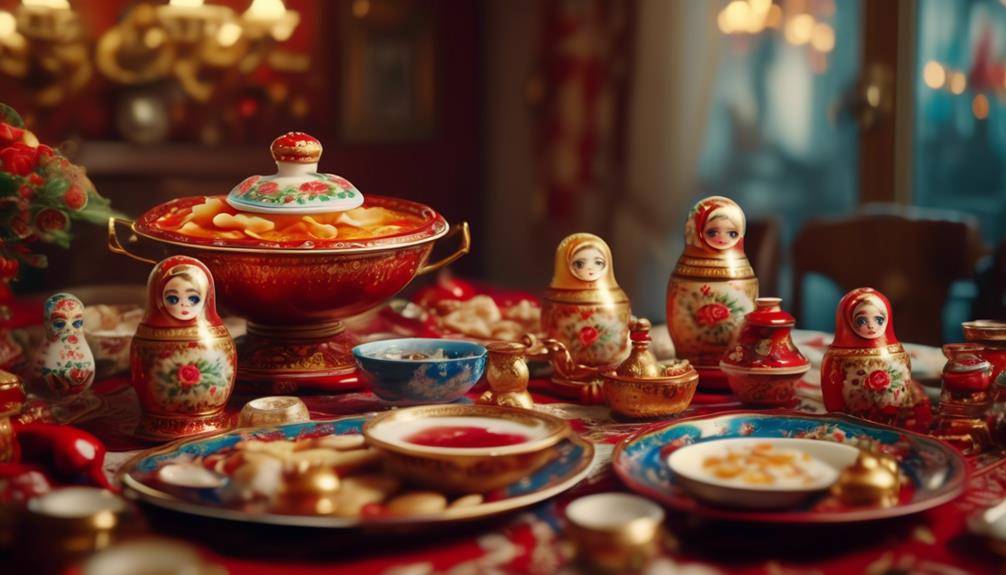
Russian Holiday Dishes And Traditions: Are you curious about the rich and diverse holiday dishes and traditions of Russia? From hearty soups to festive salads and delicious dumplings, Russian cuisine has an array of unique flavors and culinary customs that are deeply ingrained in their holiday celebrations. But it doesn't stop there. Discover how Russians ring in the New Year, celebrate Christmas, indulge in a week-long pancake festival, and enjoy traditional foods during Easter. Get ready to embark on a journey through Russian holiday traditions that will leave you craving for more.
Click Here and Turn Every Masterpiece into a Showstopper!
History of Russian Holiday Cuisine
In exploring the rich traditions of Russian holiday cuisine, it is fascinating to delve into the historical origins and cultural influences that have shaped these delectable dishes. The history of Russian holiday cuisine is deeply rooted in the country's long-standing traditions and diverse cultural influences.
Russian holiday cuisine has been shaped by centuries of history. From the early days of the Russian Empire to the Soviet era, the cuisine has evolved and adapted to the changing times. Traditional Russian dishes like borscht, pelmeni, and blini have become iconic symbols of the country's culinary heritage.
Cultural influences have also played a significant role in shaping Russian holiday dishes. The country's vast territory and diverse ethnic groups have contributed to the rich tapestry of flavors and ingredients. For example, the Mongols brought the tradition of cooking meat in a clay oven, which eventually led to the creation of the famous Russian dish, shashlik.
Furthermore, the influence of neighboring countries such as Poland, Ukraine, and Georgia can be seen in Russian holiday cuisine. Traditional Polish dishes like pierogi and kielbasa have found their way onto Russian holiday tables, while Ukrainian flavors have been incorporated into dishes like vareniki and kutia. Georgian cuisine, known for its bold flavors and aromatic spices, has also made an impact on Russian holiday dishes.
Traditional Russian Holiday Foods
From rich and hearty stews to delicate pastries, traditional Russian holiday foods are a feast for the senses. These dishes have a long history and hold great cultural significance in Russian holiday traditions. Here are five traditional Russian holiday foods that will transport you to the heart of Russia's culinary heritage:
- Olivier Salad: This iconic Russian salad is a must-have during the holiday season. Made with diced potatoes, carrots, pickles, peas, and mayonnaise, it is a harmonious blend of flavors and textures. The salad's origin can be traced back to the 1860s, when it was created by Lucien Olivier, a French chef working in Moscow.
- Borscht: A vibrant and hearty beet soup, borscht is a staple on Russian holiday tables. This dish has been enjoyed in Russia for centuries and is often associated with good luck and prosperity. The soup's deep red color symbolizes the festive spirit of the holiday season.
- Pirozhki: These small, savory pastries are a popular holiday treat in Russia. They are usually filled with ingredients like meat, cabbage, mushrooms, or potatoes. Pirozhki are believed to have originated in early medieval Russia and have since become an integral part of Russian holiday feasts.
- Blini: Thin and delicate pancakes, blini are a beloved Russian holiday tradition. They are typically served with an array of toppings such as sour cream, caviar, smoked salmon, or jam. Blini symbolize the sun and are often eaten during Maslenitsa, a holiday that welcomes the arrival of spring.
- Medovik: This honey cake is a true showstopper on Russian holiday dessert tables. Layers of moist sponge cake are filled with sweet and creamy honey frosting. Medovik has a rich history and is often associated with celebrations and special occasions in Russia.
These traditional Russian holiday foods not only satisfy the appetite but also embody the history and cultural significance of Russian holiday traditions. They are a testament to the rich culinary heritage of the country and are sure to delight anyone lucky enough to enjoy them during the holiday season.
Borscht: A Hearty Beet Soup
Borscht, a hearty beet soup that warms the soul, is a beloved staple on Russian holiday tables. This vibrant dish holds a special place in Russian culture and is often considered a symbol of the country's culinary heritage. While the basic recipe for borscht includes beets, cabbage, potatoes, carrots, onions, and garlic, there are countless variations of this traditional soup throughout Russia and its neighboring countries.
Across different regions, borscht can vary in terms of ingredients and preparation methods. In some areas, tomatoes are added for a tangy flavor, while others opt for a more earthy taste by using mushrooms. Meat lovers can enjoy borscht with beef or pork, while vegetarians can savor a meatless version. The variations are endless, but one thing remains constant – the comforting, hearty nature of this dish.
Beyond its delicious taste, borscht carries cultural significance for Russians. It is often served as the first course during holiday meals, symbolizing the beginning of a festive feast. The deep red color of the soup is said to represent good fortune and prosperity, making it a popular choice for New Year's celebrations. Borscht is also believed to have health benefits, with its rich blend of vegetables providing essential nutrients and antioxidants.
In addition to its cultural and health significance, borscht has a history that dates back centuries. It is believed to have originated in Ukraine and spread throughout Eastern Europe, becoming a beloved dish in many countries. Today, borscht continues to be a cherished part of Russian cuisine, bringing families together and reminding them of their shared traditions.
Olivier Salad: A Festive Potato Salad
A festive addition to Russian holiday tables, the Olivier Salad is a delicious and hearty potato salad that is cherished for its unique blend of flavors and textures. This festive potato salad has become an integral part of Russian holiday traditions, and no celebration is complete without it. Here are some insights into the Olivier Salad:
- History: Created in the 1860s by Lucien Olivier, a French-Russian chef, this salad quickly gained popularity and became a staple dish during festive occasions. Today, it is considered a classic Russian dish.
- Ingredients: The Olivier Salad is made with boiled potatoes, carrots, peas, pickles, eggs, and mayonnaise. Some variations also include ham or chicken for added flavor. The combination of these ingredients creates a harmonious blend of sweet, tangy, and creamy flavors.
- Texture: The salad offers a delightful contrast of textures. The softness of the potatoes and peas is balanced by the crunchiness of the pickles, creating a satisfying mouthfeel.
- Symbolism: The Olivier Salad symbolizes abundance and prosperity, making it a perfect addition to Russian holiday tables. Its vibrant colors and rich flavors represent the joy and celebration of the festive season.
- Traditions: The preparation of the Olivier Salad often involves multiple family members, with each contributing to the chopping, boiling, and mixing. This collaborative effort reflects the spirit of togetherness and unity that is cherished during the holidays.
Pelmeni: Delicious Dumplings for Celebrations
The Olivier Salad may be a classic dish, but when it comes to Russian holiday celebrations, there is another culinary delight that steals the spotlight: Pelmeni, the delicious dumplings that are a must-have for any festive occasion. These savory dumplings are a staple in Russian cuisine and have a long history dating back to ancient times.
Pelmeni come in various forms and flavors, making them a versatile dish that can cater to different tastes. The most traditional variation is made with a simple filling of minced meat, typically a combination of beef and pork. However, you can also find pelmeni filled with chicken, lamb, or even fish. Vegetarian options are also available, with fillings made from mushrooms, potatoes, or cheese. The dough, made from flour, water, and sometimes eggs, is rolled thin and then shaped into small, round dumplings.
The cultural significance of pelmeni goes beyond their delicious taste. These dumplings are often associated with family and togetherness. Making pelmeni is a communal activity, with family members coming together to prepare the dough, shape the dumplings, and share stories and laughter. It is not uncommon for multiple generations to gather around the kitchen table, each contributing to the process. In this way, pelmeni represent the bonds of family and the importance of shared traditions.
During holiday celebrations, pelmeni are typically served as a main course, accompanied by sour cream, butter, or vinegar. They can also be enjoyed as an appetizer or a snack. Regardless of the occasion, pelmeni are a symbol of celebration and joy. So, the next time you find yourself at a Russian holiday gathering, be sure to indulge in these delectable dumplings and experience the cultural significance they hold.
Blini: Thin Pancakes for Special Occasions
When it comes to special occasions in Russia, one dish that takes center stage is blini, thin pancakes that are both delicious and significant. Made with simple ingredients like flour, milk, eggs, and butter, blini are prepared by whisking the batter until smooth and then cooking them on a hot griddle. These thin pancakes hold great importance in Russian culture, symbolizing the sun and the arrival of spring, and are often enjoyed with various toppings like caviar, sour cream, or jam.
Blini Ingredients and Preparation
To prepare the perfect batch of blini, start by gathering the essential ingredients and following a traditional Russian recipe. Blini are thin pancakes made from buckwheat flour. They are a staple in Russian cuisine, especially during special occasions. Here are the key ingredients and steps to make delicious blini:
- Buckwheat flour: This gives the blini their distinct nutty flavor.
- All-purpose flour: It helps to lighten the texture of the pancakes.
- Milk: It adds richness and moisture to the batter.
- Eggs: They provide structure and help bind the ingredients together.
- Salt: It enhances the flavors of the blini.
To prepare the batter, whisk together the flours, milk, eggs, and salt until smooth. Let the batter rest for about 30 minutes to allow the flavors to develop. Heat a non-stick skillet and ladle the batter onto the hot surface, swirling it to create a thin pancake. Cook until golden brown on both sides. Serve the blini hot with a variety of savory fillings like smoked salmon, caviar, sour cream, or mushrooms. Enjoy this traditional Russian delicacy!
Significance of Blini
Blini, the thin pancakes enjoyed during special occasions, hold significant cultural and culinary importance in Russian tradition. These delectable treats are not just a delicious addition to the holiday table, but they also carry a deep cultural symbolism. Blini are often served during Maslenitsa, a week-long festival that marks the end of winter and the beginning of spring. The round shape of blini symbolizes the sun and the renewal of life. Additionally, blini are traditionally made with ingredients such as eggs, milk, and flour, which are all associated with fertility and abundance. The act of preparing blini is a communal activity, bringing families and friends together to celebrate and bond.
Thus, the significance of blini extends beyond its culinary delight, representing the cultural traditions and values of the Russian people.
Kholodets: A Savory Meat Jelly Delight
Kholodets, also known as studen, is a traditional Russian appetizer that may seem unusual to some, but is highly regarded during holiday celebrations. It is a gelatinous meat preparation, typically made from pork or beef, that is served cold. The meat is simmered for hours to extract its natural gelatin, creating a jellied texture that is both unique and delicious.
Gelatinous Meat Preparation
Indulge in the unique culinary delight of Kholodets, a savory meat jelly that delights the taste buds with its gelatinous texture and rich flavors. This traditional Russian dish is made by simmering meat, such as pork or beef, along with bones and spices for hours, until the meat is tender and the broth is rich. Once cooked, the meat and broth are strained, and the liquid is set with gelatin, resulting in a firm, jelly-like texture. Kholodets is often served cold, sliced into cubes and garnished with fresh herbs. This gelatinous meat dish is a popular alternative to traditional meat preparations, offering a unique and satisfying dining experience.
- Kholodets is a traditional Russian dish made by simmering meat and bones for hours.
- The gelatin in Kholodets gives it a firm, jelly-like texture.
- Kholodets is often served cold and sliced into cubes.
- Kholodets is a popular alternative to traditional meat preparations in Russian cuisine.
- Kholodets is typically garnished with fresh herbs for added flavor.
Traditional Russian Appetizer
Get ready to tantalize your taste buds with the traditional Russian appetizer known as Kholodets, a savory meat jelly that is sure to delight even the most discerning palates. Kholodets, also known as studen, has been a staple in Russian cuisine for centuries. This unique dish is made by simmering meat, such as pork or beef, along with vegetables and seasonings for several hours until the broth becomes gelatinous. The meat is then removed from the broth, shredded, and mixed back into the jelly. Kholodets is typically served chilled and sliced into thick slices, making it an ideal addition to any holiday feast.
If you're looking to try your hand at making this traditional Russian appetizer, there are many easy Russian appetizer recipes available online that will guide you through the process. So why not impress your guests this holiday season with a taste of Russia?
Sbiten: A Spiced Honey Drink for Winter Holidays
During the winter holidays, one traditional Russian drink that brings warmth and sweetness to the festivities is sbiten, a spiced honey beverage. Sbiten has been a popular choice for centuries, especially during the cold winter months when people gather around the table to celebrate together. This delightful drink is made by combining water, honey, and a blend of warming spices such as cinnamon, cloves, and ginger. The mixture is then simmered on the stove, allowing the flavors to meld together and create a comforting and fragrant concoction. Here are five reasons why sbiten is a must-try during the winter holidays:
- Rich in tradition: Sbiten has a long history in Russian culture and is deeply rooted in holiday traditions. By serving this drink, you are not only experiencing a delicious beverage but also immersing yourself in the customs and rituals of the Russian winter holidays.
- Warming and comforting: With its combination of spices, sbiten warms you from the inside out. The aromatic blend of cinnamon, cloves, and ginger gives a pleasant, cozy feeling, perfect for those chilly winter evenings.
- Sweet and soothing: The addition of honey adds a natural sweetness to sbiten, making it a comforting and soothing drink. The honey also provides health benefits, such as boosting the immune system and soothing a sore throat.
- Aromatic and fragrant: As sbiten simmers on the stove, the fragrant spices fill the air, creating an inviting atmosphere. The aroma alone is enough to put you in the holiday spirit and make your home feel cozy and festive.
- Versatile and customizable: While the traditional sbiten recipe includes honey and spices, there is room for experimentation and personalization. You can add a splash of lemon juice for a tangy twist or even include some vodka to create a more spirited version.
Sbiten is not just a beverage; it is a symbol of Russian holiday traditions and a way to bring warmth and sweetness to the festivities. Whether enjoyed with family and friends or sipped in front of a crackling fire, sbiten is sure to enhance the holiday experience and leave you with a lasting impression of Russian hospitality and warmth.
Medovik Cake: Layers of Honey Goodness
As you continue your exploration of Russian holiday dishes and traditions, prepare to indulge in the delectable layers of honey goodness that await you with the iconic Medovik Cake. This honey-based dessert is a true delight for the senses, offering a perfect balance of sweetness and richness.
The Medovik Cake has been a beloved dessert in Russia for centuries, and its popularity has only grown over time. The cake is made by layering thin, honey-infused cake layers with a luscious cream filling. The result is a heavenly dessert that melts in your mouth with every bite.
One of the things that makes Medovik Cake so special is the variety of flavors it offers. There are numerous variations of this cake, each with its own unique twist. Some recipes incorporate caramel or chocolate into the cream filling, adding an extra layer of decadence. Others include crushed nuts or dried fruits, adding a delightful crunch or burst of flavor.
What sets Medovik Cake apart from other honey-based desserts is its distinct texture. The cake layers are soft and moist, thanks to the honey and sour cream used in the recipe. The cream filling, made with sweetened condensed milk, provides a creamy and velvety consistency that complements the cake perfectly.
Whether enjoyed during the holiday season or any time of the year, Medovik Cake is a true Russian delicacy that will leave you craving for more. Its delightful combination of flavors, textures, and the unmistakable taste of honey make it a dessert to remember. So, go ahead and treat yourself to the layers of honey goodness that this iconic cake has to offer. You won't be disappointed.
Russian Tea Traditions: Sipping Warmth and Hospitality
Immerse yourself in the rich tradition of Russian tea as you embrace the warmth and hospitality that accompanies every sip. Russian tea traditions have been passed down through generations, creating a culture that values the art of tea drinking. From elaborate tea ceremonies to the use of traditional tea accessories, Russian tea etiquette and rituals add a touch of elegance to the experience. Let's explore the fascinating world of Russian tea culture.
- Russian tea ceremonies: Tea is not just a beverage in Russia; it is an opportunity to gather and connect with loved ones. Tea ceremonies are often held to celebrate special occasions or simply enjoy each other's company.
- Traditional tea accessories: Russians take pride in their tea sets, which are often ornate and beautifully crafted. Samovars, a type of tea kettle, are a common feature in Russian households, providing a continuous supply of hot water for brewing tea.
- Russian tea etiquette: When attending a Russian tea gathering, it is important to follow certain customs. The host is responsible for pouring tea for guests, and it is polite to accept a cup when offered. It is also customary to say a toast before taking the first sip.
- Russian tea rituals: Tea drinking in Russia is a ritualistic experience. Tea is brewed strong and concentrated, then diluted with hot water from the samovar. It is customary to add lemon or a spoonful of jam to enhance the flavor.
- Russian tea traditions: Tea is a staple in Russian households, consumed throughout the day. It is often accompanied by traditional Russian sweets, such as pirozhki (pastries) or blini (pancakes).
As you delve into the world of Russian tea, you will discover a culture that values connection, hospitality, and the simple pleasure of sharing a warm cup of tea. Embrace the traditions and rituals, and let the warmth of Russian tea envelop you.
New Year's Eve Celebrations in Russia
Now let's turn our attention to the vibrant and festive New Year's Eve celebrations in Russia, where the spirit of joy and anticipation fills the air. Russian New Year's Eve traditions hold deep significance and are a time for both reflection and celebration.
One of the most important customs is the Russian New Year's Eve dinner, which is a lavish feast shared with family and friends. The table is adorned with traditional dishes such as Olivier salad, which is made with potatoes, carrots, pickles, peas, and mayonnaise. Another popular dish is herring under a fur coat, consisting of layers of salted herring, beets, potatoes, carrots, onions, and mayonnaise. These dishes symbolize abundance and prosperity for the coming year.
As the clock strikes midnight, Russians gather around the TV to watch the president's New Year's address. This is followed by the ringing of the Kremlin bells and fireworks lighting up the sky, marking the beginning of a new year. People exchange greetings and well wishes, embracing each other with warm hugs and kisses.
The celebrations continue throughout the night, with music, dancing, and games. Many Russians also enjoy fortune-telling rituals, such as pouring molten wax into cold water and interpreting the shapes it forms. This is believed to give insights into what the future holds.
Russian New Year's Eve customs also include setting up a New Year's tree, similar to a Christmas tree, adorned with beautiful decorations and lights. It is a symbol of hope and renewal, bringing joy and cheer to homes.
Christmas Traditions in Russian Culture
Now let's explore the rich traditions of Christmas in Russian culture. From the traditional Russian Christmas meals, such as kutya and borscht, to the customs and rituals that have been passed down through generations, there is a deep sense of reverence and celebration during this time. Additionally, Russian Christmas decorations, like the festive ornaments and intricately painted nesting dolls, add a touch of beauty and charm to the holiday season.
Traditional Russian Christmas Meals
What are the traditional Christmas meals in Russian culture and how do they contribute to the festive atmosphere? Russian Christmas traditions have a rich history that dates back centuries. Traditional Russian Christmas meals play a crucial role in creating a joyful and celebratory ambiance during this special time of the year. Here are some classic dishes that are commonly enjoyed during the Russian Christmas season:
- Kutya: A sweet dish made of wheat berries, honey, and poppy seeds, symbolizing prosperity and unity.
- Solyanka: A hearty and flavorful soup made with various meats and pickled cucumbers, often served as a main course.
- Olivier Salad: A staple of Russian celebrations, this salad consists of diced boiled potatoes, carrots, peas, pickles, and mayonnaise.
- Pelmeni: These delicious dumplings are typically filled with a mixture of minced meat, such as beef or pork, and served with sour cream.
- Kholodets: A savory jelly made from meat stock and gelatin, often served cold as an appetizer.
These traditional Russian Christmas meals not only satisfy hunger but also bring families and loved ones together, creating a warm and festive atmosphere.
Customs and Rituals
Embracing a rich cultural heritage, Russian Christmas traditions encompass a wide array of customs and rituals that add depth and meaning to the holiday season. Russian holiday customs are deeply rooted in religious beliefs and cultural traditions, with each region having its own unique practices. One of the most significant rituals is the Christmas Eve fast, known as 'sochelnik', where families abstain from eating meat and dairy products. On Christmas Eve, families gather for a festive meal called 'sochivo', which consists of boiled wheat, honey, and poppy seeds. Another important custom is 'vertep', a nativity scene reenactment performed by children and adults, depicting the birth of Jesus.
Caroling, known as 'kolyadki', is also a popular tradition, where groups of singers go from house to house spreading holiday cheer. These traditional rituals not only bring families together but also uphold the cultural heritage of the Russian people.
Russian Christmas Decorations
As we continue to explore the rich traditions of Russian Christmas, let's now turn our attention to the enchanting world of Russian Christmas decorations and how they play a significant role in Russian culture. Russian Christmas ornaments are a true reflection of the country's history, culture, and religious beliefs. Here are five key elements that make Russian Christmas decorations so unique:
- Matryoshka Doll Ornaments: These wooden nesting dolls, painted in vibrant colors and intricate designs, are a popular choice for Russian Christmas trees. They represent family, unity, and the spirit of Christmas.
- Faberge Egg Ornaments: Inspired by the famous Faberge eggs, these delicate ornaments are adorned with precious gems and intricate patterns. They symbolize luxury, elegance, and the joy of the holiday season.
- Icon Ornaments: Russian Orthodox icons are often transformed into beautiful ornaments, depicting religious figures and scenes. They serve as a reminder of the spiritual significance of Christmas.
- Gzhel Ornaments: These blue and white porcelain ornaments are a staple of Russian Christmas decor. They showcase the traditional Gzhel folk art and add a touch of elegance to any tree.
- Ded Moroz Ornaments: Ded Moroz, the Russian equivalent of Santa Claus, is often depicted in ornament form. These ornaments bring a sense of magic and wonder to the Christmas tree, captivating both children and adults alike.
Russian Christmas decorations not only beautify the tree but also tell stories, evoke emotions, and preserve the country's rich cultural heritage.
Maslenitsa: The Week-Long Pancake Festival
During Maslenitsa, a week-long pancake festival celebrated in Russia, families come together to indulge in a delightful array of pancakes and partake in various traditional festivities. Maslenitsa, also known as Butter Week or Pancake Week, is a joyful and vibrant celebration that marks the end of winter and the arrival of spring. The festival is deeply rooted in Russian tradition and is celebrated with great enthusiasm across the country.
One of the central traditions of Maslenitsa is the preparation and consumption of pancakes. These delicious treats are made from a simple batter of flour, eggs, milk, and butter, and are usually served with a variety of sweet and savory fillings. Traditional pancake recipes include toppings such as sour cream, caviar, honey, jam, and even mushrooms. The pancakes are thin and light, with a delicate texture that melts in your mouth.
In addition to the pancake feasts, Maslenitsa also involves a range of exciting activities and customs. One popular tradition is the building of a Maslenitsa doll, also known as a scarecrow. This doll is made from straw and dressed in traditional clothing, symbolizing the winter. On the last day of the festival, the doll is set on fire, representing the farewell to winter and the welcoming of spring.
Another highlight of Maslenitsa is the sledding competitions. Families gather at designated sledding hills and race down the slopes, cheering and laughing. The energetic and lively atmosphere is contagious, with children and adults alike enjoying the thrill of the race.
Maslenitsa is a time for families to come together, enjoy delicious food, and celebrate the changing of seasons. It is a celebration of Russian culture and traditions, where everyone can embrace the warmth and joy that pancakes bring. So, grab your plate and join in the festivities of Maslenitsa, where pancakes and merriment abound!
Easter Celebrations and Traditional Foods
Easter in Russia is a time of joyous celebration and cherished traditions, accompanied by a delectable array of traditional foods. The Easter festivities in Russia are steeped in religious significance and cultural customs. Here are some key traditions and mouthwatering dishes that make Russian Easter celebrations truly special:
- Easter Eggs: Easter egg traditions hold a special place in Russian culture. Beautifully decorated eggs are a symbol of new life and resurrection. Russians often exchange intricately designed eggs with family and friends. The most famous type of Easter egg in Russia is the Fabergé egg, known for its exquisite craftsmanship.
- Traditional Russian Easter Bread (Kulich): Kulich is a sweet, cylindrical bread that is an integral part of Easter celebrations. This rich and fragrant bread is made with flour, yeast, eggs, butter, raisins, and various spices. It is typically topped with a sweet glaze and decorated with colorful sprinkles or edible flowers. Kulich is often enjoyed with a spread of butter or sweet cheese.
- Paskha: Paskha is a traditional Russian Easter dessert made from cottage cheese, butter, sugar, dried fruits, and nuts. It is molded into a pyramid shape and decorated with religious symbols. Paskha is usually served with slices of kulich and is a delightful treat enjoyed by both children and adults.
- Sirniki: Sirniki are small, round pancakes made from cottage cheese, eggs, flour, and sugar. They are lightly fried until golden and served with sour cream or jam. Sirniki are a popular breakfast dish during Easter celebrations and are loved for their fluffy texture and delicious taste.
- Mazurka: Mazurka is a traditional Russian Easter cake made with layers of sponge cake, jam, and nuts. It is often topped with a sweet glaze and decorated with nuts or dried fruits. Mazurka is a decadent dessert that is enjoyed during Easter gatherings and adds a delightful touch to the festivities.
These traditional Easter foods and customs are a testament to the rich cultural heritage of Russia and add to the joy and warmth of Easter celebrations.
Frequently Asked Questions: Russian Holiday Dishes And Traditions
What Are Some Traditional Dishes Served During New Year's Eve Celebrations in Russia?
If you're curious about traditional Russian New Year's Eve dishes and Russian New Year's Eve traditions, you'll be delighted to know that there are a variety of mouthwatering dishes served during these festive celebrations.
How Is Maslenitsa Celebrated and What Are Some Traditional Foods Associated With This Festival?
During Maslenitsa celebrations, you can expect a festive atmosphere filled with various customs and traditions. Traditional Maslenitsa foods include blini, a type of pancake, and butter, symbolizing the sun and warmth.
What Are Some Popular Easter Traditions and Traditional Foods in Russian Culture?
Popular Easter traditions in Russian culture include attending church services, exchanging Easter eggs, and participating in festive processions. Traditional Easter foods in Russia often include kulich (a sweet bread) and paskha (a rich, creamy dessert).
Can You Provide Some Information on the History and Significance of Russian Tea Traditions?
Russian tea traditions have a rich history and hold great significance. The samovar, a traditional tea urn, plays a central role in Russian tea culture. It symbolizes hospitality, warmth, and gathering, creating a unique and cherished experience for tea lovers.
Are There Any Unique Christmas Traditions in Russian Culture That Are Different From Other Countries?
In Russian culture, there are unique Christmas traditions that differ from other countries. From the setting up of the Christmas tree to the special customs and rituals, Russian Christmas celebrations are filled with rich cultural significance.
Conclusion
In conclusion, Russian holiday dishes and traditions are a vibrant and essential part of the country's culture. From the rich and hearty borscht soup to the festive Olivier salad and delicious pelmeni dumplings, these traditional foods bring people together during celebrations. The New Year's Eve festivities, Christmas traditions, Maslenitsa pancake festival, and Easter celebrations further showcase the unique and diverse culinary heritage of Russia. These cherished traditions not only fill the stomachs but also create lasting memories for families and friends.
Click Here and Turn Every Masterpiece into a Showstopper!

Click Here and Turn Every Masterpiece into a Showstopper!
Conclusion