Peruvian Cuisine And Its Unique Potato Varieties
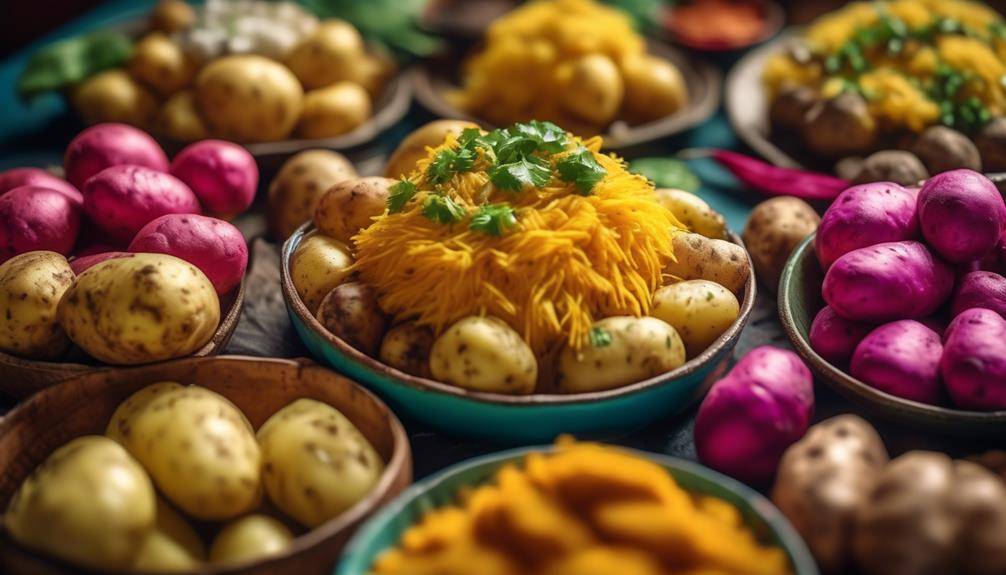
Peruvian Cuisine And Its Unique Potato; You may think that potatoes are just a simple and mundane ingredient, but when it comes to Peruvian cuisine, they are anything but ordinary. Peruvian cuisine is renowned for its unique potato varieties, each with its own distinct flavor and texture.
From the ancient cultivation techniques to the modern gastronomy, Peruvian potatoes have played a vital role in shaping the country’s culinary heritage. But what makes these potatoes so special? And how have they been incorporated into traditional dishes and contemporary cooking methods? Join us on a journey through the world of Peruvian cuisine and its fascinating array of potato varieties, and you’ll discover a whole new level of appreciation for this humble tuber.
Click Here and Turn Every Masterpiece into a Showstopper!
The Origins of Peruvian Potatoes
The origins of Peruvian potatoes can be traced back thousands of years, revealing a rich and fascinating history intertwined with the development of Peruvian cuisine. Ancient potato farming techniques played a significant role in the cultivation and spread of this versatile crop across the Andean highlands. The genetic diversity of Peruvian potatoes is unparalleled, with over 4,000 varieties found in the region.
The ancient Incas were the first to cultivate potatoes in Peru around 8,000 years ago. They developed sophisticated farming techniques, utilizing terraces, irrigation systems, and crop rotation to optimize potato production. The high altitude and diverse microclimates of the Andean region offered ideal conditions for cultivating different potato varieties.
The genetic diversity of Peruvian potatoes is a result of centuries of selective breeding, natural mutations, and adaptation to diverse ecological conditions. The Andean farmers developed an intricate system of potato cultivation, carefully selecting and preserving the best tubers for future planting. This practice not only ensured a steady food supply but also contributed to the incredible range of potato varieties found in Peru today.
The genetic diversity of Peruvian potatoes is not only important for their culinary value but also for their resistance to pests, diseases, and environmental stresses. The unique genetic traits found in Peruvian potatoes have made them a valuable resource for global potato breeding programs.
Understanding the ancient potato farming techniques and the genetic diversity of Peruvian potatoes provides a glimpse into the historical and cultural significance of this humble tuber in Peruvian cuisine. It is a testament to the ingenuity and resourcefulness of the Andean people, who have cultivated and preserved these unique varieties for thousands of years.
Ancient Potato Cultivation Techniques
You may be curious about how the ancient Peruvians cultivated potatoes and what techniques they used. Well, historical records show that indigenous people in Peru developed intricate farming practices to cultivate a wide variety of potatoes. They selectively bred and crossbred different varieties to create unique potatoes suited to different regions and climates. Additionally, traditional farming techniques such as terracing and crop rotation were employed to ensure sustainable potato cultivation.
Historical Potato Cultivation
Throughout history, cultivating potatoes has been an ancient practice with techniques that offer valuable insights into the agricultural practices of early civilizations. The historical potato cultivation methods employed by our ancestors can shed light on the traditional farming practices that have shaped our understanding of agriculture today. Here are three fascinating aspects of ancient potato cultivation techniques:
- Intercropping: Ancient farmers often practiced intercropping, planting potatoes alongside other crops like corn or beans. This method maximized land use and provided a diverse range of food sources.
- Terracing: In regions with steep slopes, terracing was employed to create flat surfaces for potato cultivation. This technique prevented soil erosion and allowed for efficient water management.
- Selective Breeding: Early farmers selectively bred potatoes to enhance desirable traits such as size, flavor, and disease resistance. This practice laid the foundation for the incredible diversity of potato varieties we have today.
Indigenous Potato Varieties
Intercropping, terracing, and selective breeding were key techniques employed by ancient farmers in cultivating indigenous potato varieties, contributing to the rich diversity of potatoes we have today. Indigenous potato cultivation was a complex process that involved careful observation and experimentation. Farmers would intercrop potatoes with other complementary crops to maximize yields and minimize pest damage.
Terracing, on the other hand, allowed farmers to cultivate potatoes on steep slopes, reducing soil erosion and optimizing water retention. Selective breeding played a crucial role in enhancing the nutritional value of indigenous potatoes. By selecting and propagating potatoes with desirable traits, ancient farmers were able to develop varieties that were not only delicious but also rich in vitamins, minerals, and antioxidants. These ancient cultivation techniques laid the foundation for the remarkable diversity and nutritional value of indigenous potatoes that continue to be celebrated in Peruvian cuisine today.
Click Here and Turn Every Masterpiece into a Showstopper!
Traditional Farming Practices
Ancient farmers in Peru employed a range of traditional farming practices to cultivate potatoes, utilizing techniques such as intercropping, terracing, and selective breeding. These traditional farming techniques played a crucial role in the sustainable agriculture practices of the time.
- Intercropping: Ancient Peruvian farmers would grow potatoes alongside other crops such as maize and quinoa. This practice allowed for efficient land use and maximized crop productivity.
- Terracing: In the rugged Andean terrain, farmers created terraces, or stepped agricultural fields, to prevent soil erosion and retain water. This technique not only conserved precious resources but also provided optimal growing conditions for potatoes.
- Selective breeding: Through generations of careful selection, ancient farmers developed potato varieties that were well-suited to their specific environments. This practice resulted in the cultivation of diverse potato varieties with unique flavors, textures, and nutritional profiles. The ancient farmers’ ingenuity and knowledge of traditional farming techniques laid the foundation for the rich potato heritage that Peruvian cuisine boasts today.
The Biodiversity of Peruvian Potato Varieties
Explore the rich biodiversity of Peruvian potato varieties, each with its own unique characteristics and history. From ancient varieties cultivated by the Incas to the modern hybrids developed for specific culinary uses, Peruvian potatoes offer a fascinating glimpse into the country’s agricultural heritage. Discover how these diverse potatoes have shaped Peruvian cuisine and continue to be an integral part of its culinary traditions.
Rich Potato Biodiversity
Peruvian potato varieties boast an extraordinary richness in biodiversity, showcasing a diverse array of flavors, textures, and colors. This remarkable diversity is a result of centuries of potato cultivation and the inherent adaptability of the crop to different ecological conditions. The unique potato varieties found in Peru have been cultivated by indigenous communities for thousands of years, resulting in a vast genetic pool that has been preserved through potato conservation efforts.
Potato genetic research has played a crucial role in understanding and documenting this biodiversity, helping to identify and conserve rare and endangered potato varieties. The richness of Peruvian potato biodiversity not only contributes to the country’s culinary traditions but also holds immense potential for future food security and sustainable agriculture.
Ancient Potato Varieties
With a history spanning thousands of years, the potato varieties found in Peru showcase a rich biodiversity that is deeply intertwined with the country’s cultural and agricultural heritage. Ancient potato cultivation techniques and traditional farming practices have played a crucial role in shaping the unique characteristics of these ancient potato varieties. Peruvian farmers, through generations, have developed intricate methods to cultivate and preserve these potatoes, ensuring their survival and diversity.
Some of these techniques include selecting and saving seeds from the best potatoes, practicing crop rotation, and using natural fertilizers. These traditional farming practices not only enhance the flavors and textures of the potatoes but also contribute to the sustainability of the ecosystem. The ancient potato varieties found in Peru are a testament to the ingenuity and wisdom of the Peruvian people in harnessing the land’s resources and preserving their cultural heritage.
Culinary Uses of Potatoes
The rich biodiversity of ancient potato varieties in Peru not only showcases the country’s cultural and agricultural heritage but also offers a fascinating array of culinary possibilities. The Peruvian people have long been masters of culinary techniques that highlight the versatility of potatoes, resulting in a wide range of delicious potato dishes. Here are three examples of how potatoes are used in Peruvian cuisine:
- Papa a la Huancaína: This popular dish consists of boiled potatoes topped with a creamy sauce made from aji amarillo, a flavorful Peruvian yellow chili pepper. The sauce is typically made with cheese, milk, and crackers, creating a rich and indulgent flavor.
- Causa Rellena: Causa is a traditional Peruvian potato dish that combines mashed potatoes with lime juice, chili, and oil. The mixture is layered with a filling of chicken, seafood, or vegetables, creating a colorful and flavorful dish that is often served as an appetizer or main course.
- Papa Rellena: This classic Peruvian dish features a potato dough stuffed with a savory filling of ground beef, onions, garlic, and spices. The stuffed potato is then deep-fried to create a crispy and satisfying meal or snack.
With such a diverse range of culinary techniques and potato dishes, it’s no wonder that Peruvian cuisine is celebrated worldwide for its creativity and flavor.
Traditional Peruvian Potato Dishes
Potato dishes have played a significant role in the culinary history of Peru, showcasing the country’s rich agricultural heritage and diverse flavors. Traditional Peruvian potato recipes hold a cultural significance that goes beyond their taste. These dishes reflect the deep connection between the Peruvian people and the land they cultivate.
One of the most iconic traditional potato dishes in Peru is Papa a la Huancaina. This delectable dish consists of boiled yellow potatoes smothered in a creamy sauce made from aji amarillo, a Peruvian yellow chili pepper, fresh cheese, and evaporated milk. It is typically garnished with hard-boiled eggs, black olives, and lettuce. Papa a la Huancaina is a perfect example of the fusion of indigenous and Spanish influences in Peruvian cuisine, as it combines traditional Andean ingredients with European dairy products.
Another beloved potato dish is Causa Rellena. Causa is a layered potato dish that is filled with various ingredients, such as chicken, tuna, or avocado. The potatoes are mashed and mixed with lime juice, aji amarillo paste, and oil, creating a smooth and vibrant yellow base. The filling is then added, and the dish is served cold. Causa Rellena not only showcases the versatility of potatoes but also reflects Peruvian creativity in combining flavors and textures.
Anticuchos de Papa is a popular street food dish that features potato skewers marinated in a spicy sauce made from aji panca, garlic, and vinegar. The potatoes are then grilled and served with a side of huacatay sauce, a traditional Peruvian herb sauce. This dish highlights the versatility of potatoes in Peruvian cuisine, as they can be transformed into delicious and satisfying street food.
These traditional Peruvian potato dishes have been passed down through generations, preserving the cultural heritage and flavors of Peru. They are a testament to the country’s vibrant culinary traditions and the enduring love for potatoes in Peruvian cuisine.
Click Here and Turn Every Masterpiece into a Showstopper!
Peruvian Potatoes in Modern Gastronomy
In the realm of modern gastronomy, Peruvian potatoes have emerged as a captivating ingredient, captivating chefs and food enthusiasts with their rich history, diverse flavors, and endless culinary possibilities. These unique tubers have found their way into a variety of modern potato dishes, showcasing the versatility and adaptability of Peruvian cuisine. Here are three remarkable ways in which Peruvian potatoes are being utilized in contemporary gastronomy:
- Fusion of flavors: Peruvian potatoes have become a canvas for chefs to experiment with different flavors and cooking techniques. From potato gnocchi infused with traditional Peruvian spices to potato croquettes filled with exotic fillings like ají amarillo and queso fresco, these modern potato dishes showcase the innovative spirit of Peruvian cuisine.
- Potato preservation techniques: In order to extend the shelf life of potatoes and preserve their unique flavors, modern gastronomy has embraced various preservation techniques. One such method is freeze-drying, where potatoes are frozen and then dehydrated to create lightweight and long-lasting potato flakes. These flakes can be rehydrated to make mashed potatoes or used as a crispy topping for dishes. Another technique is vacuum sealing, which helps to retain the natural flavors and textures of potatoes for extended periods of time.
- Potato as a main course: The humble potato has taken center stage in modern gastronomy, with chefs creating innovative dishes where potatoes are the star attraction. From potato-based soufflés and gratins to potato dumplings filled with savory fillings, these dishes highlight the versatility and adaptability of Peruvian potatoes, elevating them from a mere side dish to a main event.
Health Benefits of Peruvian Potatoes
When exploring the health benefits of Peruvian potatoes, one cannot help but be amazed by the plethora of nutrients and medicinal properties these remarkable tubers possess. Peruvian potatoes are not only a delicious addition to any meal, but they also offer a wide range of nutritional value that can contribute to a healthy lifestyle.
Peruvian potatoes are rich in vitamins and minerals, making them a great source of essential nutrients. They are particularly high in vitamin C, which is known for its immune-boosting properties and its ability to promote healthy skin. Additionally, Peruvian potatoes are a good source of potassium, which helps regulate blood pressure and maintain proper heart function.
One of the reasons why Peruvian potatoes are so nutrient-rich is due to the unique potato farming techniques employed in Peru. Traditional Peruvian farmers cultivate potatoes in terraces that are built into the mountainside. This method allows the potatoes to grow in nutrient-rich soil, resulting in tubers that are packed with vitamins and minerals.
Furthermore, Peruvian potatoes have been used for centuries in traditional medicine due to their medicinal properties. They have been known to possess anti-inflammatory and antioxidant properties, which can help reduce the risk of chronic diseases such as heart disease and cancer. Additionally, they are a good source of dietary fiber, which aids in digestion and can contribute to a healthy weight.
Unique Cooking Methods for Peruvian Potatoes
To truly appreciate the unique flavors and textures of Peruvian potatoes, one must explore the traditional and innovative cooking methods that have been perfected over centuries. Peruvian cuisine is renowned for its diverse array of potato dishes, and the cooking techniques used play a significant role in enhancing the natural characteristics of these tubers. Here are three fascinating cooking methods that are commonly employed in Peru:
- Pachamanca: This ancient Inca cooking technique involves burying potatoes, along with other ingredients such as meats, vegetables, and aromatic herbs, in a pit lined with hot stones. The pit is then covered with earth and left to cook slowly for several hours. The result is a succulent and flavorful dish, with the potatoes acquiring a smoky and earthy taste.
- Papa a la Huancaina: A popular dish often served during Peruvian potato festivals, Papa a la Huancaina showcases the versatility of potatoes. The potatoes are boiled until tender, then sliced and smothered with a creamy, spicy sauce made from aji amarillo peppers, cheese, milk, and crackers. This dish is typically served cold and is a favorite appetizer or side dish in Peru.
- Chuño: This traditional potato cooking technique involves freeze-drying potatoes at high altitudes, where the cold temperatures and dry air facilitate the dehydration process. The resulting chuño, or freeze-dried potatoes, can be stored for years and rehydrated when needed. Chuño is often used in soups, stews, and other traditional Peruvian dishes, adding a unique texture and flavor to the final dish.
These traditional potato cooking techniques are deeply rooted in Peruvian culinary history and have helped shape the country’s rich gastronomic heritage. Whether it’s the smoky flavors of the Pachamanca, the creamy spiciness of Papa a la Huancaina, or the unique texture of Chuño, each method showcases the versatility and adaptability of Peruvian potatoes.
Peruvian Potato Festivals and Celebrations
The rich culinary heritage of Peru and its deep appreciation for potatoes extends beyond cooking methods, as the country’s vibrant culture is also celebrated through various potato festivals and joyous celebrations. Peruvian potato festivals are a testament to the significance of potatoes in the country’s history and identity. These festivals not only showcase the diverse and unique potato varieties but also highlight the artistic and creative side of Peruvian culture.
One of the highlights of these potato festivals is the potato themed art exhibitions. These exhibitions feature stunning artworks inspired by potatoes, showcasing the creativity and talent of Peruvian artists. From paintings to sculptures, these art pieces pay homage to the humble potato and its cultural significance. Visitors can immerse themselves in the vibrant colors and intricate details of these artworks, gaining a deeper appreciation for the potato’s role in Peruvian cuisine and culture.
In addition to art exhibitions, potato festivals also offer a unique twist on beauty products with potato-based beauty products. These products utilize the natural properties of potatoes to create skincare and beauty products that are nourishing and beneficial for the skin. From potato face masks to potato-infused creams, these beauty products are a testament to the versatility of potatoes beyond the kitchen. Visitors can explore and indulge in these potato-based beauty products, experiencing firsthand the benefits of this humble tuber.
Click Here and Turn Every Masterpiece into a Showstopper!
The Future of Peruvian Potato Varieties
With its rich history and diverse culinary traditions, Peru continues to play a pivotal role in the preservation and development of unique potato varieties for future generations. As the global market becomes increasingly interconnected, Peru faces both challenges and opportunities in ensuring the future of its potato varieties.
Here are three key factors that will shape the future of Peruvian potato varieties:
- Climate change: Peru’s diverse geography provides the ideal conditions for growing a wide range of potato varieties. However, climate change poses a significant threat to these varieties. Rising temperatures, changing rainfall patterns, and the spread of pests and diseases can all impact potato production. To safeguard the future of Peruvian potato varieties, farmers and researchers are working together to develop resilient and climate-smart varieties that can withstand these challenges.
- Market demand: As the global demand for unique and exotic foods continues to grow, Peruvian potato varieties have the potential to capture a significant market share. However, meeting the quality and quantity requirements of the global market can be a daunting task. To overcome this challenge, it is crucial for Peru to invest in infrastructure, technology, and research to improve the production, storage, and transportation of its potato varieties.
- Preservation of biodiversity: Peru is home to thousands of potato varieties, each with its own unique flavors, textures, and nutritional profiles. However, rapid urbanization, industrial agriculture, and the introduction of modern farming practices pose a threat to this biodiversity. To ensure the future of Peruvian potato varieties, efforts must be made to preserve and promote the cultivation of traditional and heirloom varieties. This includes supporting small-scale farmers, promoting seed banks, and raising awareness about the importance of biodiversity conservation.
Frequently Asked Questions: Peruvian Cuisine And Its Unique Potato
Are There Any Specific Regions in Peru Known for Their Unique Potato Varieties?
There are specific regions in Peru known for their unique potato varieties. Peru’s potato biodiversity is vast and each region has its own distinct types. These potatoes hold deep cultural significance in Peruvian cuisine.
How Have Ancient Potato Cultivation Techniques Influenced Modern Farming Practices in Peru?
Ancient potato cultivation techniques in Peru have had a profound impact on modern farming practices. These techniques have been passed down through generations and are deeply ingrained in the cultural significance of potatoes in Peruvian cuisine
Can You Recommend Any Traditional Peruvian Potato Dishes That Are Easy to Make at Home?
You can easily make traditional Peruvian potato dishes at home. Try beginner-friendly recipes like Papa a la Huancaina, a creamy potato dish with spicy cheese sauce, or Causa, a layered potato dish with avocado and chicken.
What Are Some Innovative Ways That Peruvian Chefs Are Incorporating Potatoes Into Their Dishes?
Peruvian chefs are constantly finding innovative ways to incorporate potatoes into their dishes. They experiment with different cooking techniques, flavors, and presentations to create unique and flavorful potato dishes that showcase the diverse potato varieties in Peruvian cuisine.
Are There Any Specific Health Benefits Associated With Consuming Peruvian Potatoes Compared to Other Potato Varieties?
When it comes to the health benefits of consuming Peruvian potatoes compared to other varieties, there are several factors to consider. Firstly, Peruvian potatoes are known for their high nutritional value, packed with vitamins, minerals, and antioxidants. Additionally, the Peruvian potato export market has grown significantly in recent years, showcasing the demand for these unique varieties worldwide. The historical significance of potatoes in Peruvian cuisine further highlights their importance and the cultural value attached to them. Overall, incorporating Peruvian potatoes into your diet can offer a range of health benefits and contribute to a well-rounded culinary experience.

Conclusion
In conclusion, the rich history and biodiversity of Peruvian potato varieties have greatly contributed to the unique and flavorful cuisine of Peru. From ancient cultivation techniques to modern gastronomy, Peruvian potatoes have played a significant role in the country’s culinary traditions. Moreover, their health benefits and the various cooking methods used further enhance their value. As Peru continues to celebrate and preserve its potato heritage, the future of Peruvian potato varieties remains promising.