Great Peruvian Cuisine And Its Afro-Peruvian Influences
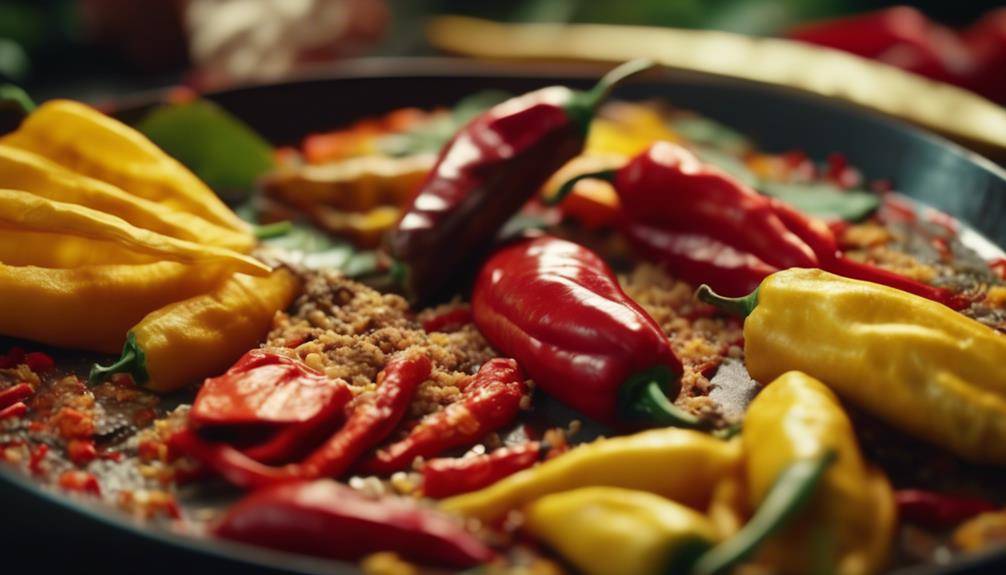
Great Peruvian Cuisine And Its Afro-Peruvian; When it comes to Peruvian cuisine, you might think you’ve tasted it all – vibrant ceviche, succulent grilled meats, and hearty stews. But what if I told you there’s a whole other side to Peruvian food that you might not have explored yet? Prepare to be amazed as we delve into the world of Afro-Peruvian influences on Peruvian cuisine. From the origins of Afro-Peruvian cuisine to the fusion dishes that will make your taste buds dance, this discussion will open your eyes to a whole new culinary adventure. Get ready to discover the rich flavors and vibrant traditions that have shaped Peruvian cuisine as we know it today.
We’ve Got Everything You Need to Make Your Masterpiece.
Origins of Afro-Peruvian Cuisine
The origins of Afro-Peruvian cuisine can be traced back to the arrival of African slaves in Peru during the colonial period. This subtopic explores the cultural significance and historical influences that shaped Afro-Peruvian cuisine into what it is today.
The arrival of African slaves in Peru brought with it a rich culinary heritage that blended African, Spanish, and indigenous influences. These influences not only transformed the food landscape in Peru but also left a lasting cultural impact. The slaves brought with them their traditional cooking techniques, spices, and ingredients, which were adapted to the local produce available in Peru. This fusion of flavors and techniques resulted in the creation of unique Afro-Peruvian dishes that are still cherished today.
The cultural significance of Afro-Peruvian cuisine lies in its ability to preserve the African roots of its people. Through food, Afro-Peruvians have been able to maintain a connection to their ancestors and pass down their culinary traditions from generation to generation. The dishes served during Afro-Peruvian celebrations and gatherings reflect this cultural significance and serve as a reminder of their history and heritage.
Historically, Afro-Peruvian cuisine has faced marginalization and erasure due to the social and economic disparities faced by Afro-Peruvian communities. However, in recent years, there has been a resurgence of interest in Afro-Peruvian cuisine, both within Peru and internationally. This renewed interest has provided a platform for Afro-Peruvian chefs and food entrepreneurs to showcase their culinary traditions and highlight the historical influences that have shaped their cuisine.
African Cooking Techniques in Peruvian Cuisine
To truly understand the rich flavors and techniques of Peruvian cuisine, it is essential to acknowledge the significant influence of African cooking methods. These techniques, infused with the traditions brought by African slaves, have shaped the culinary landscape of Peru. From the use of intense spices and marinades to the art of slow cooking, African cooking techniques have left an indelible mark on Peruvian cuisine, creating a unique fusion of flavors that continues to captivate food enthusiasts worldwide.
African Culinary Techniques
Incorporating the rich culinary traditions of Africa, Peruvian cuisine has skillfully integrated African cooking techniques to create a unique and vibrant culinary landscape. These African culinary techniques have significantly influenced the flavors and cooking methods used in Afro-Peruvian dishes. Here are four key African cooking techniques that have been incorporated into Peruvian cuisine:
- Braising: Braising is a slow cooking technique that involves cooking meat or vegetables in a small amount of liquid over low heat. This technique is commonly used in Afro-Peruvian dishes such as Seco de Cordero, a braised lamb stew.
- Marinating: Marinating is the process of soaking meat or vegetables in a mixture of spices, herbs, and liquids to enhance flavor and tenderness. Afro-Peruvian dishes like Anticuchos, marinated beef skewers, showcase the influence of African marinating techniques.
- Frying: Frying is a cooking technique that involves cooking food in hot oil or fat. African frying techniques have been incorporated into popular Afro-Peruvian dishes like Papa Rellena, a fried potato stuffed with meat and spices.
- Smoking: Smoking is a technique used to add a unique smoky flavor to food. Afro-Peruvian dishes like Tacu Tacu, a rice and bean dish, often incorporate smoked ingredients like smoked meat or fish.
These African culinary techniques have not only added depth and complexity to Peruvian cuisine but have also preserved the rich culinary heritage of African traditions in Peru.
Afro-Peruvian Cooking Methods
Afro-Peruvian cooking methods in Peruvian cuisine showcase the seamless integration of African culinary techniques, resulting in a diverse and flavorful culinary tradition. These techniques bring a unique flavor profile to Peruvian cuisine, adding depth and complexity to the dishes. One prominent Afro-Peruvian cooking technique is “sudado,” which involves slow-cooking ingredients in a flavorful broth. This method infuses the dish with rich flavors and tenderizes the ingredients, creating a melt-in-your-mouth experience.
Another technique is “ají de gallina,” which involves simmering chicken in a spicy, creamy sauce made with yellow chili peppers and peanuts. This fusion of flavors creates a harmonious balance between the heat of the chilies and the creaminess of the sauce. Afro-Peruvian cooking methods truly exemplify the vibrant and diverse culinary landscape of Peru.
Afro-Peruvian Ingredients and Spices
With a rich culinary heritage influenced by African traditions, the vibrant flavors of Afro-Peruvian ingredients and spices add depth and complexity to Peruvian cuisine. These ingredients and spices are essential in creating the unique and flavorful dishes that have become synonymous with Afro-Peruvian cooking. Here are four traditional Afro-Peruvian ingredients and spices that are commonly used:
- Aji Panca: This deep red chili pepper is a staple in Afro-Peruvian cuisine. It has a mild heat and a smoky, fruity flavor that adds a distinctive taste to dishes like anticuchos (grilled skewers) and causa (a layered potato dish).
- Seafood: The coastal region of Peru, where Afro-Peruvian cuisine originated, is known for its abundance of fresh seafood. Ingredients like fish, shrimp, and octopus are commonly used in dishes such as ceviche and jalea (a fried seafood platter).
- Plantains: Plantains are a versatile ingredient in Afro-Peruvian cooking. They can be boiled, fried, or mashed to create dishes like tacu tacu (a mixture of rice and beans) and majarisco (a plantain and seafood stew).
- Annatto: Also known as achiote, annatto is a spice that adds a vibrant orange color to dishes. It has a slightly peppery and earthy flavor, and is often used in Afro-Peruvian dishes like arroz con pollo (rice with chicken) and seco de carne (a slow-cooked beef stew).
The combination of these ingredients and spices, along with the traditional Afro-Peruvian cooking techniques, results in a cuisine that is rich in flavor and history. The use of fresh ingredients and bold spices creates a truly unique culinary experience that is a testament to the cultural fusion that has shaped Peruvian cuisine.
Afro-Peruvian Influence on Traditional Peruvian Dishes
When considering the Afro-Peruvian influence on traditional Peruvian dishes, it is important to recognize the cultural blending that has occurred over centuries. The integration of African ingredients and cooking techniques has resulted in a unique fusion of flavors that sets Afro-Peruvian cuisine apart. From the use of spices like aji panca and rocoto to the incorporation of ingredients like yuca and plantains, the Afro-Peruvian influence adds depth and complexity to traditional Peruvian dishes.
Cultural Blending in Cuisine
The blending of cultures in Peruvian cuisine has resulted in a rich and diverse culinary tradition that showcases the influences of various cultures, including Afro-Peruvian contributions to traditional dishes. Cultural exchange has played a significant role in shaping Peruvian cuisine, leading to the creation of fusion dishes that combine elements from different cultural backgrounds. Afro-Peruvian influences can be seen in several traditional Peruvian dishes, adding unique flavors and techniques to the culinary landscape. Here are four examples:
- Ceviche: Afro-Peruvian culture introduced the use of limes and onions to marinate fish, resulting in the tangy and refreshing ceviche that is now a staple in Peruvian cuisine.
- Tacu Tacu: This dish combines elements of African and indigenous Peruvian cuisine, featuring a mixture of rice and beans that is fried to create a crispy texture.
- Anticuchos: Originally a traditional African dish, anticuchos are skewered meat marinated in spices and grilled. This dish became popular in Peru and is now enjoyed by locals and tourists alike.
- Suspiro Limeño: This sweet and creamy dessert is a blend of Spanish and African influences, combining caramel and meringue to create a delectable treat.
The cultural blending in Peruvian cuisine not only reflects the history and diversity of the country but also highlights the contributions made by Afro-Peruvian culture to the culinary landscape.
We’ve Got Everything You Need to Make Your Masterpiece.
Influence on Flavors
The flavors of traditional Peruvian dishes have been greatly influenced by Afro-Peruvian culture, incorporating unique ingredients and techniques that have become integral to the culinary landscape. The influences on Peruvian gastronomy from Afro-Peruvian culture have resulted in a fusion of flavors that add depth and complexity to traditional dishes. One of the key influences is the use of Afro-Peruvian spices and seasonings, such as aji panca and aji amarillo, which bring a distinct smoky and spicy flavor to Peruvian cuisine.
Additionally, Afro-Peruvian cooking techniques, such as marinating meats in chicha de jora (fermented corn beverage) or using plantains as a base for stews, have become staples in Peruvian cooking. These influences have transformed Peruvian dishes, creating a unique and vibrant flavor profile that sets it apart from other cuisines.
Traditional Afro-Peruvian Dishes
Incorporating Afro-Peruvian influences into traditional Peruvian dishes has resulted in a rich and diverse culinary repertoire that showcases the fusion of flavors and techniques from both cultures. Traditional Afro-Peruvian dishes are characterized by the use of unique spices and cooking techniques that have been passed down through generations. Here are four examples of traditional Afro-Peruvian dishes:
- Tacu Tacu: This dish combines rice and beans, which are cooked together and then fried to create a crispy texture. It is often served with seafood or meat.
- Carapulcra: Made with dried potatoes, pork or chicken, and a blend of traditional Afro-Peruvian spices such as panca chili pepper and cumin, Carapulcra is a hearty stew with a rich and earthy flavor.
- Seco de Cordero: This slow-cooked lamb stew features Afro-Peruvian spices like aji panca and aji amarillo, giving it a spicy kick. It is served with rice and beans.
- Anticuchos: These skewers are made with marinated beef heart, a popular ingredient in Afro-Peruvian cuisine. The meat is grilled and served with a spicy sauce called salsa de rocoto.
These traditional Afro-Peruvian dishes showcase the unique flavors and cooking techniques that have been influenced by the African and indigenous cultures of Peru.
Afro-Peruvian Fusion Dishes
Afro-Peruvian fusion dishes, with their unique blend of African and Peruvian flavors, offer a tantalizing culinary experience that showcases the rich cultural heritage of Peru. These dishes are a reflection of the diverse influences that have shaped Afro-Peruvian cuisine over the centuries, combining traditional African ingredients and cooking techniques with the native ingredients and flavors of Peru.
The fusion of African and Peruvian flavors in Afro-Peruvian cuisine is a testament to the historical and cultural connections between the African diaspora and Peru. Just as Afro-Peruvian music influences and Afro-Peruvian dance traditions have played a significant role in shaping the cultural landscape of Peru, so too have these culinary creations left their mark on the country’s gastronomy.
One popular Afro-Peruvian fusion dish is arroz con pato, which combines the African technique of braising duck with the Peruvian staple of rice. The dish is seasoned with a unique blend of spices, including cumin, oregano, and aji amarillo, a type of Peruvian chili pepper. This flavorful combination of ingredients creates a dish that is both comforting and satisfying, with the tender, succulent duck complementing the fragrant and fluffy rice.
Another example of Afro-Peruvian fusion cuisine is seco de res, a hearty beef stew that combines African techniques with Peruvian flavors. The dish is made by slow-cooking beef in a sauce made from beer, cilantro, and aji panca, a type of Peruvian chili pepper. The result is a rich and flavorful stew that is typically served with rice and beans, a staple of both African and Peruvian cuisine.
These Afro-Peruvian fusion dishes serve as a delicious reminder of the cultural exchange that has taken place in Peru, showcasing the blending of African and Peruvian traditions in a culinary context. By incorporating African ingredients and techniques into Peruvian cuisine, these dishes celebrate the vibrant and diverse heritage of Afro-Peruvian culture.
Afro-Peruvian Seafood Delights
You’re about to discover the rich and diverse world of seafood in Afro-Peruvian cuisine. From succulent ceviches to hearty stews, Afro-Peruvian seafood dishes showcase a unique blend of flavors and techniques. Traditional recipes passed down through generations will take you on a culinary journey that celebrates the bounty of the sea.
Seafood in Afro-Peruvian Cuisine
Seafood holds a prominent place in the rich tapestry of Afro-Peruvian cuisine, showcasing the vibrant flavors and culinary traditions deeply rooted in the coastal regions of Peru. The fusion of African, Spanish, and indigenous influences has given rise to a variety of delectable Peruvian seafood specialties that have become Afro-Peruvian seafood delicacies. Here are four examples of these mouthwatering dishes:
- Ceviche: This iconic Peruvian dish consists of fresh fish or seafood marinated in lime juice, onions, and aji peppers. The Afro-Peruvian version adds a unique twist with the addition of black mint, creating a refreshing and tangy flavor.
- Jalea: A popular Afro-Peruvian seafood delight, jalea is a dish made with a mix of fried seafood such as fish, shrimp, and calamari. It is typically served with a side of yucca fries and tartar sauce, creating a delightful combination of flavors and textures.
- Sudado de Pescado: This stew-like dish features fish cooked in a flavorful broth made from tomatoes, onions, garlic, and aji panca. The Afro-Peruvian version often includes the addition of chicha de jora, a traditional corn-based beverage, which adds a touch of sweetness to the dish.
- Choritos a la Chalaca: This Afro-Peruvian seafood appetizer consists of mussels topped with a zesty salsa made from onions, tomatoes, corn, and lime juice. The combination of fresh seafood and tangy salsa creates a burst of flavors that is both refreshing and satisfying.
These Afro-Peruvian seafood delicacies are a testament to the rich culinary heritage of the Afro-Peruvian community and the coastal regions of Peru.
Traditional Seafood Recipes
When exploring the vibrant culinary world of Afro-Peruvian cuisine, one cannot overlook the tantalizing array of traditional seafood recipes that showcase the fusion of flavors and cultural influences unique to this coastal region of Peru. Peruvian seafood delicacies have a long history, with Afro-Peruvian seafood traditions playing a significant role in shaping the cuisine. One iconic dish is ceviche, a refreshing and tangy seafood salad typically made with raw fish marinated in lime juice, onions, and aji peppers.
Another popular dish is sudado de pescado, a flavorful fish stew cooked with tomatoes, onions, and a blend of spices. Afro-Peruvian cuisine also features dishes like jalea, a crispy fried seafood platter, and tiradito, a dish similar to ceviche but with thinner slices of fish. These traditional seafood recipes highlight the rich coastal heritage and culinary diversity of Peru.
We’ve Got Everything You Need to Make Your Masterpiece.
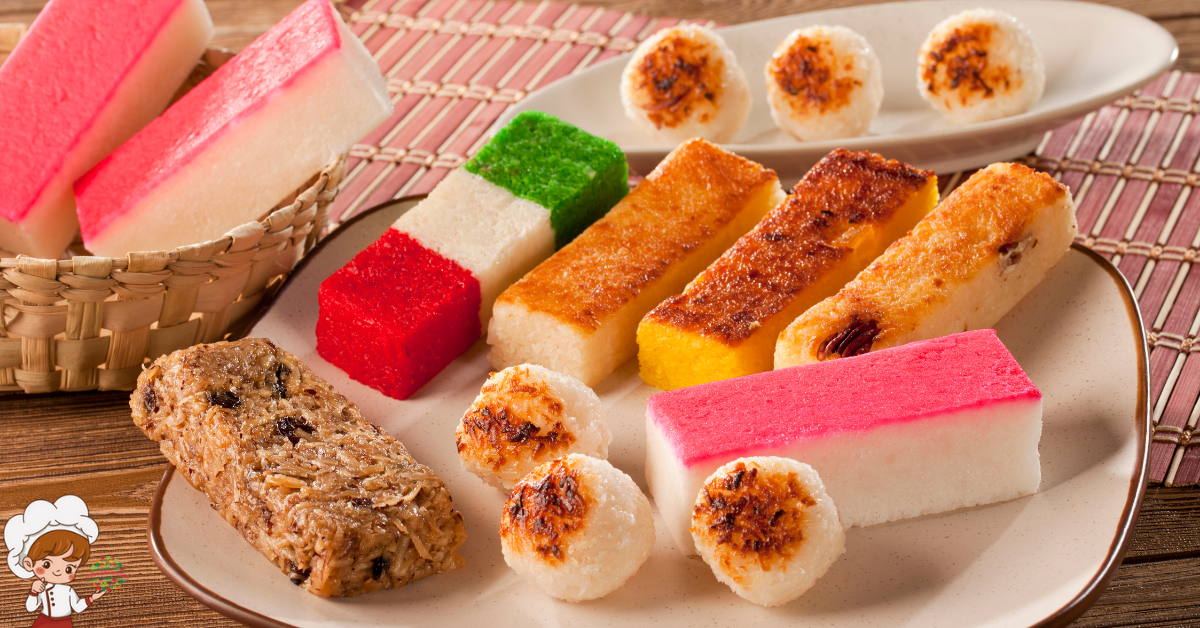
Afro-Peruvian Desserts and Sweets
Afro-Peruvian desserts and sweets showcase the rich and diverse culinary heritage influenced by African traditions in Peruvian cuisine. These unique confections incorporate a variety of ingredients and techniques that have been passed down through generations, resulting in a vibrant and flavorful dessert culture. Here are some examples of Afro-Peruvian desserts and sweets that highlight the fusion of African and Peruvian culinary traditions:
- Picarones: These deep-fried pastries are made from a dough made of squash and sweet potato. They are then flavored with anise and cinnamon and served with a sweet syrup made from molasses and figs. Picarones are a popular street food in Peru and represent the African influence on Peruvian confectionery.
- King Kong: This dessert is a Peruvian-style cake made with layers of buttery pastry, filled with manjar blanco (a caramel-like spread), and topped with powdered sugar. King Kong is believed to have originated in Chincha, a city with a significant Afro-Peruvian population. It is a delicious treat that showcases the blending of Peruvian and African flavors.
- Suspiro Limeño: This creamy dessert is a blend of Spanish and African influences. It consists of a rich custard made from condensed milk and egg yolks, topped with a layer of Italian meringue. The name “Suspiro Limeño” translates to “Lima Sigh,” referring to the dessert’s light and airy texture that melts in your mouth.
- Algarrobina: This sweet syrup is made from the carob tree, which is native to Peru. It is used as a flavoring in many Afro-Peruvian desserts and drinks, such as ice cream, cocktails, and traditional desserts like mazamorra morada (a purple corn pudding). The distinct flavor of algarrobina adds depth and complexity to these sweet treats.
These Afro-Peruvian desserts and sweets represent the cultural fusion that exists in Peruvian cuisine. They are a testament to the diverse influences that have shaped the country’s culinary traditions, resulting in a unique and delicious dessert culture.
Afro-Peruvian Beverages and Drinks
Building upon the rich and diverse culinary heritage influenced by African traditions in Peruvian cuisine, let’s now explore the intriguing world of Afro-Peruvian beverages and drinks. Just as in Afro-Peruvian desserts and sweets, the influence of African flavors and ingredients can also be seen in traditional Afro-Peruvian drinks.
One popular Afro-Peruvian beverage is ‘Chicha Morada’, a refreshing and vibrant purple corn drink. Made by boiling purple corn with pineapple, cinnamon, cloves, and sugar, this beverage has a unique and sweet flavor profile. It is often served chilled and is a perfect choice for hot summer days.
Another traditional Afro-Peruvian drink is ‘Emoliente’, a hot herbal tea known for its medicinal properties. Made with a combination of herbs such as horsetail, flaxseed, and barley, this drink is believed to have various health benefits, including aiding digestion and reducing inflammation. Emoliente is often sweetened with sugar or honey and can be enjoyed both hot and cold.
In recent years, there has been a resurgence of interest in Afro-Peruvian beverage trends. Mixologists and bartenders have started incorporating Afro-Peruvian flavors into their cocktails, creating unique and innovative drinks. For example, Pisco, a Peruvian grape brandy, is often used as a base spirit in cocktails and can be combined with ingredients like chicha morada or passion fruit to create delightful and refreshing drinks with a distinct Afro-Peruvian twist.
Whether you choose to indulge in traditional Afro-Peruvian drinks like Chicha Morada and Emoliente or explore the exciting Afro-Peruvian beverage trends in modern mixology, you are sure to discover a world of flavors that pay homage to the African influence on Peruvian cuisine. Cheers to the rich and diverse heritage of Afro-Peruvian beverages!
Afro-Peruvian Street Food
One cannot ignore the vibrant and diverse array of street food influenced by Afro-Peruvian culinary traditions. Afro-Peruvian street food offers a unique and delicious experience that is deeply rooted in the country’s African heritage. Here are some popular Afro-Peruvian dishes you must try:
- Anticuchos: These grilled skewers are a staple in Afro-Peruvian street food. Made from marinated beef heart, anticuchos are packed with flavor and often served with a spicy rocoto sauce. The tender and juicy meat combined with the smoky char from the grill makes this a must-try dish.
- Papa a la Huancaína: Although not exclusive to Afro-Peruvian cuisine, this dish has been adopted and popularized by the Afro-Peruvian community. It consists of boiled potatoes smothered in a creamy and spicy cheese sauce made from queso fresco, yellow peppers, and evaporated milk. It is typically served with hard-boiled eggs and olives.
- Tacu Tacu: This dish is a perfect example of Afro-Peruvian culinary ingenuity. It is made by combining leftover rice and beans, which are then formed into a patty and fried until crispy. Tacu Tacu is often served with a variety of meats or seafood, and it provides a hearty and satisfying meal.
- Causa: Another versatile dish, causa is made by layering mashed yellow potatoes with a variety of fillings such as chicken, tuna, or avocado. The layers are then garnished with olives and hard-boiled eggs. Causa is a popular street food item in Peru, and its Afro-Peruvian influence can be seen in the use of ingredients like ají amarillo, a yellow chili pepper commonly used in Afro-Peruvian cuisine.
These dishes represent just a fraction of the rich and flavorful Afro-Peruvian street food available. Exploring this vibrant culinary tradition is a must for anyone visiting Peru or looking to expand their gastronomic horizons.
Afro-Peruvian Culinary Festivals and Events
Culinary festivals and events in Peru showcase the vibrant and rich Afro-Peruvian gastronomic heritage. These events provide a platform for celebrating and promoting the unique flavors and techniques that have been passed down through generations. One popular feature of these festivals is the Afro-Peruvian culinary workshops, where attendees can learn about traditional Afro-Peruvian ingredients and cooking methods. These workshops are led by experienced chefs and culinary experts who share their knowledge and passion for Afro-Peruvian cuisine.
In addition to the workshops, Afro-Peruvian cooking competitions are also a highlight of these culinary festivals. Participants are challenged to create innovative dishes using Afro-Peruvian ingredients and techniques, showcasing their culinary skills and creativity. These competitions not only encourage culinary excellence but also serve as a means to preserve and promote the Afro-Peruvian culinary traditions.
One such event is the Afro-Peruvian Food Festival, held annually in Lima. This festival brings together renowned Afro-Peruvian chefs, food vendors, and food enthusiasts to celebrate the diversity and richness of Afro-Peruvian cuisine. Here, visitors can indulge in a wide variety of Afro-Peruvian dishes, such as tacu tacu (a dish made with rice and beans) and seco de cordero (a lamb stew), while also enjoying live music and dance performances that reflect the Afro-Peruvian culture.
These culinary festivals and events play a crucial role in preserving and promoting Afro-Peruvian cuisine. By providing a platform for workshops and competitions, they ensure that the knowledge and techniques of Afro-Peruvian cooking are passed down to future generations. Moreover, these events allow for the appreciation and recognition of Afro-Peruvian culinary heritage, contributing to the overall cultural diversity and richness of Peruvian cuisine.
Afro-Peruvian Chefs and Culinary Influencers
As we shift our focus to Afro-Peruvian Chefs and Culinary Influencers, it is important to recognize the significant role they play in preserving and promoting the unique flavors and techniques of Afro-Peruvian cuisine. These chefs and influencers are not only talented individuals, but they also serve as ambassadors of Afro-Peruvian culinary traditions, showcasing the rich cultural heritage and culinary innovations that have been passed down through generations. Here are four key reasons why Afro-Peruvian chefs and culinary influencers are essential to the preservation and promotion of Afro-Peruvian cuisine:
- Preserving Authentic Recipes: Afro-Peruvian chefs are dedicated to preserving the traditional recipes that have been handed down through their families. They understand the importance of using authentic ingredients and techniques to maintain the true essence of Afro-Peruvian cuisine.
- Innovating Traditional Dishes: While preserving culinary traditions is crucial, Afro-Peruvian chefs also bring their own creativity and innovation to the table. They find ways to put a modern twist on traditional dishes, introducing new flavors and presentations without losing sight of the roots of Afro-Peruvian cuisine.
- Promoting Cultural Awareness: By showcasing Afro-Peruvian culinary traditions, these chefs and influencers raise awareness about the African influences that have shaped Peruvian cuisine. They help break down cultural barriers and foster a deeper understanding and appreciation of Afro-Peruvian culture.
- Inspiring Future Generations: Afro-Peruvian chefs and culinary influencers serve as role models for aspiring chefs, especially those from Afro-Peruvian backgrounds. Their success stories inspire young talent to explore their culinary heritage and contribute to the preservation and evolution of Afro-Peruvian cuisine.
Preserving and Celebrating Afro-Peruvian Culinary Heritage
To fully appreciate and preserve the rich Afro-Peruvian culinary heritage, it is important to delve into the historical context and cultural significance of the dishes and techniques. Afro-Peruvian cuisine is a testament to the resilience and creativity of African slaves who arrived in Peru during the colonial era. Preserving cultural traditions and celebrating Afro-Peruvian culinary heritage not only honors the contributions of Afro-Peruvians to Peru’s culinary landscape but also ensures that their stories and traditions are passed down to future generations.
Preserving cultural traditions involves safeguarding traditional recipes, cooking techniques, and ingredients that have been passed down through generations. It requires recognizing the value of Afro-Peruvian cuisine as a unique cultural expression and taking steps to ensure its continued practice. This can be achieved through initiatives such as culinary workshops, community events, and educational programs that emphasize the importance of Afro-Peruvian culinary heritage and provide opportunities for people to learn and engage with it.
Celebrating Afro-Peruvian culinary heritage involves showcasing the diverse flavors and techniques that are unique to this cuisine. It can be done through food festivals, culinary competitions, and restaurant collaborations that highlight Afro-Peruvian dishes and their cultural significance. By celebrating Afro-Peruvian culinary heritage, we not only honor the legacy of Afro-Peruvian ancestors but also create spaces for dialogue and appreciation of the diversity within Peruvian cuisine.
Furthermore, culinary heritage celebration can also contribute to the economic empowerment of Afro-Peruvian communities. By promoting Afro-Peruvian cuisine and its cultural significance, we can create opportunities for Afro-Peruvian chefs and culinary entrepreneurs to showcase their skills and talents, and in turn, contribute to the overall growth and recognition of Afro-Peruvian culinary heritage.
We’ve Got Everything You Need to Make Your Masterpiece.
Frequently Asked Questions: Great Peruvian Cuisine And Its Afro-Peruvian
What Are Some Popular Afro-Peruvian Fusion Dishes?
Afro-Peruvian fusion dishes are a culinary blend that incorporates African flavors, offering a taste of tradition. Some popular dishes include causa limeña, arroz con pato, and tacu tacu con seco de cordero.
How Have Afro-Peruvian Ingredients and Spices Influenced Traditional Peruvian Dishes?
Afro-Peruvian ingredients and spices have greatly influenced traditional Peruvian dishes by adding vibrant flavors and enhancing the overall taste profiles. The incorporation of African flavors has created a unique fusion that is a testament to Peru’s rich culinary heritage.
Are There Any Specific African Cooking Techniques That Are Commonly Used in Peruvian Cuisine?
African cooking techniques have had a significant influence on Peruvian cuisine, thanks to Afro-Peruvian influences. These techniques include marinating meats in citrus juices, using a variety of spices, and incorporating plantains and yams into dishes.
What Are Some Unique Afro-Peruvian Seafood Delights?
When it comes to Afro-Peruvian seafood delights, you’ll find a rich blend of traditional African flavors and Peruvian culinary traditions. From ceviche to jalea, the fusion of cultures creates unique and delicious dishes.
Can You Recommend Any Afro-Peruvian Desserts or Sweets That Are a Must-Try?
You must try the Afro Peruvian desserts and sweets. They are a delightful fusion of flavors and traditions. From the rich and creamy suspiro limeño to the sweet and sticky picarones, there is something for everyone to enjoy.

Conclusion
In conclusion, Afro-Peruvian cuisine has played a significant role in shaping the culinary landscape of Peru. The fusion of African cooking techniques, ingredients, and spices has added depth and complexity to traditional Peruvian dishes. Afro-Peruvian influence can be seen not only in street food and fusion dishes but also in culinary festivals and events. Through the efforts of Afro-Peruvian chefs and culinary influencers, this rich culinary heritage is preserved and celebrated, ensuring that its unique flavors and traditions continue to thrive.