AI Amazing Food Processing And Preservation
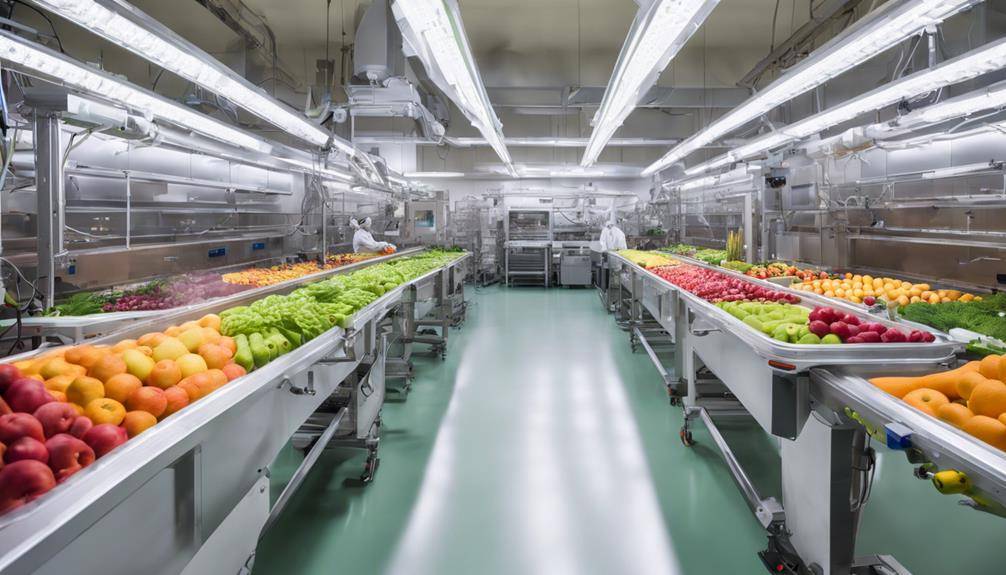
AI Amazing Food Processing And Preservation; AI’s making waves in food processing and preservation. You’ll find it boosts efficiency by automating tasks and reducing waste through accurate demand forecasting. Quality control dramatically improves with AI-driven inspections and predictive maintenance, ensuring consistency and reliability. Smart supply chain management optimizes ingredient sourcing while enhancing production scalability. Plus, AI innovations in flavor profiling elevate the taste and nutritional value of food products. As the industry evolves, you’ll see even more exciting advancements on the horizon. Stay tuned, because there’s plenty more to discover about how AI is shaping the future of food.
We’ve Got Everything You Need to Make Your Masterpiece.
Overview of AI in Food Industry
Artificial intelligence is shaking up the food industry in remarkable ways. You’ll see AI applications transforming everything from product development to supply chain management. By leveraging machine learning and data analytics, companies can analyze vast amounts of consumer data to understand preferences and trends better than ever before. This insight allows for recipe optimization and flavor enhancement, ensuring that the products you crave are not only delicious but tailored to your tastes.
AI’s role in food sustainability is also significant. With advanced algorithms, businesses can predict market demands, reducing waste and ensuring that resources are utilized efficiently. Imagine a world where food is produced in response to actual consumer needs rather than guesswork. That’s the potential AI brings to the table.
In product development, AI can assist in creating innovative food items that meet changing consumer preferences, whether it’s plant-based alternatives or gluten-free options. The ability to analyze data in real-time means manufacturers can quickly adapt to shifts in the market, keeping them ahead of the competition.
Moreover, AI streamlines the supply chain, minimizing delays and ensuring that products reach you faster and fresher. By using predictive analytics, companies can anticipate shortages and adjust their sourcing strategies accordingly. The integration of AI in the food industry isn’t just about efficiency; it’s about creating a more responsive and sustainable food system that aligns with your desires as a consumer.
Benefits of AI in Processing
The integration of AI in food processing delivers numerous benefits that revolutionize how products are made and handled. You’ll find that AI efficiency notably enhances the speed and accuracy of production processes. By employing process automation, you can streamline operations, reducing manual labor and minimizing human error. This not only leads to labor optimization but also allows your workforce to focus on more strategic tasks.
Cost reduction is another key advantage. AI systems can optimize ingredient sourcing by analyzing market trends and supplier performance, ensuring you get the best prices without compromising quality. With smart data analysis, you can predict fluctuations in ingredient costs and adjust your purchasing strategy accordingly.
Recipe innovation becomes possible as AI tools analyze consumer preferences and emerging trends, enabling you to develop new products that meet market demands. Additionally, market forecasting powered by AI helps you anticipate consumer needs, ensuring you stay ahead of competitors and maintain a strong market presence.
Production scalability is enhanced as well; with AI, you can easily adjust your manufacturing processes to meet varying demand levels without sacrificing quality or efficiency. This adaptability is essential in today’s fast-paced food industry.
AI for Quality Control
AI for quality control is transforming how you guarantee product consistency and safety in food processing. With automated visual inspection systems, you can quickly detect defects and maintain high standards. Additionally, predictive maintenance techniques help you anticipate equipment failures before they happen, keeping your production line running smoothly.
Automated Visual Inspection
In food processing, automated visual inspection revolutionizes quality control by swiftly identifying defects in products. You can leverage advanced image recognition technology combined with machine learning algorithms to guarantee your products meet high-quality standards. This system analyzes images of your products in real-time, detecting issues such as discoloration, irregular shapes, or surface imperfections.
Implementing automated visual inspection not only speeds up the quality control process but also reduces human error. Unlike traditional methods, which can be time-consuming and inconsistent, AI-driven inspections provide a reliable and objective assessment. You’ll find that the system learns from previous inspections, continuously improving its accuracy and efficiency over time.
By integrating automated visual inspection into your food processing line, you can enhance product quality while minimizing waste and guaranteeing compliance with industry standards. With this technology, you’re not just inspecting products; you’re gaining insights that can help you optimize your manufacturing processes.
Ultimately, adopting automated visual inspection empowers you to maintain a competitive edge in the market, guaranteeing your customers receive the best possible products every time. So, embrace this innovation and watch your quality control processes transform.
We’ve Got Everything You Need to Make Your Masterpiece.
Predictive Maintenance Techniques
Predictive maintenance techniques are transforming quality control in food processing by anticipating equipment failures before they happen. By leveraging AI, you can utilize data-driven diagnostics to monitor equipment performance in real-time. This approach helps you identify patterns and anomalies that indicate potential issues, allowing you to take action before a breakdown occurs.
With predictive maintenance, you enhance equipment reliability, reducing downtime and minimizing costly repairs. Instead of relying on reactive maintenance, you can schedule interventions based on actual data, optimizing your workflow. This not only improves your efficiency but also guarantees consistent product quality.
Imagine receiving alerts when a machine’s performance dips below a certain threshold. You can then assess the situation and decide whether to conduct maintenance or adjust operations. This proactive strategy empowers you to maintain a smooth production process, ultimately leading to higher customer satisfaction.
Furthermore, as you collect and analyze more data, your predictive models become increasingly accurate. Continuous improvement becomes part of your operational culture, driving innovation in food processing. Embracing predictive maintenance techniques will not only save you money but also enhance the overall quality of your products.
Predictive Maintenance With AI
Harnessing advanced algorithms, food processing facilities can revolutionize their maintenance strategies through predictive maintenance. By integrating sensors throughout your machinery, you can collect real-time data that feeds into machine learning models designed to predict equipment failures before they occur. This proactive approach not only minimizes unexpected downtimes but also optimizes maintenance scheduling, saving you time and money.
When you utilize sensor integration, you gather essential information on parameters like temperature, vibration, and pressure. This data is invaluable, as it allows your AI systems to analyze patterns and detect anomalies that human operators might miss. With machine learning algorithms, your equipment learns from historical data, improving their predictions over time. You’ll find that your maintenance teams can focus on high-priority tasks instead of reacting to emergencies, leading to enhanced operational efficiency.
Moreover, by adopting predictive maintenance, you can extend the lifespan of your equipment. Regular maintenance based on actual condition instead of a fixed schedule means you’re less likely to replace parts prematurely. This not only reduces costs but also contributes to sustainability efforts by minimizing waste.
Incorporating predictive maintenance into your food processing operation means embracing a smarter way to manage your assets. You’ll be able to keep production running smoothly, maintain product quality, and ultimately, enhance your bottom line. By leveraging these AI technologies, you’re setting your facility up for a future where efficiency and reliability go hand in hand.
Smart Supply Chain Management
In smart supply chain management, you can leverage predictive analytics to anticipate demand and streamline your operations. By utilizing inventory optimization techniques, you’ll reduce waste and guarantee that your products move efficiently from producer to consumer. These strategies not only enhance your workflow but also boost your bottom line.
Predictive Analytics Utilization
Smart supply chain management increasingly relies on predictive analytics to enhance operational efficiency. By leveraging demand forecasting, you can anticipate consumer needs, ensuring you meet market demands without excess inventory. Trend analysis helps you identify shifts in consumer behavior, allowing you to tailor your offerings accordingly.
With insights from market segmentation, you can refine your pricing strategies, maximizing profitability while staying competitive. Predictive analytics also aids in production scheduling, optimizing workflows to accommodate seasonal variations in demand. This means you can adjust your output based on expected fluctuations, ensuring you’re never over or underproducing.
Additionally, predictive analytics plays a significant role in ingredient sourcing. By understanding flavor profiling trends, you can make informed decisions about which ingredients to procure, aligning your recipes with consumer preferences. Recipe optimization becomes easier as you analyze data to create dishes that resonate with your target audience.
Incorporating these predictive elements not only streamlines your supply chain but also enhances your overall product quality, driving customer satisfaction and loyalty. Embracing predictive analytics is an essential step in staying ahead in the competitive food processing landscape.
We’ve Got Everything You Need to Make Your Masterpiece.
Inventory Optimization Techniques
Effective inventory optimization techniques are vital for streamlining your supply chain and reducing costs in food processing. By leveraging inventory forecasting and demand planning, you can make data-driven decisions that enhance stock optimization. Implementing inventory analytics allows you to track trends and adjust your inventory levels accordingly.
Automated reordering systems can help you maintain ideal stock levels without manual intervention, ensuring that you always have fresh products on hand while minimizing waste tracking. This is particularly important for items with a limited shelf life, where timely replenishment is essential.
Integrating supply chain processes enables you to adapt to seasonal adjustments, ensuring you meet fluctuating demand without overstocking. By using advanced algorithms to analyze past sales data, you can anticipate changes in demand, allowing for proactive adjustments in your inventory strategy.
AI in Food Safety Monitoring
Food safety monitoring has transformed considerably with the integration of AI technologies, enhancing the way industries guarantee compliance and consumer safety. By utilizing machine learning algorithms, businesses can analyze vast amounts of data to identify and mitigate risks associated with foodborne pathogens. This approach allows for real-time monitoring of food conditions, ensuring that any potential hazards are detected and addressed promptly.
Data analytics applications are essential in developing risk evaluation models that predict contamination events before they occur. With compliance automation, companies can streamline their processes, ensuring they meet regulatory standards without excessive manual intervention. This not only saves time but also reduces the likelihood of human error.
Sensory analysis methods powered by AI offer another layer of sophistication in food safety monitoring. By analyzing sensory data, businesses can evaluate the quality and safety of food products more accurately. In addition, advanced traceability systems enable you to track food items throughout the supply chain, providing transparency and accountability.
Environmental monitoring is another significant aspect where AI shines. By continuously evaluating factors like temperature and humidity, AI systems can alert you to conditions that favor the growth of harmful microorganisms. Additionally, AI plays a fundamental role in outbreak detection, facilitating swift responses to potential public health threats.
Incorporating AI into food safety monitoring not only boosts compliance but also enhances consumer trust, ensuring that the food you provide is safe and of high quality. Embracing these technologies positions you at the forefront of food safety innovation.
Waste Reduction Strategies
When it comes to reducing waste in food processing, predictive analytics and smart inventory management are game changers. You can leverage these tools to forecast demand more accurately and optimize stock levels, minimizing spoilage. By implementing these strategies, you’ll not only cut costs but also contribute to a more sustainable operation.
Predictive Analytics Implementation
In many food processing operations, predictive analytics can be a game changer for waste reduction strategies. By leveraging data-driven decision making, you’ll empower your team to make informed choices that minimize waste. Machine learning algorithms analyze historical data to identify patterns, allowing for accurate market demand prediction. This guarantees that you produce only what’s needed, reducing surplus.
Moreover, real-time analytics helps you monitor production efficiency and adjust operations on the fly. With trend forecasting, you can anticipate changes in consumer behavior, aligning your production schedules accordingly. Implementing risk assessment models further enhances your ability to evaluate supplier performance, guaranteeing you partner with those who meet your standards and reduce waste.
Ingredient optimization becomes seamless as you analyze data to determine the best combinations for your products, ultimately minimizing excess and spoilage. By integrating these advanced tools, you not only enhance your waste reduction strategies but also create a more sustainable operation. Embracing predictive analytics allows you to stay ahead of the curve, guaranteeing your food processing business thrives while contributing positively to the environment.
Smart Inventory Management
How can smart inventory management transform your food processing operation? By leveraging AI for demand forecasting, you can accurately predict what products will sell and when. This means you can optimize your stock replenishment, reducing waste and improving inventory turnover. With automated ordering systems, you’ll never run out of essential items again, as they’ll reorder based on real-time tracking data.
Data integration plays a vital role here; it allows you to connect various data sources, ensuring you have a complete view of your inventory. You’ll be able to analyze shelf life effectively, minimizing spoilage and maximizing freshness. Collaboration with suppliers also becomes seamless, enabling you to respond quickly to changes in demand.
Utilizing inventory analytics helps you identify trends and inefficiencies, leading to smarter decisions that cut costs. By implementing these strategies, you not only reduce waste but also enhance your overall operational efficiency. The result? A streamlined food processing operation that’s prepared for the future. Embrace smart inventory management, and watch your costs decrease while your profitability rises.
Enhancing Flavor and Nutrition
AI is revolutionizing the way we enhance flavor and nutrition in food processing. By leveraging advanced algorithms, you can achieve flavor enhancement that meets consumer preferences more effectively than ever. Through taste profiling, AI analyzes various ingredients to identify the best combinations, ensuring ideal flavor pairing that delights your customers.
Moreover, nutritional optimization is becoming a key focus in food innovation. With AI, you can evaluate the health benefits of ingredients, helping you create recipes that not only taste good but also provide essential nutrients. This technology allows for precise sensory analysis, enabling you to understand how different flavors interact and how they impact overall consumer satisfaction.
Ingredient synergy plays a vital role here. AI helps you discover unique combinations that amplify taste while maximizing nutritional value. By analyzing vast amounts of data, it pinpoints which ingredients work best together, leading to groundbreaking recipe development that caters to modern dietary needs.
As you navigate the ever-changing landscape of consumer preferences, AI offers you the tools to stay ahead. It enables rapid iteration and testing of new flavor profiles and nutritional formulations, giving you the agility to adapt quickly to market demands. Embracing AI in your food processing operations can lead to innovative products that not only satisfy taste buds but also promote better health outcomes. By harnessing this technology, you’ll enhance flavor and nutrition, ultimately driving success in your food business.
We’ve Got Everything You Need to Make Your Masterpiece.
Robotics in Food Preparation
As you embrace the future of food preparation, robotics is transforming the way kitchens operate. Robotic chefs are stepping into the spotlight, taking on tasks that range from chopping vegetables to cooking intricate dishes. These machines aren’t just gimmicks; they’re designed to enhance efficiency and precision, making your cooking experience smoother and more enjoyable.
Imagine walking into a kitchen where automated cooking systems handle the heavy lifting. With a few taps on your smartphone or tablet, you can instruct a robotic chef to prepare your favorite meal, ensuring consistent quality every time. These robots eliminate the guesswork, measuring ingredients with exact precision and cooking them to perfection.
The integration of robotics in food preparation isn’t only about convenience; it also addresses labor shortages in the culinary industry. With many establishments struggling to find skilled workers, robotic chefs can help bridge the gap, allowing restaurants to maintain high standards of food quality without overextending their human resources.
Moreover, these robots can be programmed to cater to dietary preferences and restrictions, allowing for personalized meal preparation. As you explore this new frontier, it’s clear that robotics in food preparation isn’t just a trend; it’s a revolution that’s here to stay. Embracing this technology can enhance your culinary adventures and redefine your relationship with cooking, making the kitchen an exciting place filled with endless possibilities.
AI-Driven Packaging Solutions
Packaging is often the unsung hero of food processing, but with AI-driven solutions, it’s stepping into the spotlight. Smart packaging technology is revolutionizing how you interact with food products, enhancing both safety and freshness. By integrating intelligent labeling, you can provide consumers with real-time information about a product’s condition, promoting better consumer engagement.
Using sustainable materials, AI-driven packaging not only meets environmental standards but also appeals to eco-conscious consumers. Data analytics plays an essential role here, helping you understand consumer preferences and optimize packaging designs. This leads to shelf life extension, ensuring products stay fresher for longer while minimizing waste.
Temperature monitoring and freshness indicators are game-changers in the domain of food preservation. These technologies allow you to track the conditions under which food is stored and transported, ensuring that quality remains intact. Furthermore, with enhanced product traceability, you can reassure consumers about the origins of their food, fostering trust and loyalty.
Supply chain transparency is another critical aspect of AI-driven packaging. By offering insights into the journey of food products from farm to table, you help consumers make informed choices. This level of transparency not only meets regulatory requirements but also enriches the overall consumer experience.
Consumer Insights and Trends
Consumers increasingly seek transparency and sustainability in their food choices, shaping trends in the industry. You’re likely noticing a significant shift in consumer preferences driven by health consciousness and ethical sourcing. As you navigate grocery aisles, you might find that your purchasing behavior reflects a desire for products that align with these values.
Dietary trends are evolving, with plant-based options gaining popularity among those prioritizing sustainability concerns. You may also be drawn to brands that emphasize food personalization, allowing you to tailor your choices based on your dietary needs or preferences. This desire for customization is closely linked to technology adoption, as many brands utilize AI to offer tailored recommendations and improve the overall shopping experience.
Convenience factors also play an essential role in your food choices. With busy lifestyles, you’re likely to favor products that are easy to prepare or consume on the go. This convenience doesn’t compromise your values, as you increasingly demand that brands maintain ethical sourcing practices while providing quick meal solutions.
Brand loyalty is shifting as well. You’re more inclined to support companies that demonstrate a commitment to sustainability and transparency. If a brand actively communicates its sourcing methods and environmental impact, you’re likely to stick with them. Understanding these consumer insights helps the industry adapt and innovate, ensuring that your preferences and values are met in the ever-changing food landscape.
Challenges in AI Implementation
Implementing AI in food processing comes with its own set of challenges. One of the most pressing issues you’ll face is data privacy. As you gather and analyze vast amounts of data, ensuring that sensitive information is protected becomes essential. Additionally, ethical concerns surrounding the use of AI can’t be overlooked. You need to take into account how your algorithms affect consumers and workers alike.
Workforce displacement is another significant challenge. As you adopt AI technologies, you might find that certain jobs become obsolete, leading to resistance from employees and requiring careful change management strategies. Effective technology integration is critical, but it often reveals scalability issues, especially if your existing systems aren’t compatible with new AI solutions.
Algorithm bias is a risk you must actively mitigate. If your data isn’t representative, it could lead to skewed results that adversely affect decision-making. Training requirements for your staff can also be substantial, as they’ll need to understand and manage these new technologies effectively.
Cost implications should be factored into your planning as well. Implementing AI can involve considerable upfront investments, which may strain your budget. On top of that, you’ll need to navigate regulatory compliance, ensuring that your AI practices align with industry standards and laws.
Future Trends in AI and Food
Embracing innovative technologies is set to revolutionize the food processing industry, with AI playing a pivotal role in shaping future trends. As you look to the future, personalized nutrition will emerge as a key focus, allowing consumers to tailor their diets based on individual health profiles and preferences. This shift will foster greater consumer acceptance, driving demand for personalized meal plans and products.
Sustainable sourcing will also gain momentum, as AI helps identify the most eco-friendly suppliers and practices. This aligns with growing ethical considerations surrounding food production, where transparency becomes paramount. Enhanced food transparency will guarantee consumers know where their food comes from and how it’s made, addressing concerns about quality and safety.
Machine learning advancements will further enhance culinary creativity, enabling chefs to experiment with flavors and ingredients in unprecedented ways. However, as these technologies evolve, regulatory frameworks must adapt to manage the complexities of AI in food, guaranteeing safety and ethical practices.
Data privacy remains a critical issue, as companies collect and analyze consumer data for personalized solutions. Striking the right balance between innovation and privacy will be essential to maintain trust. Finally, consider the cultural impacts of AI in food; as globalization continues, AI can help preserve local cuisines while introducing new culinary experiences, creating a rich tapestry of global flavors. The future of food processing promises exciting developments, and staying informed will help you navigate this evolving landscape.
We’ve Got Everything You Need to Make Your Masterpiece.
Frequently Asked Questions: AI Amazing Food Processing And Preservation
How Does AI Impact Employment in the Food Processing Industry?
AI’s impact on employment brings both challenges and opportunities. You might face job displacement, but it also enhances your skills, enabling you to adapt and thrive in a changing work environment. Embrace the transformation ahead!
What Are the Environmental Implications of AI in Food Processing?
You’ll find that AI enhances sustainability practices by enabling resource optimization, reducing emissions, and improving waste management. By implementing these technologies, you can greatly lower your environmental footprint while boosting efficiency in various processes.
Can AI Help With Allergen Detection in Food Products?
Yes, AI can enhance allergen detection in food products. By employing machine learning techniques for allergen mapping, you can identify potential allergens more accurately, ensuring safer choices for consumers and reducing allergic reactions effectively.
How Is Consumer Privacy Protected When Using AI in Food Services?
When using AI in food services, you benefit from strong data security measures, ethical considerations, and consumer transparency. Regulatory compliance fosters trust building, ensuring your privacy is respected and protected throughout the process.
What Are the Costs Associated With Implementing AI Solutions in Food Processing?
When you implement AI solutions, you’ll face initial investments, ongoing operational expenses, training costs for staff, maintenance fees, software licensing, and potential technology upgrades. Each factor can greatly impact your overall budget and profitability.

Conclusion
AI is transforming the food processing and preservation industry in remarkable ways. By leveraging smart technologies, you’re enhancing quality control, streamlining supply chains, and gaining valuable consumer insights. While challenges exist, the benefits of implementing AI are undeniable. As you embrace these innovations, you’re not just improving efficiency but also paving the way for a more sustainable future in food production. Staying ahead of trends will help you thrive in this rapidly evolving landscape.