AI In Improving Food Taste And Texture
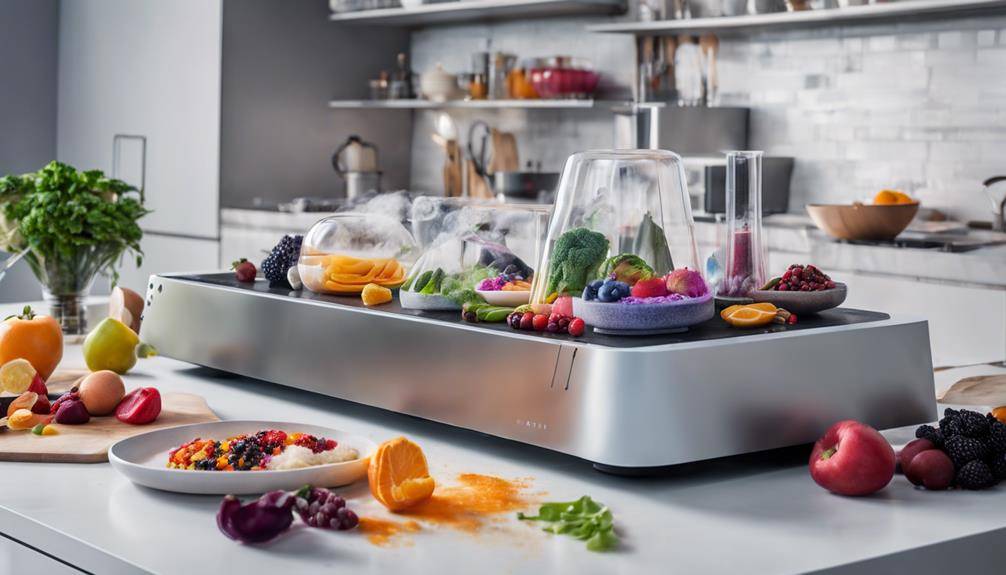
AI In Improving Food Taste And Texture; Artificial intelligence is transforming the way we understand, enhance, and experience food. By analyzing flavor combinations, ingredient interactions, and sensory data, AI helps create dishes with deeper flavor, better balance, and improved mouthfeel. Modern tools can optimize cooking methods for maximum flavor extraction and even provide real‑time feedback that lets you adjust recipes on the spot to match personal preferences. As AI continues to evolve, it empowers cooks, chefs, and food innovators to experiment confidently and elevate everyday meals into unforgettable culinary experiences.
We’ve Got Everything You Need to Make Your Masterpiece.
How AI Enhances Food Taste, Texture & Culinary Creativity
In this post, you’ll learn how AI analyzes flavor profiles to uncover unique ingredient pairings , predicts how ingredients interact on the palate , and supports precise flavor balancing . You’ll explore how machine learning improves texture through optimized cooking methods , how AI assists with ingredient substitutions for dietary needs , and how real‑time feedback helps refine recipes for better results. You’ll also discover real‑world examples of AI‑powered cooking, taste‑pairing predictions, and future trends shaping the next generation of food technology.
The Role of AI in Culinary Innovation
Artificial intelligence is revolutionizing culinary innovation by enhancing how chefs create and experiment with flavors. You’re witnessing a shift where culinary creativity meets cutting-edge technology, allowing for groundbreaking recipe development that was once unimaginable. AI tools help you analyze vast amounts of data to identify unique flavor combinations, making flavor experimentation more precise and exciting.
Imagine using AI to perform sensory analysis, evaluating how different ingredients interact on the palate. You can quickly discover which ingredients harmonize beautifully or clash in unexpected ways. This knowledge empowers you to make informed decisions in ingredient substitution, enabling you to create dishes that cater to dietary restrictions without compromising taste.
Moreover, AI optimizes cooking methods by suggesting techniques that enhance flavor extraction and texture. You’ll find that the right method can elevate a dish’s overall appeal, transforming a simple meal into a gourmet experience. Additionally, AI can assist in food presentation, analyzing aesthetics to create visually stunning plates that entice diners even before they take their first bite.
Analyzing Flavor Profiles
When exploring the complex world of flavor profiles, you’ll find that AI can greatly enhance your understanding of how different ingredients interact. By leveraging advanced algorithms, you can analyze taste perception patterns and uncover the nuances of flavor chemistry. This technology allows you to conduct thorough sensory evaluations, giving you insights into how various aroma compounds affect overall taste.
With AI, you can create detailed taste maps that visualize the interplay between ingredients. This helps you identify ingredient interactions that might not be obvious, guiding you in crafting balanced flavors that cater to diverse palate preferences. By understanding how specific compounds influence taste, you can make informed decisions about flavor balancing, ensuring that no single element overpowers another.
Moreover, AI can sift through vast datasets to reveal hidden correlations between ingredients and their sensory attributes. You’ll discover which combinations enhance flavor profiles and which may clash, ultimately refining your culinary creations. This data-driven approach not only saves time but also elevates the quality of your dishes.
As you investigate flavor analysis, you’ll appreciate how AI empowers you to experiment confidently. You’ll feel equipped to adjust recipes based on real-time feedback, optimizing flavors for your target audience. In this way, AI transforms the art of cooking into a scientifically informed practice, allowing you to push the boundaries of taste and creativity. Embrace these tools, and watch as your culinary skills reach new heights.
Optimizing Food Textures
When you’re looking to enhance food textures, you’ll find a variety of techniques at your disposal. Machine learning can play an essential role in identifying and optimizing these textures, making your dishes more appealing. Let’s explore how these innovations can transform the way we experience food.
Texture Enhancement Techniques
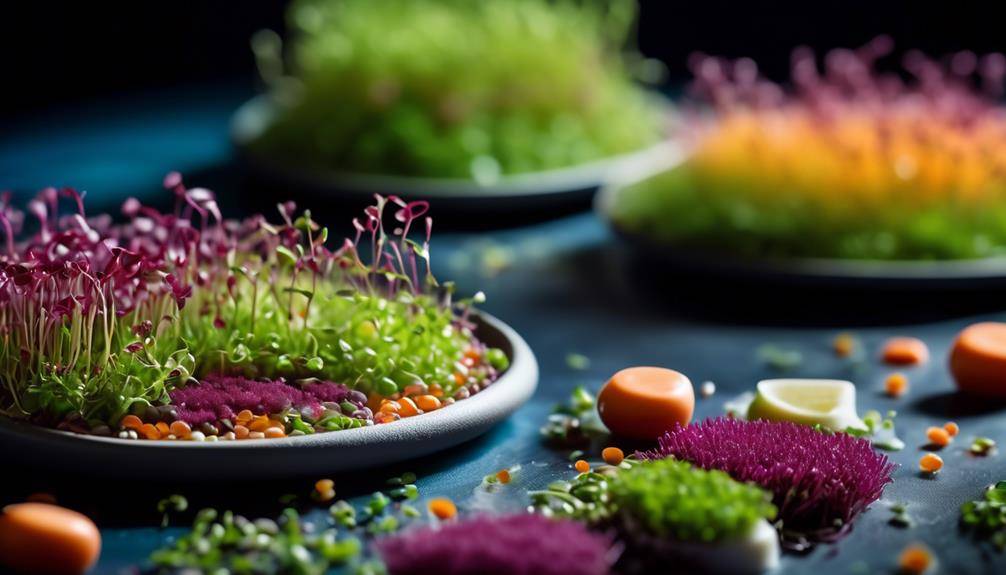
Optimizing food textures has become a game-changer in culinary innovation, as chefs and food scientists continually seek ways to enhance the mouthfeel and overall experience of dishes. You can explore various texture modification methods that transform how food feels in your mouth, whether it’s creating a creamy sauce or a crispy crust. Techniques like emulsification, foaming, and gelling allow you to manipulate the physical properties of ingredients, resulting in delightful surprises with every bite.
To guarantee these modifications hit the mark, sensory evaluation techniques play an essential role. By employing methods like taste tests and texture profiling, you can gather feedback on your creations. This feedback helps you refine your approach, making sure that the textures you achieve align with your culinary goals.
Don’t forget about the power of experimentation; combining different ingredients or cooking methods can lead to unexpected and exciting textures. With a focus on texture enhancement, you’re not just improving dishes—you’re elevating the entire dining experience, making it memorable and enjoyable for everyone involved. So, immerse yourself in the world of texture enhancement techniques and discover new dimensions of flavor and satisfaction.
Machine Learning Applications
Machine learning’s potential to revolutionize food texture optimization is a game-changer for chefs and food technologists alike. By harnessing algorithms, you can dive deep into sensory analysis, identifying the ideal textures that enhance your dishes. Imagine using machine learning for recipe generation, where you input your desired flavor profiles and dietary adaptations, and it suggests the perfect combinations.
With machine learning, ingredient substitutions become effortless. You can find alternatives that maintain or even improve texture while considering nutritional optimization. This guarantees your meals are not only delicious but also cater to specific dietary needs. Additionally, flavor balancing is simplified, allowing for more consistent results that elevate the dining experience.
Cooking efficiency is another area where machine learning shines. By analyzing past cooking data, you can streamline processes, reducing preparation time without compromising quality. Furthermore, it can enhance food safety by predicting potential issues based on texture changes during cooking.
Incorporating machine learning into your culinary practices empowers you to create innovative dishes that delight the senses, guaranteeing every bite is a representation of your skill and creativity. Embrace this technology, and watch your culinary creations reach new heights.
We’ve Got Everything You Need to Make Your Masterpiece.
Predicting Taste Pairings
Revealing the secrets of flavor combinations has always intrigued chefs and food enthusiasts alike, and AI is stepping up to make predicting taste pairings more accurate than ever. By harnessing the principles of flavor chemistry, AI analyzes vast datasets of ingredients, their chemical compositions, and how they interact with one another. This technology allows you to uncover unexpected yet harmonious pairings that traditional methods might overlook.
With the help of sensory analysis, AI models can assess how different flavors engage your taste buds. This involves evaluating not just the taste but also the aroma, texture, and even visual appeal of dishes. By collecting feedback from sensory panels and consumer preferences, AI systems refine their predictions, ensuring that the combinations you explore will tantalize and satisfy.
Imagine crafting a dish with flavors that complement each other perfectly, thanks to AI’s insights. You could pair sweet with savory, or enhance a dish’s richness with a contrasting acidity, all based on data-driven predictions. This approach transcends intuition, providing a scientific basis for your culinary creativity.
As you experiment with these AI-generated pairings, you’ll discover how this technology can elevate your cooking. The possibilities are endless, and you might just find a new favorite combination that surprises your palate. Embracing AI for predicting taste pairings not only enhances your culinary skills but also keeps you on the cutting edge of modern gastronomy.
Case Studies in AI Cooking
As you explore AI’s potential for predicting taste pairings, it’s fascinating to contemplate real-world applications in the kitchen. One remarkable case study involves a tech company that developed cooking algorithms to analyze ingredient combinations. By leveraging flavor chemistry, they created a system that can generate recipes tailored to individual preferences. This approach not only enhances food personalization but also streamlines culinary automation.
Another example comes from a restaurant that utilized AI for sensory evaluation. They implemented taste mapping techniques to assess how different flavors interacted in their dishes. The results led to innovative combinations, transforming traditional recipes into unique culinary experiences. Diners found themselves enjoying dishes that balanced flavors in unexpected ways, all thanks to AI’s analytical prowess.
A startup focused on recipe generation found success by combining user feedback with cooking algorithms. By analyzing vast amounts of data, they could recommend new ingredient pairings that resonated with home cooks. This integration of AI not only improved their cooking techniques but also encouraged experimentation, making cooking more enjoyable.
These case studies illustrate the potential of AI in the culinary world. By harnessing technology for ingredient combinations and ensuring a deeper understanding of flavor chemistry, the kitchen is evolving. Whether you’re a professional chef or a home cook, these advancements in AI cooking offer exciting opportunities to elevate your culinary creations. Embracing these innovations can lead to a more personalized and flavorful dining experience.
Future Trends in Food Technology
The future of food technology is poised to revolutionize how we eat and experience flavors. Imagine a world where sustainable ingredients not only reduce environmental impact but also enhance the taste of your meals. As food personalization becomes more prevalent, you’ll find dishes tailored specifically to your preferences, dietary needs, and even mood. This shift will make every dining experience uniquely yours.
In this evolving landscape, creative gastronomy will play an essential role. Chefs and food technologists will collaborate to explore flavor chemistry, revealing new taste profiles and textures you’ve never encountered before. The fusion of culinary heritage with cutting-edge techniques will create exciting future cuisines, allowing you to savor the past while embracing modern innovations.
Plant-based innovation will also lead the way, providing delicious alternatives that mimic traditional flavors and textures without compromising on taste. You’ll discover that these options can deliver a rich sensory experience, making plant-based meals just as satisfying as their meat counterparts.
As technology continues to advance, expect tools and apps that help you understand and manipulate flavor combinations like never before. You’ll be empowered to experiment in your kitchen, taking your culinary skills to new heights. The future of food technology is bright, and it’s all about enhancing your relationship with food, making every bite an adventure in taste and texture.
We’ve Got Everything You Need to Make Your Masterpiece.
Frequently Asked Questions: AI In Improving Food Taste And Texture
How Does AI Affect Traditional Cooking Methods?
AI reshapes traditional cooking methods by driving cooking innovation. It helps you experiment with techniques and ingredients, optimizing processes for flavor enhancement. You can create unique dishes, pushing the boundaries of culinary artistry while maintaining tradition.
Can AI Replicate Cultural Cuisines Accurately?
You’ll find that AI can replicate cultural cuisines by analyzing recipes and adapting them, but it struggles with cultural authenticity. It might miss the subtle nuances and traditions that make each dish truly special.
What Are the Ethical Concerns of Using AI in Food?
You should consider the ethical concerns of using AI in food, like ensuring food safety and responsible ingredient sourcing. These factors impact consumer trust and the integrity of traditional food practices, which shouldn’t be overlooked.
How Is Consumer Feedback Integrated Into AI Food Systems?
You can see how consumer preferences shape AI food systems through feedback loops. When you provide insights, those systems adapt, enhancing flavor profiles and texture, ensuring the products align more closely with what you enjoy.
Are There Limitations to Ai’s Culinary Capabilities?
Yes, there’re limitations to AI’s culinary capabilities. It struggles with ingredient substitution and complex flavor profiling, which can lead to less-than-ideal results. You’ll need human creativity to elevate dishes beyond what AI can achieve.
Conclusion
AI is reshaping the culinary world by making flavor development, texture optimization, and recipe creation more intuitive and data‑driven. From analyzing flavor chemistry to predicting taste pairings and enhancing textures through machine learning , AI gives cooks powerful tools to elevate their dishes with confidence. As technology continues to advance, it will unlock even more opportunities for creativity, personalization, and innovation in the kitchen. The future of food is smarter, more flavorful, and full of exciting possibilities.