Amazing Guide To Smoking Vegetables At Home
Amazing Guide To Smoking Vegetables At Home; Smoking vegetables at home is a fun way to elevate your cooking. Start by choosing sturdy veggies like bell peppers, zucchini, and eggplant, which absorb smoke well. You’ll need a smoker—electric, charcoal, or gas—and a good thermometer to control temperature between 225°F and 250°F. Experiment with different woods like hickory or applewood for unique flavors. Prepare your veggies by washing and optionally marinating them. Keep an eye on cooking times; root vegetables need 60 to 90 minutes, while greens only take 10 to 15 minutes. There’s so much more to explore in this tasty endeavor!
Benefits of Smoking Vegetables
Smoking vegetables offers a unique twist that elevates their flavor profile and enhances your culinary experience. By infusing them with rich, smoky flavors, you can transform everyday veggies into something extraordinary. This method not only adds depth to their taste but also allows you to experiment with various wood types, each imparting a distinct flavor. You’ll find that smoking can turn even the most mundane vegetables into a gourmet delight.
Besides the tantalizing flavor enhancement, smoking vegetables also offers significant health advantages. When you smoke vegetables instead of frying or roasting them, you typically use less oil, leading to lower calorie consumption. The smoking process can also help retain the nutrients in vegetables, making them a healthier option compared to other cooking methods that may lead to nutrient loss.
Moreover, smoking can introduce beneficial compounds into your diet. Certain woods, such as hickory or mesquite, contain antioxidants that can contribute to your overall health. It’s not just about taste; you’re also giving your body a boost while enjoying your meals.
Incorporating smoked vegetables into your diet can help you create a more diverse and enjoyable eating experience. Whether you’re adding them to salads, sandwiches, or as a side dish, the unique flavors can make your meals more appealing. So, why not fire up that smoker and explore the myriad of benefits that smoking vegetables can bring to your kitchen?
Choosing the Right Vegetables
When it comes to smoking vegetables, not all varieties are created equal. You’ll want to choose vegetables that can hold up to the smoking process and absorb that delicious flavor. Sturdy vegetables like bell peppers, zucchini, and eggplant are fantastic options. They have a firm texture that allows them to retain their shape and absorb smoke without turning mushy.
Root vegetables, such as carrots and potatoes, also smoke well and develop a rich, earthy flavor. For a unique twist, consider smoking leafy greens like kale or spinach, but keep in mind they’ll require less time to avoid becoming overly wilted.
Don’t forget about vegetable pairings! Combine different vegetables to create a medley that offers a variety of flavors and textures. For example, pair sweet bell peppers with earthy mushrooms for a delightful contrast.
Additionally, if you’re feeling adventurous, try smoking herbs alongside your vegetables. Fresh basil, rosemary, or thyme can enhance the overall flavor profile of your dish. Just be mindful of the delicate nature of herbs; they’ll need far less time in the smoker than heartier vegetables.
Ultimately, the key is to experiment and find your favorite combinations. By choosing the right vegetables and incorporating complementary flavors, you’ll elevate your smoking game and impress your friends and family with delicious, smoky creations.
Essential Smoking Equipment
To get started with smoking vegetables at home, you’ll need a few essential pieces of equipment. First and foremost, a smoker is a must-have. Whether you choose an electric, charcoal, or gas smoker, each type has its own benefits. If you’re just starting out, an electric smoker can be user-friendly and consistent.
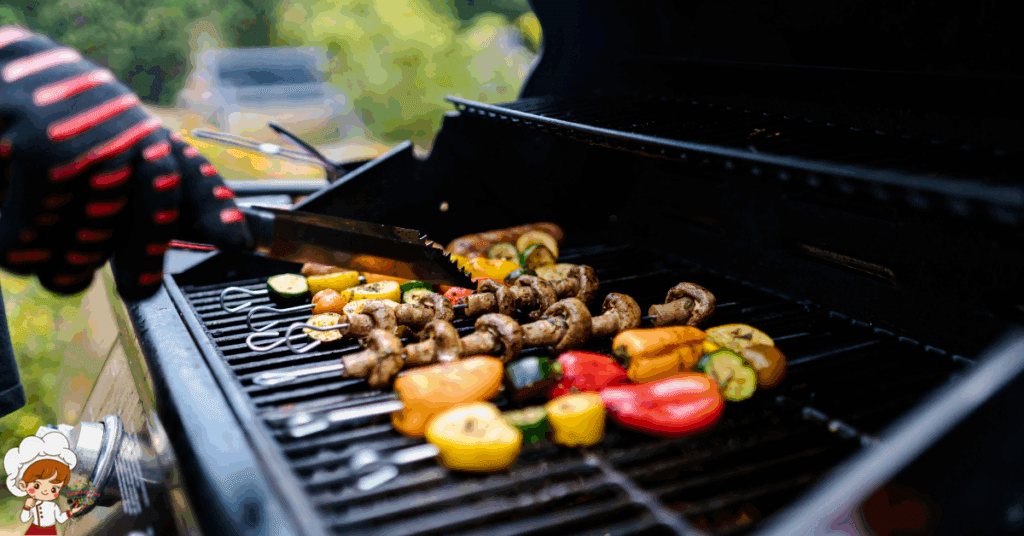
Next, consider investing in some quality smoking tools. A good meat thermometer is invaluable for monitoring the internal temperature of your vegetables, ensuring they’re cooked perfectly. Additionally, a pair of heat-resistant gloves will protect your hands when handling hot items.
You’ll also want to gather essential gadgets for the smoking process. A smoke box, often used with gas grills, can hold wood chips and create the smoke needed for flavoring. If you’re using a charcoal smoker, a chimney starter will help you light the charcoal efficiently.
Don’t forget about the importance of a sturdy cutting board and sharp knives for prepping your vegetables. Finally, a spray bottle filled with water or a marinade can help keep your veggies moist during the smoking process, enhancing their flavor.
With these essential tools and gadgets in your arsenal, you’ll be well-equipped to commence your vegetable smoking journey. Remember, the right equipment makes all the difference, so invest wisely and enjoy the delicious results!
Types of Wood for Smoking
Choosing the right type of wood can greatly enhance the flavor of your smoked vegetables. Different wood types offer unique flavor profiles that can elevate your dishes from ordinary to extraordinary. For instance, hickory is a popular choice that imparts a strong, smoky flavor, making it perfect for heartier vegetables like eggplant and squash. If you prefer a milder taste, consider using applewood, which provides a sweet and fruity profile that complements lighter veggies such as peppers and zucchini.
Mesquite is another wood type that delivers a bold flavor, ideal for those who enjoy a more intense smokiness. Just be cautious with mesquite; its strong profile can easily overwhelm delicate vegetables. Alternatively, cherry wood offers a lovely balance, presenting a subtle sweetness that works well with a variety of vegetables, particularly root ones like carrots and beets.
You might also explore alder wood, known for its light and slightly sweet flavor. It’s great for more delicate vegetables and can impart a wonderful aroma without overpowering the natural taste. If you’re feeling adventurous, try experimenting with combinations of wood types to create your signature flavor profile.
Preparing Vegetables for Smoking
When you’re ready to smoke vegetables, start by choosing fresh, vibrant options that will hold up well to the heat. Next, you’ll want to prep them properly, using techniques like slicing or marinating to enhance their flavor. Let’s explore how to get your veggies ready for that smoky goodness!
Choosing Fresh Vegetables
The key to a successful smoking experience starts with selecting fresh vegetables that not only enhance the flavor but also hold up well to the smoking process. When you’re at the market or grocery store, focus on fresh produce selection. Look for vibrant colors, firm textures, and avoid any signs of wilting or decay. Fresh vegetables will provide the best taste and texture after smoking.
Consider seasonal vegetable choices, as they often offer the highest quality. For instance, in the summer, tomatoes, zucchini, and bell peppers are at their peak, while root vegetables like carrots and beets shine in the fall. By choosing seasonal produce, you not only support local farmers but also guarantee a fresher product.
Don’t forget to think about the smoking method you’ll use. Some vegetables, like mushrooms and asparagus, have a high water content and can become mushy if smoked too long. On the other hand, denser vegetables like potatoes and squash can withstand longer smoking times. Always choose vegetables that match your intended smoking style for the best results. Enjoy the process, and let your creativity run wild!
Prepping Techniques Explained
Getting your vegetables ready for smoking is vital for achieving that perfect flavor and texture. Start by washing and drying your vegetables thoroughly. Trim any unwanted parts and cut them into evenly sized pieces to guarantee consistent cooking. This step is important; uneven sizes can lead to some veggies being overcooked while others remain crunchy.
Next, consider marinating vegetables to infuse them with flavor. A simple marinade can be made with olive oil, vinegar, and your choice of herbs and spices. Let the veggies soak for at least 30 minutes, absorbing those delicious flavors before you smoke them.
Once marinated, it’s time to apply seasoning blends. Choose a blend that complements the natural flavors of your vegetables. Whether it’s a smoky paprika mix or a zesty garlic blend, sprinkle it evenly over the marinated veggies.
Smoking Techniques and Methods
When you’re ready to smoke your vegetables, picking the right wood is essential for flavor. You’ll also want to master smoking temperature control to guarantee even cooking. Finally, knowing which vegetables smoke best will elevate your dish to the next level.
Choosing the Right Wood
Choosing the right wood is essential for achieving the best flavor in your smoked vegetables. Different wood types impart distinct wood flavors, so it’s important to select the right one based on what you’re smoking. For instance, fruitwoods like apple and cherry create a sweet, mild smoke that beautifully complements vegetables like zucchini and bell peppers. If you’re aiming for a bolder flavor, hickory or mesquite can add a rich, intense smokiness, but be careful; these can easily overpower delicate veggies.
When experimenting, consider combining wood types to create a unique flavor profile. Mixing a fruitwood with a stronger wood can balance sweetness and depth, enhancing your dish. Always use seasoned wood, as fresh wood can produce excessive smoke and an unpleasant taste.
Avoid using treated or painted woods, as they can release harmful chemicals. If you’re unsure, start with milder woods and gradually explore stronger options as you get more comfortable with the process. Ultimately, the right choice of wood will elevate your smoking game, making your vegetables burst with flavor and delight your taste buds. Happy smoking!
Smoking Temperature Control
After selecting the right wood, the next step in smoking vegetables is mastering temperature control. Getting the temperature right is vital for achieving that perfect smoky flavor without overcooking or undercooking your veggies. Generally, you’ll want to maintain a temperature range between 225°F and 250°F. This low-and-slow approach is ideal for most smoking methods.
To keep your temperature consistent, use a reliable thermometer to monitor the heat inside your smoker. If you find the temperature fluctuating, adjust your vents or the amount of wood you’re using. More wood can increase the temperature, while closing the vents can help cool things down.
Experiment with different smoking methods, like offset smoking or using a stovetop smoker, to see how they affect temperature control. Each method may require slight adjustments, so pay attention to how your vegetables respond. Remember, some vegetables might need a bit more time, while others cook faster, so it’s important to check doneness regularly.
With practice, you’ll develop a feel for the right temperature and timing, allowing you to smoke vegetables to perfection every time. Enjoy the process, and let your creativity shine!
Best Vegetables to Smoke
While experimenting with smoking vegetables, you’ll discover that some varieties truly shine when infused with that rich, smoky flavor. Start with classics like bell peppers and zucchini, which absorb smoke beautifully and complement a variety of dishes. Eggplant is another fantastic choice, as its creamy texture enhances the smoky essence.
Don’t overlook root vegetables like carrots and sweet potatoes; their natural sweetness pairs wonderfully with that charred taste. For a unique twist, consider smoking tomatoes and mushrooms; they’ll elevate any dish with deep, savory notes.
When it comes to smoked vegetable pairings, think about how these smoked delights can enhance your meals. For example, smoked peppers work great in salsas or as toppings for grilled meats. Use flavor infusion techniques like brining or marinating your veggies beforehand to intensify the taste even more.
Experiment with different wood chips, too, like hickory or applewood, to add distinct flavors. With a little practice, you’ll master the art of smoking vegetables, creating delicious dishes that will impress family and friends alike. Happy smoking!
Cooking Times for Different Vegetables
When it comes to smoking vegetables at home, understanding the right cooking times can make all the difference in achieving that perfect flavor and texture. Each vegetable has its own ideal smoking times, which directly affect its tenderness and overall taste.
For instance, root vegetables like carrots and potatoes typically require longer smoking times, around 60 to 90 minutes at a temperature of 225°F to 250°F. This allows them to soften while fully absorbing the smoky flavor. On the other hand, firmer vegetables like bell peppers and zucchini can be smoked in just 30 to 45 minutes.
If you’re smoking corn on the cob, aim for about 30 to 40 minutes. The kernels will become tender but still hold their shape, creating a delightful contrast with the smokiness. For greens like kale or spinach, you only need about 10 to 15 minutes of smoking; a quick burst of heat will enhance their flavor without wilting them too much.
Remember that the thickness of the vegetable pieces matters too. Cutting them into uniform sizes guarantees even cooking and ideal tenderness. It’s important to keep an eye on your vegetables as they smoke, adjusting the time based on your personal preference for texture.
Recipes to Try at Home
Smoking vegetables at home opens up a world of delicious possibilities, and trying out new recipes can elevate your culinary skills. One fantastic dish to start with is a smoked vegetable salad. Begin by smoking your favorite vegetables like bell peppers, zucchini, and cherry tomatoes until they’re tender and infused with flavor. Toss these smoky veggies with fresh greens, a squeeze of lemon, and a drizzle of olive oil. You’ll create a revitalizing salad that perfectly combines smoky notes with vibrant freshness.
Another crowd-pleaser is smoked vegetable dips. You can easily make a smoky baba ganoush by smoking eggplant until it’s charred and soft. Blend it with tahini, garlic, lemon juice, and a pinch of salt for a creamy dip that’s bursting with flavor. For a twist, try a smoked bell pepper dip. Simply smoke your bell peppers, blend them with cream cheese, garlic, and spices, and you’ll have a rich, smoky spread that pairs wonderfully with crackers or fresh veggies.
Don’t forget about smoked corn salsa! Smoke fresh corn on the cob, then cut the kernels off and mix them with diced tomatoes, onions, cilantro, and lime juice. This salsa is perfect for topping grilled meats or scooping up with tortilla chips.
Experimenting with these smoked vegetable recipes will not only tantalize your taste buds but also impress your family and friends. Get ready to explore the delicious world of smoked vegetables!
Frequently Asked Questions: Amazing Guide To Smoking Vegetables At Home
Can I Smoke Frozen Vegetables?
You can smoke frozen vegetables, but you’ll need to adjust your smoking techniques. Thaw them first to enhance flavor profiles, ensuring they absorb smoke better and achieve that delicious, smoky taste you’re aiming for.
How Do I Store Smoked Vegetables?
To store smoked vegetables, you’ll want to use the best storage methods. Vacuum sealing works great, keeping them fresh and flavorful. Make sure to label and date your packages for easy identification later.
Are There Any Safety Concerns When Smoking?
When you’re smoking, safety’s vital. Use proper smoking techniques to avoid fires, guarantee ventilation, and keep food safe. Always monitor temperatures—this helps enhance flavor while preventing harmful bacteria from developing in your delicious creations.
Can I Combine Different Wood Types for Smoking?
Yes, you can combine different wood types for smoking! Mixing wood flavor profiles enhances your dish. Experiment with various smoking techniques to find the perfect balance that suits your taste, creating unique flavors in your meals.
What Beverages Pair Well With Smoked Vegetables?
When enjoying smoked vegetables, consider crisp white wines or light-bodied reds for wine pairings. For beer styles, opt for pale ales or wheat beers, as their invigorating qualities complement the smoky flavors beautifully.

Conclusion
Smoking vegetables at home is a fun and rewarding experience that enhances their natural flavors. By choosing the right veggies, using quality equipment, and experimenting with different woods, you’ll discover a world of smoky goodness. Remember to prepare your vegetables properly and adjust cooking times for the best results. So, gather your ingredients, fire up that smoker, and enjoy the delicious, unique taste of smoked vegetables that’ll impress your family and friends!