Amazing Lebanese Dishes For A Vegan Diet
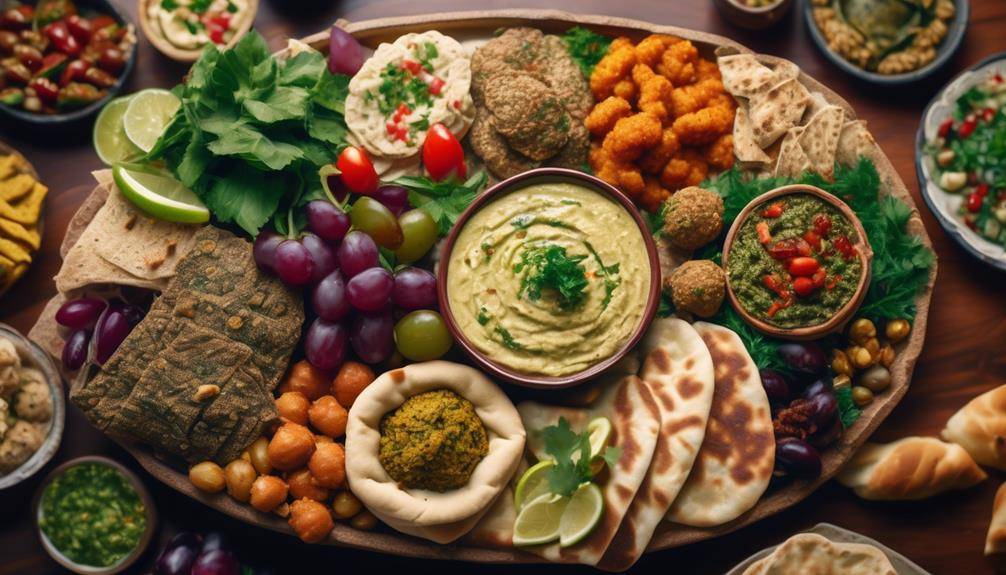
Amazing Lebanese Dishes For A Vegan Diet; Looking to explore the vibrant flavors of Lebanese cuisine while following a vegan diet? Look no further. Lebanese dishes offer a plethora of options that are not only delicious, but also plant-based. From fresh and flavorful salads to creamy dips and protein-packed patties, Lebanese cuisine has something to satisfy every vegan palate. So, why not embark on a culinary journey through the Middle East and discover the enticing world of Lebanese dishes that will leave you craving for more?
Tabbouleh: A Fresh and Flavorful Salad
Tabbouleh, a fresh and flavorful salad, is a staple dish in Lebanese cuisine that you’ll find yourself craving again and again. This traditional tabbouleh recipe combines the vibrant flavors of parsley, mint, tomatoes, and bulgur wheat, creating a refreshing and nutritious salad that is perfect for any occasion.
One of the great things about tabbouleh is that it can be easily customized to suit your taste and dietary preferences. There are many tabbouleh variations out there, each with its own unique twist. For example, some people like to add diced cucumbers or bell peppers for an extra crunch, while others prefer to include pomegranate seeds or chickpeas for added sweetness and protein.
To make the traditional tabbouleh recipe, start by soaking the bulgur wheat in water until it becomes soft. Then, chop the parsley and mint finely, ensuring that the flavors are evenly distributed throughout the salad. Dice the tomatoes and add them to the mixture, along with a squeeze of lemon juice, olive oil, and salt to taste. Toss everything together gently, allowing the flavors to meld together.
The result is a vibrant and colorful salad that bursts with freshness in every bite. The parsley and mint provide a refreshing herbaceous flavor, while the tomatoes add a juicy sweetness. The bulgur wheat adds a nutty and chewy texture, making this salad a satisfying and wholesome meal on its own or as a side dish.
Next time you’re in the mood for something light and healthy, give tabbouleh a try. With its endless variations and fresh ingredients, it’s no wonder that this dish has become a beloved favorite in Lebanese cuisine.
Fattoush: A Crispy and Tangy Salad
Are you looking for a refreshing and vibrant salad to add to your Lebanese vegan dishes? Look no further than fattoush! This crispy and tangy salad is packed with fresh ingredients and bursts of flavors. In just a few simple steps, you can create a delicious and healthy salad that will leave your taste buds satisfied.
Ingredients for Fattoush
To create the refreshing and zesty Fattoush salad, gather a vibrant array of ingredients that will tantalize your taste buds. Here are the key components you’ll need:
- Fresh vegetables: Crisp lettuce, juicy tomatoes, crunchy cucumbers, and vibrant radishes form the base of this salad.
- Herbs: Fragrant parsley and mint add a burst of freshness to the dish.
- Pita bread: Toasted or fried pita bread pieces provide a delightful crunch.
- Tangy dressing: Prepare a dressing by combining lemon juice, olive oil, garlic, sumac, and salt to enhance the flavors.
- Optional additions: Customize your Fattoush salad by adding other ingredients like sliced onions, bell peppers, or even pomegranate seeds for a touch of sweetness.
Preparation of Fattoush
Prepare yourself for a culinary adventure as you embark on the journey of preparing the delicious and vibrant Fattoush salad. Fattoush is a traditional Lebanese salad that is known for its crispy and tangy flavors. The beauty of Fattoush lies in its versatility, as there are various variations of this delightful dish. The base of the salad typically consists of fresh vegetables such as lettuce, tomatoes, cucumbers, and radishes.
However, you can add your own twist by including ingredients like bell peppers, onions, or even pomegranate seeds. To elevate the flavors, traditional Lebanese spices like sumac, mint, and parsley are added. These spices give the salad its distinct taste and aroma. Drizzle some olive oil and lemon juice over the salad, and toss it all together. The result? A refreshing and satisfying Fattoush that will leave your taste buds craving for more.
Serving and Enjoying Fattoush
Indulge in the crisp and tangy flavors of Fattoush, a delightful Lebanese salad that is sure to satisfy your taste buds. Fattoush is not only delicious, but it also offers a refreshing and healthy option for your vegan diet. Here are some serving suggestions and variations of dressing to enhance your Fattoush experience:
- Serve Fattoush as a side dish alongside grilled vegetables or falafel for a complete meal.
- Sprinkle a handful of toasted pita bread on top of the salad to add a satisfying crunch.
- Drizzle the salad with a traditional dressing made from olive oil, lemon juice, garlic, and sumac for an authentic Lebanese taste.
- For a twist, try a creamy tahini dressing or a tangy balsamic vinaigrette to complement the flavors of the salad.
- Garnish with fresh mint leaves or pomegranate seeds to add a burst of color and extra freshness.
With these serving suggestions and dressing variations, you can enjoy Fattoush in different ways and discover your favorite combination of flavors.
Hummus: A Creamy and Versatile Dip
Get ready to experience the incredible flavor combinations of hummus, a creamy and versatile dip that is a staple in Lebanese cuisine. Not only is hummus incredibly delicious, but it also offers a wide range of health benefits. From providing a good source of plant-based protein and fiber, to promoting heart health and aiding digestion, hummus is a nutritious addition to any meal. Plus, with its creamy texture and rich flavor, there are endless creative ways to serve and enjoy hummus.
Flavorful Ingredient Combinations
Hummus, a creamy and versatile dip, is a delightful combination of chickpeas, tahini, garlic, and lemon juice. Its simplicity allows for endless ingredient pairings and the use of various cooking techniques. Here are some flavorful combinations to elevate your hummus experience:
- Roasted Red Pepper: Add a smoky and slightly sweet flavor by blending roasted red peppers into the hummus. It brings a vibrant color and a hint of tanginess.
- Caramelized Onion: Enhance the sweetness of the hummus with caramelized onions. The rich and caramelized flavors complement the creaminess of the dip perfectly.
- Spinach and Artichoke: Incorporate cooked spinach and artichoke hearts for a nutritious and flavorful twist. It adds a mild earthiness and a pleasant texture.
- Sun-Dried Tomato and Basil: Mix in sun-dried tomatoes and fresh basil leaves for a burst of Mediterranean flavors. It adds a delightful tang and herbaceousness.
- Spicy Jalapeno: For those who enjoy a kick of heat, blend in some diced jalapenos. It adds a fiery element and pairs well with the creaminess of the hummus.
Experiment with these ingredient combinations and cooking techniques to create your own unique and delicious hummus variations.
Health Benefits of Hummus
Elevate your hummus experience even further by exploring the numerous health benefits that this creamy and versatile dip has to offer. Hummus is not only delicious, but it is also packed with nutritional value. Made primarily from chickpeas, tahini, olive oil, garlic, and lemon juice, hummus is a great source of protein, fiber, and healthy fats. Chickpeas are rich in folate, iron, and potassium, while tahini provides calcium and magnesium. The olive oil in hummus is a heart-healthy monounsaturated fat. Additionally, hummus is gluten-free and low in calories.
What’s even better is that there are different variations of hummus recipes that you can try to suit your taste buds. Whether you prefer a classic hummus flavored with traditional spices or a twist with added ingredients like roasted red peppers, sun-dried tomatoes, or even avocado, the possibilities are endless. Each variation brings a unique flavor profile and additional health benefits. So, go ahead and indulge in this creamy, nutritious dip that not only satisfies your cravings but also contributes to your overall well-being.
Creative Serving Suggestions
Enhance your hummus experience with a variety of creative serving suggestions that will take this creamy and versatile dip to the next level. Here are some presentation ideas and ingredient substitutions to elevate your hummus game:
- Hummus Bowl: Serve your hummus in a bowl and garnish it with a drizzle of olive oil, a sprinkle of paprika, and a handful of toasted pine nuts. This adds a touch of elegance to your presentation.
- Hummus Stuffed Peppers: Scoop out the seeds of bell peppers and fill them with hummus. Top it off with some chopped cucumbers, tomatoes, and fresh herbs for a colorful and refreshing appetizer.
- Hummus Wrap: Spread a generous amount of hummus on a tortilla or lavash bread. Add your favorite veggies, such as lettuce, tomatoes, and cucumbers, and roll it up for a quick and satisfying lunch.
- Hummus Dip Platter: Create a platter with an assortment of dippables, like pita chips, carrot sticks, celery, and sliced bell peppers. Arrange them around a bowl of hummus for a crowd-pleasing snack.
- Hummus Pizza: Use hummus as a base instead of tomato sauce on your pizza crust. Top it with roasted vegetables, olives, and vegan cheese for a unique and delicious twist.
These presentation ideas and ingredient substitutions will surely impress your guests and keep your hummus experience exciting and flavorful.
Baba Ganoush: A Smoky and Savory Eggplant Dip
With its rich smoky flavor and creamy texture, Baba Ganoush is a delectable Lebanese dip made from roasted eggplant. This vegan dip is a staple in Lebanese cuisine and is loved for its unique combination of flavors. The smoky eggplant forms the base of the dip, giving it a distinct aroma and taste that is hard to resist.
To make Baba Ganoush, the eggplant is first roasted until the skin is charred and the flesh is soft and tender. This process not only enhances the smoky flavor but also adds a subtle sweetness to the dip. Once the eggplant is roasted, the skin is peeled off and the flesh is mashed to a smooth consistency. To this, garlic, lemon juice, tahini (a paste made from ground sesame seeds), and olive oil are added, giving the dip its creamy and tangy notes.
Baba Ganoush is often served as an appetizer with warm pita bread or vegetables for dipping. Its creamy texture and robust flavor make it a perfect companion for crunchy bread or fresh vegetables. The dip can also be used as a spread on sandwiches or wraps to add a burst of flavor.
Aside from its delicious taste, Baba Ganoush is also a healthy option for those following a vegan diet. The eggplant provides essential vitamins and minerals, while the tahini adds healthy fats and protein. It is also a low-calorie dip, making it a guilt-free indulgence.
Mujadara: A Comforting and Protein-Rich Dish
Indulge in the comforting flavors of Mujadara, a protein-rich Lebanese dish that will satisfy your taste buds. This traditional dish is made from cooked lentils, rice, and caramelized onions, creating a harmonious blend of flavors and textures. Whether you are a vegan or simply looking to incorporate more plant-based meals into your diet, Mujadara is a delicious and nutritious option.
Here are five reasons why you should try Mujadara:
- Protein-packed: Lentils are an excellent source of plant-based protein, making Mujadara a satisfying and filling dish.
- Fiber-rich: Both lentils and rice are high in fiber, promoting healthy digestion and keeping you full for longer.
- Vitamin and mineral powerhouse: Mujadara is packed with essential nutrients like iron, magnesium, and folate, which are important for maintaining overall health.
- Heart-healthy: The combination of lentils and rice in Mujadara contributes to a heart-healthy meal, as it is low in saturated fats and cholesterol.
- Easy to prepare: With just a few simple ingredients, Mujadara is a quick and easy recipe to make. It can be enjoyed as a main dish or as a side alongside other Lebanese delicacies.
To make Mujadara, you will need cooked lentils, cooked rice, and caramelized onions. Simply mix all the ingredients together and season with spices like cumin and cinnamon for added flavor. Serve it hot and enjoy the comforting and nourishing flavors of this Lebanese classic.
Stuffed Grape Leaves: A Delicate and Tasty Appetizer
Stuffed Grape Leaves offer a delicate and tasty start to any meal, showcasing the vibrant flavors of Lebanese cuisine. These little parcels of goodness are often called “warak enab” in Arabic and are a popular appetizer in Lebanon. The dish consists of grape leaves stuffed with a flavorful mixture of rice, herbs, and spices.
Traditionally, Stuffed Grape Leaves contain ground meat, but for a vegan twist, you can easily make substitutions. Instead of meat, you can use ingredients like lentils, mushrooms, or even tofu to add a rich and savory texture. These vegan substitutions not only make the dish suitable for a plant-based diet but also enhance the flavors in their own unique way.
When it comes to cooking variations, there are a few ways to prepare Stuffed Grape Leaves. Some recipes call for the grape leaves to be blanched before stuffing, while others prefer to steam or bake them. The cooking method you choose can affect the final texture and taste of the dish. Steaming the grape leaves can result in a more tender and delicate texture, while baking them can create a slightly crispy exterior.
Regardless of the cooking method you choose, the key to achieving the perfect Stuffed Grape Leaves lies in the seasoning. Lebanese cuisine is known for its bold flavors, and this dish is no exception. Incorporating a variety of herbs and spices, such as mint, parsley, dill, cinnamon, and allspice, will give your Stuffed Grape Leaves an authentic Lebanese taste.
Falafel: A Crispy and Protein-Packed Patty
If you’re looking for another mouthwatering vegan dish in Lebanese cuisine, get ready to savor the crispy and protein-packed goodness of falafel. These golden brown patties are made from a mixture of ground chickpeas, herbs, and spices, then deep-fried to perfection. Here’s why falafel is a must-try dish for vegans:
- Versatile: Falafel can be enjoyed in various ways. You can stuff it in pita bread with fresh veggies and tahini sauce, or serve it as a tasty appetizer with a side of hummus and tabbouleh salad. The possibilities are endless!
- Protein-packed: Chickpeas, the main ingredient in falafel, are an excellent source of plant-based protein. With approximately 14 grams of protein per serving, falafel is a great alternative for those following a vegan or vegetarian diet.
- Nutritious: Apart from being a good source of protein, falafel also provides essential nutrients such as fiber, iron, and magnesium. These nutrients are important for maintaining a healthy digestive system, boosting energy levels, and supporting overall well-being.
- Gluten-free: Traditional falafel is naturally gluten-free, making it suitable for individuals with gluten sensitivities or celiac disease. However, it’s always important to check the ingredients and preparation methods to ensure it’s prepared in a gluten-free environment.
- Falafel alternatives: If you’re looking to switch things up, there are also falafel alternatives available. Some popular options include falafel made from fava beans or a combination of chickpeas and fava beans. These alternatives offer a slightly different flavor profile while still delivering the crispy texture falafel is known for.
Whether you’re a vegan, vegetarian, or simply looking to incorporate more plant-based meals into your diet, falafel is a delicious and nutritious choice. So, next time you’re exploring Lebanese cuisine, don’t forget to give falafel a try!
Lentil Soup: A Hearty and Nutritious Starter
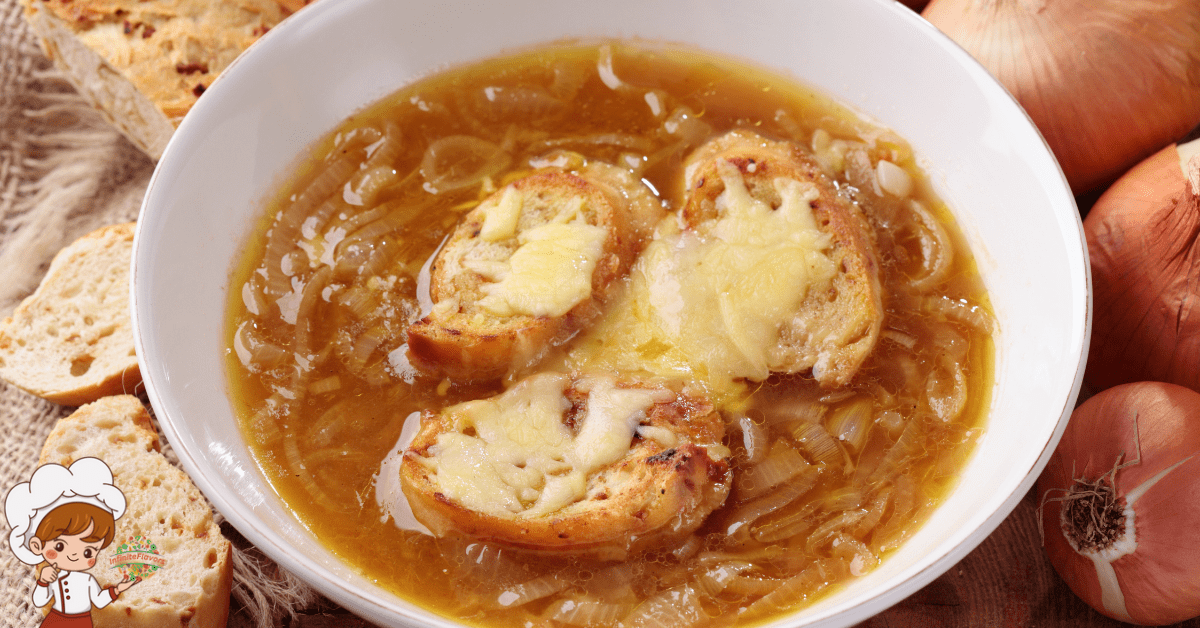
Get ready to experience the comforting and nourishing flavors of Lebanese cuisine with a bowl of hearty and nutritious lentil soup. Lentil soup is a staple in Lebanese households, and it is not hard to see why. Packed with protein and fiber, lentils are not only delicious but also incredibly good for you. Lentil soup variations abound in Lebanese cuisine, each with its own unique twist and flavor profile.
One popular variation of Lebanese lentil soup is the red lentil soup. Made with red lentils, this soup is creamy and smooth in texture. It is often seasoned with aromatic spices like cumin and coriander, which add a depth of flavor to the dish. Another variation is the green lentil soup, which has a heartier and earthier taste. It is often cooked with a medley of vegetables like carrots, celery, and onions, adding even more nutritional value to the soup.
When it comes to lentil soup toppings, the possibilities are endless. A squeeze of fresh lemon juice adds a tangy brightness to the soup, while a sprinkle of chopped parsley or cilantro adds freshness and color. Some people like to add a dollop of creamy yogurt or a drizzle of extra virgin olive oil to enhance the richness of the soup. For a bit of crunch, toasted pita chips or croutons can be added as well.
Manoushe: a Lebanese-Style Pizza With a Twist
Looking to satisfy your pizza cravings with a unique twist? Look no further than Manoushe, a Lebanese-style pizza that will take your taste buds on a flavorful journey. This mouthwatering dish is a favorite among Lebanese locals and visitors alike, offering a delicious combination of fresh ingredients and aromatic spices.
Here are some Lebanese style pizza variations that you can try:
- Za’atar Manoushe: This is the most traditional and popular version of Manoushe. It is topped with a mixture of za’atar, olive oil, and sesame seeds. The za’atar blend consists of dried thyme, sumac, and roasted sesame seeds, giving it a tangy and earthy flavor.
- Cheese Manoushe: If you’re a cheese lover, this variation is for you. It is topped with a generous amount of Akkawi or Kashkaval cheese, which melts perfectly and creates a creamy and savory taste.
- Spinach and Feta Manoushe: For a healthier option, try this combination of sautéed spinach and crumbled feta cheese. It adds a refreshing and slightly salty taste to the pizza.
- Vegan-friendly toppings for Manoushe: If you’re following a vegan diet, you can still enjoy this Lebanese delight. Opt for toppings like roasted veggies (such as eggplant, bell peppers, and zucchini), olives, and a drizzle of olive oil. These ingredients will add a burst of flavors and textures to your vegan Manoushe.
- Spicy Manoushe: For those who enjoy a little kick in their food, try adding some sliced jalapeños or red pepper flakes to your Manoushe. The spiciness will elevate the flavors and give it a fiery twist.
Whether you prefer the traditional za’atar or want to experiment with different toppings, Manoushe is a versatile dish that can be customized to suit your taste. So go ahead, indulge in this Lebanese-style pizza and experience a truly unique and delicious culinary journey.
Frequently Asked Questions: Amazing Lebanese Dishes For A Vegan Diet
Is Lebanese Cuisine Typically Vegan-Friendly?
Lebanese cuisine, like other Middle Eastern cuisines, offers numerous vegan options. Traditional Lebanese ingredients such as chickpeas, lentils, and fresh vegetables are frequently used to create flavorful and satisfying vegan dishes.
Are There Any Common Allergens in Lebanese Vegan Dishes?
Common allergens like wheat, soy, nuts, and sesame may be present in Lebanese vegan dishes. Cross contamination risks exist, so be cautious if you have food allergies. Always ask about ingredients and preparation methods.
Can These Lebanese Vegan Dishes Be Made Ahead of Time?
Yes, these Lebanese vegan dishes can be made ahead of time. You can freeze them for future use. They stay fresh for a good amount of time, but it’s best to consume within a few months.
Are the Ingredients Used in Lebanese Vegan Dishes Easily Accessible?
Finding the ingredients for Lebanese vegan dishes is a breeze! You’ll be pleased to know that the accessibility of these ingredients is high, and there are plenty of vegan options available for you to choose from.
Can These Lebanese Vegan Dishes Be Modified for Gluten-Free Diets?
You can easily modify Lebanese vegan dishes for a gluten-free diet. By substituting ingredients like wheat with gluten-free alternatives, you can still enjoy the flavors and textures of these delicious dishes.

Conclusion
In conclusion, Lebanese cuisine offers a wide range of delicious vegan options that are both satisfying and packed with flavor. From the fresh and vibrant Tabbouleh salad to the crispy and tangy Fattoush, there is something for everyone. Don’t forget to try the creamy and versatile Hummus and the smoky and savory Baba Ganoush. For a heartier option, the protein-rich Mujadara and the crispy falafel are must-tries. Whether you’re a vegan or simply looking to explore new flavors, Lebanese dishes have got you covered.