Why Are Peruvian Cuisine Ingredients So Unique
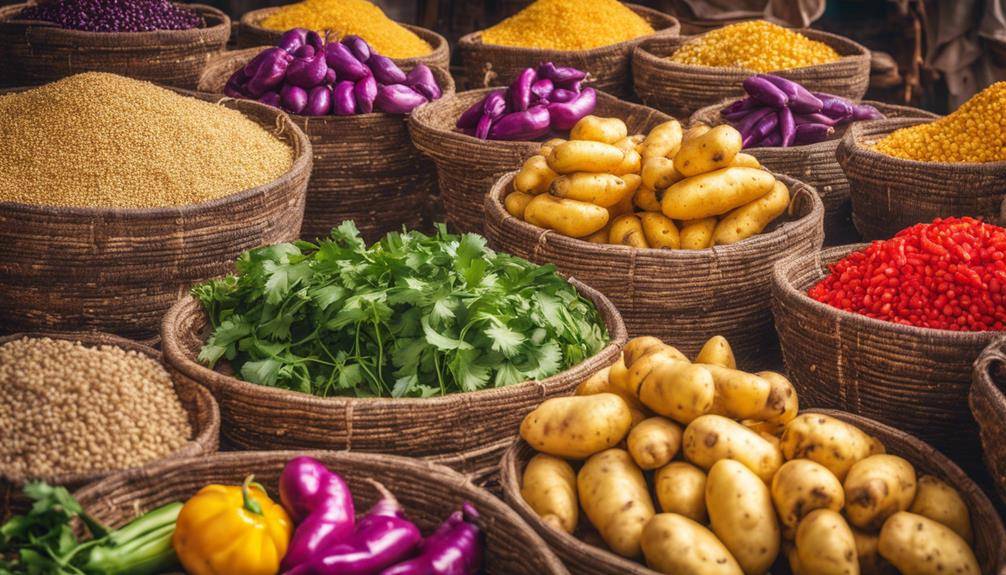
Are Peruvian Cuisine Ingredients So Unique; Peruvian cuisine ingredients are unique due to the country’s incredible geographic diversity and ancient agricultural practices. You’ll find a rich array of indigenous crops, including over 4,000 types of potatoes and sacred quinoa, each bringing distinct flavors. The coastal regions offer fresh seafood, while the Amazon provides exotic fruits and herbs. Traditional cooking techniques, like huatia and pachamanca, enhance these ingredients, creating authentic flavors. Plus, the melding of ancient culinary practices with modern innovations keeps the cuisine vibrant. Exploring these aspects reveals the deeper connections that make Peruvian ingredients so special. There’s even more to uncover about this culinary treasure.
Geographic Diversity of Peru
Peru’s geographic diversity plays an essential role in shaping its rich culinary landscape. As you explore the country, you’ll notice how the Andean ecosystems, coastal areas, and Amazon rainforest contribute to a unique array of ingredients. Each landscape variation offers distinct flavors and textures, reflecting the ecological balance that sustains these environments.
By engaging with local communities, you can see how biodiversity conservation is intertwined with agricultural sustainability. Farmers often rely on traditional farming methods, passed down through generations, which utilize indigenous knowledge to cultivate crops that thrive in their specific regions. This practice not only preserves the cultural heritage of Peru but also enhances ecosystem services, ensuring that the land remains productive for future generations.
You’ll also find that culinary heritage is deeply rooted in the diversity of Peru’s geography. Every dish tells a story, showcasing the ingredients that reflect the country’s various climates and terrains. By embracing these differences, Peruvians maintain a rich tapestry of flavors that honor their ancestors.
As you savor the dishes, you’ll appreciate the importance of cultural preservation in the face of modernization. The unique blend of ingredients, shaped by the land and the people, highlights the intricate relationship between Peru’s geography and its culinary offerings. Understanding this connection enriches your experience, allowing you to truly appreciate the depth of flavors and traditions that define Peruvian cuisine.
Indigenous Ingredients and Their Origins
When you explore Peruvian cuisine, you’ll discover a rich tapestry of indigenous ingredients that showcase ancient crop diversity. Each region offers unique flavors that reflect its history and culture, giving you a taste of Peru’s vibrant heritage. Understanding these ingredients helps you appreciate the depth and complexity of the dishes you encounter.
Ancient Crop Diversity
Ancient crops like quinoa and potatoes tell a fascinating story of Peru’s indigenous agricultural heritage. These ingredients didn’t just shape local diets; they also reflect the rich tapestry of Andean biodiversity. You might be surprised to learn that Peru is home to over 4,000 varieties of potatoes, each with its own unique flavor and texture. This diversity is a direct result of ancient farming practices that evolved over thousands of years, allowing indigenous communities to cultivate a wide range of crops suited to various climates and altitudes.
Quinoa, often hailed as a superfood today, has been a staple for Andean people for centuries. Its origins trace back to the Inca Empire, where it was revered as a sacred grain, integral to their culture and diet. By embracing these ancient crops, you’re not just enjoying unique flavors; you’re also connecting with a history that speaks of resilience and innovation.
The preservation of these indigenous ingredients plays a critical role in maintaining the ecological balance of the region. By choosing to explore these crops, you’re supporting sustainable practices and celebrating the profound legacy of ancient farming in Peru.
Regional Flavor Profiles
Exploring the rich diversity of Peru’s ancient crops leads us to the vibrant regional flavor profiles that define its cuisine. Each region boasts unique ingredients that contribute to its culinary identity. In the coastal areas, you’ll find fragrant coastal spices like ají amarillo and local herbs that elevate seafood dishes. Meanwhile, the highlands offer mountain grains such as quinoa and cañihua, which serve as hearty bases for traditional meals.
Venture into the jungle, and you’ll discover exotic jungle fruits like aguaje and camu camu, bursting with flavors that add brightness to various dishes. The interplay of these ingredients creates diverse flavor pairings that reflect the local landscape and culture.
Cooking techniques vary too; from the steaming methods used in the Andes to the grilling techniques along the coast, each method enhances the natural flavors of the ingredients. Seasonal variations in local markets also play a vital role, influencing what’s available and inspiring chefs to adapt their recipes. By embracing these regional herbs, spices, and fruits, you can truly appreciate the complexity and uniqueness of Peruvian cuisine.
Influence of Ancient Civilizations
Peruvian cuisine is steeped in the rich heritage of its ancient civilizations, which have left a lasting mark on the ingredients and flavors we savor today. The Inca Empire, with its advanced agricultural practices, laid the foundation for a diverse array of crops. You might be surprised to learn that the Incas cultivated over 3,000 varieties of potatoes, each with its distinct flavor and texture. This agricultural ingenuity not only sustained their population but also provided a wealth of ingredients that continue to be staples in Peruvian cooking.
Ancient trade routes played an essential role in the evolution of Peruvian cuisine. As you explore the history, you’ll see that these routes facilitated the exchange of ingredients between different regions. For example, the coastal communities traded seafood and spices with those from the highlands, creating a fusion of flavors that’s still present in modern dishes. The use of quinoa, a sacred grain for the Incas, is another proof of this influence. It’s now celebrated worldwide for its nutritional benefits and versatility in cooking.
You can taste the essence of ancient civilizations in each bite of traditional Peruvian dishes, where ingredients reflect centuries of cultural exchange and innovation. The legacy of the Incas and their trading practices guarantees that every meal you enjoy carries the rich history of a civilization that understood the importance of food not just for sustenance, but as a means of connection and identity.
Climate and Its Impact
Peru’s unique climate creates diverse microclimates that greatly influence the flavors of its cuisine. As you explore the country, you’ll notice how these conditions affect indigenous crops and the rich culinary heritage they support. Understanding this connection can deepen your appreciation for the ingredients that make Peruvian dishes so special.
Diverse Microclimates Influence Flavor
In the vibrant tapestry of Peruvian cuisine, the country’s diverse microclimates play an essential role in shaping its unique flavors. Each region boasts distinct flavor profiles that emerge from the varied climates, resulting in a rich palette for culinary exploration. You’ll notice how ingredient pairings reflect the local environment, with coastal regions favoring seafood, while the highlands offer heartier grains and tubers.
These regional specialties arise from traditional cooking techniques honed over generations, creating taste experiences that are both authentic and innovative. Seasonal availability of ingredients further influences what’s on your plate, ensuring freshness and a connection to the land.
As you explore different dishes, you’ll appreciate the sensory experience that accompanies each bite. The combination of spices, textures, and aromas showcases the incredible taste diversity found in Peruvian cooking. Ingredient sourcing plays a fundamental role, as chefs emphasize local products to maintain authenticity and support sustainable practices.
This interplay of microclimates and culinary traditions enriches your understanding of Peruvian cuisine, making every meal an unforgettable journey through its landscapes and cultures. Each dish tells a story that reflects the essence of the land and its people.
Indigenous Crops and Heritage
The rich heritage of indigenous crops in Peru reveals how climate profoundly shapes agricultural practices and culinary traditions. As you explore the diverse regions of Peru, you’ll notice that farmers have adapted their techniques to suit the varying climates, ensuring the sustainability of their crops. Sustainable farming practices, such as crop rotation and organic farming, have been passed down through generations, allowing these resilient crops to thrive in the face of climate challenges.
You can’t overlook the significance of cultural preservation in this regard. Many indigenous communities prioritize maintaining their ancestral farming methods, which not only supports biodiversity but also strengthens their cultural identity. When you taste quinoa, potatoes, or ají peppers, you’re experiencing a direct connection to the land and the people who have cultivated these ingredients for centuries.
Moreover, the unique climate of each region influences the flavor profiles of these crops, enhancing their culinary value. By embracing sustainable farming and cultural preservation, you’re supporting a rich tapestry of flavors that make Peruvian cuisine truly one-of-a-kind. Understanding this connection deepens your appreciation for the ingredients that grace your plate, showcasing a legacy that continues to thrive.
Unique Agricultural Practices
Nestled within the Andes, farmers employ unique agricultural practices that have shaped Peru’s vibrant cuisine. You’ll find that sustainable farming is at the heart of these methods, as farmers prioritize environmental health while cultivating their crops. By using crop rotation, they maintain soil health and enhance biodiversity, ensuring that the land remains productive year after year.
Many of these farmers embrace organic practices, steering clear of harmful chemicals and instead nurturing heirloom varieties that have been passed down through generations. This focus on traditional harvesting methods not only preserves the rich culinary heritage of Peru but also contributes to the unique flavors you experience in Peruvian dishes.
Community agriculture plays a significant role in this ecosystem. Farmer cooperatives band together to share resources, knowledge, and best practices, creating a network that bolsters local economies and strengthens food security. You might also notice that permaculture techniques are increasingly integrated into farming strategies, allowing for more resilient agricultural systems that mimic natural ecosystems.
As you explore Peru’s rich gastronomic landscape, appreciate the commitment to biodiversity preservation and the innovative approaches that these farmers adopt. Their dedication to cultivating a diverse range of crops not only enriches the soil but also enhances the flavors in your meals, making each bite a tribute to the land and its people. Ultimately, these unique agricultural practices are essential in crafting the distinctive ingredients that define Peruvian cuisine.
Fusion of Cultures
When you explore Peruvian cuisine, you’ll notice how indigenous ingredients blend seamlessly with influences from Spanish colonizers and Asian immigrants. This fusion creates unique flavors and dishes that reflect the country’s rich history. You’ll appreciate how each culture has contributed to making Peruvian food a vibrant culinary experience.
Indigenous Ingredients Influence
While exploring Peruvian cuisine, you’ll quickly notice how indigenous ingredients have shaped a vibrant tapestry of flavors that reflects the country’s diverse cultural heritage. The influence of indigenous farming practices has played a vital role in this evolution. For centuries, local farmers have cultivated unique crops like quinoa, potatoes, and a variety of peppers, each adding distinct tastes and textures to dishes.
These culinary traditions, passed down through generations, showcase a deep connection to the land. You can see this connection in classic dishes like ceviche, where fresh fish is paired with ingredients like lime and ají, a proof of both indigenous agriculture and coastal resources. Furthermore, the use of native herbs such as huacatay and cilantro elevates flavors, creating a symphony that’s both familiar and exotic.
As you explore deeper into Peruvian cuisine, you’ll discover how these indigenous ingredients not only tell the story of the land but also highlight the resilience and creativity of its people. They invite you to experience a fusion of flavors that’s truly unique, reflecting centuries of history and cultural exchange.
Spanish Colonial Impact
The Spanish colonial era greatly transformed Peruvian cuisine, blending indigenous ingredients with European techniques and flavors. As you investigate this fascinating culinary landscape, you’ll notice how the Spanish language reflects this cultural amalgamation. Many dishes you enjoy today, like ceviche and causa, stem from historical recipes that showcase this fusion.
Spanish settlers introduced various ingredients such as rice, wheat, and certain meats, which greatly influenced local cooking. You might find that traditional Peruvian culinary techniques have incorporated these elements, creating a unique dining experience. For instance, the method of marinating fish in citrus juices, which combines European and indigenous practices, highlights this blend beautifully.
Moreover, the influence of Spanish culinary techniques can be seen in the preparation of stews and sauces, which often include local spices and herbs. You’ll see how these adaptations not only enriched the flavor profiles but also made the dishes more diverse. As you probe deeper into Peruvian cuisine, you’ll appreciate how this historical context has shaped what you now savor, revealing a rich tapestry of flavors that tell the story of a vibrant cultural exchange.
Asian Culinary Integration
Asian culinary integration has considerably enriched Peruvian cuisine, bringing in vibrant flavors and techniques that complement the existing culinary landscape. You’ll notice how Asian spices like ginger, soy sauce, and sesame oil have transformed traditional recipes, creating a delightful flavor fusion that excites the palate. These ingredients often find their way into ceviches and stir-fries, demonstrating innovative regional adaptations.
The culinary techniques introduced through this cultural exchange enhance food presentation as well. For instance, the meticulous art of sushi rolling has inspired the way you might assemble a Peruvian causa. Ingredient sourcing has also evolved, with local markets now offering a variety of Asian produce, allowing chefs to experiment and innovate.
You can see this integration in restaurants across Peru, where chefs skillfully blend traditional recipes with Asian influences, creating a harmonious balance that tells a story of migration and adaptation. This fusion not only highlights the versatility of Peruvian cuisine but also showcases the rich tapestry of cultural interactions that shape it. By embracing these influences, you’re experiencing a unique culinary journey that reflects Peru’s diverse heritage.
Role of Native Potatoes
Native potatoes play an essential role in Peruvian cuisine, with over 3,000 varieties contributing to the country’s rich culinary heritage. When you explore Peruvian dishes, you’ll quickly notice how these diverse potato varieties enhance flavors and textures. Whether it’s the creamy yellow potato, the nutty purple variety, or the starchy white, each type brings something unique to the table.
In traditional Peruvian recipes, potatoes aren’t just side dishes; they’re often the star. You might find them in iconic dishes like causa, where layers of mashed potato are combined with various fillings. Or consider papa a la huancaína, where boiled potatoes are smothered in a spicy cheese sauce, showcasing how fundamental they are to the meal. The adaptability of these native potatoes allows for a creative fusion of flavors, reflecting Peru’s diverse culinary traditions.
As you dive deeper into Peruvian cuisine, you’ll discover that the different potato varieties play a significant role in local festivals and celebrations. Many communities have their own special dishes that highlight their preferred potatoes, reinforcing cultural identity through food.
You’ll also notice how native potatoes contribute to sustainability. Many of these varieties are resilient and can thrive in harsh conditions, ensuring that they remain a staple in the diet of many Peruvians. By embracing these native potatoes, you’re not just enjoying a delicious meal; you’re also participating in the preservation of a rich cultural legacy that has stood the test of time.
Significance of Aji Peppers
Aji peppers are a cornerstone of Peruvian cuisine, adding vibrant flavor and heat to countless dishes. You’ll find aji pepper varieties like aji amarillo, aji rocoto, and aji limon, each contributing its unique taste and spice level. These peppers can elevate traditional recipes, from ceviche to causa, making them essential in both home kitchens and high-end restaurants.
Beyond their bold flavors, aji peppers also offer significant culinary health benefits. They’re rich in vitamins A and C, which support your immune system and skin health. The capsaicin found in these peppers can boost metabolism, aiding in weight management. This compound can also provide pain relief and anti-inflammatory effects, making aji peppers not just a delicious addition but a health-conscious choice as well.
When you incorporate aji peppers into your cooking, you’re embracing a key aspect of Peruvian culture. Each variety has its own story and role in the culinary landscape, connecting you to Peru’s rich history. Whether you prefer the fruity notes of aji amarillo or the fiery kick of aji rocoto, these peppers enhance your dishes and bring a taste of Peru to your table.
Amazonian Ingredients in Cuisine
When you explore Peruvian cuisine, you can’t overlook the vibrant ingredients sourced from the Amazon rainforest. This region’s unique biodiversity offers a treasure trove of Amazonian fruits, like camu camu and açaí, that add a rejuvenating twist to your dishes. These fruits not only burst with flavor but also pack a nutritional punch, making them a favorite in both traditional and modern recipes.
You’ll find that Amazonian cuisine often incorporates medicinal herbs and exotic spices, which have been used for centuries by indigenous communities. These ingredients are typically harvested through sustainable practices that prioritize biodiversity conservation, ensuring the rainforest remains healthy for generations. Embracing traditional fishing techniques, local communities catch river fish that are integral to their culinary heritage. These fish, celebrated for their delicate flavors, are often paired with vibrant Amazonian fruits to create delightful contrasts on the plate.
Indigenous foraging plays an essential role in sourcing these ingredients, and it’s often intertwined with cultural rituals that honor the land and its resources. When you investigate Amazonian cuisine, you’ll discover unique flavor pairings that elevate your culinary experience. The harmonious blending of fruits, herbs, and spices not only showcases the richness of the Amazon but also reflects the deep connection between the people and their environment. So, as you savor a dish infused with Amazonian ingredients, you’re tasting a piece of history, culture, and sustainability all in one bite.
Coastal Delicacies and Seafood
As you explore the diverse landscape of Peruvian cuisine, the coastal region presents a stunning array of flavors and ingredients that highlight the bounty of the Pacific Ocean. Here, sustainable fishing practices play an essential role in maintaining the health of marine biodiversity. You’ll find that local fishermen prioritize seasonal seafood, guaranteeing that the freshest catches grace your plate while protecting the ocean’s delicate ecosystem.
One of the most celebrated dishes is traditional ceviche, where freshly caught fish is marinated in tangy lime juice and mixed with onions, cilantro, and chili peppers. This iconic dish reflects the culinary heritage of Peru, showcasing the vibrant flavors that coastal ingredients offer. The preparation of ceviche varies by region, with each locality adding its unique twist, but the essence remains the same: a celebration of fresh, high-quality seafood.
Coastal farming also contributes notably to the rich array of flavors. From seaweed to shellfish, coastal farms cultivate a variety of ingredients that enhance many dishes. Indigenous fishing methods, passed down through generations, emphasize respect for the ocean and its resources, further solidifying the connection between culture and cuisine.
Seafood preservation techniques, such as drying or fermenting, have been used for centuries, allowing communities to enjoy the ocean’s bounty year-round. By embracing these practices, Peruvians not only honor their culinary heritage but also guarantee that future generations can savor the delicious coastal delicacies that make this cuisine so unique.
Traditional Cooking Methods
Peruvian cuisine thrives on traditional cooking methods that have been perfected over centuries, each reflecting the diverse cultural influences that shape the country’s culinary landscape. When you dig into these methods, you’ll discover a deep connection to the land and its people. One of the most iconic traditional techniques is the use of the “huatia,” where ingredients are wrapped in leaves and buried in hot stones, allowing them to steam in their own juices. This method not only enhances flavor but also preserves the nutrients.
Another significant method is the “pachamanca,” a unique earth oven cooking technique that involves layering meat, potatoes, and herbs in a pit lined with hot stones. This culinary ritual symbolizes a deep respect for nature and community, as it often brings families and friends together to share in the preparation and enjoyment of the meal.
You’ll also notice the importance of marination in Peruvian cooking. Techniques like “ceviche” showcase fresh seafood marinated in citrus juices, combining traditional methods with the vibrant flavors of Peru. The use of spices and herbs, passed down through generations, adds depth to every dish.
As you explore Peruvian cuisine, embracing these traditional techniques will give you a richer appreciation for the culture. Each dish tells a story of history and tradition, making every bite a celebration of Peru’s culinary heritage. So, get ready to savor the flavors that have been cherished for generations!
Modern Adaptations and Innovations
While traditional cooking methods form the backbone of Peruvian cuisine, modern adaptations and innovations are reshaping the culinary landscape. Chefs and home cooks alike are embracing culinary experimentation, pushing the boundaries of what defines Peruvian food. You’ll find classic dishes being reinterpreted with a contemporary twist, incorporating global influences that reflect today’s diverse palate.
Ingredient sourcing has also evolved considerably. Many chefs are now prioritizing sustainability by sourcing local, organic produce and ethically raised meats. This not only supports local farmers but also enhances the freshness and quality of the dishes. You might notice that some restaurants are even growing their own herbs and vegetables, ensuring that every bite bursts with flavor and reflects the true essence of Peru.
Fusion cuisine is another exciting trend. By merging traditional Peruvian ingredients with techniques and flavors from other cultures, chefs are creating unique dishes that surprise and delight. Think of ceviche infused with Asian spices or quinoa salads that incorporate Mediterranean elements. These innovations don’t just attract food enthusiasts; they celebrate the rich tapestry of Peru’s culinary heritage while embracing modern trends.
As you explore this evolving scene, you’ll see how the past and present intertwine, creating a vibrant and dynamic culinary identity. Whether dining out or experimenting in your kitchen, these modern adaptations offer a fresh perspective on the beloved flavors of Peru.
Frequently Asked Questions: Are Peruvian Cuisine Ingredients So Unique
What Are the Health Benefits of Peruvian Superfoods?
Peruvian superfoods offer diverse health benefits due to their rich nutritional profiles. You’ll discover their superfood origins in ancient cultures, providing antioxidants, vitamins, and minerals that boost immunity, energy levels, and overall well-being.
How Do Food Festivals Celebrate Peruvian Cuisine?
Food festivals celebrate Peruvian cuisine by showcasing diverse food traditions and their cultural significance. You’ll experience vibrant dishes, live music, and community gatherings that highlight the rich heritage, making each event a feast for the senses.
What Role Do Street Vendors Play in Peruvian Food Culture?
Street vendors play an essential role in Peruvian food culture, offering delicious street food that reflects local traditions. You’ll discover their cultural significance as they connect communities and provide affordable, authentic culinary experiences throughout the region.
Are There Any Famous Peruvian Chefs I Should Know About?
You should definitely know about chefs like Gastón Acurio and Virgilio Martínez. They’re pioneers in Peruvian fusion, showcasing culinary innovations that blend traditional flavors with modern techniques, elevating Peru’s cuisine on the global stage.
How Can I Recreate Peruvian Dishes at Home?
To recreate Peruvian dishes at home, start by exploring traditional recipes online. Focus on ingredient sourcing, finding authentic spices and produce to capture the vibrant flavors that make these dishes truly special and unique.
Conclusion
Peruvian cuisine stands out because of its incredible variety of ingredients, shaped by the country’s unique geography and rich history. You’ve seen how indigenous ingredients, ancient civilizations, and diverse climates have all played a part in creating this vibrant culinary landscape. With unique agricultural practices and a mix of traditional and modern cooking methods, Peru offers a delightful fusion of flavors. So, whether you’re trying a coastal dish or an Amazonian delicacy, you’re in for a truly unique experience!