What Is The Authentic Moroccan Harissa Sauce Recipe
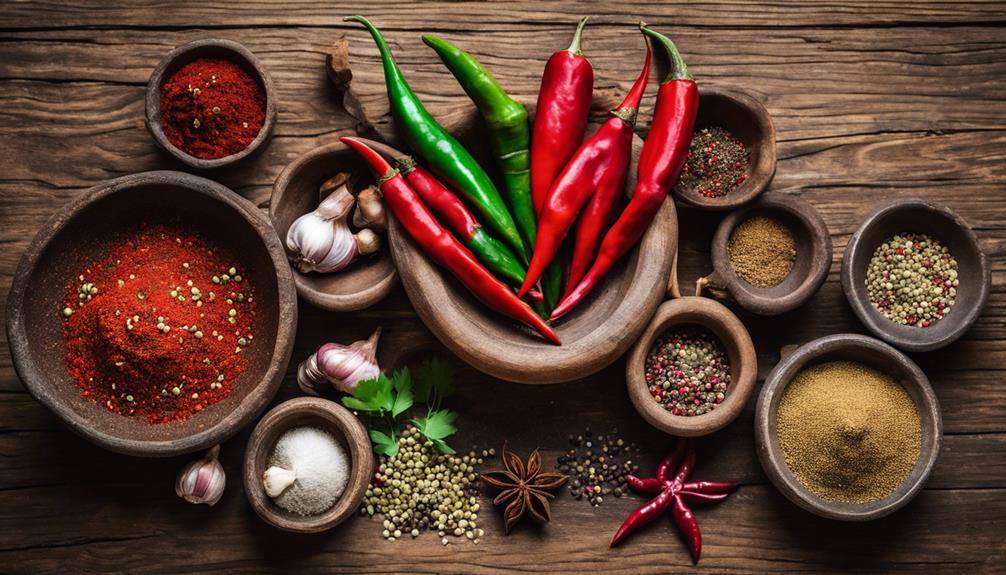
What Is The Authentic Moroccan Harissa Sauce Recipe: To make authentic Moroccan harissa sauce, start with dried red chilies soaked in hot water for about 30 minutes. Blend these softened chilies with garlic, cumin, coriander, and caraway seeds. Add olive oil until you reach your desired consistency. Don't forget to season with salt for flavor enhancement. For a spicier kick, consider using cayenne or smoked peppers. This versatile sauce can elevate grilled meats, tagines, and even soups. Storing it in an airtight container in the fridge allows the flavors to develop further. Stick around, and you'll discover tips to customize your harissa just how you like it.
Click Here and Turn Every Masterpiece into a Showstopper!
History of Harissa Sauce
Harissa sauce has a rich history that dates back centuries, primarily rooted in North African cuisine. You might be surprised to learn that this fiery condiment isn't just a modern culinary trend; it's deeply embedded in the cultural fabric of countries like Tunisia, Algeria, and Morocco. Each region contributes its own unique twist, reflecting local tastes and ingredients, which creates fascinating regional differences in flavor and texture.
As you explore harissa's history, you'll notice its cultural significance. It's not just a sauce; it represents a communal experience where families and friends gather to share meals. In Tunisia, for instance, harissa is often a staple at family gatherings and celebrations, symbolizing hospitality and warmth. You can find it accompanying fish, meats, and even as a dip for bread, showcasing its versatility in various dishes.
Regional differences play an essential role in harissa's evolution. In Tunisia, it's typically made from hot chili peppers, garlic, and spices like coriander and caraway, giving it a distinct punch. Meanwhile, in Morocco, you might encounter a milder version, often blended with roasted red peppers and herbs. This variation highlights how local ingredients influence flavor profiles, making each recipe unique to its origin.
Understanding the history of harissa sauce enhances your appreciation for this beloved condiment, connecting you to the rich culinary traditions of North Africa.
Key Ingredients
To create an authentic Moroccan harissa sauce, you'll need to understand the essential spices that bring it to life. Each pepper variety adds its own unique heat and flavor profile, making your sauce truly special. Let's explore these key ingredients to guarantee your harissa is packed with the right taste.
Essential Spices Overview
When crafting an authentic Moroccan harissa sauce, the essential spices play a crucial role in achieving that distinctive flavor profile. Each spice contributes not just to the taste but also carries cultural significance, reflecting the rich heritage of Moroccan cuisine.
You'll commonly find cumin, coriander, and caraway seeds in harissa. Cumin adds a warm, earthy note while coriander introduces a slight citrus undertone. Caraway brings a hint of sweetness, balancing the heat from other spices. These ingredients meld together, creating a complex flavor that's both aromatic and bold.
Don't forget about garlic and salt. Garlic infuses the sauce with depth, while salt enhances all the flavors, making the sauce more vibrant. Paprika, whether it's sweet or smoked, adds another layer to the flavor profile, giving you that crucial warmth and color.
Pepper Varieties Explained
Among the key ingredients that define harissa, the variety of peppers used stands out for its impact on flavor and heat. When crafting your harissa, you can choose from several pepper varieties, each bringing its own unique qualities.
For a traditional touch, consider using dried red chilies like the piquant guajillo, known for its fruity undertones, or the smoky chipotle, which adds depth. Both peppers have rich pepper origins in their respective regions, enhancing your harissa's authenticity. If you prefer more heat, opt for the fiery cayenne or the robust serrano peppers.
Exploring different pepper flavor profiles can elevate your harissa. For instance, the sweet and tangy notes of aleppo pepper can balance out spiciness, creating a complex sauce. Alternatively, if you want a milder version, try using roasted red bell peppers, which lend a sweet and slightly smoky flavor without overwhelming heat.
Preparation Methods
Creating authentic Moroccan harissa sauce is a straightforward process that rewards you with bold flavors. To start, you'll want to gather your ingredients, which typically include dried chili peppers, garlic, spices like cumin and coriander, and a good quality olive oil. You can choose to stick with traditional techniques or explore modern adaptations, depending on your preference.
If you're going the traditional route, soak the dried chili peppers in hot water for about 30 minutes. Once softened, remove the stems and seeds for a milder flavor, or leave them in for extra heat. Then, combine the chilies with garlic, spices, and a pinch of salt in a mortar and pestle or a food processor. Gradually add olive oil until you achieve your desired consistency, which should be thick yet spreadable.
For a more contemporary twist, you might experiment with additional ingredients like roasted red peppers or tomatoes, which can add a unique sweetness to your harissa. You could also use a blender for convenience, although traditionalists may argue that a mortar and pestle yields a superior texture and flavor.
Whichever method you choose, remember to taste and adjust your seasoning. Once you've perfected your blend, store the harissa in an airtight container in the fridge, where it can deepen in flavor over time. Enjoy using this versatile sauce in various dishes, and don't hesitate to share your homemade creation with friends and family!
Variations of Harissa
While many people know harissa as a traditional North African chili paste, there are countless variations that reflect regional ingredients and personal tastes. You'll find that harissa types vary markedly depending on where you are in North Africa. For instance, in Tunisia, harissa is often made with roasted red peppers and a strong emphasis on garlic, giving it a bold flavor profile. On the other hand, Moroccan harissa might incorporate spices like cumin and coriander, blending the heat of chili peppers with aromatic depth.
If you venture further into Algeria, you'll discover a different take, where the use of smoked chili peppers adds a unique twist to the sauce. The regional differences don't stop there; some cooks even add nuts or seeds for a creamy texture, or incorporate preserved lemons for a burst of citrus. You can also experiment with the heat level by adjusting the types and amounts of peppers you use.
Beyond the basic ingredients, you might encounter variations that include herbs like mint or cilantro, giving each version its distinct personality. Ultimately, the beauty of harissa lies in its adaptability. You can easily customize it to suit your palate, making it a versatile condiment that can elevate any dish. So, whether you prefer it spicy, smoky, or herbaceous, there's a harissa type out there that'll fit your tastes perfectly.
Click Here and Turn Every Masterpiece into a Showstopper!
Uses in Moroccan Cuisine
Harissa sauce plays an essential role in Moroccan cuisine, enhancing a variety of dishes with its vibrant flavor and heat. You'll find it used as a marinade for meats, adding depth to grilled chicken or lamb. When you're preparing tagines, a traditional Moroccan stew, a spoonful of harissa can elevate the dish, infusing it with a complex, spicy warmth that complements the other ingredients beautifully.
In addition to meats, you can incorporate harissa into vegetable dishes. It works well with roasted vegetables, giving them a kick that transforms your side dishes. If you're making soups or stews, consider mixing in harissa to add an extra layer of flavor, making your meal more enticing.
When it comes to cooking techniques, you can use harissa in various ways. It can be blended into sauces or dressings, enhancing everything from grain salads to dips. Its versatility means you can experiment with different spice pairings, combining it with ingredients like garlic, cumin, or coriander for a rich, flavorful experience.
You might also enjoy harissa as a condiment, served alongside grilled meats or as a spread in sandwiches. Whatever way you choose to use it, harissa is a fantastic way to bring authentic Moroccan flavors to your kitchen. Embrace this sauce, and let it inspire your culinary adventures, transforming simple meals into extraordinary experiences.
Tips for Storage and Serving
When it comes to storing your harissa sauce, you'll want to use airtight containers to keep it fresh. Serving suggestions can elevate your dishes, so think about pairing it with grilled meats or as a spread. Remember, proper storage can extend its shelf life, making it a versatile condiment to have on hand.
Proper Storage Techniques
To keep your Moroccan harissa sauce fresh and flavorful, it's essential to use proper storage techniques. First, make certain that your harissa is stored in an airtight container. This helps maintain its vibrant flavors and prevents contamination. If you've used fermentation techniques in your recipe, be mindful; the probiotics can continue to ferment the sauce if not stored correctly.
Next, temperature control is key. Store your harissa in the refrigerator, where it can last for up to a month. If you want to keep it longer, consider freezing it. Pour the sauce into ice cube trays, freeze, and then transfer the cubes to a freezer bag. This way, you can easily grab a portion whenever you need it.
When serving, always use a clean utensil to scoop out the sauce. This practice will help prevent spoilage. If you notice any off-smells or changes in texture, it's best to discard the sauce. By following these storage techniques, you'll guarantee that every time you reach for your Moroccan harissa, it's just as delicious as the day you made it!
Ideal Serving Suggestions
Elevate your meals by incorporating Moroccan harissa sauce in a variety of ways. This versatile sauce offers a unique kick that can transform simple dishes into flavorful experiences. For a delicious start, mix harissa with olive oil and use it as a marinade for grilled meats or roasted vegetables. The spicy pairings of harissa with chicken or lamb create a tantalizing flavor profile that's hard to resist.
You can also blend harissa into soups or stews to add depth and warmth. A small spoonful can work wonders in lentil soup or Moroccan tagines, providing those much-needed flavor enhancements. If you're feeling adventurous, try swirling harissa into yogurt to create a zesty dip perfect for fresh veggies or pita bread.
Don't forget about breakfast! A drizzle of harissa on eggs or avocado toast can wake up your morning routine. Finally, consider serving it as a condiment on the side, allowing guests to customize their dishes with just the right amount of spice. With these serving suggestions, you'll find that Moroccan harissa sauce is an essential addition to your culinary repertoire!
Shelf Life Considerations
Proper storage of your homemade Moroccan harissa sauce can greatly extend its shelf life and maintain its vibrant flavors. To achieve ideal shelf stability, store your harissa in an airtight container, preferably glass, to prevent any unwanted absorption of odors. Keep it in the refrigerator, where it can last for up to two weeks. If you want to extend its life further, consider freezing it in ice cube trays. Once solid, transfer the cubes to a freezer-safe bag, and you'll have perfectly portioned harissa ready for future use.
When it comes to serving, always use a clean spoon to scoop out the sauce to avoid contamination. This simple step helps with flavor preservation and keeps your harissa fresh longer. If you notice any change in color, texture, or smell, it's best to discard it.
For an extra burst of flavor, let your harissa come to room temperature before serving. This way, all those delicious spices can shine through. By following these storage tips, you'll enjoy your homemade harissa sauce at its best for weeks to come!
Click Here and Turn Every Masterpiece into a Showstopper!
Frequently Asked Questions: What Is The Authentic Moroccan Harissa Sauce Recipe
Can I Use Different Types of Peppers in Harissa Sauce?
Absolutely, you can use different pepper varieties in harissa sauce! Experimenting with various flavors profiles enhances the sauce's complexity, allowing you to tailor it to your taste. Just balance heat and flavor for the best results.
How Long Does Homemade Harissa Sauce Last in the Fridge?
Homemade harissa sauce typically lasts about one to two weeks in the fridge. To maximize shelf life, store it in an airtight container and keep it away from moisture. Enjoy its vibrant flavor while it's fresh!
Is Harissa Sauce Gluten-Free?
Yes, harissa sauce is typically gluten-free. You'll find it made from various harissa ingredients like roasted peppers, spices, and herbs. Just be mindful of any spice variations that might include gluten-containing additives.
Can I Make Harissa Sauce Without a Food Processor?
Sure, you can make harissa sauce without a food processor! Try alternative grinding methods like a mortar and pestle. Just adjust spice levels to taste, ensuring you achieve the right consistency and flavor. Enjoy!
What Dishes Pair Well With Harissa Sauce Besides Moroccan Cuisine?
You can enjoy harissa sauce with grilled vegetables, roasted meats, or as a spicy condiment for sandwiches. Its health benefits, like antioxidants, make it a great addition to international harissa dishes from various cuisines.
Click Here and Turn Every Masterpiece into a Showstopper!
Conclusion
Harissa sauce is a vibrant and versatile addition to your culinary repertoire. With its rich history and bold flavors, you'll find it elevates countless dishes. Whether you enjoy it as a condiment or a cooking ingredient, you'll appreciate the warmth and depth it brings to Moroccan cuisine. Don't hesitate to experiment with different variations to suit your taste. Once you've mastered this authentic recipe, you'll be inspired to share it with family and friends!