Beginner’s Guide: 7 Easy Steps To Roll Sushi
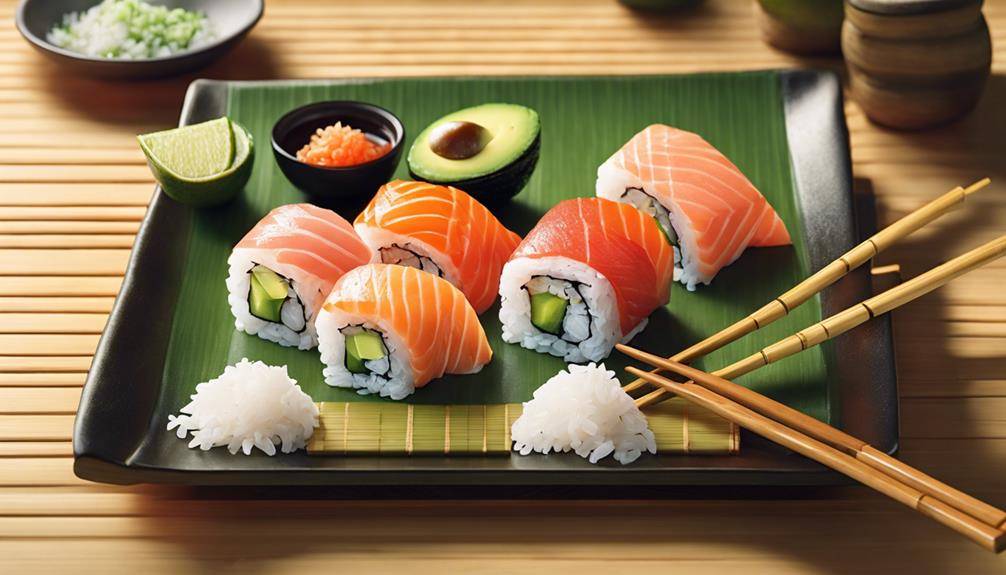
Beginner’s Guide: 7 Easy Steps To Roll Sushi: Rolling sushi at home is easier than you think! Start by gathering essential ingredients like sushi rice, nori, and your favorite fillings. Prepare the rice by rinsing and cooking it to perfection. Set up your workspace with a bamboo mat for easy rolling. Lay the nori shiny side down, add a thin layer of rice, and layer your fillings thoughtfully. Roll it gently but firmly, applying just the right pressure. Finally, slice your sushi and serve it fresh. Want to impress even more? There's plenty more to help you elevate your sushi-making skills waiting for you!
Gather Your Ingredients
Click Here and Turn Every Masterpiece into a Showstopper!
To roll sushi successfully, you'll need to gather a few essential ingredients. First, let's talk about sushi ingredient types. At the core, you'll require sushi rice, rice vinegar, and nori (seaweed sheets). Sushi rice is sticky and short-grain, while rice vinegar adds that perfect tang. For fillings, consider fresh fish like salmon or tuna, or even vegetables like cucumber and avocado. Don't forget about optional ingredients like sesame seeds and wasabi for an extra kick.
Now, when it comes to ingredient sourcing tips, aim for high-quality products. Check out your local Asian grocery stores—they often have fresh fish and specialty items that mainstream supermarkets may lack. If you're unsure about the freshness of fish, look for places that specialize in sushi-grade seafood. You can also consider online markets that deliver fresh ingredients straight to your door.
For vegetables, buy organic if possible; they'll taste fresher and enhance your sushi rolls' overall quality. If you're feeling adventurous, try to find unique ingredients such as tempura or pickled vegetables to add depth to your rolls.
Prepare the Sushi Rice
When preparing sushi rice, start by rinsing the rice thoroughly under cold water until the water runs clear. This step is essential for proper sushi rice preparation, as it removes excess starch and prevents the rice from becoming gummy. Use a fine-mesh strainer or a bowl, and gently swish the rice around with your hands to guarantee it's well-rinsed.
After rinsing, let the rice drain for about 30 minutes. This allows the grains to soak up a bit of moisture, which helps in achieving that perfect texture. Next, transfer the rinsed rice to a pot and add the appropriate amount of water. A common ratio is 1 cup of rice to 1.2 cups of water, but it can vary depending on your rice type, so check the package instructions.
Bring the pot to a boil over medium heat, then reduce the heat to low, cover, and let it simmer for about 18 minutes. Once the time's up, remove the pot from heat and let it sit, covered, for another 10 minutes. This resting period helps the rice finish cooking and steam gently.
While the rice is resting, prepare your vinegar seasoning. Combine rice vinegar, sugar, and salt in a small bowl, adjusting the proportions to taste. Once the rice is ready, transfer it to a large bowl and gently fold in the vinegar seasoning. This adds flavor and gives the rice a shiny appearance, making it ready for rolling delicious sushi.
Set Up Your Workspace
Creating an efficient workspace is vital for a smooth sushi-making experience. Start by focusing on workspace organization. Clear off any clutter from your counter or table to create a clean surface for rolling sushi. Cleanliness tips, such as wiping down surfaces with a sanitizing solution, will help maintain a hygienic environment.
Next, consider your tool selection. Gather all the necessary tools, such as a bamboo sushi mat, sharp knife, and cutting board, and keep them within arm's reach. This guarantees ingredient accessibility while you work. Prepare your surface by placing a damp cloth under the sushi mat to prevent slipping, and lay out any ingredients you'll be using, like rice, fish, and vegetables.
Optimal lighting is also essential. Make sure your workspace is well-lit so you can see what you're doing clearly. Avoid harsh shadows that could make it difficult to cut or roll your sushi properly. Additionally, minimize distractions by turning off your phone or setting it aside while you focus on your sushi-making.
Lay Out the Nori
With your workspace organized and ready, the next step is laying out the nori. Start by selecting the right nori type for your sushi. You'll usually find two main varieties: toasted and raw. Toasted nori is the most common choice for sushi rolls, as it has a nice flavor and is easier to handle. If you opt for raw nori, be aware that it's more fragile and requires careful handling.
Next, take out your nori and check its storage. Nori should be kept in a cool, dry place to maintain its crispiness. If you've stored it in the refrigerator, let it come to room temperature before using. This helps prevent the nori from becoming too brittle when rolling.
Once you've chosen your nori type and verified it's ready, lay a sheet shiny side down on your bamboo mat. Position it horizontally, with the long edge facing you. Make sure the nori is flat and free from any wrinkles. If you're using half sheets, place two pieces side by side to create a larger surface area.
This layout is essential for achieving that perfect sushi roll. Keep in mind that nori should be used quickly after laying it out, as it can become less crispy if exposed to air for too long. Now you're all set to start adding your fillings in the next step!
Click Here and Turn Every Masterpiece into a Showstopper!
Add Fillings
As you prepare to add fillings, remember that the key to a delicious sushi roll lies in balancing flavors and textures. Start by choosing your base ingredients. Classic options include fresh vegetables like cucumber, avocado, and bell pepper, or protein choices such as crab, shrimp, or tofu. Don't be afraid to get creative with flavor combinations; for instance, the creaminess of avocado pairs beautifully with the crunch of cucumber.
Next, think about adding some zing to your roll. Try incorporating pickled ginger or a dash of wasabi for an extra kick. If you prefer a sweeter note, consider using mango or even fruit-based sauces. The harmony between sweet and savory can elevate your sushi experience notably.
When it comes to filling variations, you can also experiment with ingredients like cream cheese, spicy mayo, or sesame seeds. These not only enhance the taste but also add interesting textures to your roll. Layer your fillings horizontally across the nori, ensuring you don't overfill it, as this can make rolling difficult. Aim for a balanced distribution, placing the ingredients within the inner third of the nori.
Roll the Sushi
Now that you've added your fillings, it's time to roll the sushi. You'll need some essential ingredients and a few techniques to get it just right, while also avoiding common mistakes. Let's explore how to create perfectly rolled sushi every time!
Essential Ingredients Needed
To roll sushi successfully, you'll need a few essential ingredients that come together to create the perfect bite. Start with sushi rice, which is sticky and holds everything together. You'll also need rice vinegar to season the rice, giving it that classic flavor. Don't forget nori, the seaweed sheets that wrap your sushi.
Next, consider your filling options. You can choose from a variety of sushi varieties like fresh fish, vegetables, or even tofu for a vegetarian option. Common choices include salmon, tuna, avocado, and cucumber. Each offers unique flavors and textures, enhancing your sushi experience.
For added taste, sauces like soy sauce, wasabi, and pickled ginger can complement your rolls. These not only boost flavor but also add some health benefits, especially when using fresh fish rich in omega-3 fatty acids.
Rolling Techniques Explained
Mastering the art of rolling sushi takes practice, but with a few simple techniques, you'll be able to create beautiful rolls in no time. Start by laying a sheet of nori on your sushi mat, shiny side down. When you spread your sushi rice, guarantee even filling distribution across the nori. This helps maintain balance in your roll.
As you begin sushi rolling, use the correct rolling angle; a slight tilt towards you makes it easier to tuck and roll. When you add fillings, remember to keep them centered for consistent sushi shapes. Once you're ready to roll, apply gentle but firm rolling pressure. This guarantees that the ingredients stay together without squeezing out the sides.
If you want to try different sushi styles, consider hand rolls. These are less about precision and more about creativity, allowing you to use your hands to shape the nori around the fillings. Experiment with various ingredients and find what you love. With time and patience, your sushi rolling skills will improve, and you'll be impressing friends with your delicious creations!
Common Mistakes Avoided
Many beginners make common mistakes when rolling sushi that can affect the final product. One major issue is using improperly cooked sushi rice. If it's too dry or too sticky, it won't roll well. Make sure your rice is seasoned and has the right consistency.
Another mistake is not choosing the right nori types. Opt for high-quality nori, as it can make a huge difference in taste and texture. When it comes to rolling, don't forget to use a rolling mat; it helps create a tight roll.
Filling combinations are also essential. Avoid overstuffing, as this can lead to messy rolls. Instead, stick to a few complementary flavors for balance.
Pay attention to serving temperatures; sushi should be served at room temperature to enhance its flavors. If you're not eating it immediately, follow proper storage tips to keep everything fresh—wrap it tightly in plastic wrap.
Lastly, experiment with various flavor pairings to elevate your sushi experience. By avoiding these common mistakes, you'll roll sushi like a pro in no time!
Slice and Serve
Now that you've rolled your sushi, it's time to slice and serve it like a pro. You'll want to perfect your knife skills for clean cuts and explore plating techniques that make your dish visually appealing. Don't forget to choose the right dipping sauces and accompaniments to elevate your sushi experience!
Perfecting Your Knife Skills
A sharp, well-maintained knife is crucial for perfecting your sushi slicing skills. Different knife types suit various sushi ingredients, so invest in a good sashimi knife or a deba for ideal results. When it comes to slicing techniques, practice the gentle sawing motion for a clean cut. Make sure your knife is wet to prevent sticking, enhancing both your efficiency and food safety.
Before you start slicing, focus on ingredient prep. Cut your fish and vegetables into uniform pieces, making them easier to handle. A stable cutting board is essential; use one with a non-slip surface to maintain control while you work.
As you slice, keep sushi history in mind. Traditional sushi often features thin, delicate cuts that highlight the freshness of the ingredients. Aim for even slices to enhance the overall presentation, allowing each element to shine.
Plating Techniques for Presentation
When it comes to sushi, the way you plate your creations can elevate the dining experience considerably. Start by considering your plate shapes; rectangular or round plates can set different vibes. For a modern touch, opt for angular plates that highlight your sushi's sleek lines.
Next, think about color combinations. Vibrant sushi rolls look stunning against darker plates, while lighter backgrounds can enhance the colors of the fish and vegetables. Play with plating arrangements by placing rolls in clusters or fanned out for visual interest.
Garnish options can add flair, so consider using edible flowers or microgreens to incorporate texture contrasts that draw the eye. You can also experiment with serving styles; serving sushi alongside a small bowl of soy sauce on the same plate creates a cohesive look.
Lastly, align your presentation with a theme. Whether it's a casual gathering or a formal dinner, maintaining a consistent theme presentation will impress your guests. With these techniques, you'll transform your sushi into a visual masterpiece that enhances the overall dining experience.
Dipping Sauces and Accompaniments
Plating your sushi beautifully sets the stage, but the right dipping sauces and accompaniments can truly enhance the flavors of your creations. Start with traditional accompaniments like soy sauce, which provides a salty kick, or wasabi, adding a spicy zing. You can also experiment with sauce varieties such as ponzu for a citrusy twist or eel sauce for a sweet, thick glaze.
When considering flavor pairings, think about how the sauce complements your sushi's ingredients. For example, a spicy mayo pairs perfectly with shrimp tempura rolls, while a ginger soy sauce works wonders with vegetable rolls. Texture contrasts are equally important; a crunchy tempura flake topping can elevate your sushi's experience.
Explore different dipping techniques by using small dishes to showcase your sauces, enhancing presentation styles. If you're feeling adventurous, try making homemade sauces that suit your palate. Don't hesitate to explore ingredient substitutions, like using tamari for a gluten-free option. Ultimately, these choices will not only enhance the taste but also make your sushi experience visually appealing. Enjoy experimenting with these delicious combinations!
Click Here and Turn Every Masterpiece into a Showstopper!
Frequently Asked Questions: Beginner’s Guide: 7 Easy Steps To Roll Sushi
Can I Use Brown Rice Instead of Sushi Rice?
Yes, you can use brown rice instead of sushi rice. Brown rice benefits include added fiber and nutrients. Just keep in mind that it has a different texture, so adjust your sushi rice substitutes accordingly.
How Do I Store Leftover Sushi?
To store leftover sushi, wrap it tightly in plastic wrap and refrigerate. Sushi's shelf life is short, so consume it within a day. If needed, you can freeze it, but it may lose texture.
What Are Some Common Sushi Filling Alternatives?
You can explore sushi flavor combinations by using creative fillings like avocado, tempura vegetables, or spicy tuna. Don't shy away from experimenting with fruits like mango or even cream cheese for unique, delicious rolls!
Is Sushi Gluten-Free?
Yes, sushi can be gluten-free! Most sushi ingredients, like rice and fresh fish, are naturally gluten-free. Just be cautious with soy sauce; opt for gluten-free sauces to guarantee your meal remains safe and delicious.
How Can I Make Sushi Vegetarian-Friendly?
To make sushi vegetarian-friendly, focus on sushi rolling techniques using ingredients like cucumbers, avocados, and carrots. Don't forget to enhance flavors with vegetarian sauces such as soy sauce or spicy mayo for a delicious twist.

Conclusion
Now that you've mastered the basics, rolling sushi is a fun and rewarding skill to enjoy. Remember to experiment with different fillings and flavors to make each roll your own. Don't worry if your first few attempts aren't perfect; practice makes perfect! Gather some friends or family, and turn it into a sushi-making party. Before you know it, you'll be impressing everyone with your delicious homemade sushi. Happy rolling!