Best Cast Iron Skillets For Beginners
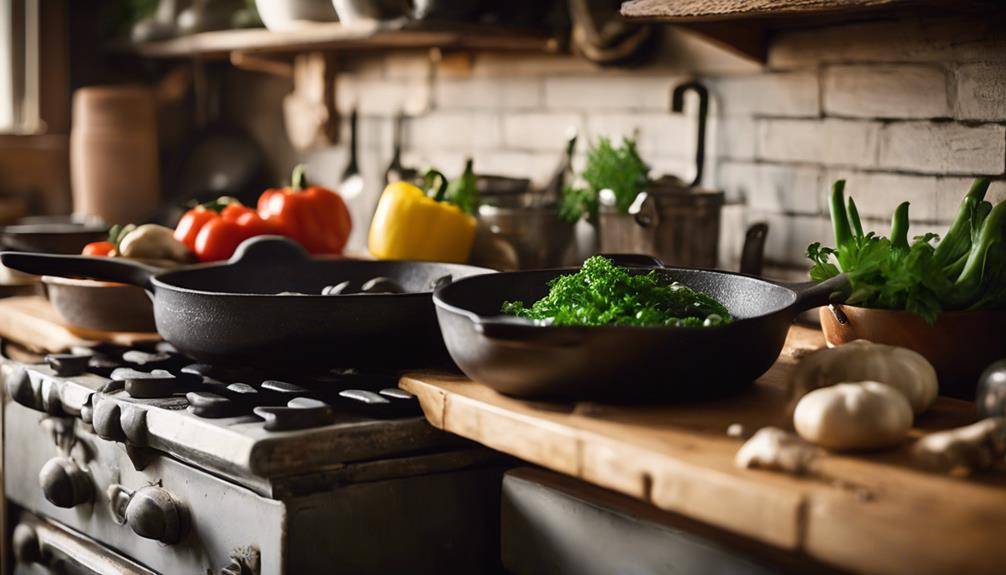
Best Cast Iron Skillets For Beginners: The best cast iron skillets for beginners are all about quality and ease of use. Look for 10 to 12-inch skillets from reputable brands like Lodge, which offer solid performance at affordable prices. Pre-seasoned options save you time and effort, making them perfect for starting your culinary journey. These versatile skillets excel at searing, frying, and baking, so you can experiment with various recipes. Plus, they'll last a lifetime if cared for properly. To discover more about selecting the right skillet and maximizing your cooking experience, just keep going!
Click Here and Turn Every Masterpiece into a Showstopper!
What Is a Cast Iron Skillet?
A cast iron skillet is a versatile cooking tool that's known for its ability to retain heat and distribute it evenly, making it perfect for everything from searing meats to baking cornbread. The roots of cast iron history trace back to ancient China and later spread to Europe, where it became a staple in kitchens due to its durability and heat retention. You might be surprised to learn that the first cast iron skillets were produced in the 18th century, and their popularity has only grown since then.
Today, you'll find various skillet types, each designed for different cooking needs. Traditional skillets feature a flat bottom and slightly curved sides, making them ideal for frying and sautéing. If you're looking for something more specialized, consider a Dutch oven, which is fundamentally a deeper skillet that comes with a lid, perfect for stews and braising. There's also the griddle, which has a flat surface without sides, great for pancakes and grilled sandwiches.
When choosing a cast iron skillet, think about the size and type that fits your cooking style. Whether you're cooking for one or a family, there's a skillet out there for you. Remember, investing in a good quality cast iron skillet not only enhances your cooking but also connects you to a long culinary tradition that spans centuries.
Benefits of Using Cast Iron
When you start using a cast iron skillet, you'll quickly notice its excellent heat retention, which helps you achieve that perfect sear. Plus, its versatility means you can use it for everything from frying to baking. You'll also appreciate the natural non-stick surface that develops over time, making cooking and cleanup a breeze.
Excellent Heat Retention
One of the standout benefits of using cast iron skillets is their excellent heat retention, which allows for consistent cooking results. When you heat a cast iron skillet, it absorbs and holds heat exceptionally well, providing even heat distribution across the cooking surface. This characteristic is vital for achieving perfectly seared meats and evenly cooked vegetables.
With a cast iron skillet, you won't have to worry about hot spots or fluctuating temperatures that can ruin your dish. Instead, you'll enjoy improved cooking efficiency, as the skillet maintains its heat even when you add cold ingredients. This means you can sear that steak to perfection without losing the desired temperature, ensuring a delicious crust.
Moreover, cast iron skillets can go from stovetop to oven seamlessly, allowing you to finish dishes without changing pans. This versatility combined with their heat retention makes them a favorite among both novice and experienced cooks. You'll find that your dishes cook more evenly and efficiently, leading to better results every time you step into the kitchen. Embrace the benefits of heat retention, and elevate your cooking game with a trusty cast iron skillet.
Versatile Cooking Options
With their excellent heat retention, cast iron skillets offer a wide range of versatile cooking options, making them a staple in any kitchen. You can easily use them for sautéing vegetables, allowing you to achieve that perfect caramelization while preserving the flavors. The skillet's ability to hold heat guarantees even cooking, so you won't end up with burnt spots or undercooked areas.
But the versatility doesn't stop there. Cast iron skillets are perfect for baking cornbread, giving you that beautifully crispy crust on the outside while keeping the inside moist and fluffy. Just preheat your skillet in the oven, pour in your batter, and let the magic happen. The same skillet can shift from stovetop to oven effortlessly, making it ideal for recipes that require both cooking methods.
Whether you're making a hearty stew, frying up some chicken, or whipping up breakfast, your cast iron skillet can handle it all. With its durability and heat retention, you'll find yourself reaching for it time and again, realizing it's the one pan that genuinely does it all. Embrace the versatility and elevate your cooking experience!
Natural Non-Stick Surface
The natural non-stick surface of cast iron skillets means you can cook delicious meals with less oil, making your dishes healthier and easier to clean up. This non-stick quality is achieved through effective seasoning techniques, where layers of oil are baked onto the skillet, creating a smooth, durable surface. As you cook, the seasoning continues to develop, enhancing the skillet's non-stick properties over time.
To maintain this natural non-stick surface, regular surface maintenance is key. After each use, simply wipe the skillet with a cloth or paper towel to remove any food residue. For deeper cleaning, use hot water and a gentle scrub, avoiding harsh soaps that can strip away the seasoning. If you notice food starting to stick, don't fret! Just re-season your skillet by applying a thin layer of oil and heating it in the oven.
Key Features to Consider
When choosing a cast iron skillet, you should focus on factors like size, weight, and pre-seasoning to guarantee it meets your cooking needs. The size of the skillet impacts how much food you can cook at once, so think about the number of people you usually cook for. A 10 to 12-inch skillet is a versatile choice for most home cooks.
Weight is another key feature. While heavier skillets retain heat well, they can be cumbersome, especially for beginners. You might want to find a balance between a sturdy skillet that offers good heat retention and one that's manageable for everyday use.
Pre-seasoning is essential for a great cooking experience. Many skillets come pre-seasoned, which means they're ready to use right out of the box. This saves you time and effort while ensuring you benefit from the natural non-stick properties of cast iron. If you opt for a raw skillet, be prepared for some initial skillet maintenance to build up that seasoned layer.
Consider the cast iron benefits, like durability and even heat distribution, as you select your skillet. A well-maintained cast iron skillet can last for generations, making it a worthwhile investment. Remember that proper care, including regular cleaning and seasoning, will keep your skillet in prime condition for years to come. Prioritizing these features will help you choose the right cast iron skillet for your culinary adventures.
Pre-Seasoning Vs. Seasoning Yourself
Choosing between pre-seasoned skillets and seasoning one yourself can greatly impact your cooking experience and the skillet's performance. Pre-seasoned skillets offer immediate usability, as they come with a layer of protective oil that prevents rust and provides a non-stick surface right out of the box. This is one of the main pre seasoned benefits you'll appreciate, especially if you're just starting out. You won't need to worry about the initial seasoning process, allowing you to dive straight into cooking your favorite meals.
On the other hand, seasoning a skillet yourself can be rewarding. Using self seasoning techniques, you can customize the seasoning to achieve the desired level of non-stickiness and flavor enhancement. This often involves applying a thin layer of oil, then heating the skillet in the oven for a couple of hours. With practice, you can build up a strong seasoning layer that can withstand high heat and regular use.
If you choose to season it yourself, keep in mind that it might take a few rounds of seasoning to reach ideal performance. That said, many cooks find it to be a valuable skill that enhances their relationship with the skillet. Ultimately, whether you opt for a pre-seasoned skillet or decide to go the self-seasoning route depends on your comfort level and how involved you want to be in the process. Either choice can lead to delicious meals and a trusty kitchen companion.
Top Brands for Beginners
When you're choosing your first cast iron skillet, it's crucial to take into account brands that offer both enameled and unseasoned options. You'll want to balance price and quality to guarantee you get the best value for your cooking needs. Let's explore some top brands that cater to beginners like you.
Enameled Vs. Unseasoned Options
Enameled and unseasoned cast iron skillets each offer unique advantages for beginners, making it essential to understand their differences. Enameled skillets come with a smooth, colorful coating that prevents rust and eliminates the need for seasoning. This means you can cook acidic foods like tomatoes without worrying about flavor transfer. The enameled advantages also include easier cleanup, as food tends to slide off the surface more easily, and they're often dishwasher-safe.
On the other hand, unseasoned skillets require some initial effort to maintain. Unseasoned drawbacks include the need to season them regularly to prevent rust and build up a natural non-stick layer. While this process can be a bit challenging for beginners, it also allows you to develop a deeper appreciation for cast iron cooking. With practice, you'll learn to season your skillet effectively, enhancing its performance over time.
Ultimately, your choice depends on your cooking style and preference. If you want a low-maintenance option, go for enameled cast iron. If you're open to learning and investing time, an unseasoned skillet could be the perfect companion in your kitchen journey.
Price and Quality Balance
Finding the right balance between price and quality is key for beginners looking to invest in a cast iron skillet, especially as you weigh the benefits of enameled versus unseasoned options. When you're considering budget considerations, it's important to remember that a higher price often means better craftsmanship and longevity. Brands like Lodge and Cuisinart offer reliable options that won't break the bank while guaranteeing you get good quality assurance.
Lodge, for instance, is a well-known brand that provides solid performance at a reasonable price. Their unseasoned skillets are often recommended for beginners due to their durability and ease of use. On the other hand, if you prefer the convenience of enameled cast iron, Le Creuset is a premium choice, albeit at a higher price point.
You don't need to invest a fortune to get a quality skillet, but it's wise to avoid the cheapest options that might not hold up over time. Finding that sweet spot between your budget and the skillet's quality will enhance your cooking experience and guarantee you're happy with your purchase for years to come.
Size Options Explained
Choosing the right size cast iron skillet is vital for ensuring your cooking experience is both efficient and enjoyable. When you're just starting, it's important to understand the different size options available. Cast iron skillets typically range from small skillets, around 6-8 inches, to large skillets, which can be 12 inches or more in diameter.
If you often cook for yourself or one other person, a small skillet is perfect. It's ideal for tasks like frying an egg, searing a single steak, or sautéing vegetables. These skillets heat up quickly and are easy to handle, making them a great choice for beginners who want to learn the basics of cooking with cast iron.
On the other hand, if you frequently prepare meals for a family or enjoy cooking larger recipes, a large skillet is your best bet. These skillets provide ample surface area, allowing you to cook multiple portions at once or tackle big dishes like stir-fries or frittatas. They also retain heat well, making them excellent for browning and searing.
Ultimately, the right size skillet depends on your cooking habits and the types of dishes you want to create. Many home cooks find that having both a small skillet and a large skillet in their kitchen provides versatility and meets a variety of cooking needs. So, think about your typical meals and choose wisely!
Round Vs. Square Skillets
When deciding between round and square skillets, it's essential to contemplate how each shape impacts your cooking style and the types of dishes you enjoy preparing. Round skillets are often favored for their versatility. One of the significant round skillet advantages is that they promote even heat distribution, allowing you to achieve perfect searing and browning. This shape is ideal for tasks like frying eggs, sautéing vegetables, or making sauces, where you want to guarantee all ingredients get equal attention.
On the other hand, square skillets offer some unique benefits that might align better with specific cooking needs. Square skillet uses include cooking dishes that require more surface area, like pancakes or grilled cheese sandwiches. The corners give you the option to cook multiple items at once, maximizing your cooking efficiency. Additionally, the flat edges can make it easier to flip or move food around without losing it over the sides.
Ultimately, your choice between round and square skillets should reflect your cooking habits. If you often find yourself preparing family meals or batch cooking, a square skillet may be more beneficial. However, if you enjoy a variety of cooking styles, a round skillet could be your go-to. Consider what you'll be cooking most often, and choose the skillet shape that'll best support your culinary adventures.
Price Range Overview
Understanding the price range of cast iron skillets can help you make an informed decision, whether you're leaning toward a versatile round skillet or a space-efficient square one. Cast iron skillets generally fall within a range of $20 to $200, depending on factors like brand, size, and extra features. For beginners, budget shopping can lead you to some excellent options without breaking the bank.
If you're looking for affordable choices, you'll find skillets in the $20 to $50 range. These often come from lesser-known brands but can still deliver good performance. As you explore cast iron comparisons, keep in mind that these budget-friendly options might not come pre-seasoned, so you may need to invest some time into proper seasoning.
Mid-range skillets, typically priced between $50 and $100, usually offer better build quality and are often pre-seasoned, making them more user-friendly for new cooks. Brands like Lodge and Camp Chef frequently fall into this category, providing solid performance and durability.
If you're willing to invest more, high-end skillets can range from $100 to $200. These skillets often feature superior craftsmanship, unique designs, and may even come with a lifetime warranty. When making your choice, weigh the benefits of each price point against your cooking needs and frequency of use. Ultimately, understanding these price ranges will empower you to select a cast iron skillet that fits your budget and cooking style.
Click Here and Turn Every Masterpiece into a Showstopper!
Care and Maintenance Tips
Proper care and maintenance of your cast iron skillet guarantees it stays in top shape for years, enhancing your cooking experience. To start, you'll want to focus on the essential practice of cast iron seasoning. This involves applying a thin layer of oil to the skillet and heating it to create a non-stick surface that also prevents rust. Make it a habit to season your skillet after every use, especially if you've cooked something acidic, like tomatoes, which can strip away the seasoning.
When cleaning your skillet, avoid harsh soaps or scouring pads. Instead, use hot water and a stiff brush to scrub it clean. If you encounter stubborn bits, a sprinkle of coarse salt can help lift them without damaging the seasoning. Always dry your skillet thoroughly to prevent rusting.
When it comes to skillet storage, keep your cast iron skillet in a dry place. If you stack it with other cookware, place a paper towel between them to absorb moisture and protect the seasoning. This simple step can prolong the life of your skillet and keep it ready for your next culinary adventure.
Regularly inspect your skillet for any signs of rust or flaking. If you see any, don't panic! You can restore it by scrubbing the affected area and re-seasoning. With these care and maintenance tips, your cast iron skillet will become a cherished kitchen companion for years to come.
Cooking Techniques to Master
To get the most out of your cast iron skillet, mastering a few key cooking techniques is essential. You'll want to focus on searing meat perfectly and cooking eggs effortlessly, as these skills will elevate your meals. With practice, you'll find that these techniques can turn your skillet into an everyday kitchen powerhouse.
Searing Meat Perfectly
Searing meat perfectly in a cast iron skillet creates a flavorful crust that locks in juices and enhances the overall taste of your dish. To achieve this, you need to master a few searing techniques. First, verify your skillet is preheated properly; it should be hot enough that a drop of water sizzles upon contact.
Next, focus on meat temperature. Ideally, your meat should be at room temperature before it hits the skillet. This helps it cook evenly and develop that delicious crust. Don't overcrowd the pan; if you add too much meat at once, the temperature drops, leading to steaming instead of searing.
Once you place the meat in the skillet, resist the urge to move it around. Let it sit for a few minutes to develop a good sear. After a nice crust forms, flip it over and repeat. For best results, use a meat thermometer to check doneness, verifying your meat is cooked just right. With practice, you'll master the art of searing, turning out perfectly crusted, juicy meat every time. Enjoy the results of your hard work!
Cooking Eggs Effortlessly
Cooking eggs effortlessly in a cast iron skillet requires a few simple techniques that can elevate your breakfast game. First, make certain your skillet is well-seasoned; this helps prevent sticking and enhances flavor. For scrambled eggs, crack a few eggs into a bowl, whisk them until combined, and add a splash of milk or cream for creaminess. Heat your skillet over medium-low heat and add a generous pat of butter. Once melted, pour in your egg mixture. Stir gently and continuously until they're just set, avoiding overcooking.
For fried eggs, the process is equally straightforward. Start with a hot skillet and add a little oil or butter. Crack your eggs directly into the skillet, taking care not to break the yolks. Cook them sunny-side-up until the whites are set, then cover with a lid for a minute if you prefer a firmer yolk. If you like your fried eggs over-easy, gently flip them and cook for an additional 30 seconds.
With these techniques, you'll whip up perfect scrambled and fried eggs every time, showcasing the versatility of your cast iron skillet. Enjoy your delicious breakfast!
Versatile Recipes to Try
You'll love how cast iron skillets can elevate your everyday meals with their versatility in recipes. One of the best things about these skillets is how they shift seamlessly between cooking methods. You can whip up delicious one pan meals that save you time on cleanup. Imagine sautéing vegetables, searing chicken, and then adding rice or pasta, all in one skillet. Dishes like chicken and vegetable stir-fry or a hearty breakfast hash can be made with minimal effort and maximum flavor.
Don't forget about easy skillet desserts! You can create mouthwatering treats right in your cast iron skillet. For a quick dessert, try a classic skillet cookie or a fruity cobbler. Just mix your ingredients, pour them into the preheated skillet, and pop it in the oven. The even heat distribution of cast iron guarantees your dessert cooks perfectly, giving you that golden-brown crust you crave.
If you're feeling adventurous, you can even experiment with frittatas or Dutch babies for breakfast. These recipes are not only satisfying but also allow you to use whatever ingredients you have on hand, making them perfect for using up leftovers.
With just a few versatile recipes, your cast iron skillet will become your go-to kitchen companion. You'll appreciate how it takes your cooking to the next level, making every meal an opportunity to impress. So grab your skillet, and get ready to explore a world of delicious possibilities!
Common Mistakes to Avoid
When you're starting out with cast iron skillets, it's easy to make a few common mistakes. Overheating the skillet and neglecting proper seasoning can lead to frustrating cooking experiences. Let's tackle these issues so you can get the most out of your skillet.
Overheating the Skillet
Overheating your cast iron skillet can lead to unwanted smoking and damage, so it's essential to monitor the temperature closely. One of the main overheating causes is using high heat for extended periods. This not only risks ruining your meal but can also warp or crack the skillet. Instead, opt for medium to medium-high heat, which allows for even cooking without the risk of overheating.
If you notice smoke starting to rise, it's time to take action. Overheating remedies include removing the skillet from the heat immediately and letting it cool down. You can also adjust the heat source by lowering it while cooking, especially if you're searing or frying. Remember, cast iron retains heat exceptionally well, so even after removing it from the burner, it can stay hot for a while.
Keeping an eye on the temperature while cooking will help you maintain your skillet in top shape and enhance your cooking experience. By avoiding overheating, you'll extend the life of your cast iron skillet and guarantee your meals turn out delicious every time.
Neglecting Proper Seasoning
Neglecting proper seasoning can lead to a sticky surface and decreased performance of your cast iron skillet. Seasoning is essential for creating a non-stick surface and protecting your skillet from rust. You may think you can skip this step, but without it, food can stick, and your skillet's lifespan will diminish.
To guarantee your skillet stays in top shape, familiarize yourself with various seasoning methods. The most common involves applying a thin layer of oil—like vegetable or flaxseed oil—over the entire surface and then baking it upside down in the oven. This process creates a durable, non-stick coating that enhances cooking and cleaning.
Don't underestimate the importance of seasoning. Regularly maintaining your skillet's seasoning can greatly improve its performance. If you notice food starting to stick, it's a sign that your skillet needs a refresher. Simply wash it with mild soap, dry it thoroughly, and reapply oil.
Where to Buy Cast Iron
You can find quality cast iron skillets at various retailers, both online and in-store, catering to every budget and preference. If you prefer shopping from the comfort of your home, online retailers like Amazon, Walmart, and specialized kitchenware sites offer a wide selection. You can easily compare prices, read customer reviews, and find the perfect skillet that fits your needs. Plus, many online stores provide detailed product descriptions and images, so you know exactly what you're getting.
If you're more inclined to see the skillet in person before buying, check out local stores. Big-box retailers such as Target and Home Depot often carry cast iron skillets, allowing you to physically inspect the product. You might also find great options at specialty kitchen stores or local cookware shops, where staff can offer personalized advice.
Don't forget to explore thrift shops and garage sales for vintage cast iron skillets. These can often be found at a fraction of the price and may even come pre-seasoned. If you happen across any, make sure to check for any cracks or warping, as these can affect performance.
Whichever route you choose, buying a cast iron skillet is an investment in your cooking journey. By exploring both online retailers and local stores, you'll find the right skillet that suits your style and budget. Happy cooking!
Comparing Non-Stick Alternatives
When considering cooking options, many home cooks often weigh the benefits of cast iron skillets against non-stick alternatives. Each has its unique advantages and drawbacks, so understanding material comparisons can help you make an informed decision.
Non-stick alternatives, such as Teflon or ceramic-coated pans, offer the convenience of easy food release and quick cleanup. You'll find that non-stick cookware requires less oil, making it a great choice for healthier cooking. However, these pans can be less durable than cast iron. Over time, the non-stick coating can wear off, especially if you use metal utensils or high heat, which may lead to food sticking.
On the flip side, cast iron skillets excel in heat retention and even cooking. While they need a bit more maintenance—like seasoning to keep the surface slick—they can last a lifetime when cared for properly. They also develop a natural non-stick surface over time, making them a versatile choice for various cooking methods, including searing and baking.
When it comes to weight, cast iron skillets are heavier, which may be a consideration if you prefer lighter cookware. Non-stick alternatives are typically lighter and easier to handle, especially when flipping or tossing foods.
Final Thoughts on Investment
Investing in a quality cast iron skillet is a decision that can enhance your cooking experience and provide lasting value in your kitchen. For beginners, choosing the right skillet might feel intimidating, but it's a smart investment that pays off in numerous ways. A well-maintained cast iron skillet can last a lifetime, and even be passed down through generations. This durability is one of the significant long-term benefits of opting for cast iron over cheaper alternatives.
When you make a beginner investment in a cast iron skillet, you're not just buying a cooking tool; you're acquiring a versatile piece of cookware that can handle various cooking methods, from frying and baking to roasting and simmering. Unlike non-stick pans, cast iron skillets develop a natural non-stick surface over time with proper seasoning, which enhances your cooking experience.
Furthermore, cast iron skillets retain heat exceptionally well, ensuring even cooking and preventing hot spots. This quality allows you to achieve the perfect sear on meats or bake delicious cornbread with a golden crust.
Ultimately, your decision to invest in a cast iron skillet can lead to a more enjoyable cooking journey, encouraging you to experiment with new recipes and techniques. With the right care, your skillet will not only serve you well but also offer you the satisfaction of knowing you made a choice that supports both your culinary adventures and long-term kitchen needs.
Click Here and Turn Every Masterpiece into a Showstopper!
Frequently Asked Questions: Best Cast Iron Skillets For Beginners
Can Cast Iron Skillets Be Used on Induction Cooktops?
Yes, cast iron skillets can work on induction cooktops, provided they have induction compatibility. Just remember, proper cookware maintenance is essential to keep them functioning well and guarantee they last for years.
How Heavy Are Typical Cast Iron Skillets?
Typical cast iron skillets weigh between 5 to 15 pounds, depending on size. When skillet handling, you'll notice the weight can be challenging, but it also provides excellent heat retention and durability for cooking.
Are There Any Health Concerns With Cast Iron Cookware?
Yes, there are health concerns with cast iron cookware. While cast iron seasoning protects the surface, iron leaching can occur, especially with acidic foods. It's important to monitor your iron intake if you're sensitive to it.
What Is the Lifespan of a Cast Iron Skillet?
A cast iron skillet can last decades with proper care. If you keep up with cast iron maintenance and use effective seasoning techniques, you'll guarantee it remains a reliable kitchen companion for years to come.
Can I Use Metal Utensils With Cast Iron Skillets?
Yes, you can use metal utensils with cast iron skillets, but it's important to practice proper cast iron maintenance. Metal utensil care guarantees the seasoning stays intact, preventing scratches while keeping your skillet in great shape.

Conclusion
In summary, investing in a cast iron skillet is a smart choice for any beginner cook. With its durability, versatility, and ability to retain heat, you'll find it becomes an essential tool in your kitchen. Remember to evaluate key features, choose a reputable brand, and avoid common mistakes as you start your cooking journey. Whether you're searing, baking, or frying, a cast iron skillet will elevate your culinary skills and help you create delicious meals for years to come.