The Best Middle Eastern Desserts Beyond Baklava
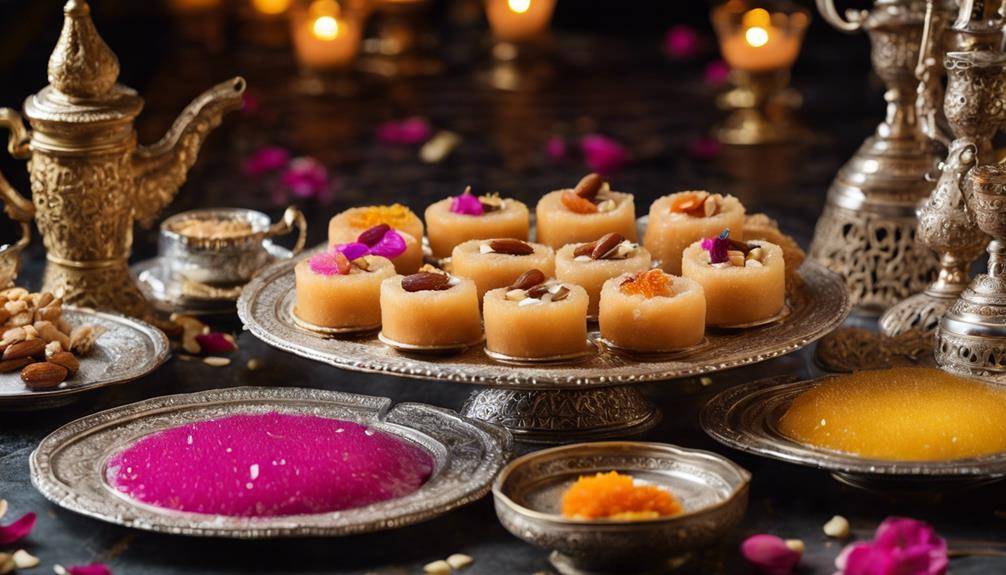
Best Middle Eastern Desserts Beyond Baklava; When you’re exploring Middle Eastern desserts beyond baklava, you’ll discover a tempting variety. Try knafeh, a sweet cheese pastry soaked in syrup, or ma’amoul, delightful shortbread cookies filled with dates or nuts. Halva, made from sesame or chickpeas, offers a rich taste with health benefits. Don’t miss basbousa, a semolina cake drenched in syrup, and qatayef, stuffed pancakes enjoyed during Ramadan. Lokum, or Turkish delight, provides a chewy treat, while pistachio cake showcases the region’s flavors. Each dessert tells a story of culture and tradition, and there’s so much more to uncover.
Knafeh
Knafeh has delighted taste buds for centuries, making it a staple in Middle Eastern dessert culture. You might be surprised to learn that the history of knafeh dates back to the Ottoman Empire, where it was crafted as a luxurious treat for special occasions. Over time, this dessert evolved, with each region adding its unique twist, resulting in a variety of knafeh variations that you can now enjoy.
When you think of knafeh, you might picture the classic version made with thin noodle-like pastry called kataifi, layered with gooey cheese and soaked in fragrant syrup. However, you’ll find plenty of other styles to explore. In Palestine, for example, knafeh is often made with semolina dough, creating a firmer texture that contrasts beautifully with the sweet syrup. Meanwhile, in Turkey, you might encounter a version filled with pistachios or walnuts, offering a nutty flavor that complements the sweetness.
Don’t forget to try the different toppings and flavorings that many variations incorporate. Some folks love to sprinkle crushed nuts or a hint of rose water on top, while others might prefer a drizzle of honey for added sweetness. Whether you’re indulging in a traditional slice from a local bakery or experimenting with a homemade recipe, knafeh’s rich history and diverse variations promise a delightful experience. So, grab a fork and plunge into this sweet journey through Middle Eastern dessert culture!
Ma’amoul
After enjoying the rich layers of knafeh, you might want to explore another beloved Middle Eastern dessert: ma’amoul. This delightful treat has a fascinating history, dating back centuries and often associated with festive occasions like Eid and weddings. Traditionally, ma’amoul is a shortbread cookie filled with various ingredients, giving you a chance to savor its unique flavors.
You’ll find ma’amoul variations that cater to different tastes and preferences. The most common fillings include dates, walnuts, and pistachios, but you can also discover creative adaptations that incorporate almond paste or even chocolate. Each region has its twist, ensuring that you can always find something new to enjoy.
Making ma’amoul is an art in itself. You’ll often see intricate designs pressed into the dough using special molds, making each cookie visually appealing. These molds not only add beauty but also carry cultural significance, reflecting the artistry of Middle Eastern culinary traditions.
When you bite into a freshly baked ma’amoul, you’ll experience a perfect blend of crumbly texture and rich filling. It’s often dusted with powdered sugar, adding a touch of sweetness that complements its flavor. Whether enjoyed with coffee or tea, ma’amoul is more than just a dessert; it’s a connection to the region’s rich culinary heritage. So, next time you crave something sweet, don’t overlook ma’amoul—it’s a delightful way to expand your palate and savor the flavors of the Middle East.
Halva
When you think of halva, imagine a sweet treat made from traditional ingredients like sesame paste and sugar. You’ll find that its varieties change from one region to another, each adding unique flavors and textures. Plus, exploring the health benefits can give you a new appreciation for this delightful dessert.
Traditional Ingredients Used
Halva, a beloved Middle Eastern confection, showcases the rich tapestry of traditional ingredients that define this region’s dessert landscape. At its core, halva typically consists of ground sesame seeds or chickpea flour, providing a nutty base that’s both wholesome and satisfying. You’ll find that traditional spices play a significant role in enhancing its flavor profile. Cardamom, cinnamon, and nutmeg add warmth and depth, making each bite a delightful experience.
What really sets halva apart are the unique sweeteners used in its preparation. While sugar is common, you might also encounter honey or molasses, bringing a distinct richness that complements the nuttiness of the base ingredients. These sweeteners not only add sweetness but also contribute to the overall texture and mouthfeel of the halva, making it a treat for your senses.
Additionally, some variations include ingredients like pistachios, almonds, or coconut, which offer a beautiful contrast in both flavor and texture. By exploring these traditional ingredients, you’ll appreciate how halva embodies the essence of Middle Eastern culinary heritage, creating a dessert that’s both simple and profoundly satisfying.
Varieties Across Regions
Exploring the diverse varieties of halva across the Middle East reveals fascinating regional adaptations that reflect local tastes and traditions. This traditional sweet takes on different forms, each carrying cultural significance. In Lebanon, you might find a sesame-based version, often enjoyed during festive occasions. Meanwhile, Turkish halva boasts a denser texture, usually made with semolina, perfectly paired with tea.
Each region offers unique flavor profiles, incorporating ingredients like pistachios, almonds, and even chocolate. These adaptations showcase historical influences, as trade routes brought various nuts and spices into the mix. Preparation rituals vary, too; some families hold onto cherished family recipes passed down through generations, while others experiment with seasonal variations, like adding rosewater in spring.
In Iran, halva is often served during religious events, highlighting its cultural importance. You could enjoy it with fresh fruit or yogurt, creating delightful dessert pairings that enhance the experience. By sampling these regional specialties, you not only indulge in delicious flavors but also gain insight into the rich tapestry of Middle Eastern culinary heritage. So, the next time you indulge in halva, remember the stories and traditions that make each bite special.
Health Benefits Explored
Beyond its delightful taste, halva offers several health benefits that make it a worthwhile treat. This sweet dessert, typically made from sesame seeds or nuts, packs a nutritional value that can support your well-being. Rich in healthy fats, protein, and fiber, halva can provide energy and promote satiety, helping you manage portion control effectively.
When you choose halva, you’re also exploring ingredient benefits. It often uses sugar alternatives, making it a better option for those mindful of their sugar intake. Additionally, the cultural significance of halva means it’s a beloved dessert that can be enjoyed in moderation, allowing you to savor the flavor profiles while still being considerate of your diet.
For those with dietary restrictions, halva can be adapted using various ingredients, making it inclusive for different lifestyles. Furthermore, many halva producers are adopting sustainable practices, ensuring the ingredients are sourced responsibly. By enjoying this treat in dessert moderation, you can appreciate both its taste and health effects while being conscious of your overall dietary choices. So, indulge in halva and reap its benefits while celebrating its rich heritage!
Basbousa
Now let’s turn our attention to basbousa, a beloved Middle Eastern dessert that’s both simple and delicious. You’ll find it’s made with just a few main ingredients, but there are plenty of variations that give it unique twists. We’ll also explore the preparation techniques that make this sweet treat so special.
Ingredients and Variations
When it comes to Basbousa, the key ingredients create a delightful balance of flavors and textures. You’ll start with semolina, which gives the cake its signature grainy texture. To sweeten it, consider using date syrup or honey variations, both of which add rich undertones. You can elevate the flavor with a splash of rose water, bringing a floral note that complements the sweetness.
For an extra burst of freshness, don’t forget to incorporate citrus zest; it brightens the dish beautifully. Nut mixtures, like almonds or pistachios, add a satisfying crunch, while herbal infusions and spice blends, such as cinnamon or cardamom, introduce warmth and depth.
If you want to experiment, you can also pair Basbousa with yogurt, creating a creamy contrast to the cake’s denseness. Each ingredient opens the door to countless variations, so feel free to mix and match according to your taste. Whether you stick to traditional flavors or venture into innovative combinations, Basbousa remains a versatile treat that’s sure to impress.
Preparation Techniques Explained
Basbousa’s preparation begins with a simple yet effective method that guarantees a moist and fluffy cake. First, you’ll mix semolina, yogurt, sugar, and baking powder until combined. This blend creates a batter that’s rich in flavor and texture, rooted in the dessert history of the Middle East. Pour the mixture into a greased baking dish, smoothing the surface with a spatula.
Next, you’ll score the top into diamond shapes, placing blanched almonds in the center of each piece. This step isn’t just decorative; it holds cultural significance, as it represents hospitality and the sharing of food within Middle Eastern traditions. Bake the basbousa in a preheated oven until golden brown, allowing the aromas to fill your kitchen.
While it bakes, prepare your sugar syrup by boiling water with sugar and adding a hint of lemon juice. Once the cake is out of the oven, pour the syrup over it, letting it soak in for that perfect balance of sweetness.
Qatayef
Qatayef, a delightful Middle Eastern pastry, is a must-try for anyone with a sweet tooth. This traditional treat is often enjoyed during Ramadan, symbolizing joy and celebration. Its history dates back centuries, and it has become a staple in various Middle Eastern cultures. The preparation of qatayef involves making a simple pancake-like batter, which you cook on one side before filling it with an array of delicious qatayef fillings.
You can choose from a variety of fillings, including sweet cheese, nuts, or even a creamy custard. Once filled, you fold the pancake to create a pocket and seal it securely. The real magic happens with the qatayef toppings, where you can drizzle honey or syrup over these delectable pastries or dust them with powdered sugar.
Qatayef variations are abundant, with some people opting to fry them for a crispy texture while others prefer to serve them fresh. Regardless of how you prepare them, the sweetness of qatayef is sure to satisfy your cravings. When it comes to serving, these pastries are often accompanied by a cup of tea or coffee, enhancing the overall experience.
The popularity of qatayef extends beyond just Ramadan; it’s a beloved dessert at various celebrations and gatherings. Whether you’re sharing them with family or friends, qatayef traditions bring everyone together, creating lasting memories. So, immerse yourself in this delicious world of qatayef, and celebrate its rich heritage and irresistible flavors!
Rice Pudding
Comfort and nostalgia often come to mind when thinking about rice pudding, a cherished dessert found throughout the Middle East. This creamy delight, known as “roz bil halib” in Arabic, brings together simple ingredients to create a warm and satisfying treat. You’ll find that the cooking techniques vary slightly from region to region, but the essence remains the same: rice, milk, sugar, and a touch of flavor.
To prepare rice pudding, start by rinsing your rice to remove excess starch, which helps achieve that desired creamy consistency. In a pot, simmer the rice with milk, stirring frequently to prevent sticking. This gentle cooking technique allows the rice to absorb the milk, creating a rich texture. Once the rice is tender and the pudding thickens, sweeten it to your liking.
Flavor pairings elevate rice pudding from ordinary to extraordinary. You might sprinkle cinnamon or cardamom on top for a warm, aromatic touch. Alternatively, add a splash of rose or orange blossom water for a floral note that dances on your palate. Some even incorporate nuts or dried fruits for added crunch and sweetness, making each bite a delightful surprise.
Whether you enjoy it warm or chilled, rice pudding embodies the spirit of Middle Eastern hospitality. It’s perfect for family gatherings or as a simple weeknight treat. So, next time you crave something comforting, consider preparing this beloved dessert and savor the flavors of tradition.
Muhallebi
After enjoying a bowl of creamy rice pudding, you might find yourself intrigued by another beloved dessert of the Middle East: muhallebi. This delightful milk pudding has a rich history that dates back to ancient Persia, where it was often flavored with rosewater, a tradition that continues today. As you explore muhallebi, you’ll discover how it has evolved across various cultures in the region, each adding unique twists to this classic treat.
Muhallebi’s base is a simple mixture of milk, sugar, and cornstarch, resulting in a silky texture that’s hard to resist. You can enjoy it plain or dress it up with an array of toppings. Some popular muhallebi variations include drizzling it with syrup made from dates or molasses, while others might sprinkle it with crushed nuts or coconut flakes. Each region has its own take, so you might find one topped with fresh fruit in one country and spiced with saffron in another.
It’s not just a dessert; muhallebi often holds a place in celebrations and gatherings, symbolizing hospitality and warmth. Whether you savor it in a small café in Istanbul or at a family gathering, muhallebi captures the essence of Middle Eastern sweetness. So, next time you crave a creamy dessert, consider indulging in muhallebi, a treat that connects you to centuries of culinary tradition.
Lokum
Among the cherished confections of the Middle East, lokum stands out with its delightful chewiness and vibrant flavors. Often referred to as Turkish delight, this treat has a fascinating lokum history that dates back to the 15th century in the Ottoman Empire. It was initially crafted for sultans and has since become a beloved sweet enjoyed by many around the world.
When you take a bite of lokum, you’ll experience its unique texture, which is both soft and chewy, making it an irresistible indulgence. The classic lokum flavors include rosewater, lemon, and pomegranate, but the variety doesn’t stop there. You might also find flavors like pistachio, orange, and mint, each bringing its own character to the confection. Many lokum varieties are dusted with powdered sugar or desiccated coconut, adding an extra layer of sweetness and texture.
Traditionally, lokum is served alongside coffee or tea, making it a perfect accompaniment for social gatherings. You may even come across it presented in beautiful boxes, showcasing its colorful appearance, which makes it a popular gift item.
If you’ve never tried lokum, now’s the time to explore this delightful treat. Whether you stick to the classic flavors or venture into more adventurous combinations, lokum promises a taste of Middle Eastern culture and history with each chewy bite. So go ahead, indulge your sweet tooth and savor the delights of lokum!
Baklava Variations
When it comes to baklava, you’ll find a variety of regional differences that make each version unique. From unique fillings like pistachios and walnuts to creative serving suggestions, there’s so much to explore. Let’s uncover the delightful twists that baklava offers across different cultures.
Regional Baklava Differences
Exploring the rich tapestry of regional baklava variations reveals how diverse this beloved dessert can be. Each region puts its unique spin on baklava, reflecting local traditions and cultural significance. In Turkey, for instance, you might encounter a thicker layer of nuts, while the Greek version often features honey syrup and cinnamon, creating a distinct flavor profile that sets it apart.
Moving to the Middle East, Lebanese baklava is known for its delicate pastry and emphasis on rose water, adding a fragrant touch that delights the senses. In contrast, Iranian baklava often incorporates saffron, showcasing a luxurious adaptation that highlights the region’s prized spice.
These regional adaptations not only showcase the versatility of baklava but also illustrate how each culture embraces this dessert. Whether it’s the choice of nuts, the syrup composition, or the preparation method, these variations reveal the deep connections communities have with baklava. You’ll find that no two bites are exactly the same, and with each taste, you’re experiencing a piece of history and tradition tied to the land and its people.
Unique Fillings and Flavors
Baklava isn’t just about layers of pastry; it’s also a canvas for unique fillings and flavors that elevate this dessert to new heights. You can experiment with various nuts, such as pistachios, walnuts, or even almonds, each offering distinct texture contrasts and flavor profiles. Consider incorporating seasonal ingredients like fresh figs or citrus zest to create a revitalizing twist.
Flavor infusions, such as rosewater or orange blossom, can add depth, transforming traditional baklava into a truly unique treat. For those looking for healthier options, sugar alternatives like honey or agave syrup can be used to sweeten your baklava while maintaining its cultural significance.
When it comes to dessert pairings, think about serving your baklava alongside a cup of strong coffee or spiced tea, enhancing the overall experience. During festive occasions, baklava variations often feature fusion recipes that combine local flavors with classic techniques, showcasing the dessert’s rich dessert history. By sourcing high-quality ingredients, you guarantee that every bite is a delightful celebration of taste, making your baklava a memorable centerpiece for any gathering.
Creative Serving Suggestions
While you can always enjoy baklava in its traditional form, getting creative with serving suggestions can elevate this beloved dessert even further. Consider presenting your baklava on a beautiful serving platter, garnished with edible flowers or fresh mint leaves. This adds visual appeal and a hint of freshness that complements the rich flavors.
For dessert pairings, think outside the box. Serve baklava alongside a scoop of creamy vanilla or pistachio ice cream. The contrasting temperatures and textures create a delightful experience. You could also drizzle some honey or a chocolate sauce over your baklava for an indulgent twist.
If you’re hosting a gathering, create a baklava bar. Offer various baklava variations—like chocolate, rose, or date—and let your guests choose their favorites. Pair them with strong Turkish coffee or sweet mint tea to enhance the flavors even more.
Lastly, consider bite-sized baklava pieces for easy sharing at parties. These small servings can be arranged on a tiered serving platter, making it easy for guests to indulge while mingling. With these creative serving suggestions, you’ll transform baklava from a simple dessert into a showstopper.
Pistachio Cake
Pistachio cake is a delightful treat that captures the essence of Middle Eastern flavors in every bite. This cake brings together the rich, nutty taste of pistachios, which have deep roots in the region, originating from Central Asia and the Middle East. You’ll find that the combination of ground pistachios and fragrant spices creates a moist, flavorful dessert that’s both comforting and exotic.
The history of cake itself dates back centuries, evolving through various cultures and traditions, but pistachio cake uniquely represents the melding of Middle Eastern ingredients with modern baking techniques. You might be surprised to learn that this dessert often features variations, from light and fluffy sponge cakes to denser, moist cakes, each one offering a different experience.
As you enjoy a slice of pistachio cake, you’re not just tasting a dessert; you’re experiencing a blend of history and culture. The cake can be served plain, but adding a drizzle of syrup or a dollop of whipped cream elevates it further. It’s perfect for celebrations or just a cozy afternoon treat with tea.
When you serve pistachio cake, you invite your guests to savor a piece of the Middle East, bridging flavors and traditions. So, next time you’re in the mood for something sweet, consider whipping up this delightful cake. It’s sure to impress and satisfy, making it a wonderful addition to your dessert repertoire.
Saffron Desserts
Saffron desserts offer a unique and luxurious experience that tantalizes the taste buds. This precious spice, often referred to as “red gold,” has a rich saffron history that dates back thousands of years. Its origins can be traced to ancient Persia, where saffron cultivation began, making it an integral part of Middle Eastern cuisine.
When you use saffron flavoring in your desserts, you’re infusing them with a distinctive taste that’s both earthy and floral. This flavor pairs beautifully with ingredients like rice, milk, and nuts, leading to delightful saffron recipes like saffron rice pudding or saffron-infused cakes. You’ll find that the vibrant golden hue saffron imparts not only enhances the visual appeal but also elevates the overall experience.
Saffron varieties can vary in flavor and potency, so it’s important to choose high-quality strands for the best results. Beyond its culinary uses, saffron boasts numerous health benefits. Studies suggest that saffron may improve mood and act as an antioxidant, making it a valuable addition to your diet.
Next time you’re exploring Middle Eastern desserts, don’t overlook the allure of saffron. Whether you’re trying your hand at a classic dessert or experimenting with innovative recipes, the luxurious essence of saffron will certainly leave a lasting impression. Indulging in these saffron desserts is more than just a treat; it’s a journey through history and culture, all wrapped up in a delicious bite.
Frequently Asked Questions: Best Middle Eastern Desserts Beyond Baklava
What Are Traditional Middle Eastern Dessert Serving Customs?
When serving traditional desserts, you’ll notice sweet serving often involves communal sharing. This practice holds cultural significance, fostering connection and hospitality among guests, reinforcing bonds, and celebrating special occasions with joy and generosity.
How Do I Store Leftover Middle Eastern Desserts?
To store leftover desserts, use these dessert preservation tips: wrap them tightly in plastic wrap or place them in airtight containers. For ideal freshness, refrigerate them using proper fridge storage methods. Enjoy later!
Are There Gluten-Free Middle Eastern Desserts Available?
Yes, there’re plenty of gluten-free options in Middle Eastern desserts. You can find treats made with rice flour, almond flour, or semolina. Always check dessert ingredients to guarantee they meet your dietary needs. Enjoy exploring!
Can I Find Middle Eastern Desserts in Grocery Stores?
Yes, you can find Middle Eastern sweets in grocery stores. Many offer a variety of options, like halva, maamoul, and date-filled treats. Check the international aisle for a delightful selection that you’ll enjoy!
What Beverages Pair Well With Middle Eastern Desserts?
When considering dessert pairings, you can’t go wrong with traditional beverages like mint tea or rosewater lemonade. They complement the sweetness of desserts beautifully, enhancing your overall experience and making each bite even more enjoyable.

Conclusion
Exploring Middle Eastern desserts beyond baklava opens up a world of flavors and textures. From the warm, cheesy goodness of knafeh to the delicate sweetness of ma’amoul, there’s something for everyone to enjoy. Don’t forget the nutty richness of halva or the comforting embrace of basbousa. Each treat tells a story and reflects the region’s rich heritage. So, next time you crave something sweet, venture beyond baklava and indulge in these delightful desserts!