Great Caribbean Culinary Traditions And History
Caribbean Culinary Traditions And History reflect a vibrant mix of indigenous, African, European, and Asian influences. Caribbean culinary traditions are a vibrant tapestry woven from centuries of migration, cultural exchange, and ancestral wisdom. Each island carries its own story — told through spices, cooking methods, and the blending of Indigenous, African, European, and Asian influences. This guide explores how history shaped the flavors we know today, revealing the roots behind beloved dishes and the cultural significance that makes Caribbean cuisine so unique.
We’ve Got Everything You Need to Make Your Masterpiece.
Key Insights Into Caribbean Culinary Traditions & History
- How Indigenous, African, European, and Asian cultures shaped Caribbean food
- The historical events that influenced cooking styles across the islands
- Signature ingredients and why they became staples
- Traditional cooking methods passed down through generations
- How Caribbean cuisine continues to evolve in modern kitchens
Indigenous Influences
The Caribbean’s culinary landscape is deeply shaped by its indigenous influences, which date back thousands of years. When you explore the region’s food traditions, you’ll quickly discover the profound impact of Taino agriculture. The Tainos cultivated staples like cassava and sweet potatoes, which remain essential in Caribbean kitchens today. You might be surprised to find how Arawak spices, such as allspice and hot pepper, have become integral to seasoning dishes across the islands.
As you investigate further, you’ll encounter Maroon cooking, which reflects the resourcefulness of escaped slaves who blended indigenous techniques with African traditions. Their dishes often celebrate community and resilience, showcasing unique methods of preparation. You’ll notice how indigenous rituals play a role in culinary practices, transforming meals into sacred experiences that honor ancestors and nature.
Healing practices also emerge from these indigenous roots. Many Caribbean communities still rely on traditional herbs and remedies passed down through generations for health and wellness. This connection to the earth and its bounty is evident in the way locals approach food—viewing it not just as sustenance, but as a crucial part of their identity.
Don’t overlook traditional fishing techniques either. These methods, honed over centuries, are still in use today, providing fresh seafood that perfectly complements the region’s vibrant flavors. Embracing these indigenous influences allows you to appreciate the rich tapestry of Caribbean culinary traditions, revealing a history that’s as diverse as the islands themselves.
European Colonial Impact
While exploring Caribbean culinary traditions, you can’t ignore the significant impact of European colonialism, which introduced new ingredients and cooking techniques that transformed the region’s food landscape. The colonial trade networks established by European powers played an important role in this gastronomic evolution, as they facilitated the exchange of spices, herbs, and other resources. As you investigate deeper, you’ll see how the spice routes connected the Caribbean to global markets, leading to a rich culinary fusion that blended indigenous flavors with European influences.
Plantation agriculture became a cornerstone of colonial economies, introducing crops like sugarcane, coffee, and cocoa. These staples not only shaped local diets but also altered the food hierarchy, with certain ingredients becoming symbols of wealth and status. The culinary landscape reflected these colonial legacies, where dishes evolved to incorporate both the new and the traditional, resulting in a vibrant tapestry of flavors.
Cultural exchange was essential during this period, as European settlers, enslaved Africans, and indigenous peoples interacted and shared their culinary practices. This interaction fostered innovation, leading to unique dishes that you might find in modern Caribbean kitchens today. You might encounter meals that tell stories of resilience and adaptation, showcasing how colonial influences have left an indelible mark on the region’s gastronomy. Understanding these elements is fundamental for appreciating the complexity and richness of Caribbean culinary traditions, revealing how history continues to shape the food you enjoy today.
African Culinary Contributions
When you explore Caribbean cuisine, you can’t overlook the essential role enslaved Africans played in shaping its flavors. Their traditional ingredients, cooking methods, and unique techniques brought richness and depth that still define the region’s culinary landscape today. Let’s uncover how these contributions created a vibrant fusion of tastes and practices in Caribbean cooking.
Enslaved Africans’ Influence
Amidst the vibrant tapestry of Caribbean cuisine, the influence of enslaved Africans stands out as a foundational thread. Their culinary contributions reflect remarkable cultural resilience, shaping the region’s food landscape through flavor adaptations and unique cooking techniques. You can trace these influences in historical narratives that celebrate the creativity and resourcefulness of enslaved people. They transformed local ingredients into nourishing meals, often incorporating ancestral recipes passed down through generations.
Culinary fusion emerged from this blending of African, Indigenous, and European influences, creating dishes that resonate deeply during community gatherings. Foods like callaloo and rice and peas carry rich food symbolism, representing unity and survival. The agricultural practices introduced by enslaved Africans also played a vital role, as they cultivated crops such as yams and cassava, which became staples in Caribbean diets.
We’ve Got Everything You Need to Make Your Masterpiece.
Traditional Ingredients and Techniques
You can truly appreciate the rich flavors of Caribbean cuisine by exploring the traditional ingredients and techniques that enslaved Africans brought to the region. They introduced a variety of staple ingredients, such as okra, yams, and cassava, which became central to many Caribbean dishes. These ingredients not only added depth to the cuisine but also reflected the agricultural practices of their homelands.
The use of spice blends is another significant contribution. You’ll find that these blends often include allspice, thyme, and pepper, creating a unique flavor profile that defines Caribbean cooking. The combination of spices enhances the taste of meats, vegetables, and stews, making each dish a celebration of flavor.
Moreover, traditional cooking vessels like clay pots and cast-iron skillets remain essential in preparing many meals. These vessels allow for slow cooking, which helps to develop rich, complex flavors that are characteristic of the Caribbean culinary style. By understanding these ingredients and techniques, you’ll gain a deeper appreciation for how African culinary traditions have shaped the vibrant and diverse food culture of the Caribbean today.
Cooking Methods and Flavors
Building on the foundation of traditional ingredients and techniques, the cooking methods used in Caribbean cuisine further highlight the rich culinary contributions of African heritage. You’ll find that these methods embrace a variety of cooking vessels, each adding unique flavors to the dishes. For instance, the use of clay pots and cast-iron skillets allows for slow cooking, enhancing the depth of flavors in stews and meats.
African influence is also evident in the vibrant spice combinations that define Caribbean dishes. You can’t underestimate the importance of spices like allspice, thyme, and Scotch bonnet peppers, which are often blended to create bold, aromatic profiles. When you cook, try experimenting with these spice combinations to evoke the essence of the islands.
Moreover, techniques like grilling, smoking, and frying showcase the creativity and resourcefulness that African culinary traditions brought to the Caribbean. These methods not only make the food delicious but also connect you to a history that celebrates resilience and innovation. So, as you explore Caribbean cooking, remember the profound influence of African heritage in every bite. Enjoy the journey through flavors and techniques that tell a story of culture and tradition.
Asian Flavor Infusions
How do Asian flavors elevate Caribbean cuisine? By blending unique spice combinations and techniques, you can create fusion recipes that reflect the rich tapestry of both cultures. Imagine a dish that marries the boldness of Caribbean jerk seasoning with the umami depth of soy sauce. This combination not only tantalizes your taste buds but also introduces a new dimension to traditional Caribbean fare.
You might start by incorporating coconut milk into a Thai curry, infusing it with local ingredients like plantains or fresh seafood. This approach allows you to honor Caribbean traditions while embracing the aromatic herbs like lemongrass and ginger that are staples in Asian cooking. The result? A vibrant, flavorful dish that surprises and delights.
Think about using Asian-style marinades on grilled meats. A blend of sesame oil, garlic, and lime juice can transform your chicken or fish, giving it a zesty kick that complements the smokiness of the grill. You’ll find that these spice combinations not only enhance the flavors but also create a beautiful harmony between two culinary worlds.
Don’t forget about the impact of presentation. Asian dishes often emphasize color and arrangement, which can elevate a Caribbean plate to a work of art. By experimenting with these fusion recipes, you’ll discover how Asian flavors can invigorate classic Caribbean dishes, making your meals an exciting celebration of both cultures. So, go ahead—get creative and enjoy the delicious results!
Key Ingredients of the Caribbean
The Caribbean kitchen is a vibrant tapestry woven from diverse cultures, showcasing a variety of important ingredients that define its culinary landscape. You’ll find that spice blends play a vital role in Caribbean cooking, infusing dishes with flavors that are bold and aromatic. Common blends include allspice, nutmeg, and cinnamon, often mixed with garlic, thyme, and pepper. These combinations bring warmth and depth, making every bite a celebration of the islands’ rich history.
Tropical fruits are another fundamental component of Caribbean cuisine. Picture the juicy sweetness of mangoes, the tartness of pineapples, and the creamy texture of coconuts. These fruits aren’t just for snacking; they’re incorporated into savory dishes and invigorating beverages. You might enjoy a zesty mango salsa that brightens up grilled fish or a coconut curry that envelops chicken in a creamy, dreamy sauce.
Additionally, you can’t overlook staple ingredients like rice, beans, and fresh seafood, which serve as the foundation for many meals. The interplay of these ingredients reflects the region’s agricultural bounty and maritime heritage. By embracing the vibrant spice blends and luscious tropical fruits, you’ll experience the essence of Caribbean cooking. Each meal tells a story, inviting you to savor the rich flavors and traditions that define this beautiful region. As you explore these important ingredients, you’ll appreciate how they come together to create a unique culinary experience that’s both delicious and culturally significant.
Traditional Cooking Techniques
Caribbean cooking techniques are just as vibrant and varied as the key ingredients that define the region’s culinary scene. You’ll find that smoking techniques play a significant role, infusing meats and fish with rich flavors that resonate with the coastline’s essence. Utilizing slow cooking methods allows hearty stews and soups to develop deep, satisfying flavors over time, giving you that comforting taste of home.
Grilling practices are also popular, often taking place outdoors where the tropical breeze adds to the experience. You’ll enjoy the smoky aroma of grilled jerk chicken or fish, cooked over open flames, creating a perfect char while preserving the juiciness inside. Fermentation processes, such as making the beloved hot pepper sauce, bring an exciting tang to many dishes, enhancing the overall flavor profile.
Baking traditions are prominent too, with delicious bread and pastries that reflect the island’s history. Imagine the warmth of freshly baked coconut bread wafting through your kitchen. Stewing techniques, often employed with meats and vegetables, allow for a medley of flavors to meld beautifully, resulting in dishes that are both hearty and satisfying.
Sautéing styles, commonly used for vegetables and seafood, highlight the region’s fresh produce, allowing natural flavors to shine. Finally, marinating practices, especially with spices and herbs, elevate your dishes, ensuring every bite bursts with Caribbean flair. With these techniques, you capture the essence of Caribbean culinary traditions in your own kitchen.
We’ve Got Everything You Need to Make Your Masterpiece.
Signature Dishes Across Islands
Across the Caribbean, each island boasts its own signature dishes that reflect unique cultural influences and local ingredients. When you explore these culinary delights, you’ll discover an array of spicy seafood that showcases the region’s rich marine resources. For instance, in Jamaica, you can’t miss the iconic jerk chicken, marinated in island spices that create a flavor explosion.
As you wander through local markets, you’ll encounter tropical fruits like mangoes, guavas, and pineapples, which often find their way into seasonal dishes. In Puerto Rico, try the mofongo, a mashed plantain dish that’s often served with shrimp or pork, highlighting the cultural fusions that define Caribbean cuisine. Each bite connects you to the island’s culinary heritage.
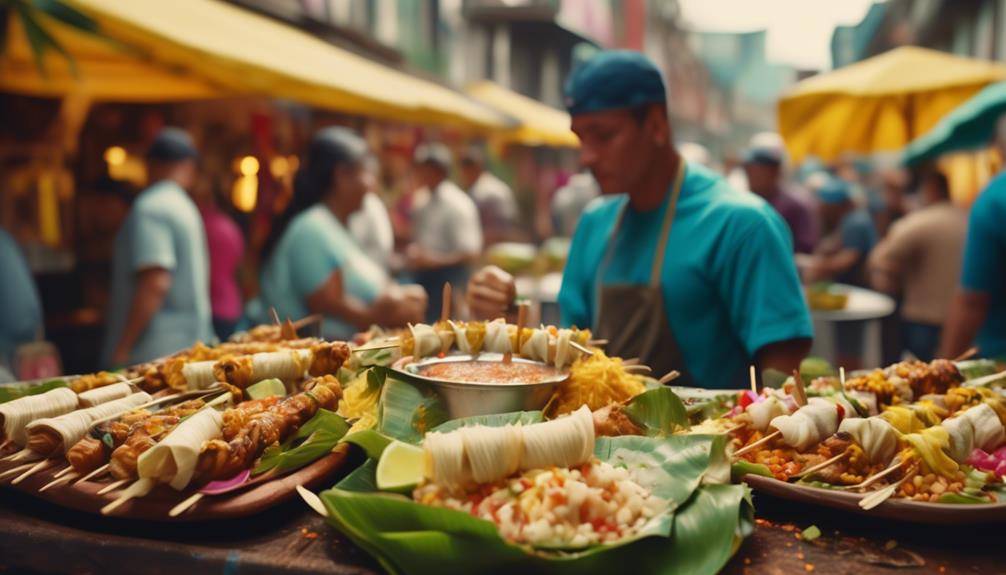
Street food is another important aspect of Caribbean dining. In Trinidad, you can savor doubles, a delightful combination of curried chickpeas tucked between two pieces of fried bread. This dish is a popular choice for festive meals and casual gatherings alike.
Family recipes play a significant role in maintaining these culinary traditions. You’ll often find grandmothers passing down secret ingredients and cooking techniques, ensuring that the flavors of the islands remain authentic and vibrant. Whether you’re indulging in a hearty stew from the Bahamas or enjoying a invigorating fruit salad in St. Lucia, each dish tells a story of its own, inviting you to indulge in the rich tapestry of Caribbean flavors.
Festivals and Culinary Celebrations
Often, vibrant festivals across the Caribbean showcase the region’s rich culinary heritage, inviting locals and tourists alike to indulge in unforgettable flavors. These cultural festivals celebrate not just the food itself but the stories and traditions behind each dish. You’ll find a kaleidoscope of tastes reflecting the diverse influences that shaped Caribbean cuisine, from African and Indigenous to European.
During events like Trinidad’s Carnival or the Bahamas’ Junkanoo, food plays a central role. Vendors line the streets, offering everything from spicy jerk chicken to sweet conch fritters, allowing you to taste the island’s history in every bite. Each festival highlights signature dishes unique to its culture, ensuring you get a true sense of the local food heritage.
As you wander through these festivities, you’ll encounter live cooking demonstrations, where chefs share secrets of their culinary art. Participating in these hands-on experiences adds a deeper appreciation for the techniques and ingredients that bring Caribbean flavors to life.
The sense of community at these gatherings is palpable. You’ll see families enjoying meals together, and friends bonding over shared dishes, reminding you that food is more than sustenance; it’s a way to connect.
Modern Caribbean Cuisine Trends
There’s a dynamic evolution happening in Caribbean cuisine today, as chefs and home cooks alike embrace innovation while honoring traditional flavors. You’ll find an exciting blend of fusion flavors that reflect the region’s diverse heritage. Culinary innovation is driving many kitchens, where local chefs experiment with seasonal ingredients to create modern dishes that still pay homage to their roots.
Sustainable practices are becoming a priority, with many restaurants focusing on local sourcing to support nearby farmers and reduce their carbon footprint. This commitment not only enhances the freshness of the ingredients but also strengthens the community and encourages food tourism. Travelers are now enthusiastic to explore authentic Caribbean dishes, seeking experiences that highlight local flavors and culinary artistry.
Health trends are also making their way into the Caribbean dining scene. You’ll notice an increase in vegetarian options, catering to a more health-conscious audience while still showcasing the region’s vibrant produce. Street food has gained popularity, too, transforming humble carts into gourmet dining experiences that celebrate the essence of Caribbean culture.
Whether you’re indulging in a gourmet meal at a high-end restaurant or grabbing a quick bite from a local vendor, modern Caribbean cuisine offers something for everyone. Embrace the culinary journey that’s unfolding—each dish tells a story, connecting tradition with the future, and inviting you to savor the richness of the Caribbean.
We’ve Got Everything You Need to Make Your Masterpiece.
Frequently Asked Questions
What Role Does Music Play in Caribbean Culinary Traditions?
Music creates an atmosphere that enhances your culinary experience. As you cook, culinary rhythms intertwine with the ingredients, while musical flavors elevate the meal, making each dish a celebration of taste and sound. Enjoy the harmony!
How Have Climate Changes Affected Caribbean Food Production?
Climate changes affect food production by altering rainfall patterns and temperatures. You’ll see farmers focusing on climate adaptation strategies and increasing crop diversity to guarantee resilience and sustainability amid these shifting environmental conditions.
Are There Any Unique Food Customs for Caribbean Weddings?
At Caribbean weddings, you’ll often enjoy vibrant wedding feasts that reflect cultural significance. Guests savor traditional dishes, celebrating love and heritage, while lively music enhances the joyous atmosphere, making each celebration uniquely memorable and meaningful.
What Are Popular Beverages Paired With Caribbean Meals?
When enjoying Caribbean meals, you’ll love pairing them with invigorating rum cocktails, tropical smoothies, or vibrant fruit juices. Don’t forget to try local coffee varieties, herbal teas, and the hydrating goodness of coconut water!
How Do Local Markets Influence Caribbean Cooking Styles?
Local markets shape your cooking styles considerably. You source fresh, local ingredients that reflect market culture, ensuring your dishes are vibrant and authentic. This connection to the community enriches your culinary experience and creativity.

Conclusion
Caribbean cuisine is more than a collection of dishes — it’s a living archive of resilience, creativity, and cultural fusion. Understanding its history deepens your appreciation for every flavor, from smoky jerk to fragrant curries and tropical stews. As these traditions continue to evolve, they remain rooted in the stories of the people who shaped them. Let this knowledge inspire you to explore, cook, and celebrate the rich culinary heritage of the Caribbean.