Exciting Chinese Influences In Indonesian Cuisine
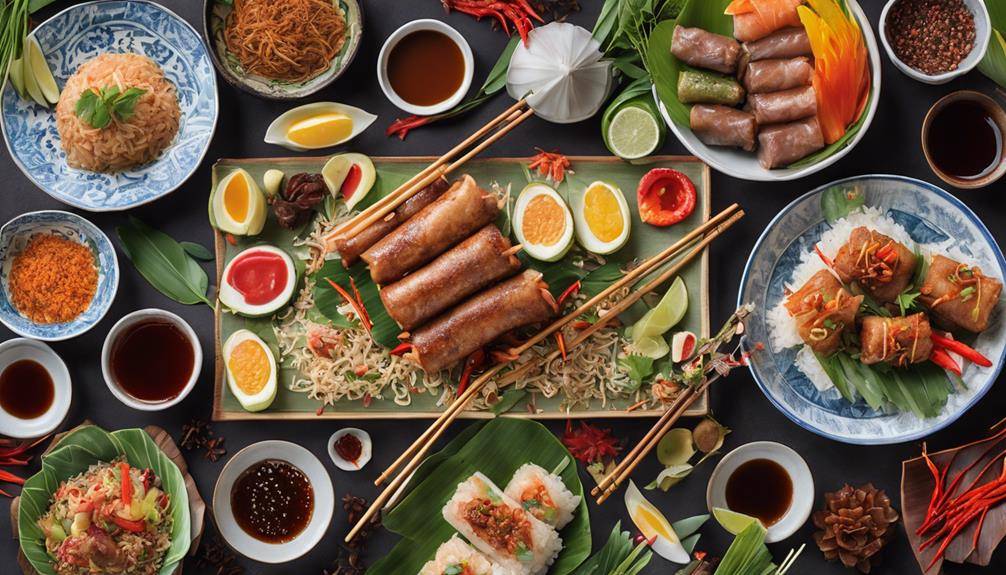
Chinese Influences In Indonesian Cuisine; Chinese influences greatly shape Indonesian cuisine, thanks to waves of Chinese migration during the 19th and early 20th centuries. You’ll notice unique flavors and cooking techniques, like wok cooking and steaming, which enhance dishes. Ingredients such as soy sauce and five spice powder are staples, adding depth to favorites like Kwetiau and Mie Goreng. The fusion between Chinese and Indonesian elements not only enriches the flavors but also celebrates cultural exchange. As you explore more, you’ll discover how these culinary traditions create a vibrant tapestry of tastes in Indonesian kitchens today.
Historical Context of Chinese Migration
Throughout history, countless Chinese migrants have settled in Indonesia, shaping the nation’s culinary landscape in profound ways. These migration waves, particularly during the 19th and early 20th centuries, brought diverse Chinese communities to the archipelago. As you explore this rich history, you’ll find that these communities didn’t just bring ingredients; they introduced unique cooking techniques and flavors that would eventually meld with local traditions.
As you investigate deeper, you’ll see how cultural assimilation played an essential role in this transformation. Chinese migrants adapted their culinary practices to suit Indonesian tastes, using local spices and ingredients to create dishes that resonated with both their heritage and their new home. Think about how Hakka, Cantonese, and other regional Chinese cuisines merged with Indonesian staples, resulting in a vibrant fusion that appeals to a wide range of palates.
This blending of cultures didn’t happen overnight. Over generations, the Chinese community established itself, contributing to the social and economic fabric of Indonesia. You can trace the influence of these communities in everyday dishes, from noodle soups to stir-fries, all bearing the marks of cultural exchange. As you enjoy the rich flavors of Indonesian cuisine, remember that each bite reflects a long history of migration and adaptation, showcasing how food can bring together diverse cultures into a cohesive culinary identity.
Key Ingredients in Fusion Dishes
While exploring Indonesian fusion dishes, you’ll quickly notice that certain key ingredients stand out, reflecting the harmonious blend of Chinese and Indonesian culinary traditions. One essential ingredient is soy sauce, which adds depth and umami to various dishes. You’ll find it used in stir-fries, marinades, and dipping sauces, enhancing the flavor profile and tying together the dish’s components. The versatility of soy sauce makes it a staple in many Indonesian kitchens, often combined with local spices to create unique flavors.
Another crucial ingredient is five spice powder, a blend of star anise, cloves, Chinese cinnamon, Sichuan pepper, and ginger. This aromatic mix brings a rich complexity to dishes, infusing them with warmth and a hint of sweetness. You can often find five spice seasoning in braised meats, roasted dishes, and even in some noodle recipes, where it complements the bold, savory elements of Indonesian cuisine.
When you incorporate these ingredients into your cooking, you’re not just following a recipe; you’re participating in a cultural exchange that reflects the history and evolution of these culinary traditions. Whether you’re preparing a simple stir-fry or an elaborate feast, remember that using soy sauce and five spice can elevate your dish, making it a delightful fusion of flavors that honors both Chinese and Indonesian influences. Enjoy the journey of flavors as you cook and savor these unique dishes!
Popular Chinese-Indonesian Dishes
When you immerse yourself in the world of Chinese-Indonesian cuisine, you’ll encounter a vibrant array of dishes that beautifully showcase this culinary fusion. One standout is “Kwetiau,” a type of flat rice noodle stir-fried with an assortment of ingredients like seafood, chicken, and vegetables. The dish often gets a punch of flavor from sweet soy sauce, giving it a rich, caramelized finish that you won’t soon forget.
Another popular choice is “Mie Goreng,” or fried noodles, which has become a staple in many Indonesian households. This dish features egg noodles tossed with vegetables, proteins, and a hint of spice, all brought together with that signature sweet soy sauce. You can easily customize it with chicken, shrimp, or tofu, making it a versatile option that suits any palate.
Don’t forget about “Bakmi,” a delectable noodle soup that warms your heart. With its savory broth and tender noodles, it’s typically garnished with vegetables and slices of meat, creating a balanced meal that’s both comforting and satisfying.
For something a little different, try “Nasi Goreng,” which is fried rice with a blend of spices and often topped with a fried egg. It’s a dish that brings together various influences, and while it’s primarily Indonesian, you’ll find traces of Chinese seasoning in the mix.
Exploring these dishes will deepen your appreciation for the rich flavors born from this unique culinary blend.
Cooking Techniques and Methods
To truly appreciate the flavors of Chinese-Indonesian cuisine, understanding the cooking techniques and methods is key. One of the most prominent tools in this culinary tapestry is the wok. You’ll find that wok techniques are essential for achieving that distinctive smoky flavor known as “wok hei.” Whether you’re stir-frying vegetables or searing meat, using high heat and quick movements allows the ingredients to retain their moisture, texture, and vibrant colors. It’s about balance; you’ll want to guarantee that everything cooks evenly without losing its original essence.
Another important method is steaming, which showcases a different aspect of Chinese-Indonesian cooking. Steaming methods allow you to cook food gently, preserving the natural flavors and nutrients. You might use bamboo steamers, which not only infuse your dishes with a subtle aroma but also highlight the dish’s authenticity. Foods like dumplings and buns benefit greatly from this technique, as they become tender and juicy without relying on excess oil.
Experimenting with these techniques in your own kitchen can elevate your cooking. You’ll notice how mastering wok techniques and steaming methods can lead to a deeper understanding of the harmony in Chinese-Indonesian dishes. Embrace the speed and precision of wok cooking, or the gentle embrace of steam, and you’ll release a world of flavor that reflects the rich cultural exchange between these two culinary traditions.
Cultural Significance of Culinary Exchange
Culinary exchange is a vibrant tapestry woven through history, reflecting the deep connections between cultures. When you explore the flavors of Indonesian cuisine infused with Chinese elements, you’re witnessing a form of culinary diplomacy at work. This exchange goes beyond mere ingredients; it’s about fostering relationships and understanding between communities.
As you savor dishes like fried rice or dumplings, remember that these foods carry stories and histories that shape cultural identity. Through shared meals, people break barriers and celebrate diversity, allowing culinary traditions to flourish. This blending of flavors isn’t just about taste; it’s about embracing and honoring the richness of both Indonesian and Chinese cultures.
In recent years, culinary diplomacy has gained prominence, with chefs and food enthusiasts advocating collaboration and respect for each other’s heritage. You might find festivals celebrating this fusion, where local and Chinese chefs showcase their skills, creating opportunities for dialogue and exchange. These events reinforce the idea that food can unite people, transforming the dining table into a platform for cultural appreciation.
Ultimately, culinary exchange enriches your understanding of the world. It encourages you to appreciate the nuances of flavors, the techniques that define a cuisine, and the cultural identities that shape communities. So, the next time you enjoy a dish that blends Chinese and Indonesian influences, take a moment to reflect on the cultural significance behind it—it’s a delicious reminder of our shared humanity.
Frequently Asked Questions: Chinese Influences In Indonesian Cuisine
What Role Did Trade Play in Culinary Exchanges Between China and Indonesia?
Trade opened culinary pathways between China and Indonesia, creating a vibrant exchange of flavors. Historical trade routes facilitated the sharing of spices, techniques, and ingredients, enriching both cuisines and leaving lasting impacts on local food traditions.
How Do Modern Chinese-Indonesian Restaurants Differ From Traditional Home Cooking?
Modern Chinese-Indonesian restaurants offer menu innovations that elevate traditional flavors, creating unique dining experiences. You’ll find vibrant atmospheres and diverse dishes that differ from home cooking, which focuses more on family recipes and simpler presentations.
Are There Regional Variations in Chinese-Indonesian Dishes Across Indonesia?
Yes, you’ll find regional specialties in Chinese-Indonesian dishes across Indonesia. Each area embraces cultural adaptations, blending local ingredients and flavors, resulting in unique dishes that reflect the diverse culinary landscape of the archipelago.
How Have Chinese-Indonesian Dishes Evolved in Contemporary Indonesian Society?
You’ve seen how contemporary Indonesian society embraces cultural fusion, creating unique dishes that reflect both tradition and innovation. Culinary innovation thrives as chefs blend flavors, making Chinese-Indonesian cuisine a vibrant part of the modern culinary landscape.
What Is the Impact of Globalization on Chinese-Indonesian Cuisine Today?
Globalization’s reshaping culinary identity, and you’ll find fusion flavors blending traditions. As cultures mix, you’ll discover Chinese-Indonesian dishes evolving, reflecting diverse influences and creating exciting, new culinary experiences that resonate with modern palates.

Conclusion
In exploring Chinese influences in Indonesian cuisine, you see how migration and cultural exchange have shaped flavors and dishes. The fusion of key ingredients and unique cooking techniques creates a vibrant culinary landscape that reflects both traditions. Popular dishes showcase this rich blend, making each bite a delicious reflection of history. Embracing these influences not only enriches your palate but also deepens your appreciation for the diverse cultures that make up Indonesia’s culinary identity.