Why Does Cooking With Great Spices Boost Health
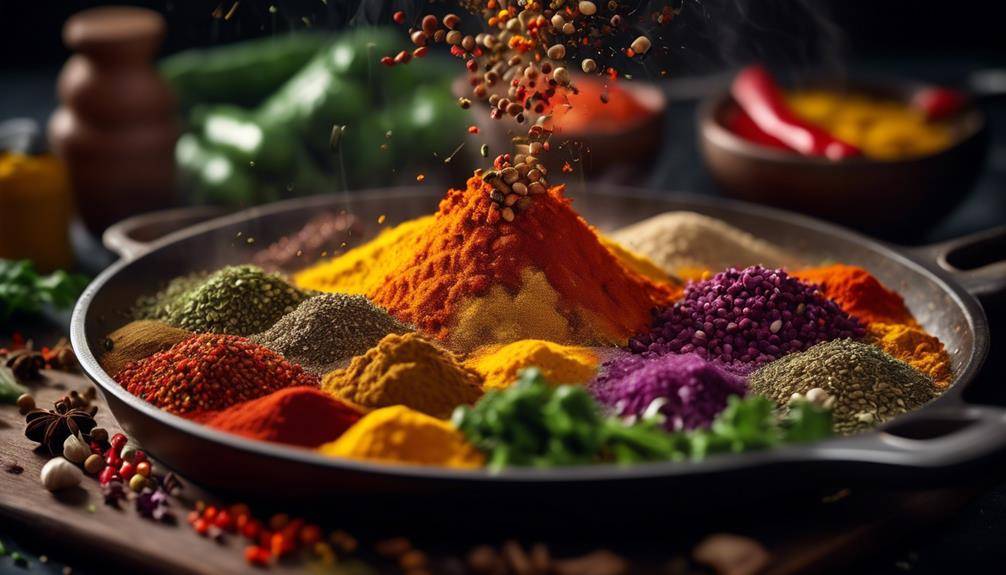
Does Cooking With Great Spices Boost Health; Have you ever wondered why adding spices to your cooking can actually boost your health? It might seem like a coincidence, but the truth is that spices have been used for centuries not just for their flavor, but also for their remarkable health benefits. In this discussion, we will explore the science behind the incredible effects of cooking with spices, from their powerful antioxidant properties to their ability to enhance brain function. Get ready to discover how these humble ingredients can do wonders for your well-being.
Ancient Origins of Spice Use
Spice use has a long and rich history, dating back to ancient civilizations around the world. The origins of spice use can be traced back to the spice trade routes that connected different regions and cultures. These trade routes served as conduits for the exchange of not just spices, but also ideas, technologies, and cultural practices.
Spices held great cultural significance in ancient times. They were considered valuable commodities and were often used as a form of currency. The demand for spices was so high that it fueled exploration and trade expeditions, leading to the discovery of new lands and the establishment of empires.
The spice trade routes played a crucial role in shaping the world we know today. They facilitated cultural exchange and influenced the development of various cuisines around the globe. For example, the Silk Road, one of the most famous spice trade routes, connected Europe with Asia and contributed to the spread of spices like cinnamon, ginger, and cardamom.
Spices not only added flavor to dishes but also served medicinal purposes. Ancient civilizations recognized the health benefits of spices and used them for their healing properties. For instance, turmeric was used in Ayurvedic medicine for its anti-inflammatory properties, while cumin was believed to aid digestion.
The Science Behind Spice Health Benefits
Did you know that spices contain bioactive compounds that have been linked to various health benefits? These compounds, such as curcumin in turmeric and capsaicin in chili peppers, have shown anti-inflammatory properties that can help reduce chronic inflammation in the body. Additionally, some studies suggest that certain spices may have potential cancer-fighting effects, although more research is needed to fully understand their role.
Bioactive Compounds in Spices
Bioactive compounds found in spices have been scientifically proven to provide numerous health benefits. Spices are rich sources of phytochemicals, which are naturally occurring compounds that have been shown to have positive effects on human health. These phytochemicals exhibit various biological activities, such as antioxidant, anti-inflammatory, and antimicrobial properties. For example, curcumin, a compound found in turmeric, has been studied extensively for its anti-inflammatory and antioxidant effects.
Cinnamon contains cinnamaldehyde, which has been shown to have antimicrobial activity. Ginger contains gingerol, a compound that has been found to have anti-inflammatory and analgesic properties. These bioactive compounds in spices have been linked to potential health benefits, including reducing the risk of chronic diseases such as heart disease, cancer, and diabetes. Incorporating a variety of spices into your diet can be an easy and delicious way to enhance your health.
Anti-Inflammatory Properties
Numerous scientific studies have demonstrated the anti-inflammatory properties of the bioactive compounds found in spices, providing a solid scientific foundation for the health benefits associated with incorporating these flavorful ingredients into your diet. Inflammation is a natural response by the body to protect against infection or injury.
However, chronic inflammation has been linked to various diseases, including heart disease, diabetes, and cancer. Spices such as turmeric, ginger, and cinnamon contain powerful antioxidants and anti-inflammatory compounds that can help reduce inflammation in the body. By incorporating these spices into your daily meals, you can not only add delicious flavors to your dishes but also potentially lower your risk of chronic diseases. Consider trying anti-inflammatory recipes that feature these spices to maximize their health benefits.
Potential Cancer-Fighting Effects
Spices have been shown to have potential cancer-fighting effects, backed by scientific research on their bioactive compounds. Here are three compelling reasons why you should consider incorporating spices into your diet for cancer prevention:
- Turmeric: This vibrant spice contains a compound called curcumin, which has been extensively studied for its anti-cancer properties. Curcumin has been shown to inhibit the growth of cancer cells and prevent the spread of tumors.
- Garlic: Besides adding flavor to your dishes, garlic contains organosulfur compounds that have been linked to a reduced risk of certain cancers, including stomach, colon, and prostate cancer. These compounds have been found to inhibit the growth of cancer cells and induce their death.
- Ginger: This versatile spice contains gingerol, a compound with powerful anti-inflammatory and antioxidant properties. Studies have shown that gingerol can suppress the growth of cancer cells and inhibit the formation of tumors.
Powerful Antioxidant Properties
To enhance your health and well-being, incorporating spices into your cooking can provide a powerful boost of antioxidant properties. Antioxidants are compounds that help fight against free radicals, which are unstable molecules that can cause damage to cells in your body. Several spices are known to be rich in antioxidants, making them excellent additions to your meals.
One such spice is turmeric. It contains a compound called curcumin, which has potent antioxidant and anti-inflammatory effects. Studies have shown that curcumin can help protect against chronic diseases such as heart disease, diabetes, and cancer. Adding turmeric to your dishes, like curries or roasted vegetables, can increase the antioxidant content of your meal and provide numerous health benefits.
Cinnamon is another spice that is packed with antioxidants. Its active components, such as cinnamaldehyde and cinnamic acid, possess strong antioxidant properties. Cinnamon has been shown to reduce inflammation, improve blood sugar control, and lower cholesterol levels. Sprinkling cinnamon onto your oatmeal, yogurt, or even into your coffee can give you an antioxidant boost and enhance the flavor of your food.
Ginger is a versatile spice that not only adds a zing to your recipes but also provides antioxidant benefits. It contains gingerol, a compound with powerful antioxidant and anti-inflammatory properties. Ginger has been shown to have positive effects on digestion, reduce muscle pain, and even help alleviate symptoms of osteoarthritis. Incorporating ginger into your stir-fries, smoothies, or tea can provide you with a dose of antioxidants and promote overall health.
Anti-Inflammatory Effects of Spices
Incorporating spices into your cooking can not only enhance the flavor of your meals but also provide powerful anti-inflammatory effects. Spices have been used for centuries not only for their aromatic properties but also for their medicinal benefits. When it comes to reducing inflammation in the body, certain spices have shown promising results. Here are three ways spices can help combat inflammation:
- Curcumin, the active compound found in turmeric, has been found to possess potent anti-inflammatory properties. It works by inhibiting the activity of molecules that promote inflammation in the body. Studies have shown that curcumin can alleviate symptoms of inflammatory conditions like rheumatoid arthritis and osteoarthritis, providing spice-induced pain relief.
- Ginger, another popular spice, contains compounds called gingerols that have been found to possess anti-inflammatory effects. Gingerols can inhibit the production of pro-inflammatory molecules, reducing inflammation in the body. Research suggests that ginger may help alleviate symptoms of chronic inflammatory diseases, such as inflammatory bowel disease and certain types of cancer.
- Cinnamon, known for its warm and sweet flavor, also possesses anti-inflammatory properties. It contains compounds that can reduce the production of pro-inflammatory molecules in the body. Studies have shown that cinnamon may help improve markers of inflammation in individuals with conditions like metabolic syndrome and diabetes.
In addition to their anti-inflammatory effects, spices also offer heart health benefits. Many spices, including turmeric, ginger, and cinnamon, have been shown to improve cardiovascular health by reducing inflammation, lowering blood pressure, and improving blood lipid profiles. Incorporating these spices into your cooking can be a flavorful way to support your heart health.
Boosting Metabolism With Spice
When it comes to promoting a healthy metabolism, spices can be a valuable addition to your culinary arsenal. Not only do spices add flavor to your dishes, but they also have the potential to boost your metabolism and aid in weight loss. Several studies have shown that certain spices can increase your metabolic rate, helping you burn calories more efficiently.
One study published in the journal Metabolism found that consuming a meal containing spices such as ginger, cinnamon, and turmeric increased the metabolic rate by up to 20% for a few hours after eating. This increase in metabolism can potentially lead to greater calorie burning and aid in weight loss efforts.
In addition to boosting metabolism, spices can also help control blood sugar levels. For example, cinnamon has been shown to improve insulin sensitivity and lower blood sugar levels in people with type 2 diabetes. By regulating blood sugar levels, spices can help prevent spikes and crashes in energy levels, which can contribute to overeating and weight gain.
Furthermore, certain spices have been found to have appetite-suppressing effects. For instance, capsaicin, the compound responsible for the spicy sensation in chili peppers, has been shown to reduce appetite and increase feelings of fullness. This can be especially beneficial for individuals trying to lose weight by reducing calorie intake.
Incorporating spices into your meals is a simple and flavorful way to enhance your metabolism and aid in weight loss. Whether you sprinkle cinnamon on your morning oatmeal or add cayenne pepper to your favorite savory dishes, harnessing the power of spices can have a positive impact on your overall health and well-being.
Spice-Induced Digestive Health
Spices have been found to have a positive impact on digestive health, improving overall well-being. Incorporating spices into your diet can help improve gut health and aid in weight loss. Here are three ways spices can benefit your digestive system:
- Reducing inflammation: Many spices, such as turmeric and ginger, have anti-inflammatory properties. Inflammation in the digestive tract can lead to various digestive issues, including bloating, gas, and stomach pain. By incorporating these spices into your meals, you can help reduce inflammation and promote a healthier gut.
- Enhancing digestion: Certain spices, like cumin and fennel, can aid in digestion by stimulating the production of digestive enzymes. These enzymes help break down food more efficiently, allowing for better nutrient absorption and preventing digestive discomfort. Adding these spices to your dishes can promote smoother digestion and improve overall gut health.
- Boosting metabolism: Some spices, such as cayenne pepper and cinnamon, have been shown to increase metabolism and promote weight loss. These spices can help increase calorie burning and fat oxidation, leading to a more efficient digestive system. By incorporating these spices into your meals, you can support your weight loss goals while also improving your digestive health.
Incorporating spices into your cooking not only adds flavor to your meals but also provides numerous benefits for your digestive health. Whether it’s reducing inflammation, enhancing digestion, or boosting metabolism, spices can play a significant role in improving your overall well-being. So, spice up your dishes and enjoy the flavorful benefits they offer for your gut health and weight loss journey.
Enhancing Brain Function With Spices
To enhance brain function, the inclusion of certain spices in your diet has been shown to provide numerous benefits. Spices not only add flavor to your dishes but can also boost your brain health and cognitive performance. Research suggests that certain spices contain compounds that have the potential to improve memory, focus, and overall cognitive function.
One spice that has gained attention for its brain health benefits is turmeric. The active compound in turmeric, known as curcumin, has been found to have anti-inflammatory and antioxidant properties. Studies have shown that curcumin can cross the blood-brain barrier, which means it can directly affect brain cells. It has been found to reduce oxidative damage, inflammation, and amyloid plaques, which are associated with Alzheimer’s disease. Incorporating turmeric into your diet, whether in curries, smoothies, or golden milk, may help support brain health and enhance cognitive function.
Another spice with potential cognitive enhancement properties is cinnamon. Cinnamon is rich in antioxidants and has been found to improve memory and attention. Research suggests that cinnamon can enhance cognitive processing, improve attention span, and increase mental alertness. Adding cinnamon to your morning coffee, oatmeal, or baked goods may give your brain a boost and improve cognitive performance throughout the day.
Frequently Asked Questions: Does Cooking With Great Spices Boost Health
Are All Spices Equally Beneficial for Health, or Are Some More Potent Than Others?
Some spices may have more potent health benefits than others. Research suggests that spices like turmeric, cinnamon, and ginger have anti-inflammatory properties and can aid digestion and improve overall well-being.
Can Cooking With Spices Help in Weight Loss or Weight Management?
Cooking with spices can aid in weight loss and healthy weight management. Spices like cayenne pepper, turmeric, and cinnamon have been shown to boost metabolism, reduce appetite, and regulate blood sugar levels.
Are There Any Potential Side Effects or Risks Associated With Consuming Spices in Excess?
Excessive spice consumption can lead to potential side effects and risks. It’s important to be mindful of the quantity you consume to avoid digestive issues, allergies, and interactions with medications.
How Can Spices Be Incorporated Into Daily Meals in a Practical and Enjoyable Way?
Incorporating spices into your daily meals is easy and enjoyable. Use spice blends for added flavor, and try cooking techniques that maximize spice flavors. It’s a practical way to enhance your dishes.
Is There Any Specific Guidance on the Recommended Amounts of Spices to Be Consumed for Health Benefits?
To maximize the health benefits of specific spices, it is important to follow recommended spice quantities. Incorporating spices into your daily meals in practical and enjoyable ways can help boost your overall well-being.

Conclusion
Using spices in cooking not only adds flavor to our meals, but also provides numerous health benefits. Spices have been used for centuries and their powerful antioxidant properties help protect our cells from damage. They also have anti-inflammatory effects, boost metabolism, promote digestive health, and even enhance brain function. So, next time you’re in the kitchen, don’t hesitate to spice things up and reap the health benefits that come along with it.
If you enjoyed exploring this topic and want to dive even deeper, be sure to check out some of our other articles here on Infinite Flavors. From rich culinary histories to creative twists on classic recipes, there’s always something new to discover. Whether you’re curious about the origins of a dish, looking for fresh inspiration in the kitchen, or simply love learning about food culture, our collection of posts is the perfect next step on your flavor journey.
What Are Some Great Techniques For Blending Cooking Spices
Why Should You Follow Certain Easy Spice Cooking Rules
The 3 Best Allergy-Friendly Spices For Cooking