Easy Guide To Popular Filipino Noodle Dishes
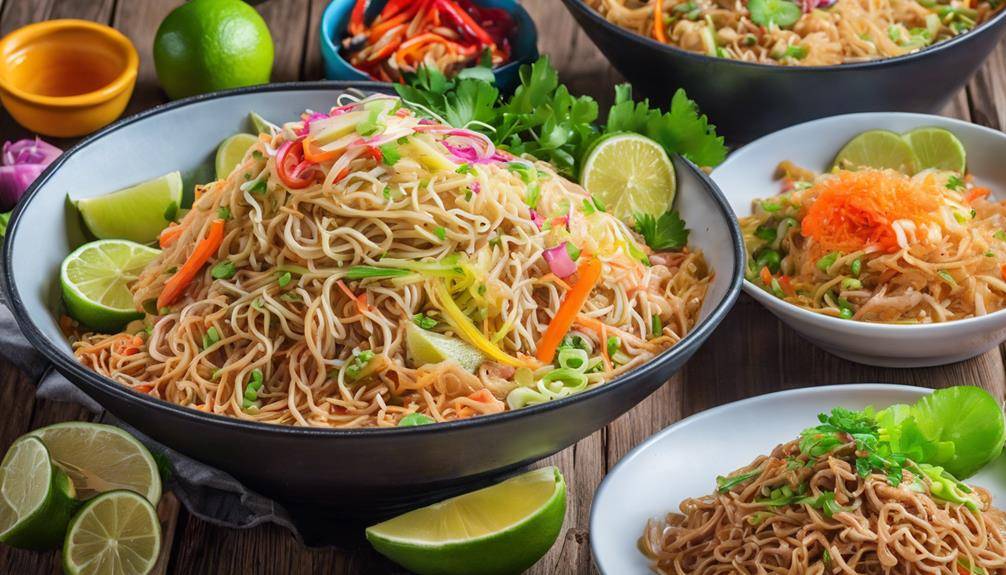
Easy Guide To Popular Filipino Noodle Dishes: If you're looking to explore popular Filipino noodle dishes, you're in for a treat! Try Pancit Canton, loaded with veggies and meats, or Pancit Bihon, known for its thin rice vermicelli that soaks up flavors. Mami is perfect for a comforting meal, featuring rich broth and egg noodles. For a lighter option, savor Sotanghon, made with delicate glass noodles. Lomi offers thicker noodles with a savory twist, while Batchoy is a hearty noodle soup you'll love. Finally, Palabok is a festive dish, vibrant in color and taste. Keep going to uncover more about each mouthwatering dish!
Click Here and Turn Every Masterpiece into a Showstopper!
Pancit Canton
Pancit Canton is a beloved Filipino noodle dish that you've probably seen at celebrations and gatherings. It's a stir-fried noodle dish made with wheat noodles, usually combined with an assortment of vegetables, meats, and seafood. This dish has deep roots in Filipino history, influenced by Chinese culinary traditions. When you enjoy Pancit Canton, you're not just savoring a meal; you're partaking in a rich tapestry of cultural exchange.
There are many Pancit Canton variations, and each region or family might have its own spin on the dish. Some may add soy sauce for a savory kick, while others might incorporate a medley of proteins like chicken, shrimp, or pork. You might even encounter versions that include unique local ingredients, reflecting the diversity of Filipino cuisine. Regardless of the ingredients, the essence of Pancit Canton remains consistent: it's a dish meant to bring people together.
When you prepare or share Pancit Canton, you're not just enjoying a delicious meal; you're also embracing a tradition that symbolizes longevity and good fortune. Whether it's served at a birthday party, a holiday feast, or a simple family gathering, this dish holds a special place in Filipino culture. You'll find that Pancit Canton is not just about flavor; it's a dish steeped in history, telling stories of migration, adaptation, and celebration with every bite. So, the next time you see it on the table, you'll appreciate the rich heritage behind this delightful noodle dish.
Pancit Bihon
Now that you've enjoyed Pancit Canton, let's explore Pancit Bihon. You'll find that its key ingredients, cooking techniques, and serving suggestions make it a standout dish. Get ready to learn how to whip up this flavorful noodle favorite!
Key Ingredients Overview
A classic Filipino noodle dish, Pancit Bihon features a variety of key ingredients that contribute to its distinctive flavor and texture. The main star, of course, is bihon noodles, which are thin rice vermicelli. These noodles soak up the flavors of the dish beautifully, making them essential.
Next, you'll typically find a mix of vegetables like carrots, bell peppers, and cabbage, adding color and crunch. Protein is also vital, and you can choose from options like chicken, shrimp, or pork, depending on your taste preferences and regional variations. Each region may have its unique spin on Pancit Bihon, incorporating local ingredients that enhance the dish's appeal.
Soy sauce and garlic are fundamental for seasoning, providing a savory base that ties everything together. Some people like to add a splash of lemon or calamansi juice for a tangy kick, which elevates the overall flavor profile.
Cooking Techniques Explained
When making Pancit Bihon, mastering a few key cooking techniques can elevate your dish to new heights. First, you'll want to focus on the sautéing techniques. Start by heating oil in a large pan and adding your aromatics, like garlic and onions. Sauté them until they're fragrant and translucent, which builds a flavorful base for your noodles. Next, incorporate any vegetables and proteins you're using. Sauté them just until they're cooked through, ensuring they remain vibrant and crisp.
Now, let's talk about boiling methods. Before you add the bihon noodles to your sautéed mixture, soak them in warm water for about 10 minutes until they soften. This step helps prevent overcooking when you stir them into your sautéed ingredients. After draining the noodles, gently toss them into the pan, ensuring they're evenly coated with the sauce and vegetables.
Be careful not to overmix; you want them to maintain some texture. Finally, let everything simmer together briefly, allowing the flavors to meld. With these techniques, you'll create a delicious Pancit Bihon that's sure to impress!
Serving Suggestions Ideas
Pancit Bihon shines as a centerpiece for any gathering, making it essential to serve it with flair. When you're ready to present this delicious dish, consider various serving styles that enhance its appeal. You can place it in a large, decorative platter, allowing everyone to help themselves. Alternatively, individual portions in vibrant bowls create an inviting and personalized experience.
For garnish options, fresh herbs like chopped parsley or cilantro add a pop of color and freshness. You might also sprinkle crispy fried garlic or shallots on top for an extra crunch. Adding lime wedges on the side not only enhances the dish's flavor but also invites guests to customize their servings.
Don't forget about protein! Serve pancit bihon alongside grilled chicken, pork, or shrimp to create a more substantial meal. Pair it with sides such as lumpiang shanghai or a fresh vegetable salad, making your feast even more satisfying.
Ultimately, the way you serve Pancit Bihon can elevate your gathering, showcasing both the dish's rich flavors and your thoughtful presentation. Enjoy the compliments that come your way as everyone digs into this beloved Filipino favorite!
Mami
Now, let's explore Mami, a beloved Filipino noodle dish with rich origins and a fascinating history. You'll discover its popular variations that cater to different tastes, along with tips for cooking Mami at home. Get ready to learn about this comforting staple that warms both the heart and the stomach!
Mami Origins and History
Tracing its roots back to Chinese culinary traditions, Mami has evolved into a beloved Filipino noodle dish that showcases the country's rich cultural fusion. This dish reflects the intricate interplay of various culinary influences, particularly from the Chinese immigrants who settled in the Philippines. They brought with them their noodle culture, which you can see in the way Mami is prepared and enjoyed today.
In its early days, Mami was a simple and hearty meal, featuring wheat noodles in a flavorful broth, often topped with meat and vegetables. Over time, it adapted to local tastes, incorporating Filipino flavors and ingredients. You'll find that Mami is now a staple in many households and eateries, serving as comfort food for countless Filipinos.
The dish has become a reflection of how food can bridge cultures, merging traditional Chinese elements with local Filipino cuisine. As you explore Mami, you're not just tasting a dish; you're experiencing a historical narrative of migration, adaptation, and the vibrant culinary tapestry that defines Filipino food. This rich history makes Mami not only delicious but also significant in understanding the evolution of Filipino noodle dishes.
Popular Variations of Mami
Mami's evolution has led to an array of popular variations that reflect regional tastes and preferences across the Philippines. You'll find different mami variations that cater to local palates while retaining the core essence of the dish. For example, in Batangas, you might encounter "Lomi," a thicker noodle dish often served with rich seafood or meat broth, providing a delightful twist on traditional mami.
In Manila, "Mami Batangas" takes center stage, featuring tender beef, savory broth, and a medley of mami toppings like boiled eggs, green onions, and fried garlic. If you venture to Pampanga, you'll discover "Mami Kapampangan," which is characterized by its robust flavors and generous portions of meats such as chicken or pork, often served with a side of chili for that extra kick.
Each variation showcases distinct mami toppings that enhance the overall experience, from crispy garlic to fresh herbs. By exploring these regional differences, you can appreciate how mami continues to evolve, making it a beloved comfort food across the archipelago. So, whether you prefer it spicy, savory, or loaded with toppings, mami offers something for everyone.
Cooking Mami at Home
Cooking mami at home can be a rewarding experience that brings the comforting flavors of this beloved dish right to your kitchen. To start, gather the essential ingredients: fresh egg noodles, chicken, or beef, and a rich broth. You might choose to use chicken broth for a lighter taste or beef broth for deeper, heartier flavors.
Choose your noodle types wisely; egg noodles are traditional, but you can experiment with rice noodles if you prefer. The key to a great mami lies in the broth. Simmer your meat in water with garlic, onions, and ginger to create a base that's packed with flavor.
Once the broth is ready, cook the noodles separately to maintain their texture. Combine everything in a bowl, adding toppings like scallions, boiled eggs, and a drizzle of soy sauce for extra flavor.
Don't forget to season with salt and pepper to enhance the broth flavors. With just a bit of effort, you'll have a delicious bowl of mami that warms your heart and fills your belly, giving you a taste of home. Enjoy your culinary adventure!
Sotanghon
Sotanghon, a beloved Filipino noodle dish, features delicate glass noodles made from mung bean starch that are both light and satisfying. This dish is popular for its versatility and comforting flavors, making it a staple in Filipino households. When you explore sotanghon recipes, you'll find that the base is usually a rich broth, often flavored with chicken or pork, which enhances the noodles' natural taste.
One of the most common variations is Sotanghon Soup, where the noodles are combined with shredded chicken, vegetables like carrots and cabbage, and sometimes mushrooms for added texture. You can easily customize this dish to your liking, swapping proteins or adding spices to create your perfect bowl.
Another popular variation is the Stir-Fried Sotanghon, which incorporates a medley of vegetables and shrimp or chicken. This version is not only quick to prepare but also allows you to enjoy the noodles in a different texture, as they become slightly chewy when stir-fried.
If you're feeling adventurous, try making a vegetarian sotanghon recipe. Substitute the meat with tofu and load up on your favorite veggies for a hearty meal that satisfies without the meat.
No matter which sotanghon variation you choose, this dish brings warmth and comfort to any table. So, grab your ingredients and get ready to whip up a satisfying meal that showcases the delightful flavors of Filipino cuisine!
Click Here and Turn Every Masterpiece into a Showstopper!
Lomi
If you're looking to explore more Filipino noodle dishes, Lomi is a fantastic option that showcases a heartier twist. This dish features thick egg noodles, creating a satisfying base for a rich and flavorful broth. The beauty of Lomi lies in its versatility, as you can find numerous lomi variations across the Philippines, each with its own unique set of flavors and ingredients.
Traditional lomi ingredients typically include sliced pork, chicken, and shrimp, all simmered together to create a savory broth. You might also find vegetables like carrots, bell peppers, and cabbage, adding both color and nutrition to the dish. To enhance the flavor, cooks often incorporate soy sauce, garlic, and ginger, giving it that distinct Filipino taste.
What sets Lomi apart from other noodle dishes is its thick sauce, which coats the noodles beautifully. It's common to top it off with a raw egg, allowing it to cook slightly in the hot broth, enriching the texture even further. Don't forget to sprinkle green onions or fried garlic on top for an added flavor boost.
As you immerse yourself in Lomi, you'll discover that it's not just a meal; it's a comfort food that evokes a sense of home. Whether you stick to the classic version or experiment with different lomi variations, each bowl brings a delightful experience that's perfect for any occasion. Enjoy every slurp!
Batchoy
Batchoy embodies the comforting essence of Filipino cuisine with its rich flavors and hearty ingredients. This beloved noodle soup, originating from the Visayas region, is a perfect blend of savory broth, tender meat, and chewy noodles that warms both the body and soul. When you immerse yourself in a bowl of batchoy, you'll discover a variety of batchoy variations that showcase the diverse culinary traditions of the Philippines.
One popular variation is the La Paz batchoy, which hails from Iloilo City. It features a savory broth made from pork bones, and it often includes a mix of pork, liver, and sometimes even shrimp. Another variation, called batchoy Tagalog, is known for its unique taste due to the inclusion of different seasonings, making it distinct from its Visayan counterpart.
No matter which variation you choose, the toppings are what truly elevate your batchoy experience. Common batchoy toppings include crispy garlic, chicharrón (crispy pork skin), and fresh scallions, all adding layers of texture and flavor. Some people even like to add a raw egg, which cooks gently in the hot broth, creating a creamy finish.
As you enjoy your bowl of batchoy, you'll appreciate how this dish reflects the heart of Filipino culture—sharing, warmth, and a love for good food. So, whether you're making it at home or trying it at a local eatery, savor every bite of this comforting noodle dish.
Palabok
Palabok, a vibrant and flavorful noodle dish, is sure to captivate your taste buds with its rich history and ingredients. This traditional Filipino dish features rice noodles, also known as bihon, smothered in a savory sauce made from shrimp stock, garlic, and achuete (annatto) for that eye-catching golden hue. You'll find that palabok's origins trace back to the Spanish colonial era, blending local flavors with influences from the Spanish cuisine.
When you prepare or enjoy a bowl of palabok, the palabok toppings are just as essential as the noodles and sauce. Typically, you'll see a generous sprinkle of chicharrón (crispy pork cracklings) that adds a delightful crunch. You might also find hard-boiled eggs, shrimp, and green onions, all contributing to the dish's rich texture and flavor. Some people even add a squeeze of calamansi or lime to give it a zesty kick.
Palabok is often served during special occasions, celebrations, and family gatherings, making it a dish filled with warmth and nostalgia. It's not just a meal; it's an experience that connects you to Filipino culture and heritage. Whether you're making it at home or enjoying it at a local restaurant, remember that every bite of palabok tells a story of tradition and love. So, gather your ingredients, get your taste buds ready, and enjoy this delicious noodle dish that's sure to leave a lasting impression!
Click Here and Turn Every Masterpiece into a Showstopper!
Frequently Asked Questions: Easy Guide To Popular Filipino Noodle Dishes
What Are the Main Ingredients in Filipino Noodle Dishes?
In Filipino noodle dishes, you'll find a variety of ingredients like rice noodles, soy sauce, vegetables, and meats. Different Filipino noodle types lead to exciting noodle dish variations, each with unique flavors and textures you'll love.
Can I Substitute Noodles in These Recipes?
You can definitely substitute noodles in these recipes! With some creativity, noodle alternatives like zucchini or rice noodles provide recipe flexibility, letting you enjoy delicious dishes while catering to dietary preferences or restrictions.
How Long Do These Noodle Dishes Typically Last in the Fridge?
These noodle dishes typically last about three to five days in the fridge. For ideal food safety, store them in airtight containers and follow proper storage tips to prevent spoilage and maintain flavor.
Are There Vegetarian Versions of These Filipino Noodle Dishes?
Yes, you can find vegetarian adaptations of popular Filipino noodle dishes. Common ingredients include tofu, vegetables, and soy sauce, allowing you to enjoy the flavors while maintaining a meat-free option that's just as satisfying.
What Is the Origin of Filipino Noodle Dishes?
Filipino noodle dishes have diverse origins, shaped by cultural influences from Chinese, Spanish, and indigenous traditions. You'll find regional variations reflecting local ingredients and culinary practices, showcasing the rich tapestry of the Philippines' food history.
For the bigger picture, explore our complete guide to Filipino Fusion Cuisine Concepts — where Filipino flavors meet global favorites.

Conclusion
Now that you've got the lowdown on these popular Filipino noodle dishes, it's time to get cooking! Each dish brings its own unique flavors and textures that'll surely impress your family and friends. Whether you're slurping up Pancit Canton or savoring a hearty bowl of Lomi, you're bound to enjoy every bite. So gather your ingredients, release your inner chef, and immerse yourself in the delicious world of Filipino noodles—your taste buds will thank you!