Easy Meal Prep for Weight Loss on a Budget
Easy Meal Prep for Weight Loss on a Budget; Are you tired of trying to lose weight without breaking the bank? Meal prepping for weight loss on a budget might just be the solution you’ve been searching for. By taking the time to plan and prepare your meals in advance, you can not only save money but also stay on track with your weight loss goals. But how exactly can you make meal prepping work for you? Let’s uncover the secrets to budget-friendly meal prepping and discover how it can help you shed those unwanted pounds without emptying your wallet.
Benefits of Meal Prep
When it comes to achieving weight loss goals on a budget, meal prep offers a multitude of benefits that can help you stay on track and save both time and money. Planning and preparing your meals in advance can be a game-changer in your weight loss journey.
One of the main benefits of meal prep is that it allows you to have better control over your portion sizes. By carefully measuring and dividing your meals into individual containers, you can ensure that you are consuming the appropriate amount of food for your weight loss goals. This can prevent overeating and help you stay within your calorie limits.
Meal prep also helps you make healthier choices. When you plan your meals in advance, you have the opportunity to select nutritious ingredients and recipes that support your weight loss efforts. By avoiding impulsive and unhealthy food choices, you can maintain a balanced and nutritious diet.
In addition to portion control and healthier choices, meal prep can also save you time and money. By cooking large batches of meals and dividing them into individual portions, you can save time on cooking and cleaning throughout the week. This can be especially beneficial if you have a busy schedule. Moreover, by buying ingredients in bulk, you can take advantage of discounts and reduce overall food costs.
Setting Your Weight Loss Goals
When it comes to setting your weight loss goals, it’s important to start by defining your targets. This means being specific about how much weight you want to lose and by when. Goal-setting techniques such as SMART goals can help you create clear and achievable objectives. And once you’ve set your goals, tracking your progress effectively can provide valuable feedback and keep you motivated on your weight loss journey.
Defining Your Targets
To effectively set your weight loss goals, it is important to define specific targets that are realistic and achievable within your budget. Here are three steps to help you define your targets and create a successful weight loss plan:
- Assess Your Current Situation: Start by evaluating your current weight, body measurements, and overall health. This will give you a baseline to work from and help you set realistic goals.
- Set Realistic Targets: Consider your overall weight loss goals and break them down into smaller, achievable targets. Aim for a steady and sustainable weight loss of 1-2 pounds per week, which is considered a healthy and realistic goal.
- Incorporate Effective Strategies: Choose weight loss strategies that align with your lifestyle and budget. This could include meal prepping, portion control, regular exercise, and mindful eating. Experiment with different strategies to find what works best for you.
Goal-Setting Techniques
Setting effective weight loss goals is crucial for achieving long-term success in your journey towards a healthier lifestyle. To set goals that are both realistic and attainable, it is important to employ effective goal-setting techniques. First, make sure your goals are specific and measurable. Instead of saying “I want to lose weight,” set a specific target like “I want to lose 10 pounds in the next two months.” This allows you to track your progress and stay motivated. Additionally, break down your long-term goals into smaller, manageable steps.
This makes the process less overwhelming and helps you stay focused. Finally, regularly measure your progress to stay on track and make adjustments if needed. Keep a record of your weight, body measurements, and even take progress photos to visually see your transformation. By using these goal-setting techniques and measuring your progress, you can stay motivated and on track towards achieving your weight loss goals.
Tracking Progress Effectively
To effectively track your progress towards your weight loss goals, it is important to implement a method that allows you to measure your success and stay motivated in your journey. Here are three tracking techniques that can help you stay on track and measure your progress effectively:
- Keep a food journal: Tracking your daily food intake can help you become more aware of your eating habits and identify areas for improvement. Write down everything you eat and drink, including portion sizes and calories. This will help you make healthier choices and stay accountable.
- Use a fitness tracker: Investing in a fitness tracker can provide valuable insights into your physical activity levels. It can track your steps, calories burned, and even monitor your heart rate. By setting goals and monitoring your progress, you can stay motivated and make adjustments to your workout routine as needed.
- Take body measurements: While the number on the scale is important, it doesn’t tell the whole story. Taking body measurements can provide a more accurate representation of your progress. Measure your waist, hips, thighs, and arms regularly, and track the changes over time. This can be a great source of motivation, especially when the scale doesn’t budge.
Planning Your Budget-Friendly Meals
When planning your budget-friendly meals, it is important to consider both nutritional value and cost-effectiveness. By incorporating budget-friendly recipes and meal planning tips, you can achieve your weight loss goals without breaking the bank.
To begin, focus on using affordable ingredients that are also nutrient-dense. Staples like beans, lentils, and whole grains are not only inexpensive but also rich in fiber and protein. These ingredients will keep you feeling full and satisfied, preventing unnecessary snacking and overeating.
Additionally, make use of seasonal fruits and vegetables. These tend to be more affordable and packed with vitamins and minerals. Plan your meals around what is available and on sale at your local grocery store or farmer’s market.
Another budget-friendly strategy is to buy in bulk. Purchasing items like rice, pasta, and canned goods in bulk can save you money in the long run. These items have a long shelf life and can be used in a variety of dishes throughout the week.
When meal planning, aim to repurpose ingredients to minimize waste. For example, if you cook a whole chicken for one meal, use the leftovers to make chicken salad or add it to a stir-fry the next day. This way, you can stretch your ingredients further and reduce the need for additional purchases.
Shopping on a Budget
When it comes to shopping on a budget, there are several key points to keep in mind. First, look for budget-friendly grocery options such as store brands and discounted items. Second, utilize tips for saving money like making a shopping list and sticking to it, buying in bulk, and comparing prices. Finally, incorporate affordable meal planning strategies that focus on using ingredients that are on sale or in season. By following these points, you can shop smart and save money while still preparing nutritious meals for weight loss.
Budget-Friendly Grocery Options
If you’re looking to save money while grocery shopping, there are plenty of budget-friendly options available to help you stick to your meal prep for weight loss plan. Here are three budget-friendly grocery options to consider:
- Buy in bulk: Purchasing staple items like rice, beans, and oats in bulk can save you a significant amount of money. These ingredients are versatile and can be used in a variety of budget-friendly recipe ideas.
- Shop seasonal produce: Opting for seasonal fruits and vegetables is not only cost-effective but also ensures that you’re getting the freshest produce available. Farmers markets and local grocery stores often offer great deals on in-season items.
- Look for sales and discounts: Keep an eye out for sales, discounts, and coupons when grocery shopping. Many stores have weekly flyers or online promotions that can help you save money on your purchases.
Tips for Saving Money
To continue saving money while grocery shopping, here are some practical tips for shopping on a budget. First, make a weekly meal plan and create a shopping list based on the ingredients you need. This will help you avoid impulse purchases and stick to your budget. Next, compare prices and shop at different stores to find the best deals. Consider buying generic or store-brand products, as they are often cheaper than name brands but offer the same quality.
Additionally, check for discounts and coupons before you go shopping. Many grocery stores have loyalty programs that offer special discounts to members. Lastly, buy in bulk when possible, as it usually offers a lower price per unit. By following these saving money tips and choosing affordable grocery options, you can stick to your budget while still enjoying healthy and delicious meals.
Affordable Meal Planning
When grocery shopping on a budget, an essential strategy for affordable meal planning is to focus on cost-effective ingredients and versatile recipes. To make the most of your budget, consider these tips for affordable grocery shopping:
- Plan your meals: Take some time to plan your meals for the week before heading to the store. This will help you create a shopping list and avoid impulse purchases.
- Buy in bulk: Purchasing staple items in bulk can save you money in the long run. Look for deals on rice, beans, pasta, and other non-perishable items.
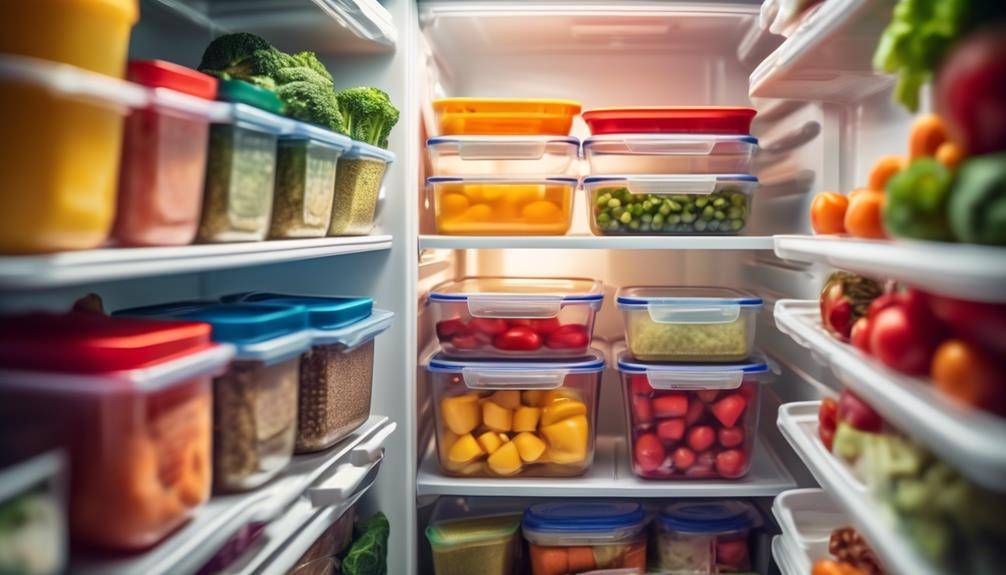
- Utilize meal prep containers: Investing in meal prep containers can help you portion out your meals and save money by reducing food waste. Cook in bulk and store your meals in these containers for easy grab-and-go options.
Creating a Meal Prep Schedule
Consider mapping out your week and identifying specific times for meal prep in order to streamline the process and ensure consistency in your weight loss journey. Creating a meal prep schedule can provide numerous benefits, such as saving time, reducing stress, and helping you make healthier choices. By dedicating a few hours each week to meal prep, you can set yourself up for success and make progress towards your weight loss goals.
To start, choose a day and time that works best for you. Many people find that Sundays are ideal for meal prep, as it allows them to plan for the upcoming week. However, you can choose any day that aligns with your schedule. Set aside a block of time, such as two to three hours, where you can focus solely on meal prep.
Begin by selecting your recipes and writing a shopping list. This will help you stay organized and ensure that you have all the necessary ingredients on hand. Consider choosing recipes that are simple, budget-friendly, and can be easily portioned out for the week.
Next, gather your groceries and start cooking. Prepare large batches of your chosen recipes, dividing them into individual servings or containers. This will make it easier to grab a healthy meal or snack when you’re on the go. Additionally, consider investing in reusable containers or meal prep containers to further streamline the process.
Once your meals are cooked and portioned, store them in the refrigerator or freezer, depending on their shelf life. Label each container with the date and contents to help you keep track of what’s inside. This will also help prevent food waste and ensure that you always have a variety of options available.
Meal Prepping for the Week
Streamlining your meal prep schedule by dedicating specific times each week can help you effectively plan and prepare your meals for the entire week, ensuring that you stay on track with your weight loss goals. Meal prepping for the week not only saves you time and money, but it also allows you to make healthier choices and avoid impulsive decisions when hunger strikes. Here are three time-saving meal prep tips to help you get started:
- Plan your meals: Before you start meal prepping, take some time to plan out your meals for the week. Look for meal prep recipes that are healthy, easy to make, and use ingredients you already have on hand. This will help you create a grocery list and ensure that you have everything you need when it’s time to cook.
- Batch cook: One of the biggest time-saving meal prep tips is to batch cook. Prepare larger quantities of food and divide them into individual portions that you can store in the fridge or freezer. This way, you’ll have ready-made meals that you can simply reheat throughout the week, saving you time and effort.
- Use versatile ingredients: Another time-saving strategy is to choose versatile ingredients that can be used in multiple meals. For example, you can cook a batch of grilled chicken breasts and use them in salads, wraps, or stir-fries. By using the same ingredients in different ways, you can simplify your meal prep process and avoid food waste.
Proper Portion Control
To effectively manage your weight loss goals, it is crucial to implement proper portion control into your meal prep routine. Portion control refers to managing the amount of food you consume at each meal, and it plays a significant role in achieving and maintaining a healthy weight. By practicing portion control, you can reap numerous benefits, such as improved digestion, better appetite control, and enhanced weight loss results.
One of the key benefits of portion control is that it helps you manage your calorie intake. By consuming appropriate portion sizes, you can ensure that you are not overeating and consuming more calories than your body needs. This can lead to weight gain and hinder your weight loss progress. Practicing portion control can help you create a calorie deficit, which is essential for losing weight.
There are several portion control techniques that you can incorporate into your meal prep routine. One effective technique is using smaller plates and bowls. Research suggests that people tend to eat more when their plates are bigger, as they feel the need to fill the plate. By using smaller plates, you can trick your brain into feeling satisfied with smaller portions.
Another technique is measuring your food. Using measuring cups or a food scale can help you accurately portion out your meals and snacks. This way, you can ensure that you are consuming the right amount of food according to your weight loss goals.
Incorporating Healthy Protein Sources
When it comes to incorporating healthy protein sources into your meal prep for weight loss on a budget, there are a few key points to keep in mind. First, look for affordable protein options such as canned tuna, chicken breast, or eggs. These are not only budget-friendly but also packed with essential nutrients. Secondly, choosing protein sources that are known for their weight loss benefits, like lean meats and legumes, can help you feel fuller for longer and support your weight loss goals. Finally, by planning your meals ahead of time and buying in bulk, you can save money and ensure you always have a protein-rich option on hand for your meal prep.
Affordable Protein Options
Incorporating healthy protein sources into your meal prep for weight loss can be done affordably without sacrificing taste or nutrition. Here are three affordable protein options that can help you achieve your weight loss goals:
- Beans and legumes: These plant-based proteins are not only cost-effective but also high in fiber, which can promote feelings of fullness and aid in weight loss. Lentils, chickpeas, and black beans are excellent choices.
- Eggs: Eggs are an inexpensive and versatile protein source. They are rich in essential amino acids and can be cooked in various ways to add variety to your meals. Hard-boiled eggs make a convenient and portable protein snack.
- Greek yogurt: Greek yogurt is a protein-packed option that can be enjoyed as a snack or incorporated into recipes. Look for plain, unsweetened varieties to avoid added sugars. Greek yogurt can help keep you satiated and support muscle recovery after workouts.
Protein Sources for Weight Loss
One key aspect of successful weight loss is incorporating healthy protein sources into your meals. Protein is essential for weight loss because it helps to build and repair tissues, promotes muscle growth, and increases satiety, keeping you feeling full for longer. If you’re looking for protein alternatives to traditional meat sources, there are plenty of options available. Vegetarian protein sources such as beans, lentils, tofu, tempeh, and edamame are excellent choices.
These plant-based proteins not only provide the necessary nutrients but are also budget-friendly. Additionally, they are rich in fiber, which aids in digestion and promotes overall health. Incorporating these protein sources into your meal prep can help you reach your weight loss goals while maintaining a balanced and nutritious diet.
Budget-Friendly Meal Prep
To successfully incorporate healthy protein sources into your budget-friendly meal prep for weight loss, it’s important to consider affordable alternatives to traditional meat sources. By utilizing these meal prep hacks and practicing smart grocery shopping, you can save money while still meeting your protein needs. Here are three affordable protein sources to include in your budget-friendly meal prep:
- Beans and legumes: These plant-based protein sources are not only inexpensive but also high in fiber and nutrients. Incorporate lentils, chickpeas, black beans, or kidney beans into your meals to add protein and bulk.
- Eggs: Eggs are an affordable and versatile protein option. They are packed with essential amino acids and can be used in various recipes, such as omelets, frittatas, or hard-boiled for a quick snack.
- Greek yogurt: Greek yogurt is a budget-friendly protein source that can be enjoyed as a snack or used as a base for dressings, marinades, or smoothies. It is not only high in protein but also rich in calcium and probiotics.
Adding Fiber-Rich Foods to Your Meals
Boost the nutritional value of your meals by including fiber-rich foods that not only aid in weight loss but also provide numerous health benefits. Incorporating fiber into your meals is an excellent way to support your weight loss goals while keeping your budget in check. Start your day with fiber-rich breakfast options such as whole grain cereals, oatmeal, or whole wheat toast with avocado. These options will keep you feeling full and satisfied throughout the morning, helping you avoid unhealthy snacking.
When it comes to incorporating fiber into your snacks, choose fruits and vegetables that are high in fiber content. Apples, pears, berries, carrots, and broccoli are all excellent choices. You can enjoy them as they are or pair them with a healthy dip like hummus or Greek yogurt for added flavor. Another great snack idea is roasted chickpeas or edamame, which are not only high in fiber but also packed with protein.
In addition to breakfast and snacks, make sure to include fiber-rich foods in your main meals as well. Choose whole grains like brown rice, quinoa, or whole wheat pasta as the base for your meals. Add plenty of vegetables to your dishes, such as peppers, spinach, and zucchini, which are all high in fiber. Legumes like beans and lentils are also excellent sources of fiber and can be incorporated into soups, stews, or salads.
Budget-Friendly Snack Options
Incorporate cost-effective snack options into your meal prep routine to stay on budget while satisfying your hunger between meals. Snacks are an essential part of any meal plan, providing you with energy and preventing overeating during your main meals. Here are three affordable snack ideas that are not only budget-friendly but also healthy:
- Nuts and Seeds: Nuts and seeds are a great snack option as they are packed with healthy fats, fiber, and protein. Choose budget-friendly options like peanuts, almonds, sunflower seeds, or pumpkin seeds. These snacks are not only affordable but also portable, making them perfect for on-the-go snacking.
- Greek Yogurt: Greek yogurt is not only a great source of protein but also a budget-friendly snack option. Opt for plain Greek yogurt and add your own flavorings like fresh fruit, a drizzle of honey, or a sprinkle of granola. This way, you can control the sweetness and keep your snack healthy and affordable.
- Popcorn: Popcorn is a satisfying and low-calorie snack option that won’t break the bank. Skip the pre-packaged microwave popcorn and opt for plain popcorn kernels. You can air-pop them using a microwave-safe bowl or a stovetop pot. Add your favorite seasonings like sea salt, cinnamon, or nutritional yeast for a flavorful, budget-friendly snack.
Avoiding Food Waste
Reducing food waste is an essential aspect of meal prep that can help you save money and minimize your environmental impact. By minimizing waste and utilizing leftovers, you can maximize the value of the food you buy and contribute to a more sustainable food system.
One effective way to minimize waste is to plan your meals and portion sizes carefully. Before you start meal prepping, take inventory of the ingredients you already have and plan your meals around them. This will help you avoid buying unnecessary items and ensure that you use up what you already have. Additionally, try to buy in bulk or choose foods with a longer shelf life to reduce the likelihood of food spoilage.
When it comes to utilizing leftovers, there are several strategies you can employ. One option is to repurpose them into new meals. For example, leftover roasted chicken can be transformed into a delicious chicken salad or added to a stir-fry. Another option is to freeze leftovers for later use. This is particularly useful for soups, stews, and casseroles that can be easily reheated when you need a quick and convenient meal.
To make the most of your leftovers, make sure to store them properly. Use airtight containers or freezer bags to prevent freezer burn or spoilage. Label and date your leftovers to ensure that you use them before they go bad.
Storing and Freezing Meals
To ensure the longevity and quality of your meals, proper storage and freezing techniques are essential. By following these freezing techniques and using the right meal prep containers, you can maximize the shelf life of your prepped meals and save money in the process.
Here are three key tips to help you store and freeze your meals effectively:
- Choose the right meal prep containers: Invest in high-quality, BPA-free containers that are specifically designed for meal prep. These containers should be leak-proof, microwave-safe, and freezer-safe. The right containers will help keep your meals fresh and prevent freezer burn.
- Portion your meals properly: Divide your meals into individual portions before freezing them. This will make it easier to defrost and reheat only what you need, reducing waste. Additionally, portioning your meals will help you control portion sizes and stick to your weight loss goals.
- Label and date your meals: Before placing your meals in the freezer, make sure to label and date each container. This will help you keep track of what you have and how long it has been stored. Use a permanent marker or labels that adhere well to containers. When reheating, it’s important to follow recommended guidelines regarding storage times for different types of food.
Tracking Your Progress and Adjusting Your Plan
Tracking your progress and adjusting your plan is crucial for achieving your weight loss goals effectively. By monitoring your progress, you can identify what is working and what needs to be adjusted in order to continue making progress towards your goals. There are several strategies you can use to track your progress and make necessary adjustments.
One effective method of progress tracking is keeping a food and exercise journal. This allows you to track what you eat and how much you exercise on a daily basis. By writing down everything you consume and noting your physical activity, you can gain a better understanding of your habits and identify any areas where adjustments may be needed. Additionally, keeping a journal can help you stay accountable and motivated throughout your weight loss journey.
Another helpful strategy is regularly weighing yourself. By weighing yourself consistently, such as once a week, you can track your weight loss progress over time. This can provide valuable feedback and help you determine if your current plan is effective or if adjustments need to be made. However, it’s important to remember that weight fluctuates naturally, so it’s best to focus on the overall trend rather than day-to-day changes.
In addition to tracking your progress, it’s essential to be flexible and adjust your plan as needed. If you notice that you’re not making progress or you’re feeling unsatisfied with your current approach, it may be time to make some adjustments. This could involve modifying your meal plan, increasing your physical activity, or seeking guidance from a healthcare professional or registered dietitian.
Frequently Asked Questions: Easy Meal Prep for Weight Loss on a Budget
What Are Some Tips for Staying Motivated During a Weight Loss Journey?
To stay motivated during your weight loss journey, set clear goals and remind yourself why you want to lose weight. Keep track of your progress, celebrate small wins, and find support from friends or online communities.
Can I Still Enjoy My Favorite Foods While Meal Prepping for Weight Loss?
Yes, you can still enjoy your favorite foods while meal prepping for weight loss. By making smart substitutions and finding balance, you can indulge in your cravings without sabotaging your progress.
How Can I Prevent Boredom With My Meal Prep Meals?
To prevent boredom with your meal prep, try incorporating easy meal prep ideas. Variety is key, so mix up your proteins, grains, and veggies. Experiment with different spices and flavors to keep things interesting.
Do I Need to Count Calories or Macros When Meal Prepping for Weight Loss?
Yes, you should count calories and track macros when meal prepping for weight loss. It helps you monitor your intake and ensure you’re creating a calorie deficit. This is crucial for achieving your weight loss goals.
How Can I Handle Social Events or Dining Out While Sticking to My Meal Prep Plan?
When handling social events or dining out, stick to your meal prep plan by making smart choices. Opt for lean protein, vegetables, and whole grains. Skip high-calorie options and limit alcohol intake. Plan ahead and have a strategy in place to stay on track.

Conclusion
In conclusion, meal prepping for weight loss on a budget can be a practical and effective way to reach your goals. By planning your meals, shopping smartly, and avoiding food waste, you can save money while still enjoying nutritious and satisfying meals. With a well-organized meal prep schedule and the right snack options, you can stay on track and make progress towards your weight loss goals. Remember to track your progress and make adjustments as needed to ensure continued success.