8 Easy Steps To Perfect Traditional Polish Cuisine
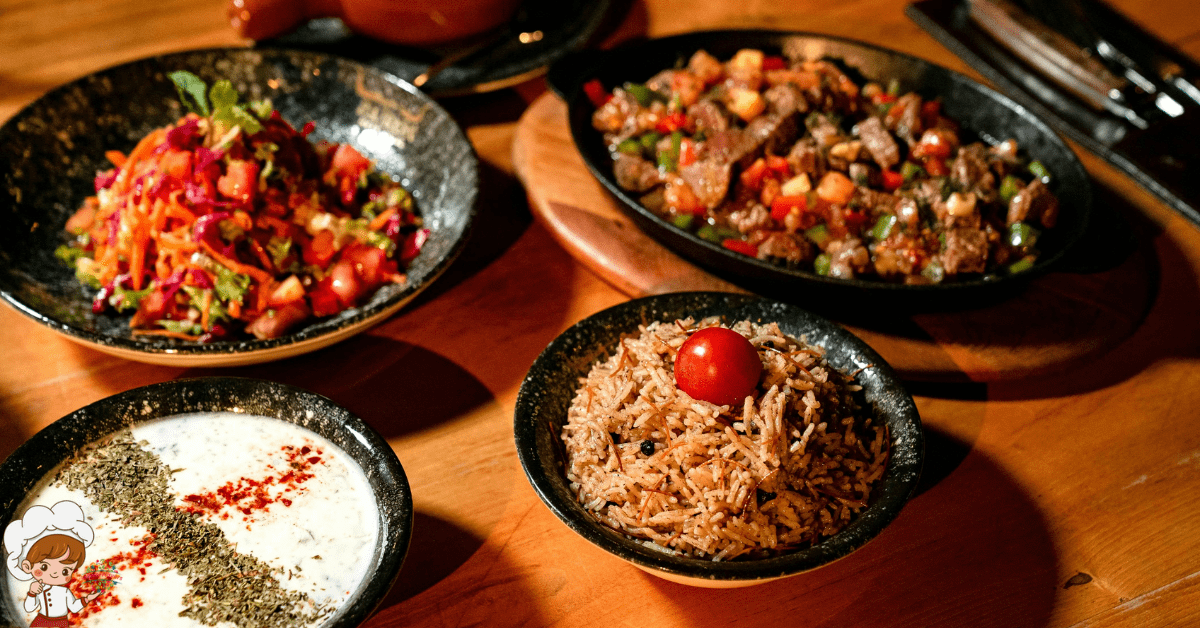
Easy Steps To Perfect Traditional Polish Cuisine; Embark on a culinary journey through the rich flavors and traditions of Poland as we uncover the 8 steps to perfecting traditional Polish cuisine. Like a painter adding vibrant colors to a canvas, each step will reveal the secrets behind creating authentic Polish dishes that will transport your taste buds to the heart of Eastern Europe. From mastering the art of Pierogi to exploring regional specialties, this tantalizing adventure is sure to leave you craving more. So, grab your apron and prepare to elevate your cooking skills to new heights as we unlock the essence of Polish gastronomy.
We’ve Got Everything You Need to Make Your Masterpiece.
Polish Culinary Staples
Polish culinary staples consist of a variety of hearty, flavorful dishes that are deeply rooted in traditional recipes and cherished by generations of Poles. These dishes form an essential part of Polish culinary traditions and hold great cultural significance. One such staple is “bigos,” a savory stew made with sauerkraut, cabbage, and an assortment of meats such as sausage, pork, and beef. This dish is often referred to as the “national dish” of Poland, and its origins can be traced back to the 14th century. Bigos is known for its rich, complex flavors that develop over time as it simmers slowly on the stove.
Another beloved Polish culinary staple is “pierogi,” which are dumplings filled with various ingredients such as potatoes, cheese, meat, or fruit. Pierogi are a versatile dish that can be enjoyed as a main course, side dish, or dessert. They are typically boiled and then pan-fried to achieve a crispy exterior. Pierogi hold a special place in Polish culture and are often associated with holidays and family gatherings.
Lastly, “kotlet schabowy” or breaded pork cutlet, is a classic dish that can be found in nearly every Polish home. It consists of a tender pork cutlet that is coated in breadcrumbs and fried until golden brown. Kotlet schabowy is typically served with potatoes and a side of sauerkraut or pickles. This dish showcases the Polish love for simple yet delicious comfort food.
Essential Ingredients and Tools
When it comes to traditional Polish cuisine, one of the key aspects that sets it apart is the use of authentic ingredients that bring out unique flavors. From hearty meats like pork and beef to staple vegetables like cabbage and potatoes, these ingredients are essential in creating traditional Polish dishes. Additionally, having the right tools in your kitchen, such as a good quality knife, a sturdy cutting board, and a reliable pot or pan, will ensure that you can prepare these dishes with ease and precision.
Ingredients for Authentic Flavors
To achieve the authentic flavors of traditional Polish cuisine, it is essential to have the right combination of ingredients and tools. Traditional cooking techniques play a significant role in Polish cuisine, as they have been passed down through generations, preserving the cultural significance of the dishes. Key ingredients like potatoes, cabbage, and beets form the foundation of many Polish recipes.
Other essential ingredients include hearty meats like pork and beef, along with flavorful spices such as caraway seeds and dill. Tools like a mortar and pestle, wooden spoons, and a sharp knife are commonly used in Polish kitchens to ensure the proper preparation and execution of these traditional recipes. By using these ingredients and tools, you can truly capture the authentic flavors of Polish cuisine.
Must-Have Kitchen Tools
Building upon the foundation of authentic flavors, the next essential aspect of traditional Polish cuisine is having the must-have kitchen tools that allow you to achieve the true essence of these beloved dishes. With the right kitchen utensils and cooking techniques, you can recreate the traditional Polish dishes with precision and authenticity. Here are three key tools that every aspiring Polish cook should have in their kitchen:
- Pierogi mold: This handy tool ensures that your pierogi, the iconic Polish dumplings, are perfectly shaped every time. It saves you time and effort, allowing you to make a large batch of pierogi with ease.
- Potato ricer: A potato ricer is essential for making fluffy and smooth mashed potatoes, a staple in many Polish dishes. It helps you achieve the perfect texture and consistency.
- Cast iron skillet: Known for its excellent heat retention, a cast iron skillet is perfect for searing and browning meats, a common cooking technique in Polish cuisine. It ensures that your meat is cooked to perfection, with a crispy exterior and juicy interior.
With these must-have kitchen tools, you’ll be well-equipped to embark on your journey of mastering traditional Polish cuisine.
Mastering the Art of Pierogi
Mastering the art of making pierogi is a culinary journey that requires precision, skill, and a deep appreciation for the rich and delicious flavors of traditional Polish cuisine. Pierogi, also known as Polish dumplings, come in various flavors and fillings, making them a versatile dish that can be enjoyed by everyone. To perfect your pierogi-making skills, you must first understand the different variations of this Polish delicacy.
Polish dumpling variations include both sweet and savory options. For the savory pierogi, fillings often consist of ingredients such as potatoes, cheese, sauerkraut, mushrooms, or meat. These combinations create a harmonious blend of flavors that is both comforting and satisfying. On the other hand, sweet pierogi can be filled with fruits, such as blueberries, cherries, or strawberries, and are often served with a dusting of powdered sugar or a drizzle of sweet cream.
The secret to perfect pierogi lies in the dough. Traditional Polish pierogi dough is made from flour, eggs, water, and a pinch of salt. Achieving the ideal consistency is crucial – not too sticky, but not too dry either. This can be achieved by gradually adding water to the flour and kneading the dough until it becomes smooth and elastic. Resting the dough for at least 30 minutes allows the gluten to relax and makes it easier to roll out.
Once the dough is ready, it’s time to shape the pierogi. Roll out the dough into a thin sheet and cut out circles using a round cookie cutter or a glass. Place a spoonful of filling in the center of each circle and fold it in half, sealing the edges by pressing them together. Boil the pierogi until they float to the surface, then fry them in butter until they turn golden brown.
Mastering the art of pierogi-making requires practice, attention to detail, and a genuine love for Polish cuisine. By experimenting with different fillings and perfecting your dough-making skills, you can create delicious pierogi that will impress your family and friends. So, grab your apron and embark on this delightful culinary adventure!
Perfecting Polish Soups
Are you ready to explore the delicious world of Polish soups? Get ready to tantalize your taste buds with classic Polish soup recipes that have been passed down through generations. Not sure how to serve these soups? Don’t worry, we’ve got you covered with tips and tricks to ensure that every bowl is perfect.
We’ve Got Everything You Need to Make Your Masterpiece.
Classic Polish Soup Recipes
Delve into the world of traditional Polish cuisine by exploring the art of perfecting classic Polish soup recipes. Polish soups are known for their rich flavors and comforting qualities, making them a staple in Polish households. Here are some classic Polish soup variations that you can try to perfect:
- Zurek: This sour rye soup is a popular choice, typically served with sausage and potatoes. The tangy flavor of the fermented rye flour gives it a unique taste.
- Barszcz: A vibrant beet soup that is often served with sour cream and dill. It can be enjoyed hot or cold, making it a versatile option.
- Kapusniak: This cabbage soup is made with sauerkraut and often includes bacon or sausage for added depth of flavor.
While these classic recipes have stood the test of time, you can also experiment with modern twists on Polish soup recipes by incorporating ingredients like mushrooms, herbs, or even seafood. Get creative and make these traditional dishes your own!
Tips for Serving Soups
To further enhance your experience with traditional Polish cuisine, let’s now explore some invaluable tips for serving and perfecting Polish soups. Presentation is key when it comes to serving soups. Start by choosing the right bowl or serving dish. A deep bowl with a wide rim works best for showcasing the vibrant colors and textures of the soup.
Consider adding a garnish to elevate the visual appeal of the dish. Fresh herbs, such as dill or parsley, can be sprinkled on top, adding a burst of freshness and flavor. For a touch of elegance, a dollop of sour cream or a drizzle of cream can be swirled onto the surface of the soup. Remember to serve the soup piping hot and accompany it with a slice of crusty bread or traditional Polish dumplings for a complete and satisfying meal.
Savoring Succulent Polish Meats
Indulge in the delectable flavors of succulent Polish meats that will leave you craving for more. Polish cuisine is renowned for its mouthwatering meat dishes that showcase the country’s rich culinary heritage. Whether you’re a meat lover or simply curious about exploring new flavors, Polish meats are sure to satisfy your taste buds. Here are some popular Polish meat dishes and the cuts that make them so irresistible:
- Pierogi z Mięsem: These dumplings are filled with a savory mixture of ground pork and beef, seasoned with onions, garlic, and herbs. The meat filling is cooked until tender and then enclosed in a delicate dough, creating a perfect balance of flavors and textures.
- Bigos: Also known as hunter’s stew, this hearty dish is made with a combination of different meats such as pork, beef, and sausage. The meats are slowly cooked with sauerkraut, cabbage, and various spices, resulting in a complex and deeply satisfying flavor.
- Golonka: This traditional Polish dish features pork knuckle that is marinated, slow-cooked, and then roasted to perfection. The meat becomes incredibly tender and juicy, while the skin turns crispy and golden. It is commonly served with sauerkraut and potatoes, creating a delicious and fulfilling meal.
Polish cuisine offers a wide variety of meat cuts that are used in different dishes. Some popular cuts include schab (pork loin), karkówka (pork shoulder), and wołowina (beef). Each cut has its own unique texture and flavor profile, making them suitable for various cooking methods.
Indulging in Polish Sweets and Desserts
After savoring the succulent Polish meats, it’s time to satisfy your sweet tooth with a delightful array of Polish sweets and desserts. Traditional Polish sweets are known for their rich and indulgent flavors, making them the perfect way to end a traditional Polish meal.
One of the most popular traditional Polish sweets is the paczki. These deep-fried doughnuts are filled with a variety of sweet fillings, such as rose jam, custard, or plum butter. The paczki are then dusted with powdered sugar, creating a decadent treat that is sure to satisfy any sweet craving.
Another beloved Polish dessert is the sernik, or Polish cheesecake. Made with a creamy filling of farmer’s cheese, eggs, and sugar, the sernik has a dense and velvety texture. It is often flavored with lemon zest or vanilla extract, adding a refreshing twist to this classic dessert.
If you have a love for chocolate, then you must try the mazurek. This Polish cake is made with a buttery shortbread crust and topped with a rich layer of chocolate ganache. The mazurek is then decorated with a variety of toppings, such as nuts, dried fruits, or even candied orange peel, adding both texture and flavor to this indulgent dessert.
No discussion of Polish sweets would be complete without mentioning pierniki, or Polish gingerbread. These spiced cookies are made with honey, cinnamon, cloves, and nutmeg, giving them a warm and aromatic flavor. Pierniki are often decorated with icing or glaze, making them a beautiful and delicious treat.
Exploring Regional Polish Specialties
One cannot fully appreciate the diversity of Polish cuisine without delving into the regional specialties that showcase the unique flavors and culinary traditions of different parts of the country. From hearty soups to succulent meat dishes, each region in Poland offers its own hidden gems of Polish cuisine. But it’s not just about the food; regional Polish drinks also play a significant role in enhancing the overall dining experience.
- Podlasie: Located in the northeastern part of Poland, Podlasie is known for its rich and aromatic soups. The traditional żurek, a sour rye soup, is a must-try. It is made with fermented rye flour and often served with sausage and hard-boiled eggs. Pair it with a glass of kwas chlebowy, a refreshing beverage made from fermented bread, to truly immerse yourself in the flavors of this region.
- Pomorskie: In the coastal region of Pomorskie, seafood takes center stage. Try the traditional smoked fish, such as flounder or herring, which are often served with a side of fresh dill and potatoes. To complement the flavors of the sea, indulge in a glass of regional beer, like the popular Kaszëbskô Përlë, a crisp and light brew that perfectly complements the briny flavors of the seafood.
- Wielkopolska: Wielkopolska, located in western Poland, is famous for its hearty meat dishes. The traditional dish known as pyzy, which are potato dumplings filled with meat or cheese, is a regional specialty that will leave you satisfied. To wash it down, try a shot of regional vodka, like the Żubrówka, which is infused with a unique flavor of bison grass.
Exploring the regional Polish specialties allows you to discover the diverse flavors and culinary traditions that make Polish cuisine truly remarkable. Whether it’s the soup in Podlasie, the seafood in Pomorskie, or the meat dishes in Wielkopolska, each region offers its own unique taste that is worth exploring. Don’t forget to pair these delicious dishes with the regional drinks for a truly authentic experience.
We’ve Got Everything You Need to Make Your Masterpiece.
Hosting a Polish Feast at Home
When it comes to experiencing the flavors of traditional Polish cuisine in the comfort of your own home, hosting a Polish Feast is the perfect way to immerse yourself in the diverse culinary traditions of the country. To create an authentic Polish feast, you will need to plan a menu that showcases some of the most beloved dishes of Poland.
Start your feast with a selection of traditional Polish appetizers, such as pierogi, which are dumplings filled with various fillings like potato and cheese or sauerkraut and mushrooms. Another popular choice is kielbasa, a type of Polish sausage that can be grilled or served boiled. For the main course, consider serving bigos, a hearty stew made with sauerkraut, meat, and mushrooms. Accompany it with golabki, cabbage rolls stuffed with a mixture of rice and ground meat.
When it comes to beverages, Polish cuisine offers a variety of traditional drinks that can complement your feast. Begin with a glass of Polish vodka, known for its purity and smoothness. You can also serve a traditional Polish beer like Zywiec or Tyskie. For a non-alcoholic option, try kompot, a sweet fruit beverage made by simmering fruits in water with sugar and spices.
Hosting a Polish Feast at home allows you to delve into the rich culinary heritage of Poland. By carefully selecting dishes from a traditional Polish feast menu and incorporating traditional Polish drinks, you can create an immersive experience that celebrates the flavors and traditions of this vibrant cuisine. So gather your friends and family, and prepare to savor the delights of a Polish feast right in your own home.
We’ve Got Everything You Need to Make Your Masterpiece.
Frequently Asked Questions: Easy Steps To Perfect Traditional Polish
What Are Some Common Dietary Restrictions That May Affect the Consumption of Traditional Polish Cuisine?
If you have lactose intolerance or gluten intolerance, consuming traditional Polish cuisine may be challenging. These common dietary restrictions can limit your options and require careful consideration when enjoying this cuisine.
Are There Any Vegetarian or Vegan Options Available in Traditional Polish Cuisine?
Yes, there are vegetarian and vegan options available in traditional Polish cuisine. Polish cuisine embraces a variety of plant-based dishes, such as pierogi stuffed with mushrooms or sauerkraut, beetroot soup, and cabbage rolls filled with rice and vegetables. These options cater to those following a vegetarian or vegan lifestyle, promoting sustainability and diversity in Polish culinary traditions.
How Can I Adapt Traditional Polish Recipes to Make Them Gluten-Free?
To adapt traditional Polish recipes to make them gluten-free, you can use quick and easy substitutions. Replace wheat flour with gluten-free flour options like rice flour, almond flour, or cornstarch.
What Are Some Traditional Polish Dishes That Are Popular During Holidays or Special Occasions?
During holidays or special occasions, traditional Polish holiday dishes are highly popular. These dishes have been passed down through generations and continue to be enjoyed by many. Popular traditional Polish recipes include pierogi, bigos, and kielbasa.
Are There Any Specific Techniques or Tips for Preserving and Storing Traditional Polish Ingredients?
To preserve and store traditional Polish ingredients, you can use various techniques like pickling, smoking, and drying. These methods help to enhance the flavors and extend the shelf life of ingredients like sauerkraut, smoked meats, and dried mushrooms.

Conclusion
In conclusion, mastering the art of traditional Polish cuisine requires a deep appreciation for its culinary staples, essential ingredients, and techniques. From perfecting the art of making pierogi to savoring succulent Polish meats, this cuisine offers a rich and diverse culinary experience. Indulging in Polish sweets and exploring regional specialties adds to the overall delight. By hosting a Polish feast at home, you can immerse yourself in the flavors and traditions of this delicious cuisine.