Excitingly Easy Sustainable Meal Prep For Kids
Easy Sustainable Meal Prep For Kids; Sustainable meal prep for kids means choosing healthy, local ingredients and involving them in the cooking process. You can start by planning meals together, encouraging them to share their favorite foods. Shopping at farmer’s markets or CSA programs helps them learn where their food comes from. Get creative with cooking using techniques like making homemade pizzas or having taste test days. It’s also important to teach kids about reducing food waste through portion control and recycling leftovers. Engaging them in these activities not only builds their confidence but also deepens their connection to food. Discover more ideas to inspire your meals!
Understanding Sustainability in Food
Sustainability in food means making choices that are good for both your family and the planet. When you think about food sourcing, consider where your food comes from and how it’s produced. Choosing local, seasonal ingredients not only supports your community but also reduces the carbon footprint associated with long-distance transportation. You can take pride in knowing that your meals contribute to a healthier environment.
Nutrition education plays an essential role in understanding sustainable food practices. By learning about the nutritional value of different foods, you can make informed choices that benefit your family’s health. Teach your kids about the benefits of whole foods, such as fruits, vegetables, and whole grains, which are often more sustainable than processed options. These foods not only nourish their bodies but also promote a deeper appreciation for where their food comes from.
As you start on your journey toward sustainability, involve your family in discussions about food sourcing and nutrition. Share stories about local farms, community gardens, or farmers’ markets you visit. This connection fosters a sense of responsibility and encourages healthier eating habits. Making conscious food choices together can also transform mealtime into a more meaningful experience.
Incorporating these principles into your meal prep can lead to delicious, wholesome dishes that satisfy both your family’s hunger and the planet’s needs. Embrace sustainability in your kitchen, and you’ll create a positive impact that goes beyond your dinner table.
Involving Kids in Meal Planning
Involving your kids in meal planning not only makes them feel valued but also helps them understand the importance of healthy eating. When you engage them in the process, they’re more likely to embrace nutritious options and develop their meal preferences. Start by discussing what meals they enjoy and ask for their input on family recipes. This encourages them to share their thoughts and learn about different ingredients.
Take a trip to the grocery store together, allowing them to pick out fruits, vegetables, and whole grains. As they select items, explain how these choices contribute to their health and energy. You can also challenge them to find new, healthy recipes that incorporate the ingredients they chose, sparking their creativity and interest in cooking.
Consider setting up a family meal planning session each week. Let your kids suggest themes, like “Taco Tuesday” or “Meatless Monday,” and brainstorm ideas around those themes. This way, they’ll feel invested in what’s on the table and more enthusiastic to try new dishes.
Don’t forget to celebrate their contributions! If they help create a meal using their favorite family recipes, praise their efforts and enjoy the meal together. This not only builds their confidence in the kitchen but also strengthens family bonds. By involving your kids in meal planning, you’re teaching them valuable skills that will last a lifetime, all while fostering a love for healthy eating.
Choosing Seasonal and Local Ingredients
When it comes to meal prep, choosing seasonal and local ingredients can make a big difference in both flavor and nutrition. By sourcing your food from local farms, you’re not only supporting your community but also ensuring that you’re getting the freshest ingredients available. Seasonal vegetables are picked at their peak, which means they’re bursting with flavor and packed with nutrients.
Visiting farmer’s markets can be an enjoyable outing for you and your kids. It’s a great way to teach them about where their food comes from and to encourage them to try new fruits and vegetables. You can chat with farmers, learn about their growing practices, and even ask for tips on how to prepare their organic produce. This connection to the source of your food can inspire your kids to appreciate the value of fresh, wholesome ingredients.
Consider joining a community supported agriculture (CSA) program. By subscribing to a local farm’s CSA, you receive a share of their harvest regularly. This not only guarantees you access to seasonal produce, but it also helps you plan meals around what’s available. Emphasizing food sourcing from local farms encourages sustainable practices, reduces carbon footprints, and supports your local economy.
Involving your kids in selecting seasonal ingredients can ignite their interest in cooking and nutrition. Plus, the vibrant colors and varied textures of fresh produce can make meal prep exciting and fun for the whole family!
Creative Cooking Techniques for Kids
Cooking with kids can be a delightful adventure, especially when you introduce them to creative techniques that spark their imagination. One fun kitchen activity you can try is making homemade pizza. Let your kids experiment with different toppings, from classic pepperoni to colorful veggies. They’ll love crafting their own unique combinations while learning about flavors and textures.
Another engaging option is to host a “taste test” day. Prepare several variations of a dish—like different types of smoothies or dips—and let your kids rate them on taste, color, and texture. This not only hones their palates but also encourages them to express their opinions and preferences. You can even turn it into a friendly competition, where they can vote for their favorite.
Try involving them in some hands-on techniques, such as rolling dough or peeling fruits. This hands-on experience builds their confidence in the kitchen. You could also explore the art of food presentation; let your kids create fun shapes with fruits and vegetables. They’ll enjoy making their meals visually appealing, which can promote healthier eating habits.
Don’t forget about the power of storytelling! Encourage your kids to invent stories about the meals they prepare together. Engaging their imaginations can deepen their connection to food and cooking. Incorporate these creative cooking techniques, and you’ll not only cultivate their culinary skills but also create lasting memories in the kitchen.
Reducing Food Waste Together
Many families find that reducing food waste together can be both fun and educational. By engaging your kids in the process, you not only teach them valuable lessons about sustainability but also create lasting memories. Start by using portion control; teach your children to serve just enough food to minimize leftovers. If they do have food scraps, turn them into a learning opportunity by showing them how to use those scraps creatively in leftover recipes.
Consider adopting composting practices as a family. Set up a compost bin in your backyard or use a recycling container for organic waste. Encourage your kids to help collect food scraps like vegetable peels or fruit cores, making them feel involved and responsible for the environment.
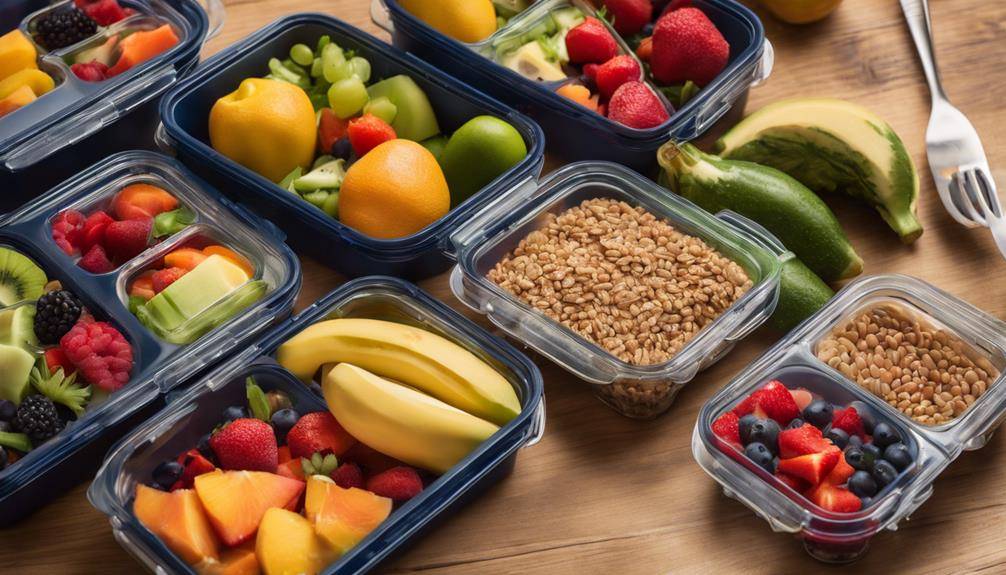
Meal storage can also play an essential role in reducing waste. Teach your children how to properly store leftovers, ensuring they stay fresh for future meals. Use clear containers so they can easily see what’s inside. This way, they’re more likely to eat those leftovers rather than let them go to waste.
Incorporating these habits into your family routine not only decreases food waste but also reinforces a sense of teamwork. Celebrate your successes together, whether it’s a delicious leftover dish or a full compost bin. You’ll find that working together to reduce food waste can spark creativity and a deeper appreciation for the food you enjoy.
Frequently Asked Questions: Easy Sustainable Meal Prep For Kids
What Are Some Eco-Friendly Kitchen Tools for Meal Prep?
When you’re meal prepping, consider using biodegradable utensils and reusable containers. These eco-friendly kitchen tools not only reduce waste but also help you create a more sustainable cooking environment while keeping your meals organized and fresh.
How Can I Teach Kids About Food Sourcing?
You can teach kids about food sourcing by exploring food origin together. Visit local farms, discuss how food grows, and encourage them to ask questions. This hands-on approach fosters appreciation for local farming and sustainable practices.
What Are Quick Meal Prep Ideas for Busy Families?
When you’re short on time, try easy recipes like sheet pan dinners or one-pot meals. Use time-saving strategies like prepping ingredients in advance or batch cooking on weekends to simplify your weeknight dinners.
How Do I Store Leftovers Sustainably?
To store leftovers sustainably, use reusable leftover containers made from glass or BPA-free materials. Proper food preservation techniques, like cooling before sealing, help maintain freshness and reduce waste, making your meals last longer and taste better.
Can Meal Prep Save Money on Groceries?
Yes, meal prep can save you money on groceries. Focus on budget-friendly recipes, plan your meals, and use grocery shopping tips to avoid impulse buys, maximizing savings while minimizing food waste and stress.

Conclusion
By embracing sustainable meal prep, you’re not just feeding your kids; you’re teaching them valuable lessons about the environment and healthy eating. Involving them in the process—from planning to cooking—makes it fun and educational. Choosing seasonal and local ingredients not only tastes better but also supports your community. Plus, reducing food waste together reinforces the importance of mindful consumption. So, immerse yourselves, get creative, and make mealtime a sustainable adventure for the whole family!
If you enjoyed exploring this topic and want to dive even deeper, be sure to check out some of our other articles here on Infinite Flavors. From rich culinary histories to creative twists on classic recipes, there’s always something new to discover. Whether you’re curious about the origins of a dish, looking for fresh inspiration in the kitchen, or simply love learning about food culture, our collection of posts is the perfect next step on your flavor journey.
Sustainable Easy Meal Prep For Postpartum Weight Loss
How To Do Eco-Friendly Meal Prep
Great Vegetarian Sustainable Meal Prep Options