What Are Essential Techniques For No-Bake Desserts
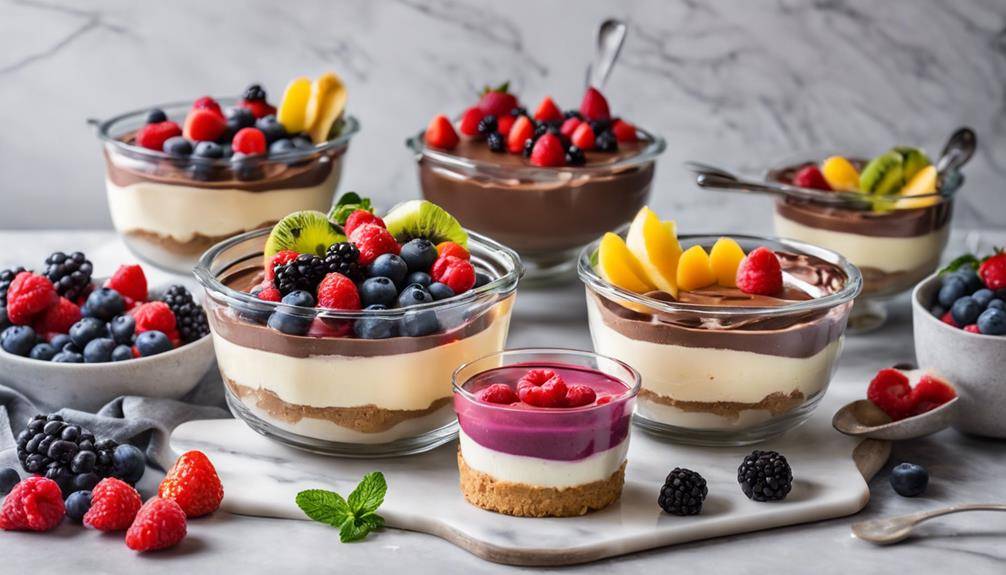
What Are Essential Techniques For No-Bake Desserts: To master no-bake desserts, focus on a few essential techniques. Start by understanding chilling times; proper refrigeration is vital for texture. Choose the right base, whether it's crushed cookies or nut blends, to add flavor and crunch. Select effective binding agents like nut butter or cream cheese to hold everything together. Layer flavors thoughtfully to enhance taste, using fresh, seasonal ingredients. Don't forget about balancing sweetness and incorporating contrasting textures for a delightful experience. These tips set the foundation for your no-bake creations, and there's much more to explore as you refine your techniques.
Understanding Chilling Times
Click Here and Turn Every Masterpiece into a Showstopper!
When it comes to no-bake desserts, understanding chilling times is crucial for achieving the perfect texture and flavor. You must pay close attention to timing importance because each dessert has specific chilling needs that can make or break your creation. If you rush the process, you might end up with a soggy or overly soft dessert, while too much chilling can lead to a firm, unappetizing texture.
First, consider the chilling techniques you'll use. For many no-bake desserts, refrigeration is the go-to method. Typically, desserts like mousse or cheesecake require a minimum of four to six hours to set properly. If you're short on time, you can use a freezer to speed things up, but don't forget to monitor the temperature closely. Freezing for too long can result in a dessert that's icy and hard rather than creamy and smooth.
Also, don't overlook the importance of layering. If your dessert has multiple components, each layer may need its own chilling time. For instance, if you're making a layered parfait, make sure the bottom layer is fully set before adding the next one. This attention to detail guarantees each layer maintains its structure and flavor.
Choosing the Right Base
Choosing the right base is key to the success of your no-bake dessert. The base sets the foundation for flavor and texture, so you want to select ingredients that complement your overall creation. Common base ingredients often include crushed cookies, graham crackers, or even oats. These provide a satisfying crunch and a hint of sweetness, perfect for a cheesecake or a layered dessert.
You might also consider using nut-based bases, such as almonds or walnuts, blended with dates for a healthier touch. These alternatives not only add a unique flavor but also boost the nutritional profile of your dessert. If you're looking for a gluten-free option, try using ground nuts or gluten-free cookies.
Another popular choice is coconut, whether in the form of shredded coconut or coconut flour. It brings a tropical flair to your dessert and pairs well with chocolate or fruit flavors. For a lighter option, consider using puffed rice or quinoa, which can create a delightful texture without overwhelming the dish.
Selecting Binding Agents
Binding agents play an essential role in holding your no-bake desserts together. Choosing the right one can make or break your creation. Traditional options like butter, cream cheese, or condensed milk are popular, but don't shy away from exploring alternative binding agents. Nut butters, like almond or cashew, not only bind your ingredients but also add a rich flavor profile. Meanwhile, sweeteners like agave syrup or honey can help achieve that desired stickiness while enhancing sweetness.
When selecting your binding agent, consider your dessert's flavor and texture. If you're after a chewy consistency, opt for nut butters or dates blended into a paste. On the other hand, if your goal is a creamier texture, cream cheese or yogurt might be the way to go.
Don't forget about texture enhancing techniques. For instance, incorporating oats or crispy rice cereal can bring a delightful crunch to your no-bake treats, while still ensuring everything holds together. This is particularly effective in bars or bites where mouthfeel matters.
Lastly, always remember to adjust your ratios. Too much binding agent might lead to a dense dessert, while too little could result in a crumbly mess. Experimenting with different combinations will help you find the perfect balance for your no-bake creations. Trust your instincts, and don't hesitate to mix and match until you discover the ideal binding agent for your no-bake masterpiece.
Incorporating Flavor Layers
To elevate your no-bake desserts, incorporating flavor layers is crucial. By focusing on flavor infusion, you can create a delightful experience that excites the palate. Start by selecting seasonal ingredients that not only enhance taste but also align with the time of year. For example, fresh berries in summer or spiced pumpkin in fall can add depth and freshness.
When layering flavors, think about ingredient synergy. Pair complementary flavors that work well together, like chocolate and orange or coconut and lime. This strategic flavor pairing can lead to a harmonious blend that captivates your guests. Don't shy away from aromatic enhancements, such as a hint of vanilla or a sprinkle of cinnamon, which can elevate the overall profile of your dessert.
Texture contrast is another essential component. While your base might be creamy, consider adding a crunchy element, like crushed nuts or granola, to provide an engaging bite. This not only adds interest but also creates a delightful experience of taste layering.
Mastering Texture Techniques
To create a standout no-bake dessert, you need to master texture techniques that enhance both taste and presentation. Start by choosing the right ingredients that complement each other, then layer them thoughtfully for visual appeal. Finally, balance flavors and sweetness to guarantee every bite is satisfying.
Choosing the Right Ingredients
When you're diving into the world of no-bake desserts, picking the right ingredients can make all the difference in achieving the perfect texture. Start with ingredient freshness; using fresh, seasonal selections enhances both flavor and nutritional value. Look for organic options when possible, as they often provide better taste and fewer additives.
Consider flavor compatibility; it's crucial for creating a harmonious dish. For example, pairing creamy ingredients with crunchy ones can create a delightful texture contrast. If you're mindful of dietary restrictions, make appropriate ingredient substitutions without compromising texture. For instance, using almond flour instead of regular flour can yield a different mouthfeel while keeping it gluten-free.
Local sourcing is another great choice; not only does it support your community, but it usually guarantees fresher ingredients. While cost considerations are important, investing in high-quality ingredients can elevate your no-bake dessert from ordinary to exceptional. By carefully selecting your ingredients, you'll not only master the art of texture but also create desserts that everyone can enjoy, regardless of dietary needs.
Layering for Visual Appeal
Creating visually appealing no-bake desserts not only enhances their presentation but also elevates the overall eating experience. One effective way to achieve this is through thoughtful layering. Start by choosing ingredients that contrast in color, which can make your dessert pop. For instance, consider combining rich chocolate layers with vibrant fruits like strawberries or kiwis. This not only creates a feast for the eyes but also heightens the anticipation for each bite.
Next, think about visual height. Layering your ingredients in clear cups or jars allows you to showcase the different textures and colors beautifully. You might begin with a crumbly base, followed by a creamy filling, and then a fruity topping. This progression not only adds depth but also guides your guests through a delightful visual journey.
Don't forget to play with the sizes of your layers; varying thickness can create an interesting dynamic. Finally, finish with a garnish that complements your dessert, like a sprig of mint or a drizzle of sauce. With these techniques, you'll craft no-bake desserts that are as stunning as they are delicious, ensuring they leave a lasting impression.
Balancing Flavors and Sweetness
Balancing flavors and sweetness is essential in crafting no-bake desserts that tantalize the taste buds. To achieve that perfect balance, you'll want to reflect on the sweetness profiles of your ingredients. Not all sugars are created equal; brown sugar adds depth, while honey lends a floral note. Experiment with natural sweeteners like maple syrup or agave to find what complements your base.
Next, think about flavor pairings. Pairing sweet ingredients with something tart, like lemon juice or berries, can create a delightful contrast that enhances the overall experience. If you're using chocolate, adding a pinch of salt can elevate its richness and offset its sweetness.
Don't shy away from spices either; cinnamon and nutmeg can add warmth and complexity. When you taste your creation, adjust as needed—add more acidity to brighten or a touch more sweetness if it feels flat.
Utilizing Gelatin Properly
When you're making no-bake desserts, understanding the different types of gelatin is key to achieving the right texture. You'll want to learn how to properly prepare gelatin to guarantee it sets perfectly in your creations. Let's explore these essential techniques so you can master your no-bake treats.
Types of Gelatin
Understanding the different types of gelatin is essential for mastering no-bake desserts. There are primarily two gelatin types you'll encounter: powdered and sheet gelatin. Powdered gelatin is easy to measure and dissolve, while sheet gelatin provides a more consistent texture. When you're choosing your gelatin, consider the gelatin textures you want for your dessert; a firmer texture works well for mousse, while a softer texture is ideal for creamy puddings.
If you're looking for gelatin substitutes, options like agar-agar or pectin can be useful, especially for vegan recipes. These substitutes have unique gelatin flavors and textures, so experiment to find the right fit for your dish.
When using gelatin, be mindful of gelatin safety. Always follow the manufacturer's instructions for proper handling and storage. Knowing the gelatin uses in your recipes will also help you achieve the desired outcome. For example, using the right amount of gelatin is vital—too little can result in a runny dessert, while too much can make it too stiff. By understanding these aspects, you'll be well on your way to creating delicious no-bake desserts with the perfect texture and flavor.
Gelatin Preparation Techniques
To achieve the best results with gelatin in your no-bake desserts, proper preparation techniques are vital. Start by choosing the right gelatin type, whether it's powdered or sheet gelatin, based on your recipe. If you're looking for gelatin substitutes, options like agar-agar or pectin can work, but you'll need to adjust gelatin ratios accordingly.
When preparing gelatin, dissolve it in warm water to activate its gelling properties. Be sure to follow the recommended gelatin ratios on the package; too much can make your dessert rubbery, while too little may leave it runny. After dissolving, allow it to cool slightly before adding it to your mixture to prevent clumping.
Proper gelatin storage is essential for maintaining its quality. Keep it in a cool, dry place, and make sure it's sealed tightly to avoid moisture. Remember, gelatin is not only versatile in its uses—from mousses to panna cotta—but it also has health benefits, like aiding digestion. By mastering these gelatin techniques, you can enhance your no-bake desserts with delightful textures and flavors, making them a hit at any gathering.
Experimenting With Creams
Creams play a pivotal role in no-bake desserts, adding richness and texture that elevate your creations. By experimenting with cream variations, you can discover endless possibilities for your desserts. Start with whipped cream, which can be lightened with air or thickened through careful cream ratios. This gives you control over cream stability, ensuring it holds up beautifully in your recipes.
Don't shy away from flavor infusions; adding vanilla, chocolate, or fruit purees can transform your cream's profile. These flavor infusions also create delightful cream pairings that complement other dessert components, enhancing the overall experience. Consider incorporating texture contrasts by blending different cream textures, such as silky mascarpone with airy whipped cream. This combination not only adds depth but also keeps your dessert interesting.
Utilizing various cream techniques, like cream layering, allows you to create stunning visuals and complex flavors. Layering different flavored creams can provide a beautiful gradient and surprise your guests with every bite. Experiment with the ratios of heavy cream to lighter creams, adjusting to achieve the desired taste and mouthfeel.
Ultimately, don't be afraid to play around with your creams. Each combination and technique can lead to unique results that reflect your personal touch. Whether you're crafting a rich mousse or a light parfait, mastering the art of experimenting with creams is essential for achieving no-bake dessert perfection.
Using Fresh Ingredients
Incorporating fresh ingredients can elevate your no-bake desserts to a whole new level. By using fresh fruit, you can add bursts of flavor and vibrant colors to your creations. Choose seasonal flavors to guarantee you're working with the ripest and most flavorful produce. For instance, berries in summer or apples in fall can transform your desserts into seasonal delights.
Don't shy away from experimenting with herb infusions. Fresh mint or basil can bring a unique twist to your dishes, enhancing the overall flavor profile. You can also play with various nut varieties for added crunch and richness. Whether you opt for almonds, pecans, or walnuts, these add both texture contrast and nutritional value.
Citrus zest can brighten up any dessert, providing a revitalizing zing. Pair it with different chocolate types, like dark, milk, or white chocolate, to create a perfect balance of flavors. Spice blends, such as cinnamon or cardamom, can further enhance your dessert's complexity.
If you're using dairy alternatives, fresh ingredients can help maintain creaminess and flavor. Cashew cream or coconut yogurt can be delicious options. To supercharge your no-bake desserts, consider superfood additions like chia seeds or cacao nibs for extra nutrients and texture.
Click Here and Turn Every Masterpiece into a Showstopper!
Balancing Sweetness Levels
When you're crafting no-bake desserts, finding the right sweetness balance is key. You can explore natural sweeteners, adjust your recipe ingredients, and use taste testing techniques to achieve that perfect flavor. Let's look at how to master these elements for a delicious outcome.
Understanding Natural Sweeteners
Natural sweeteners offer a range of flavors and sweetness levels, making them a versatile choice for no-bake desserts. When you experiment with various natural sweetener types, like honey, maple syrup, or agave nectar, you can discover unique tastes that enhance your creations. Each sweetener has its own distinct flavor profile, which can elevate your dessert beyond traditional sugar.
Balancing sweetness levels is essential. Since natural sweeteners often have varying degrees of sweetness compared to refined sugar, you'll want to adjust the quantities accordingly. For instance, honey is sweeter than granulated sugar, so you might use less of it to achieve the desired sweetness.
In addition to flavor, these sweeteners come with health benefits. Many natural sweeteners contain vitamins, minerals, and antioxidants, making them a healthier alternative to processed sugars. They can also have a lower glycemic index, which can be beneficial for maintaining stable blood sugar levels.
Ultimately, experimenting with natural sweeteners allows you to tailor your no-bake desserts to your taste preferences while enjoying the added health benefits. Don't hesitate to try different combinations until you find the perfect balance for your next creation!
Adjusting Recipe Ingredients
Adjusting recipe ingredients is key to achieving the perfect balance of sweetness in your no-bake desserts. When you find that a dessert is too sweet, consider ingredient substitutions. For example, swap out some sugar for unsweetened cocoa powder or Greek yogurt. These alternatives can reduce sweetness while adding depth to the flavor profile.
You can also play with natural sweeteners like honey or maple syrup. If you're using these, remember they're often sweeter than granulated sugar, so adjust the quantities accordingly. This way, you can maintain the desired sweetness without overwhelming your dessert.
Flavor enhancements can also help balance sweetness. Adding a pinch of salt or a splash of vanilla extract can elevate the overall taste, making your dessert more enjoyable. Citrus zest, like lemon or orange, can provide a revitalizing contrast to sweetness, enhancing the overall flavor experience.
Lastly, always consider the final texture of your dessert when adjusting ingredients. Make sure that your substitutions maintain the right consistency, so your no-bake creation turns out perfect every time. By fine-tuning these elements, you're well on your way to mastering no-bake desserts.
Taste Testing Techniques
Taste testing is essential for balancing sweetness levels in your no-bake desserts. Begin by understanding your audience's taste preferences, as these can vary widely based on cultural influences and individual habits. During your recipe testing, aim to incorporate seasonal ingredients, which can enhance flavor and freshness, making it easier to strike the right balance.
When you taste, consider flavor pairing; some sweet ingredients may harmonize better than others. Don't forget about texture contrast, as a creamy dessert can feel sweeter than a crumbly one, even if they contain the same amount of sugar. Engage in sensory evaluation by paying attention to how each component interacts on your palate.
As you gather audience feedback, adjust sweetness based on their responses. This iterative process allows for palate development, refining your dessert to perfection. Don't hesitate to source unique ingredients that can elevate your dessert's profile while keeping sweetness in check. By thoughtfully maneuvering through these taste testing techniques, you'll create no-bake desserts that are not only delicious but also resonate with your audience's preferences.
Designing Attractive Presentations
Creating visually appealing presentations for your no-bake desserts is essential for making a lasting impression. Start by considering color contrast; vibrant hues can elevate your dessert's appeal. Use seasonal colors to align your treats with the time of year, enhancing their visual impact. When it comes to plate arrangement, think about height variation. Stacking elements or using tiered serving dishes can create an eye-catching display.
Garnish selection plays a significant role too. Fresh fruits, edible flowers, or chocolate shavings can add pops of color and texture contrast, making your desserts more inviting. Aim for theme consistency; if you're going for a summer vibe, incorporate bright colors and light garnishes, while a winter theme might benefit from deeper tones and richer textures.
Consider your audience preferences as well. If they're fans of minimalist design, keep it simple yet elegant. A few carefully chosen elements can make a big impact without overwhelming the senses. On the other hand, if your audience enjoys a more festive presentation, don't hesitate to experiment with bold colors and elaborate garnishes.
Storing and Serving Tips
After you've designed a stunning presentation for your no-bake desserts, proper storage and serving become key to maintaining their appeal and flavor. Start by selecting the right storage containers. Airtight containers are essential for keeping your desserts fresh and preventing them from absorbing unwanted odors from the fridge. Make sure to label your containers with the date you made them, so you can enjoy them at their best.
When it comes to portion sizes, consider using smaller serving dishes or cups. This not only makes for easy serving but also helps control how much guests take, allowing everyone to sample a variety of desserts. Use appropriate serving utensils to enhance the presentation; a small spatula or dessert spoon can make all the difference.
For refrigeration tips, remember that most no-bake desserts benefit from chilling for several hours or overnight. This helps flavors meld and improves texture. If you're planning to store desserts for longer, freezing methods can be a game-changer. Just be sure to wrap them well to prevent freezer burn.
To elevate your serving experience, apply garnishing techniques just before serving. Fresh fruits, chocolate shavings, or a sprinkle of nuts can add an appealing touch. Experiment with different presentation styles to keep things interesting. By following these storage and serving tips, you'll guarantee that your no-bake creations remain delicious and visually enticing for your guests.
Adapting Recipes for Dietary Needs
When you're adapting no-bake dessert recipes, it's crucial to take into account dietary needs like gluten intolerance, lactose sensitivity, or sugar restrictions. You can easily swap ingredients for gluten-free alternatives, dairy substitutes, or low-sugar options without sacrificing taste. Let's explore how to make these adjustments seamlessly.
Gluten-Free Alternatives
Adapting no-bake dessert recipes for gluten-free diets opens up a world of delicious possibilities. You can easily swap traditional ingredients for gluten-free flours like almond or coconut flour, ensuring your base is safe for everyone. Consider using nut-based crusts to add flavor and texture, while also keeping it gluten-free.
When it comes to sweetening, alternative sweeteners such as maple syrup or agave can elevate your dessert without compromising dietary needs. If you're craving chocolate, opt for dairy-free chocolates that are both rich and indulgent.
For toppings, think about incorporating vegan toppings, like coconut whipped cream or fresh fruits, to enhance your creation. If you're making a layered dessert, gluten-free cookies can provide a satisfying crunch when crumbled on top.
Don't forget about allergen-free ingredients! You can use plant-based creams and coconut milk to create creamy textures without gluten. Oat-based bases can also serve as a hearty foundation for your no-bake delights. With these gluten-free alternatives, you'll create desserts that everyone can enjoy, satisfying both taste and dietary restrictions.
Dairy Substitutes Options
For those looking to create no-bake desserts that cater to dietary needs, finding the right dairy substitutes is key. You can easily swap traditional dairy ingredients with various plant-based options. Almond milk is a great choice for a lighter base, while coconut cream adds a rich and creamy texture to your desserts. If you prefer something with a tangy flavor, cashew yogurt works wonderfully in recipes calling for yogurt.
Soy milk is another versatile alternative, providing a similar consistency to cow's milk. Oat milk and hemp milk are also popular, offering unique flavors and nutrients. When it comes to creaminess, rice milk and flaxseed milk can be used, although they may require additional thickening agents.
For a decadent touch, try using dairy-free chocolate in your recipes to satisfy your sweet tooth without the dairy. Nut-based cheeses can also add a savory note to no-bake creations. If you're looking to add some fluffiness, consider using vegan whipped cream or aquafaba foam for a light finish. With these substitutes, you can enjoy delicious no-bake desserts that fit your dietary needs without compromising on taste.
Low-Sugar Variations
Creating low-sugar variations of no-bake desserts can be both satisfying and delicious. By making a few simple adjustments, you can cater to your dietary needs without sacrificing flavor. Start by incorporating low calorie swaps for ingredients that traditionally contain high amounts of sugar. For example, you can substitute granulated sugar with a natural sweetener like stevia, monk fruit, or erythritol. These options can greatly reduce the calorie count without compromising the sweetness.
When it comes to recipes, consider using ripe bananas or unsweetened applesauce as a base. They add moisture and natural sweetness while keeping your dessert healthy. If you're making a cheesecake, try blending silken tofu with a natural sweetener to create a creamy, low-sugar filling.
Don't forget about flavors! Adding vanilla extract, cocoa powder, or spices like cinnamon can enhance the taste without the extra sugar. Remember, balance is key. Taste your mixture as you go to verify it meets your preferences. With these tips, you can enjoy guilt-free no-bake desserts that are not only low in sugar but also full of flavor.
Troubleshooting Common Issues
When diving into no-bake desserts, you might encounter a few common issues that can throw off your plans. One frequent problem is the texture not turning out as expected. If your dessert feels too soft or runny, check the setting agents you used, like gelatin or agar-agar. Make sure you followed the instructions for preparation, as improper measurements can lead to disappointing results. If you're using ingredient substitutions, be cautious; some alternatives might not provide the same binding properties as the original ingredients.
Another issue could be flavor, which can fall flat in no-bake recipes. If you find your dessert lacking in taste, try adding flavor enhancements. A splash of vanilla extract, a pinch of salt, or even a zest of citrus can elevate your dish considerably. Also, don't underestimate the power of spices like cinnamon or nutmeg—they can bring warmth and depth to your dessert.
If your dessert is too sweet, remember that you can balance it out with acidic elements. A drizzle of lemon juice or a sprinkle of unsweetened cocoa powder can counteract the sweetness. Finally, if your dessert isn't setting properly, consider chilling it longer in the fridge or even the freezer. Be patient; some desserts just need extra time to firm up.
Creative Garnishing Ideas
After resolving any issues with your no-bake dessert, the next step is to elevate its presentation. Creative garnishing can transform your dish from simple to stunning. Start with a base of whipped cream; it adds a light, airy touch and can be piped onto your dessert for an elegant finish.
Next, consider adding chocolate shavings or cookie crumbles for texture. These not only enhance the flavor but also provide a visually appealing contrast. If you want a fruity twist, a dollop of fruit compote can add both color and sweetness. For a rich touch, drizzle caramel over the top; it gives a lovely sheen and an irresistible flavor.
Don't forget about nut toppings! Chopped nuts can add crunch and a nutty flavor that complements many desserts. For a revitalizing zing, sprinkle some citrus zest on top; it brightens up the dish and adds a pop of color.
For a touch of whimsy, incorporate edible flowers or herb accents. These not only look beautiful but also add a unique flavor profile. Finally, a light dusting of spices can elevate your dessert. Whether it's cinnamon, nutmeg, or cocoa powder, a spice dusting can create an inviting aroma and enhance the overall experience.
With these garnishing ideas, your no-bake dessert will not only taste amazing but also look like a masterpiece. So go ahead, get creative, and impress your guests!
Click Here and Turn Every Masterpiece into a Showstopper!
Frequently Asked Questions: What Are Essential Techniques For No-Bake Desserts
Can I Use Frozen Fruits in No-Bake Desserts?
Yes, you can use frozen fruits in no-bake desserts! Their benefits include enhanced flavor and convenience. Just remember to use proper thawing techniques, like letting them sit at room temperature or using the microwave briefly.
What Kitchen Tools Are Essential for No-Bake Desserts?
For no-bake desserts, you'll need mixing bowls, measuring cups, and a rubber spatula for easy mixing. A food processor helps with blending, while silicone molds, parchment paper, and a cooling rack assist in shaping and setting your creations.
How Do I Know if My Dessert Has Set Properly?
To know if your dessert has set properly, check its firmness by texture testing. After the recommended cooling time, gently press the surface; it should feel slightly firm yet still have a bit of give.
Can I Substitute Dairy-Free Options for Traditional Ingredients?
Absolutely, you can substitute dairy alternatives for traditional ingredients. Just keep in mind that texture adjustments may be necessary. Experimenting with different options like coconut cream or almond milk can lead to delicious results!
What Are Some Popular Flavor Combinations for No-Bake Desserts?
When you're exploring flavors for no-bake desserts, chocolate peanut and berry citrus combinations stand out. They balance richness and freshness, offering a delightful taste experience that's sure to impress anyone you serve. Enjoy experimenting!

Conclusion
To sum it up, mastering no-bake desserts is all about understanding key techniques and adapting them to your taste. By focusing on chilling times, selecting the right ingredients, and experimenting with flavors and textures, you can create delightful treats with ease. Don't forget to store them properly and get creative with garnishes for that extra flair. With a bit of practice, you'll impress family and friends with your delicious, hassle-free creations! Enjoy every sweet moment!