Exciting Korean Food For Gluten-Free Diets
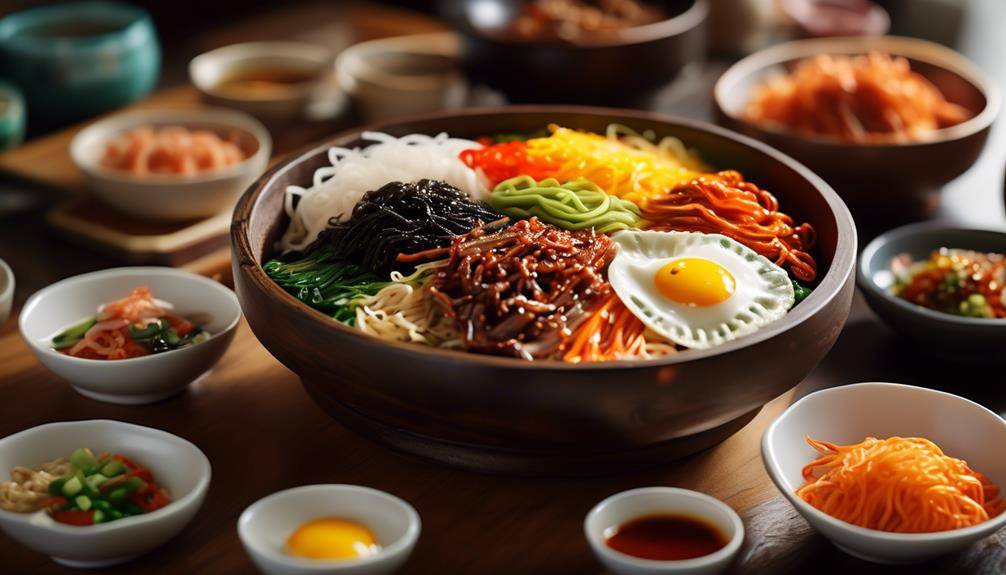
Exciting Korean Food For Gluten-Free Diets; Are you tired of having limited options when it comes to finding gluten-free meals that are both delicious and satisfying? Look no further than the vibrant and diverse world of Korean cuisine. With its rich flavors and fresh ingredients, Korean food offers a multitude of gluten-free dishes that are sure to tantalize your taste buds and leave you craving for more. From grilled meats to flavorful rice dishes, savory stews and soups to mouthwatering pancakes and desserts, there is something for everyone. So, why settle for bland and boring gluten-free meals when you can embark on a culinary adventure through the flavors of Korea?
The Basics of Korean Cuisine
Get ready to dive into the delicious and diverse world of Korean cuisine, where bold flavors, vibrant colors, and a rich culinary history await you. Korean cuisine has a fascinating history that dates back thousands of years. It has been heavily influenced by the country’s geography, climate, and cultural traditions. Traditional Korean cuisine is known for its emphasis on fresh ingredients, balanced flavors, and the use of fermented foods.
The history of Korean cuisine can be traced back to ancient times when farming and agriculture began to develop in the Korean peninsula. The early Koreans relied heavily on rice, grains, and vegetables as their main sources of sustenance. Over time, they developed various cooking techniques such as grilling, boiling, and fermenting to enhance the flavors of their dishes.
One of the key elements of traditional Korean cuisine is the use of a wide range of ingredients. Common ingredients include rice, soybeans, tofu, sesame oil, garlic, ginger, and chili pepper. These ingredients are used to create a variety of dishes that are both flavorful and nutritious.
Fermented foods also play a significant role in Korean cuisine. Fermentation is a traditional preservation method that not only extends the shelf life of food but also enhances its flavor and nutritional value. Kimchi, a spicy fermented cabbage dish, is one of the most iconic and widely consumed Korean dishes. Other popular fermented foods include doenjang (soybean paste), gochujang (red chili paste), and makgeolli (rice wine).
Gluten-Free Grilled Meats
When exploring Korean cuisine for gluten-free options, one delicious choice to consider is the array of gluten-free grilled meats available. Korean cuisine offers a variety of gluten-free grilling techniques that bring out the best flavors in the meats while keeping them safe for those with gluten sensitivities. Additionally, Korean cuisine provides alternative protein sources for those who are looking to reduce their meat consumption or try something different.
One popular gluten-free grilling technique in Korean cuisine is bulgogi, which involves marinating thin slices of beef in a gluten-free soy sauce-based marinade before grilling them to perfection. The marinade typically includes ingredients like garlic, ginger, sesame oil, and green onions, which add depth and flavor to the meat. Another gluten-free grilling technique is galbi, which involves marinating beef short ribs in a mixture of gluten-free soy sauce, garlic, ginger, and sugar before grilling them until they are tender and juicy.
For those looking for alternative protein sources, Korean cuisine offers grilled meats such as dak galbi, which is made with marinated chicken and vegetables, and samgyeopsal, which consists of grilled pork belly. These dishes can be enjoyed on their own or wrapped in lettuce leaves with rice and a variety of gluten-free condiments.
Flavorful Korean Rice Dishes
Indulge in the rich and flavorful world of Korean cuisine with a satisfying array of rice dishes that will leave your taste buds craving for more. Korean rice dishes are known for their bold and traditional flavors, making them a delightful addition to any gluten-free diet. Here are three flavorful rice dishes that you must try:
- Bibimbap: This iconic Korean dish consists of a bowl of steamed rice topped with an assortment of vegetables, meat, and a fried egg. The ingredients are seasoned with a spicy gochujang sauce, which adds a burst of flavor to the dish. The combination of textures and flavors in bibimbap makes it a truly satisfying meal.
- Kimbap: Similar to sushi rolls, kimbap is a popular Korean dish made with seaweed and rice. It is filled with various ingredients such as vegetables, meat, and pickled radish. The flavors are enhanced with a touch of sesame oil and soy sauce. Kimbap is a portable and delicious option for a quick meal or snack.
- Japchae: Japchae is a stir-fried noodle dish made with sweet potato glass noodles and a colorful medley of vegetables. The dish is seasoned with soy sauce, sesame oil, and a touch of sugar, creating a harmonious balance of flavors. Japchae is a popular side dish or main course that will satisfy your cravings for both noodles and rice.
These flavorful Korean rice dishes showcase the diversity and richness of Korean cuisine. Whether you are a fan of spicy flavors or prefer a milder taste, there is a rice dish that will suit your palate. So, don’t miss the opportunity to experience the traditional flavors of Korean cuisine through these delicious rice dishes.
Savory Korean Stews and Soups
Immerse yourself in the comforting flavors of Korean cuisine with a delightful selection of savory stews and soups. Korean stews, known as jjigae, are a popular choice for a hearty and satisfying meal. These stews are often made with a variety of ingredients such as vegetables, meat, tofu, and seafood, simmered together in a flavorful broth. The best part is that many of these stews are naturally gluten-free, making them a great option for those following a gluten-free diet.
One popular Korean stew is kimchi jjigae, which is made with fermented cabbage, pork, and tofu. The tangy and spicy flavors of the kimchi combined with the rich, meaty taste of the pork create a delicious and satisfying dish. Another popular choice is doenjang jjigae, a soybean paste stew that is often made with vegetables, tofu, and sometimes seafood. The savory and earthy flavors of the soybean paste make this stew a true comfort food.
For those looking for gluten-free soup options, Korean cuisine offers a variety of choices. One such option is miyeok guk, a seaweed soup made with beef or seafood. This soup is light yet flavorful, and the seaweed adds a unique texture to the dish. Another gluten-free soup option is samgyetang, a ginseng chicken soup. This soup is made with a whole chicken stuffed with rice, garlic, and ginseng, and simmered to perfection. It is a nourishing and comforting dish, often enjoyed during hot summer days.
When it comes to savory Korean stews and soups, there are plenty of gluten-free options to choose from. Whether you prefer the bold flavors of kimchi jjigae or the comforting warmth of miyeok guk, Korean cuisine has something to offer for everyone. So go ahead, indulge in these delicious and gluten-free dishes, and experience the true taste of Korean comfort food.
Delicious Gluten-Free Korean Pancakes
If you’re craving something different yet equally delicious from the savory stews and soups of Korean cuisine, look no further than the mouthwatering world of gluten-free Korean pancakes. These pancakes are not only a delightful treat but also a great way to explore the flavors of gluten-free Korean cuisine. Here are three reasons why these pancakes will satisfy your cravings:
- Versatile and Flavorful: Gluten-free Korean pancakes, known as jeon or buchimgae, come in many delicious varieties. From kimchi pancakes to seafood pancakes, there is a flavor combination to suit every palate. These pancakes are made with a batter of rice flour, cornstarch, and eggs, resulting in a light and crispy texture that perfectly complements the savory fillings. Each bite is bursting with flavors that are unique to Korean cuisine, making these pancakes a truly delightful experience.
- Gluten-Free Goodness: For those following a gluten-free diet, Korean pancakes offer a wonderful alternative to traditional wheat-based pancakes. By using rice flour or other gluten-free alternatives, these pancakes are safe for individuals with gluten sensitivities or celiac disease. You can enjoy these delicious pancakes without worrying about any adverse reactions, allowing you to indulge in the flavors of Korean cuisine without any restrictions.
- Easy to Make: Making gluten-free Korean pancakes at home is a breeze. The batter comes together quickly, and the fillings can be customized to your liking. Whether you prefer a vegetarian option with mushrooms and scallions or a seafood-filled pancake with shrimp and squid, the possibilities are endless. With a few simple ingredients and some basic cooking techniques, you’ll have a stack of delicious pancakes ready to be devoured in no time.
Exploring Korean Seafood Delicacies
Get ready to embark on a culinary adventure as you explore the world of Korean seafood delicacies. From the unique flavors to the traditional recipes, Korean cuisine offers a wide range of seafood options that are sure to tantalize your taste buds. Not only are these dishes delicious, but they also provide a healthy choice for those looking to incorporate more seafood into their diet.
Unique Seafood Flavors
Discover the tantalizing world of Korean seafood delicacies, where unique flavors from the sea await your taste buds. Korean cuisine is known for its diverse and inventive seafood preparations, offering a fusion of traditional and modern flavors. Here are three must-try seafood dishes that will take your culinary experience to the next level:
- Haemul Pajeon: This savory seafood pancake combines a crispy exterior with a soft and chewy center. Loaded with a variety of fresh seafood such as shrimp, squid, and clams, it bursts with umami flavors.
- Jjukkumi Gui: Grilled baby octopus marinated in a spicy sauce, this dish offers a delightful combination of tender and slightly chewy textures. The smoky and slightly sweet flavors make it a favorite among seafood lovers.
- Ganjang Gejang: This dish features raw crabs marinated in soy sauce and spices. The result is a rich and flavorful delicacy that showcases the natural sweetness of the crab meat.
Embark on a culinary adventure and savor the unique seafood flavors that Korean cuisine has to offer.
Traditional Korean Seafood
Embark on a culinary journey as we dive deeper into the world of traditional Korean seafood, where an array of tantalizing delicacies will transport your taste buds to the vibrant flavors of the sea. Traditional Korean seafood dishes offer a wide range of gluten-free options that are both delicious and satisfying. From spicy seafood stews like jjamppong, made with a rich broth loaded with fresh seafood such as shrimp, mussels, and squid, to the popular dish of grilled mackerel, marinated in a flavorful blend of soy sauce and sesame oil, there are plenty of gluten-free choices to explore.
Other gluten-free Korean seafood dishes include jokbal, which is braised pig’s feet, and haemul pajeon, a savory seafood pancake made with a gluten-free batter. These dishes showcase the exquisite flavors of Korean seafood while ensuring a gluten-free dining experience.
Healthy Seafood Options
What are some healthy options when it comes to exploring Korean seafood delicacies? Incorporating seafood into a gluten-free diet can provide numerous health benefits. Here are three healthy seafood recipes that are not only delicious but also gluten-free:
- Grilled Mackerel: Mackerel is a fatty fish rich in omega-3 fatty acids, which are beneficial for heart health. Marinate the mackerel with a gluten-free soy sauce and grill it for a flavorful and nutritious meal.
- Spicy Stir-Fried Squid: Squid is a low-calorie seafood option that is packed with protein and essential vitamins. Stir-fry squid with gluten-free gochujang sauce, vegetables, and spices for a spicy and satisfying dish.
- Steamed Clams: Clams are high in iron and provide a good source of protein. Steam clams with gluten-free broth, garlic, and herbs for a simple and nutritious meal.
Incorporating these healthy seafood options into your gluten-free diet can not only provide a variety of flavors but also contribute to overall well-being.
Tasty Korean Vegetable Side Dishes
One of the highlights of Korean cuisine is its wide variety of flavorful and nutritious vegetable side dishes. These dishes are not only delicious but also easy to make and gluten-free, making them perfect for those following a gluten-free diet. Korean vegetable recipes are known for their vibrant colors, bold flavors, and unique combinations of ingredients. Whether you’re a fan of spicy or mild flavors, there is a Korean vegetable side dish that will satisfy your taste buds.
One popular Korean vegetable side dish is called “namul.” Namul refers to a variety of seasoned and stir-fried vegetables that are often served as a side dish or mixed with rice. Some common namul dishes include spinach namul, bean sprout namul, and radish namul. These dishes are usually seasoned with soy sauce, garlic, sesame oil, and other aromatic spices, giving them a rich and savory flavor.
Another delicious and gluten-free Korean vegetable side dish is “banchan.” Banchan refers to a selection of small dishes that are served alongside the main course. These dishes can range from pickled vegetables to marinated tofu to stir-fried mushrooms. Banchan dishes are meant to add variety and flavor to the meal, and they are often shared among diners, creating a communal dining experience.
Gluten-Free Korean Noodle Options
Looking for gluten-free Korean noodle options? Look no further! Rice noodles, sweet potato noodles, and buckwheat noodles are all delicious gluten-free alternatives that you can enjoy in your favorite Korean dishes. Rice noodles are thin and translucent, perfect for soups and stir-fries, while sweet potato noodles have a chewy texture that works well in cold salads or hot dishes. Buckwheat noodles, also known as soba noodles, are a popular choice for cold noodle dishes and can add a nutty flavor to your meal. With these gluten-free options, you can still savor the flavors of Korean cuisine while sticking to your diet.
Rice Noodles
For those following a gluten-free diet, there are a variety of rice noodle options available in Korean cuisine that are both delicious and safe to consume. Rice noodles are a fantastic gluten-free alternative to traditional wheat-based noodles, and they can be used in a wide range of Korean dishes. Here are three rice noodle recipes that you can try:
- Japchae: This popular Korean dish features stir-fried rice noodles with vegetables and usually includes beef or tofu. The noodles are cooked until they are slightly chewy and then tossed with a savory sauce.
- Naengmyeon: This cold noodle dish is perfect for hot summer days. The noodles are made from buckwheat and sweet potato starch, which gives them a unique texture. They are typically served in a cold broth with various toppings.
- Bibim guksu: This spicy noodle dish is made with thin rice noodles and a spicy sauce made from gochujang, soy sauce, sesame oil, and other ingredients. It is often garnished with fresh vegetables and a boiled egg.
With these gluten-free alternatives, you can enjoy the flavors of Korean cuisine without worrying about gluten.
Sweet Potato Noodles
Sweet potato noodles are a versatile and gluten-free option in Korean cuisine, adding a unique flavor and texture to a variety of dishes. Made from sweet potato starch, these noodles are a popular alternative for those on a gluten-free diet. Sweet potato noodles, also known as glass noodles or dangmyeon, are translucent and thin, with a slightly chewy texture. They have a mild, sweet flavor that pairs well with various ingredients and sauces.
These noodles are commonly used in traditional dishes like Japchae, a stir-fried noodle dish with vegetables and meat, and Tangpyeongchae, a refreshing salad made with noodles, vegetables, and a tangy dressing. Not only are sweet potato noodles a delicious option, but they also provide a good source of dietary fiber and essential nutrients. If you are looking for alternative gluten-free pasta options, sweet potato noodles are definitely worth trying.
Buckwheat Noodles
If you’re craving more gluten-free Korean noodle options, why not try buckwheat noodles? Buckwheat is a nutritious alternative to traditional wheat noodles and is naturally gluten-free. Here are three reasons why buckwheat noodles should be on your radar:
- Versatility: Buckwheat noodles, also known as soba noodles, can be used in a variety of dishes. They can be enjoyed hot or cold and are a great addition to soups, stir-fries, or salads. Their earthy flavor adds a unique twist to any meal.
- Nutritional Benefits: Buckwheat is packed with nutrients, including fiber, protein, and essential minerals like magnesium and manganese. It is also a good source of antioxidants that can help fight inflammation and protect against chronic diseases.
- Gluten-Free Noodle Recipes: With buckwheat noodles, you can explore a wide range of gluten-free Korean noodle recipes. From classic dishes like Japchae to spicy cold noodles (Bibim Guksu), there are endless possibilities to satisfy your cravings while sticking to a gluten-free diet.
Spicy and Tangy Korean Pickled Vegetables
To create a tantalizing explosion of flavors in your mouth, try indulging in the enticing world of spicy and tangy Korean pickled vegetables. These vibrant and zesty condiments add a kick to any meal and are a staple in Korean cuisine. One of the most popular types of pickled vegetables is spicy pickled cabbage, also known as kimchi. Made by fermenting cabbage with a mixture of chili pepper, garlic, ginger, and other seasonings, this fiery dish is a true taste sensation. The combination of the heat from the chili pepper and the tanginess from the fermentation process creates a unique and addictive flavor profile.
Another delightful option to explore is tangy pickled radish, known as musaengchae. This refreshing side dish is made by pickling julienned radishes in a mixture of vinegar, sugar, and salt. The result is a tangy and slightly sweet flavor that perfectly complements the spicy and savory elements of Korean cuisine. Musaengchae adds a delightful crunch and brightness to any dish, making it a versatile addition to your table.
Korean pickled vegetables are not only delicious but also offer various health benefits. The fermentation process involved in making these pickles enhances their nutritional value by promoting the growth of beneficial bacteria, or probiotics, in the gut. These probiotics help improve digestion, strengthen the immune system, and support overall gut health.
Korean BBQ: A Gluten-Free Feast
Are you ready to indulge in a gluten-free feast at a Korean BBQ? Let’s start by exploring the delicious BBQ marinades and sauces that are safe for your gluten-free diet. From savory soy-based marinades to tangy gochujang sauces, there are plenty of options to enhance the flavors of your grilled meats. And speaking of meats, you’ll be happy to know that many traditional Korean BBQ meats like bulgogi (marinated beef) and galbi (marinated short ribs) are naturally gluten-free. Lastly, don’t forget about the side dishes and condiments that accompany your BBQ feast. From refreshing kimchi to spicy pickled radishes, these flavorful additions will take your gluten-free Korean BBQ experience to the next level.
BBQ Marinades and Sauces
When it comes to indulging in a gluten-free Korean BBQ feast, the key to enhancing the flavors lies in the tantalizing BBQ marinades and sauces. These savory concoctions not only add depth and richness to your grilled meats and veggies but also provide a burst of flavor that will leave your taste buds craving for more. Here are three must-try gluten-free BBQ marinades and sauces:
- Gochujang Sauce: Made from fermented soybeans, chili peppers, and sticky rice, this spicy and slightly sweet sauce is a staple in Korean cuisine. Its thick consistency and fiery kick make it perfect for marinating meats or dipping grilled goodies.
- Soy Sesame Marinade: Combining the umami flavors of soy sauce with the nuttiness of sesame oil, this versatile marinade adds a savory and aromatic twist to any BBQ dish.
- Citrus Ginger Glaze: Infused with the zesty tang of citrus fruits and the warm spice of ginger, this vibrant glaze brings a refreshing and tangy flavor to your grilled delights.
With these gluten-free BBQ marinades and sauces in your culinary arsenal, you can create a Korean BBQ feast that is both delicious and safe for gluten-free diets.
Gluten-Free Meat Options
For those following a gluten-free diet, Korean BBQ offers an array of delicious and safe meat options to enjoy. When it comes to gluten-free Korean BBQ, there are plenty of choices that cater to both meat lovers and vegetarians. For meat lovers, traditional options like beef, pork, and chicken are safe to consume as long as they are not marinated in gluten-containing sauces.
To be extra cautious, you can opt for unmarinated meats or request gluten-free marinades. For those who prefer vegetarian options, Korean BBQ has some gluten-free alternatives as well. Tofu, mushrooms, and vegetables like zucchini and bell peppers can be grilled to perfection and make for a flavorful and satisfying meal. So, whether you’re a meat lover or a vegetarian, gluten-free Korean BBQ has something delicious to offer.
Side Dishes and Condiments
Indulge in a wide variety of delectable side dishes and condiments that complement the gluten-free feast of Korean BBQ. Korean cuisine is known for its array of flavorful side dishes, or “banchan,” that are typically served alongside the main dishes. These side dishes are often gluten-free and provide a perfect balance of flavors and textures to enhance your dining experience. Here are three must-try Korean side dishes and gluten-free condiments to enjoy with your Korean BBQ:
- Kimchi: This iconic Korean dish is made from fermented vegetables, usually cabbage or radish, and is packed with spicy, tangy flavors. It adds a refreshing and zesty kick to your meal.
- Pickled Vegetables: These tangy and crunchy pickled vegetables, such as cucumbers or radishes, provide a refreshing contrast to the rich and savory flavors of the grilled meats.
- Sesame Oil and Salt: A simple yet delicious condiment, sesame oil mixed with a pinch of salt is commonly used to dip the grilled meats. It adds a nutty flavor and enhances the natural taste of the meat.
These side dishes and condiments not only add depth to your meal but also provide a gluten-free option that can be enjoyed by everyone.
Gluten-Free Korean Tofu Dishes
If you’re looking for delicious and gluten-free options in Korean cuisine, you’ll be delighted to discover the enticing array of tofu dishes available. Tofu, made from soybeans, is naturally gluten-free and is a versatile ingredient that can be used in various Korean recipes. Whether you’re following a gluten-free diet or simply looking to incorporate more tofu into your meals, there are plenty of gluten-free tofu recipes and tofu alternatives for gluten-free diets to explore.
One popular gluten-free tofu dish is Dubu Jorim, which is braised tofu. It’s made by pan-frying tofu until it forms a crispy exterior and then simmering it in a savory sauce. The result is a flavorful and hearty dish that pairs well with rice or as a side dish. Another gluten-free option is Sundubu Jjigae, a spicy tofu stew. This comforting dish is made with soft tofu, vegetables, and a spicy broth. It’s a great choice for those looking for a warming and satisfying meal.
For a lighter option, try tofu salad. This refreshing dish combines tofu with crisp vegetables and a tangy dressing. You can customize it with your favorite vegetables and herbs for a nutritious and gluten-free meal. Tofu can also be used as a substitute for meat in dishes like Bibimbap, a Korean rice bowl. By using tofu instead of meat, you can enjoy a gluten-free version of this popular dish.
Korean Street Food for Gluten-Free Diets
Looking to indulge in some Korean street food while adhering to a gluten-free diet? You’ll be happy to know that there are plenty of safe options available for you to enjoy. From grilled skewers of meat to crispy vegetable pancakes, Korean street food offers a wide array of traditional flavors that are naturally gluten-free. So, you can savor the mouthwatering tastes of Korea’s popular street food while staying true to your dietary needs.
Safe Gluten-Free Options
For those following a gluten-free diet, there are plenty of safe options available when it comes to enjoying Korean street food. Korean cuisine offers a variety of dishes that are naturally gluten-free or can be easily modified to fit a gluten-free diet. Here are some safe gluten-free alternatives to try:
- Bibimbap: This popular Korean dish consists of rice topped with assorted vegetables, meat or tofu, and a savory sauce. Just make sure to ask for gluten-free soy sauce or tamari to ensure it is gluten-free.
- Japchae: This stir-fried noodle dish is traditionally made with sweet potato glass noodles, which are gluten-free. It is packed with vegetables and can be customized with your choice of protein.
- Kimbap: Similar to sushi, kimbap is a roll made with rice, vegetables, and sometimes meat or seafood. It is typically gluten-free, but make sure to check the ingredients of the filling to avoid hidden sources of gluten.
When enjoying Korean street food, be mindful of hidden sources of gluten, such as sauces, marinades, and fillings. It’s always a good idea to ask the vendor about the ingredients and preparation methods to ensure your dish is truly gluten-free.
Traditional Korean Flavors
When exploring traditional Korean flavors in street food for gluten-free diets, you’ll discover a wide range of delicious options that are both safe and satisfying. Traditional Korean spices play a significant role in enhancing the flavors of these dishes. From the fiery heat of gochujang (red chili paste) to the aromatic sweetness of sesame oil, these spices add depth and complexity to the food. You can find these traditional flavors in classic dishes like tteokbokki (spicy rice cakes) and bibimbap (rice mixed with vegetables and meat).
Additionally, modern Korean fusion dishes have emerged, combining traditional ingredients with international flavors. For example, you can try Korean-style tacos or kimchi fried rice, which are infused with Korean spices and ingredients but with a unique twist. Whether you prefer traditional or modern flavors, Korean street food offers a delightful experience for gluten-free eaters.
Popular Street Food Choices
One of the most popular choices of Korean street food for gluten-free diets is the mouthwatering dish known as gimbap. Gimbap is a roll of seaweed wrapped around a flavorful combination of rice, vegetables, and sometimes meat or seafood. It is similar to sushi, but with a unique Korean twist. Gimbap is not only delicious, but it is also a convenient and portable snack that can be enjoyed on the go. When exploring Korean street food, there are other popular options that cater to gluten-free diets and seafood lovers. Some of these include:
- Tteokbokki: Spicy rice cakes cooked in a savory sauce.
- Eomuk: Fish cakes skewered and grilled or boiled in a tasty broth.
- Twigim: Assorted deep-fried vegetables, seafood, or meat.
These popular street food choices offer a chance to indulge in Korean seafood delicacies while enjoying a gluten-free diet.
Korean Desserts for the Gluten-Free Sweet Tooth
Indulge your gluten-free sweet tooth with a delightful array of Korean desserts that are sure to satisfy your cravings. In Korean cuisine, there are numerous dessert recipes that can be enjoyed without the use of wheat flour. If you’re looking for alternatives to wheat flour, Korean desserts offer a variety of options that are both delicious and gluten-free.
One popular gluten-free dessert is Bingsu, a shaved ice treat that comes in various flavors. Traditionally, Bingsu is made with sweetened red beans and topped with fruits, nuts, or condensed milk. Nowadays, you can find a wide range of Bingsu flavors, including green tea, mango, and even chocolate. This refreshing dessert is perfect for those hot summer days.
Another popular gluten-free Korean dessert is Sikhye, a traditional sweet rice punch. Made from fermented rice, Sikhye is sweetened with malt and often garnished with pine nuts. This unique and flavorful dessert is not only gluten-free but also offers a unique taste experience.
If you’re a fan of rice cakes, then you’ll love the many gluten-free options available in Korean cuisine. Tteok is a type of rice cake made from glutinous rice flour. These chewy and sweet treats come in various shapes and flavors. From the colorful and soft Songpyeon, which is traditionally eaten during the Korean harvest festival, to the elegant and delicate Gyeongdan, there is a gluten-free rice cake for every palate.
Tips for Eating Gluten-Free at Korean Restaurants
For those following a gluten-free diet, navigating Korean restaurants can be a breeze with these helpful tips. Korean cuisine is known for its bold flavors and unique ingredients, but it can also present challenges for those with dietary restrictions. However, with a little knowledge and preparation, you can enjoy a delicious gluten-free meal at a Korean restaurant.
Here are some tips to help you navigate the menu and make informed choices:
- Be cautious of Korean sauces: Many Korean sauces contain gluten, so it’s important to ask about the ingredients before ordering. Some common gluten-free Korean sauces include gochujang (a fermented chili paste), doenjang (fermented soybean paste), and ganjang (soy sauce made without wheat). These sauces can add a depth of flavor to your dish without compromising your gluten-free diet.
- Choose gluten-free Korean noodles: Korean cuisine offers a variety of noodle dishes, but not all noodles are gluten-free. Avoid wheat-based noodles like udon or ramen, and opt for gluten-free alternatives like sweet potato noodles (dangmyeon) or rice noodles. These noodles are made from non-gluten grains and are perfect for dishes like japchae (stir-fried noodles) or bibim guksu (spicy cold noodles).
- Communicate your dietary needs: When dining at a Korean restaurant, it’s important to communicate your gluten-free dietary needs to the waitstaff. They can guide you through the menu, suggest gluten-free options, and even make accommodations if necessary. Don’t be afraid to ask questions or request modifications to ensure that your meal is safe and enjoyable.
Frequently Asked Questions: Exciting Korean Food For Gluten-Free Diets
Are There Any Specific Ingredients in Korean Cuisine That I Should Be Cautious of if I Have a Gluten Intolerance?
If you have a gluten intolerance, be cautious of ingredients like soy sauce and wheat-based noodles in Korean cuisine. However, you can still enjoy gluten-free options like grilled meats, seafood, and vegetable dishes in Korean barbecue.
Are There Any Traditional Korean Dishes That Are Naturally Gluten-Free?
There are indeed traditional Korean dishes that are naturally gluten-free. These dishes, such as bibimbap and bulgogi, often consist of rice, vegetables, and grilled meats, making them perfect options for a gluten-free diet.
Can You Recommend Any Gluten-Free Alternatives for Popular Korean Noodle Dishes?
If you’re looking for gluten-free alternatives to popular Korean noodle dishes, there are a few options. Rice noodles, sweet potato noodles, or buckwheat noodles are all great choices. These gluten-free ingredients can help you enjoy delicious Korean cuisine without any worries.
What Are Some Common Seasonings Used in Korean Cooking That Are Gluten-Free?
Common gluten-free seasonings in Korean cooking include soy sauce made with tamari or gluten-free soy sauce, gochujang made without wheat, sesame oil, garlic, ginger, and green onions. These can be used to add flavor to various dishes.
Are There Any Specific Korean Desserts That Are Safe for a Gluten-Free Diet?
There are several Korean desserts that are safe for a gluten-free diet. Some options include bingsu (shaved ice with fruit), rice cakes, and fruit-based snacks. These treats are delicious and won’t cause any gluten-related issues.

Conclusion
In conclusion, Korean cuisine offers a variety of delicious options for those following a gluten-free diet. From grilled meats to rice dishes, stews, and pancakes, there are plenty of flavorful choices to satisfy your cravings. Don’t forget to try some Korean street food and desserts, specially prepared to accommodate gluten-free diets. When dining out at Korean restaurants, remember to communicate your dietary needs and ask for gluten-free options. With a little bit of planning, you can enjoy the flavors of Korea without compromising your gluten-free lifestyle.