All About The Exciting Plant Protein Food Trend Analysis
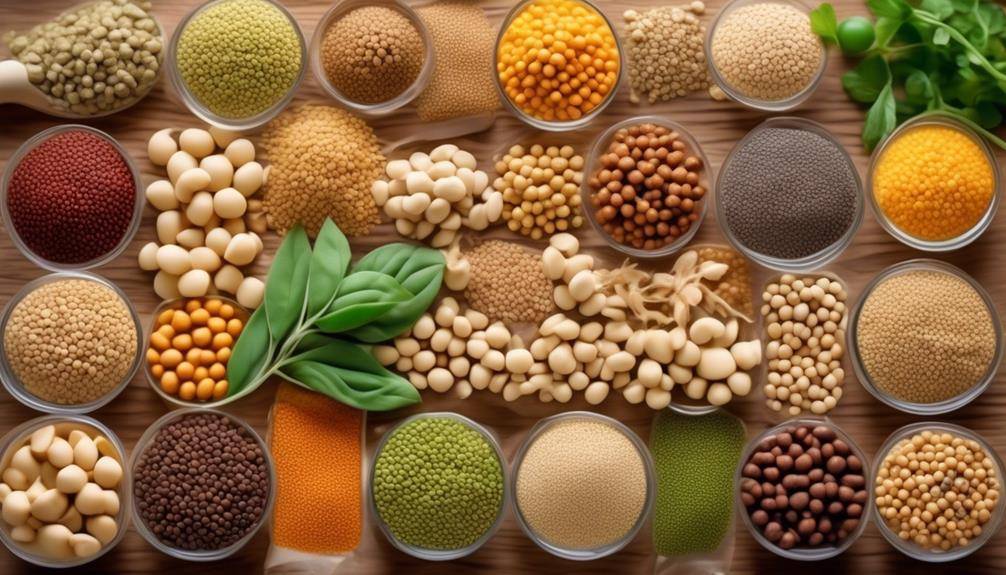
Exciting Plant Protein Food Trend Analysis; Are you curious about the increasing popularity of plant protein foods? One example worth considering is the rise of plant-based meat alternatives, such as the Impossible Burger and Beyond Meat. These innovative products have gained significant attention and are now being offered in various restaurants and grocery stores. But what is driving this trend? Why are more and more people turning to plant protein sources? And what are the potential health benefits associated with choosing plant-based options? In this discussion, we will explore the factors behind the plant protein food trend and delve into the various types of plant protein sources available in the market.
Rising Popularity of Plant Protein Foods
The rising popularity of plant protein foods is evident in the increasing number of consumers choosing these products as a healthier and sustainable alternative to traditional animal-based protein sources. Sustainability concerns and the growing interest in plant-based diets have fueled this trend. Plant protein foods, such as legumes, nuts, seeds, and soy products, offer numerous health benefits while also addressing environmental concerns.
One of the main drivers behind the rising popularity of plant protein foods is the growing awareness of sustainability concerns associated with animal agriculture. Livestock production is a major contributor to greenhouse gas emissions, deforestation, and water pollution. By opting for plant-based protein sources, individuals can reduce their carbon footprint and contribute to a more sustainable food system.
In addition to sustainability, plant-based diets have gained traction due to their potential health benefits. Research suggests that diets rich in plant protein can lower the risk of chronic diseases, such as heart disease, diabetes, and certain types of cancer. Plant protein foods are often low in saturated fats and cholesterol, making them a heart-healthy choice. Furthermore, they are typically high in fiber and other essential nutrients, promoting satiety and overall well-being.
The rise of plant protein foods has also been supported by the development of innovative plant-based products. Companies are now offering a wide range of plant-based alternatives to meat, dairy, and eggs that mimic the taste and texture of their animal-based counterparts. This has made it easier for consumers to transition to a plant-based diet without compromising on taste or convenience.
Environmental Factors Driving the Trend
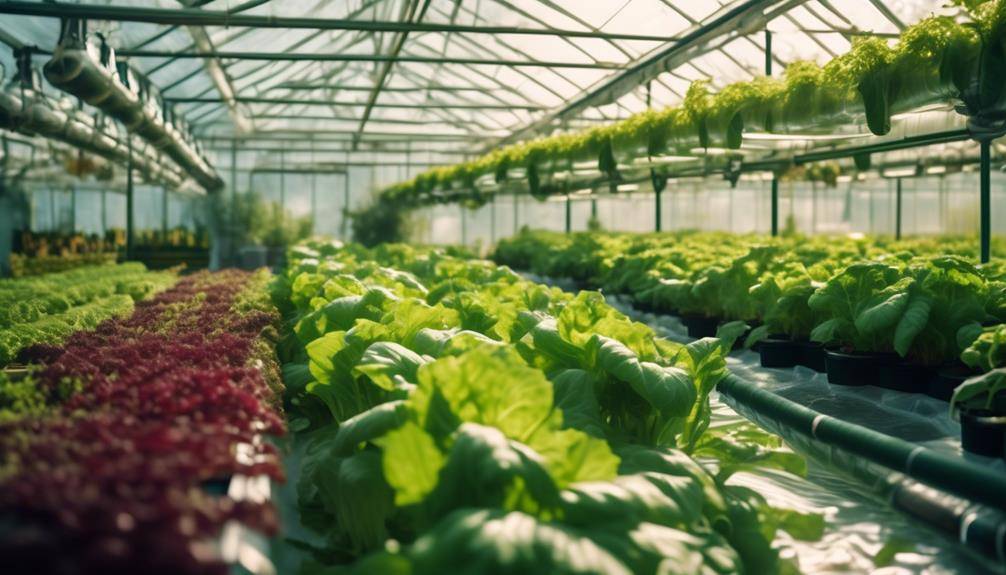
One of the key driving forces behind the trend of rising popularity in plant protein foods is the significant environmental impact of animal agriculture. Sustainable farming practices have gained attention as a potential solution to mitigate the negative environmental effects associated with traditional animal farming. These practices focus on reducing greenhouse gas emissions, conserving water resources, and promoting biodiversity.
Animal agriculture is a major contributor to greenhouse gas emissions, with livestock responsible for around 15% of global emissions. The production of plant protein foods, on the other hand, generally has a lower carbon footprint due to lower land and water requirements. By shifting towards plant protein foods, consumers can make a positive impact on climate change by reducing their carbon footprint.
Consumer demand for ethical food choices is another factor driving the shift towards plant protein foods. Concerns about animal welfare and the environmental consequences of animal farming have prompted individuals to seek out alternatives. Sustainable farming practices, such as organic farming and regenerative agriculture, offer a more ethical and environmentally friendly approach to food production.
Furthermore, sustainable farming practices can help preserve natural resources and protect ecosystems. Traditional animal farming often requires large amounts of water and land, leading to deforestation, soil degradation, and water pollution. By promoting sustainable farming practices, the plant protein food trend aims to minimize these environmental impacts and ensure the long-term viability of our resources.
Health Benefits of Plant Protein Sources
With the understanding of the significant environmental impact of animal agriculture, it is important to explore the health benefits of incorporating plant protein sources into your diet. Plant-based diets have gained popularity in recent years due to their potential to improve overall health and reduce the risk of chronic diseases. The nutritional value of plant proteins cannot be undermined, as they provide essential amino acids, vitamins, minerals, and fiber, which are all crucial for maintaining optimal health.
One of the key health benefits of plant protein sources is their potential to lower the risk of heart disease. Research has shown that plant-based diets, which are rich in legumes, nuts, seeds, and whole grains, can help reduce blood pressure, cholesterol levels, and inflammation. These factors contribute to a healthier cardiovascular system and a decreased risk of heart disease.
Plant proteins also play a crucial role in managing weight and preventing obesity. They are generally lower in calories and saturated fats compared to animal-based proteins. Additionally, the high fiber content of plant-based foods helps in promoting satiety and reducing overeating. Incorporating plant protein sources into your diet can aid in weight management and support a healthy body composition.
Furthermore, plant proteins have been associated with a reduced risk of certain types of cancer, such as breast, colon, and prostate cancer. The phytochemicals present in plant-based foods possess antioxidant and anti-inflammatory properties, which help protect against cellular damage and inhibit the growth of cancer cells.
Innovative Uses of Plant Protein in the Food Industry
Incorporating plant protein into the food industry has opened up a world of innovative possibilities for creating nutritious and sustainable products. With the increasing demand for plant-based options, fast food chains have started to introduce plant protein alternatives in their menus. This not only caters to the growing number of individuals seeking healthier options, but also helps reduce the environmental impact of the fast food industry. Plant protein in fast food allows consumers to enjoy their favorite meals while reducing their intake of saturated fats and cholesterol.
In addition to fast food, plant protein has also found its way into baby food. Traditionally, baby food has been based on animal protein sources such as meat and dairy. However, as more parents opt for plant-based diets, there is a need for plant protein alternatives in baby food. Plant protein in baby food provides essential nutrients for the growth and development of infants, while also promoting a more sustainable and ethical approach to feeding our youngest consumers.
- Plant protein in fast food:
- Burger chains like McDonald’s and Burger King have introduced plant-based burger patties made from ingredients like soy, peas, and mushrooms.
- Taco Bell offers a vegetarian menu that includes options like black bean burritos and Crunchwrap Supremes made with plant-based protein.
- Plant protein in baby food:
- Several companies now offer plant-based baby food options, such as purees made from peas, lentils, and quinoa.
- Plant-based protein powders derived from sources like rice, hemp, and chia seeds are also available to supplement the nutritional needs of infants.
These innovative uses of plant protein in the food industry demonstrate the potential for creating delicious and nutritious products that cater to a wide range of dietary preferences and ethical considerations. By incorporating plant protein into fast food and baby food, we can promote a healthier and more sustainable food system for both present and future generations.
Exploring Different Types of Plant Protein Sources
Different types of plant protein sources offer a wide range of options for incorporating nutritious and sustainable ingredients into your diet. Plant-based diets have been shown to have numerous health benefits, including reduced risk of chronic diseases such as heart disease, diabetes, and certain types of cancer. By exploring different types of plant protein sources, you can not only improve your health but also contribute to a more sustainable food system.
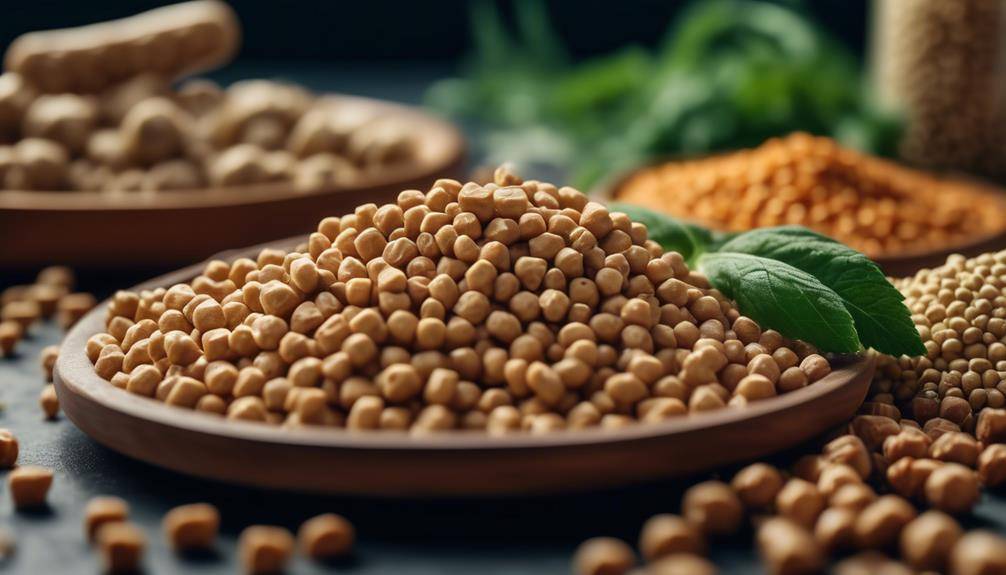
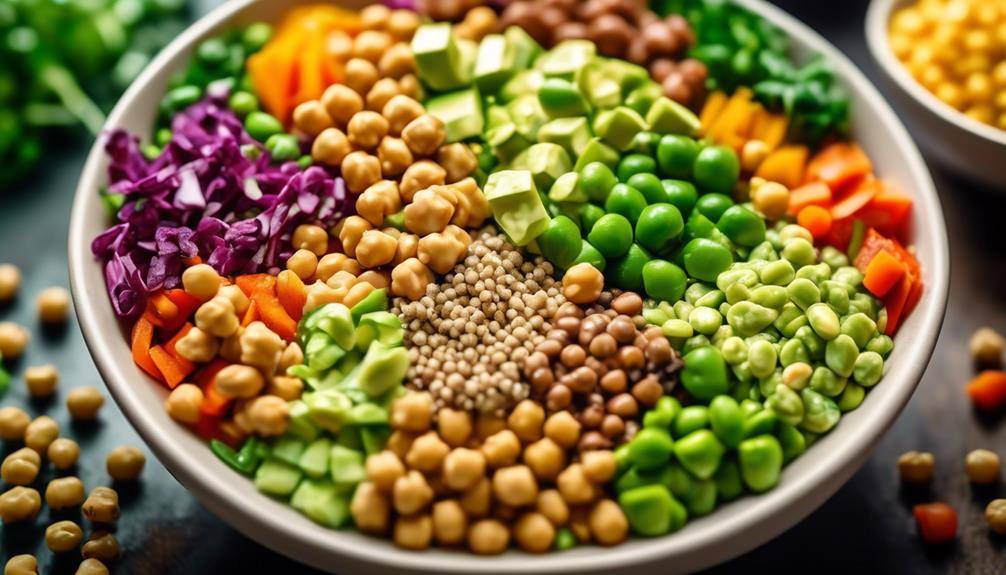
One unique source of plant protein is legumes, which include beans, lentils, and chickpeas. Legumes are not only high in protein but also rich in fiber, vitamins, and minerals. They can be easily incorporated into a variety of dishes, such as salads, soups, and stews.
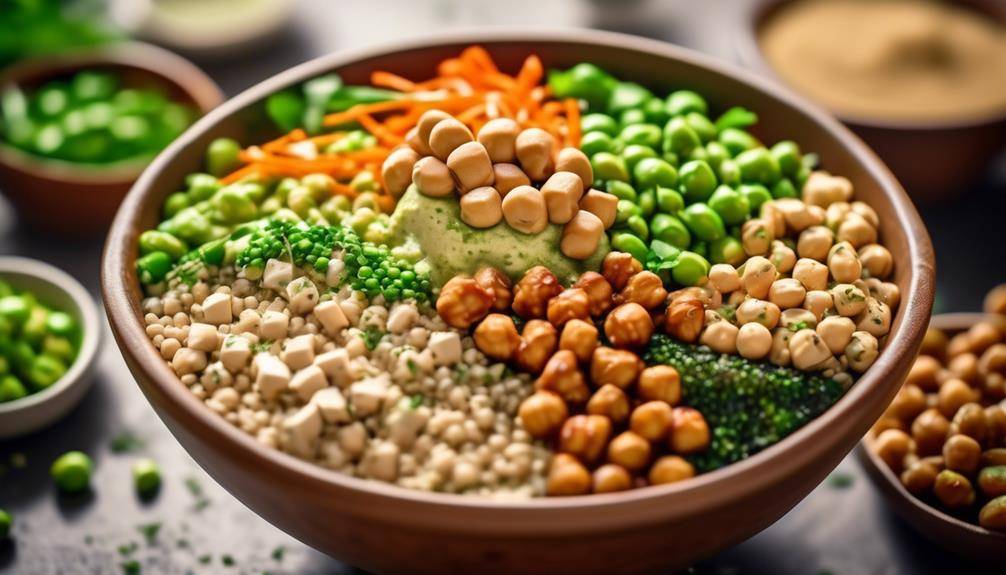
Another plant protein source to consider is quinoa. Quinoa is a complete protein, meaning it contains all nine essential amino acids that our bodies need. It is also a good source of fiber and contains important nutrients like iron and magnesium. Quinoa can be used as a base for grain bowls, salads, or even as a substitute for rice in recipes.
Seeds and nuts are also excellent sources of plant protein. Chia seeds, flaxseeds, hemp seeds, and almonds are all high in protein and packed with essential fatty acids, vitamins, and minerals. They can be added to smoothies, oatmeal, or used as toppings for salads and yogurt.
Lastly, soy products such as tofu and tempeh are popular plant protein sources. These products are versatile and can be used in various dishes like stir-fries, sandwiches, and salads. Soy is a complete protein and contains beneficial compounds called phytochemicals, which have been linked to numerous health benefits.
Incorporating different types of plant protein sources into your diet allows you to enjoy a variety of flavors and textures while reaping the benefits of a plant-based diet. By choosing these unique plant protein sources, you can promote your health and contribute to a more sustainable food system.
Frequently Asked Questions: Exciting Plant Protein Food Trend Analysis
Are Plant Protein Foods More Environmentally Sustainable Than Animal Protein Foods?
Plant protein foods are generally more environmentally sustainable than animal protein foods due to their lower greenhouse gas emissions, land and water requirements. Additionally, they offer various health benefits such as reduced risk of chronic diseases and improved overall well-being.
What Are Some Creative Ways That the Food Industry Is Incorporating Plant Protein Into Popular Products?
You’ll be interested to know that the food industry is incorporating plant protein into popular products in creative ways. For example, plant protein is being used in fast food and desserts, making them more nutritious and sustainable.
How Does the Nutritional Profile of Plant Protein Compare to Animal Protein?
Comparative studies show that plant protein offers similar health benefits to animal protein. It is a nutritious alternative, supporting muscle growth, reducing the risk of chronic diseases, and providing essential amino acids.
Are There Any Potential Risks or Drawbacks Associated With Consuming Plant Protein?
There may be potential health risks associated with consuming plant protein, such as allergies and intolerances. It is important to be aware of these risks and consult with a healthcare professional if you have any concerns.
What Are Some Examples of Lesser-Known Plant Protein Sources That Can Be Incorporated Into a Balanced Diet?
You can incorporate lesser-known plant protein sources into your balanced diet. For example, you could consider insects as a protein source or try fermented plant protein options. These alternatives offer unique nutritional benefits.

Conclusion
In conclusion, the rising popularity of plant protein foods can be attributed to a combination of environmental factors and health benefits. As consumers become more conscious of the environmental impact of animal agriculture, they are turning towards plant-based protein sources. Additionally, plant protein sources offer numerous health benefits, such as being lower in saturated fats and cholesterol. The food industry is also exploring innovative uses of plant protein, offering a wide variety of options for consumers to choose from.
If you enjoyed exploring this topic and want to dive even deeper, be sure to check out some of our other articles here on Infinite Flavors. From rich culinary histories to creative twists on classic recipes, there’s always something new to discover. Whether you’re curious about the origins of a dish, looking for fresh inspiration in the kitchen, or simply love learning about food culture, our collection of posts is the perfect next step on your flavor journey.
Innovative Great Plant Protein Options For Vegetarians
Exciting Sustainable Plant-Based Protein Food Trends
Amazing Plant Protein Innovation For Vegan Diet