
The Exciting Plant Protein Food Trend Forecasts
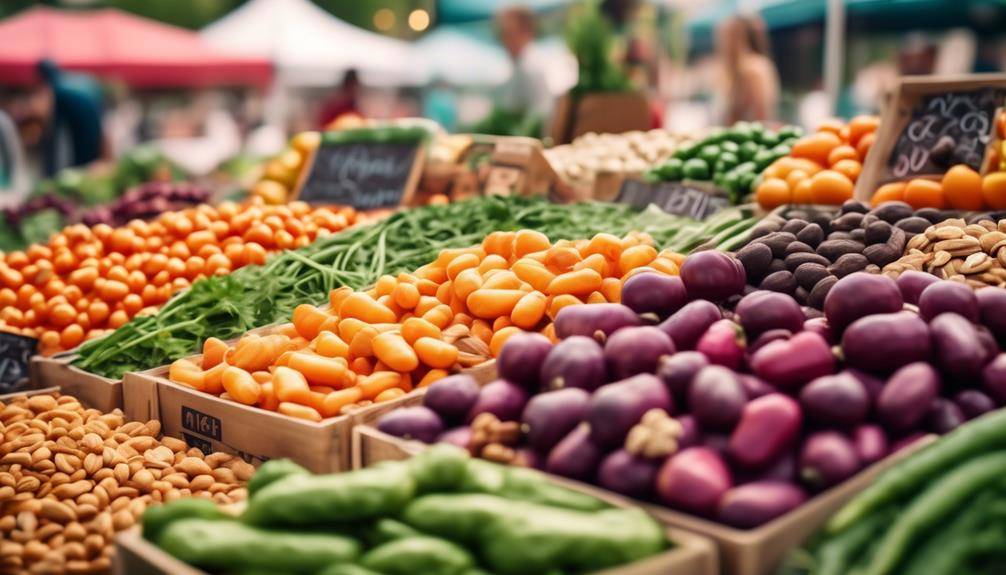
Exciting Plant Protein Food Trend Forecasts; Have you ever wondered if the plant protein trend is here to stay? With more and more people opting for plant-based diets, it’s hard to ignore the growing popularity of plant protein foods. But is this just a passing fad or a long-term shift in the way we eat? In this discussion, we will explore the latest forecasts and trends in the plant protein food industry, revealing some fascinating insights that might just change the way you think about your next meal.
Rising Popularity of Plant-Based Burgers
The rising popularity of plant-based burgers is a clear indication of the growing demand for sustainable and healthier food options among consumers. With the rise in awareness about the environmental impact of meat production and the health benefits of a plant-based diet, people are increasingly turning to plant-based meat substitutes as a way to satisfy their cravings while making more sustainable choices.
Plant-based burgers, made from ingredients such as soy, peas, and mushrooms, have gained immense popularity in recent years. According to a report by Grand View Research, the global plant-based meat market is expected to reach $13.8 billion by 2027, growing at a compound annual growth rate of 15.8%. This surge in demand can be attributed to various factors, including the increasing number of people adopting vegetarian or vegan lifestyles, concerns about animal welfare, and a desire for healthier food options.
Consumers are becoming more aware of the health benefits associated with a plant-based diet. Plant-based burgers offer a rich source of plant protein, fiber, and essential nutrients, making them a healthier alternative to traditional meat burgers. Research has shown that a plant-based diet can help reduce the risk of chronic diseases, such as heart disease, diabetes, and certain types of cancer. Additionally, plant-based burgers are often lower in saturated fat and cholesterol, making them a favorable choice for those looking to improve their overall health.
The rising popularity of plant-based burgers is not just a passing trend; it represents a shift towards a more sustainable and conscious approach to food consumption. As more people recognize the environmental and health benefits of plant-based meat substitutes, the demand for these products is expected to continue growing. With advancements in food technology and innovation, the future looks promising for plant-based burgers and the overall plant protein food trend.
Innovative Plant Protein Alternatives
To explore the world of innovative plant protein alternatives, let’s delve into the exciting realm of cutting-edge food technology and the diverse range of options it offers. As sustainable protein sources become increasingly important, plant-based protein supplements have gained significant traction in recent years. These innovative alternatives not only provide a solution for individuals seeking plant-based options, but also offer a more sustainable and environmentally friendly approach to protein consumption.
Here are two sub-lists outlining some of the most promising plant protein alternatives:
- Cultured Proteins:
- Cultured meat: Produced by growing animal cells in a lab, cultured meat offers an alternative to traditional meat consumption while reducing the environmental impact associated with livestock farming.
- Microbial proteins: Derived from microorganisms such as algae, fungi, and bacteria, microbial proteins are rich in essential amino acids and can be sustainably produced using minimal resources.
- Novel Plant Sources:
- Pulses: Legumes like lentils, chickpeas, and beans are not only rich in protein but also have a low environmental footprint. They can be used as a base ingredient in various plant-based products.
- Seaweed: This marine plant is not only a sustainable protein source but also provides essential minerals and vitamins. Its unique texture and flavor make it a versatile ingredient in plant-based protein alternatives.
These innovative plant protein alternatives not only address the increasing demand for sustainable protein sources but also provide an opportunity for the food industry to diversify and expand its offerings. As consumers become more conscious of their dietary choices, the need for innovative and sustainable solutions will continue to drive the development of plant-based protein supplements. By embracing these alternatives, individuals can contribute to a more sustainable food system without compromising on taste or nutrition.
The Emergence of Vegan Cheese
With the increasing demand for plant-based alternatives, vegan cheese has emerged as a viable and flavorful option for those seeking a dairy-free alternative. The vegan cheese market has experienced significant growth in recent years, driven by the rising number of consumers adopting a plant-based lifestyle and the growing awareness of the environmental impact of traditional dairy products. In response to this increasing demand, companies are now offering a wide range of plant-based cheese alternatives that mimic the taste and texture of dairy cheese.
The vegan cheese market growth can be attributed to several factors. Firstly, consumers are becoming more health-conscious and are actively seeking out alternatives to animal-based products. Vegan cheese provides a solution for individuals who are lactose intolerant or have dairy allergies, as well as those who are looking to reduce their intake of saturated fats and cholesterol. Additionally, the ethical and environmental considerations associated with traditional dairy farming have led many consumers to switch to plant-based alternatives, including vegan cheese.
Plant-based cheese alternatives are made from a variety of ingredients such as nuts, seeds, soy, and even vegetables like cauliflower and carrots. These alternatives are often fortified with vitamins and minerals to ensure they provide the same nutritional value as dairy cheese. Moreover, advancements in food technology have allowed manufacturers to improve the taste, texture, and meltability of vegan cheese, making it an appealing option for both vegans and non-vegans alike.
Plant Protein’s Impact on the Restaurant Industry
Plant protein’s impact on the restaurant industry is evident in the increasing number of plant-based menu options and the growing demand from consumers for healthier and more sustainable dining choices. As consumer preferences shift towards plant-based diets, restaurants are recognizing the need to adapt and cater to this demand. Here are two ways in which plant protein is impacting the restaurant industry:
- Diversification of Menu Options: Restaurants are expanding their plant-based menu options to cater to the changing tastes and preferences of consumers. Plant-based proteins such as tofu, tempeh, seitan, and legumes are being incorporated into dishes traditionally dominated by animal proteins. For example, burger joints are offering plant-based burger patties made from ingredients like soy or pea protein, which closely mimic the taste and texture of meat. This diversification allows restaurants to attract a wider customer base, including vegetarians, vegans, and flexitarians, while also meeting the growing demand for healthier alternatives.
- Sustainability Concerns: With sustainability becoming a top concern for consumers, the restaurant industry is recognizing the need to address these concerns. Plant protein offers a more sustainable alternative to animal protein, as it requires fewer resources, produces fewer greenhouse gas emissions, and has a smaller carbon footprint. Restaurants that incorporate plant protein into their menus are able to promote their commitment to sustainable practices, attracting environmentally conscious consumers. Additionally, sourcing plant-based ingredients locally can further reduce the carbon footprint associated with transportation.
Future Trends for Plant-Based Protein Products
The future of plant-based protein products is poised for significant growth and innovation as consumer demand for sustainable and healthier food options continues to rise. As people become more conscious of the environmental impact of their food choices, sustainable sourcing has become a key consideration for many consumers. Plant-based proteins, such as those derived from soy, peas, and lentils, have a lower carbon footprint compared to animal-based proteins, making them a more sustainable choice for environmentally conscious individuals.
In addition to sustainability, plant-based protein products offer a range of health benefits. They are typically lower in saturated fat and cholesterol compared to animal-based proteins, making them a healthier option for those looking to reduce their intake of these nutrients. Plant-based proteins are also rich in fiber, vitamins, and minerals, which are essential for overall health and well-being.
The future trends for plant-based protein products are expected to focus on innovation and diversification. With increasing consumer demand, there will likely be a wider variety of plant-based protein products available in the market, catering to different tastes and dietary preferences. This could include plant-based burgers, sausages, and even seafood alternatives.
Moreover, there will be a greater emphasis on improving the taste and texture of plant-based protein products. As consumers become more discerning, manufacturers will invest in research and development to create products that closely mimic the taste and texture of animal-based proteins, without compromising on sustainability or health benefits.
Frequently Asked Questions: Exciting Plant Protein Food Trend Forecasts
Are Plant-Based Burgers Healthier Than Traditional Meat Burgers?
Plant-based burgers are healthier than traditional meat burgers. They contain plant-based protein which has been shown to have several nutritional benefits. So, if you’re looking for a healthier option, go for the plant-based burger.
How Are Plant Protein Alternatives Made to Mimic the Taste and Texture of Meat?
Plant protein alternatives mimic the taste and texture of meat through various production techniques. These techniques involve using ingredients like soy, wheat, or peas, and processing them to replicate the desired flavor and texture in plant-based meats.
What Are the Main Ingredients Used in Vegan Cheese?
Vegan cheese is made using plant-based ingredients like cashews, almonds, or soy milk. These ingredients are blended, fermented, and aged to create a cheese-like texture and flavor. Various vegan cheese recipes exist to cater to different tastes and dietary preferences.
How Are Restaurants Incorporating Plant Protein Into Their Menu Offerings?
Restaurants are incorporating plant protein into their menu offerings to cater to the growing demand for healthier and sustainable options. Fast food chains are introducing plant protein options, while fine dining establishments are creating innovative and delicious plant-based dishes.
What Are Some Potential Future Innovations or Advancements in Plant-Based Protein Products?
You can expect exciting advancements in plant-based protein products. As the market grows, more innovative alternatives will emerge. These options will not only cater to the rising demand for sustainable food but also offer delicious and nutritious choices.

Conclusion
In conclusion, the rising popularity of plant-based burgers and the emergence of innovative plant protein alternatives indicate a strong and growing trend towards plant-based protein consumption. The demand for vegan cheese further reinforces this shift towards plant-based diets. With these trends, the restaurant industry is also adapting to meet the changing preferences of consumers. As we look towards the future, it is clear that plant-based protein products will continue to play a significant role in the food industry, offering sustainable and healthy alternatives to traditional animal-based protein sources.
If you enjoyed exploring this topic and want to dive even deeper, be sure to check out some of our other articles here on Infinite Flavors. From rich culinary histories to creative twists on classic recipes, there’s always something new to discover. Whether you’re curious about the origins of a dish, looking for fresh inspiration in the kitchen, or simply love learning about food culture, our collection of posts is the perfect next step on your flavor journey.
Health Benefits Of Innovative Plant Proteins
Exciting Breakthroughs In Plant-Based Protein Production
New Developments In Plant-Based Protein