Health Benefits of Innovative Plant Proteins
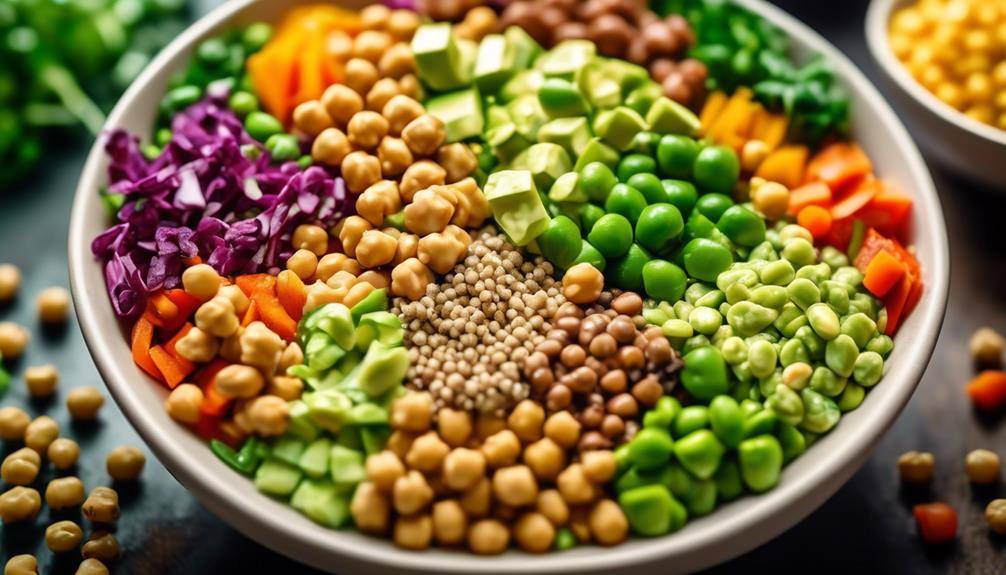
Health Benefits of Innovative Plant Proteins; Did you know that there’s a whole world of health benefits waiting for you in the realm of innovative plant proteins? It may seem like a coincidence, but these powerful proteins have the potential to transform your well-being in ways you never imagined. From improved digestion to enhanced muscle recovery, reduced risk of chronic diseases to weight management, and increased energy levels to healthy skin, hair, and nails, the benefits are truly remarkable. But that’s not all – there’s still much more to explore. So, if you’re ready to discover the secrets of these plant-based wonders, get ready to embark on a journey that will revolutionize your health and vitality.
Improved Digestion
Improving your digestion can have numerous health benefits, allowing you to absorb nutrients more efficiently and maintain optimal gut health. When your digestion is functioning at its best, it ensures improved nutrient absorption, which is crucial for overall well-being. The process of digestion begins in the mouth, where enzymes in saliva start breaking down food. As food moves through the digestive tract, it encounters stomach acid, bile, and digestive enzymes, all of which help to break it down further.
A key aspect of improved digestion is the balance of your gut microbiome. The gut microbiome refers to the trillions of microorganisms that live in your digestive system. These microorganisms play a crucial role in the breakdown and absorption of nutrients, as well as in maintaining a healthy immune system. When your gut microbiome is balanced, it promotes efficient digestion and nutrient absorption.
Research has shown that plant-based proteins can have a positive impact on digestion. Plant proteins, such as those found in legumes, nuts, and seeds, are rich in fiber. Fiber acts as a prebiotic, providing nourishment for the beneficial bacteria in your gut. This, in turn, helps to maintain a healthy balance of gut microorganisms and supports optimal digestion.
Moreover, plant proteins are generally easier to digest compared to animal proteins. They contain fewer saturated fats and cholesterol, which can be harder for the body to break down. This ease of digestion allows your body to focus on absorbing the essential nutrients from the plant proteins, leading to improved nutrient absorption.
Enhanced Muscle Recovery
To enhance muscle recovery, incorporating plant proteins into your diet can be beneficial. Plant proteins provide essential amino acids that are crucial for muscle repair and post-workout recovery. Here are four reasons why plant proteins can help you recover faster and build stronger muscles:
- Complete amino acid profile: Plant proteins, such as soy, hemp, and pea protein, contain all nine essential amino acids that your body needs for muscle repair. These amino acids play a vital role in the synthesis of new muscle proteins and the recovery process after intense workouts.
- Anti-inflammatory properties: Some plant proteins, like those found in chia seeds and spirulina, have natural anti-inflammatory properties. Inflammation is a common response to intense exercise, and excessive inflammation can delay muscle recovery. By consuming plant proteins with anti-inflammatory properties, you can help reduce inflammation and promote faster recovery.
- Rich in antioxidants: Many plant proteins, including those derived from berries, nuts, and legumes, are rich in antioxidants. Antioxidants help neutralize free radicals produced during exercise, which can cause oxidative stress and damage to muscle cells. By consuming plant proteins that are high in antioxidants, you can support the repair and regeneration of muscle tissue.
- Easily digestible: Plant proteins are generally easier to digest compared to animal proteins. This means that your body can more efficiently absorb and utilize the amino acids from plant proteins for muscle repair and recovery. Additionally, plant proteins are often free from lactose and other potential allergens, making them a suitable choice for individuals with dietary restrictions or sensitivities.
Incorporating plant proteins into your post-workout meals or snacks can provide the necessary nutrients for enhanced muscle recovery. Whether through protein shakes, smoothies, or adding plant-based protein sources to your meals, choosing plant proteins can support your fitness goals and help you bounce back stronger after each workout.
Reduced Risk of Chronic Diseases
Plant proteins offer numerous benefits when it comes to reducing the risk of chronic diseases. Incorporating plant protein sources into your diet has been shown to help prevent conditions such as heart disease, type 2 diabetes, and certain types of cancer. Additionally, plant proteins contribute to overall well-being by providing essential nutrients and antioxidants that support a healthy immune system and promote optimal health.
Disease Prevention Benefits
Consuming a diet rich in plant proteins has been shown to reduce the risk of chronic diseases. By incorporating plant proteins into your meals, you can implement effective disease prevention strategies. Here are four key benefits of plant proteins for disease prevention:
- Lowered risk of heart disease: Plant proteins, such as those found in legumes and nuts, have been associated with decreased levels of LDL cholesterol, blood pressure, and inflammation, all of which contribute to a healthier heart.
- Reduced risk of type 2 diabetes: Plant proteins, like those found in whole grains and legumes, have a lower glycemic index than animal proteins, which helps regulate blood sugar levels and lowers the risk of developing type 2 diabetes.
- Decreased risk of certain cancers: Diets high in plant proteins, particularly from sources like soy and cruciferous vegetables, have been linked to a lower risk of certain cancers, including breast, prostate, and colorectal cancer.
- Improved weight management: Plant proteins tend to be lower in calories and higher in fiber, which can help with weight management and reduce the risk of obesity-related chronic diseases.
Incorporating plant proteins into your diet can provide numerous disease prevention benefits, allowing you to proactively maintain your health and well-being.
Improved Overall Well-Being
Incorporating plant proteins into your diet can lead to improved overall well-being and a reduced risk of chronic diseases. Research has shown that a diet rich in plant proteins can have several positive effects on your health. One of the benefits is stress reduction. Plant proteins, such as those found in legumes and nuts, contain amino acids that can help regulate the production of stress hormones in your body. This can lead to lower stress levels and better mental well-being.
Additionally, plant proteins can also contribute to better sleep. Certain plant proteins, like those in tofu and tempeh, contain tryptophan, an amino acid that promotes the production of serotonin, a neurotransmitter that helps regulate sleep and mood. By incorporating plant proteins into your diet, you can improve your overall well-being and reduce the risk of chronic diseases.
Weight Management
Adding plant proteins to your diet can support weight management goals. Here are four reasons why incorporating plant proteins into your diet can help with weight loss and appetite control:
- Satiety: Plant proteins, such as those found in beans, lentils, and tofu, can help you feel fuller for longer. They have a high satiety value, meaning they keep you satisfied and reduce cravings, which can contribute to weight loss.
- Lower calorie density: Plant proteins are generally lower in calories compared to animal proteins. This means you can consume a larger volume of plant proteins without consuming excess calories, which can be beneficial for weight management.
- High fiber content: Many plant proteins are also high in dietary fiber. Fiber adds bulk to your diet, promoting feelings of fullness and reducing overall calorie intake. Additionally, fiber slows down digestion, which can help regulate blood sugar levels and prevent spikes in hunger.
- Nutrient-rich: Plant proteins come with an abundance of essential nutrients, including vitamins, minerals, and antioxidants. By incorporating these nutrient-rich foods into your diet, you can ensure that your body gets the necessary nutrients while managing your weight.
Incorporating plant proteins into your diet can provide numerous benefits for weight management. They can help control your appetite, increase feelings of fullness, and provide essential nutrients without excess calories. Remember to choose a variety of plant proteins to ensure you’re getting a complete range of amino acids and nutrients. So why not start adding more plant proteins to your meals and experience the positive impact on your weight management journey?
Increased Energy Levels
Looking to increase your energy levels? Plant proteins can help enhance your athletic performance by providing the necessary amino acids for muscle repair and growth. Additionally, studies have shown that plant-based diets can improve mental focus and cognitive function, leading to increased energy and productivity throughout the day. By incorporating plant proteins into your diet, you can experience a boost in overall vitality and feel more energized to take on whatever challenges come your way.
Enhanced Athletic Performance
To enhance athletic performance and increase energy levels, incorporating plant proteins into your diet is a beneficial choice. Plant proteins offer numerous advantages that can help improve your endurance and increase your stamina. Here are four reasons why incorporating plant proteins can enhance your athletic performance:
- Amino Acid Profile: Plant proteins provide a complete amino acid profile, which is essential for muscle repair and growth. This helps you recover faster after intense workouts and build lean muscle mass.
- Digestibility: Plant proteins are easily digestible, allowing your body to quickly absorb the nutrients and fuel your muscles. This can enhance your energy levels during workouts and improve overall performance.
- Anti-Inflammatory Properties: Many plant proteins have anti-inflammatory properties, which can reduce exercise-induced inflammation and speed up recovery. This helps to prevent muscle soreness and fatigue, allowing you to train harder and for longer periods.
- Nutrient Density: Plant proteins are rich in essential vitamins, minerals, and antioxidants, which support overall health and well-being. By including a variety of plant proteins in your diet, you can ensure your body gets the nutrients it needs to perform at its best.
Incorporating plant proteins into your diet can provide numerous benefits for enhancing athletic performance, including improved endurance and increased stamina. So, why not give it a try and see the difference it can make in your workouts?
Improved Mental Focus
Incorporating plant proteins into your diet can significantly improve your mental focus and increase your energy levels. Studies have shown that consuming plant-based proteins can contribute to improved cognitive function and increased concentration. Plant proteins contain essential amino acids, antioxidants, and other nutrients that support brain health and enhance mental clarity.
These nutrients help to regulate neurotransmitters, which are responsible for transmitting signals in the brain. By promoting optimal brain function, plant proteins can enhance your ability to concentrate, stay alert, and maintain mental focus throughout the day. Moreover, plant proteins provide sustained energy release, preventing the energy crashes often associated with high-carbohydrate meals. So, by including plant proteins in your diet, you can experience improved mental focus and increased energy levels, supporting your overall well-being.
Boosted Overall Vitality
By incorporating plant proteins into your diet, you can experience a boost in overall vitality, specifically through increased energy levels. Here are four ways in which plant proteins can contribute to your enhanced vitality:
- Sustained Energy: Plant proteins provide a steady release of energy throughout the day, preventing the energy crashes often associated with processed foods.
- Improved Cognitive Function: Research suggests that plant proteins may support boosted cognitive function, leading to increased mental clarity and focus.
- Enhanced Longevity: A diet rich in plant proteins has been linked to increased longevity. These proteins are packed with essential nutrients, antioxidants, and phytochemicals that promote overall health and well-being.
- Balanced Blood Sugar: Plant proteins have a low glycemic index, meaning they are digested and absorbed more slowly, resulting in stabilized blood sugar levels and sustained energy.
Incorporating plant proteins into your diet can not only provide you with increased energy levels but also support your overall vitality, cognitive function, and longevity.
Improved Heart Health
Including plant proteins in your diet can contribute to improved heart health. Numerous studies have shown that plant proteins offer significant cardiovascular benefits and can help prevent heart disease. Plant proteins, such as those found in legumes, nuts, seeds, and whole grains, are low in saturated fat and cholesterol, making them heart-healthy choices.
Research has consistently linked plant protein consumption to a reduced risk of heart disease. A study published in the Journal of the American Heart Association found that replacing just 3% of animal protein with plant protein was associated with a 10% lower risk of heart disease. Another study published in the American Journal of Clinical Nutrition showed that a higher intake of plant protein was associated with a lower risk of developing hypertension, a major risk factor for heart disease.
The cardiovascular benefits of plant proteins can be attributed to their unique nutrient profile. Plant proteins are rich in fiber, antioxidants, and phytochemicals, which have been shown to lower blood pressure, reduce inflammation, and improve cholesterol levels. For example, fiber helps to lower cholesterol by binding to it and preventing its absorption in the bloodstream. Antioxidants and phytochemicals, on the other hand, protect the heart by reducing oxidative stress and inflammation.
Incorporating plant proteins into your diet can be as simple as adding beans or lentils to your salads, snacking on nuts and seeds, or swapping out meat for tofu in your stir-fries. By making these small but significant dietary changes, you can improve your heart health and reduce your risk of developing heart disease. So, why not start incorporating more plant proteins into your meals today and reap the benefits for your heart?
Blood Sugar Regulation
When it comes to blood sugar regulation, plant proteins offer several benefits. First, they help improve glycemic control, meaning they can help stabilize blood sugar levels and prevent spikes. Additionally, plant proteins have been shown to enhance insulin sensitivity, which is crucial for the body’s ability to effectively use insulin and regulate blood sugar. Finally, consuming plant proteins has been linked to a lower risk of developing diabetes, making them an important component of a healthy diet for blood sugar management.
Glycemic Control Benefits
Consuming plant proteins can have significant benefits for glycemic control, helping to regulate blood sugar levels effectively. Here are four reasons why incorporating plant proteins into your diet can be beneficial for blood sugar control and diabetes prevention:
- Low Glycemic Index: Plant proteins, such as beans, lentils, and quinoa, have a lower glycemic index compared to animal proteins. This means they are digested and absorbed more slowly, preventing sudden spikes in blood sugar levels.
- High Fiber Content: Plant proteins are rich in dietary fiber, which slows down the digestion and absorption of carbohydrates. This helps to stabilize blood sugar levels and improve insulin sensitivity.
- Nutrient Density: Plant proteins are packed with essential nutrients like vitamins, minerals, and antioxidants. These nutrients support overall health and help prevent complications associated with diabetes.
- Reduced Risk of Obesity: Plant-based diets are often lower in calorie density and saturated fats, making them an effective approach for weight management. By maintaining a healthy weight, you can reduce the risk of developing type 2 diabetes.
Incorporating plant proteins into your diet can be a simple and effective way to support glycemic control and prevent diabetes.
Insulin Sensitivity Improvement
Incorporating plant proteins into your diet not only benefits glycemic control but also improves insulin sensitivity for effective blood sugar regulation. Insulin sensitivity refers to the body’s ability to respond to insulin and regulate blood sugar levels. Insulin resistance, on the other hand, occurs when the body becomes less responsive to insulin, leading to elevated blood sugar levels. Several studies have shown that incorporating plant proteins into your diet can help improve insulin sensitivity and reverse insulin resistance.
Plant proteins are rich in fiber, antioxidants, and a wide range of nutrients that can positively impact blood sugar management. By choosing plant-based protein sources such as legumes, nuts, seeds, and whole grains, you can support insulin sensitivity, promote better blood sugar control, and reduce the risk of developing chronic conditions like type 2 diabetes.
Lower Risk of Diabetes
Including plant proteins in your diet can significantly lower the risk of developing diabetes by regulating blood sugar levels. Here are four ways in which plant proteins can contribute to blood sugar management and the prevention of metabolic disorders:
- Improved insulin sensitivity: Plant proteins have been shown to enhance insulin sensitivity, allowing your body to better regulate blood sugar levels and reduce the risk of insulin resistance.
- Fiber-rich content: Many plant proteins, such as legumes and whole grains, are high in fiber. This high fiber content slows down the digestion and absorption of carbohydrates, helping to prevent spikes in blood sugar levels.
- Reduced inflammation: Chronic inflammation is associated with an increased risk of diabetes. Plant proteins, especially those found in nuts and seeds, contain anti-inflammatory properties that can help lower inflammation markers in the body.
- Healthier weight management: Incorporating plant proteins into your diet can promote satiety and contribute to weight management. Maintaining a healthy weight is crucial for preventing metabolic disorders, including type 2 diabetes.
Enhanced Immune Function
To boost your immune function, incorporating plant proteins into your diet has been shown to provide significant health benefits. Plant proteins are rich in essential amino acids, antioxidants, and phytochemicals that can enhance your immune system, leading to improved disease resistance.
One way plant proteins boost your immune system is by providing a wide range of essential amino acids. These amino acids are the building blocks of proteins, which are essential for the production of immune cells and antibodies. Plant proteins such as soy, lentils, and quinoa are excellent sources of these amino acids, ensuring that your immune system has what it needs to function optimally.
Additionally, plant proteins are packed with antioxidants that can help protect your immune cells from damage caused by free radicals. Free radicals are unstable molecules that can weaken your immune system and increase your risk of developing diseases. By consuming plant proteins, you can provide your body with a rich source of antioxidants, such as vitamins C and E, which can strengthen your immune system and enhance its ability to fight off infections.
Furthermore, plant proteins contain various phytochemicals that have been linked to enhanced immune function. Phytochemicals are compounds found in plants that have been shown to possess antimicrobial, anti-inflammatory, and immune-boosting properties. For example, flavonoids, which are abundant in fruits, vegetables, and legumes, have been found to stimulate the production of immune cells and improve the body’s defense against pathogens.
Incorporating plant proteins into your diet can provide a significant immune system boost and improve your disease resistance. By consuming a variety of plant-based protein sources, such as legumes, nuts, seeds, and whole grains, you can ensure that your body receives the nutrients it needs to maintain a strong and resilient immune system. So, make it a point to include plant proteins in your meals and reap the benefits of enhanced immune function.
Healthy Skin, Hair, and Nails
Boosting your immune function through the consumption of plant proteins can also have positive effects on the health of your skin, hair, and nails. Including plant proteins in your diet can provide essential nutrients that promote healthy skin, strengthen hair, and improve the appearance of your nails. Here are four ways plant proteins contribute to the health of your skin, hair, and nails:
- Collagen production: Plant proteins, such as soy and pea protein, contain amino acids that support collagen production. Collagen is a protein that provides structure to your skin, hair, and nails, making them stronger and more resilient.
- Antioxidant protection: Plant proteins are rich in antioxidants, which help protect your skin, hair, and nails from damage caused by free radicals. Free radicals can accelerate aging and contribute to the development of skin conditions like wrinkles and dull hair.
- Essential vitamins and minerals: Plant proteins, like hemp and chia seeds, are packed with vitamins and minerals that are essential for healthy skin, hair, and nails. These include vitamin E, biotin, zinc, and selenium, which promote skin cell regeneration, strengthen hair follicles, and improve nail health.
- Hydration: Many plant proteins, such as quinoa and lentils, have high water content, which helps keep your skin hydrated and plump. Proper hydration is crucial for maintaining healthy skin, preventing dryness and flakiness, and promoting strong and shiny hair.
Incorporating plant proteins into your diet can provide a wide range of nutrition benefits for your skin, hair, and nails. So, why not start adding plant-based protein sources to your meals and enjoy the healthy diet and nutrition benefits they bring? Your skin, hair, and nails will thank you for it.
Reduced Inflammation
Consuming plant proteins can help reduce inflammation, benefiting your overall health and well-being. Inflammation is a natural response of the immune system to protect the body against injury or infection. However, chronic inflammation can lead to various health problems, such as joint pain and cognitive decline. Fortunately, incorporating innovative plant proteins into your diet can help mitigate these issues.
Reduced joint pain is one of the significant benefits of consuming plant proteins. Studies have shown that plant-based diets rich in proteins like soy, lentils, and quinoa can help alleviate joint pain and inflammation associated with conditions like arthritis. These proteins contain essential amino acids and anti-inflammatory compounds that can potentially reduce swelling and enhance joint health.
Furthermore, plant proteins have been linked to improved cognitive function. Chronic inflammation has been associated with cognitive decline and an increased risk of neurodegenerative diseases like Alzheimer’s. Plant-based proteins are often rich in antioxidants and other nutrients that have been shown to have neuroprotective effects. By reducing inflammation in the brain, these proteins may help maintain cognitive function and promote overall brain health.
Incorporating plant proteins into your diet can have a positive impact on inflammation-related issues like joint pain and cognitive decline. Try incorporating plant-based protein sources such as legumes, nuts, seeds, and whole grains into your meals. Additionally, consider plant-based protein powders or supplements as a convenient way to boost your protein intake. Remember to consult with a healthcare professional or registered dietitian to ensure that you are meeting your nutritional needs. By nourishing your body with plant proteins, you can support a healthier, more vibrant life.
Balanced Hormones
Incorporating plant proteins into your diet can promote balanced hormones, supporting optimal health and well-being. Hormone balance is essential for various bodily functions, including menstrual health. Here are four ways that plant proteins can contribute to hormone balance and support your overall well-being:
- Regulation of estrogen levels: Plant proteins contain phytoestrogens, which are plant-based compounds that have a similar structure to estrogen. These compounds can help regulate estrogen levels in the body, promoting a balance between estrogen and other hormones. This balance is crucial for maintaining menstrual health and reducing the risk of hormonal imbalances.
- Improved insulin sensitivity: Plant proteins, such as those found in legumes and whole grains, have been shown to improve insulin sensitivity. Insulin is a hormone that regulates blood sugar levels, and when the body becomes resistant to insulin, it can lead to hormonal imbalances, including those related to menstrual health. By improving insulin sensitivity, plant proteins can help maintain hormone balance and support overall health.
- Anti-inflammatory effects: Chronic inflammation can disrupt hormone balance and contribute to menstrual health issues. Plant proteins, particularly those from sources like nuts, seeds, and leafy greens, have anti-inflammatory properties. By reducing inflammation in the body, these plant proteins can help support hormone balance and alleviate menstrual health concerns.
- Rich in essential nutrients: Plant proteins are often packed with essential nutrients, including vitamins, minerals, and antioxidants. These nutrients play a vital role in hormone synthesis, metabolism, and overall hormonal health. By incorporating plant proteins into your diet, you can ensure you’re getting the necessary nutrients to support hormone balance and maintain optimal menstrual health.
Incorporating plant proteins into your diet can have significant benefits for hormone balance and menstrual health. Whether through legumes, whole grains, nuts, or leafy greens, adding these plant-based protein sources to your meals can support your overall well-being and promote optimal hormone function.
Improved Gut Health
To further support your overall well-being, consider focusing on the subtopic of ‘Improved Gut Health’. Your gut health plays a crucial role in your overall health and well-being. The gut microbiome, which refers to the trillions of bacteria and other microorganisms residing in your digestive tract, has been linked to various aspects of health, including digestion, immunity, and mental health.
Incorporating innovative plant proteins into your diet can have a positive impact on your gut microbiome and digestive health. Plant proteins, such as those derived from legumes, grains, and seeds, contain fiber that acts as a prebiotic, providing nourishment for the beneficial bacteria in your gut. These beneficial bacteria help in breaking down food, absorbing nutrients, and supporting a healthy digestive system.
Furthermore, the consumption of plant proteins has been shown to reduce inflammation in the gut. Inflammation in the digestive tract can lead to various digestive disorders, such as irritable bowel syndrome (IBS) and inflammatory bowel disease (IBD). By incorporating plant proteins into your diet, you can help reduce inflammation and promote a healthier gut environment.
Plant proteins are also easier to digest compared to animal proteins. They are generally less likely to cause digestive discomfort, such as bloating and gas. This can be particularly beneficial for individuals with sensitive digestive systems.
Frequently Asked Questions: Health Benefits of Innovative Plant Proteins
Can Plant Proteins Be a Suitable Alternative for Individuals With Specific Dietary Restrictions, Such as Gluten Intolerance or Lactose Intolerance?
Plant proteins can be suitable alternatives for individuals with gluten or lactose intolerance. They offer a variety of options, such as quinoa, tofu, and almond milk, that can provide essential nutrients without triggering intolerances.
Are There Any Potential Side Effects or Risks Associated With Consuming Innovative Plant Proteins?
Consuming innovative plant proteins may have potential side effects or risks, such as digestive discomfort or allergic reactions. It’s important to be aware of your body’s response and consult a healthcare professional if needed.
How Do Innovative Plant Proteins Compare to Traditional Animal-Based Proteins in Terms of Their Nutritional Value and Amino Acid Profile?
Innovative plant proteins compare favorably to animal-based proteins in terms of nutritional value and amino acid profile. They can support muscle building and recovery, making them a beneficial choice for your health and fitness goals.
Can Incorporating Plant Proteins Into Your Diet Help With Weight Loss or Weight Maintenance Goals?
Incorporating plant proteins into your diet can help with weight loss or weight maintenance goals. These proteins are beneficial for muscle building and heart health, making them a nutritious choice for a balanced diet.
Are There Any Specific Plant Protein Sources That Are Particularly Beneficial for Certain Health Conditions or Concerns, Such as Diabetes or Arthritis?
“Looking for specific plant protein sources to address health conditions like diabetes or arthritis? Incorporating plant proteins into your diet can be beneficial for cardiovascular health and bone health. Try incorporating beans, lentils, and nuts.”

Conclusion
In conclusion, incorporating innovative plant proteins into your diet can have numerous health benefits. From improved digestion and enhanced muscle recovery to reduced risk of chronic diseases and weight management, these proteins offer a wide range of advantages. Additionally, they can increase energy levels, promote healthy skin, hair, and nails, reduce inflammation, and balance hormones. By improving gut health, innovative plant proteins provide a holistic approach to overall well-being.