Exciting Very Popular Vietnamese Recipes
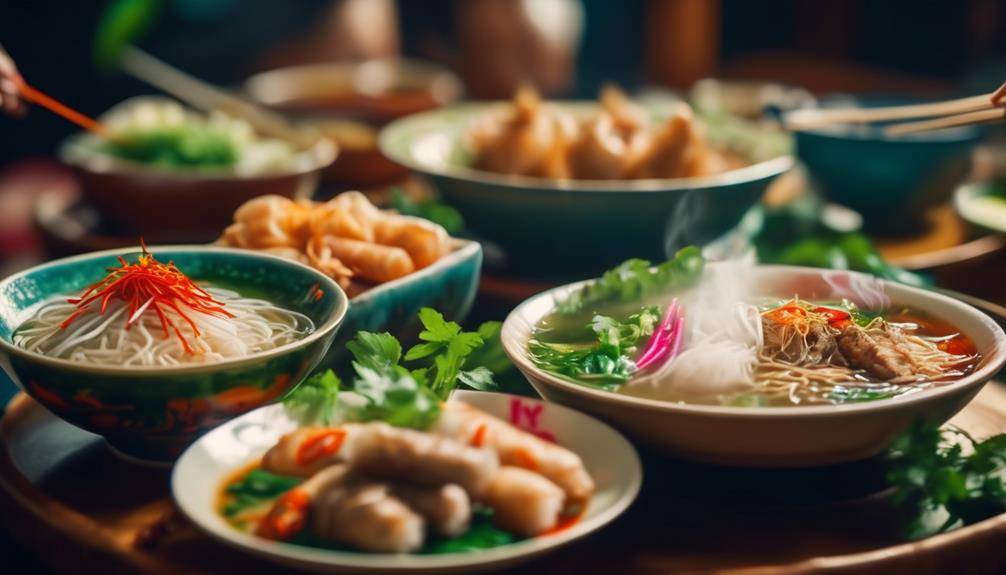
Exciting Very Popular Vietnamese Recipes; Are you tired of the same old recipes and looking to spice up your culinary adventures? Look no further than the vibrant and flavorful world of Vietnamese cuisine. From the iconic Pho to the mouthwatering Banh Mi, Vietnamese recipes offer a unique blend of fragrant herbs, fresh ingredients, and bold flavors that will tantalize your taste buds. But that’s just the beginning. With a diverse range of dishes like Bun Cha, Goi Cuon, and Mi Quang, you’ll discover a whole new world of deliciousness waiting to be explored. So get ready to embark on a culinary journey through the popular Vietnamese recipes that will leave you craving for more.
Pho: Vietnam’s Iconic Noodle Soup
If you’re looking for a comforting and flavorful noodle soup, look no further than pho, Vietnam’s iconic culinary masterpiece. Pho holds a significant cultural significance in Vietnamese cuisine, representing the country’s rich culinary heritage. It is a dish that brings people together, symbolizing unity and community. Pho is often enjoyed as a family meal, shared at special occasions, or savored as a comforting bowl of goodness on a rainy day.
The cultural significance of pho lies in its history and the ingredients used. The dish originated in Northern Vietnam during the early 20th century and quickly spread throughout the country. It is believed that pho was influenced by both Chinese and French cuisines, combining Vietnamese flavors with international influences. The aromatic broth, made by simmering bones and spices for hours, is the heart and soul of pho. The combination of fragrant herbs, fresh vegetables, tender meat, and rice noodles creates a harmonious balance of flavors and textures, making it a truly unique and beloved dish.
While pho is enjoyed throughout Vietnam, there are regional variations that showcase the diversity and creativity of Vietnamese cuisine. In the north, pho is traditionally made with a clear, delicate broth, using wider rice noodles and thinly sliced beef. In the central regions, pho takes on a spicier and bolder flavor profile, with the addition of chili and other aromatic herbs. Southern-style pho is characterized by its sweeter broth, often accompanied by a wider variety of herbs and condiments.
Banh Mi: The Ultimate Vietnamese Sandwich
Banh Mi, known as the ultimate Vietnamese sandwich, is a delicious fusion of French and Vietnamese culinary influences, creating a harmonious blend of flavors and textures. This popular street food has gained international recognition for its unique combination of ingredients and versatility. Banh mi variations are plentiful, but the most common ingredients include a crispy baguette, a variety of meats such as grilled pork, pâté, or cold cuts, pickled vegetables, fresh herbs, and a spread of mayonnaise or chili sauce.
The key to a good banh mi lies in the perfect balance of flavors and textures. The crusty baguette provides a satisfying crunch, while the soft interior serves as a vessel for the savory fillings. The meats add depth and richness, with the pâté offering a creamy and umami flavor. The pickled vegetables, typically carrots and daikon radishes, provide a refreshing and tangy element that cuts through the richness of the meats. Fresh cilantro and mint leaves add a burst of herbaceousness, while the mayo or chili sauce adds a creamy or spicy kick, respectively.
Banh mi variations can also include additional ingredients such as fried eggs, tofu, or seafood, offering endless possibilities for customization. Whether you prefer a traditional banh mi with grilled pork and pâté or a vegetarian version with tofu and extra veggies, the beauty of banh mi lies in its adaptability to suit different taste preferences.
Bun Cha: Grilled Pork With Vermicelli Noodles
Grilled pork with vermicelli noodles, known as Bun Cha, is a mouthwatering Vietnamese dish that combines smoky grilled meat with delicate rice noodles, creating a flavorful and satisfying meal. Bun Cha is a popular street food in Vietnam, and its irresistible taste has made it a favorite among locals and tourists alike. Here’s what you need to know about this delicious dish:
- Grilling Techniques: The pork for Bun Cha is traditionally marinated in a mixture of fish sauce, sugar, garlic, and shallots, before being grilled over charcoal. The grilling process imparts a smoky flavor to the meat, giving it a deliciously charred exterior and tender interior.
- Flavor Variations: While the classic version of Bun Cha features grilled pork, it can also be made with other proteins such as chicken or tofu. Additionally, the dish is typically served with a variety of accompaniments, including fresh herbs like mint and cilantro, pickled vegetables, and a tangy dipping sauce made from fish sauce, lime juice, sugar, and chili.
- Assembly: To enjoy Bun Cha, start by placing a handful of vermicelli noodles in a bowl. Top it with the grilled pork, fresh herbs, and pickled vegetables. Finally, pour the dipping sauce over the ingredients and toss everything together to ensure each bite is bursting with flavor.
- Cultural Significance: Bun Cha holds a special place in Vietnamese cuisine as it is closely associated with Hanoi, the capital city. In fact, there is even a Bun Cha restaurant in Hanoi that President Barack Obama famously visited during his trip to Vietnam.
Whether you’re a fan of grilled meat or simply looking to explore the rich flavors of Vietnamese cuisine, Bun Cha is a must-try dish. Its combination of smoky pork, delicate noodles, and vibrant accompaniments is sure to leave you craving for more.
Goi Cuon: Fresh and Healthy Spring Rolls
Goi Cuon, also known as fresh and healthy spring rolls, is a delightful Vietnamese dish that offers a refreshing combination of flavors and textures. These spring rolls are known for their versatility, as they can be filled with a wide variety of ingredients to suit different tastes and preferences.
When it comes to variations and fillings, Goi Cuon offers endless possibilities. Traditionally, the rolls are filled with a combination of fresh herbs, such as mint and cilantro, along with rice noodles, shrimp, and thinly sliced pork or beef. However, you can also find variations that include tofu, chicken, or even just vegetables for a vegetarian option. The fillings can be customized to your liking, making it a versatile dish that can be enjoyed by everyone.
Apart from being delicious, Goi Cuon also offers several health benefits. The fresh herbs used in the rolls are packed with vitamins and minerals, providing a nutritious boost to your meal. The rice noodles provide a source of carbohydrates for energy, while the shrimp or meat adds a good amount of protein. Additionally, the rolls are low in fat and calories, making them a healthy option for those watching their weight or looking for a light and nutritious meal.
In terms of nutritional value, Goi Cuon is a great source of vitamins, minerals, and fiber. The fresh herbs provide essential nutrients like vitamin C and vitamin K, while the shrimp or meat adds iron and protein to the dish. The rice noodles contribute to the overall fiber content, aiding in digestion and promoting a healthy gut.
Ca Kho To: Caramelized Fish in Clay Pot
Ca Kho To, a traditional Vietnamese dish, showcases the delicious flavors of caramelized fish cooked in a clay pot. This dish is a favorite among locals and tourists alike due to its unique cooking techniques and rich flavors. Here are some key points to help you understand the beauty of Ca Kho To:
- Clay pot cooking: The use of a clay pot is essential in creating the perfect Ca Kho To. The porous nature of the clay allows the fish to cook evenly and absorb the flavors of the caramel sauce. The clay pot also retains heat well, resulting in tender and succulent fish.
- Caramelization: The fish is first marinated in a mixture of fish sauce, sugar, and other seasonings. When cooked, the marinade caramelizes, creating a sweet and savory glaze that coats the fish. This caramelization process gives Ca Kho To its distinct flavor and beautiful golden color.
- Fish sauce alternatives: Fish sauce is a staple ingredient in Vietnamese cuisine, but if you’re looking for alternatives, you can use soy sauce or oyster sauce. These alternatives will give a slightly different flavor profile to the dish, but they still complement the caramelization process and add depth to the dish.
- Serving suggestions: Ca Kho To is typically served with steamed rice and a side of pickled vegetables. The combination of the caramelized fish, fluffy rice, and tangy pickles creates a harmonious balance of flavors and textures.
Com Tam: Broken Rice With Grilled Pork
Continuing our exploration of Vietnamese cuisine, let’s now turn our attention to Com Tam: Broken Rice With Grilled Pork, a popular dish that offers a delightful combination of flavors and textures. Com Tam, which translates to “broken rice,” is a staple in Vietnamese street food culture. It originated from the practice of using broken rice grains that were left over during the milling process. These grains are shorter in length and have a unique texture that is slightly chewy and more absorbent than regular rice.
To prepare Com Tam, the broken rice is first rinsed thoroughly to remove any excess starch. It is then cooked using traditional Vietnamese cooking techniques, such as steaming or boiling, until it reaches a soft and fluffy consistency. The rice is typically served alongside grilled pork, which is marinated in a flavorful mixture of fish sauce, soy sauce, garlic, sugar, and various spices. The marinated pork is then grilled over an open fire or on a charcoal grill, allowing the meat to develop a smoky and charred flavor.
Grilling the pork requires skill and precision to achieve the perfect balance of tenderness and caramelization. The grilling methods used can vary, with some chefs opting for direct grilling, while others prefer indirect grilling. Direct grilling involves placing the meat directly over the heat source, resulting in a crisp exterior and juicy interior. Indirect grilling, on the other hand, involves cooking the meat away from the heat source to ensure even cooking and a more tender texture.
The combination of the fragrant broken rice and succulent grilled pork creates a harmonious blend of flavors. The rice acts as a neutral base, allowing the flavors of the pork marinade to shine through. Com Tam is often served with a side of pickled vegetables, a fried egg, and a sweet and savory fish sauce dipping sauce, completing the dish with a burst of tanginess and umami. Whether enjoyed as a quick street food meal or a hearty dinner, Com Tam is a dish that showcases the skillful cooking techniques and delicious grilling methods of Vietnamese cuisine.
Banh Xeo: Crispy Vietnamese Pancakes
Are you ready to learn how to make Banh Xeo, the delicious crispy Vietnamese pancakes? Let’s start by talking about the key ingredients and the preparation process. Then, we’ll explore the cooking techniques and share some helpful tips to ensure your pancakes turn out perfectly crispy every time. Finally, we’ll discuss different serving and garnishing options to elevate your Banh Xeo to a whole new level of flavor. So, get ready to embark on a culinary adventure and master the art of making these mouthwatering pancakes.
Ingredients and Preparation
To create the perfect Banh Xeo, a delicious and crispy Vietnamese pancake, you will need to gather the essential ingredients and follow a precise preparation method. Here’s what you’ll need and how to prepare it:
- Batter: Mix rice flour, turmeric powder, coconut milk, and water to form a smooth batter. Let it rest for at least 30 minutes to allow the flavors to meld.
- Filling: Common fillings include pork belly, shrimp, bean sprouts, and sliced onions. You can also add mung bean paste or mushrooms for extra flavor.
- Cooking technique: Heat a non-stick pan over medium heat and add oil. Pour a ladleful of batter and quickly swirl it around to coat the pan. Add the filling ingredients and fold the pancake in half. Cook until golden brown and crispy.
- Flavor combinations: Serve Banh Xeo with fresh herbs like mint, cilantro, and Thai basil. Dip it in a savory fish sauce-based dipping sauce for an explosion of flavors.
Cooking Techniques and Tips
For perfectly crispy Vietnamese pancakes, Banh Xeo, it is crucial to master the cooking techniques and follow these helpful tips to achieve the desired texture and flavor. The key to cooking Banh Xeo is to use high heat and a well-seasoned skillet. Start by heating the skillet over medium-high heat and add a thin layer of oil. Then pour the batter into the pan and swirl it around to create a thin and even pancake.
Cook until the edges start to crisp up and then add your desired fillings, such as shrimp, bean sprouts, and pork. Fold the pancake in half and continue cooking until golden brown and crispy. Serve with a dipping sauce made with fish sauce, lime juice, sugar, and chili for a burst of flavor. Experiment with different flavor combinations by adding fresh herbs like cilantro and mint, or tangy pickled vegetables. Enjoy the deliciousness of Banh Xeo!
Serving and Garnishing Options
To enhance the experience of enjoying Banh Xeo, there are various serving and garnishing options that can elevate the flavors and presentation of these crispy Vietnamese pancakes. Here are some creative ideas to make your dish even more delicious and visually appealing:
- Traditional Serving Options:
- Serve Banh Xeo with a side of fresh lettuce leaves, herbs, and pickles. Wrap the pancake in a lettuce leaf and add herbs and pickles for a refreshing and crunchy bite.
- Accompany Banh Xeo with a dipping sauce made of fish sauce, lime juice, sugar, garlic, and chili. This tangy and savory sauce complements the crispy texture of the pancake.
- Creative Garnishing Ideas:
- Add a sprinkle of crushed peanuts on top of the pancake for a nutty flavor and a crunchy texture.
- Garnish with thinly sliced green onions and cilantro to add a pop of color and freshness to the dish.
Bun Bo Hue: Spicy Beef Noodle Soup From Hue
Bun Bo Hue, the iconic spicy beef noodle soup hailing from the city of Hue in Vietnam, tantalizes the taste buds with its rich broth, tender beef, and aromatic blend of herbs and spices. This popular Vietnamese dish is known for its unique cooking techniques and regional variations.
When it comes to cooking techniques, Bun Bo Hue requires careful preparation to achieve its signature flavors. The broth, made from beef bones, is simmered for hours to extract the rich flavors and create a deep, savory base. Lemongrass, shrimp paste, and chili are added to infuse the soup with a spicy and tangy taste. The beef is thinly sliced and quickly cooked in the hot broth to maintain its tenderness. The noodles are typically thick and round, providing a satisfying chewiness to the dish.
Regional variations of Bun Bo Hue can be found across Vietnam, each with its own twist on the classic recipe. In the northern regions, the soup tends to be less spicy, with milder flavors and a lighter broth. In the southern regions, the soup is often sweeter, thanks to the addition of sugar or coconut milk. The central regions, particularly Hue, are known for their spicy and flavorful version, with a generous amount of chili and lemongrass.
Cha Gio: Crispy Fried Spring Rolls
After savoring the tantalizing flavors of Bun Bo Hue, delve into the next Vietnamese culinary delight with Cha Gio: Crispy Fried Spring Rolls. These golden, crispy rolls are made with a delicate rice paper wrapper and filled with a savory mixture of ground pork, shrimp, bean sprouts, and fragrant herbs. It is a popular street food in Vietnam and a staple appetizer in Vietnamese cuisine.
To make Cha Gio, the cooking techniques involve a careful balance of frying and rolling. Here are the steps to create these delicious spring rolls:
- Prepare the filling: Combine ground pork, chopped shrimp, bean sprouts, carrots, onions, and garlic in a bowl. Season the mixture with fish sauce, soy sauce, sugar, and black pepper. Mix everything together until well combined.
- Assemble the rolls: Take a piece of rice paper and dip it in warm water until it softens. Lay the rice paper on a flat surface and place a spoonful of the filling in the center. Fold the sides of the rice paper over the filling and roll it tightly, like a burrito.
- Fry the rolls: Heat oil in a deep pan or fryer. Gently place the rolls in the hot oil and fry until they turn golden brown and crispy. Remove from the oil and drain on paper towels to remove excess oil.
- Serve and enjoy: Serve the Cha Gio with a side of fresh lettuce leaves, herbs, and a sweet and sour dipping sauce. To eat, wrap a roll in a lettuce leaf, add some herbs, and dip it in the sauce for a burst of flavors.
Traditional ingredients like rice paper, ground pork, shrimp, bean sprouts, and fish sauce are essential in creating the authentic flavors of Cha Gio. These crispy fried spring rolls are a perfect appetizer or snack that will satisfy your taste buds with their crunchy texture and delicious filling.
Banh Cuon: Steamed Rice Rolls With Pork Filling
Steamed Rice Rolls With Pork Filling, known as Banh Cuon, are a delectable Vietnamese dish that features thin, delicate rice sheets filled with a flavorful mixture of seasoned ground pork. Banh Cuon is a popular dish in Vietnam and comes in various variations, each adding a unique twist to the traditional recipe.
One popular variation of Banh Cuon is Banh Cuon Thanh Tri, which originated in Thanh Tri, a district in Hanoi. In this variation, the filling is made with ground pork, wood ear mushrooms, and dried shrimp, giving it a rich and savory flavor. Another variation is Banh Cuon Hai Phong, which is made with a mixture of pork, shrimp, and wood ear mushrooms. The addition of shrimp adds a subtle sweetness to the filling.
When it comes to toppings, traditional Banh Cuon is usually served with a side of fried shallots and a dipping sauce made from fish sauce, sugar, lime juice, garlic, and chili. The fried shallots add a delightful crunch and depth of flavor to the dish, while the dipping sauce provides a tangy and savory contrast to the soft and delicate rice rolls.
Other traditional toppings that can be added to Banh Cuon include fresh herbs like cilantro and mint, sliced cucumbers, and bean sprouts. These toppings not only enhance the visual appeal of the dish but also add freshness and texture to each bite.
Canh Chua: Sour Fish Soup With Tamarind
Canh Chua: Sour Fish Soup With Tamarind is another exquisite Vietnamese dish that offers a tangy and refreshing flavor profile, making it a perfect continuation from the delectable Banh Cuon.
Here are some key aspects of Canh Chua that contribute to its unique taste and culinary appeal:
- Cooking Techniques:
- The soup is typically made by simmering fish bones and shrimp heads to create a flavorful broth as the base.
- The fish used in the soup is usually catfish or snakehead, which are known for their firm flesh and ability to hold up well in the soup.
- The soup is then flavored with tamarind pulp, which adds a delightful tanginess to the dish.
- Other essential ingredients include pineapple, tomatoes, and bean sprouts, which contribute to the soup’s vibrant colors and refreshing taste.
- Flavor Variations:
- Canh Chua can be customized to suit different taste preferences. Some variations include adding prawns, fish fillets, or even chicken to the soup for added protein.
- The level of sourness can also be adjusted by adding more or less tamarind pulp, depending on personal preference.
- Some variations of Canh Chua also include additional ingredients such as okra, elephant ear stems, or Vietnamese coriander, which enhance the overall flavor and texture of the soup.
Canh Chua is a popular dish in Vietnam due to its harmonious blend of sour, sweet, and savory flavors. The combination of fresh ingredients, cooking techniques, and flavor variations make it a versatile and satisfying soup that is loved by many. So, if you’re looking to explore the diverse flavors of Vietnamese cuisine, Canh Chua is definitely a dish worth trying.
Goi Ga: Vietnamese Chicken Salad
Goi Ga: Vietnamese Chicken Salad is a vibrant and refreshing dish that combines tender, poached chicken with a medley of crisp vegetables and aromatic herbs. This popular salad showcases the delicate flavors of Vietnamese cuisine and is a perfect choice for those seeking a light and healthy meal.
To make Goi Ga, start by poaching chicken breasts in a flavorful broth until they are cooked through and tender. Once cooled, shred the chicken into bite-sized pieces. Then, prepare a dressing using fish sauce, lime juice, sugar, and garlic. This tangy dressing adds a burst of flavor to the salad.
Next, assemble the salad by combining the shredded chicken with a variety of fresh vegetables such as cucumber, carrot, and bell peppers. These vegetables provide a satisfying crunch and add vibrant colors to the dish. To enhance the flavors, include aromatic herbs like mint, cilantro, and Thai basil.
Goi Ga is not only delicious but also offers several nutritional benefits. Chicken is a lean source of protein, which is essential for muscle growth and repair. Additionally, the assortment of vegetables provides a range of vitamins, minerals, and dietary fiber. The herbs used in the salad are rich in antioxidants, which help boost the immune system and promote overall health.
Mi Quang: Turmeric Noodles With Pork and Shrimp
Now let’s talk about the key points of making Mi Quang, a flavorful Vietnamese dish. First, let’s delve into the ingredients and preparation, which typically include turmeric-infused noodles, tender pork, succulent shrimp, and a medley of fresh herbs and vegetables. Second, we’ll dive into the cooking process, where the noodles are boiled, the meats are marinated and stir-fried, and the broth is simmered to perfection. Finally, we’ll discuss the serving aspect, as Mi Quang is traditionally enjoyed with a side of crispy rice crackers and a squeeze of lime for that perfect balance of flavors.
Ingredients and Preparation
To prepare Mi Quang, a delicious Vietnamese dish featuring turmeric noodles with pork and shrimp, gather all the necessary ingredients and follow these simple steps:
- Ingredients: You will need turmeric noodles, pork belly or loin, shrimp, fish sauce, shallots, garlic, turmeric powder, chicken broth, peanuts, herbs (such as mint and Thai basil), lime wedges, and chili peppers.
- Preparation: Start by marinating the pork and shrimp with fish sauce, garlic, and turmeric powder. Then, cook the pork until it is tender and caramelized. In a separate pot, simmer the chicken broth with shallots and turmeric powder to create a flavorful base. Boil the turmeric noodles until they are cooked through. Assemble the dish by placing the noodles in a bowl, adding the pork, shrimp, herbs, and peanuts on top, and pouring the hot broth over everything. Serve with lime wedges and chili peppers for added flavor.
Cooking and Serving
After preparing the ingredients and marinating the pork and shrimp, it is now time to move on to the cooking and serving process of Mi Quang, a flavorful Vietnamese dish featuring turmeric noodles with pork and shrimp. Mi Quang is traditionally cooked by simmering the pork and shrimp in a flavorful broth made from pork bones, onions, garlic, and spices. The turmeric noodles are then cooked separately and added to the broth along with the pork and shrimp.
To enhance the flavor, fresh herbs like cilantro, mint, and Thai basil are added as a garnish. The dish is then topped with crushed peanuts, crispy fried onions, and a squeeze of lime juice for a burst of freshness. The vibrant colors and textures of Mi Quang make it a visually appealing dish that is sure to impress. When serving, make sure to present the noodles, pork, and shrimp beautifully in a shallow bowl, and don’t forget to provide extra lime wedges and herbs on the side for garnishing. Enjoy!
Bo Luc Lac: Shaking Beef Stir-Fry
For a flavorful and tender beef stir-fry, look no further than the Vietnamese dish known as Bo Luc Lac, also known as Shaking Beef Stir-Fry. This popular dish is made using traditional Vietnamese cooking techniques and involves a marinating process that infuses the beef with a burst of delicious flavors. Here is a step-by-step guide to preparing this mouthwatering dish:
- Marinating the beef: To ensure the beef is tender and packed with flavor, it is important to marinate it properly. Start by cutting the beef into bite-sized cubes and marinate it in a mixture of soy sauce, oyster sauce, garlic, sugar, and black pepper. Allow the beef to marinate for at least 30 minutes, but for best results, marinate it overnight in the refrigerator.
- Preparing the vegetables: Bo Luc Lac typically includes a variety of vegetables such as onions, bell peppers, and tomatoes. Cut these vegetables into chunks and set them aside for later.
- Stir-frying the beef: Heat a wok or a large skillet over high heat and add some oil. Once the oil is hot, add the marinated beef and stir-fry it until it is browned on all sides. Be sure not to overcrowd the pan to ensure the beef cooks evenly.
- Adding the vegetables: Once the beef is cooked to your desired level of doneness, remove it from the pan and set it aside. In the same pan, add the vegetables and stir-fry them until they are slightly softened but still retain their crunch.
Che: Sweet and Refreshing Vietnamese Desserts
Now let’s talk about the delightful world of Che, sweet and refreshing Vietnamese desserts. Traditional Che recipes offer a wide variety of flavors and textures, from the creamy and coconutty Che Ba Ba to the vibrant and fruity Che Troi Nuoc. Some popular Che flavors include mung bean, taro, pandan, and durian. These desserts are usually served chilled, making them a perfect treat to cool down on a hot day or to end a delicious Vietnamese meal.
Traditional Che Recipes
To explore the world of traditional Che recipes, indulge in the sweet and refreshing Vietnamese desserts that will tantalize your taste buds. These traditional Che recipes are not only delicious but also have a rich history and cultural significance. Here are four iconic Che recipes that you must try:
- Che Ba Ba: This creamy dessert is made with taro, sweet potatoes, cassava, and coconut milk. It is then topped with toasted sesame seeds and served chilled. The combination of flavors and textures in Che Ba Ba is simply divine.
- Che Troi Nuoc: This delightful dessert consists of glutinous rice balls filled with mung bean paste. The balls are then cooked in a sweet ginger syrup and served warm. The chewy texture of the rice balls and the aromatic ginger syrup make this dessert a true delight.
- Che Dau Xanh: Made with mung beans, coconut milk, and pandan jelly, this dessert is both refreshing and satisfying. The creamy coconut milk complements the earthy flavor of the mung beans, while the pandan jelly adds a hint of sweetness.
- Che Chuoi: This dessert features bananas cooked in coconut milk and topped with tapioca pearls. The combination of sweet bananas and the creamy coconut milk is simply irresistible.
These traditional Che recipes are a true testament to the Vietnamese culinary heritage and are sure to leave you craving for more. So, why wait? Indulge in these sweet treats and experience the magic of Vietnamese desserts firsthand.
Popular Che Flavors
As we continue our exploration of Vietnamese desserts, we now turn our attention to the popular flavors that make Che, the sweet and refreshing Vietnamese desserts, truly irresistible. Che comes in a variety of flavors, each offering a unique taste experience. Traditional che recipes often feature flavors such as coconut, pandan, mung bean, taro, and black sesame. Coconut is a popular flavor that adds a creamy and tropical touch to the dessert.
Pandan, with its fragrant and sweet taste, is commonly used in many Vietnamese desserts. Mung bean provides a nutty and earthy flavor, while taro adds a subtle sweetness and a creamy texture. Lastly, black sesame offers a rich and nutty taste that pairs well with the other ingredients. These popular che flavors are loved by many for their delicious and refreshing qualities, making them a must-try when exploring Vietnamese desserts.
Serving Suggestions for Che
Enhance your Che experience with these creative and delicious serving suggestions. Take your Che to the next level by trying out these variations and toppings:
- Fresh fruits: Add a burst of freshness to your Che by topping it with a variety of fresh fruits such as mango, lychee, or jackfruit. The combination of the sweet fruits and the creamy Che creates a delightful contrast of flavors.
- Coconut milk: For a richer and creamier Che, substitute regular milk with coconut milk. The subtle coconut flavor adds a tropical twist to the dessert, making it even more refreshing.
- Crushed ice: Serve your Che over a bed of crushed ice to create a chilled and refreshing treat. The ice not only helps to cool down the dessert but also adds a satisfying crunch to each spoonful.
- Toasted sesame seeds: Sprinkle some toasted sesame seeds on top of your Che for an added nutty flavor and a delightful crunch. The sesame seeds also add a touch of elegance to the presentation.
With these serving suggestions, your Che will become a truly indulgent and satisfying dessert.
Frequently Asked Questions: Exciting Very Popular Vietnamese Recipes
What Are the Main Ingredients Used in Pho?
In pho, the main ingredients include rice noodles, beef or chicken, and a flavorful broth. The cooking techniques involve simmering the broth for hours to extract maximum flavor and then assembling the dish with fresh herbs and toppings.
How Is Bun Cha Different From Other Vietnamese Noodle Dishes?
Bun cha stands out from other Vietnamese noodle dishes due to its unique combination of grilled pork and vermicelli noodles. This dish showcases the significance of the smoky and savory flavors of the grilled pork.
Is Goi Cuon Served Hot or Cold?
Goi cuon is a popular Vietnamese dish served cold. It consists of rice paper rolls filled with traditional ingredients like shrimp, pork, and herbs. There are variations in the dipping sauce, adding to the dish’s flavor.
What Type of Fish Is Commonly Used in Ca Kho To?
Ca kho to is a traditional Vietnamese fish dish that is commonly cooked with catfish. It is typically braised in a clay pot with a caramel sauce, resulting in a flavorful and tender fish.
What Is the Key Ingredient in Banh Xeo That Gives It Its Crispy Texture?
To achieve the crispy texture in banh xeo, the key ingredient is rice flour. It is mixed with water to make a batter, which is then poured onto a hot skillet. Unfortunately, there is no vegan version of banh xeo available.

Conclusion
In conclusion, Vietnamese cuisine offers a diverse range of delicious dishes that are loved by people all over the world. From the iconic Pho noodle soup to the flavorful Banh Mi sandwich, there is something to satisfy every palate. The fresh and healthy Goi Cuon spring rolls and the caramelized fish in clay pot, Ca Kho To, showcase the unique flavors of Vietnamese cooking. Whether you’re craving a savory meal or a sweet dessert like Che, Vietnamese recipes are sure to delight and leave you wanting more.