The Exciting Bright and Zesty History of Lemon Poppy Seed Muffins
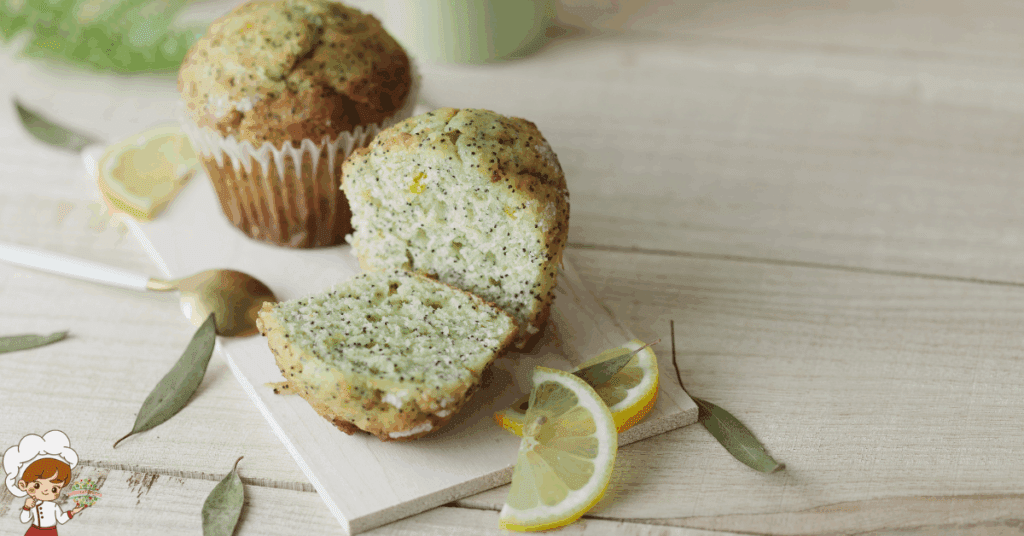
Zesty History of Lemon Poppy Seed Muffins; Lemon Poppy Seed Muffins are one of those rare baked treats that feel both refreshing and comforting at the same time. Their bright citrus aroma, delicate crunch, and tender crumb have made them a bakery favorite for generations—but their story goes much deeper than the modern café display case. This post explores how lemons and poppy seeds traveled through ancient trade routes, how European baking traditions shaped the flavor pairing, and how the American muffin transformed this classic combination into the sunny, uplifting treat we know today.
In this comprehensive guide, we’ll explore the history and origin of Lemon Poppy Seed Muffins, why lemon and poppy seeds pair so perfectly, how the muffin transformed from a humble quick bread into a modern favorite, and why this flavor continues to resonate with home bakers and food lovers everywhere.
This blog will help you:
- Understand the global history behind lemon and poppy seed baking traditions.
- Learn how the American muffin evolved into today’s lemon poppy seed favorite.
- Discover why citrus and poppy seeds pair so perfectly in baked goods.
- Appreciate the cultural influences that shaped this bright, zesty muffin.
- Gain inspiration for baking your own lemon poppy seed creations at home.
The History of Lemon Poppy Seed Muffins in Early Baking Traditions
To understand the modern Lemon Poppy Seed Muffin, we must look back to the origins of two key ingredients—lemon and poppy seeds—and how they made their way into Western baking. Both ingredients boast ancient histories, cultivated and celebrated long before the invention of the muffin itself.
Lemons are believed to have originated in Southeast Asia before making their way to the Middle East and Mediterranean regions. By the first century, lemons were well integrated into Roman cuisine, not only for culinary use but also for fragrance and medicinal purposes. Their acidity, aroma, and versatility made them a prized ingredient in sauces, drinks, and early desserts.
Poppy seeds, meanwhile, date back thousands of years to ancient Mesopotamia and Persia. Valued for both culinary and medicinal uses, poppy seeds were traded across the Middle East and Europe, becoming especially popular in Central and Eastern European baking. Poppy seed breads, cakes, and pastries—such as the beloved mákos bejgli in Hungary—highlighted just how complementary the nutty crunch of poppy seeds could be in sweet baked goods.
By the Middle Ages, as lemons spread throughout European trade routes, bakers experimented with combining citrus zest and poppy seeds in cakes, biscuits, and sweet breads. These early lemon-poppy creations laid the foundation for the flavor combination we love today.
How Lemon and Poppy Seeds Became a Classic Baking Combination
Before muffins existed in their modern form, lemon and poppy seeds already had a notable presence in European pastries and cakes. This pairing worked for several reasons:
Lemon added freshness, brightness, and acidity, enhancing the flavor of sweet doughs and batters. Poppy seeds contributed texture, earthiness, and a subtle nuttiness. When combined, they produced a balanced taste profile—light yet deeply satisfying. This made the duo particularly well suited for afternoon tea cakes, pound cakes, and sweet rolls during the 18th and 19th centuries.
As sugar became more affordable in Europe, lemon desserts surged in popularity. Lemon cakes and lemon breads, often enhanced with poppy seeds, became symbols of refinement and comfort. This set the stage for the flavor’s eventual transformation into a muffin once the muffin itself evolved in America.
The Origin of American Muffins and Their Evolution Into a Breakfast Favorite
The story of Lemon Poppy Seed Muffins cannot be told without exploring the rise of the American muffin. While English muffins date back centuries and resemble yeast-based griddle breads, the American-style muffin was entirely different—born from innovation in chemical leavening during the 18th and 19th centuries.
When baking soda and baking powder became widely available, American home bakers began creating “quick breads”—fast, easy recipes that rose reliably in the oven without yeast. Muffins quickly took off as a popular breakfast and snack solution. Their convenience, portability, and ability to incorporate different fruits, spices, nuts, and flavorings made them a staple of American kitchens.
By the mid-1800s, regional muffin varieties had emerged across the United States. Blueberry muffins dominated the Northeast. Cornbread muffins filled tables in the South. Bran muffins became a mark of early health-food trends. But citrus-based muffins, including early versions of lemon muffins, also started appearing in community cookbooks as refrigeration and citrus imports improved.
Poppy seeds, too, became more common in American kitchens during the late 19th and early 20th centuries thanks to Eastern European immigration. As baking traditions blended, the idea of combining lemon and poppy seeds in a muffin became increasingly familiar—eventually evolving into the iconic flavor we know today.
The Rise of Lemon Poppy Seed Muffins in 20th-Century American Baking
The 20th century marked a turning point for Lemon Poppy Seed Muffins. As food manufacturing grew and grocery stores expanded their selection of baking ingredients, lemon flavorings, poppy seeds, and muffin tins became more accessible. This led to a surge of lemon poppy seed breads and loaf cakes, which would eventually inspire the muffin format.
The 1950s and 1960s saw a boom in convenience baking. Boxed mixes introduced lemon cake and lemon bread recipes that often suggested adding poppy seeds for extra flavor and texture. Home bakers embraced this trend, and lemon poppy seed loaf cakes became an entertaining staple for brunches, potlucks, and family gatherings.
By the 1980s and 1990s, muffins had secured their place in American café culture. Coffee shops, delis, and bakeries featured oversized muffins in flavors that catered to morning crowds—blueberry, banana nut, chocolate chip, and of course, lemon poppy seed. Its bright flavor profile made it a welcome contrast to richer varieties, while its “lighter” taste aligned with growing trends toward healthier breakfast options.
Lemon Poppy Seed Muffins became symbolic of freshness and balance, appealing to anyone seeking a baked treat that didn’t feel heavy or overly indulgent. Their association with spring and summer also helped them maintain year-round popularity.
Why Lemon Poppy Seed Muffins Became a Beloved Modern Classic
The modern love for Lemon Poppy Seed Muffins is rooted in both flavor and nostalgia. The citrus notes evoke feelings of energy, clarity, and brightness—qualities deeply tied to morning rituals. Poppy seeds add a unique texture that elevates the simple batter without overwhelming it. This makes the muffin feel sophisticated yet comforting.
Culturally, lemon desserts carry a sense of timeless elegance. From Victorian sponge cakes to classic lemon bars and lemon meringue pies, the lemon dessert lineage is filled with iconic creations. The lemon poppy seed muffin inherits this legacy, bridging traditional baking with modern convenience.
Many people associate the flavor with home baking memories—a grandparent’s lemon bread, a childhood bake sale, or a favorite café treat. Its simple ingredients feel familiar, making the muffin approachable for bakers of all skill levels.
The Global Influence of Lemon Poppy Seed Muffins
While the muffin itself is distinctly American in origin, the flavor combination of lemon and poppy seeds resonates globally. In Europe, similar treats exist across numerous cultures:
Italy features lemon-poppy biscotti and citrus cakes. Germany and Austria incorporate poppy seeds into numerous baked goods, including sweet rolls and sponge cakes. Middle Eastern cuisine uses poppy seeds in pastries and savory dishes. Mediterranean bakers frequently combine citrus with seeds for bright, aromatic desserts.
As American baking trends spread worldwide through cafés, cookbooks, and food media, the Lemon Poppy Seed Muffin found new homes in international bakeries. Today, it is enjoyed across continents and translated into different textures and styles—from mini cakes to glazed versions to hybrid pastries.
Its universal appeal lies in its simplicity. Lemon is globally beloved, and poppy seeds are familiar to countless culinary traditions, making the muffin an effortless cultural bridge.
The Sensory Science Behind Lemon Poppy Seed Muffins
Part of what makes Lemon Poppy Seed Muffins so uniquely appealing is the sensory experience they deliver.
Lemon activates both taste and smell simultaneously, creating a bright, uplifting flavor. Its acidity enhances other ingredients, making the muffin taste sweeter without added sugar. Citrus aromatics stimulate the senses, which is why lemon is so closely tied to feelings of energy and freshness.
Poppy seeds, despite their tiny size, add significant texture. Their slight crunch provides contrast against the soft crumb of the muffin, while their natural oils contribute subtle nuttiness and richness.
The balance between acidity and fat, brightness and earthiness, softness and crunch, creates a harmonious bite. This makes the muffin feel satisfying without being heavy—an important part of its long-lasting popularity.
Lemon Poppy Seed Muffins in the Digital and Café Era
In the 2000s and 2010s, food blogging, café culture, and social media propelled Lemon Poppy Seed Muffins to new heights. Their bright color, visual texture from poppy seeds, and association with fresh, clean flavors made them a favorite among home bakers and content creators.
Many modern variations emerged—glazed muffins, bakery-style jumbo versions, healthier whole-grain alternatives, and even lemon poppy seed cupcakes. Despite evolving trends, the core flavors remained unchanged, proving their timelessness.
The rise of cafés further cemented their status as breakfast staples. Customers loved the balance they offered—sweet but not too sweet, indulgent but not heavy, comforting but refreshing. This versatility continues to make them one of the most requested muffin flavors today.
Why Lemon Poppy Seed Muffins Are Still So Popular Today
There are several reasons why Lemon Poppy Seed Muffins remain one of the most beloved muffin flavors:
They provide a refreshing alternative to richer muffin varieties. They feel uplifting and energizing, making them ideal for mornings. Their flavor profile appeals to all ages. They pair perfectly with tea and coffee, making them café favorites. They feel nostalgic yet modern—deeply familiar but never outdated.
Because lemon flavor naturally suggests brightness and cleanliness, many people associate Lemon Poppy Seed Muffins with wellness and balance, helping maintain their popularity in a health-conscious era.
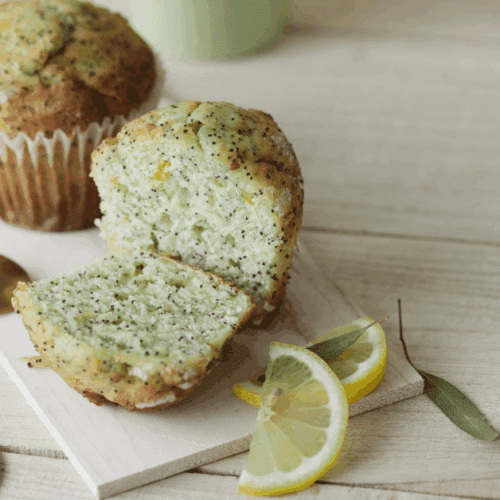
Lemon Poppy Seed Muffins
Ingredients
- – 1 ½ cups all-purpose flour
- – ½ cup sugar
- – 1 tsp baking powder
- – ½ tsp baking soda
- – ½ tsp salt
- – 1/3 cup vegetable oil
- – 2 large eggs
- – 1/2 cup milk
- – Zest of 1 lemon
- – 2 tbsp poppy seeds
- – 2 tbsp lemon juice
Instructions
- . Preheat the oven to 375°F (190°C).
- Mix flour, sugar, baking powder, baking soda, and salt.
- In another bowl, combine oil, eggs, milk, lemon zest, lemon juice, and poppy seeds.
- Combine wet and dry ingredients and mix well.
- Pour into muffin tins and bake for 18-20 minutes.
Frequently Asked Questions: Zesty History of Lemon Poppy Seed Muffins
1. When were Lemon Poppy Seed Muffins first created?
They likely emerged in the early to mid-20th century as American home bakers adapted lemon poppy seed loaf cakes into individual muffin format.
2. Are Lemon Poppy Seed Muffins an American invention?
The muffin is American, but the lemon-poppy flavor combination has deep roots in European and Middle Eastern baking traditions.
3. Why do lemon and poppy seeds pair so well together?
Lemon adds bright acidity and aroma, while poppy seeds contribute nutty crunch. Together, they create a balanced, satisfying flavor profile.
4. Are Lemon Poppy Seed Muffins healthy?
They can be made with whole grains, yogurt, or natural sweeteners, but they can also be purely indulgent—it’s all about the recipe used.
5. Do poppy seeds add flavor or just texture?
They add both. While their flavor is subtle, poppy seeds contribute nuttiness and richness in addition to the signature crunch.
6. When did poppy seeds become common in American baking?
They became widely used in the late 19th and early 20th centuries due to European immigration and expanding global trade.
7. Can you freeze Lemon Poppy Seed Muffins?
Yes, they freeze extremely well when wrapped tightly and stored in an airtight container.
8. Are there variations of Lemon Poppy Seed Muffins?
Yes—glazed versions, jumbo bakery-style muffins, whole-wheat variations, and even lemon-almond combinations are popular.

A Zesty Classic That Stands the Test of Time
The story of Lemon Poppy Seed Muffins is one of flavor, culture, and evolution. From ancient Persian poppy seed traditions to Mediterranean lemon desserts, from early European pastries to American quick breads, this muffin carries flavors with centuries of history. Its rise in the 20th century café culture solidified its place as a modern classic—one that feels both nostalgic and fresh.
Today, Lemon Poppy Seed Muffins remain a symbol of brightness and balance in the baking world. Their harmonious blend of citrus and crunch, their versatility in home kitchens, and their enduring popularity in cafés make them a beloved favorite for breakfast, brunch, or an uplifting afternoon treat.
As trends come and go, lemon and poppy seeds continue to shine—proof that some flavor combinations are truly timeless. The Lemon Poppy Seed Muffin, with its sunny aroma and satisfying bite, is not just a baked good; it’s a flavor story that connects generations of bakers, cultures, and traditions.
If you enjoyed exploring this topic and want to dive even deeper, be sure to check out some of our other articles here on Infinite Flavors. From rich culinary histories to creative twists on classic recipes, there’s always something new to discover. Whether you’re curious about the origins of a dish, looking for fresh inspiration in the kitchen, or simply love learning about food culture, our collection of posts is the perfect next step on your flavor journey.
The Sweet Story Of Easy Chocolate Chip Muffins A Delicious Trip Through History
The Sweet Story Of Easy Apple Cinnamon Muffins A Comforting Classic
The Delicious History Of Super Easy Quiche