The Delicious History of Super Easy Quiche
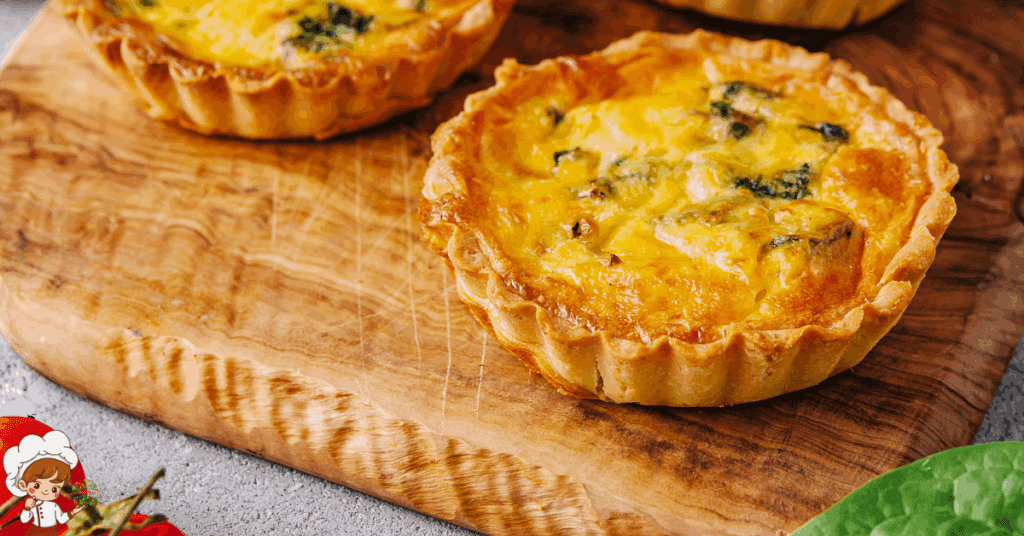
Delicious History of Super Easy Quiche; Super Easy Quiche may feel like a modern shortcut recipe, but its story stretches back through centuries of European culinary tradition. What began as a rustic German dish evolved into a refined French classic, eventually becoming the globally loved brunch staple we know today. With its buttery crust, creamy custard filling, and endless variations, quiche has always balanced elegance with simplicity. This post explores how quiche developed, how it traveled across cultures, and why the “super easy” version perfectly reflects the dish’s long history of adaptability and comfort.
But how did this comforting yet sophisticated dish come to be? The story of quiche stretches back centuries, weaving through European kitchens, royal banquets, and home-cooked family meals. What began as a humble country dish in the heart of France has evolved into an international favorite — and today, the Super Easy Quiche captures that same rich tradition while offering convenience for modern cooks.
Let’s dive deep into the fascinating history and origin of quiche, exploring its evolution, cultural impact, and enduring appeal as one of the world’s most adaptable and satisfying dishes.
This blog will help you:
- Understand the true origins of quiche and how it evolved across Europe.
- Learn how Quiche Lorraine became a French culinary icon.
- Discover how quiche spread to England, America, and modern kitchens worldwide.
- Appreciate why quiche remains a timeless, versatile dish for any meal.
- Feel inspired to make your own Super Easy Quiche with confidence and creativity.
The True Origin of Quiche: A French Masterpiece with German Roots
While quiche is famously associated with French cuisine, its origins actually trace back to medieval Germany, specifically the region of Lothringen, which later became known as Lorraine after French annexation. The earliest form of quiche was known as “kuchen,” a German word meaning “cake.” This savory version of a custard pie was made with simple, rustic ingredients — eggs, cream, and smoked bacon — baked inside a bread-dough crust.
When Lorraine came under French rule, the dish evolved both in name and technique. The French refined the recipe, replacing the bread dough with a delicate, buttery pastry crust — and thus, Quiche Lorraine was born. This transformation marked the beginning of quiche as we know it today: a luxurious yet humble dish that celebrates the richness of simple ingredients.
The name “quiche” itself is thought to have derived from the German “kuchen.” Over time, French influence elevated it into a culinary art form — rich, flavorful, and refined. By the 17th century, quiche had firmly established itself as a staple of French provincial cooking, often served in Lorraine households and local cafes.
The Evolution of Quiche Lorraine: From Rustic to Refined
The original Quiche Lorraine was a far cry from the elaborate versions we see today. Made simply with eggs, cream, and bits of bacon or lardons, it was hearty fare for farmers and villagers. Cheese wasn’t even a part of the early recipes — that addition came later as the dish spread across regions and social classes.
As quiche made its way to Paris and other parts of France, it underwent transformations that reflected the refinement of French haute cuisine. The pastry crust became more delicate, the custard smoother, and the fillings more creative. Ingredients like Gruyère cheese, onions, mushrooms, and leeks began appearing in versions like Quiche Alsacienne and Quiche Florentine.
What remained consistent, however, was the spirit of quiche: a dish built on balance — the richness of eggs and cream offset by the saltiness of cheese or meat and the crisp, flaky texture of the crust.
How Quiche Conquered the World
By the 20th century, quiche had left France and begun to make its mark on international cuisine. Its rise to global fame came primarily through England and the United States, where it became synonymous with refined European dining.
After World War II, French cuisine surged in popularity in America. Returning soldiers who had tasted French food overseas, along with a growing fascination for Parisian culture, helped introduce dishes like quiche to home kitchens and restaurants. The 1950s and 60s were especially transformative decades — quiche appeared in cookbooks, brunch menus, and dinner parties as a chic and sophisticated dish.
The most famous version, Quiche Lorraine, became a symbol of elegance, served in cafes and bakeries around the world. Variations soon followed, adapting to local tastes and ingredients. Spinach quiche, broccoli quiche, ham and cheese quiche, and even crustless quiche became household favorites.
By the 1980s, quiche had become a household name in America — both celebrated and playfully satirized in pop culture. Despite trends coming and going, quiche has endured because it offers what few dishes can: comfort, flavor, and adaptability.
The Birth of the “Super Easy Quiche”
While traditional quiche recipes can be a bit involved, modern home cooks began simplifying the process to fit busy lifestyles. Thus, the Super Easy Quiche was born — a quick, accessible version that retained the flavor and charm of the classic without requiring hours in the kitchen.
Easy quiche recipes often use shortcuts like store-bought crusts, pre-shredded cheese, or leftover vegetables. What makes them so appealing is that they preserve the dish’s original essence — a creamy, custard-like base — while allowing for endless customization.
This “super easy” approach is a natural continuation of quiche’s evolution. From the rustic kitchens of medieval Lorraine to the quick-prep meals of today, quiche has always been about adaptability. The modern version is just the latest expression of that centuries-old culinary philosophy: make something beautiful out of simple, wholesome ingredients.
Why Quiche Remains a Timeless Dish
The secret behind quiche’s enduring popularity lies in its versatility. It can be savory or even slightly sweet, vegetarian or meaty, fancy or simple. The base formula of eggs, cream, and pastry allows infinite variations — each one reflecting the cook’s creativity and the season’s bounty.
Quiche also fits seamlessly into modern eating habits. It’s easy to prepare ahead of time, perfect for brunches, picnics, or weeknight dinners, and delicious both warm and cold. It embodies a culinary principle that transcends culture: great food doesn’t have to be complicated.
This timeless appeal ensures that quiche continues to reinvent itself in every generation — from fine-dining menus to everyday family tables.
The Cultural Symbolism of Quiche
Beyond its taste and convenience, quiche carries a certain cultural symbolism. In France, it’s a dish that evokes comfort, heritage, and regional pride. In America, it’s become a symbol of cosmopolitan taste and European sophistication.
Quiche also reflects the blending of old-world tradition with new-world practicality. It bridges the gap between classic French culinary art and modern American efficiency — a rare example of a dish that thrives in both Michelin-starred restaurants and suburban kitchens.
Whether served at a Parisian café or a weekend brunch, quiche always feels like a celebration of good food and good company.
Modern Twists on Classic Quiche
In the 21st century, quiche continues to evolve with changing tastes and dietary preferences. Chefs and home cooks have developed creative variations that cater to modern lifestyles while staying true to the dish’s roots.
- Crustless quiche options cater to low-carb or gluten-free diets.
- Vegetarian quiche versions highlight fresh produce like spinach, zucchini, and bell peppers.
- Mini quiches have become party favorites and convenient grab-and-go snacks.
- Vegan quiche recipes now use tofu or chickpea flour to recreate the creamy custard texture without eggs or dairy.
Despite all these variations, what remains constant is the comforting heart of quiche: a dish that brings people together and celebrates flavor in its simplest form.
The Science Behind Perfect Quiche
The beauty of quiche lies not just in its flavor but also in its science. The combination of eggs and cream forms a delicate custard that sets as it bakes, creating a smooth, creamy interior. The crust acts as both a vessel and a textural contrast, keeping the dish balanced.
What makes quiche so forgiving — and therefore perfect for home cooks — is this balance. Even slight variations in ingredients can yield delicious results. Add more cheese, and it’s richer; more vegetables, and it’s lighter. The possibilities are endless, which explains why quiche remains one of the most enduring dishes in culinary history.
The Role of Quiche in French and American Cuisine
In French cuisine, quiche is considered both a classic and a comfort food. It’s often served with a simple salad and glass of wine — the epitome of understated elegance. In American cuisine, quiche became the ultimate brunch dish, symbolizing refinement and approachability.
Over time, it has transcended cultural boundaries. In England, quiche has become a picnic staple. In Australia and Canada, it’s a go-to family meal. Across the world, it represents something universal — the idea that a few simple ingredients can come together to create something extraordinary.
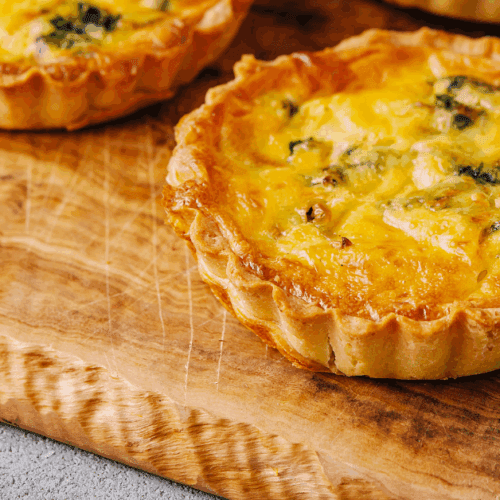
Super Easy Quiche
Ingredients
- Pie crust
- eggs
- milk
- cheese
- spinach
- bacon optional.
Instructions
- Whisk eggs and milk, mix in other ingredients, bake in crust.
Frequently Asked Questions: Delicious History of Super Easy Quiche
1. What does the word “quiche” mean?
The word “quiche” comes from the German word “kuchen,” meaning “cake.” It evolved through the French language after Lorraine became part of France.
2. Is quiche French or German?
Quiche originated in the German region of Lothringen, later annexed by France and renamed Lorraine. The French refined it, making it a hallmark of their cuisine.
3. What is the difference between Quiche Lorraine and other quiches?
Traditional Quiche Lorraine includes eggs, cream, and bacon or lardons, while other varieties may include cheese, vegetables, seafood, or herbs.
4. When did quiche become popular in America?
Quiche gained popularity in the United States during the 1950s and 60s, particularly as French cuisine became fashionable.
5. Can quiche be made without crust?
Yes! Crustless quiche is a popular option for those seeking a lighter or gluten-free variation.
6. What makes quiche so versatile?
Its base of eggs and cream allows for countless fillings — from cheese and vegetables to meats and herbs — making it easy to adapt to any taste or dietary need.
7. Is quiche healthy?
Quiche can be healthy, especially when made with fresh vegetables, lean proteins, and whole-grain or crustless bases. It’s high in protein and customizable to different diets.
8. What’s the secret to a perfect quiche texture?
The key is balancing eggs and cream for a smooth, tender custard. Overbaking or using too many eggs can lead to a dense texture.

The Timeless Allure of Super Easy Quiche
From its humble beginnings in medieval Europe to its modern-day status as a global favorite, quiche embodies the perfect harmony of comfort and sophistication. It’s a dish that has evolved alongside culinary history — from rustic German roots to French refinement, and now to the quick, accessible versions found in every corner of the world.
The Super Easy Quiche represents this evolution beautifully. It keeps the soul of the original dish alive — rich, creamy, and deeply satisfying — while catering to the pace of modern life. It’s proof that great food doesn’t need to be complicated to be memorable.
Whether you’re serving it for brunch, lunch, or dinner, quiche will always bring a sense of warmth, comfort, and timeless flavor to the table. It reminds us that the best dishes are those that adapt, endure, and continue to delight generation after generation.
If you enjoyed exploring this topic and want to dive even deeper, be sure to check out some of our other articles here on Infinite Flavors. From rich culinary histories to creative twists on classic recipes, there’s always something new to discover. Whether you’re curious about the origins of a dish, looking for fresh inspiration in the kitchen, or simply love learning about food culture, our collection of posts is the perfect next step on your flavor journey.
The Great Sweet Story Behind Chocolate Pumpkin Muffins
The History And Origin Of Easy Southern Cornbread
The Great History Of Slow Cooker Banana Bread