Exploring Great Peruvian Cuisine: A Comprehensive Cooking Guide
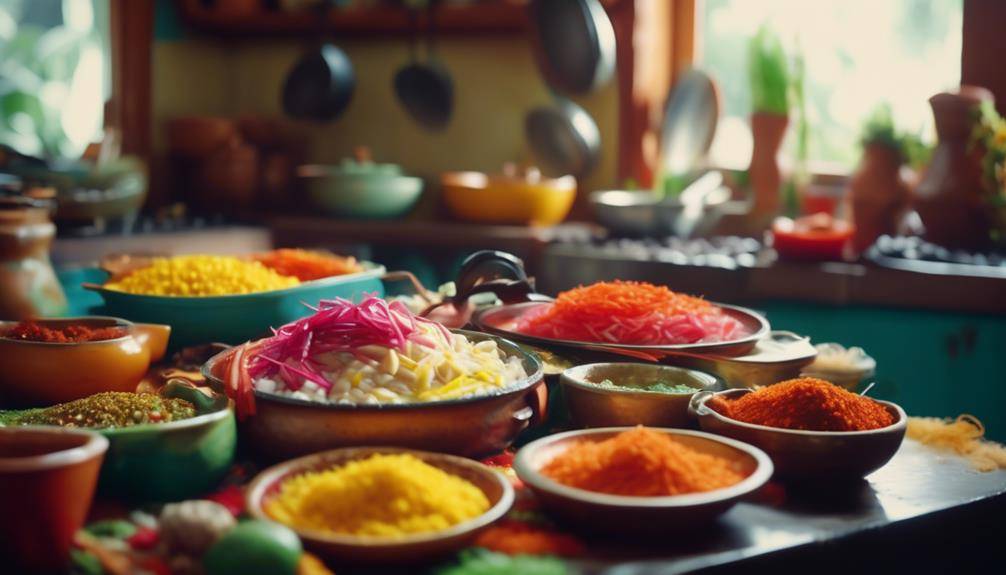
Exploring Great Peruvian Cuisine; Imagine standing in the heart of a bustling market in Lima — the air filled with the aroma of sizzling meats, bright citrus, and bold spices. Peruvian cuisine is a vibrant fusion of ancient traditions, Indigenous ingredients, and global influences that have shaped it into one of the world’s most exciting culinary cultures. From the fresh, citrus‑kissed flavors of ceviche to the Japanese‑inspired artistry of Nikkei dishes, Peru’s food tells a story of history, migration, and innovation. This guide walks you through the essential ingredients, cooking techniques, and iconic dishes that define Peruvian cuisine, helping you bring these unforgettable flavors into your own kitchen.
In this comprehensive cooking guide, you will uncover the secrets behind the tantalizing flavors of Peruvian cuisine, from its ancient roots to the modern culinary innovations that have made it a global sensation. Get ready to embark on a culinary journey that will leave you craving for more.
By the end of this post, readers will understand:
- The history and cultural influences that shaped Peruvian cuisine
- How Japanese and Chinese immigrants transformed Peruvian cooking
- Essential Peruvian spices and Indigenous Andean ingredients
- Traditional cooking techniques like pachamanca, clay‑pot cooking, and ceviche preparation
- The most iconic Peruvian appetizers, main dishes, sides, and desserts
- How fusion cuisine continues to evolve Peruvian food today
- Tips and tricks for mastering Peruvian flavors at home
History of Peruvian Cuisine
Peruvian cuisine has a rich and captivating history that dates back thousands of years. One fascinating aspect of its history is the influence of Japanese immigrants on Peruvian cuisine. In the late 19th century, a wave of Japanese immigrants arrived in Peru, bringing with them their culinary traditions. This fusion of Japanese and Peruvian flavors gave birth to a unique culinary style known as Nikkei cuisine.
The Japanese immigrants introduced ingredients such as soy sauce, ginger, and wasabi, which were seamlessly incorporated into traditional Peruvian dishes. This blending of flavors resulted in innovative and mouthwatering creations like tiradito, a dish similar to ceviche but with a Japanese twist. In tiradito, sashimi-style slices of fish are marinated in a tangy citrus-based sauce infused with soy sauce and served with a hint of wasabi.
Another significant influence of Japanese immigrants on Peruvian cuisine is the technique of tempura. Tempura is a cooking method where ingredients like seafood and vegetables are lightly battered and deep-fried to achieve a crispy texture. This cooking technique was quickly adopted by Peruvian chefs and became a staple in many Peruvian dishes, particularly in the coastal regions where seafood is abundant.
Speaking of seafood, it holds immense importance in Peruvian cuisine. With its long coastline and rich marine biodiversity, Peru is blessed with an abundance of fresh and flavorful seafood. Ceviche, a dish made of raw fish marinated in citrus juices, is the epitome of Peruvian seafood cuisine. The freshness of the fish combined with the zingy flavors of lime and chili peppers create a burst of flavors that is simply irresistible.
Peruvian cuisine’s history is a tapestry woven with the influences of different cultures, and the impact of Japanese immigrants on its culinary landscape is undeniable. Their contributions, along with the emphasis on seafood, have made Peruvian cuisine a true delight for food enthusiasts around the world.
Essential Peruvian Ingredients
Are you ready to discover the vibrant flavors of Peruvian cuisine? Get ready to embark on a culinary journey as we explore the essential ingredients that make Peruvian dishes truly unique. From traditional Peruvian spices that add a burst of flavor to indigenous Andean ingredients that have been cherished for centuries, Peruvian cuisine is a fusion of rich traditions and diverse influences from around the world. Get ready to tantalize your taste buds with the vibrant and colorful flavors of Peru.
Traditional Peruvian Spices
To truly immerse yourself in the flavors of Peruvian cuisine, you must acquaint yourself with the vibrant array of traditional spices that are integral to the country’s culinary heritage. Peruvian spice blends are known for their unique flavor profiles, combining a harmonious blend of herbs, spices, and chilies that create a symphony of taste sensations. Here are three sub-lists of traditional Peruvian spices that will take your cooking to the next level:
- Aji Amarillo: This vibrant yellow chili pepper adds a fruity and mild heat to dishes, giving them a distinctive Peruvian touch.
- Huacatay: Also known as black mint, this herb has a pungent aroma and adds a bold, earthy flavor to sauces and stews.
- Rocoto: This fiery red chili pepper packs a punch and is commonly used in salsas and ceviches, adding a delicious kick to the dish.
Indigenous Andean Ingredients
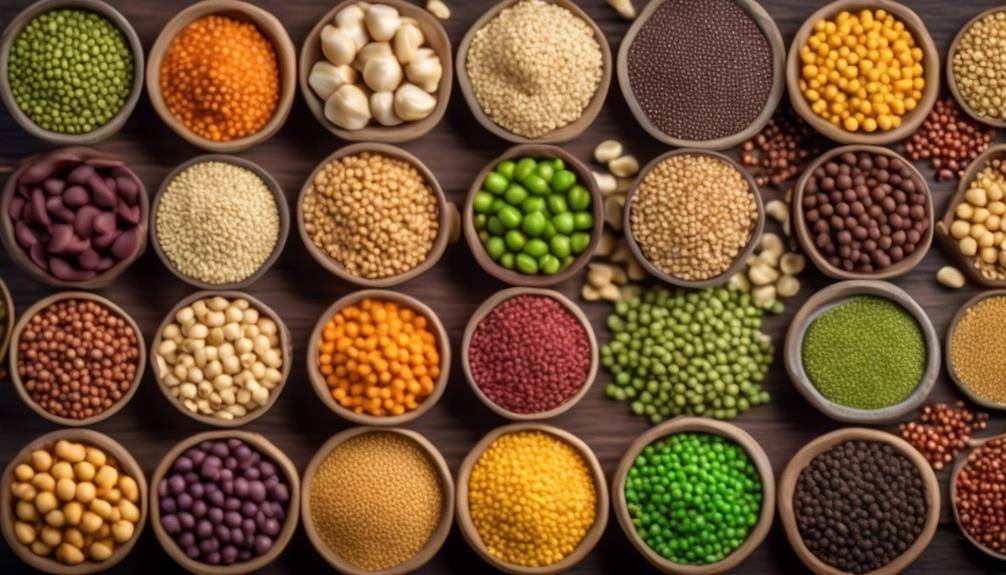
As you continue your culinary exploration of Peruvian cuisine, let’s now dive into the world of Indigenous Andean Ingredients, where you will discover the rich and unique flavors that define the essence of this vibrant culinary tradition. Andean farming techniques play a crucial role in the production of these ingredients, ensuring their quality and authenticity. One of the most culturally significant ingredients is quinoa, a versatile grain that has been a staple in Andean diets for centuries. Its nutty flavor and high nutritional value make it a popular choice in both savory and sweet dishes.
Another important ingredient is amaranth, a grain-like seed that is rich in protein and calcium. It is often used to make bread, porridge, and even desserts. The vibrant yellow spice known as aji amarillo is another key ingredient with a distinctive fruity flavor and mild heat. It adds a touch of brightness to many dishes, including ceviche and stews. By incorporating these Indigenous Andean Ingredients, you will not only experience the true flavors of Peruvian cuisine but also pay homage to the cultural heritage of Peru.
Influences From Other Cuisines
Drawing inspiration from various global culinary traditions, Peruvian cuisine has embraced and integrated a diverse array of essential ingredients that have shaped its distinctive flavors and made it a true gastronomic melting pot. Influences from Asian cuisine have played a significant role in the evolution of Peruvian dishes, resulting in unique fusion creations that are celebrated worldwide. Here are three sub-lists highlighting some of the essential ingredients that showcase these influences:
- Soy Sauce: Peruvian-Chinese fusion dishes, known as “Chifa,” incorporate soy sauce as a key ingredient, infusing traditional Peruvian ingredients with the umami flavors of Asian cuisine.
- Ginger: Used in both traditional Peruvian dishes and fusion creations, ginger adds a subtle spiciness and aromatic quality to soups, ceviches, and stir-fries.
- Rice Vinegar: A staple in Peruvian-Japanese fusion cuisine, rice vinegar adds a tangy and slightly sweet flavor to dishes like sushi rolls and tiraditos, creating a harmonious blend of flavors from both cultures.
These ingredients exemplify the cross-cultural influences that have shaped and enriched Peruvian cuisine, making it a truly unique and exciting culinary experience.
Traditional Peruvian Cooking Techniques
Get ready to embark on a culinary journey through the rich and diverse cooking techniques of Peru. From the indigenous methods passed down through generations to the culinary influences brought by the colonial era, Peruvian cuisine is a fusion of tradition and history. In this section, we will explore the unique ways in which Peruvian dishes are prepared, highlighting the indigenous cooking methods and the impact of colonial culinary techniques.
Indigenous Cooking Methods
Indigenous cooking methods in Peruvian cuisine showcase a rich tapestry of traditional techniques that bring out the vibrant flavors and textures of the country’s diverse ingredients. These methods have been passed down through generations and hold great cultural significance. Here are three sub-lists that will take you deeper into the world of Peruvian indigenous cooking:
- Clay Pot Cooking: This traditional cooking technique involves using clay pots to slow-cook dishes. The porous nature of the clay allows for even heat distribution, resulting in tender and flavorful meals.
- Pachamanca: A ritualistic cooking method where ingredients such as meat, potatoes, and corn are cooked underground using hot stones. This technique enhances the flavors and infuses a smoky essence into the food.
- Ceviche: A popular Peruvian dish where raw fish or seafood is marinated in citrus juices, typically lime or lemon. The acid in the juice “cooks” the fish, resulting in a refreshing and tangy flavor.
Experience the cultural heritage of Peru through these traditional cooking techniques that have stood the test of time.
Colonial Culinary Influences
As we continue our culinary journey through Peruvian cuisine, we now turn our attention to the intriguing influences of the colonial era on traditional cooking techniques. The arrival of the Spanish in the 16th century brought about a fusion of culinary traditions, resulting in the development of unique colonial culinary techniques. The Spanish introduced new ingredients like garlic, onions, and citrus fruits, as well as various cooking methods such as sautéing and frying.
This fusion of Spanish and indigenous cooking techniques gave birth to dishes like the famous lomo saltado, a stir-fried beef dish with onions and tomatoes, and the delicious causa, a layered potato dish flavored with lime and ají amarillo pepper. These colonial culinary techniques continue to shape the vibrant and diverse Peruvian cuisine we know today.
Classic Peruvian Appetizers
If you’re ready to embark on a culinary journey through Peru, let’s kickstart your appetite with a tantalizing selection of classic Peruvian appetizers. These appetizers are a perfect introduction to the vibrant and diverse flavors of Peruvian cuisine. Get ready to indulge in a burst of deliciousness that will leave you craving for more.
Here are three sub-lists of popular Peruvian finger foods that are sure to impress your taste buds:
- Ceviche:
- This iconic dish consists of fresh fish or seafood marinated in lime juice, mixed with onions, chili peppers, and cilantro.
- The acidity of the lime juice “cooks” the fish, resulting in a refreshing and tangy flavor.
- Ceviche can be made with various types of fish, such as sea bass, snapper, or even octopus, offering a wide range of taste experiences.
- Anticuchos:
- These grilled skewers are a favorite street food in Peru.
- Traditionally made with beef hearts, they are marinated in a flavorful blend of spices, including cumin, garlic, and vinegar.
- The skewers are then grilled to perfection, creating a smoky and juicy dish that is both tender and savory.
- Papa a la Huancaína:
- This classic appetizer features boiled potatoes smothered in a creamy and spicy sauce made from queso fresco, yellow chili peppers, and evaporated milk.
- The combination of the mild cheese, slightly spicy peppers, and creamy sauce creates a rich and satisfying dish that is loved by Peruvians and visitors alike.
- It is typically garnished with hard-boiled eggs and black olives, adding a touch of color and additional flavor.
With these Peruvian appetizer recipes, you’ll be able to capture the essence of Peruvian cuisine and impress your guests with the bold and unique flavors of Peru. Get ready to tantalize your taste buds and embark on a culinary adventure that will leave you craving for more.
Iconic Peruvian Main Dishes
Now that your taste buds have been awakened by the delectable flavors of classic Peruvian appetizers, it’s time to dive into the heart of Peruvian cuisine with its iconic main dishes. Get ready to embark on a culinary journey that will transport you to the vibrant streets of Peru, where traditional flavors and bold spices come together to create unforgettable dishes.
One of the most famous main dishes in Peru is ceviche. This refreshing and tangy dish consists of raw fish or seafood marinated in lime juice, mixed with onions, chili peppers, and cilantro. The acidity of the lime juice “cooks” the fish, resulting in a light and zesty flavor that is perfect for a hot summer day.
Another must-try main dish is lomo saltado, a fusion of Chinese and Peruvian flavors. This stir-fry dish combines tender strips of beef, onions, tomatoes, and french fries, all sautéed together in a savory soy-based sauce. The combination of textures and flavors creates a mouthwatering dish that is sure to satisfy your cravings.
For those looking for a unique dining experience, try anticuchos. These skewers of grilled marinated meat, usually beef heart, are a favorite street food in Peru. The meat is seasoned with a blend of spices, including cumin and garlic, and grilled to perfection. The result is a dish that is both tender and flavorful, with a smoky charred taste that is simply irresistible.
To complement your main dish, be sure to indulge in traditional Peruvian drinks. Chicha morada, a refreshing beverage made from purple corn, pineapple, and spices, is a popular choice. Pisco sour, a cocktail made with Pisco, a grape brandy, lime juice, syrup, and egg whites, is also a must-try.
Peruvian cuisine offers a wide variety of main dishes that will satisfy any palate. From the tangy ceviche to the hearty lomo saltado, each dish is a reflection of Peru’s rich culinary heritage. So, get ready to explore the iconic flavors of Peru and indulge in the vibrant street food culture that makes Peruvian cuisine truly unique.
Delicious Peruvian Side Dishes
Indulge your taste buds with a tantalizing array of Peruvian side dishes that will elevate your meal to a whole new level of deliciousness. Peruvian cuisine is known for its rich flavors and diverse ingredients, and the side dishes are no exception. From hearty grains to zesty salsas, here are some popular Peruvian side dishes that you must try:
- Quinoa Salad: This light and refreshing salad is made with protein-packed quinoa, mixed with colorful vegetables like tomatoes, cucumbers, and onions. The tangy dressing, made with lime juice and olive oil, adds a burst of flavor to this nutritious dish.
- Papas a la Huancaina: This traditional Peruvian dish features boiled potatoes smothered in a creamy, spicy sauce made from aji amarillo peppers, cheese, and evaporated milk. The sauce is velvety and indulgent, making it the perfect accompaniment to any main course.
- Causa Limeña: This unique side dish is a layered potato terrine filled with a variety of fillings, such as chicken, avocado, or seafood. The potatoes are mashed and seasoned with lime juice, chili pepper, and olive oil, creating a vibrant and tangy flavor profile.
These Peruvian side dish recipes are just a taste of the culinary delights that Peru has to offer. Whether you’re hosting a dinner party or simply looking to add some excitement to your weeknight meals, these dishes are sure to impress. So, why not take a culinary adventure and explore the delicious world of Peruvian cuisine? Your taste buds will thank you!
Irresistible Peruvian Desserts
Prepare to satisfy your sweet tooth with a delectable selection of irresistible Peruvian desserts. Peruvian sweet treats are known for their unique dessert flavors that will transport you to the vibrant streets of Peru. Get ready to indulge in a culinary journey that combines traditional ingredients with innovative techniques to create desserts that are both comforting and exciting.
One popular Peruvian dessert is the classic Tres Leches cake. This moist sponge cake is soaked in a mixture of three different types of milk – condensed milk, evaporated milk, and regular milk. The result is a luscious, creamy cake that melts in your mouth and leaves you craving for more.
Another must-try dessert is the Suspiro Limeño, which translates to “Limeño Sigh.” This decadent dessert consists of a creamy caramel topped with a fluffy meringue. The contrast between the rich caramel and the airy meringue creates a flavor explosion that will leave you wanting another spoonful.
For those who prefer something on the lighter side, the Mazamorra Morada is the perfect choice. This refreshing dessert is made with purple corn, fruits, and spices, resulting in a vibrant purple pudding with a subtle sweetness. It is often served with a side of arroz con leche, a creamy rice pudding, for an extra indulgence.
Lastly, don’t forget to try the Picarones, a popular Peruvian street food dessert. These deep-fried doughnuts are made from sweet potato and squash, giving them a unique flavor and a soft, pillowy texture. They are typically served with a sweet syrup made from chancaca, a type of raw cane sugar, adding a delightful sweetness to every bite.
Peruvian desserts offer a delightful journey into the world of unique flavors and sweet indulgence. From creamy cakes to airy meringues, there is something for everyone to enjoy. So go ahead and treat yourself to these irresistible Peruvian sweet treats, and let your taste buds experience a whole new level of dessert bliss.
Mastering Peruvian Cooking Tips and Tricks
Enhance your culinary skills and become a master in the art of Peruvian cooking with these expert tips and tricks. Peruvian cuisine is known for its rich flavors, diverse ingredients, and unique cooking techniques. To truly master Peruvian cooking, it is important to understand the culinary innovations and fusion cuisine that have shaped this vibrant cuisine. Here are some tips and tricks to help you on your journey:
- Embrace the Fusion: Peruvian cuisine is a beautiful amalgamation of various culinary traditions, including indigenous, Spanish, African, Chinese, and Japanese influences. Embrace the fusion and experiment with different flavor combinations. Try incorporating ingredients like aji amarillo (Peruvian yellow chili pepper) into traditional dishes for a delightful twist.
- Play with Texture: Texture is an essential element in Peruvian cooking. From the crispy skin of a perfectly roasted chicken to the creamy smoothness of a causa (a traditional Peruvian potato dish), texture adds depth and complexity to the flavors. Experiment with different cooking techniques to achieve the desired texture in your dishes.
- Prioritize Fresh Ingredients: Peruvian cuisine heavily relies on fresh and high-quality ingredients. From the freshest seafood to the juiciest fruits, using fresh ingredients will elevate the flavors of your dishes. Visit local markets to source the best produce and seafood available.
Frequently Asked Questions: Exploring Great Peruvian Cuisine
What Are Some Popular Peruvian Drinks That Pair Well With Peruvian Cuisine?
Looking to pair your Peruvian cuisine with a tasty drink? Peruvian drinks have a rich cultural significance and there are traditional beverages that have been adapted for modern tastes. Discover the perfect pairing!
Are There Any Significant Regional Variations in Peruvian Cuisine?
Exploring the regional diversity of Peruvian cuisine takes you on a culinary journey through the different flavors and dishes. Traditional ingredients play a vital role in the regional variations of Peruvian cuisine.
Can You Provide a List of Common Peruvian Spices and Their Uses?
Aji panca and huacatay are two common Peruvian spice blends that add depth and flavor to Peruvian cuisine. With indigenous ingredients at its core, Peruvian culinary traditions are a vibrant blend of ancient and modern influences.
Are There Any Vegetarian or Vegan Options in Peruvian Cuisine?
Peruvian cuisine offers a variety of vegetarian and vegan options. From traditional dishes like quinoa salads and vegetable stir-fries to innovative plant-based creations, you’ll find flavorful and satisfying choices that cater to your dietary preferences.
Is Peruvian Cuisine Known for Any Specific Cooking Utensils or Equipment That Are Essential for Authentic Preparation?
Peruvian cuisine utilizes traditional cooking tools and utensils that are essential for authentic preparation. From the iconic clay pots known as “ollas” to the versatile wooden “batan” mortar and pestle, these tools contribute to the unique flavors of Peruvian dishes.
Conclusion
Peruvian cuisine is a celebration of culture, history, and bold, unforgettable flavor. From Indigenous Andean ingredients to Japanese and Chinese influences, every dish reflects centuries of culinary evolution. Whether you’re preparing ceviche, lomo saltado, papas a la huancaína, or classic Peruvian desserts, each recipe offers a taste of Peru’s rich heritage. With the essential ingredients, techniques, and tips from this guide, you’re ready to bring the vibrant flavors of Peru into your own kitchen. Gather your ingredients, embrace the fusion, and enjoy the journey — Peruvian cooking is an adventure worth savoring.