The Great Fresh and Flavorful History of Pasta Primavera
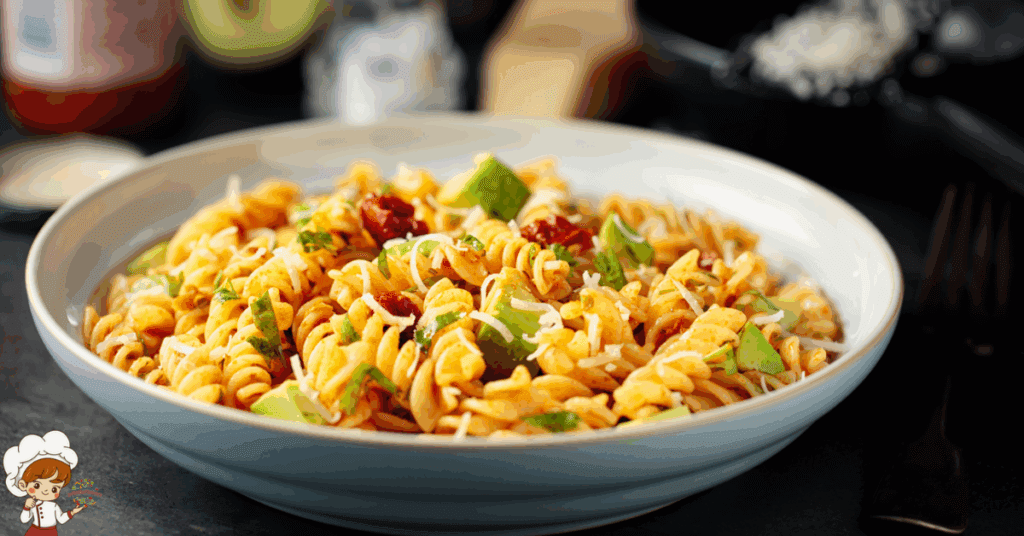
Flavorful History of Pasta Primavera; Few dishes capture the spirit of freshness, simplicity, and elegance quite like Pasta Primavera. With its colorful medley of vegetables, light sauce, and perfectly cooked pasta, it stands as a timeless symbol of spring and renewal. Yet, behind its delicate appearance lies a fascinating story — one rooted not in old-world Italy, but in the creative culinary scene of modern America.
Pasta Primavera is often mistaken for an ancient Italian classic, but in truth, it’s a relatively new creation that blossomed during the 1970s in New York’s vibrant dining culture. This dish was a culinary revolution — an American innovation inspired by Italian sensibilities and fueled by a love of fresh, seasonal ingredients. Its story is one of serendipity, artistry, and the blending of tradition with innovation, embodying everything that makes modern cuisine so exciting.
Let’s journey through the flavorful history and origin of Pasta Primavera, exploring how this elegant dish went from a chef’s experiment to a national sensation — and why it continues to be celebrated as the ultimate ode to springtime.
The Surprising Origins of Pasta Primavera
Contrary to popular belief, Pasta Primavera did not come from an Italian grandmother’s kitchen or a rustic trattoria tucked away in the hills of Tuscany. Instead, it was born thousands of miles away — in the bustling culinary world of 1970s North America.
The story begins with Sirio Maccioni, the renowned Italian restaurateur behind New York City’s legendary restaurant, Le Cirque. Maccioni was known for his flair for hospitality and his ability to blend fine dining with approachable charm. In the mid-1970s, he and his wife, Egidiana, were vacationing at a friend’s estate in Nova Scotia, Canada — specifically, the estate of Baron Carlo Amato.
There, in the remote Canadian countryside, the chef of the household, Franco Brigandi, and Maccioni began experimenting with dishes that highlighted the fresh vegetables available at the time. One night, in an effort to create something light yet satisfying, they tossed pasta with butter, cream, Parmesan cheese, and a selection of sautéed vegetables. The result was a revelation: bright, fresh, and indulgent — a perfect harmony of textures and flavors.
When Maccioni returned to New York, he brought the concept to Le Cirque, where it quickly became a sensation among the city’s elite diners. Word spread rapidly, and by the late 1970s, Pasta Primavera was on its way to becoming one of the most famous dishes in America.
The Birth of a Culinary Trend
The debut of Pasta Primavera at Le Cirque marked a turning point in American dining. The 1970s were a decade of transformation in the culinary world — a time when chefs began emphasizing freshness, color, and presentation over heavy, meat-centric dishes.
At a time when French cuisine dominated fine dining, Pasta Primavera offered something refreshingly different: a dish that celebrated the beauty of vegetables without sacrificing richness or sophistication. The creamy sauce and tender pasta provided comfort, while the vibrant mix of vegetables — such as zucchini, peas, asparagus, and bell peppers — added brightness and vitality.
Food critics and diners alike fell in love. The dish’s balance of indulgence and freshness made it feel both luxurious and healthy — a combination that appealed to the health-conscious yet flavor-loving generation of the late 20th century.
Soon, Pasta Primavera was everywhere. From upscale restaurants to home kitchens, it became synonymous with light, elegant dining. Magazines published their own versions, chefs experimented with seasonal variations, and it quickly entered the canon of American-Italian classics.
The Meaning Behind the Name “Primavera”
The word “primavera” means “spring” in Italian, a fitting tribute to the dish’s defining characteristic — its celebration of fresh, seasonal vegetables. Spring is the season of renewal, growth, and abundance, and Pasta Primavera perfectly embodies those qualities.
Although it’s now enjoyed year-round, the dish was originally intended to highlight the flavors of early spring produce — tender asparagus, crisp peas, young carrots, and vibrant herbs. Its very name evokes the feeling of new beginnings, sunshine, and the beauty of fresh ingredients coming to life after a long winter.
In many ways, the name also captures the essence of the dish’s cultural identity — Italian at heart, but reimagined through an American lens.
Pasta Primavera: An American Creation with Italian Soul
While its roots are firmly planted in North America, Pasta Primavera draws heavy inspiration from Italian cooking principles. Italians have long revered vegetables and pasta as the foundations of everyday meals. The idea of combining fresh, seasonal produce with olive oil, herbs, and simple sauces is deeply Italian — it’s the essence of cucina povera, or “poor kitchen,” which values resourcefulness and simplicity.
However, the creamy sauce that became synonymous with Pasta Primavera — often made with butter, cream, and cheese — reflects a distinctly American touch. Italian pasta dishes traditionally rely on olive oil or tomato-based sauces, whereas the version created at Le Cirque leaned into the French-inspired richness that dominated American fine dining at the time.
This hybrid nature is what made Pasta Primavera so groundbreaking. It was an Italian-inspired dish born in a French restaurant, in the hands of an Italian restaurateur, in New York City — the ultimate melting pot of global influences.
The Role of Le Cirque and Chef Sirio Maccioni
Le Cirque wasn’t just a restaurant; it was an institution. Known for serving royalty, celebrities, and the elite of New York, it became the stage on which Pasta Primavera made its grand debut.
Sirio Maccioni, with his impeccable taste and charisma, understood how to turn good food into a cultural phenomenon. When he introduced Pasta Primavera to his menu, he wasn’t just offering a new dish — he was redefining modern dining.
At a time when many fine-dining establishments focused on rich meats and heavy sauces, Maccioni’s vegetable-centric pasta dish felt revolutionary. It aligned perfectly with the growing health-conscious movement of the 1970s while maintaining an air of sophistication.
Soon, celebrities like Sophia Loren and Jacqueline Kennedy Onassis were dining on Pasta Primavera, and magazines such as The New York Times and Bon Appétit hailed it as the dish of the decade. It was fresh, modern, and emblematic of a new era in cuisine — one that valued freshness, flavor, and artistry.
The Spread of Pasta Primavera Across America
After its rise to fame at Le Cirque, Pasta Primavera took America by storm. Restaurants from coast to coast added it to their menus, often adapting it with local vegetables or different types of pasta.
In California, chefs leaned into Mediterranean influences, swapping cream for olive oil and emphasizing lighter, fresher flavors. In the Midwest, home cooks embraced frozen vegetables and pantry staples to make it accessible year-round. By the 1980s, Pasta Primavera had become one of the most beloved pasta dishes in the country — a true culinary icon.
It represented more than just a meal; it symbolized a shift in the way Americans viewed pasta and vegetables. No longer an afterthought, vegetables became the star of the plate, and pasta became a vehicle for celebrating the seasons.
The Cultural Impact of Pasta Primavera
The popularity of Pasta Primavera coincided with a broader cultural movement toward healthy, plant-forward eating. In an era defined by diet trends and nutritional awareness, the dish’s emphasis on vegetables and light sauces resonated deeply.
It also paved the way for countless other pasta-and-vegetable combinations. Today, dishes like pasta al pesto, spaghetti with roasted vegetables, and lemon zucchini pasta owe part of their popularity to the trailblazing success of Pasta Primavera.
In the restaurant industry, it showed chefs that vegetables could be the star attraction on the menu — not just a side dish. Its impact extended beyond Italian or American cuisine, inspiring chefs worldwide to create fresh, colorful, and seasonally inspired dishes.
Pasta Primavera in Modern Cuisine
Today, Pasta Primavera remains a favorite for both professional chefs and home cooks alike. Its adaptability and simplicity make it endlessly versatile.
Modern interpretations vary — some use olive oil instead of cream for a lighter approach, while others incorporate whole-grain or gluten-free pasta for added nutrition. Chefs experiment with seasonal vegetables year-round, from spring asparagus and peas to summer zucchini and cherry tomatoes, autumn squash, and winter kale.
Despite these variations, the essence of Pasta Primavera remains unchanged: it’s a dish that celebrates freshness, balance, and the joy of eating in harmony with the seasons.
Why Pasta Primavera Became a Timeless Classic
The enduring appeal of Pasta Primavera lies in its perfect balance — between indulgence and lightness, tradition and innovation, simplicity and sophistication. It’s both comforting and elegant, equally at home at a family dinner or a fine dining table.
Its story also reflects the broader journey of American cuisine — a blend of global influences, creativity, and appreciation for quality ingredients. In many ways, Pasta Primavera represents the heart of modern cooking: taking inspiration from tradition while embracing freshness, flexibility, and flavor.
Decades after its debut, it continues to inspire chefs, home cooks, and food lovers to see vegetables not as an obligation, but as the stars of the meal.
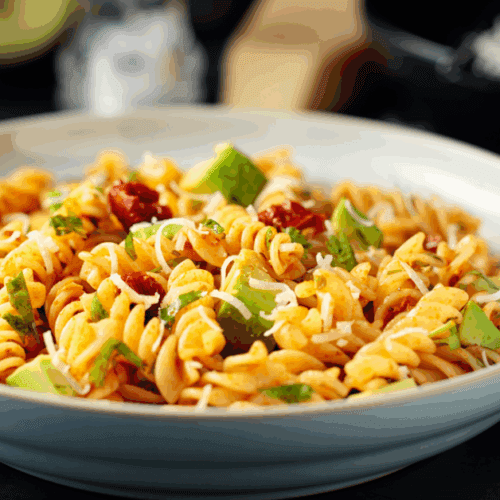
Pasta Primavera
Ingredients
- Pasta
- mixed vegetables
- olive oil
- garlic
- Parmesan cheese.
Instructions
- Cook pasta, sauté vegetables in oil and garlic, combine with pasta and cheese.
Frequently Asked Questions: Flavorful History of Pasta Primavera
1. What does “Pasta Primavera” mean?
The word “Primavera” means “spring” in Italian, reflecting the dish’s use of fresh, seasonal vegetables that are most abundant during springtime.
2. Who invented Pasta Primavera?
Pasta Primavera was created in the 1970s by Sirio Maccioni and chef Franco Brigandi at the Le Cirque restaurant in New York City, after originally being developed at a private estate in Nova Scotia.
3. Is Pasta Primavera an authentic Italian dish?
No, Pasta Primavera is an American invention inspired by Italian cooking principles. It combines Italian pasta traditions with American and French influences.
4. When did Pasta Primavera become popular?
The dish gained national attention in the late 1970s and became a widespread restaurant favorite by the early 1980s.
5. Why is Pasta Primavera considered healthy?
Because it focuses on fresh vegetables, lean ingredients, and simple sauces, Pasta Primavera is naturally nutrient-rich and lower in calories compared to heavier pasta dishes.
6. Can Pasta Primavera be made year-round?
Yes! Although originally inspired by spring produce, Pasta Primavera can be adapted to any season using fresh or roasted vegetables available throughout the year.
7. What makes Pasta Primavera unique?
Its emphasis on freshness, color, and texture sets it apart. Unlike heavy meat-based pasta dishes, it highlights vegetables and celebrates the essence of seasonal eating.

The Legacy of Pasta Primavera
The story of Pasta Primavera is one of creativity, elegance, and cultural fusion. What began as an experimental dish at a luxurious estate evolved into a global icon that continues to define freshness and flavor.
Though it may not hail from traditional Italian roots, its soul remains unmistakably Italian — built on respect for ingredients, simplicity in preparation, and joy in sharing food. Its American birthplace only adds to its charm, showcasing the power of culinary innovation and cross-cultural inspiration.
More than fifty years after its debut, Pasta Primavera remains as vibrant as ever — a dish that celebrates the best of both worlds. It’s a testament to how food evolves, connects people, and transforms with time while keeping its essence intact.
As long as spring arrives each year, bringing with it an abundance of fresh vegetables and renewed energy, Pasta Primavera will continue to shine as a timeless tribute to the beauty of seasonal cooking.
The History Of Easy Spinach Artichoke Dip
The Best Easy To Make Stuffed Bell Peppers
The History Of Amazing BBQ Chicken Ranch Pizza