Six Great Essentials For Preparing Low-Carb Meals

Great Essentials For Preparing Low-Carb Meals; To prepare low-carb meals, start by stocking your pantry with healthy fats, low-carb vegetables, and baking essentials. Choose high-quality proteins like grass-fed beef and wild-caught fish, and try cooking techniques like grilling and steaming to boost flavors without carbs. Incorporate healthy fats such as avocados and olive oil to enhance taste and help keep you satisfied. Select non-starchy vegetables for nutritious bases. Finally, plan your meals each week to stay organized and guarantee you have everything on hand. There’s more to explore that can really elevate your low-carb cooking game!
Stocking Your Pantry
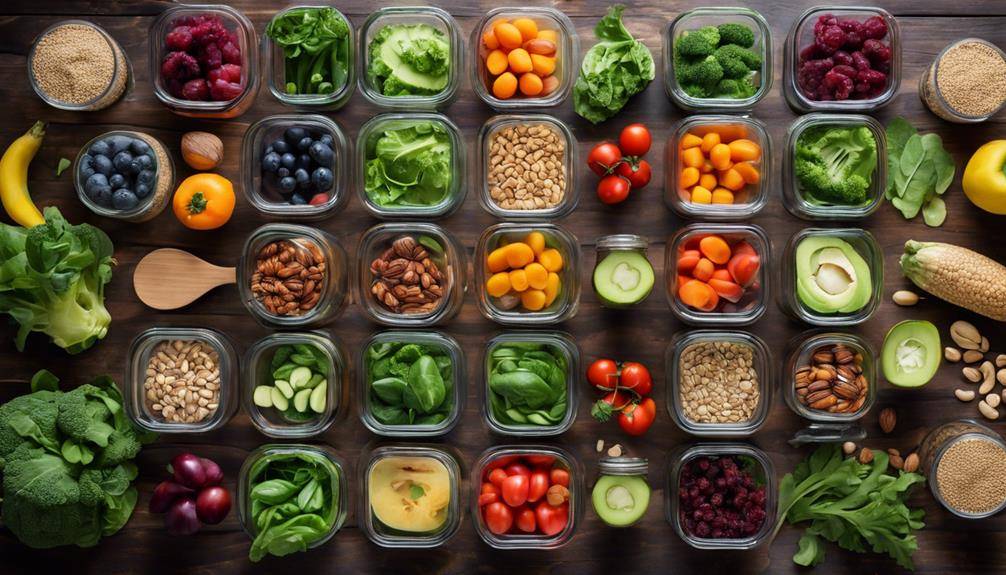
When you’re stocking your pantry for a low-carb lifestyle, it is important to choose the right ingredients. Start by decluttering your pantry to improve organization. Remove any high-carb items and make space for essential staples that align with your low-carb goals. This will help you avoid temptation and streamline meal prep.
Next, focus on filling your pantry with versatile ingredients. Opt for healthy fats like olive oil, coconut oil, and avocado oil. These not only add flavor but also keep you satisfied. Stock up on low-carb vegetables such as spinach, zucchini, and cauliflower. These can serve as the base for countless dishes.
In addition to veggies, include a variety of nuts and seeds. Almonds, walnuts, and chia seeds are great for snacking or adding crunch to meals. Don’t forget about herbs and spices; they can transform simple ingredients into flavorful dishes without adding carbs.
You’ll also want to keep some low-carb flours, like almond flour or coconut flour, on hand for baking. These alternatives are vital for creating low-carb treats that don’t compromise your diet.
Lastly, consider having some sugar substitutes available, such as stevia or erythritol. These can sweeten your recipes without the carbs. By organizing your pantry with these vital staples, you’ll set yourself up for success on your low-carb journey, making meal preparation easy and enjoyable.
Choosing Quality Proteins
Quality proteins are essential for a successful low-carb diet, and choosing the right sources can make all the difference. When it comes to protein sources, opt for high-quality cuts of meat, poultry, and fish. Grass-fed beef, organic chicken, and wild-caught fish not only provide superior nutrients but also enhance the flavor profiles of your meals.
Pay attention to cooking methods, as they can greatly impact both taste and health. Grilling, baking, or poaching proteins are great options to lock in flavor without adding unnecessary carbs. Avoid frying or breading your proteins, which can add unwanted calories and carbs to your meals.
Portion sizes also matter when selecting quality proteins. Depending on your dietary goals, aim for a balanced portion that keeps you satisfied without overindulging. Generally, a serving of protein should be about the size of your palm.
Meal prep can make incorporating these proteins into your low-carb diet easier. Prepare your proteins in advance—grill several chicken breasts or bake a batch of salmon to have ready during the week. This way, you’ll always have a healthy protein source on hand, making it simpler to stick to your low-carb plan.
Experiment with different flavor profiles by using herbs, spices, and marinades. This not only keeps your meals exciting but also allows you to enjoy quality proteins more fully. By focusing on these aspects, you’ll set yourself up for low-carb success.
Incorporating Healthy Fats
Incorporating healthy fats into your low-carb meal plan can elevate both flavor and nutrition. Healthy fat sources, like avocados, olive oil, nuts, and fatty fish, not only enhance the taste of your dishes but also provide important nutrients that support overall health. These fats are essential for your body, helping to absorb vitamins and maintain energy levels.
When adding healthy fats, it’s vital to practice fat portion control. While these fats are beneficial, they’re also calorie-dense, which means it’s easy to overdo it. Aim to balance your intake by measuring out serving sizes, especially when using high-calorie ingredients like nut butters or oils. A tablespoon of olive oil or a small handful of nuts can go a long way in enriching your meals without overwhelming your calorie count.
You can sprinkle some seeds on your salad or drizzle olive oil over your vegetables to boost flavor without adding unnecessary carbs. If you’re cooking, consider using ghee or coconut oil for frying, as they can withstand higher temperatures than other oils while imparting delicious flavors.
Additionally, incorporating healthy fats helps keep you satiated longer, reducing cravings and the temptation to snack on high-carb foods. By consciously selecting healthy fat sources and controlling your portions, you can transform your low-carb meals into satisfying and nourishing experiences. Keep experimenting until you find the right balance that works for you.
Selecting Low-Carb Vegetables
When you’re choosing vegetables for a low-carb diet, it’s essential to know which options are best. Focus on non-starchy varieties like spinach, zucchini, and cauliflower, as they pack plenty of nutrients without the carbs. You’ll also want to explore different cooking methods to maximize flavor while keeping those carb counts down.
Best Low-Carb Options
Choosing the right vegetables can make a significant difference in your low-carb journey. You’ll want to focus on non-starchy options that are low in carbohydrates but high in nutrients. Leafy greens like spinach, kale, and Swiss chard are excellent choices, as they’re versatile and packed with vitamins. Cruciferous veggies like broccoli, cauliflower, and Brussels sprouts are also great; they add texture and flavor while keeping your carb count low.
Zucchini and asparagus should be staples in your kitchen, too. You can spiralize zucchini for a fun pasta substitute or roast asparagus for a delicious side. Don’t forget about bell peppers and mushrooms—they’re not only low in carbs but also add vibrant colors to your meals.
Incorporating these vegetables into your diet can help you create the best low carb snacks and even low carb desserts. For instance, you can blend spinach into smoothies or use almond flour with cauliflower for a healthy pizza crust. By selecting these low-carb vegetables, you’ll not only enhance your meals but also stay on track with your low-carb lifestyle.
Cooking Methods Explained
Mastering various cooking methods can elevate your low-carb vegetable dishes while preserving their flavor and nutrients. Each technique offers unique advantages that can transform your meals. For instance, sous vide cooking allows you to achieve perfect texture and flavor retention, making it ideal for delicate vegetables like asparagus.
Pressure cooking is another great option, as it considerably reduces cooking time while keeping nutrients intact. If you’re looking for a crispy finish, try air frying. This method uses hot air circulation to create a crunchy exterior without added carbs.
Slow roasting enhances natural sweetness and flavor, perfect for root vegetables. Grilling techniques can impart a delicious smokiness, making zucchini and bell peppers shine. If you prefer baking alternatives, consider using parchment paper to minimize fat while achieving a nice texture.
Steaming methods are excellent for retaining nutrients, especially for broccoli or green beans. Finally, broiling tips can help you achieve a caramelized top on vegetables like cauliflower or Brussels sprouts, adding depth to their flavor. By experimenting with these methods, you can create delicious low-carb meals that appeal to your taste buds and nutritional goals.
Mastering Cooking Techniques
To create delicious low-carb meals, mastering essential cooking techniques is key. You’ll want to sharpen your knife skills, explore different cooking methods, and learn how to flavor your dishes perfectly. These skills will not only enhance your cooking but also elevate your low-carb culinary experience.
Knife Skills Essentials
A good knife can be your best friend in the kitchen, making food prep faster and more enjoyable. Mastering knife skills is vital, especially when you’re preparing low-carb meals. Start by learning basic chopping techniques, like the rock chop and the slice. These methods not only improve your efficiency but also guarantee uniform sizes for even cooking.
Investing in a quality chef’s knife is worth it, but remember, knife care is just as important. Always keep your knife clean and dry to prevent rust. Regularly hone the blade to maintain sharpness, and sharpen it as needed. A dull knife can be dangerous, as it requires more force and increases the risk of accidents.
Practice makes perfect. Spend time honing your skills with various vegetables and proteins. Get comfortable with your grip and cutting motion, and you’ll find that cooking becomes a breeze. Remember, the more you practice, the more confident you’ll become in your knife skills. With a little patience and dedication, you’ll elevate your low-carb meal prep, making it not only efficient but also enjoyable. Happy chopping!
Cooking Methods Overview
Cooking methods play a crucial role in bringing out the flavors and textures of low-carb ingredients, so understanding your options is key. Grilling techniques, for instance, can enhance the natural taste of meats and vegetables, giving them a delicious char. When using grilling, remember to marinate your ingredients for maximum flavor.
Sautéing tips are essential for quick meals. Use healthy fats like olive oil or avocado oil to keep your dishes low-carb while adding richness. Roasting methods also work wonders, especially for root vegetables. This technique caramelizes sugars, deepening their flavors without adding carbs.
Don’t underestimate the steaming benefits. Steaming preserves nutrients and keeps veggies crisp. It’s a great choice for maintaining the integrity of your ingredients.
Slow cooking is another fantastic option, perfect for creating hearty meals with minimal effort. Combine your favorite low-carb meats and veggies, and let them simmer for hours to develop rich flavors.
Lastly, consider baking alternatives, like using almond flour instead of traditional flour. This opens up a world of possibilities for low-carb treats. By mastering these cooking methods, you’ll elevate your low-carb meals to new heights!
Flavoring Techniques Explained
Experimenting with flavoring techniques can elevate your low-carb meals even further. One of the best ways to enhance flavor is through herb combinations. Fresh herbs like basil, cilantro, and thyme can add vibrant notes to your dishes. Try mixing these herbs with olive oil and lemon juice for a rejuvenating dressing or marinade.
Spice blends also play an essential role in low-carb cooking. Instead of relying on high-carb sauces, you can create your own spice blends tailored to your taste. For instance, combine smoked paprika, garlic powder, and cumin for a smoky flavor, or use curry powder for a warm, exotic touch.
Don’t hesitate to experiment! You can even create a signature blend that reflects your personality. Just remember to balance the flavors; too much of one spice can overpower your dish.
Planning Your Meals
When it comes to planning your meals, simplicity is key. Start by setting aside a specific day each week for your meal prep. This dedicated time allows you to map out your low-carb meals and guarantee you have everything you need. By planning ahead, you’ll avoid the temptation of reaching for high-carb snacks or meals when hunger strikes.
Next, focus on portion control. It’s easy to overeat healthy foods, so be mindful of your serving sizes. Use measuring cups or a food scale to serve up your meals accurately. This practice not only helps you maintain your low-carb goals but also contributes to balanced nutrition.
Create a meal plan that includes a variety of proteins, vegetables, and healthy fats. Think about different cooking methods—grilling, roasting, or steaming—to keep things interesting. Consider preparing a few meals in bulk, like casseroles or stir-fries, which you can portion out and store in the fridge or freezer.
Lastly, keep a running grocery list based on your meal plan. This list guarantees you won’t forget essential ingredients when you shop. By sticking to your list, you’ll save time and reduce impulse buys that can lead to high-carb decisions.
Planning your meals doesn’t have to be overwhelming. With consistent meal prep and mindful portion control, you can enjoy delicious low-carb meals without stress. Take it one week at a time, and you’ll find your rhythm in no time!
Frequently Asked Questions: Great Essentials For Preparing Low-Carb Meals
Can Low-Carb Meals Still Be Flavorful and Satisfying?
You can make low-carb meals flavorful and satisfying by experimenting with spice alternatives and focusing on meal prep. Fresh herbs and bold seasonings elevate your dishes, ensuring you enjoy every bite without the carbs.
How Can I Avoid Common Low-Carb Cooking Mistakes?
To avoid common low-carb cooking mistakes, focus on ingredient substitutions to enhance flavors and use meal prep techniques like batch cooking. This’ll save time and help you maintain variety in your meals. Enjoy the process!
Are There Any Low-Carb Meal Delivery Services Available?
Yes, there are several meal subscription services tailored to your dietary preferences. They offer convenient low-carb options, ensuring you receive balanced meals without the hassle of cooking. Consider exploring various services to find the best fit for you.
How Do I Track My Carb Intake Effectively?
To track your carb intake effectively, start carb counting with apps or food diaries. Combine this with portion control to manage serving sizes, helping you stay within your daily carb limits and maintain your diet goals.
What Are Some Easy Low-Carb Snacks for On-The-Go?
When you’re looking for easy low-carb snacks on-the-go, consider portable options like cheese sticks, hard-boiled eggs, or nut mixes. These snack ideas are convenient, satisfying, and perfect for keeping your energy up throughout the day.

Conclusion
By stocking your pantry with essential ingredients and choosing quality proteins, you’re setting yourself up for low-carb success. Incorporating healthy fats and selecting low-carb vegetables will elevate your meals, while mastering cooking techniques keeps things exciting. Don’t forget to plan your meals ahead of time to stay on track. With these six essentials, you’ll be well-equipped to create delicious, satisfying low-carb dishes that make healthy eating enjoyable and effortless. Happy cooking!