The History of Easy Snickerdoodles A Family Favorite
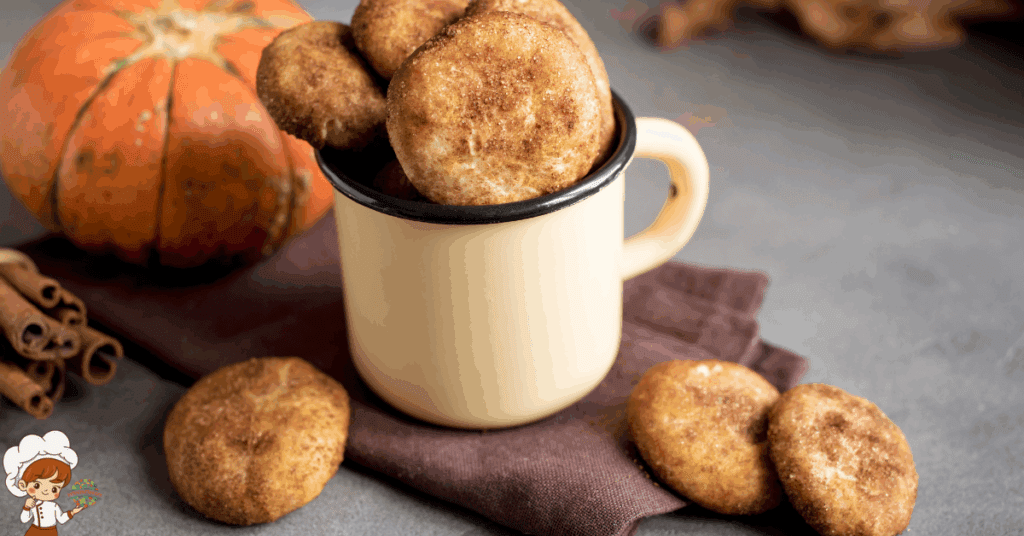
Easy Snickerdoodles A Family Favorite; Few cookies capture the spirit of home baking quite like the Snickerdoodle. With their golden-brown edges, soft centers, and signature dusting of cinnamon sugar, Snickerdoodles are timeless — a cookie that evokes memories of warm kitchens, family gatherings, and simple joy. Though they might appear to be just a variation of the sugar cookie, their unique flavor and fascinating history tell a much deeper story.
From their mysterious name to their beloved place in American baking, Snickerdoodles have endured for centuries. This post explores the history, cultural influence, and evolution of these easy-to-make cookies, celebrating why they remain one of the most iconic treats in kitchens across the world.
The Origin of Snickerdoodles: Tracing the Cookie’s Roots
The Snickerdoodle’s exact origin remains a bit of a mystery, much like its whimsical name. Many food historians believe the cookie has German or Dutch roots, stemming from early European immigrants who brought their baking traditions to America in the 18th and 19th centuries.
The word “Snickerdoodle” is thought to be derived from the German term Schneckennudeln, which translates to “snail noodles” — a reference to a type of sweet, spiral-shaped pastry. It’s believed that as this name traveled through regions and generations, it was Americanized into the playful and nonsensical “Snickerdoodle.”
By the late 1800s, Snickerdoodles had found their home in New England cookbooks. The first known printed Snickerdoodle recipe appeared in American publications around the 1890s. These early recipes featured the hallmark cinnamon-sugar coating and the distinctive tangy flavor that sets them apart from traditional sugar cookies.
The Evolution of Snickerdoodles in American Baking
Once Snickerdoodles took root in America, they became a fixture in household baking traditions, particularly throughout the Northeast. What set them apart wasn’t just their taste but also their texture. Unlike sugar cookies, which rely on baking powder for leavening, Snickerdoodles traditionally use cream of tartar and baking soda.
Cream of tartar gives Snickerdoodles their signature tang and chewy texture, making them delightfully soft inside while crisp at the edges. This ingredient, originally used for stabilizing egg whites and preventing sugar crystallization, became a defining element of Snickerdoodle identity.
As baking evolved, so did the Snickerdoodle. During the early to mid-20th century, the cookie spread across America, appearing in community cookbooks, school fundraisers, and holiday tables. Their simplicity made them accessible, and their nostalgic flavor helped them endure generation after generation.
Why Snickerdoodles Became So Popular
Part of the Snickerdoodle’s appeal lies in its perfect balance — not too sweet, slightly tangy, with a warm hint of cinnamon. The ingredients are simple and pantry-friendly, requiring no special equipment or rare items. For home bakers, Snickerdoodles became the ideal “everyday cookie.”
In post-war America, convenience baking began to rise in popularity, and Snickerdoodles fit seamlessly into this trend. They were quick, easy, and adaptable. Their soft, chewy texture also made them a comforting treat, one that felt both homemade and classic.
By the 1960s and 1970s, Snickerdoodles were firmly entrenched in American baking culture. They became staples at bake sales, potlucks, and holiday cookie swaps. Their golden, cinnamon-dusted surface was instantly recognizable, and the name itself — fun, whimsical, and distinctly American — captured the cookie’s charm.
The Unique Science Behind Snickerdoodles
At first glance, Snickerdoodles may look like simple sugar cookies rolled in cinnamon, but the science behind them tells another story. The secret lies in cream of tartar, a byproduct of wine production. When combined with baking soda, it creates a chemical reaction that helps the cookies rise and achieve their signature chewy texture.
Cream of tartar also adds that subtle tang, setting Snickerdoodles apart from any other cookie. The cinnamon sugar coating caramelizes slightly during baking, creating a thin, crisp crust that contrasts beautifully with the soft, airy center.
This perfect balance of texture and flavor makes Snickerdoodles uniquely satisfying — not overly sweet, not too spicy, just perfectly comforting.
Snickerdoodles Around the World: Variations and Adaptations
Though Snickerdoodles are most associated with American baking, their influence has spread far beyond the United States. In many cultures, cinnamon-sugar pastries are beloved, and variations of Snickerdoodles can be found across the globe.
In Germany, cookies similar to Snickerdoodles are still made with regional spices like cardamom or nutmeg. In Latin America, polvorones de canela — cinnamon sugar cookies — share a similar flavor profile. In modern kitchens, bakers have reimagined the Snickerdoodle to suit different tastes and diets.
You’ll now find pumpkin Snickerdoodles, brown butter Snickerdoodles, gluten-free, and even vegan versions. Each adaptation keeps the heart of the cookie intact: that classic cinnamon sugar sparkle and nostalgic softness.
The Cultural Significance of Snickerdoodles
Snickerdoodles hold a special place in American culture — not only as a cookie but as a symbol of comfort and tradition. They’re often one of the first cookies children learn to bake, representing the joy of family kitchens and shared memories.
Because of their simplicity, Snickerdoodles bridge generations. Grandparents pass down their favorite recipes, often handwritten on stained index cards, to younger bakers. The smell of cinnamon wafting through the kitchen evokes feelings of home, warmth, and nostalgia.
In many ways, Snickerdoodles embody the essence of home baking: unpretentious, delicious, and timeless.
The Modern Comeback of Easy Snickerdoodles
In recent years, Snickerdoodles have experienced a resurgence in popularity. With the rise of social media, home bakers have rediscovered this classic cookie, giving it a modern twist. From espresso Snickerdoodles to salted caramel Snickerdoodles, new variations have reignited interest among younger generations.
Food brands and bakeries have also embraced the Snickerdoodle, turning its nostalgic flavor into seasonal favorites like Snickerdoodle lattes, ice creams, and even protein bars. Despite all the innovations, the traditional Snickerdoodle — soft, simple, and cinnamon-coated — remains unmatched in charm.
How Easy Snickerdoodles Became a Holiday Favorite
While Snickerdoodles can be enjoyed any time of year, they’ve become particularly beloved during the holiday season. Their cozy cinnamon flavor pairs perfectly with winter festivities, and their simplicity makes them an ideal cookie for gift boxes or cookie exchanges.
Families across the country bake Snickerdoodles as part of their holiday traditions, often alongside sugar cookies and gingerbread. Their golden-brown color, warm aroma, and chewy texture bring comfort to gatherings large and small.
In essence, Snickerdoodles are a celebration of simplicity — proof that the best cookies don’t need to be elaborate to be memorable.
The Legacy of the Super Easy Snickerdoodle
Today’s “super easy” Snickerdoodle recipes honor the cookie’s humble beginnings. With minimal ingredients and straightforward preparation, they remain a symbol of approachable baking. Whether made by a seasoned baker or a beginner, Snickerdoodles deliver satisfaction every time.
Their staying power lies in their balance of nostalgia and adaptability. The same recipe that delighted families in the 1800s continues to bring joy in modern kitchens. Few desserts can boast such timeless appeal.
The Snickerdoodle’s journey — from its European origins to its cherished place in American baking — is a testament to how simple ingredients, when combined with love and tradition, can create something extraordinary.
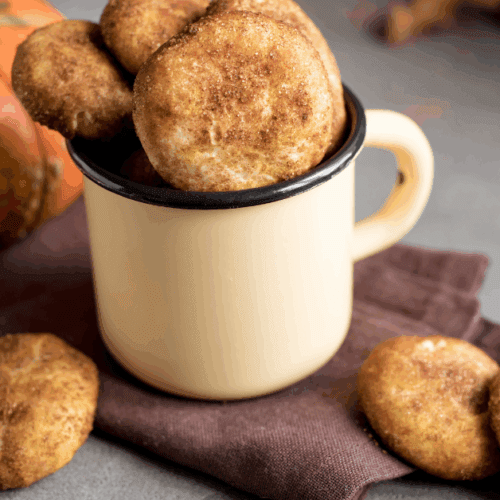
Easy Snickerdoodles
Ingredients
- 1 cup butter
- 1 cup sugar
- 2 cups flour
- 2 tsp cream of tartar
- 1 tsp baking soda
- cinnamon.
Instructions
- Roll into balls,
- coat in cinnamon sugar,
- and bake at 350°F (175°C) for 8-10 minutes.
Frequently Asked Questions: Easy Snickerdoodles A Family Favorite
What makes Snickerdoodles different from sugar cookies?
The key difference lies in the use of cream of tartar, which gives Snickerdoodles their signature tangy flavor and chewy texture, while sugar cookies are generally crisper and sweeter.
Where did Snickerdoodles get their name?
The name is believed to come from the German word Schneckennudeln, meaning “snail noodles,” which evolved into the playful “Snickerdoodle” over time.
Why do Snickerdoodles use cream of tartar?
Cream of tartar reacts with baking soda to create a light, chewy texture and adds a subtle tang that balances the sweetness.
Can Snickerdoodles be made without cream of tartar?
Yes, but the flavor and texture will change. Some substitutes can be used, such as lemon juice or vinegar, but the cookies won’t have the same traditional taste.
Are Snickerdoodles an American invention?
While their name and modern form are distinctly American, the cookie likely evolved from German or Dutch recipes brought over by immigrants in the 18th century.
Why are Snickerdoodles so popular during the holidays?
Their warm cinnamon flavor, soft texture, and comforting aroma make them ideal for cozy holiday gatherings and cookie exchanges.
Do Snickerdoodles have variations?
Yes! Modern bakers have created countless versions, including pumpkin Snickerdoodles, chocolate Snickerdoodles, and brown butter Snickerdoodles.
How long have Snickerdoodles been around?
The earliest known Snickerdoodle recipes appeared in American cookbooks in the late 1800s, making them over a century old.

The Sweet Simplicity of Snickerdoodles
From their mysterious European origins to their cherished place in American homes, Snickerdoodles have stood the test of time. They are proof that the most beloved recipes often come from humble beginnings.
Super easy to make, endlessly comforting, and delightfully nostalgic, Snickerdoodles represent more than just cookies — they represent the joy of tradition, the warmth of family, and the beauty of simplicity. Each bite carries with it generations of bakers who found happiness in a bowl of dough and a sprinkle of cinnamon sugar.
In a world full of complex desserts and modern flavors, Snickerdoodles remain a timeless classic — soft, sweet, and forever loved.
If you enjoyed exploring this topic and want to dive even deeper, be sure to check out some of our other articles here on Infinite Flavors. From rich culinary histories to creative twists on classic recipes, there’s always something new to discover. Whether you’re curious about the origins of a dish, looking for fresh inspiration in the kitchen, or simply love learning about food culture, our collection of posts is the perfect next step on your flavor journey.
The History And Origin Of Easy Oatmeal Cookies
The History Of Super Easy Sugar Cookies
The History Of Super Easy Peanut Butter Cookies