Great Ethiopian Food And Traditional Clothing
Great Ethiopian Food And Traditional Clothing; Have you ever wondered what makes Ethiopian food so unique and flavorful? And what about the vibrant and intricate traditional clothing that adorns the people of Ethiopia? In this discussion, we will take you on a journey through the rich flavors of Ethiopian spices, the mouthwatering traditional dishes that define the cuisine, and the captivating world of Ethiopian traditional clothing.
Get ready to tantalize your taste buds and immerse yourself in the vibrant culture of Ethiopia. But that’s not all, as we delve further into this captivating topic, you will also discover the fascinating stories behind these culinary delights and the significance of traditional clothing in Ethiopian society. So, are you ready to embark on a culinary and cultural adventure?
We’ve Got Everything You Need to Make Your Masterpiece.
Ethiopian Cuisine: A Culinary Journey
Embark on a flavorful adventure through the rich and diverse world of Ethiopian cuisine, where vibrant spices, aromatic herbs, and unique cooking techniques come together to create a truly unforgettable culinary experience. Ethiopian cuisine is deeply rooted in centuries-old culinary traditions that hold great cultural significance.
At the heart of Ethiopian cuisine is injera, a sourdough flatbread made from fermented teff flour. This staple food is used as a utensil, replacing the need for cutlery. The injera is used to scoop up various stews and dishes, such as doro wat (spicy chicken stew) and misir wat (spiced lentil stew). The combination of the tangy injera and the richly flavored stews is a hallmark of Ethiopian cuisine.
Ethiopian cuisine is known for its bold flavors and the creative use of spices. Berbere, a fiery spice blend made from chili peppers, garlic, ginger, and various other spices, is the backbone of many Ethiopian dishes. It adds depth and complexity to the stews and lends a distinctive flavor profile. Niter kibbeh, a spiced clarified butter, is another essential ingredient in Ethiopian cooking. It imparts a rich and aromatic taste to the dishes.
The communal aspect of Ethiopian dining is also of great cultural significance. Sharing a meal with family and friends is a cherished tradition. Injera is often served on a large platter, with different stews and dishes arranged around it. The act of tearing off a piece of injera and scooping up the food brings people together, fostering a sense of community and togetherness.
From the vibrant colors to the bold flavors, Ethiopian cuisine offers a sensory journey that showcases the country’s culinary traditions and cultural significance. So, grab a piece of injera, dive into the flavorful stews, and savor the unique experience that Ethiopian cuisine has to offer.
Exploring the Rich Flavors of Ethiopian Spices
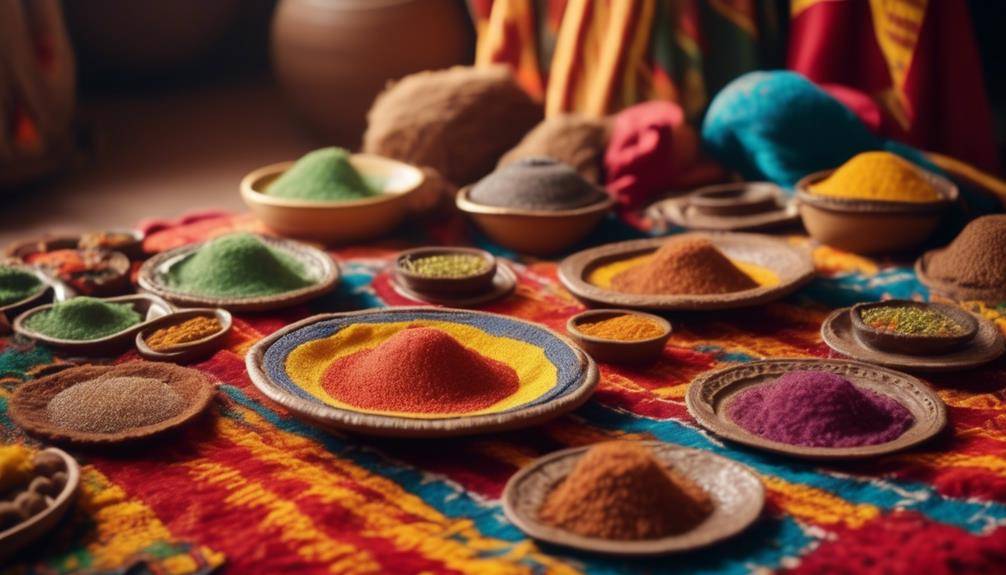
Immerse yourself in the captivating world of Ethiopian cuisine as we now turn our attention to the tantalizing array of flavors found in the spices of this vibrant culinary tradition. Ethiopian spice blends are an essential component of Ethiopian cuisine, adding depth, complexity, and a burst of flavor to dishes. These blends are carefully crafted to bring out the best in the ingredients, creating a harmonious balance that is both satisfying and memorable.
One of the most popular spice blends in Ethiopian cuisine is berbere. This fiery blend combines red chili peppers with a mix of spices such as cumin, coriander, cardamom, and fenugreek. The result is a complex and aromatic blend that adds a spicy kick to stews, meats, and lentil dishes. The traditional cooking technique for berbere involves toasting and grinding the spices to release their essential oils, which enhances their flavors.
Another well-known spice blend is mitmita. This blend is known for its intense heat and is often used to season grilled meats and vegetables. It typically includes chili peppers, cardamom, cloves, and salt. The traditional cooking technique for mitmita involves sun-drying the chili peppers and then grinding them with the other spices to create a fine powder.
Ethiopian cuisine also features a spice blend called niter kibbeh, which is a clarified butter infused with spices such as ginger, garlic, and fenugreek. This fragrant blend is commonly used in Ethiopian cooking to add richness and depth of flavor to dishes.
We’ve Got Everything You Need to Make Your Masterpiece.
Traditional Ethiopian Dishes You Must Try
To truly appreciate the flavors of Ethiopia, you must experience the incredible variety of traditional dishes that showcase the rich culinary heritage of this vibrant country. Ethiopian food traditions are deeply rooted in the culture and history of the nation, with unique flavors and cooking techniques that have been passed down through generations. Here are four popular dishes in Ethiopia that you simply can’t miss:
- Injera – This staple dish is a sourdough flatbread made from fermented teff flour, a nutritious grain native to Ethiopia. Injera serves as both a plate and utensil, with various stews and dishes placed on top of it. Its tangy taste and spongy texture make it the perfect accompaniment to any meal.
- Doro Wat – Considered the national dish of Ethiopia, Doro Wat is a spicy chicken stew simmered with onions, garlic, and a blend of aromatic spices. It is often served with injera and is a popular choice for special occasions and celebrations.
- Kitfo – For the adventurous foodie, Kitfo is a must-try delicacy. This dish consists of minced raw or lightly cooked beef mixed with spices, and it is typically served with injera and a side of cottage cheese. The flavors are bold and intense, making it a favorite among locals and visitors alike.
- Tibs – Tibs refers to a variety of sautéed or grilled meat dishes, usually made with beef, lamb, or goat. The meat is marinated in a blend of spices and then cooked to perfection, resulting in tender and flavorful bites. Tibs can be enjoyed with injera or a side of rice, and it is a popular choice for casual dining.
These traditional Ethiopian dishes offer a true taste of the country’s culinary heritage and are sure to delight your taste buds. From the tangy injera to the spicy Doro Wat, each dish showcases the unique flavors and techniques that make Ethiopian cuisine so special. So, don’t miss the opportunity to explore the rich flavors of Ethiopia through its popular dishes.
The Signature Dish: Injera – Ethiopia’s Spongy Flatbread
Injera, Ethiopia’s spongy flatbread, is a culinary masterpiece that captivates the senses with its tangy flavor and unique texture. This iconic Ethiopian dish is a staple in the country’s cuisine and is enjoyed by both locals and visitors alike. Injera is made from teff, a gluten-free grain that is native to Ethiopia. The process of making injera is both fascinating and time-consuming.
To make injera, you will need teff flour, water, and a little bit of patience. The first step is to mix the teff flour with water to create a thin batter. This batter is then left to ferment for a couple of days, allowing the natural yeasts present in the teff flour to activate and create air bubbles. This fermentation process gives injera its characteristic spongy texture and slightly sour taste.
Once the batter has fermented, it is time to cook the injera. Traditionally, injera is cooked on a large flat pan called a mitad. The mitad is heated over a charcoal fire, and the batter is poured onto the hot surface. The injera cooks quickly, with the edges becoming crisp while the center remains soft and spongy.
Injera is typically served with a variety of Ethiopian dishes, such as doro wat (spicy chicken stew), tibs (sauteed meat), and a selection of vegetarian dishes. The injera acts as both a plate and an eating utensil, as it is torn into pieces and used to scoop up the delicious stews and sauces.
If you want to try making injera at home, there are many injera recipes available online. However, be prepared for a bit of trial and error, as achieving the perfect texture and flavor can take some practice. But once you master the art of making injera, you will be rewarded with a truly authentic taste of Ethiopia.
Doro Wat: The Spicy Chicken Stew That Defines Ethiopian Cuisine
Doro Wat, the fiery and fragrant centerpiece of Ethiopian cuisine, is a tantalizing chicken stew that will transport your taste buds to the vibrant flavors of Ethiopia. This iconic dish is a must-try for any food lover seeking a taste of Ethiopian culture. Here are four reasons why Doro Wat is a culinary masterpiece:
- Exploring Ethiopian spices: Doro Wat gets its bold and complex flavors from a unique blend of spices. The key spice is berbere, a fiery red seasoning made from chili peppers, garlic, ginger, and a variety of aromatic spices. The result is a rich and flavorful stew that is both spicy and aromatic.
- Regional influences on Ethiopian cuisine: Doro Wat is a perfect example of how different regions in Ethiopia have influenced the country’s cuisine. It originated in the northern part of Ethiopia and was traditionally made with local ingredients such as the Ethiopian spice mix called mitmita. Over time, Doro Wat has become popular throughout the country and is now enjoyed by Ethiopians from all regions.
- The slow-cooking process: The secret to the depth of flavor in Doro Wat lies in the slow-cooking process. The chicken is marinated in a mixture of spices and then simmered for hours until it becomes tender and succulent. This slow cooking allows the flavors to meld together and creates a dish that is both comforting and satisfying.
- The traditional accompaniments: Doro Wat is typically served with injera, the spongy flatbread that we discussed in a previous subtopic. The combination of the spicy stew and the tangy injera creates a perfect balance of flavors and textures. Additionally, Doro Wat is often garnished with hard-boiled eggs and served with a side of vegetables, such as collard greens or cabbage.
A Taste of Ethiopia: Vegetarian and Vegan Options
Get ready to explore the delicious world of Ethiopian cuisine beyond the iconic Doro Wat, as we dive into the diverse and flavorful vegetarian and vegan options that will tantalize your taste buds. Ethiopian cuisine offers a wide variety of vegetarian dishes that are rich in flavors and textures, making it a paradise for plant-based eaters.
One of the most popular vegetarian Ethiopian dishes is called Misir Wat. This spicy lentil stew is made with red lentils, onions, garlic, and a blend of aromatic spices such as berbere and turmeric. The lentils are slow-cooked until they are tender and the flavors have melded together, creating a hearty and satisfying dish. Misir Wat is typically served with injera, a sourdough flatbread made from fermented teff flour, which adds a tangy flavor to the meal.
Another must-try vegetarian dish is Shiro, a thick stew made from ground chickpeas or lentils. It is flavored with onions, garlic, and a variety of spices, including cardamom, ginger, and fenugreek. Shiro is usually served with injera or rice and is enjoyed for its creamy texture and aromatic taste.
For those following a vegan lifestyle, Ethiopian cuisine has plenty to offer as well. Vegan options include dishes like Atakilt Wat, a flavorful cabbage and carrot stew, and Gomen, a dish made from collard greens cooked with onions, garlic, and spices. These dishes showcase the diversity of Ethiopian vegan cuisine and highlight the use of fresh, local ingredients.
The Art of Ethiopian Traditional Clothing
Step into the vibrant world of Ethiopian traditional clothing, where every garment tells a story. The artistry and symbolism woven into each piece are a testament to the rich cultural heritage of this East African nation. From the intricate designs that reflect regional traditions to the colors that hold deeper meanings, Ethiopian traditional clothing is a fascinating tapestry that celebrates identity, history, and community.
Symbolism in Traditional Clothing
In Ethiopian traditional clothing, every intricate pattern and vibrant color carries profound symbolism, adding depth and meaning to the rich cultural heritage of the country. Here are four examples of the cultural significance of garments:
- Colors: The colors used in traditional Ethiopian clothing hold deep meaning. White symbolizes peace and purity, while red represents power and fertility. Green is associated with fertility and growth, and yellow represents harmony and spirituality. Each color reflects the values and beliefs of the Ethiopian people.
- Patterns: Traditional Ethiopian clothing is adorned with intricate patterns that tell stories and convey messages. These patterns often depict animals, such as lions, symbolizing strength and courage, or birds, symbolizing freedom and spirituality. The patterns also represent various aspects of nature and life, connecting the wearer to their environment.
- Accessories: Traditional Ethiopian clothing is often accessorized with jewelry, such as necklaces, bracelets, and earrings. These accessories are not just decorative but also carry cultural significance. They can symbolize social status, religious beliefs, or even serve as protective talismans.
- Silhouettes: The silhouette of traditional Ethiopian clothing is distinctive and plays a significant role in symbolizing cultural identity. The flowing fabrics and loose-fitting garments reflect the Ethiopian people’s emphasis on comfort, modesty, and respect for tradition.
Through its symbolism, Ethiopian traditional clothing serves as a visual representation of the country’s rich cultural heritage, connecting individuals to their roots and preserving the traditions of generations past.
Influence of Regional Traditions
The art of Ethiopian traditional clothing is deeply influenced by regional traditions, showcasing the diverse cultural heritage of different communities across the country. Ethiopia is home to numerous ethnic groups, each with its distinct regional clothing styles. From the vibrant and intricate patterns of the Amhara people in the north to the colorful and geometric designs of the Oromo people in the south, Ethiopian traditional clothing is a visual representation of the country’s rich cultural tapestry.
These regional clothing styles not only reflect the unique aesthetics and craftsmanship of each community but also hold significant cultural significance. Traditional clothing is often worn during important ceremonies and celebrations, serving as a symbol of identity, pride, and heritage. The intricate details, colors, and patterns of Ethiopian traditional clothing are a testament to the country’s diverse traditions and the importance of preserving cultural heritage.
We’ve Got Everything You Need to Make Your Masterpiece.
Discovering the Vibrant Colors and Patterns of Ethiopian Garments
Immerse yourself in a kaleidoscope of vibrant colors and mesmerizing patterns as you explore the rich tapestry of Ethiopian garments. Ethiopian clothing is known for its striking and intricate designs, which hold deep cultural significance. Here are four aspects that make Ethiopian garments truly unique:
- Heraldic Symbols: Ethiopian garments often feature intricate patterns and symbols that hold cultural and historical significance. These symbols can represent various aspects of Ethiopian identity, such as family heritage, personal beliefs, or even regional affiliations. Each pattern is carefully crafted, making every garment a work of art.
- Natural Dyes: Ethiopian clothing is renowned for its bright and bold colors, which are achieved through the use of natural dyes. From vibrant reds and blues to earthy yellows and greens, these natural dyes not only create stunning visual effects but also reflect the country’s connection to its natural surroundings.
- Handwoven Fabrics: Ethiopian garments are predominantly made from handwoven fabrics, showcasing the skill and craftsmanship of local artisans. These fabrics, known as ‘shemane’ or ‘netela’, are typically made from cotton or silk and are woven using traditional looms. The intricate weaving techniques result in unique textures and patterns that add depth and character to the garments.
- Versatile Styles: Ethiopian clothing encompasses a wide range of styles, from the flowing white robes of the traditional ‘habesha kemis’ to the vibrant and intricately embroidered ‘tibeb’. These garments can be worn for various occasions, including weddings, religious ceremonies, and everyday wear. Each style has its own distinct features and reflects the diversity and creativity of Ethiopian fashion.
As you delve into the world of Ethiopian garments, you will be captivated by the vibrant patterns and the cultural stories they tell. Whether you are admiring the intricate symbols or appreciating the meticulous craftsmanship, Ethiopian clothing is a true testament to the beauty and richness of the country’s cultural heritage.
We’ve Got Everything You Need to Make Your Masterpiece.
Frequently Asked Questions: Great Ethiopian Food And Traditional Clothing
What Are the Health Benefits of Ethiopian Spices and Traditional Dishes?
You’ll discover a plethora of health benefits when indulging in Ethiopian spices and traditional dishes. These flavorful ingredients can boost your immune system, aid in digestion, and provide essential nutrients for overall well-being. Dive into a world of delicious and nutritious cuisine.
Are There Any Unique Cooking Techniques Used in Ethiopian Cuisine?
In Ethiopian cooking, there are several unique techniques that make their cuisine stand out. These include berbere spicing, injera fermentation, and using clay pots to slow cook stews. These methods contribute to the rich flavors and textures of Ethiopian dishes.
What Are Some Common Ingredients Used in Ethiopian Cooking?
When cooking Ethiopian dishes, you’ll commonly find ingredients like berbere spice, injera bread, lentils, chickpeas, turmeric, garlic, ginger, cardamom, cumin, coriander, fenugreek, and Ethiopian coffee. These flavors create a unique and vibrant culinary experience.
How Does Ethiopian Cuisine Differ From Other African Cuisines?
Ethiopian cuisine stands out among other African cuisines due to its unique cultural influences and traditional dishes. From injera, a sourdough flatbread, to doro wat, a spicy chicken stew, Ethiopian food offers a rich and flavorful dining experience.
Can You Provide a Brief History of Ethiopian Traditional Clothing and Its Cultural Significance?
Ethiopian traditional clothing holds immense historical significance and cultural importance. It has evolved over centuries, reflecting the diverse ethnic groups and regions of Ethiopia. The intricate designs and vibrant colors are a testament to the country’s rich heritage.

Conclusion
In conclusion, Ethiopian cuisine and traditional clothing offer a captivating glimpse into the vibrant culture of this East African nation. The rich flavors of Ethiopian spices and the variety of traditional dishes, such as injera and doro wat, are sure to tantalize your taste buds. Additionally, the vibrant colors and intricate patterns of Ethiopian garments showcase the country’s unique aesthetic. Exploring Ethiopian food and traditional clothing is a truly immersive culinary and cultural experience.