The Great History of Slow Cooker Berry Cobbler
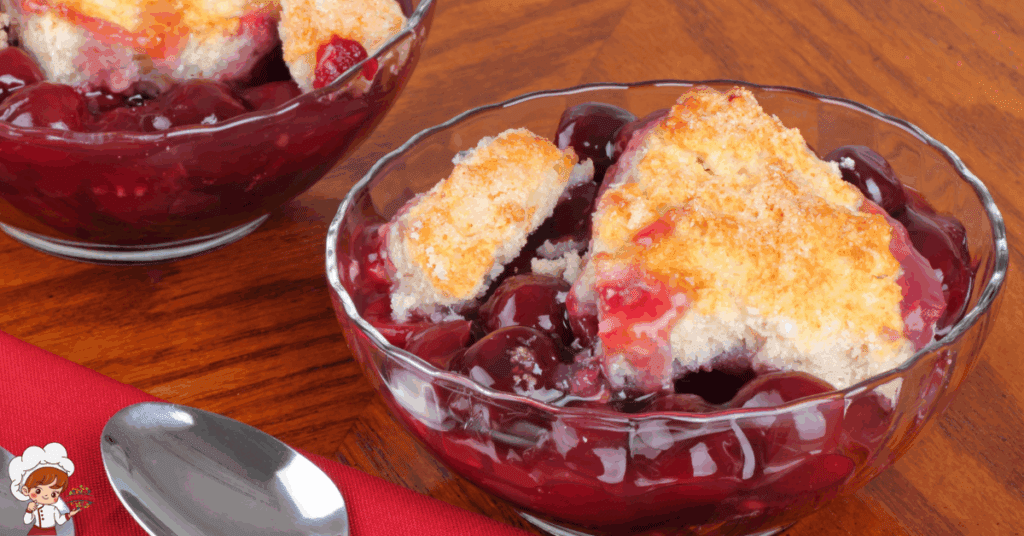
Great History of Slow Cooker Berry Cobbler; Few desserts embody comfort, nostalgia, and summer sweetness quite like a berry cobbler. Warm, bubbling fruit tucked under a golden crust evokes images of home kitchens, family gatherings, and timeless Americana. When combined with the convenience of a slow cooker, this classic dessert takes on new life — merging traditional flavors with modern cooking ease.
The Slow Cooker Berry Cobbler stands as a perfect example of how centuries-old desserts can evolve with technology, all while preserving their rustic charm and cultural roots. From its humble beginnings in early American kitchens to its present-day popularity, cobbler tells a story of resourcefulness, regional pride, and innovation.
The Humble Beginnings of the Cobbler
The cobbler’s story begins in the 18th century, when European settlers first arrived in the American colonies. Many immigrants from Britain brought with them recipes for traditional pies and puddings, staples of English cuisine. However, in the New World, ingredients were limited, and familiar ovens were often unavailable on the frontier.
To adapt, settlers began baking fruit desserts in cast-iron pots over open fires. They would pour sweetened fruit into the pot and top it with simple biscuit dough or dumpling batter. The mixture cooked slowly, with the dough “cobbling” together on top of the fruit as it baked. This rustic texture gave the dessert its name — cobbler.
Unlike the refined, double-crusted pies of England, cobblers were simple, hearty, and improvisational. They reflected the pioneer spirit — making something delicious out of what was available. Over time, this resourceful dessert became deeply woven into the fabric of American home cooking.
The Evolution of the American Cobbler
As America grew, so did regional variations of the cobbler. In the South, cobblers often featured peaches, blackberries, and blueberries — fruits that thrived in the warm climate. Families gathered around wood-burning stoves to bake large pans of cobbler, often served warm with cream or later, ice cream.
In the Midwest, cobblers became popular for potlucks and church suppers, where recipes were passed down through generations. Each region had its signature twist — some preferred drop biscuit toppings, while others favored cake-like batters. In the West, where Dutch ovens were essential for campfire cooking, cobblers became a staple among cowboys and pioneers traveling across the plains.
By the late 19th century, cobbler had secured its place as a quintessential American dessert — comforting, adaptable, and endlessly versatile.
The Berry Cobbler: A Celebration of Nature’s Sweetest Harvest
Among all cobbler variations, berry cobbler remains one of the most beloved. Bursting with seasonal flavor, it highlights summer’s best fruits — strawberries, blueberries, raspberries, and blackberries. In colonial times, berries were often foraged rather than cultivated, and cobblers became a practical way to use up perishable fruit before it spoiled.
Over the centuries, berry cobbler became synonymous with family gatherings and seasonal celebrations. During the early 1900s, homemakers used fresh berries in the summer and canned or preserved ones in the winter. It was the perfect dessert for any time of year, offering a taste of sunshine even in the coldest months.
Berry cobblers also carry cultural symbolism — representing abundance, hospitality, and the simplicity of homegrown cooking. The bright colors, fragrant aroma, and warm sweetness remind us of the connection between land, harvest, and hearth.
The Birth of the Slow Cooker: Revolutionizing Home Desserts
The transformation of the cobbler into a slow cooker favorite begins with the invention of the slow cooker itself. Originally known as the Naxon Beanery, the first electric slow cooker was invented by Irving Naxon in the 1940s. He was inspired by his Jewish grandmother’s tradition of slowly cooking stews for hours to deepen flavor.
In 1971, Rival Manufacturing purchased Naxon’s design and rebranded it as the Crock-Pot. This small, energy-efficient appliance changed home cooking forever. With its low, consistent heat, the slow cooker allowed busy families to prepare hearty meals with minimal effort.
While slow cookers were first used for savory dishes like stews and pot roasts, creative home cooks soon discovered their potential for desserts. The slow cooker’s gentle, even heat made it ideal for fruit-based desserts like cobblers. Unlike baking in a traditional oven, the slow cooker produced a tender, moist texture that perfectly complemented juicy fruit fillings.
The Rise of Slow Cooker Berry Cobbler in Modern Kitchens
By the 1980s and 1990s, slow cookers had become a household staple. As family life grew busier, cooks looked for ways to simplify favorite desserts without sacrificing flavor. The slow cooker berry cobbler emerged as a solution — easy to prepare, impossible to overbake, and consistently delicious.
Cooks discovered that layering fresh or frozen berries with a simple topping batter created magic inside the Crock-Pot. Over a few hours, the fruit simmered into a jam-like filling while the topping transformed into a soft, cake-like crust. The result was a dessert that tasted like summer, no matter the season.
In many ways, Slow Cooker Berry Cobbler represents the evolution of domestic cooking: a dessert that honors the past while embracing modern convenience. It retains the rustic soul of early American cobblers but adapts perfectly to today’s lifestyle.
Why the Slow Cooker Works So Well for Cobbler
The secret behind the slow cooker’s success with cobbler lies in its gentle, consistent heat. Traditional ovens can dry out fruit or burn crusts, but a slow cooker keeps moisture trapped inside, creating a self-contained baking environment. The fruit becomes tender and syrupy, while the topping remains soft and flavorful.
This method also enhances the natural sweetness of the berries, requiring fewer added sugars. It’s not just convenient — it’s also a healthier and more reliable way to enjoy an old-fashioned dessert.
Additionally, the slow cooker allows for hands-free preparation, freeing up time during busy family dinners or gatherings. Simply layer the ingredients, set the temperature, and let time do the work — a perfect reflection of how technology and tradition coexist in the modern kitchen.
The Cultural Significance of Berry Cobbler in American History
Berry cobbler is more than a dessert — it’s a piece of cultural identity. It has long been a symbol of American resilience and creativity, particularly among rural and frontier communities. The dish celebrates the ability to create comfort from simple ingredients.
In the South, cobbler became a cherished part of Sunday dinners and holidays. Families passed down recipes handwritten on index cards, preserving not only cooking methods but memories. In small towns across America, cobbler competitions and fairs showcased regional pride, with berry cobblers often stealing the spotlight.
During the mid-20th century, cobbler also gained traction in cookbooks and home magazines, solidifying its reputation as a dessert for all seasons. The slow cooker version carried that tradition into the modern era, allowing a new generation to experience the same warmth and nostalgia in an easier, more accessible way.
The Global Influence of Fruit-Based Cobblers
Though cobbler is distinctly American in name, its essence can be found around the world. In Britain, fruit crumbles serve a similar role — baked with streusel-like toppings instead of biscuit dough. In France, clafoutis features baked fruit encased in a custard-like batter. In Australia and New Zealand, cobbler-inspired desserts have been adapted to include tropical fruits.
Each of these desserts shares the same foundational idea: fruit, heat, and a comforting layer of baked topping. The Slow Cooker Berry Cobbler stands as a global descendant of these traditions, blending European baking heritage with the ingenuity of American home cooking.
The Modern-Day Comeback of Slow Cooker Desserts
In recent years, as nostalgia-driven cooking trends have surged, slow cooker desserts have made a powerful comeback. Social media platforms have amplified interest in easy, no-fuss comfort foods, and cobbler is once again center stage.
Home cooks now enjoy experimenting with combinations of berries — blackberries with raspberries, blueberries with strawberries — to create vibrant, colorful desserts. The slow cooker not only simplifies the process but also keeps the dessert warm until serving, making it ideal for holidays, family reunions, or cozy nights in.
The resurgence of Slow Cooker Berry Cobbler reflects a broader movement toward mindful cooking — savoring slow-made food in a fast-paced world.
How Technology and Tradition Blend in Slow Cooker Berry Cobbler
One of the most fascinating aspects of the slow cooker berry cobbler is how it bridges old-fashioned recipes with modern kitchen technology. The same principles that guided early settlers — patience, resourcefulness, and appreciation for seasonal fruit — remain, but the tools have changed.
In essence, this dessert tells a story of culinary evolution. It speaks to how traditions adapt over time without losing their soul. Whether made in a Dutch oven over an open flame or in a slow cooker on a countertop, cobbler continues to offer the same comforting satisfaction it did hundreds of years ago.
The Emotional Connection: Why We Love Cobbler
There’s something deeply emotional about cobbler. It’s the kind of dessert that evokes memories — of grandparents’ kitchens, summer picnics, and the smell of baked fruit filling the house. Unlike more formal desserts, cobbler feels approachable and homemade.
Slow cooker versions amplify that feeling of nostalgia by inviting home cooks to participate in the timeless ritual of slow cooking. The aroma that fills the kitchen as berries simmer and crusts bake connects us to generations of cooks before us. It’s not just a dessert; it’s an experience.

Slow Cooker Berry Cobbler
Ingredients
- Mixed berries fresh or frozen,
- sugar
- lemon juice
- biscuit mix
- milk
- butter.
Instructions
- Mix berries with sugar and lemon juice in the slow cooker.
- Prepare biscuit mix with milk and butter, drop spoonfuls over berries, and cook on low for 3-4 hours.
FAQ: Great History of Slow Cooker Berry Cobbler
What is the origin of berry cobbler?
Berry cobbler originated in the American colonies during the 18th century, when settlers adapted English pie recipes to the limited resources and cooking methods of the frontier.
When was the slow cooker invented?
The slow cooker was invented by Irving Naxon in the 1940s and later popularized as the Crock-Pot in the 1970s.
Why is cobbler called “cobbler”?
The name likely comes from the “cobbled” or uneven appearance of the biscuit-like topping as it bakes over the fruit filling.
Is slow cooker cobbler the same as baked cobbler?
While the ingredients are similar, the texture differs. Slow cooker cobbler tends to be moister and more pudding-like due to the sealed cooking environment.
What berries are best for cobbler?
A combination of berries — such as blueberries, raspberries, blackberries, and strawberries — creates a balanced mix of sweetness and tartness.
Why is cobbler considered a comfort food?
Cobbler is associated with family traditions, homemade simplicity, and nostalgic flavors that evoke feelings of warmth and belonging.
How did berry cobbler become popular again?
With the rise of slow cooker cooking and social media recipe sharing, cobbler has reemerged as a favorite for busy families seeking quick, delicious desserts that still feel homemade.

A Timeless Dessert Reimagined
Slow Cooker Berry Cobbler embodies the best of both worlds — timeless tradition and modern convenience. From its humble beginnings as a frontier necessity to its current place as a beloved family favorite, cobbler continues to evolve while staying true to its roots.
Every spoonful carries history — the ingenuity of settlers, the abundance of summer harvests, and the innovation of modern home cooks. Whether served warm with ice cream or enjoyed on its own, this dessert reminds us that comfort, heritage, and innovation can coexist beautifully in a single dish.
Slow Cooker Berry Cobbler isn’t just a dessert. It’s a story — one that continues to be written with every slow-cooked, sweetly bubbling batch.
If you enjoyed exploring this topic and want to dive even deeper, be sure to check out some of our other articles here on Infinite Flavors. From rich culinary histories to creative twists on classic recipes, there’s always something new to discover. Whether you’re curious about the origins of a dish, looking for fresh inspiration in the kitchen, or simply love learning about food culture, our collection of posts is the perfect next step on your flavor journey.
The Great Origin Of Slow Cooker Chocolate Lava Cake
The History Of The Great Slow Cooker Apple Crisp
The Great Origin Of Slow Cooker Rice Pudding