11 Great Pro Tips For Perfect Seafood Jambalaya
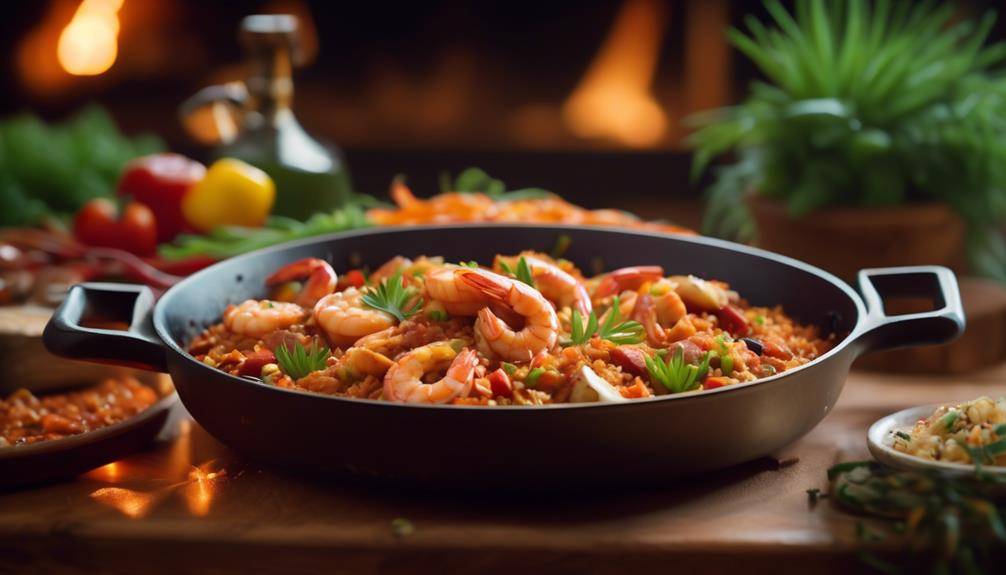
Great Pro Tips For Perfect Seafood Jambalaya; Cooking the perfect seafood jambalaya is like navigating a culinary adventure on the high seas – it requires skill, precision, and a touch of finesse. But fear not, dear reader, for we are here to equip you with 11 pro tips that will elevate your jambalaya game to new heights. From selecting the freshest seafood to mastering the art of sautéing, building layers of flavor, and knowing exactly when to add the seafood, each tip is a gem that will leave your taste buds tantalized and craving for more. So, prepare your pots and pans, because we’re about to embark on a journey that will transform your jambalaya from good to absolutely divine.
Use Fresh Seafood
To ensure the best flavor and quality in your seafood jambalaya, it is essential to use fresh seafood. The cooking techniques and ingredient combinations in this classic dish rely heavily on the freshness of the seafood. When it comes to jambalaya, the combination of flavors is key to achieving that perfect balance of spicy, savory, and slightly smoky notes.
Fresh seafood is the foundation of any great jambalaya. The tender, succulent texture of fresh shrimp, crab, and fish adds a delightful richness to the dish. When using frozen or previously cooked seafood, you risk losing that freshness and compromising the overall taste.
One of the cooking techniques that benefit from using fresh seafood is the sautéing process. As the seafood cooks, it releases its natural juices, creating a flavorful base for the jambalaya. The vibrant colors and robust flavors of fresh seafood enhance the overall presentation and taste of the dish.
Fresh ingredients are also crucial in achieving the perfect ingredient combination. The aromatic blend of onions, bell peppers, celery, and garlic creates a fragrant base for the jambalaya. When combined with fresh seafood, these ingredients work harmoniously to create a complex and satisfying flavor profile.
Choose the Right Type of Rice
When it comes to choosing the right type of rice for your seafood jambalaya, there are a few points to consider. First, the variety of rice you choose will impact the texture and flavor of the dish. Some popular options include long-grain rice, which tends to be fluffy and separate, or medium-grain rice, which is slightly stickier. Additionally, the cooking technique you use, such as simmering or pressure cooking, can also affect the final result of your jambalaya.
Rice Varieties
Using the right type of rice is essential to creating a flavorful and authentic seafood jambalaya. The choice of rice can greatly impact the texture and overall taste of the dish. When it comes to cooking jambalaya, there are several rice varieties that are commonly used:
- Long-grain rice: This variety is known for its fluffy texture and individual grains that remain separate after cooking. It absorbs flavors well and is perfect for creating a light and delicate jambalaya.
- Medium-grain rice: With its slightly sticky texture, medium-grain rice is ideal for jambalaya recipes that require a creamy and moist consistency. It helps bind the ingredients together, resulting in a more cohesive dish.
- Short-grain rice: This rice variety is often used in traditional Cajun-style jambalaya. It has a sticky texture and absorbs flavors deeply, making it perfect for rich and hearty jambalaya recipes.
Cooking Techniques
The choice of rice variety plays a crucial role in determining the texture and flavor of your seafood jambalaya. When it comes to cooking techniques, there are a few key factors to consider. Firstly, rinse the rice thoroughly before cooking to remove any excess starch. This will prevent the rice from becoming sticky and clumpy. Secondly, choose the right cooking method.
While some prefer to cook jambalaya in a pot on the stove, others opt for a slow cooker or pressure cooker. Each method will yield slightly different results, so choose the one that best suits your preferences. Lastly, consider flavor enhancement. Adding ingredients like bay leaves, thyme, and paprika can help elevate the overall taste of the dish. Experiment with different techniques to find the perfect balance of flavors in your seafood jambalaya.
Master the Art of Sautéing
To become a sautéing master, employ the sizzling heat of a well-seasoned pan to effortlessly transform ingredients into flavorful perfection. Sautéing is a versatile cooking technique that involves quickly cooking ingredients over high heat, allowing them to develop a rich, caramelized exterior while maintaining a tender interior. Achieving the perfect texture is key to mastering the art of sautéing. Here are three tips to help you elevate your sautéing game:
- Control the heat: Heat is crucial when sautéing. Start by preheating your pan over medium-high heat until it’s hot but not smoking. This will ensure that your ingredients cook quickly and evenly. Adjust the heat as needed throughout the cooking process to prevent burning or overcooking.
- Cut ingredients uniformly: To ensure even cooking, it’s important to cut your ingredients into uniform pieces. This allows them to cook at the same rate and achieve a consistent texture. Whether you’re sautéing vegetables or proteins, take the time to dice, slice, or chop them into similar sizes.
- Don’t overcrowd the pan: When sautéing, it’s essential to give your ingredients enough space to cook properly. Overcrowding the pan can lead to steaming rather than sautéing, resulting in a mushy texture. Cook in batches if necessary, allowing each ingredient to make contact with the hot surface of the pan.
Build Layers of Flavor With the Holy Trinity
To build layers of flavor in your seafood jambalaya, it’s essential to understand the importance of the holy trinity. This classic Cajun combination of onions, bell peppers, and celery forms the flavor base of many dishes, including jambalaya. By sautéing these aromatic vegetables together, you’ll create a rich and savory foundation that will enhance the taste of your seafood and other ingredients. Mastering this technique will take your jambalaya to the next level of deliciousness.
Ingredient Combination
Enhance the depth and complexity of your seafood jambalaya by skillfully combining the Holy Trinity of ingredients. The Holy Trinity, consisting of onions, bell peppers, and celery, forms the foundation of flavor in many Cajun and Creole dishes. When these ingredients are cooked together, their flavors meld and create a harmonious base for your jambalaya. Here are three cooking tips to consider when combining the Holy Trinity:
- Sauté the onions, bell peppers, and celery together in hot oil until they become tender and fragrant. This step allows the vegetables to release their natural sweetness and adds a depth of flavor to your jambalaya.
- Use equal parts of each ingredient to achieve a balanced flavor profile. The combination of the three ingredients creates a flavor base that is both aromatic and savory.
- Chop the ingredients into small, uniform pieces to ensure even cooking and distribution of flavors throughout the dish. This will result in a well-balanced and flavorful jambalaya that is sure to impress.
Cooking Techniques
Skillfully combining the Holy Trinity of ingredients will elevate your seafood jambalaya to new levels of flavor. However, the cooking techniques you employ can further enhance the dish’s complexity and depth. By building layers of flavor through careful preparation and cooking methods, you can create a jambalaya that tantalizes the taste buds.
Start by sautéing the Holy Trinity of onions, bell peppers, and celery in a hot skillet. This technique allows the vegetables to release their natural sweetness and aromas, forming the base of your jambalaya’s flavor profile. As they soften and caramelize, their flavors become more pronounced.
Next, add your choice of protein, such as shrimp, crab, or crawfish, to the skillet. Sauté the seafood until it turns pink and opaque, infusing it with the flavors of the Holy Trinity. This step not only cooks the seafood but also melds it with the base flavors, creating a harmonious combination.
Don’t Forget the Spices and Seasonings
For a burst of flavor in your seafood jambalaya, make sure to incorporate a variety of spices and seasonings. These essential ingredients are what elevate your dish from ordinary to extraordinary. With the right combination of flavors, you can create a symphony of tastes that will delight your taste buds.
Here are three key spices and seasonings that will take your seafood jambalaya to the next level:
- Cajun seasoning: This classic blend of spices adds a fiery kick to your jambalaya. With a mix of paprika, cayenne pepper, garlic powder, and more, Cajun seasoning brings a bold and robust flavor to the dish. It’s the perfect way to add a touch of Louisiana to your cooking.
- Thyme: This aromatic herb adds a subtle earthiness to your jambalaya. Its delicate flavor complements the seafood and other ingredients perfectly. Just a sprinkle of thyme can make a world of difference in enhancing the overall taste of your dish.
- Bay leaves: These leaves are a staple in many Cajun and Creole dishes, including jambalaya. They impart a unique and slightly sweet flavor to the dish, while also adding a hint of floral aroma. Be sure to remove the bay leaves before serving, as they are not meant to be eaten.
Opt for Homemade Seafood Stock
To elevate the flavor of your seafood jambalaya, consider opting for homemade seafood stock. Using homemade stock has its benefits, as it allows you to have full control over the flavors and quality of your dish. When making your own stock, you can customize it to your liking by adding specific herbs, spices, and vegetables that complement the seafood. This not only enhances the taste but also adds depth and complexity to your jambalaya.
One of the main advantages of homemade seafood stock is that it is made from scratch using fresh ingredients. This ensures that you are using the best quality seafood and vegetables available, resulting in a superior flavor profile. Additionally, homemade stock is free from any artificial additives or preservatives that may be present in store-bought options. This means that you have a healthier and more natural alternative for your jambalaya.
If making homemade seafood stock seems intimidating or time-consuming, there are alternative options available. Many grocery stores now offer pre-made seafood stock, which can be a convenient and time-saving option. However, it is important to read the labels and choose a stock that is made with real seafood and natural ingredients, without any added fillers or artificial flavors.
Another alternative is using a combination of chicken or vegetable stock with some seafood seasoning. While this may not provide the exact same depth of flavor as homemade seafood stock, it can still enhance the taste of your jambalaya.
Cook the Rice Separately for Best Results
When it comes to making the perfect seafood jambalaya, cooking the rice separately is key. By preparing the rice on its own, you can ensure that it cooks to the perfect texture and doesn’t become mushy or overcooked. This method also allows the flavors of the jambalaya to shine through, as the rice won’t soak up all of the delicious broth. Ultimately, cooking the rice separately enhances the overall flavor and texture of the dish, resulting in a more satisfying seafood jambalaya experience.
Separate Rice Cooking
Cooking the rice separately is essential for achieving the best results in your seafood jambalaya. By preparing the rice separately, you ensure that it cooks perfectly, absorbing all the flavors of the dish without becoming mushy or overcooked. Here are some cooking tips to help you achieve the perfect rice for your jambalaya:
- Use long-grain rice: Long-grain rice has a firm texture and stays separate when cooked, making it ideal for jambalaya.
- Rinse the rice: Rinse the rice before cooking to remove excess starch, which can cause the rice to become sticky.
- Follow the proper rice-to-water ratio: Use a 1:2 ratio of rice to water for fluffy and well-cooked rice.
Improve Overall Flavor
For an improved overall flavor in your seafood jambalaya, the key is to cook the rice separately, ensuring that it absorbs all the delicious flavors without compromising its texture or consistency. Cooking the rice separately allows it to fully absorb the flavors of the aromatic vegetables, spices, and seafood in the jambalaya. By cooking the rice separately, you can also control the level of moisture in the dish, preventing it from becoming too soggy.
This technique not only enhances the flavor profile but also improves the presentation of the dish. The separate cooking method ensures that the rice remains fluffy and individual grains are distinct, making your seafood jambalaya visually appealing. Follow this cooking tip to achieve a perfect seafood jambalaya with an enhanced overall flavor.
Add the Seafood at the Right Time
To ensure the perfect balance of flavors, timing is crucial when incorporating the seafood into your seafood jambalaya. The cooking time and the selection of seafood can significantly impact the overall taste and texture of your dish. Here are a few pro tips to help you add the seafood at the right time for a delicious and satisfying seafood jambalaya:
- Consider the cooking time of different seafood: Each type of seafood has a unique cooking time. Shrimp, for example, cooks quickly and can become tough if overcooked. On the other hand, fish like catfish or red snapper may take longer to cook properly. It is important to understand the cooking time of the seafood you are using to avoid undercooking or overcooking.
- Add delicate seafood towards the end: Delicate seafood like mussels or clams should be added towards the end of the cooking process. This ensures that they are properly cooked and do not become rubbery or tough. Adding them too early can result in overcooking and loss of flavor.
- Layer the seafood based on size: When adding multiple types of seafood, it is best to layer them based on their size. Start with the seafood that takes the longest to cook, such as fish fillets or chunks. Then, add medium-sized seafood like shrimp or scallops. Finally, add smaller seafood like mussels or squid. This layering technique ensures that all the seafood is cooked to perfection without any overcooking or undercooking.
Let It Simmer for Maximum Flavor Infusion
To enhance the flavors of your seafood jambalaya to their fullest potential, allow it to simmer gently, infusing every bite with rich and complex tastes. Simmering is a crucial step in the cooking process as it allows the flavors of the ingredients to meld together and intensify. The cooking time for simmering may vary depending on the recipe, but it is generally recommended to simmer the jambalaya for at least 30 minutes to an hour. This extended cooking time allows the flavors to develop and deepen, resulting in a more flavorful dish.
During the simmering process, the heat slowly breaks down the proteins in the seafood, making them more tender and succulent. The flavors of the spices, vegetables, and other ingredients also have time to meld together, creating a harmonious blend of tastes. This slow cooking method allows the flavors to infuse each other, resulting in a dish that is bursting with flavor.
In addition to enhancing the flavors, simmering also helps to thicken the sauce of the jambalaya. As the liquid reduces, it becomes more concentrated, resulting in a thicker and more luscious sauce. This not only adds to the overall appeal of the dish but also helps to coat each piece of seafood, ensuring that every bite is full of rich flavor.
To ensure maximum flavor enhancement, it is important to simmer the jambalaya over low heat. This gentle simmer allows the flavors to develop without overcooking the seafood. Be sure to stir occasionally to prevent the ingredients from sticking to the bottom of the pot.
Garnish With a Touch of Freshness
Add a touch of freshness to your seafood jambalaya by garnishing it with vibrant herbs or zesty citrus. The right seafood garnish can elevate your dish to a whole new level, adding layers of flavor and visual appeal. Here are three freshness techniques to consider:
- Fresh Herbs: Sprinkle your jambalaya with a handful of freshly chopped herbs like parsley, cilantro, or chives. Not only do they add a pop of color, but they also bring a burst of freshness to each bite. The fragrant aroma of the herbs will awaken your taste buds and complement the rich flavors of the seafood and spices in the jambalaya.
- Citrus Zest: Grate some lemon or lime zest over your seafood jambalaya just before serving. The bright, tangy flavors of the citrus will add a refreshing twist to the dish. The zest not only provides a burst of flavor but also adds a vibrant touch of color to the presentation. It’s a simple yet effective way to enhance the overall taste and appearance of your jambalaya.
- Microgreens: Consider topping your seafood jambalaya with a handful of delicate microgreens. These tiny, immature greens pack a punch of flavor and add an elegant touch to the dish. Choose microgreens with subtle flavors like pea shoots or radish greens, which can complement the seafood without overpowering it. Their delicate texture and vibrant hues will make your jambalaya visually appealing and tantalize your taste buds.
Serve and Enjoy Your Perfect Seafood Jambalaya
When it comes to serving and enjoying your perfect seafood jambalaya, there are a few key elements to keep in mind. One important aspect is finding the perfect wine pairing to complement the flavors of the dish. Seafood jambalaya is a rich and flavorful dish, so you’ll want to choose a wine that can stand up to its bold flavors. A crisp white wine like a Sauvignon Blanc or a Chardonnay can provide a refreshing contrast to the spiciness of the jambalaya. If you prefer red wine, opt for a lighter-bodied option like a Pinot Noir or a Beaujolais. These wines have enough acidity to cut through the richness of the dish without overpowering it.
Another way to enhance your seafood jambalaya experience is by getting creative with seafood substitutions. While the classic jambalaya recipe typically includes shrimp, crab, and sausage, you can experiment with different seafood options to suit your taste preferences. For instance, if you’re not a fan of shrimp, you can try substituting it with scallops or chunks of firm white fish like cod or halibut. These substitutions will add a different texture and flavor profile to your jambalaya. Additionally, if you’re looking to make a vegetarian version of the dish, you can replace the seafood with vegetables like bell peppers, okra, and tomatoes to create a flavorful and hearty jambalaya.
Frequently Asked Questions: Great Pro Tips For Perfect Seafood Jambalaya
How Do I Choose the Freshest Seafood for Jambalaya?
To choose the freshest seafood for jambalaya, head to the best seafood markets. Look for glistening eyes, firm flesh, and a sea-like aroma. Avoid any fishy smells or slimy textures. Trust your instincts and enjoy the flavors of the ocean.
What Are the Different Types of Rice That Can Be Used for Jambalaya?
To make the best seafood jambalaya, you can use different rice varieties. The type of rice you choose can affect the texture and flavor of the dish. Experiment with options like long-grain, basmati, or jasmine rice for a delicious twist.
Can I Substitute the Holy Trinity With Other Vegetables?
Yes, you can substitute the holy trinity with other vegetables in jambalaya. Some alternative options include bell peppers, celery, and green onions. Experiment with different combinations to find the flavors that you enjoy the most.
What Spices and Seasonings Are Commonly Used in Jambalaya?
To enhance the flavors of jambalaya, commonly used spices and seasonings include paprika, cayenne pepper, thyme, oregano, and bay leaves. You can adjust the heat level by adding more or less cayenne pepper.
How Can I Make Homemade Seafood Stock for Jambalaya?
To make homemade seafood stock for jambalaya, you’ll need to simmer shrimp shells, fish heads, and aromatic vegetables in water. Strain the liquid to remove solids and use it as a flavorful base for your jambalaya. The best seafood to use in jambalaya includes shrimp, crab, andouille sausage, and white fish.

Conclusion
In conclusion, by following these pro tips, you can create a perfect seafood jambalaya bursting with flavors. Using fresh seafood, the right type of rice, and sautéing techniques will elevate the dish. Building layers of flavor with the holy trinity and spices adds depth and complexity. Adding the seafood at the right time and letting it simmer maximizes flavor infusion. Garnishing with freshness adds a final touch. Serve and savor the deliciousness of your homemade seafood jambalaya.
If you enjoyed exploring this topic and want to dive even deeper, be sure to check out some of our other articles here on Infinite Flavors. From rich culinary histories to creative twists on classic recipes, there’s always something new to discover. Whether you’re curious about the origins of a dish, looking for fresh inspiration in the kitchen, or simply love learning about food culture, our collection of posts is the perfect next step on your flavor journey.
4 Of The Best Methods For Creating Fresh Fish Ceviche
11 Great Tips For Perfectly Pan-Seared Salmon Fillets
4 Best Techniques For Preparing And De-Shelling King Crabs