Great Seasoning Ideas For Roasting Vegetables

Great Seasoning Ideas For Roasting Vegetables; When roasting vegetables, don’t underestimate the power of seasoning. Start with a pinch of kosher salt and pepper, then explore herb blends like rosemary and thyme for root veggies or basil and oregano for zucchini. For a spicy kick, try jalapeño-infused oil or a drizzle of harissa. Don’t forget citrus zest—lemon brightens asparagus, while orange complements sweet potatoes beautifully. You can also experiment with sweet glazes like honey sriracha or balsamic vinegar. Each seasoning choice elevates your dish, inviting you to explore unique combinations that make your roasted vegetables truly shine.
Essential Seasoning Basics
Mastering fundamental seasoning basics can transform your roasted vegetables from simple to spectacular. One of the first things you’ll want to take into account is the type of salt you’re using. Different salt types, like kosher salt, sea salt, and flaky salt, can dramatically change the flavor and texture of your dish. Kosher salt, with its larger grains, is great for seasoning before roasting, while finer sea salt can enhance flavors right before serving.
Next, pay attention to seasoning ratios. A general rule of thumb is to use about one teaspoon of salt per pound of vegetables. However, it’s crucial to adjust this based on the type of salt you’re using. For instance, if you’re opting for flaky salt, you might want to reduce the amount slightly, as it can pack a more intense flavor.
Don’t forget to balance your seasonings. Combining salt with other elements like pepper, garlic powder, or onion powder can elevate your vegetables even further. Start with small amounts, and taste as you go to find the perfect blend.
Lastly, reflect on the timing of your seasoning. Salting your veggies before roasting helps to draw out moisture and enhances their natural flavors, while a pinch of salt right before serving can add that finishing touch. With these fundamental seasoning basics, you’ll create roasted vegetables that truly shine!
Herb Blends for Flavor
When it comes to elevating the flavor of your roasted vegetables, incorporating herb blends can make all the difference. Fresh herbs can provide vibrant flavors, but if you’re looking for a more robust taste, consider using dried herb blends. These mixtures often include complementary herb flavor profiles that enhance your veggies’ natural sweetness.
To create your own herb blend, think about the vegetables you’re roasting. For example, rosemary and thyme work beautifully with root vegetables, while basil and oregano pair well with zucchini and bell peppers. You can also experiment by combining herbs like dill and parsley for a revitalizing twist, perfect for lighter vegetables.
If you want to extend the life of your herbs, consider employing herb preservation techniques such as drying or freezing. Dried herbs often concentrate their flavors, making them an excellent choice for roasting. You can make your own blends by mixing dried herbs in equal parts, or adjust them based on your taste preferences.
Don’t forget to season generously. A simple blend of garlic powder, onion powder, and dried herbs can create a savory base for your roasted vegetables. You can also enhance your blend with a touch of lemon zest or crushed red pepper for added kick.
Ultimately, the right herb blend can transform your roasted vegetables from ordinary to extraordinary. So, get creative and enjoy the process of discovering your favorite combinations!
Spice Combinations to Try
When it comes to roasting vegetables, the right spice combinations can elevate your dish to new heights. You can experiment with classic herb blends for a familiar flavor, add a spicy kick for some heat, or create sweet and savory mixes that surprise your palate. Let’s explore these options to find the perfect seasoning for your next roast.
Classic Herb Blends
Roasting vegetables is a fantastic way to bring out their natural flavors, and the right herb blends can elevate them to a whole new level. When you think about classic seasoning techniques, a few herb combinations stand out. For example, a mix of rosemary and thyme works beautifully with root vegetables like carrots and potatoes. Simply toss your veggies in olive oil, sprinkle with these herbs, and roast until tender.
Another timeless blend is basil and oregano, perfect for Mediterranean-inspired dishes. This duo pairs especially well with zucchini and bell peppers. Don’t forget to experiment with parsley and dill, which adds a fresh touch to roasted asparagus or green beans.
To get the most out of your herbs, keep these herb storage tips in mind. Store fresh herbs in a glass of water in the fridge, or dry them in a cool, dark place. Dried herbs should be kept in airtight containers away from light. By using these classic herb blends and following proper storage techniques, you’ll enhance your roasted veggies while preserving their flavor. Happy roasting!
Spicy Kick Options
For those who love a little heat, adding spice to your roasted vegetables can create an exciting flavor profile. Start by experimenting with a jalapeño infusion; blend fresh jalapeños with olive oil for a zesty drizzle. If you’re looking for something with depth, a harissa drizzle brings a North African flair that pairs beautifully with root veggies.
For a smoky kick, try chipotle seasoning or smoked paprika to enhance the natural sweetness of your vegetables. A cayenne blend can also add a fiery touch; just sprinkle it generously before roasting. If you crave a spicy garlic flavor, mix minced garlic with olive oil and a pinch of chili flakes to coat your veggies before cooking.
Sriracha sauce is another fantastic option; toss it with your vegetables for a tangy heat. And don’t forget about the classic hot pepper flakes—these can easily be sprinkled on after roasting for an extra burst of flavor. Finally, a touch of fiery mustard can elevate your dish, offering heat along with a unique tang. With these spicy kick options, your roasted vegetables will never be boring!
Sweet and Savory Mixes
As you prepare to roast your vegetables, consider the delightful balance of sweet and savory spices that can elevate their flavor. Combining sweet herb pairings with savory spice blends creates a dynamic taste experience. For instance, try mixing rosemary and thyme with a touch of brown sugar or maple syrup. This combination enhances the natural sweetness of carrots or sweet potatoes while adding an aromatic depth.
Another great option is to pair cinnamon or nutmeg with earthy spices like cumin or smoked paprika. This blend works wonderfully with roasted butternut squash, giving it a sweet and robust flavor. You might also experiment with a mix of garlic powder and a sprinkle of cinnamon for a unique twist on your standard vegetable medley.
Don’t forget about the classic combination of balsamic vinegar and honey. Toss your veggies in this mix before roasting for a sweet and tangy glaze that caramelizes beautifully. With these sweet and savory mixes, your roasted vegetables will not only taste incredible but also impress anyone at your table. Get creative and enjoy the process of discovering your perfect spice combination!
Citrus Zest Enhancements
The bright, invigorating essence of citrus zest can elevate roasted vegetables from ordinary to extraordinary. By incorporating citrus zest into your cooking, you can reveal a myriad of citrus zest benefits that enhance both flavor and aroma. Whether you’re using lemon, lime, orange, or grapefruit zest, each variety brings its unique twist to your dishes.
When you’re roasting vegetables, a simple sprinkle of citrus zest can brighten up their natural flavors. For instance, lemon zest pairs beautifully with asparagus or broccoli, bringing a revitalizing brightness that cuts through their earthiness. Orange zest works wonders on carrots and sweet potatoes, adding a touch of sweetness that complements their caramelization.
To get started, zest your chosen citrus right before you’re ready to roast. This way, you guarantee the oils are fresh and potent, releasing their vibrant essence as they meld with the vegetables. Mix the zest with a splash of olive oil and toss it with your veggies before roasting. This combination not only enhances flavor, but it also infuses the dish with a lovely aroma that fills your kitchen.
Don’t shy away from experimenting with various citrus zest varieties. Each one offers a different profile that can transform your roasted vegetables. You might even consider combining zests for a more complex flavor. So go ahead, embrace the zesty goodness, and watch your roasted vegetable dishes shine with vibrant, citrusy flair!
Savory Sauces and Glazes
Citrus zest adds a revitalizing touch to roasted vegetables, but savory sauces and glazes can take your dishes to another level of flavor complexity. By mastering glaze techniques, you can create a range of flavor infusions that complement the natural sweetness of the vegetables. For instance, a balsamic reduction or a soy sauce-based glaze can introduce depth while enhancing those earthy tones.
When choosing your sauce pairings, think about ingredient ratios. A well-balanced sauce can elevate the dish without overpowering it. For example, if you’re using a rich tahini sauce, a little lemon juice can brighten it up, creating a delightful texture contrast. Experimenting with sauce variations, like adding herbs or spices, can also yield exciting results.
Seasonal adaptations are key. In fall, consider a roasted garlic and rosemary sauce for root vegetables; in summer, a fresh basil pesto can be a vibrant addition. These complementary flavors can change the entire profile of roasted veggies, making them suitable for any occasion.
Depending on your roasting methods, you might want to apply the sauce during the last few minutes in the oven for a caramelized finish or serve it on the side for dipping. Regardless of your choice, don’t shy away from mixing things up. Get creative, and you’ll discover the perfect savory sauce or glaze that transforms your roasted vegetables into a sensational dish every time.
Sweet and Spicy Pairings
When you combine sweet and spicy elements, you create a dynamic flavor profile that can elevate roasted vegetables to new heights. Sweet heat can transform staples like carrots, sweet potatoes, and Brussels sprouts into unforgettable side dishes. One fantastic way to achieve this is by using a maple chili glaze. Simply mix pure maple syrup with chili powder for a sweet and spicy coating that caramelizes beautifully.
Another option is honey sriracha. This combination adds a kick to roasted veggies while sweetening them up. Drizzle the mixture over your veggies before roasting to enhance their natural flavors. If you’re feeling adventurous, try cinnamon cayenne—just a pinch of cinnamon can balance out the heat of cayenne pepper, creating a warm, inviting flavor.
Incorporating brown sugar into your vegetable mix can also amplify the caramelized sweetness during roasting. Pair it with ginger spice for a fragrant twist that complements roasted root vegetables. A splash of balsamic glaze adds a tangy sweetness that pairs exceptionally well with roasted asparagus or beets.
For something bold, consider chipotle honey. This combo offers a smoky, spicy kick that works wonders on squash or cauliflower. Finally, don’t overlook the delightful combination of spicy mango. Tossing your vegetables with mango puree mixed with a touch of heat can introduce a tropical flair that’s both surprising and delicious. Try these sweet and spicy pairings, and watch your roasted vegetables shine!
Global Flavor Inspirations
When it comes to roasting vegetables, global flavors can elevate your dishes to new heights. You can explore Mediterranean herb blends for a fresh twist, try Asian spice combinations for a kick, or add Latin American zest for a vibrant finish. Each region offers unique ingredients that can transform your roasted veggies into something extraordinary.
Mediterranean Herb Blends
If you’re looking to elevate your roasted vegetables, Mediterranean herb blends offer a delightful explosion of flavors that transport your palate to sun-soaked coasts. These blends typically include Mediterranean herb varieties like oregano, thyme, rosemary, and basil, each contributing its unique essence to your dishes.
To create a balanced and flavorful mix, pay attention to flavorful herb ratios. A common approach is to use a two-to-one ratio of stronger herbs, such as rosemary or thyme, to milder ones like basil or parsley. This guarantees that the bold flavors shine through without overpowering the vegetables.
When you’re ready to roast, toss your veggies in olive oil, then generously sprinkle your herb blend. You can experiment with different combinations; for instance, pairing oregano with a hint of lemon zest adds a revitalizing twist. Don’t shy away from adding garlic or red pepper flakes for an extra kick.
Roasting at high heat caramelizes the natural sugars in the vegetables while allowing the herbs to infuse their aromatic qualities. The result is a vibrant, flavorful dish that celebrates the essence of Mediterranean cooking. Enjoy the taste of summer, no matter the season!
Asian Spice Combinations
Asian spice combinations bring a vibrant depth to roasted vegetables, transforming simple ingredients into an exotic feast for the senses. By harnessing umami depth, you can elevate your veggie game. Start with regional spices like five-spice powder, miso, or ginger to create aromatic profiles that tantalize your taste buds.
To achieve a flavor balance, consider pairing sweet vegetables such as carrots or sweet potatoes with savory elements like soy sauce or sesame oil. These ingredient pairings not only enhance taste but also reflect traditional uses found in various culinary traditions across Asia.
Experiment with different cooking techniques, like roasting or stir-frying, to maximize flavor. For instance, tossing your vegetables in a blend of garlic, chili paste, and lime juice before roasting can add an irresistible zing.
Don’t hesitate to explore other spices like turmeric, coriander, or cumin to bring warmth and complexity to your dishes. Each of these elements contributes to a unique flavor experience, making your roasted vegetables a delightful centerpiece that celebrates the richness of Asian cuisine. Embrace these combinations, and watch your meals transform into a vibrant culinary adventure.
Latin American Zest
Adding Latin American zest to your roasted vegetables can transform a simple dish into a fiesta of flavors. Start by marinating your veggies in vibrant citrus marinades, like a mix of tangy lime juice and olive oil, to enhance their natural sweetness. For a bolder taste, try a smoky adobo seasoning, which adds depth and character to your dish.
Once your vegetables are roasted to perfection, elevate them further with roasted salsas. A chunky salsa made with grilled tomatoes and fresh cilantro can bring a fresh, zesty kick that’s irresistible. Don’t forget about the finishing touch—drizzle some spicy chimichurri or garlic mojo over the top. These sauces are packed with flavor and make every bite exciting.
Consider tossing in roasted peppers for an extra layer of sweetness and color. Their charred edges complement the other flavors beautifully. With these Latin American flavor inspirations, your roasted vegetables will not just be a side dish; they’ll steal the show at your table. So, embrace these bold spices and herbs, and let your cooking shine!
Roasted Vegetable Medleys
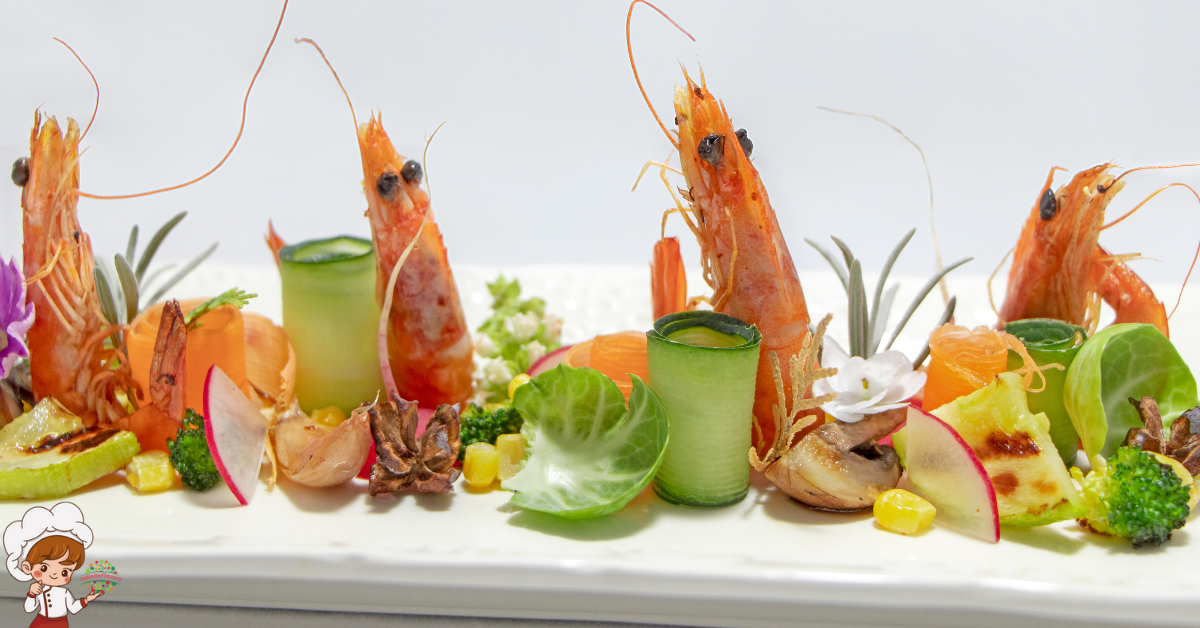
When it comes to creating delicious roasted vegetable medleys, the key is to mix and match your favorites for a burst of flavor and color. Start by selecting seasonal varieties like zucchini, bell peppers, and carrots to enhance the freshness of your dish. Consider the vegetable color; bright hues not only make your plate visually appealing but also signal the variety of nutrients you’re getting.
Texture contrast plays a significant role in elevating your medley. Combine crunchy vegetables like asparagus with softer ones like eggplant for an exciting bite. When it comes to flavor balance, think about ingredient pairings—try combining sweet vegetables like sweet potatoes with savory ones like Brussels sprouts to create depth.
Experiment with different cooking methods, such as tossing your veggies in olive oil, salt, and herbs before roasting. Pay attention to roasting times; denser vegetables may need longer, while more delicate ones cook quickly.
For preparation techniques, chop your vegetables into uniform sizes to guarantee even cooking. You can also try marinating them beforehand to infuse flavor.
Seasonal Ingredient Highlights
As the seasons change, so do the vegetables and herbs you can use to elevate your roasted dishes. In fall, you’ll love the hearty flavors of root vegetables, while spring brings a burst of freshness with vibrant herbs. Let’s explore these seasonal ingredient highlights to enhance your roasting game!
Fall Vegetable Favorites
Autumn brings a delightful bounty of seasonal vegetables that can elevate your roasting game. Among your fall favorites, you’ll find sweet potatoes, Brussels sprouts, and, of course, pumpkin. Roasting these veggies not only enhances their natural flavors but also makes for a heartwarming dish perfect for chilly evenings.
Start with roasted squash, like butternut or acorn. Their sweetness caramelizes beautifully in the oven. Simply toss them in olive oil, sprinkle with salt, and add your favorite spices like cinnamon or nutmeg for a seasonal touch. You can even mix in some garlic for an extra kick.
Don’t forget about pumpkin puree! While it’s often used in baking, it can also be a creamy addition to your roasted vegetable dishes. Try blending it with a bit of vegetable broth and drizzling it over your roasted veggies for a rich, flavorful sauce.
Spring Herb Selections
Spring often brings a vibrant array of herbs that can transform your roasted vegetable dishes. With seasonal herb availability peaking, you’ve got plenty of fresh herb varieties to choose from. Basil, dill, and chives are fantastic options that can elevate the flavors of your roasted creations.
When using basil, try tossing it with your vegetables just before serving to keep its flavor fresh and bright. Dill adds a unique, tangy twist, especially when paired with root vegetables like carrots and potatoes. Chives offer a mild onion flavor that complements asparagus and zucchini beautifully.
Don’t overlook parsley, either! Its fresh taste can balance out richer flavors and add a pop of color to your dish. If you’re feeling adventurous, why not experiment with mint? It can provide a rejuvenating contrast, particularly when roasting spring peas or artichokes.
To make the most of these fresh herb varieties, consider a simple herb-infused olive oil. Just blend your favorite herbs with olive oil, drizzle it over your roasted vegetables, and enjoy a burst of spring flavor. Embrace these seasonal herbs and watch your roasted vegetable dishes come alive!
Cooking Oils and Infusions
Cooking oils play an essential role in enhancing the flavor and texture of roasted vegetables. Choosing the right oil can elevate your dish, bringing out the natural sweetness of the veggies. You might consider experimenting with oil variations, such as olive oil, avocado oil, or even coconut oil, each providing unique flavor profiles.
Oil infusions are another fantastic way to add depth. Try creating your own flavored oils by infusing your base oil with herbs, garlic, or spices. Simple infusion techniques include heating the oil gently with your chosen ingredients to extract their flavors. For instance, rosemary or thyme can be transformed into aromatic oils that will coat your vegetables beautifully.
When it comes to oil pairings, think about what complements your vegetables. For example, root vegetables like carrots and potatoes work well with herb oils, while zucchini and bell peppers might shine with a drizzle of chili-infused oil.
Don’t overlook the benefits of using different cooking fats. Ghee or duck fat can add richness, giving your roasted veggies an indulgent twist. Infused oils can also enhance the overall flavor without overpowering the dish.
Experimenting With Textures
Often, experimenting with textures can transform your roasted vegetables from simple to sensational. You can elevate your dishes by incorporating texture contrasts that engage your senses. Start by roasting your vegetables until they’re tender and caramelized, but don’t stop there! Think about adding a layer of crunch that complements the softness of the veggies.
One effective way to achieve this is by using crunchy toppings. Consider sprinkling toasted nuts or seeds over your finished dish. Almonds, walnuts, or pumpkin seeds not only add a delightful crunch but also introduce a nutty flavor that enhances your roasted vegetables. If you’re feeling adventurous, try panko breadcrumbs tossed with herbs and spices for an extra layer of flavor.
Another option is to integrate crispy vegetable elements. For example, you can thinly slice Brussels sprouts or kale, roast them separately until crispy, and then top your main roasted vegetable medley. This method not only adds a satisfying crunch but also introduces a different vegetable flavor profile.
Don’t forget about cheese! A sprinkle of crumbled feta, goat cheese, or even parmesan can create a creamy contrast against the crispiness of your toppings.
Ultimately, the key is to think creatively about how different textures can work together on your plate. By combining soft, tender vegetables with crunchy toppings, you’ll create a dish that’s not only visually appealing but also a joy to eat. So, get out there, mix it up, and enjoy the textural journey!
Frequently Asked Questions: Great Seasoning Ideas For Roasting Vegetables
What Vegetables Roast Best With These Seasoning Ideas?
When you explore herb blends and spice combinations, root vegetables like carrots and potatoes roast beautifully. Bell peppers and zucchini also shine, absorbing flavors well and creating a delicious medley that complements your seasoning choices perfectly.
How Can I Store Leftover Roasted Vegetables?
To store leftover roasted vegetables, use airtight containers and keep them in the fridge. For reheating, try the oven or microwave. These storing tips guarantee your veggies stay fresh and tasty for future meals.
Can I Use Frozen Vegetables for Roasting?
Yes, you can use frozen vegetables for roasting! Just remember to adjust the roasting time since frozen vegetables may need a bit longer to achieve that perfect texture. Thawing them first can also enhance the results.
What Is the Ideal Roasting Temperature for Vegetables?
The ideal roasting temperature for vegetables is around 425°F. This high heat enhances flavor profiles and helps achieve crispy exteriors. Experiment with different roasting techniques to discover what works best for your favorite vegetables!
How Long Should I Roast Vegetables for Optimal Texture?
To achieve ideal texture, you should consider roasting times based on vegetable sizes. Smaller pieces typically need 20-25 minutes, while larger chunks may require 30-40 minutes at 425°F. Keep an eye on them for best results!

Conclusion
Incorporating a variety of seasonings can elevate your roasted vegetables from ordinary to extraordinary. Whether you stick to classic herbs or experiment with bold spices, there’s no wrong way to enhance their natural flavors. Don’t shy away from adding citrus zest or a savory glaze for an extra kick. Remember, the joy of cooking lies in experimentation—so mix and match, try new combinations, and enjoy the delicious results. Your taste buds will thank you!
If you enjoyed exploring this topic and want to dive even deeper, be sure to check out some of our other articles here on Infinite Flavors. From rich culinary histories to creative twists on classic recipes, there’s always something new to discover. Whether you’re curious about the origins of a dish, looking for fresh inspiration in the kitchen, or simply love learning about food culture, our collection of posts is the perfect next step on your flavor journey.
The Best Temperature For Roasting Whole Chicken
How To Roast A Picture Perfect Lamb Leg
Amazing Reasons For Roasting Corn On The Cob