What Are Some Great Techniques For Blending Cooking Spices
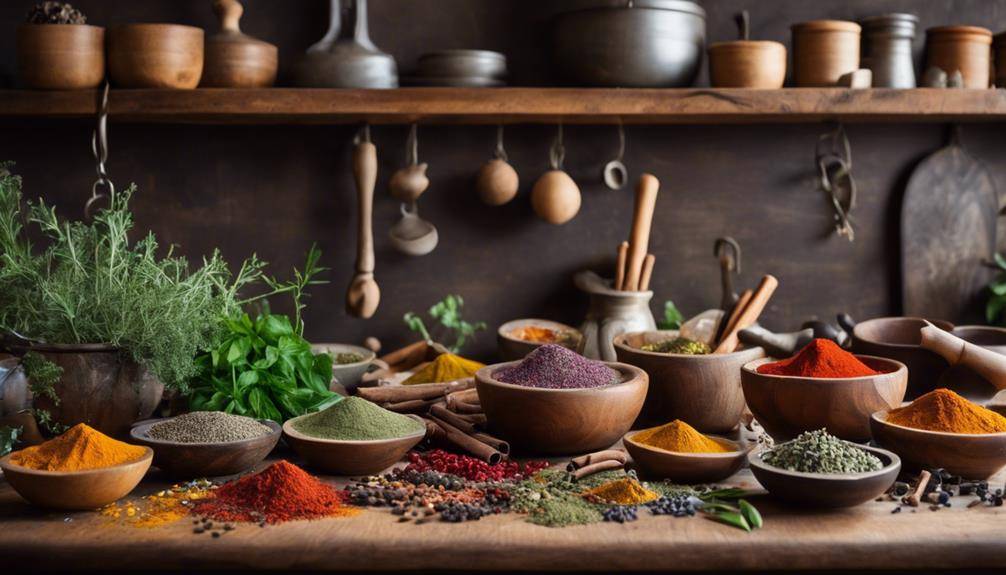
Great Techniques For Blending Cooking Spices: Blending cooking spices starts with understanding their distinct profiles to create harmonious flavors. You can enhance their taste by toasting them in a dry skillet or the oven to intensify aromas. Grinding spices fresh lets you control texture, ensuring ideal flavor release. Experimenting with custom blends allows you to personalize dishes, while balancing flavors and aromas is essential. Don’t forget to mix fresh and dried spices for versatility. Finally, exploring regional blends can transform your meals into culinary adventures. If you stick around, you’ll uncover even more tips for perfecting your spice blending skills.
Understanding Spice Profiles
Click Here and Turn Every Masterpiece into a Showstopper!
When it comes to cooking, you’ll find that understanding spice profiles is essential to creating flavorful dishes. Each spice has a unique origin, which influences its flavor intensity and how it interacts with other ingredients. For instance, spices from Southeast Asia, like lemongrass and galangal, tend to have bright, citrusy notes that can elevate a dish’s freshness. In contrast, spices from the Mediterranean, such as oregano and rosemary, bring earthy, aromatic qualities that can ground your flavors.
To master spice profiles, start by familiarizing yourself with the primary categories: sweet, savory, bitter, and pungent. Sweet spices like cinnamon and nutmeg work well in desserts, while savory spices like cumin and coriander are indispensable for hearty stews. Understanding the flavor intensity of each spice is important; a little goes a long way with potent spices like cloves or allspice, while milder spices like paprika can be used more liberally.
Experimenting is vital. Try blending spices from different regions to discover exciting combinations. For instance, pairing Indian cardamom with Mexican chili powder can create a unique flavor fusion. Always consider how each spice’s origin informs its flavor profile and intensity. This knowledge not only enhances your cooking but also allows you to tailor dishes to your personal taste. As you learn to balance these elements, you’ll reveal endless possibilities for delicious meals that reflect your culinary style.
Toasting Spices for Depth
Toasting spices is a simple yet powerful technique that enhances their flavor and aroma. When you do it right, you’ll reveal deeper, more complex notes that elevate your dishes. Let’s explore the benefits, best methods, and flavor pairings to make the most of this essential skill.
Benefits of Toasting Spices
Releasing the full potential of your cooking spices can happen with just a bit of heat. Toasting spices is a simple yet effective technique that enhances their flavors and aromas. When you apply heat through toasting techniques, you kickstart a chemical reaction that intensifies those natural oils within the spices. This process brings out a depth you might not have experienced otherwise.
As the spices toast, they release vibrant spice aromas that fill your kitchen, creating an inviting atmosphere. You’ll notice how those familiar flavors transform into something richer and more complex. Whether you’re using whole spices or ground ones, toasting can elevate your dishes dramatically.
Additionally, toasting spices helps to eliminate any raw or bitter notes, leading to a more balanced flavor profile in your meals. You might find that just a few moments of toasting can turn a bland dish into a culinary masterpiece. So, next time you’re cooking, consider incorporating this simple yet powerful step. With toasting, you’re not just cooking; you’re revealing the full potential of your spices.
Best Techniques to Toast
A few effective techniques can make all the difference when it comes to toasting spices for depth and flavor. First, consider using a dry skillet over medium heat. This method allows you to evenly toast your spices without any added oils that could alter their natural flavors. Simply add your whole spices to the skillet, stirring frequently until they release their delightful spice aromas. You’ll know they’re done when they become fragrant and slightly darker.
Another great technique is to use the oven. Preheat it to around 350°F (175°C) and spread your spices on a baking sheet in a single layer. Keep an eye on them, as they can toast quickly. This method works well for larger batches and guarantees a consistent toast.
You can also experiment with toasting techniques by using an air fryer. Set it to a low temperature and check your spices regularly. Regardless of the method you choose, remember to let your toasted spices cool before grinding or using them in your dishes. This guarantees you capture all those rich flavors and aromas, enhancing your culinary creations.
Flavor Pairing Suggestions
When you’re looking to elevate your dishes, experimenting with flavor pairings can reveal a whole new level of depth. Toasting spices not only enhances their aroma but also brings out their natural oils, allowing you to create spice synergy. Start with basics like cumin and coriander; they work wonderfully together in many dishes, providing a warm, earthy foundation.
If you’re cooking with sweeter profiles, try pairing cinnamon with nutmeg or cardamom. These spices create complementary flavors that can transform desserts or even savory dishes into something extraordinary. For a spicy kick, consider blending smoked paprika with cayenne or black pepper—this combination adds both heat and complexity.
Don’t be afraid to mix unexpected spices! Rosemary and lemon zest can liven up chicken or fish, while ginger and turmeric can give your soups an exciting twist. Always remember to toast your spices before blending to reveal their full potential. By thoughtfully combining spices, you’ll discover new taste sensations that breathe life into your cooking. So grab those spice jars, and start experimenting—you might just stumble upon your new favorite flavor combination!
Grinding Techniques Explained
Many cooks underestimate the importance of grinding spices, yet it can considerably enhance your dishes’ flavors. The right grinding technique can make a significant difference in flavor extraction and overall taste. Let’s explore some effective methods.
Manual grinding, using tools like a mortar and pestle, allows you to control the texture variations. By adjusting the pressure and duration, you can achieve a coarse or fine consistency, which is essential for certain recipes. This traditional method also encourages a more intimate connection with the spices, as you can feel their aroma release as you grind.
On the other hand, electric grinders offer convenience and speed, making them ideal for larger quantities. They provide consistent grinding consistency, ensuring uniformity in your spice blends. However, be cautious—over-grinding can lead to a powdery texture that may diminish flavor.
When selecting your grinding technique, consider the spices you’re using. Harder spices like peppercorns and cinnamon sticks benefit from electric grinders, while softer spices like coriander seeds may be better suited for manual grinding.
Experiment with both traditional and modern techniques to find what works best for you. Whichever method you choose, remember that freshly ground spices can uplift your cooking, bringing out essential oils and flavors that pre-ground options simply can’t match. So, roll up your sleeves and start grinding; your taste buds will thank you!
Creating Custom Spice Mixes
When creating custom spice mixes, start by choosing fresh ingredients that enhance your dish. Balancing flavor profiles is key, so think about how different spices complement or contrast with each other. This approach not only elevates your cooking but also allows you to personalize your culinary creations.
Choosing Fresh Ingredients
Fresh ingredients are often the backbone of a flavorful spice mix, and selecting the right ones can make all the difference in your culinary creations. When it comes to herb selection, prioritize freshness and quality. Look for vibrant herbs that haven’t wilted or lost their color. If you can, visit local farmers’ markets or specialty stores to find the best options.
Ingredient sourcing is also essential. Always opt for whole spices whenever possible, as they retain more flavor than pre-ground varieties. You can grind them yourself just before using, ensuring maximum potency. Consider experimenting with different herbs and spices, combining them based on your favorite dishes or cuisines.
Don’t overlook the importance of seasonality. Fresh herbs and spices can vary greatly throughout the year, so adapt your mixes according to what’s available. Remember, the freshness of your ingredients will greatly enhance the overall taste of your dishes. By focusing on herb selection and ingredient sourcing, you’ll create custom spice mixes that elevate your cooking and impress your guests. Your attention to detail will shine through in every bite.
Balancing Flavor Profiles
To create a well-balanced spice mix, it’s crucial to understand how different flavors interact. Start by identifying the core flavors you want to highlight in your dish. Think about the main ingredients and their natural profiles. For instance, if you’re working with rich meats, warm spices like cumin and coriander can enhance that depth.
Next, consider the concept of spice harmony. This means finding spices that complement each other without overpowering the main ingredient. For example, pairing sweet elements like cinnamon or nutmeg with savory spices can create a delightful contrast. Experiment with ratios to achieve flavor synergy, ensuring that each spice contributes to the overall profile.
Don’t forget about acidity and heat. Adding a touch of citrus zest or a pinch of chili powder can elevate your mix, providing balance and brightness. As you blend, taste frequently. A well-rounded spice mix should enhance the dish, not overshadow it.
Lastly, keep track of your combinations. Documenting your successful creations will help you refine your skills and develop unique spice mixes that suit your culinary style. With practice, you’ll master the art of crafting custom spice blends that resonate with your taste buds.
Balancing Flavors and Aromas
Balancing flavors and aromas is vital in creating a well-rounded dish that delights the palate. When you blend spices, think about achieving spice harmony, which means guaranteeing that no single spice overpowers the others. Each ingredient should complement and enhance the overall flavor profile, creating a delightful experience for your taste buds.
To achieve this balance, start by identifying the primary flavor you want to highlight in your dish. Once you’ve done that, select spices that will enhance that flavor without dominating it. For instance, if you’re working with a spicy base, consider adding sweeter spices like cinnamon or nutmeg to create a contrast that brings out the best in both.
Aroma synergy plays an important role here too. The aromas of spices can greatly affect how you perceive their flavors. When you mix spices, their scents should work together, creating a fragrant bouquet that invites you to dig in. Experiment with different combinations to see how the aromas change when blended.
Don’t forget to taste along the way! As you add spices, sample your dish to guarantee the flavors and aromas are developing harmoniously. Adjust as necessary, whether that means adding more of one spice or balancing out with another. Remember, your goal is to achieve a balanced interplay of flavors and aromas that captivates anyone lucky enough to savor your creation. Happy cooking!
Click Here and Turn Every Masterpiece into a Showstopper!
Using Fresh Vs. Dried Spices
When it comes to using spices in your cooking, the choice between fresh and dried can considerably impact the flavor of your dish. Fresh spices often pack a more vibrant and intense flavor, enhancing your meals with their aromatic oils. You’ll find that fresh herbs like basil, cilantro, and parsley bring a lively taste that dried versions simply can’t replicate. Plus, the fresh spice advantages extend beyond taste; they can also add a pop of color to your dishes, making them more visually appealing.
On the other hand, dried spices have their own unique benefits. One of the key points is their longevity. When stored properly, dried spices can last for months, or even years, making them a convenient choice for home cooks. They’re always on hand and ready to elevate your meals without the need for frequent shopping trips. While they may lack the freshness of their counterparts, dried spices can still provide a depth of flavor that’s perfect for slow-cooked dishes or marinades.
Ultimately, the choice between fresh and dried spices will depend on your cooking style and the dish you’re preparing. If you’re looking for a bright, fresh kick, reach for the fresh options. But if you want something that lasts and can be easily incorporated into your pantry staples, dried spices are the way to go. Balancing both types in your kitchen allows for versatility and a broader range of flavors in your cooking.
Experimenting With Regional Blends
Exploring the world of spices opens up exciting opportunities, especially when you start experimenting with regional blends. Each culture has its own unique regional spice combinations that reflect its history, geography, and culinary traditions. By diving into these blends, you can enhance your dishes and add depth to your cooking.
Begin by researching spice blends from various regions. For instance, consider the warm, earthy flavors of Indian garam masala, which typically includes cardamom, cinnamon, and cloves. Alternatively, you might enjoy the bright and zesty notes found in a Mexican adobo, featuring paprika, oregano, and garlic. Don’t hesitate to try a Moroccan ras el hanout, which combines spices like cumin, coriander, and rose petals for a fragrant experience.
As you experiment, think about the cultural flavor influences that shape these blends. Try to understand why certain spices pair together and how they complement the local ingredients. You’ll discover that regional blends often tell a story about the people and places they originate from.
Mix and match spices based on your taste preferences while respecting traditional combinations. You can even create your own signature blend by combining aspects of different regions. This not only broadens your culinary repertoire but also allows you to connect with global cuisines.
Don’t shy away from experimenting. With each new blend you create, you’ll reveal a myriad of flavors that can transform your everyday meals into extraordinary culinary adventures. Happy blending!
Storing and Preserving Spices
To keep your spices fresh and flavorful, proper storage is essential. You should aim to extend the spice shelf life by following a few simple guidelines. First, choose airtight containers made of glass or dark plastic. These materials help prevent exposure to light, which can degrade your spices over time.
Next, consider the location of your spice storage. Avoid placing your spices near the stove or sink, where heat and humidity can affect their quality. Instead, opt for a cool, dark cabinet. Good humidity control is key to maintaining spice freshness; moisture can lead to clumping and spoilage.
Label your containers with the purchase date, as this will help you keep track of freshness. Generally, whole spices can last up to four years, while ground spices have a shelf life of about two to three years. If you notice any changes in aroma or flavor, it might be time to replace them.
Additionally, try to buy spices in smaller quantities, especially if you don’t use them often. This way, you can enjoy their full flavor without worrying about them losing potency over time. When you’re ready to use spices, avoid shaking the container directly over your dishes; instead, pour a small amount into your hand or a separate dish to prevent moisture from transferring back into the container. By following these storage tips, you’ll guarantee your spices remain vibrant and ready to enhance your culinary creations.
Click Here and Turn Every Masterpiece into a Showstopper!
Frequently Asked Questions: Great Techniques For Blending Cooking Spices
Can I Blend Spices Without a Grinder?
Yes, you can blend spices without a grinder! Try manual spice techniques like using a mortar and pestle, rolling pin, or even crushing spices in a zip-lock bag. Spice blending alternatives are fun and effective!
How Do I Know if Spices Are Fresh?
You can tell spices are fresh by checking their color, aroma, and taste. Store them in airtight containers, away from light and heat, to maintain freshness. These fresh spice indicators will enhance your cooking considerably.
What’s the Shelf Life of Blended Spices?
Blended spices usually last about six months if stored properly. For homemade spice longevity, keep them in airtight containers away from heat and light. This way, you’ll maintain their flavor and potency longer.
Are There Spices That Don’t Blend Well Together?
Some spices don’t blend well together due to incompatible flavor profiles. For instance, strong spices like cumin might overwhelm delicate herbs. Always consider spice compatibility to achieve a balanced and harmonious dish. Experiment to find your favorites!
How Can I Improve the Aroma of My Spice Blends?
To improve the aroma of your spice blends, focus on aroma enhancement by layering spices. Start with base notes, then add brighter spices, allowing their fragrances to interact and create a more complex, inviting scent.

Conclusion
Incorporating these techniques into your cooking will elevate your dishes and expand your culinary repertoire. By understanding spice profiles, toasting, and grinding your spices, you’ll reveal richer flavors. Don’t hesitate to experiment with custom blends and regional spices, balancing fresh and dried options for the best results. Remember to store your spices properly to preserve their potency. With a little practice and creativity, you’ll become a master at blending spices and delight your taste buds!