The Great Time-Saving Tips With Pressure Cooking
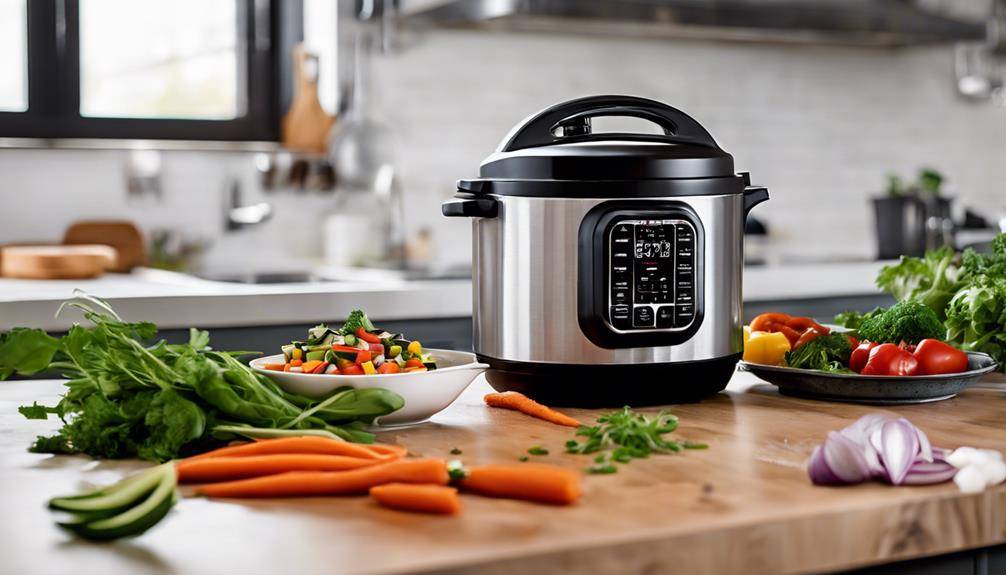
Great Time-Saving Tips With Pressure Cooking; If you want to save time in the kitchen, pressure cooking is your best friend. Start by choosing the right cooker—electric models are user-friendly and great for meal prep. Prep ingredients ahead, organize your pantry, and try one-pot recipes to cut down on cooking and cleanup time. Batch cooking gives you quick meal options for busy days. Remember to adjust cooking times for different ingredients, and layer flavors for depth. Finally, experiment with various cuisines to keep things exciting. Stick around to uncover even more tips that can elevate your pressure cooking game!
Choose the Right Pressure Cooker
Choosing the right pressure cooker can feel like maneuvering through a maze of options, but it doesn’t have to be overwhelming. To simplify your decision-making, start by narrowing down the pressure cooker types available on the market. You’ll find electric and stovetop models, each with its unique benefits. Electric pressure cookers are often user-friendly, featuring programmable settings that make meal prep a breeze. On the other hand, stovetop models generally reach higher pressure levels, allowing for faster cooking times.
Next, consider the size that best suits your cooking needs. Pressure cookers come in various capacities, typically ranging from 4 to 10 quarts. If you’re cooking for a family or frequently hosting guests, opting for a larger model might be wise. Conversely, if you’re cooking for one or two, a smaller cooker may suffice.
Don’t overlook safety features, either. Reliable pressure cookers come equipped with essential safety mechanisms to prevent accidents. Look for models with locking lids, pressure indicators, and steam release valves. These features guarantee that you can cook confidently without worrying about mishaps.
Prepping Ingredients Ahead
To save time when pressure cooking, you should organize your pantry efficiently and chop vegetables in batches. Having everything in order makes it easier to grab what you need quickly. Plus, prepping ahead guarantees you spend less time in the kitchen and more time enjoying your meals.
Organize Your Pantry Efficiently
A well-organized pantry can be a game-changer when it comes to prepping ingredients for pressure cooking. Start by categorizing your items—group staples like grains, legumes, and spices together. This pantry organization not only saves time but also makes it easier to find what you need quickly.
Next, consider using clear bins or jars for ingredient storage. Label each container so you can easily identify the contents at a glance. This minimizes the time spent rummaging through your pantry, allowing you to focus on prepping for your pressure cooking.
Don’t forget to store frequently used ingredients at eye level. This guarantees that you’ll grab what you need without digging deep into the shelves. You might also want to keep a small basket for items you use often, like dried herbs or condiments, to streamline your cooking process.
Chop Vegetables in Batches
Chopping vegetables in batches can save you a significant amount of time when pressure cooking. Instead of prepping each vegetable individually for every meal, take an hour or so to chop your veggies all at once. This batch preparation not only makes your cooking process smoother but also helps you maintain a well-organized kitchen.
After chopping, store your vegetables in clear containers or freezer bags. Good vegetable storage is key; label them with the date and type to make it easier to grab what you need later. You’ll find that having prepped vegetables on hand will encourage you to cook more often, and it’ll cut down on the time you spend in the kitchen.
When you’re ready to cook, just pull out your prepped veggies and toss them into your pressure cooker. You’ll be amazed at how quickly your meals come together. Plus, you’ll reduce food waste, as you’ll be using up those chopped vegetables before they spoil. So, make it a habit to chop veggies in batches. You’ll save time, eat healthier, and enjoy the convenience that comes with being organized!
Utilize One-Pot Recipes
One-pot meals are a game-changer when you’re short on time. They simplify cooking and cleanup while packing in flavor and nutrition. Let’s explore the benefits, quick techniques, and some delicious recipe ideas you can try today!
Benefits of One-Pot Meals
Transform your mealtime routine with the simplicity and efficiency of one-pot meals. These meals not only save you time but also reduce the hassle of cleaning multiple pots and pans. When you embrace one-pot recipes, you streamline your meal prep, allowing you to spend less time in the kitchen and more time enjoying delicious food.
One-pot meals are perfect for busy families looking to connect over a shared dish. They encourage family bonding as everyone can pitch in, whether it’s chopping vegetables or stirring the pot. This collaboration makes cooking a fun and engaging experience, strengthening your family ties.
Additionally, one-pot meals can be incredibly versatile. You can easily adapt recipes to fit different dietary preferences or use up leftovers, minimizing food waste. With just a single pot, you can create hearty stews, flavorful curries, or delightful pasta dishes, all packed with nutrients.
Quick Cooking Techniques
How can you make mealtime even quicker and easier? One-pot recipes are your best friend. By utilizing quick sautéing techniques, you can prepare your ingredients in a flash. Start by heating your pressure cooker, then add a bit of oil and toss in your veggies or proteins. This method not only enhances flavor but also cuts down on cooking time considerably.
Next, embrace fast steaming methods. Place your food in a steamer basket inside your pressure cooker, add a cup of water, and seal it up. In just minutes, you’ll have perfectly cooked vegetables, seafood, or grains without the hassle of multiple pots. This approach keeps your kitchen tidy and your dishes simple.
Additionally, you might consider layering your ingredients. For example, you can sauté your aromatics first, then layer in your proteins and vegetables before adding liquid for pressure cooking. This technique allows all the flavors to meld together beautifully.
Recipe Ideas to Try
Looking for delicious and hassle-free meals? One-pot recipes are your best friend when it comes to pressure cooking. They save you time on both cooking and cleaning, making them perfect for easy weeknight dinners. Imagine whipping up a savory chicken and rice dish in under 30 minutes—simply toss your ingredients into the pot and let the pressure cooker do the work.
Don’t forget about flavorful pasta dishes! You can create a creamy mushroom pasta or a zesty lemon garlic shrimp with minimal effort. Just add your pasta, sauce, and protein to the pot, and you’ll have a satisfying meal in no time.
Try a hearty beef stew packed with vegetables for those colder nights. It’s comforting, filling, and can be ready in a fraction of the usual time.
For a vegetarian option, consider a quinoa and black bean chili. It’s nutritious, bursting with flavor, and you can prepare it all in one pot.
Embrace the simplicity of one-pot recipes, and transform your weeknight meals into quick and delightful experiences. You’ll wonder how you ever cooked without a pressure cooker!
Batch Cooking for Future Meals
Batch cooking can be your secret weapon for saving time and energy during busy weeks. By preparing larger portions of meals in advance, you’ll have delicious, homemade options ready to go when you need them. Start by choosing a few recipes that freeze well, like soups, stews, or casseroles. These meals are perfect for storing meals in single-serving containers or family-sized portions, making it easy to grab what you need.
Once you’ve cooked your meals, let them cool completely before storing them in airtight containers. This step helps prevent ice crystals from forming, which can affect the texture upon reheating. Label each container with the meal name and date so you can easily keep track of what you have on hand.
When it’s time to eat, you’ll want to use effective reheating techniques. For best results, thaw meals in the fridge overnight for even heating. If you’re short on time, you can use the microwave, but be sure to stir your meal halfway through to guarantee it heats evenly. Alternatively, you can reheat meals in your pressure cooker for a quick and convenient option; just add a splash of water to create steam and maintain moisture.
Use the Right Cooking Times
Getting the cooking times right is essential for successful pressure cooking. You might find that common mistakes can lead to undercooked or overcooked meals, so it’s important to familiarize yourself with the correct times for different ingredients. Keep in mind that factors like ingredient size and type can also affect how long you need to cook, so adjust accordingly for the best results.
Understanding Pressure Cooking Times
Understanding pressure cooking times is vital for achieving perfectly cooked meals in a fraction of the time. When you use a pressure cooker, the cooking times differ markedly from traditional methods, so it’s important to follow guidelines specific to each ingredient. This guarantees you reap the pressure cooking benefits, like preserving flavors and nutrients while saving time.
To start, familiarize yourself with recommended cooking times for various foods. For instance, beans may take 10-15 minutes, while tougher cuts of meat can cook in 30-45 minutes. Always consult a reliable source, such as a pressure cooker manual or a trusted recipe book, to get accurate times.
While you’re cooking, remember that pressure cooker safety is paramount. Verify your lid is secured properly and that you’re aware of the different release methods—quick release or natural release—to avoid overcooking or undercooking your meals. Mastering these times will not only elevate your dishes but also boost your confidence in using your pressure cooker. With practice, you’ll become adept at timing your meals perfectly, making pressure cooking a delightful addition to your kitchen routine.
Common Cooking Time Mistakes
Commonly, cooks misjudge the cooking times for their ingredients, leading to disappointing results. One of the most prevalent mistakes is relying on common misconceptions about pressure settings. For example, you might think that all foods require the same cooking time, but that’s far from the truth. Different ingredients, like meats and vegetables, need specific times to achieve the best texture and flavor.
Another mistake is not accounting for the time it takes for your pressure cooker to reach the desired pressure. Many people start counting the cooking time as soon as they close the lid, but you should factor in the time it takes for the cooker to build pressure. This oversight can lead to undercooked or overcooked meals.
Additionally, don’t forget about natural versus quick release methods. Each affects the final cooking time of your dish. If you’re not careful, you could end up with mushy vegetables or tough meat. To avoid these pitfalls, always consult a reliable cooking chart specific to pressure cooking. By understanding and using the right cooking times, you’ll guarantee your meals come out perfectly every time.
Adjusting for Ingredient Variability
When you’re pressure cooking, it’s important to adjust cooking times based on ingredient variability to achieve the best results. Different ingredients can cook at different rates, so it’s vital to know how substitutions impact cooking times and consistency. For example, if you’re swapping fresh vegetables for frozen ones, you’ll need to reduce the cooking time since frozen veggies often contain more moisture.
When making ingredient substitutions, consider the density and size of what you’re using. For instance, if you replace chicken breast with thighs, adjust your cooking time as thighs typically require a longer duration to reach the same tenderness. Similarly, if you’re using whole grains instead of refined ones, remember that they usually take longer to cook.
To maintain cooking consistency, always refer to a reliable pressure cooking chart, as it offers recommended times based on various ingredients. Keep a close eye on your dish and use a quick-release method when necessary to prevent overcooking. By fine-tuning your cooking times, you’ll achieve perfectly tender results every time, making your pressure cooking experience more enjoyable and efficient.
Quick Release Vs. Natural Release
In just a few moments, you can choose between quick release and natural release when finishing your pressure cooking. Each method has its own benefits, and knowing when to use each can enhance your cooking experience.
Quick release involves manually releasing the pressure immediately after the cooking time ends. This method’s great for dishes that you want to stop cooking right away, like vegetables or seafood, as it helps maintain their texture and prevents overcooking. To perform a quick release, simply turn the pressure valve to the venting position and step back to avoid the steam. Just be cautious, as hot steam can escape quickly.
On the other hand, natural release lets the pressure decrease on its own. You’ll leave the pressure cooker alone for a prescribed amount of time, which allows the food inside to continue cooking gently. This method works well for recipes that benefit from a slower release, like tough cuts of meat or dishes with starchy ingredients, since it helps to keep them tender and flavorful. After the natural release time, you can then switch to quick release if any pressure remains.
Both cooking methods have their place in your kitchen. It’s important to understand when to use each pressure release method to achieve the best results in your pressure cooking endeavors. By mastering these techniques, you’ll save time and elevate your meals.
Incorporate Frozen Ingredients
Incorporating frozen ingredients into your pressure cooking can save you both time and effort, making meal prep a breeze. You don’t have to worry about washing, chopping, or prepping ingredients when you can simply grab frozen vegetables or proteins straight from your freezer. This way, you can whip up a nutritious meal without the usual hassle.
Frozen vegetables are perfect for soups, stews, and stir-fries. They cook evenly and retain their nutrients, ensuring your meals are both healthy and delicious. Similarly, frozen proteins like chicken, beef, or fish can go directly into the pot without thawing. Just remember to adjust your cooking time slightly, as they may take a bit longer to cook through.
Don’t forget about frozen grains, either. Quinoa, rice, or even barley can be tossed in with your other ingredients, adding heartiness to your dishes without the need for pre-cooking. If you’re short on time, consider using frozen sauces. Many stores offer pre-made sauces that you can add to your proteins and vegetables for a quick flavor boost.
Lastly, frozen herbs can elevate your dishes with fresh taste. Just throw in a handful, and you’ll get that vibrant flavor without the need to chop fresh herbs. With frozen meals on hand, you can even pressure cook a variety of pre-prepared dishes, cutting down on the time you spend in the kitchen. You’ll find that using frozen ingredients is a game changer for your pressure cooking routine!
Explore Pressure Cooking Accessories
Pressure cooking isn’t just about the pot; the right accessories can elevate your cooking experience and expand your meal possibilities. When you invest in high-quality pressure cooking accessories, you’re setting yourself up for success in the kitchen. Let’s explore some essential tools that every pressure cooker enthusiast should consider.
First, a steamer basket is a must-have. It allows you to cook vegetables, seafood, or even dumplings while keeping them separate from the cooking liquid. This way, you preserve the flavors and nutrients of your ingredients.
Next, consider silicone molds or baking pans specifically designed for pressure cooking. These come in handy for making desserts like cheesecake or bread. They’re heat-resistant, making them perfect for multi-tier cooking.
Another essential tool is the trivet. This handy accessory elevates food above the liquid, ensuring even cooking and preventing your meals from becoming soggy. It’s great for cooking meats, too, allowing drippings to fall into the pot for added flavor.
Don’t overlook a good set of oven mitts. These protect your hands when you’re handling the hot pot or accessories. Finally, a pressure cooking cookbook can be invaluable. It’ll provide you with recipes tailored for your pressure cooker, maximizing its potential.
With these pressure cooking accessories, you’ll streamline your cooking process and open up new culinary adventures. You’ll find that these essential tools not only save you time but also enhance the flavors and textures of your meals.
Master the Art of Timing
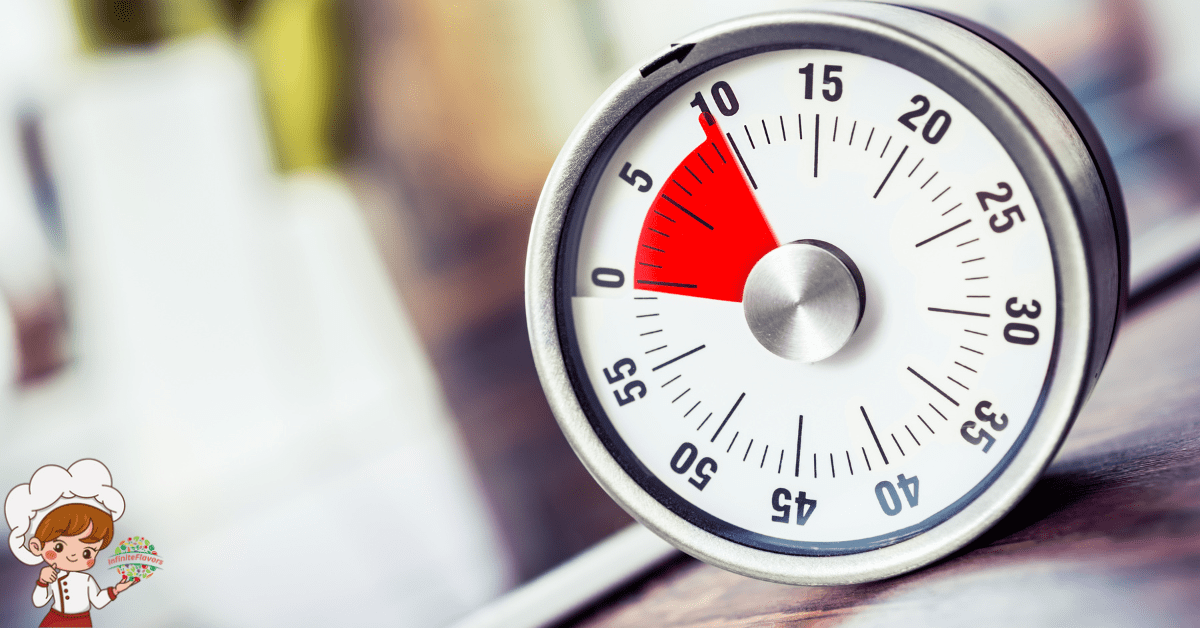
Mastering timing is essential for successful pressure cooking, as even a minute can make a significant difference in your meal’s outcome. To get the most out of your pressure cooker, you need effective timing strategies that align with your recipe’s requirements. Start by familiarizing yourself with the cooking times for different ingredients. For instance, meats typically require longer cooking times than vegetables. A quick reference guide can be a lifesaver, helping you avoid overcooking or undercooking.
Once you’ve got the basics down, pay attention to pressure adjustments. As your dish cooks, you might need to make changes based on the ingredients you’re using. For example, if you’re cooking a mixed dish, consider the ingredients that take longer to cook. You can add quicker-cooking items later in the process, maintaining the right timing for each component.
Additionally, when you release the pressure, choose between natural or quick release methods wisely. A natural release allows flavors to settle, while a quick release can save time when you’re in a hurry. Remember, timing isn’t just about the clock; it’s also about understanding how your pressure cooker works.
Layering Flavors Effectively
Timing isn’t just about getting your dish cooked right; it’s also about building depth and complexity through flavor. When using a pressure cooker, you have a unique opportunity for effective flavor building that can elevate your meals. Start by layering your ingredients strategically. Begin with aromatics like onions, garlic, and spices at the bottom of your pot. This creates a flavorful base that infuses your dish as it cooks.
Next, consider your proteins and vegetables. Add them in a way that allows for even cooking and flavor absorption. If you’re using tougher cuts of meat, place them on the bottom to guarantee they get the most contact with the heat and seasoning layers. For delicate vegetables, add them later in the cooking process to prevent them from turning mushy.
Don’t forget about seasoning! Incorporate salt, herbs, and spices at different stages. For example, add some salt early on to help draw out moisture, and then adjust the seasoning layers just before finishing your dish. This method not only enhances the overall flavor but also allows you to control the taste more accurately.
Clean and Maintain Your Cooker
Keeping your pressure cooker in top shape is vital for both safety and performance. Regular cleaning and maintenance help prevent issues that could affect your cooking or cause safety hazards. Start by establishing a maintenance schedule; a good rule of thumb is to clean your cooker after every use. This guarantees that food residue won’t build up and affect future meals.
For effective cleaning techniques, always refer to your manufacturer’s instructions, as different models may have specific care requirements. Generally, you can disassemble the cooker as much as possible, removing the gasket, pressure valve, and any other detachable parts. Wash these components in warm, soapy water, and use a soft sponge to avoid scratching. For the inner pot, a thorough wash with mild detergent is usually sufficient. If you encounter stubborn stains, a mixture of baking soda and water can work wonders.
Don’t forget to check the gasket for wear and tear. It’s a vital part of the pressure cooker, and a damaged gasket can lead to improper sealing. Replace it if you notice any cracks or deformities. Additionally, inspect the pressure valve to confirm it’s not clogged. A simple rinse under running water can keep it functioning correctly.
Experiment With Different Cuisines
As you plunge into the world of pressure cooking, don’t hesitate to experiment with different cuisines to elevate your culinary skills. Each cuisine offers unique flavor combinations and techniques, allowing you to create meals that are both diverse and delicious. Whether you’re drawn to the bold spices of Indian cooking, the comforting simplicity of Italian dishes, or the fresh ingredients of Thai cuisine, your pressure cooker can help you achieve authentic results quickly.
Start by seeking out cuisine inspiration from cookbooks, food blogs, or even cooking shows. You’ll find a wealth of recipes that can be adapted for pressure cooking. For instance, try making a classic Moroccan tagine, rich with spices and tender meat, or whip up a hearty Brazilian feijoada. The beauty of pressure cooking lies in its ability to infuse flavors rapidly, enhancing the overall taste of your dishes.
Don’t shy away from experimenting with unexpected flavor combinations, too. Consider incorporating elements from different cuisines into a single dish. Picture a fusion of Mexican and Asian flavors with a spicy kimchi quesadilla or a Mediterranean-inspired curry with chickpeas and olives. These creative blends will keep your meals exciting and fresh.
Plan Meals for the Week
Planning meals for the week can streamline your cooking process and maximize the efficiency of your pressure cooker. By preparing your meals in advance, you’ll save time and reduce stress during busy weeknights. Start by choosing recipes that are suitable for pressure cooking, such as stews, soups, or grains, which can be made in a fraction of the time compared to traditional methods.
Once you’ve selected your recipes, create a meal prep schedule. List out the ingredients you’ll need for each dish and organize them by category, making your grocery shopping easier. This way, you won’t forget anything at the store, and you can avoid multiple trips. When you’re at the grocery store, focus on purchasing fresh produce, proteins, and pantry staples that will last throughout the week.
Consider batch cooking on your designated meal prep day. Cook larger portions of meals that can be refrigerated or frozen for later use. Your pressure cooker can help you whip up these dishes quickly, allowing you to prepare several meals at once.
Frequently Asked Questions: Great Time-Saving Tips With Pressure Cooking
Can I Use My Pressure Cooker for Baking?
Yes, you can use your pressure cooker for baking! For successful pressure cooker baking, try adapting recipes, ensuring proper moisture, and following baking tips for even results. Enjoy experimenting with cakes and breads in your pressure cooker!
What Safety Precautions Should I Take With Pressure Cooking?
When using a pressure cooker, you should understand the pressure cooker basics. Always check safety features, guarantee the lid’s securely locked, and never overfill it to prevent accidents. Your safety’s essential during cooking!
How Do I Adjust Recipes for High Altitude Cooking?
When cooking at high altitudes, you’ll need to make adjustments. Increase cooking time and liquid, and consider using pressure cooking techniques to maintain moisture. Remember, every 1,000 feet requires slight changes for best results.
Can I Pressure Cook Without Liquid?
No, you can’t pressure cook without liquid. Pressure cooking techniques rely on steam created from liquid to build pressure. Many believe myths about using dry ingredients, but this can lead to burnt food and damage your cooker.
What Types of Pressure Cookers Are Best for Beginners?
When you’re starting out, electric pressure cookers are user-friendly and versatile, while stovetop pressure cookers heat up faster and offer more control. Choose one based on your comfort level and cooking preferences. You’ll enjoy experimenting!

Conclusion
By incorporating these time-saving tips, you can make the most of your pressure cooker and enjoy delicious meals with less effort. Choose the right cooker, prep your ingredients ahead, and explore one-pot recipes to simplify your cooking process. Don’t forget to batch cook for future meals and experiment with various cuisines. With a little planning and the right techniques, you’ll save time and savor every bite. Happy cooking!
If you enjoyed exploring this topic and want to dive even deeper, be sure to check out some of our other articles here on Infinite Flavors. From rich culinary histories to creative twists on classic recipes, there’s always something new to discover. Whether you’re curious about the origins of a dish, looking for fresh inspiration in the kitchen, or simply love learning about food culture, our collection of posts is the perfect next step on your flavor journey.
Making Desserts In A Pressure Cooker
Get Excited About Pressure Cooking For Keto Diet
The Best Pressure Cooking Chicken Dishes