Your Great Guide To Cooking Beans In An Instant Pot
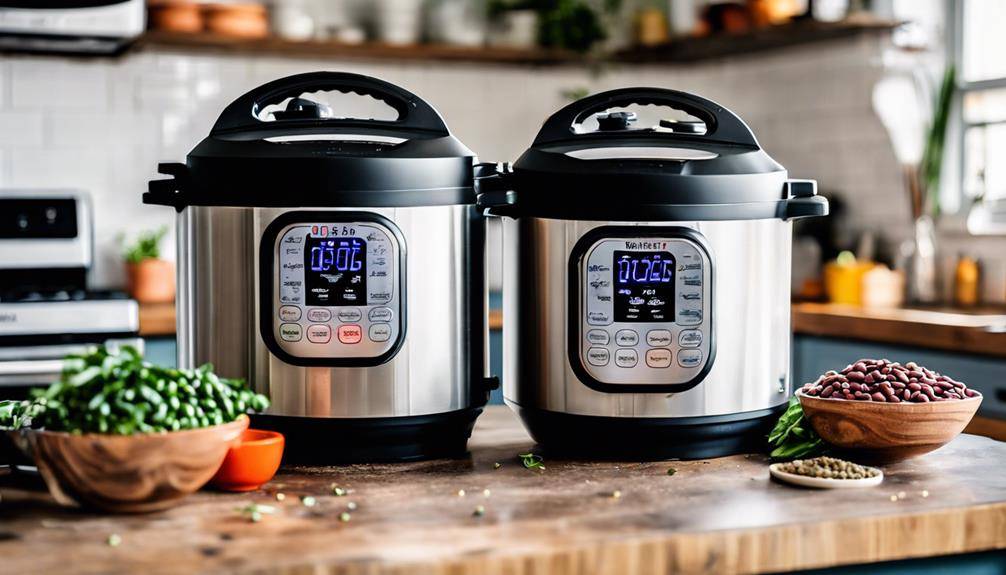
Guide To Cooking Beans In An Instant Pot; Cooking beans in an Instant Pot is a game-changer for quick meals. Start by rinsing and optionally soaking your beans to enhance texture. For most types, like black or kidney beans, simply add them to the pot with water and seasonings—no soaking necessary! Use the “Manual” setting for quick cooking times, ranging from 10 to 40 minutes depending on the variety. Remember to season towards the end to avoid toughness. After cooking, you can store leftovers easily or use them in a variety of dishes. For tips and common mistakes to avoid, stick around for more insights!
Benefits of Cooking Beans
Why should you consider cooking beans? First and foremost, beans are packed with health benefits. They’re a fantastic source of plant-based protein, making them a great choice for vegetarians and anyone looking to cut down on meat. Beans also provide essential nutrients like fiber, iron, and folate, which contribute to heart health and support weight management. Incorporating beans into your meals can help you feel fuller longer, stabilizing your blood sugar levels and reducing cravings.
On top of their nutritional value, cooking beans in an Instant Pot offers incredible cooking convenience. You can skip the soaking process, which often deters folks from cooking beans at home. Instead, you can throw dried beans directly into the Instant Pot with water and seasonings, set the timer, and let the machine do the work. The pressure cooking method notably reduces cooking time, allowing you to enjoy delicious, tender beans in a fraction of the time it would take on the stovetop.
Plus, cooking beans in an Instant Pot means less mess and fewer pots to clean afterward. You’ll appreciate the ease of preparing large batches that can be stored for later use, giving you versatile options for salads, soups, or side dishes throughout the week. So, if you want to enhance your diet and simplify meal prep, consider making beans a staple in your kitchen. They’re not just nutritious; they’re also incredibly convenient to cook!
Types of Beans to Use
When it comes to cooking beans in your Instant Pot, you’ll find a variety of popular options to choose from. Each type not only offers unique flavors but also comes with its own nutritional benefits and cooking times. Let’s explore which beans will work best for your next meal!
Popular Bean Varieties
Beans are a versatile ingredient that can elevate a variety of dishes, making them a popular choice for home cooks. When you’re looking to add flavor and texture, consider using black beans, which are great in tacos and salads. Kidney beans shine in chili, while pinto beans offer a creamy consistency perfect for refried beans.
Garbanzo beans, also known as chickpeas, are fantastic in hummus and salads. Navy beans work well in soups and stews, adding heartiness to your meals. If you’re in the mood for Italian cuisine, don’t overlook cannellini beans; they’re excellent in minestrone or as a side dish.
For a sweet twist, try adzuki beans, which are often used in Asian desserts. Fava beans provide a unique flavor and are delightful in dips or salads. Mung beans are another interesting option; they can be sprouted or used in stir-fries. Finally, lima beans add a buttery texture to your dishes. With so many options available, you’ll never run out of ways to incorporate beans into your cooking repertoire!
Nutritional Benefits Overview
Incorporating a variety of beans into your diet can greatly boost your nutritional intake. Different bean varieties offer unique health benefits, making them a fantastic addition to any meal. For instance, black beans are rich in antioxidants and protein, while kidney beans provide essential minerals like iron and potassium.
Chickpeas, another popular bean variety, are high in fiber and can help regulate blood sugar levels. Pinto beans are known for their high folate content, which is vital for cell health and development. Not to be overlooked, lentils are packed with protein and are a fantastic source of plant-based iron.
Cooking Time Differences
Understanding the nutritional benefits of various beans sets the stage for cooking them effectively. Different beans require different cooking times, and knowing these can make or break your dish. For instance, black beans typically cook in about 30-35 minutes under high pressure, while chickpeas may take around 35-40 minutes. On the other hand, lentils cook faster, usually needing just 10-15 minutes.
When choosing beans, consider their flavor profiles. Pinto beans are creamy and earthy, making them great for chili, while kidney beans add a hearty texture to stews. Each type of bean also responds well to various cooking methods. If you’re looking for a quick meal, soaking beans overnight can reduce cooking time considerably. However, if you’re short on time, the Instant Pot is a game changer, allowing you to skip soaking altogether.
Experimenting with different beans can enhance your meals and provide diverse nutritional benefits. Remember to adjust your cooking times based on the type you’re using, and don’t hesitate to explore combinations for unique flavors. With the Instant Pot, you’ll find cooking beans easier and more enjoyable than ever before.
Prepping Dried Beans
Before you plunge into cooking dried beans in your Instant Pot, proper preparation is vital for achieving the best flavor and texture. Start with your bean selection. Choose high-quality dried beans, making sure they’re fresh and free from any signs of damage or discoloration. Popular choices include black beans, chickpeas, and kidney beans, but don’t hesitate to experiment with lesser-known varieties.
Once you’ve got your beans, it’s time to rinse them. Rinsing beans removes dirt, debris, and any potential residue from storage. Place the dried beans in a colander and run them under cold water, gently shaking them to guarantee even rinsing. This step is essential, as it not only cleans the beans but also helps you spot any stones or shriveled beans that may have slipped through. Discard anything that looks questionable.
After rinsing, it’s a good idea to sort through the beans again to catch anything you might have missed. This extra step assures that you’re cooking only the best beans. If you’re considering soaking your beans, keep in mind that this isn’t mandatory for the Instant Pot, but it can affect cook times and texture. Once you’ve completed these steps, you’re ready to move on to the cooking process, where your well-prepped beans will shine in your favorite recipes. Enjoy the delicious results that come from starting with the best possible beans!
Soaking Vs. No Soaking
When it comes to cooking beans, you might wonder whether soaking is necessary. Soaking can reduce cooking time and improve digestibility, but many people choose to skip this step for convenience. Let’s explore the benefits of soaking versus cooking beans straight from the bag.
Benefits of Soaking
Soaking beans overnight can make a significant difference in your cooking process. By using effective soaking methods, you can cut down on cooking time and improve the texture of your beans. When you soak beans, they absorb water, which helps them cook more evenly and reduces the chances of them bursting during the cooking process.
The ideal duration for soaking beans usually ranges from 6 to 12 hours. This helps to rehydrate the beans and soften their skins, making them easier to digest. Soaking also helps to leach out some of the indigestible sugars that can cause gas, making your meal more enjoyable. If you’re short on time, a quick soak method can work too. Simply boil the beans for a few minutes, then let them sit for an hour.
Ultimately, soaking beans not only speeds up the cooking process but also enhances their flavor and texture. You’ll find that soaked beans absorb seasonings better, leading to a more delicious dish. So, if you want to elevate your bean dishes, don’t skip this simple yet effective step!
Cooking Without Soaking
Cooking beans without soaking is a viable option that many people choose for convenience. If you’re short on time, you can skip the soaking step and still enjoy delicious beans. The Instant Pot makes this method incredibly effective, allowing you to cook beans directly from their dry state.
Using this cooking method, you’ll find that the beans take a bit longer to cook—generally around 30 to 40 minutes, depending on the variety. However, you won’t sacrifice flavor or nutrition. The key is to guarantee you add enough water to achieve the right bean texture. A good rule of thumb is to use about three cups of water for every cup of dry beans.
While cooking without soaking might result in a slightly different texture, many people appreciate the heartiness it brings to dishes. You’ll still get tender, flavorful beans that are perfect for soups, stews, or salads. So, if you’re in a rush, don’t hesitate to embrace this method. With a little extra time in the Instant Pot, you’ll enjoy perfectly cooked beans without the need for soaking.
Instant Pot Settings Explained
Understanding the various settings on your Instant Pot can make a notable difference in how your beans turn out. The Instant Pot is equipped with multiple functions that cater to different cooking needs, and knowing how to use these settings for pressure cooking will enhance your bean-cooking experience.
The most important setting for cooking beans is the “Manual” or “Pressure Cook” function. This allows you to set the desired cooking time and pressure level. When cooking beans, you’ll typically want to use high pressure for the best results. The Instant Pot automatically releases pressure once the cooking cycle is complete, so you can enjoy perfectly cooked beans without much fuss.
Next, familiarize yourself with the “Sauté” function. This is useful for pre-cooking aromatics like onions or garlic before adding your beans and liquid. Sautéing enhances the flavor of your dish notably.
The “Slow Cook” function is another option, but it’s not ideal for beans if you’re short on time. While it allows for longer cooking periods, you’ll miss out on the efficiency of pressure cooking.
Cooking Times for Different Beans
When it comes to cooking beans in your Instant Pot, knowing the right cooking times is essential for achieving the perfect texture. Different bean varieties require various cooking times, so understanding these specifics will help you avoid undercooked or mushy results.
For instance, black beans typically need about 25-30 minutes on high pressure if you’re using dried beans. Pinto beans will take roughly the same time, around 25-30 minutes, while kidney beans require about 30-35 minutes. If you’re cooking chickpeas, expect around 35-40 minutes. On the other hand, lentils are a bit quicker, usually needing just 10-15 minutes.
If you’re using the quick soak method, where you bring dried beans to a boil and let them sit for an hour before cooking, you can reduce the cooking times slightly. For most bean varieties, this method can shave off about 5 minutes.
It’s also worth noting that if you prefer softer beans, you can add an extra 5 minutes to your cooking time. Always remember to allow for natural pressure release for at least 10 minutes after cooking; this helps enhance the texture.
With these cooking times in mind, you’ll be well on your way to mastering different cooking methods for various bean varieties in your Instant Pot, ensuring you get perfectly cooked beans every time.
Flavoring Your Beans
Adding flavor to your beans can elevate your dish from ordinary to extraordinary. To achieve that, you’ll want to incorporate a range of herbs and spices tailored to your desired flavor profiles. Whether you’re aiming for a savory, spicy, or even a sweet touch, there’s a world of options to explore.
Start by infusing your beans during the cooking process. Toss in bay leaves, garlic, or onion for a classic base. If you’re looking for warmth, consider adding cumin, smoked paprika, or chili powder. These spices not only impart flavor but also enhance the overall experience of your dish.
For a fresh touch, herbs like thyme, rosemary, or cilantro can create bright, aromatic notes. You can add these herbs either fresh or dried, but remember to adjust the quantity based on their form—dried herbs are typically more potent.
Don’t shy away from experimenting with different flavor profiles. If you’re cooking Mexican-inspired beans, consider adding chipotle peppers or oregano. For Mediterranean flair, try incorporating lemon zest and dill.
As your beans cook, they’ll absorb these flavors, creating a harmonious blend that’ll make your meal memorable. Remember to taste as you go, adjusting the seasoning to suit your palate. With the right combination of herbs and spices, you’ll transform your beans into a delightful dish that truly shines. So, get creative and enjoy the process of flavoring your beans!
Common Mistakes to Avoid
Even with the right herbs and spices, you can still run into common pitfalls while cooking beans in an Instant Pot. One of the most frequent bean cooking mistakes is not soaking your beans beforehand. While most beans can be cooked without soaking, doing so can help reduce cooking time and improve texture. If you skip this step, be prepared for longer cook times and potentially unevenly cooked beans.
Another common error is overfilling the Instant Pot. Beans expand as they cook, and if you pack them in too tightly, you could end up with a messy overflow. Stick to the recommended maximum fill line, and if you’re cooking a large batch, consider cooking them in smaller portions.
It’s also important to avoid adding acidic ingredients, like tomatoes or vinegar, too early in the cooking process. Acids can toughen the beans, making them less palatable. Instead, add these ingredients after the beans have cooked.
Don’t forget to season your beans appropriately. While you may think you can just sprinkle salt at the end, adding it during cooking can enhance the flavor. Just remember not to use too much, as beans can absorb salt readily.
How to Release Pressure
After your beans have finished cooking, it’s important to know how to release pressure properly. There are two main pressure release methods you can use: natural release and quick release. Each method has its benefits, and understanding them will help you achieve the best results.
With natural release, you simply let the Instant Pot sit for a while after the cooking cycle ends. This allows the pressure to decrease gradually on its own. It’s often the best choice for beans, as it helps them continue cooking gently and can improve their texture. Just keep an eye on the timer and wait for the pressure indicator to drop before opening the lid.
On the other hand, the quick release method is perfect when you’re in a hurry. To do this, carefully turn the valve on the Instant Pot from “Sealing” to “Venting” using a utensil, as the steam can be hot. Be cautious, as hot steam will escape rapidly. Once the pressure has fully released and the float valve drops, you can safely open the lid.
Regardless of which method you choose, always verify the pressure is completely released before attempting to open the pot. This step is vital for your safety. Remember, if you’re unsure, it’s better to err on the side of caution and opt for natural release. Your beans will thank you for it!
Storing Cooked Beans
Once you’ve cooked your beans, you’ll want to store them properly to keep them fresh. Using the right containers makes a big difference, and freezing can extend their shelf life. Let’s explore the best storage options for your delicious beans!
Best Storage Containers
When it comes to storing cooked beans, choosing the right container can make all the difference in maintaining their freshness and flavor. Glass containers are an excellent option for storing beans because they’re non-reactive and provide an airtight seal. Plus, they let you easily see what’s inside, so you’re less likely to forget about that delicious batch of beans.
If you want to maximize the shelf life of your cooked beans, consider vacuum sealing them. This method removes excess air, which can lead to spoilage, and locks in the beans’ flavor and texture. You can use vacuum-sealable bags or containers, depending on your preference. Just make sure you let the beans cool before sealing them to prevent steam buildup, which could compromise the seal.
For short-term storage, glass containers work well in the refrigerator, while vacuum-sealed bags are ideal for longer storage in the pantry or fridge. Remember to label your containers with the date to keep track of freshness. With the right storage method, you’ll enjoy your cooked beans at their best!
Freezing Cooked Beans
Freezing cooked beans is a fantastic way to preserve their flavor and texture for future meals. To get started, let your beans cool completely after cooking. This step is essential for maintaining their quality. Next, you’ll want to portion them into airtight containers or freezer bags. Remember, it’s best to freeze them in amounts that suit your typical recipes, so you won’t have to thaw more than you need.
When using freezer bags, try to remove as much air as possible before sealing them to prevent freezer burn. Label each bag with the date and type of bean for easy identification later. Here’s a great freezing tip: consider adding a bit of the cooking liquid to the beans before freezing. This helps keep them moist and flavorful when you reheat.
For ideal bean storage, use them within three to six months for the best taste, although they’ll be safe longer if stored properly. When you’re ready to use your frozen beans, simply thaw them in the fridge overnight or heat them directly from the freezer. Enjoy your perfectly preserved beans in your next culinary creation!
Recipes Featuring Cooked Beans
Beans are incredibly versatile, and there are countless ways to incorporate cooked beans into your meals. You can easily whip up a revitalizing bean salad that’s perfect for lunch or a light dinner. Start by combining your cooked beans with chopped vegetables like bell peppers, red onions, and cherry tomatoes. Toss in some fresh herbs like cilantro or parsley, and drizzle with olive oil and lemon juice to bring it all together. It’s a colorful, nutritious option that you can customize based on what you have on hand.
If you’re looking for a tasty snack or appetizer, you can’t go wrong with a bean dip. Blend cooked beans with garlic, lime juice, and your favorite spices for a creamy, flavorful dip. You can use black beans for a rich, earthy flavor or white beans for a lighter option. Serve it with tortilla chips, pita bread, or fresh veggies for a delightful treat.
Another great idea is to add cooked beans to soups and stews. They can enhance the texture and protein content while making your dish more filling. You can also incorporate them into tacos or burritos, adding a hearty element that pairs wonderfully with your favorite toppings.
With so many options available, you’ll find that cooked beans can easily become a staple in your kitchen. So, don’t hesitate to explore these recipes and discover new ways to enjoy the deliciousness of beans in your meals!
Nutritional Value of Beans
Beans are a powerhouse of nutrition, packed with protein to support your muscle health. They also serve as a great source of fiber, which can boost your digestive health and keep you feeling full. Understanding their nutritional value can help you make better choices for your meals.
Protein Content in Beans
How can you boost your protein intake while enjoying a delicious meal? Search no further than beans! These humble legumes are packed with bean protein, making them an excellent choice for anyone seeking a nutritious diet. Whether you’re a meat lover or a vegetarian, incorporating beans into your meals can help you meet your protein needs without compromising on taste.
When you cook beans, you’ll discover that different cooking methods can affect their nutritional value. Using an Instant Pot is one of the most efficient ways to prepare beans, as it retains more nutrients compared to boiling. This method not only speeds up the cooking process but also locks in the bean protein, ensuring you get the most out of your meals.
A single cup of cooked beans can deliver anywhere from 15 to 20 grams of protein, depending on the variety. This makes beans a fantastic addition to salads, soups, or even as a hearty side dish. So, the next time you’re searching for a protein boost, remember that beans are a delicious and versatile option you can easily incorporate into your cooking routine.
Fiber and Digestive Health
Boost your digestive health by adding fiber-rich foods to your meals, and beans are a stellar choice. Packed with fiber, they serve as excellent fiber sources that support your digestive system. Including beans in your diet can enhance your gut health, promote regular bowel movements, and prevent constipation.
The soluble fiber found in beans helps to maintain healthy cholesterol levels, while the insoluble fiber aids in digestion. This balance not only contributes to a feeling of fullness but also supports the growth of beneficial gut bacteria—crucial for peak digestive benefits.
With an Instant Pot, cooking beans is quick and easy, making it simple to incorporate them into your weekly meal rotation. Whether you’re whipping up a hearty chili or a simple bean salad, you’re not only enjoying delicious meals but also enhancing your overall health.
Cooking Beans in Bulk
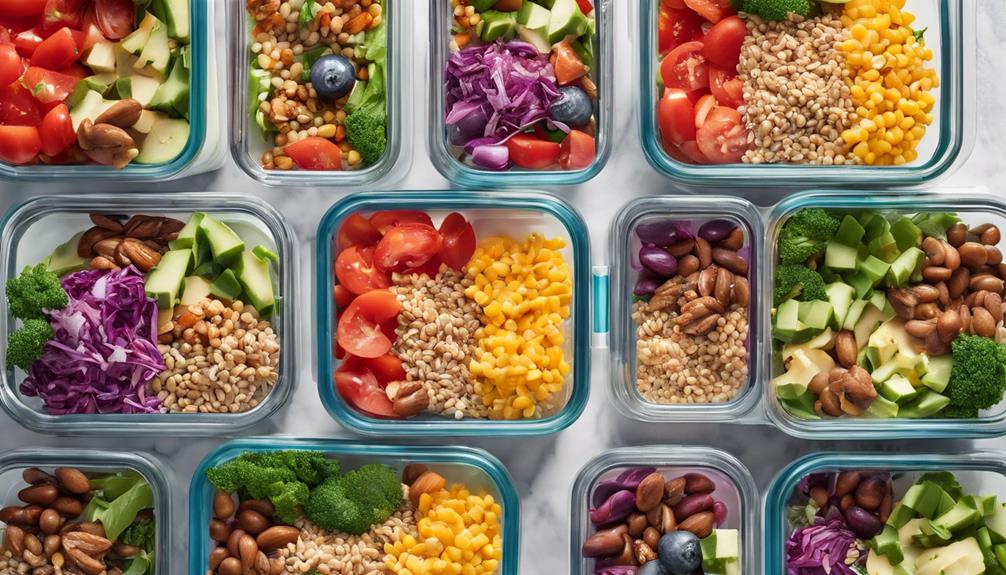
Cooking beans in bulk not only saves time but also enhances your meal prep efficiency. When you prepare a large batch of beans at once, you can easily store them for future meals, allowing you to whip up dishes in no time during your busy weekdays. Different bean varieties, like black beans, chickpeas, and lentils, each have their unique flavors and textures, so consider mixing them up to keep your meals exciting.
To start, choose your preferred bean varieties and soak them overnight to reduce cooking time and improve digestibility. Using your Instant Pot, you can cook a huge batch in under an hour, depending on the type of beans. Once cooked, let them cool before portioning them out.
For bulk storage, use airtight containers or freezer bags to keep your beans fresh. You can store them in the fridge for up to five days or freeze them for several months. Label your containers with the variety and date to keep track of freshness. This way, when you need beans for a soup, salad, or chili, you can grab a portion without any hassle.
Cooking beans in bulk not only makes meal prep easier but also encourages you to incorporate more plant-based proteins into your diet. By having a variety of beans ready to use, you’ll find it easier to experiment with new recipes and flavors, making your meals both nutritious and delicious.
Tips for Perfect Beans
To guarantee your beans turn out perfectly every time, pay attention to a few key factors. Start by choosing the right bean cooking techniques. Rinse your beans thoroughly to remove any debris or impurities. Soaking your beans for a few hours or overnight can help reduce cooking time and improve texture, but if you’re using the Instant Pot, you can skip this step. Just add enough water to cover the beans, typically about 3-4 cups per pound of beans.
Next, don’t forget about seasoning suggestions. While it’s tempting to add salt at the beginning, wait until the end of cooking to season your beans. Adding salt too early can make the beans tough. Instead, consider using aromatics like garlic, onion, or bay leaves in the cooking liquid for enhanced flavor. You might also want to experiment with spices like cumin, paprika, or chili powder, depending on the dish you’re preparing.
When cooking in your Instant Pot, use the manual setting for the right cooking time—generally, 30-40 minutes for dried beans, depending on the variety. After cooking, allow the pressure to release naturally for the best texture. Finally, taste your beans before serving and adjust the seasoning as needed. With these tips, you’ll enjoy perfectly cooked beans that are flavorful and satisfying every time you use your Instant Pot.
Troubleshooting Common Issues
When using an Instant Pot for beans, you might encounter a few common issues that can affect your cooking experience. One common problem is undercooked beans. If your beans aren’t tender after the suggested cooking time, it may be due to incorrect ingredient ratios or cooking times. Always verify you’re using enough water and the right amount of beans for ideal results.
On the flip side, overcooked beans can also be an issue. If you find your beans mushy or falling apart, you may need to adjust your cooking times. Keep in mind that different beans have varying cooking times, so consult your Instant Pot guide for specifics.
Excessive foam during cooking can cause the lid to lose its seal. This usually happens with certain beans, like kidney or black beans. To minimize foam, consider pre-soaking your beans or adding a tablespoon of oil to the pot. If the pressure release is too vigorous, it can also lead to messy spills, so be cautious when using quick release.
Flavor absorption is essential, too. If your beans taste bland, you might need to make seasoning adjustments. Adding salt too early can hinder flavor absorption, so wait until after cooking.
Frequently Asked Questions: Guide To Cooking Beans In An Instant Pot
Can I Cook Canned Beans in an Instant Pot?
Yes, you can cook canned bean varieties in an Instant Pot. It’s quick and easy, saving you time. The Instant Pot benefits include enhanced flavor and the ability to combine ingredients effortlessly for delicious meals.
What Is the Best Method for Reheating Cooked Beans?
To reheat cooked beans, use gentle techniques like stovetop simmering or microwave heating. Both methods preserve texture while enhancing flavor. Add a splash of broth or spices for an extra boost during reheating. Enjoy!
How Do I Prevent Beans From Foaming in the Pot?
To prevent beans from foaming, soak them beforehand. This technique reduces starch release. When you’re ready to cook, use a natural pressure release to minimize foaming and guarantee a smoother cooking process.
Can I Cook Beans With Other Ingredients at the Same Time?
Yes, you can cook beans with other ingredients at the same time. Just make sure to adjust cooking times and consider the spice combinations to enhance flavors without compromising the beans’ texture and doneness.
How Long Can Cooked Beans Be Stored in the Freezer?
You can store cooked beans in the freezer for up to six months. Use airtight storage containers for best results, and remember these freezing tips: label them with dates and portion them for easy use later.

Conclusion
Now that you’ve learned how to cook beans in an Instant Pot, you can enjoy their deliciousness and health benefits with ease. Whether you soak them or not, you’ll find the perfect method that suits your taste. Remember to experiment with different types of beans and flavors. With these tips and insights, you’ll be a bean-cooking pro in no time. So grab your Instant Pot and start creating tasty, nutritious meals today!
If you enjoyed exploring this topic and want to dive even deeper, be sure to check out some of our other articles here on Infinite Flavors. From rich culinary histories to creative twists on classic recipes, there’s always something new to discover. Whether you’re curious about the origins of a dish, looking for fresh inspiration in the kitchen, or simply love learning about food culture, our collection of posts is the perfect next step on your flavor journey.
The Best Instant Pot Accessories For Culinary Success
Exciting Vegan-Friendly For Exceptional Slow Cooking Techniques
Great Benefits And How-To Guide For Slow Cooking Techniques