Discovering The Great Health Benefits Of Korean Fermented Foods
Health Benefits Of Korean Fermented Foods; Imagine a world where you can satisfy your taste buds while boosting your health at the same time. Well, get ready to explore the incredible world of Korean fermented foods. From kimchi to doenjang, these traditional dishes have been cherished for centuries, not only for their unique flavors but also for their numerous health benefits. But what exactly are these benefits, and how can they improve your well-being? Stay tuned as we unravel the secrets behind the science of fermentation and how it can positively impact your gut health, inflammation levels, and even mental well-being. Get ready to embark on a journey of discovery that will leave you craving for more.
What Are Korean Fermented Foods?
Korean fermented foods, characterized by their rich flavors and unique textures, are a diverse range of traditional dishes that have undergone a natural fermentation process to enhance their nutritional value and promote good health. These foods hold great cultural significance in Korean cuisine and have become popular dishes both domestically and internationally.
Fermentation is a process in which microorganisms, such as bacteria and yeast, convert carbohydrates into acids, gases, or alcohol. This transformative process not only preserves the food but also creates new compounds that contribute to the distinct flavors and textures of Korean fermented foods.
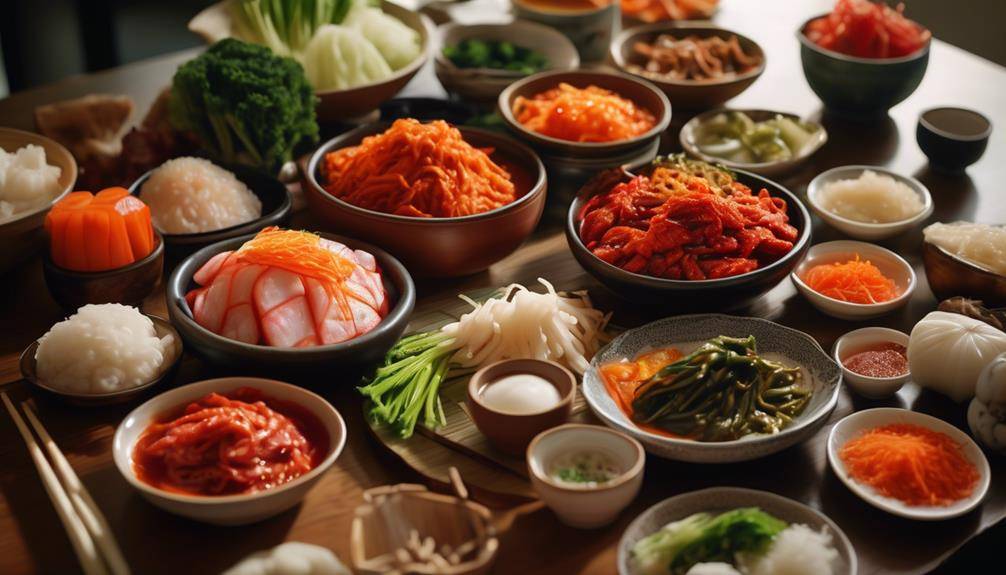
One of the most well-known Korean fermented foods is kimchi, a spicy and tangy side dish made from fermented vegetables, usually cabbage or radishes. Kimchi has been a staple in Korean cuisine for centuries and is a symbol of Korean culture. It is not only enjoyed as a side dish but is also used as an ingredient in various Korean dishes, such as stews and fried rice.
Another popular Korean fermented food is doenjang, a traditional soybean paste. Doenjang is made by fermenting soybeans with salt and a specific strain of mold. This fermentation process results in a rich and savory paste that is commonly used as a base for soups, marinades, and dipping sauces.
Other examples of Korean fermented foods include gochujang, a spicy fermented red chili paste, and makgeolli, a traditional rice wine. These foods have gained popularity worldwide due to their unique flavors and health benefits.
History of Korean Fermentation Techniques
The rich history of fermentation techniques in Korea dates back centuries and has played a significant role in the development of Korean culinary traditions. Korean fermentation history holds immense cultural significance and has shaped the way Koreans prepare and enjoy their food. Traditional fermentation techniques have been passed down through generations, contributing to the unique flavors and health benefits of Korean fermented foods.
One of the most well-known traditional fermentation techniques in Korea is kimchi-making. Kimchi, a spicy fermented vegetable dish, has been a staple in Korean cuisine for hundreds of years. It is made by fermenting cabbage or radishes with various seasonings, such as chili pepper, garlic, and ginger. The fermentation process not only enhances the taste of the vegetables but also increases their nutritional value by producing beneficial bacteria and enzymes.
Another traditional fermentation technique is the production of doenjang, a soybean paste that is essential in Korean cooking. Doenjang is made by fermenting soybeans with salt and a specific strain of mold called Aspergillus oryzae. This fermentation process can take up to several months, during which the soybeans undergo biochemical changes that result in the development of unique flavors and aromas.
Traditional Korean fermentation techniques are deeply rooted in the country’s history and have become an integral part of its culinary heritage. These techniques have not only preserved food but also enhanced its taste, texture, and nutritional value. The cultural significance of these fermentation practices can be seen in the numerous festivals and celebrations dedicated to fermented foods in Korea.
The Science Behind Fermentation
Let’s explore the science behind fermentation and its impact on your health. Fermentation plays a crucial role in promoting gut health by increasing the diversity and abundance of beneficial bacteria in your digestive system. These bacteria help break down food, enhance nutrient absorption, and boost immunity. Incorporating fermented foods into your diet can provide a natural source of probiotics that support a healthy gut and strengthen your immune system.
Fermentation and Gut Health
How does fermentation contribute to gut health?
Fermentation plays a crucial role in promoting gut health. Here are three ways in which fermentation benefits the gut:
- Increased probiotic content: Fermented foods are rich in beneficial bacteria, known as probiotics. These live microorganisms help improve the balance of gut bacteria, which has been linked to various health benefits, including better mental health and enhanced skin health.
- Enhanced nutrient absorption: Fermentation breaks down complex molecules into simpler forms, making them easier to digest and absorb. This process increases the bioavailability of nutrients, such as vitamins, minerals, and antioxidants, present in fermented foods. Improved nutrient absorption can support overall gut health and contribute to the optimal functioning of the body.
- Reduced inflammation: Fermented foods contain bioactive compounds, including short-chain fatty acids (SCFAs), which have anti-inflammatory properties. By reducing inflammation in the gut, fermentation helps maintain a healthy gut environment and may alleviate symptoms associated with gastrointestinal disorders.
Fermented Foods and Immunity
Fermentation not only contributes to gut health but also plays a significant role in enhancing immune function through the science behind fermented foods. Research suggests that consuming fermented foods can help alleviate allergies. Fermented foods contain beneficial bacteria, such as lactobacilli and bifidobacteria, which have been shown to modulate the immune system and reduce allergic responses. These bacteria promote the production of anti-inflammatory compounds, regulate immune cell activity, and strengthen the gut barrier, thus reducing the risk of allergies.
Additionally, fermented foods have been found to have positive effects on skin health. The beneficial bacteria in these foods can improve skin conditions like eczema and acne by reducing inflammation and strengthening the skin’s barrier function. Incorporating fermented foods into your diet may therefore offer potential benefits for both your immune system and skin health.
Health Benefits of Probiotics in Korean Fermented Foods
Probiotics found in Korean fermented foods offer numerous health benefits for your gut. These beneficial bacteria help maintain a healthy balance of microorganisms in your digestive system, promoting better digestion and reducing digestive issues such as bloating and constipation. Additionally, probiotics support your immune system by enhancing the production of immune cells and strengthening your body’s defense against harmful pathogens.
Gut Health Benefits
Consuming Korean fermented foods can significantly improve your gut health due to the presence of beneficial bacteria that promote a balanced microbiome. These probiotics play a crucial role in maintaining the health of your gut and have been linked to various benefits. Here are three ways in which Korean fermented foods can positively impact your gut health:
- Gut-Brain Connection: The gut is often referred to as the “second brain” due to its close connection with the central nervous system. The probiotics in Korean fermented foods can help regulate the production of neurotransmitters, such as serotonin, which are essential for mood regulation and overall mental well-being.
- Fermentation: The fermentation process involved in making Korean fermented foods increases the bioavailability of nutrients, making them easier for your body to absorb. This can enhance your gut’s ability to break down food and extract essential nutrients, leading to better overall digestion and nutrient absorption.
- Skin Health: Research has shown a link between gut health and skin health. The probiotics in Korean fermented foods may help improve various skin conditions, such as acne and eczema, by reducing inflammation and supporting a healthy balance of bacteria on the skin.
Incorporating Korean fermented foods into your diet can be a delicious way to improve your gut health and reap the benefits of probiotics.
Immune System Support
Incorporating Korean fermented foods into your diet can provide significant immune system support through the health benefits of the probiotics they contain. Probiotics are live microorganisms that, when consumed in adequate amounts, confer health benefits on the host. These beneficial bacteria help maintain a healthy gut by promoting the growth of beneficial microorganisms and inhibiting the growth of harmful bacteria.
The fermentation process involved in the production of Korean fermented foods, such as kimchi and doenjang, increases the concentration of probiotics, making them even more beneficial for gut health. Research has shown that probiotics can modulate the immune response, enhancing the body’s defense against pathogens and reducing inflammation. By consuming Korean fermented foods rich in probiotics, you can support your immune system and potentially reduce the risk of immune-related disorders.
Enhanced Nutrient Absorption
By including Korean fermented foods in your diet, you can enhance nutrient absorption through the health benefits of the probiotics they contain. Probiotics are live microorganisms that, when consumed in adequate amounts, confer health benefits on the host. Here’s how Korean fermented foods can help boost nutrient uptake and maximize nutrient absorption:
- Probiotics in Korean fermented foods promote a healthy gut microbiota, which is essential for efficient nutrient absorption.
- These beneficial bacteria produce enzymes that help break down complex nutrients, making them easier for your body to absorb.
- Probiotics also enhance the production of short-chain fatty acids, which can further improve nutrient absorption by increasing the surface area of the intestinal lining.
Boosting Gut Health With Korean Fermented Foods
Fermented foods play a crucial role in promoting optimal gut health and can be a valuable addition to your diet. Korean fermented foods, in particular, offer numerous benefits for boosting gut health and improving digestion. The process of fermentation involves the breakdown of carbohydrates and proteins by beneficial bacteria and yeasts, resulting in the production of lactic acid, vitamins, enzymes, and other bioactive compounds.
One of the main ways in which Korean fermented foods promote gut health is by providing a rich source of probiotics. Probiotics are live microorganisms that, when consumed in adequate amounts, confer health benefits to the host. These beneficial bacteria help to restore and maintain a healthy balance of gut flora, improving digestion and nutrient absorption. Studies have shown that consuming probiotics can alleviate symptoms of digestive disorders such as irritable bowel syndrome and improve overall gut health.
In addition to probiotics, Korean fermented foods also contain prebiotics. Prebiotics are non-digestible fibers that serve as food for the beneficial bacteria in our gut. By promoting the growth and activity of these beneficial bacteria, prebiotics can enhance gut health and improve digestion. Korean fermented foods such as kimchi, doenjang, and soy sauce are rich sources of prebiotics, providing nourishment for the beneficial bacteria in your gut.
Furthermore, Korean fermented foods are known for their high content of bioactive compounds such as polyphenols and antioxidants. These compounds have been shown to have anti-inflammatory and immune-modulating effects, which can further support gut health. By reducing inflammation in the gut and boosting the immune system, Korean fermented foods can help maintain a healthy gut environment and improve digestion.
Korean Fermented Foods for Weight Management
To further explore the benefits of Korean fermented foods, let’s now explore their potential role in weight management. Korean fermented foods have gained attention for their potential weight loss benefits and metabolic health improvements. Here are three reasons why Korean fermented foods may be beneficial for weight management:
- Increased satiety: Korean fermented foods, such as kimchi and fermented soybean paste (doenjang), are rich in dietary fiber. Fiber adds bulk to your diet, making you feel fuller for longer periods. By promoting a feeling of satiety, these fermented foods may help reduce overall calorie intake, leading to weight loss.
- Improved gut health: The fermentation process used in Korean foods produces beneficial bacteria known as probiotics. These probiotics help maintain a healthy balance of gut bacteria, which has been linked to improved metabolic health. A healthy gut microbiota composition has been associated with a lower risk of obesity and metabolic disorders.
- Enhanced metabolism: Certain compounds found in Korean fermented foods, such as short-chain fatty acids (SCFAs), have been shown to have a positive impact on metabolic health. SCFAs are produced during the fermentation process and have been linked to improved insulin sensitivity and increased fat burning. These effects may contribute to weight loss and better metabolic function.
Incorporating Korean fermented foods into your diet may have potential benefits for weight management. However, it is important to note that weight loss is a complex process and cannot be solely attributed to fermented foods. It is recommended to incorporate a balanced diet, regular exercise, and overall healthy lifestyle habits for effective weight management.
Strengthening the Immune System With Korean Fermentation
Incorporating Korean fermented foods into your diet can potentially strengthen your immune system, promoting overall well-being. Korean fermentation techniques have been used for centuries to preserve food and enhance its nutritional value. These fermented foods are rich in beneficial bacteria, enzymes, and antioxidants that play a crucial role in supporting your immune system.
One of the main ways in which Korean fermented foods strengthen the immune system is by promoting a healthy gut microbiota. The gut microbiota is a collection of trillions of bacteria that resides in your intestines and plays a vital role in immune function. The probiotics found in Korean fermented foods, such as kimchi and doenjang, help to maintain a diverse and balanced gut microbiota. This, in turn, strengthens the immune system, as the gut microbiota communicates with immune cells and helps regulate immune responses.
Furthermore, Korean fermented foods contain bioactive compounds that have been shown to have immune-boosting properties. For example, the fermentation process increases the bioavailability of certain nutrients, such as vitamins and minerals, which are essential for proper immune function. Additionally, the fermentation of cabbage in kimchi produces a compound called lactobacillus plantarum, which has been found to enhance the activity of natural killer cells, a type of immune cell that plays a crucial role in fighting off infections.
Korean Fermented Foods and Their Antioxidant Properties
Korean fermented foods are known for their antioxidant-rich properties, which contribute to their numerous health benefits. Fermentation process enhances the antioxidant content of these foods by increasing the availability of bioactive compounds such as phenolics and flavonoids. These antioxidants help protect the body against oxidative stress and inflammation, which can lead to chronic diseases.
Antioxidant-Rich Fermented Foods
Fermented foods from Korea contain a wide range of antioxidants, which contribute to their numerous health benefits. The fermentation process involved in making these foods not only enhances their flavor and shelf life but also increases their antioxidant content. Here are some key points to understand the antioxidant-rich nature of Korean fermented foods:
- Fermentation increases antioxidant activity: The fermentation process increases the bioavailability and concentration of antioxidants in foods, making them more beneficial for health.
- Various antioxidants are present: Korean fermented foods contain a diverse array of antioxidants, including phenolic compounds, flavonoids, and vitamins, which help neutralize harmful free radicals in the body.
- Enhanced antioxidant potential: Studies have shown that the fermentation process can enhance the antioxidant potential of certain foods, such as kimchi, soybean paste, and fermented soybean products.
Health Benefits of Fermentation
To further explore the benefits of fermentation, let’s now delve into the health advantages associated with Korean fermented foods and their rich antioxidant properties. Fermentation has been found to have positive effects on various aspects of health, including skin health and disease prevention.
One of the notable benefits of fermented foods is their impact on skin health. Research suggests that the consumption of fermented foods can improve the overall appearance and health of the skin. Fermented foods contain beneficial bacteria, such as lactobacillus and bifidobacterium, which promote a healthy gut microbiome. A healthy gut microbiome is associated with improved skin conditions, such as reduced acne and inflammation.
In addition to improving skin health, fermented foods play a significant role in disease prevention. Fermentation enhances the bioavailability of nutrients, such as vitamins, minerals, and antioxidants, making them more accessible to the body. Antioxidants found in fermented foods help neutralize harmful free radicals, which can contribute to the development of chronic diseases, including cardiovascular disease, cancer, and diabetes.
Korean Fermented Foods for Improved Digestion
Consuming fermented foods as part of your diet can contribute to improved digestion and overall gut health. Korean fermented foods, in particular, are known for their numerous health benefits. Here are some ways in which these foods can help improve your digestion:
- Balancing Gut Microbiota: Korean fermented foods, such as kimchi and doenjang, are rich in beneficial bacteria known as probiotics. These probiotics help restore and maintain a healthy balance of bacteria in your gut. A balanced gut microbiota is essential for proper digestion and nutrient absorption.
- Enhancing Digestive Enzymes: Fermented foods contain enzymes that aid in the breakdown and digestion of food. These enzymes, produced during the fermentation process, help your body break down complex carbohydrates, proteins, and fats, making them easier to digest and absorb.
- Reducing Inflammation: Certain compounds found in Korean fermented foods, like lactobacilli and short-chain fatty acids, have anti-inflammatory properties. Inflammation in the gut can lead to digestive issues, such as bloating, gas, and discomfort. By reducing inflammation, fermented foods can help alleviate these symptoms and improve overall gut health.
In addition to improving gut health, Korean fermented foods may also promote weight loss. Here’s how:
- Increasing Satiety: Fermented foods are often rich in fiber, which helps you feel fuller for longer. This can prevent overeating and contribute to weight loss by reducing calorie intake.
- Boosting Metabolism: Some studies suggest that the probiotics present in fermented foods may increase the production of certain hormones that regulate metabolism. This increase in metabolism can help burn calories more efficiently and support weight loss efforts.
- Regulating Blood Sugar: The fiber and probiotics in fermented foods can also help stabilize blood sugar levels. This can prevent spikes and crashes in blood sugar, which can contribute to cravings and overeating.
Incorporating Korean fermented foods into your diet can be a delicious and effective way to improve digestion, promote weight loss, and support overall gut health.
Enhancing Nutrient Absorption With Korean Fermentation
Enhancing nutrient absorption is one of the key benefits of incorporating Korean fermented foods into your diet. The process of fermentation not only improves the taste and shelf life of foods but also enhances their nutritional value. Korean fermented foods, such as kimchi, doenjang, and makgeolli, are rich in beneficial bacteria, enzymes, and organic acids that promote digestive health and optimize nutrient absorption.
When foods undergo fermentation, the beneficial bacteria present in them break down complex molecules into simpler forms, making it easier for your body to absorb nutrients. For example, kimchi, a traditional Korean side dish made from fermented vegetables, contains lactic acid bacteria that help break down proteins into amino acids. These amino acids are the building blocks of proteins and are crucial for various bodily functions, including muscle growth and repair.
Furthermore, the fermentation process increases the bioavailability of certain vitamins and minerals in foods. For instance, fermented soybean paste, or doenjang, is a staple in Korean cuisine. This fermented paste contains enzymes that enhance the absorption of iron and calcium, essential minerals for maintaining healthy blood and bone health, respectively.
Additionally, the organic acids produced during fermentation, such as lactic acid and acetic acid, create a favorable environment in the gut, promoting the growth of beneficial bacteria and inhibiting the growth of harmful bacteria. A healthy gut microbiota is essential for proper digestion and nutrient absorption.
Incorporating Korean fermented foods into your diet can therefore enhance nutrient absorption and promote digestive health. By consuming these foods regularly, you can optimize your body’s ability to extract the maximum nutritional value from the foods you eat, leading to improved overall health and well-being.
Korean Fermented Foods for Heart Health
Korean fermented foods offer potential benefits for heart health by providing a rich source of beneficial nutrients and compounds. Incorporating these foods into your diet can contribute to cholesterol reduction and blood pressure control. Here are three ways in which Korean fermented foods can promote a healthy heart:
- Cholesterol Reduction: High levels of LDL (low-density lipoprotein) cholesterol can increase the risk of heart disease. Korean fermented foods, such as kimchi and doenjang, contain probiotics that have been shown to reduce LDL cholesterol levels. These probiotics work by inhibiting the absorption of dietary cholesterol in the intestines. Additionally, the fermentation process itself enhances the bioavailability of certain nutrients, such as phytosterols, which can help lower cholesterol levels.
- Blood Pressure Control: Hypertension, or high blood pressure, is a major risk factor for heart disease. Korean fermented foods, like soybean paste and fermented soybeans, contain bioactive peptides that can help regulate blood pressure. These peptides act as natural ACE inhibitors, which can help relax blood vessels and reduce blood pressure. Incorporating these foods into your diet may help maintain healthy blood pressure levels and reduce the risk of heart disease.
- Antioxidant Activity: Korean fermented foods are rich in antioxidants, which can protect the heart from oxidative stress and inflammation. These foods contain various bioactive compounds, such as flavonoids and phenolic compounds, that have been shown to have strong antioxidant properties. By consuming these foods regularly, you can support overall heart health and reduce the risk of cardiovascular diseases.
Korean Fermented Foods and Their Anti-Inflammatory Effects
The anti-inflammatory effects of Korean fermented foods have been scientifically demonstrated, providing evidence of their potential health benefits. These foods have been found to have positive effects on both skin health and arthritis relief due to their ability to reduce inflammation in the body.
Korean fermented foods, such as kimchi and doenjang, contain a variety of beneficial microorganisms, including lactic acid bacteria and probiotics. These microorganisms produce bioactive compounds during the fermentation process, which have been shown to have anti-inflammatory properties. These compounds can help regulate the immune system and reduce the production of inflammatory markers in the body.
In terms of skin health, studies have shown that the consumption of Korean fermented foods can improve various skin conditions, such as acne and eczema. The anti-inflammatory effects of these foods can help reduce redness, swelling, and itching associated with these skin conditions. Additionally, the probiotics found in these fermented foods can promote a healthy balance of bacteria in the gut, which is known to have a positive impact on skin health.
Furthermore, Korean fermented foods have been found to provide relief for individuals suffering from arthritis. The anti-inflammatory properties of these foods can help alleviate joint pain and stiffness associated with the condition. Studies have shown that the consumption of these fermented foods can lead to a reduction in inflammatory markers in the blood, indicating a decrease in inflammation.
Korean Fermented Foods for Mental Well-Being
Korean fermented foods offer numerous benefits for your mental well-being. These foods have mood-boosting properties that can help improve your overall mood and reduce symptoms of anxiety and depression. Additionally, they have stress reduction effects and can enhance cognitive function, improving your ability to focus and concentrate. Incorporating Korean fermented foods into your diet may be a simple and effective way to support your mental health.
Mood-Boosting Properties
Regular consumption of fermented foods has been shown to have mood-boosting properties, contributing to improved mental well-being. The following evidence-based benefits highlight the positive impact of fermented foods on emotional well-being:
- Increased production of serotonin: Fermented foods contain beneficial bacteria that can stimulate the production of serotonin, a neurotransmitter known for its mood-regulating effects. Higher serotonin levels can lead to improved emotional well-being and reduced symptoms of depression and anxiety.
- Reduced inflammation: Fermented foods have anti-inflammatory properties that can help lower inflammation levels in the body. Chronic inflammation has been linked to an increased risk of mental health disorders, and by reducing inflammation, fermented foods may contribute to a more positive mood.
- Gut-brain axis communication: The gut and brain are connected through a bidirectional communication pathway known as the gut-brain axis. Fermented foods support a healthy gut microbiome, which in turn influences brain function and emotional well-being.
Stress Reduction Effects
To understand the stress reduction effects of Korean fermented foods on mental well-being, it is important to examine their impact on the body’s stress response. Stress management is crucial for maintaining good mental health, and research suggests that Korean fermented foods may play a role in reducing anxiety and promoting relaxation. A study published in the Journal of Medicinal Food found that consuming fermented kimchi led to a decrease in stress hormone levels and an increase in serotonin, a neurotransmitter known for its mood-regulating properties.
Additionally, fermented foods contain probiotics, which have been shown to have a positive impact on mental health. These beneficial bacteria can help regulate the gut-brain axis, influencing neurotransmitter production and reducing anxiety. Incorporating Korean fermented foods into your diet may therefore be a natural and effective way to support your mental well-being and promote stress reduction.
Cognitive Function Enhancement
Understanding the potential benefits of Korean fermented foods on mental well-being, it is important to explore their impact on cognitive function enhancement. Research suggests that consuming Korean fermented foods can lead to improvements in cognitive performance and memory enhancement. Here are three ways in which Korean fermented foods may enhance cognitive function:
- Increased production of neurotransmitters: Fermented foods contain beneficial bacteria that can positively influence the gut-brain axis, leading to the production of neurotransmitters like serotonin and dopamine, which are important for cognitive function.
- Reduction in inflammation: Korean fermented foods have anti-inflammatory properties, and chronic inflammation has been linked to cognitive decline. By reducing inflammation, these foods may help protect against cognitive impairment.
- Rich in antioxidants: Fermented foods are often rich in antioxidants, which can help fight oxidative stress and protect brain cells from damage, thus enhancing cognitive function.
Incorporating Korean fermented foods into your diet may be a promising way to boost cognitive performance and promote memory enhancement.
Incorporating Korean Fermented Foods Into Your Diet
Incorporate Korean fermented foods into your diet to reap their numerous health benefits and enhance your overall well-being. Whether you follow a vegan diet or are looking to improve your skin health, Korean fermented foods can be a valuable addition to your daily meals.
For those following a vegan diet, incorporating Korean fermented foods can provide a rich source of essential nutrients. Traditional Korean fermented foods such as kimchi, doenjang, and soy sauce are plant-based and can be easily included in vegan meals. These fermented foods are not only packed with vitamins and minerals but also contain probiotics, which can enhance gut health and improve digestion. The fermentation process also increases the bioavailability of certain nutrients, making them easier for your body to absorb and utilize.
When it comes to skin health, Korean fermented foods have long been recognized for their beneficial effects. Fermented foods like kimchi, yogurt, and kefir contain probiotics that can help balance the skin’s microbiome, reducing inflammation and promoting a healthy complexion. The high content of antioxidants in Korean fermented foods can also contribute to skin rejuvenation and overall skin health.
To incorporate Korean fermented foods into your diet, you can start by adding a serving of kimchi or fermented vegetables as a side dish to your meals. You can also enjoy a bowl of doenjang soup or use soy sauce as a flavor enhancer in your dishes. For those who enjoy snacking, try including fermented products like yogurt or kefir.
Precautions and Considerations When Consuming Korean Fermented Foods
When consuming Korean fermented foods, it is important to be aware of certain precautions and considerations to ensure their safe and beneficial consumption. While these foods offer numerous health benefits, it is crucial to take certain measures to avoid any potential risks or adverse reactions. Here are some precautions and considerations to keep in mind:
- Allergies: Some individuals may have allergies or sensitivities to certain ingredients used in Korean fermented foods. Common allergens include soy, fish sauce, and shellfish. If you have known allergies, it is essential to carefully read the labels and ingredient lists of these foods to avoid any potential allergic reactions.
- Quality and Hygiene: Ensure that you purchase fermented foods from reputable sources or make them at home using proper fermentation techniques. Quality and hygiene play a crucial role in the safety of these foods. Make sure the products are properly stored, refrigerated if necessary, and consumed before their expiration dates.
- Moderation: While Korean fermented foods can be beneficial for health, it is important to consume them in moderation. Excessive consumption may lead to digestive discomfort, as they are rich in probiotics and can alter the gut microbiota balance. Start with small portions and gradually increase intake as tolerated.
Frequently Asked Questions: Health Benefits Of Korean Fermented Foods
Can Korean Fermented Foods Be Harmful if Consumed in Large Quantities?
Consuming large quantities of Korean fermented foods can have potential risks to your health. It is important to adhere to recommended serving sizes to avoid any adverse effects on your body.
Are There Any Specific Fermented Foods That Are Recommended for Weight Loss?
To support weight loss, consider incorporating fermented food alternatives into your diet. These foods not only aid in maintaining a healthy gut microbiome, but also offer potential benefits for weight management.
How Long Does It Take for Fermented Foods to Have a Positive Effect on Gut Health?
It takes time for fermented foods to positively impact your gut health. The effectiveness of these foods depends on various factors, such as the type of fermentation and your individual digestive system. Regular consumption can improve digestion and overall gut health.
Can Fermented Foods Help With Reducing Symptoms of Specific Digestive Disorders?
Fermented foods can be effective in reducing symptoms of specific digestive disorders. However, their effectiveness and limitations may vary. They play a role in promoting gut health by providing beneficial bacteria and improving digestion.
Are There Any Potential Side Effects or Interactions With Medication That Should Be Considered When Consuming Korean Fermented Foods?
When consuming Korean fermented foods, it is important to consider potential drug interactions and long-term effects. These foods may interact with certain medications, so it is wise to consult with a healthcare professional for personalized advice.

Conclusion
In conclusion, Korean fermented foods have been shown to offer a range of health benefits. The probiotics found in these foods can improve gut health, boost the immune system, and reduce inflammation. Additionally, incorporating Korean fermented foods into your diet may have positive effects on mental well-being. However, it is important to consume them in moderation and consider any personal allergies or sensitivities. Overall, the science behind fermentation supports the inclusion of these traditional foods for improving overall health and well-being.