14 Great Delicious And Healthy Gluten-Free Lunch Recipes
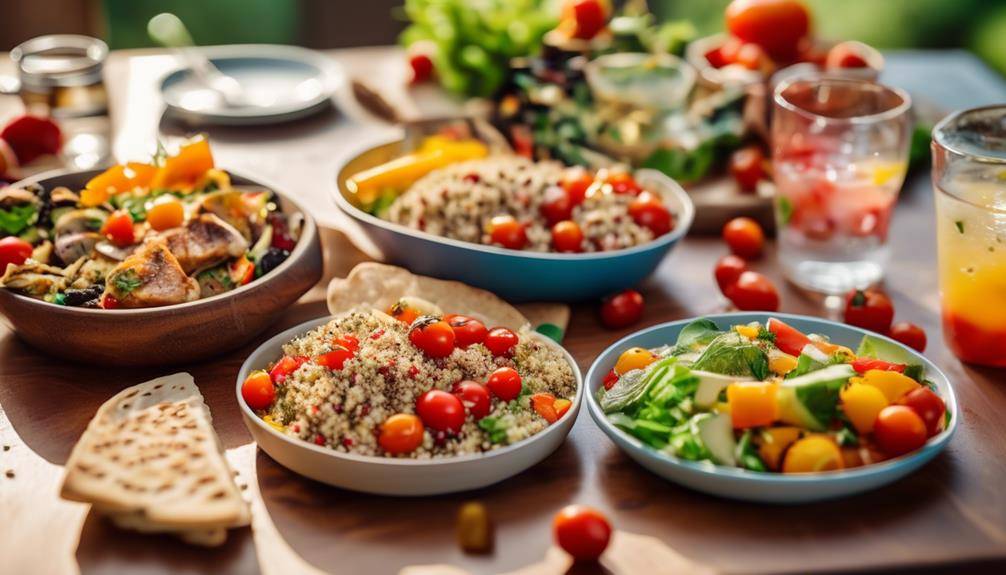
Healthy Gluten-Free Lunch Recipes; Picture yourself sitting down to a satisfying and nourishing lunch that not only tastes delicious but also fits into your gluten-free lifestyle. Imagine the aroma of fresh herbs and spices wafting through the air as you take your first bite. If you’re looking for new and exciting gluten-free lunch recipes to add to your repertoire, look no further. In this article, you’ll discover 14 mouthwatering options that will leave you craving for more. So, whether you’re a seasoned gluten-free eater or just starting out, get ready to tantalize your taste buds with these delectable creations.
Quinoa Stuffed Bell Peppers
Quinoa Stuffed Bell Peppers offer a delectable and nutritious gluten-free lunch option that is packed with flavor and wholesome ingredients. Quinoa, a versatile grain-like seed, is the star of this recipe. Not only is it naturally gluten-free, but it is also high in protein, fiber, and essential nutrients. When combined with the vibrant colors and flavors of bell peppers, this dish becomes a feast for both the eyes and the taste buds.
To make these quinoa stuffed bell peppers, start by cooking the quinoa according to package instructions. Meanwhile, cut the tops off the bell peppers and remove the seeds and membranes. Preheat the oven to 375°F (190°C). In a large mixing bowl, combine the cooked quinoa with your choice of vegetables, such as diced tomatoes, onions, and spinach. For added protein, you can also include cooked chicken or black beans.
Season the mixture with herbs and spices like garlic powder, cumin, and paprika to enhance the flavors. Gently spoon the quinoa mixture into the hollowed-out bell peppers, pressing it down to ensure they are fully filled. Place the stuffed peppers in a baking dish and drizzle them with olive oil. Cover the dish with foil and bake for approximately 30-35 minutes, or until the peppers are tender and the filling is heated through.
These quinoa stuffed bell peppers make a satisfying and wholesome lunch option. They are not only gluten-free but also packed with nutrients and flavors. Whether you are following a gluten-free diet or simply looking for a delicious and nutritious meal, these quinoa stuffed bell peppers are sure to impress.
Chicken, Avocado, and Spinach Salad
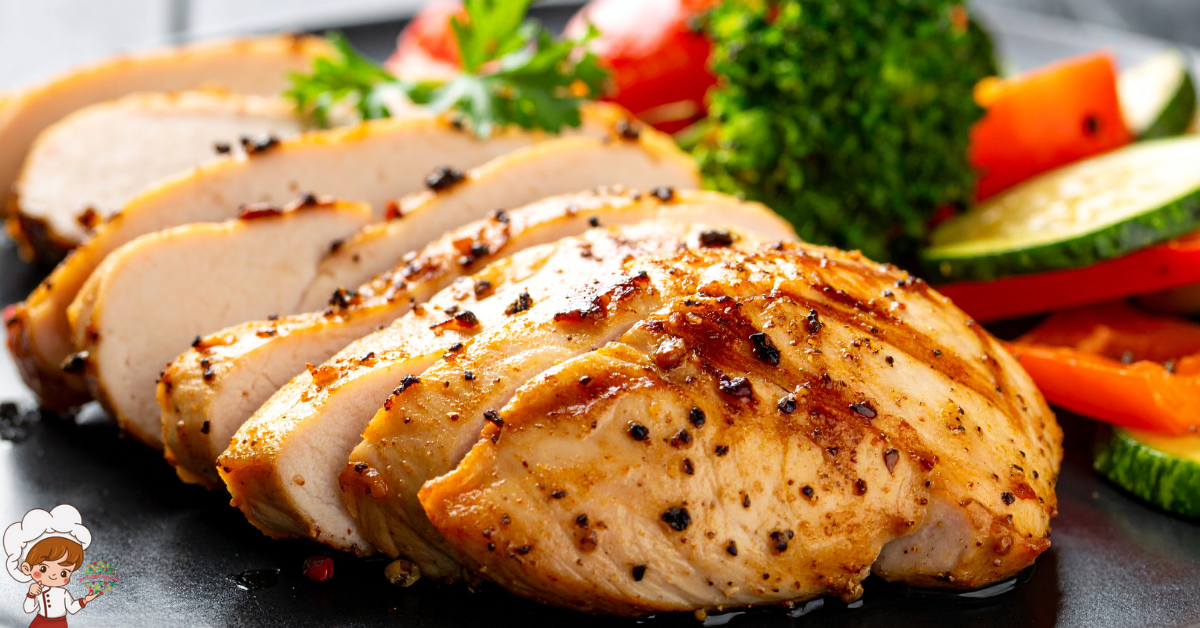
When it comes to a gluten-free lunch option, the Chicken, Avocado, and Spinach Salad is a delicious choice. Packed with nutritious ingredients like lean chicken, creamy avocado, and fresh spinach, this salad offers a balanced meal. The combination of protein, healthy fats, and leafy greens will keep you satisfied and energized throughout the day.
Ingredients and Preparation
To prepare the delicious Chicken, Avocado, and Spinach Salad, gather the necessary ingredients and follow these simple steps:
- Start by cooking the chicken breasts until they are fully cooked and no longer pink in the center. This will ensure that your salad is safe to eat and packed with protein.
- While the chicken is cooking, wash and chop the fresh spinach leaves. Spinach is not only a gluten-free ingredient but also a nutrient-dense green that adds a burst of flavor and vitamins to your salad.
- Once the chicken is cooked and cooled, slice it into thin strips. Combine the sliced chicken with the chopped avocado and spinach in a large bowl.
Cooking with gluten-free ingredients can be a breeze with a little preparation and knowledge. By choosing gluten-free grains like quinoa or rice, and using gluten-free flours like almond or coconut flour, you can create delicious meals that are safe for those with gluten sensitivities. Remember to check labels carefully and look for certified gluten-free products to ensure that your meal is truly gluten-free.
Nutritional Benefits
For a nutritious and satisfying meal, the Chicken, Avocado, and Spinach Salad offers a multitude of health benefits. Packed with protein, fiber, and essential nutrients, this salad is a great option for those looking to maintain a balanced diet. The chicken provides lean protein, which helps to build and repair tissues in the body. Avocado is a rich source of healthy fats, which can help reduce the risk of heart disease and improve brain function.
Additionally, spinach is packed with vitamins and minerals, such as iron and vitamin C, which are essential for maintaining a healthy immune system. Incorporating this salad into your meal planning can provide a delicious and nutrient-dense option for lunch, supporting your overall health and well-being.
Zucchini Noodles With Pesto
To prepare a delicious pesto for your zucchini noodles, make sure to use fresh basil leaves, garlic, pine nuts, Parmesan cheese, and olive oil. Blend all the ingredients together until smooth, and adjust the seasoning to your taste. When cooking your zucchini noodles, you have the option to sauté them in a pan with a little olive oil or lightly steam them for a crisp and tender texture.
Pesto Preparation Tips
Consider using fresh basil leaves and pine nuts to enhance the flavor of your zucchini noodles with pesto. Pesto is a versatile sauce that can elevate the taste of any dish. Here are some tips to prepare pesto for your gluten-free lunch:
- Experiment with different herbs: While basil is the traditional choice, you can also try using other herbs like cilantro or parsley to create unique flavors.
- Use alternative nuts: If you have a nut allergy or simply want to switch things up, try using alternative nuts like almonds or walnuts instead of pine nuts. They will add a different texture and taste to your pesto.
- Add a twist with lemon zest: For a tangy kick, grate some lemon zest into your pesto. It will brighten up the flavors and add a refreshing touch to your zucchini noodles.
Zucchini Noodle Cooking Methods
Enhance your gluten-free lunch with zucchini noodles cooked to perfection and tossed in a flavorful pesto sauce. Zucchini noodles, also known as “zoodles,” are a great alternative to traditional pasta for those following a gluten-free diet. They are not only low in calories and carbs but also packed with vitamins and minerals. When it comes to cooking zucchini noodles, there are a few different methods you can try.
One popular option is to use a spiralizer, which is a kitchen tool that can turn your zucchini into long, spaghetti-like strands. There are various spiralizer options available, from handheld devices to countertop models. Another cooking method is sautéing the zucchini noodles in a pan with a little bit of oil until they are tender but still slightly crisp. This method allows the noodles to retain their shape and texture. Whichever method you choose, be sure not to overcook the zucchini noodles, as they can become mushy. Once your zoodles are cooked, toss them in a flavorful pesto sauce for a delicious and healthy gluten-free lunch.
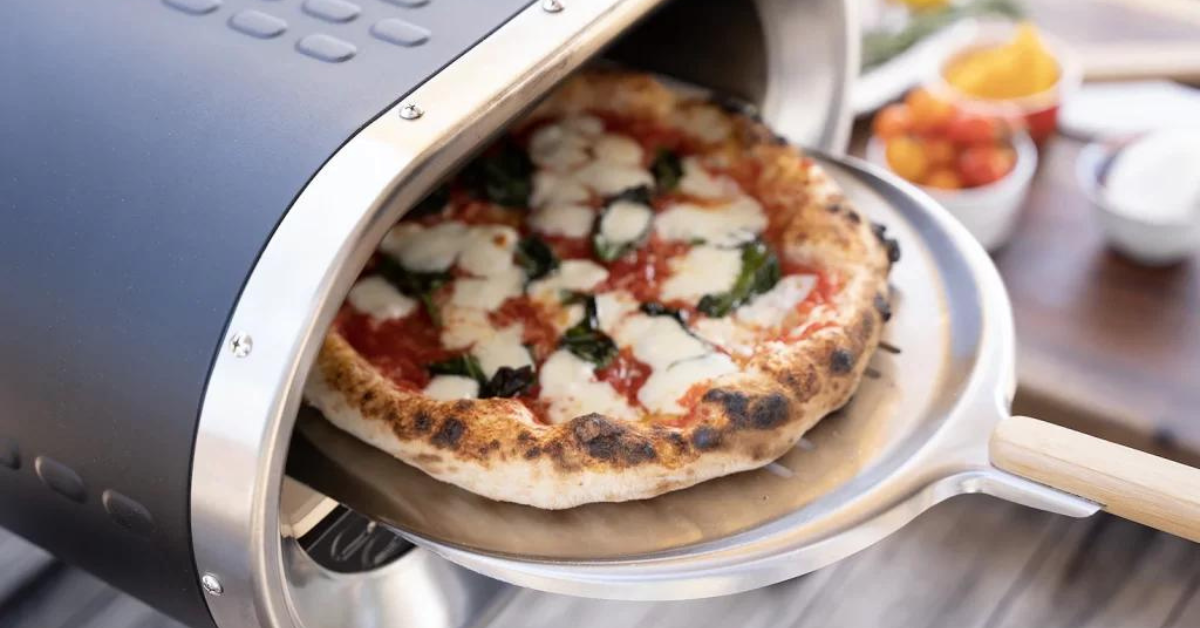
Cauliflower Crust Margherita Pizza
For a healthier twist on traditional pizza, try making a delicious Margherita pizza with a cauliflower crust. Cauliflower crust has become a popular alternative for those seeking a gluten-free option or looking to incorporate more vegetables into their diet. Here are three reasons why you should give cauliflower crust Margherita pizza a try:
- Health Benefits: Cauliflower is low in calories and carbohydrates compared to traditional pizza crust made from wheat flour. It is also rich in vitamins C and K, as well as folate and fiber. By using cauliflower crust, you can enjoy a guilt-free pizza without compromising on taste.
- Versatility: Cauliflower crust can be customized to suit your preferences. You can experiment with different herbs and spices to enhance the flavor of the crust. Additionally, you can add your favorite toppings to create a unique Margherita pizza that suits your taste buds.
- Easy to Make: Making cauliflower crust is relatively simple. All you need is cauliflower, eggs, cheese, and a few basic pantry staples. Simply blend the cauliflower into rice-like consistency, mix it with the other ingredients, and shape it into a crust. Bake it until it becomes golden and crispy, and then add your Margherita toppings.
Lentil and Vegetable Soup
Lentil and vegetable soup is not only a delicious gluten-free lunch option, but it also offers numerous nutritional benefits. Lentils are a great source of plant-based protein, fiber, and essential vitamins and minerals. They are also low in fat and cholesterol, making them a healthy choice for those looking to maintain a balanced diet. Plus, preparing lentil and vegetable soup is incredibly easy, requiring just a few simple ingredients and minimal cooking time.
Nutritional Benefits of Lentils
Lentils, packed with essential nutrients and fiber, are a versatile ingredient that can easily be incorporated into your diet for a nourishing and satisfying meal like Lentil and Vegetable Soup. Here are some nutritional benefits of lentils that make them a great addition to your meals:
- High in Protein: Lentils are a fantastic source of plant-based protein, making them an excellent choice for vegetarians and vegans. Just one cup of cooked lentils provides about 18 grams of protein, helping to support muscle growth and repair.
- Rich in Fiber: Lentils are a great source of dietary fiber, which aids in digestion and helps to promote a healthy gut. Consuming fiber-rich foods like lentils can also help to regulate blood sugar levels and promote feelings of fullness, which may aid in weight management.
- Packed with Essential Nutrients: Lentils are a nutritional powerhouse, providing a range of essential vitamins and minerals such as folate, iron, potassium, and magnesium. These nutrients play vital roles in supporting overall health and wellbeing.
Incorporating lentils into your diet not only adds flavor and texture to your meals but also provides an array of health benefits. So why not try out a delicious lentil recipe like Lentil and Vegetable Soup and experience the goodness for yourself?
Easy Preparation Tips
After learning about the nutritional benefits of lentils, it’s time to explore some easy preparation tips for a delicious Lentil and Vegetable Soup. When it comes to meal prepping, time-saving techniques are key. To save time, you can soak the lentils overnight, which helps reduce their cooking time. Another time-saving tip is to chop all the vegetables ahead of time and store them in an airtight container in the refrigerator.
This way, when you’re ready to make the soup, all you need to do is sauté the vegetables and add the lentils and broth. Using a pressure cooker is another great option for saving time, as it significantly reduces the cooking time of the soup. By incorporating these meal prepping and time-saving techniques, you can enjoy a delicious and nutritious Lentil and Vegetable Soup without spending too much time in the kitchen.
Greek Quinoa Salad
For a flavorful and nutritious lunch option, try the Greek Quinoa Salad. This salad not only satisfies your taste buds but also provides numerous health benefits. Quinoa, the main ingredient of this salad, is a superfood known for its high protein content and essential amino acids. It is also gluten-free, making it suitable for individuals with gluten sensitivities or celiac disease.
Here are some benefits and variations of the Greek Quinoa Salad:
- Health benefits:
- Quinoa is rich in fiber, which aids in digestion and helps maintain a healthy weight.
- It is packed with vitamins and minerals like iron, magnesium, and phosphorus, which support overall health.
- The combination of quinoa, vegetables, and olive oil in the salad provides a good source of antioxidants that protect against chronic diseases.
- Variations:
- You can add your choice of vegetables to the Greek Quinoa Salad, such as cucumbers, bell peppers, cherry tomatoes, and red onions. These add freshness and a burst of flavor.
- For extra protein, consider adding grilled chicken, shrimp, or feta cheese to the salad.
- Experiment with different dressings like lemon vinaigrette, tzatziki sauce, or balsamic glaze to customize the flavor to your liking.
Creative ways to use quinoa in salads:
- Mix quinoa with roasted vegetables, herbs, and a lemon dressing for a warm quinoa salad.
- Combine quinoa with black beans, corn, and avocado for a Mexican-inspired salad.
- Toss quinoa with spinach, strawberries, and goat cheese for a refreshing spring salad.
Sweet Potato and Black Bean Tacos
Let’s talk about the key points regarding Sweet Potato and Black Bean Tacos. Firstly, we’ll explore the ingredients and preparation methods, providing you with a step-by-step guide to create this delicious gluten-free lunch option. Next, we’ll discuss the nutritional benefits of these tacos, highlighting how the combination of sweet potatoes and black beans offers a rich source of vitamins, fiber, and plant-based protein. Finally, we’ll touch on variations and substitutions, giving you the flexibility to customize the recipe to your taste or dietary restrictions. So, let’s get started and discover the wonders of Sweet Potato and Black Bean Tacos!
Ingredients and Preparation
To prepare the delicious Sweet Potato and Black Bean Tacos, gather the following ingredients and follow these simple steps:
Ingredients:
- 2 medium sweet potatoes, peeled and diced
- 1 can black beans, rinsed and drained
- 1 tablespoon olive oil
- 1 teaspoon chili powder
- 1/2 teaspoon cumin
- Salt and pepper to taste
- 8 gluten-free tortillas
- Toppings: avocado, salsa, cilantro, lime wedges
Preparation:
- Preheat your oven to 400°F (200°C).
- In a large bowl, toss the diced sweet potatoes with olive oil, chili powder, cumin, salt, and pepper.
- Spread the seasoned sweet potatoes on a baking sheet and roast for about 20 minutes, or until tender and slightly crispy.
- In a skillet, heat the black beans over medium heat until warm.
- Warm the gluten-free tortillas in a dry skillet or microwave.
- Assemble the tacos by filling each tortilla with roasted sweet potatoes, black beans, and desired toppings.
- Serve with lime wedges on the side for extra flavor.
Nutritional Benefits
The Sweet Potato and Black Bean Tacos offer a variety of nutritional benefits that make them a healthy and satisfying lunch option. Sweet potatoes are packed with vitamins and minerals, including vitamin A, vitamin C, and potassium. They are also a great source of fiber, which aids in digestion and helps maintain a healthy weight. Black beans, on the other hand, are an excellent source of plant-based protein and fiber, which can help regulate blood sugar levels and promote a feeling of fullness.
Combining these two ingredients in a taco shell made from corn tortillas adds even more nutritional value to the dish. To maximize the nutritional benefits of this meal, consider adding fresh vegetables like lettuce, tomatoes, and avocado. These toppings not only increase the fiber content but also provide additional vitamins and minerals. Incorporating Sweet Potato and Black Bean Tacos into your meal planning strategies is a smart way to ensure a balanced and nutritious lunch.
Variations and Substitutions
Consider exploring different variations and substitutions to customize your Sweet Potato and Black Bean Tacos to suit your taste preferences and dietary needs. Here are three ideas to get you started:
- Protein-packed swaps: If you’re not a fan of black beans, you can substitute them with other protein-rich ingredients like chickpeas or lentils. These alternatives will give your tacos a different flavor profile while still providing essential nutrients.
- Veggie alternatives: While sweet potatoes are the star of this recipe, feel free to experiment with other vegetables as well. Try using butternut squash, zucchini, or cauliflower for a unique twist. These veggies will add a delicious crunch and boost the nutritional value of your tacos.
- Seasoning variations: Don’t be afraid to play around with different spices and herbs. Consider adding cumin, paprika, or chili powder for a smoky kick. You can also experiment with fresh cilantro, lime juice, or avocado for a burst of freshness.
Salmon and Quinoa Bowl
For a nutritious and flavorful lunch option, try the mouthwatering Salmon and Quinoa Bowl. This dish combines the health benefits of salmon and quinoa with creative toppings to create a satisfying and delicious meal.
Salmon is not only a tasty fish but also a great source of omega-3 fatty acids, which have been shown to reduce inflammation and promote brain health. Additionally, salmon is rich in high-quality protein, essential vitamins and minerals like vitamin B12, vitamin D, and selenium. Incorporating salmon into your diet can support heart health, improve brain function, and boost your immune system.
Quinoa, on the other hand, is a gluten-free grain that is packed with nutrients. It is a complete protein, containing all nine essential amino acids. Quinoa is also high in fiber, which aids digestion and promotes a feeling of fullness. This grain is a great source of iron, magnesium, and manganese, which are important for energy production and overall health.
To make your Salmon and Quinoa Bowl even more exciting, consider adding creative toppings. You can add roasted vegetables like bell peppers, zucchini, or cherry tomatoes for added color and flavor. Avocado slices or a dollop of Greek yogurt can provide a creamy texture. For a little crunch, sprinkle some toasted nuts or seeds on top. Fresh herbs, such as cilantro or basil, can add a burst of freshness to the dish.
Chickpea and Vegetable Stir-Fry
If you’re looking for another gluten-free lunch option that is packed with protein and vegetables, try making a delicious Chickpea and Vegetable Stir-Fry. Not only is this dish incredibly flavorful, but it also offers numerous nutritional benefits. Here are some cooking tips and information about the nutritional value of this tasty stir-fry:
- Nutritional Value:
- Chickpeas: These legumes are an excellent source of plant-based protein, providing about 15 grams per cup. They are also high in fiber, which aids digestion and helps to keep you feeling full.
- Vegetables: The stir-fry typically includes a variety of colorful vegetables such as bell peppers, broccoli, carrots, and snap peas. These veggies are rich in vitamins, minerals, and antioxidants that support overall health and wellbeing.
- Olive oil: The stir-fry is cooked with olive oil, which is a heart-healthy fat that adds a delicious flavor to the dish.
- Cooking Tips:
- Preparing the vegetables: Cut the vegetables into bite-sized pieces to ensure even cooking. You can also blanch the vegetables before stir-frying to retain their vibrant colors and crispness.
- Seasoning: Add your favorite herbs and spices to enhance the flavor of the stir-fry. Popular choices include garlic, ginger, soy sauce, and sesame oil.
- Serving options: Enjoy the Chickpea and Vegetable Stir-Fry on its own or serve it over a bed of brown rice or quinoa for a more substantial meal.
Caprese Stuffed Portobello Mushrooms
To make a delicious and satisfying gluten-free lunch, try preparing Caprese Stuffed Portobello Mushrooms. This recipe offers a twist on the classic Caprese salad by incorporating the flavors into a hearty and filling portobello mushroom. Not only is it gluten-free, but it also provides numerous health benefits.
Portobello mushrooms are an excellent choice for this recipe due to their meaty texture and rich umami flavor. They are also low in calories and fat, making them a healthy alternative to traditional burger buns or bread. Portobello mushrooms are a good source of vitamins B and D, as well as minerals like potassium and selenium. They are also rich in antioxidants, which can help protect against cell damage and contribute to overall good health.
The Caprese stuffing consists of fresh ingredients like tomatoes, mozzarella cheese, and basil. This combination provides a burst of flavors and textures that complement the earthy taste of the portobello mushroom. You can get creative with this recipe by experimenting with different variations of Caprese, such as adding balsamic glaze, drizzling olive oil, or sprinkling pine nuts on top.
To prepare the Caprese Stuffed Portobello Mushrooms, start by cleaning the mushrooms and removing the stems. Brush them with olive oil and season with salt and pepper. Next, fill the mushrooms with a mixture of diced tomatoes, mozzarella cheese, and chopped basil. Bake them in the oven until the cheese is melted and bubbly.
Caprese Stuffed Portobello Mushrooms are a nutritious and satisfying gluten-free lunch option. They offer a variety of flavors and textures, and the portobello mushrooms provide numerous health benefits. Give this recipe a try and enjoy a delicious and healthy meal.
Mexican Quinoa Skillet
Incorporate a taste of Mexico into your gluten-free lunch with a flavorful and nutritious Mexican Quinoa Skillet. This dish combines the goodness of quinoa, a protein-packed grain, with the bold flavors of Mexican cuisine. Here is a simple Mexican quinoa skillet recipe to get you started:
Ingredients:
- 1 cup quinoa
- 1 tablespoon olive oil
- 1 onion, diced
- 2 cloves garlic, minced
- 1 bell pepper, diced
- 1 jalapeno pepper, seeded and diced
- 1 can black beans, rinsed and drained
- 1 cup corn kernels
- 1 can diced tomatoes
- 1 tablespoon chili powder
- 1 teaspoon cumin
- Salt and pepper to taste
- Fresh cilantro, chopped (for garnish)
Instructions:
- Cook quinoa according to package instructions and set aside.
- Heat olive oil in a large skillet over medium heat.
- Add onion, garlic, bell pepper, and jalapeno pepper. Sauté until vegetables are tender.
- Add black beans, corn, diced tomatoes, chili powder, cumin, salt, and pepper. Stir well to combine.
- Simmer for about 10 minutes, allowing the flavors to meld together.
- Stir in cooked quinoa and cook for an additional 5 minutes.
- Remove from heat and garnish with fresh cilantro.
Variations and Substitutions:
- For a heartier meal, add cooked ground turkey or shredded chicken.
- If you prefer a milder taste, omit the jalapeno pepper or reduce the amount of chili powder.
- Feel free to add other vegetables such as zucchini or spinach for added nutrition.
This Mexican Quinoa Skillet is a versatile dish that can be enjoyed as a main course or a side dish. It is packed with protein, fiber, and essential nutrients, making it a healthy choice for a gluten-free lunch. Give it a try and enjoy the delicious flavors of Mexico right at your own table.
Thai Coconut Curry Soup
For a flavorful and comforting gluten-free lunch, try making a delicious Thai Coconut Curry Soup. This soup is not only packed with exotic flavors but is also suitable for those who follow a gluten-free diet. The traditional recipe calls for coconut milk, which gives the soup its rich and creamy texture. However, if you are looking for a coconut milk alternative, you can try using cashew milk or almond milk instead. These alternatives will still provide a creamy base for the soup, while adding a slightly different flavor profile.
One of the great things about this recipe is that you can adjust the spice level to your liking. Thai cuisine is known for its bold and spicy flavors, but if you prefer a milder soup, you can reduce the amount of curry paste or omit the chili peppers altogether. On the other hand, if you enjoy a fiery kick, you can add extra curry paste or sprinkle in some crushed red pepper flakes.
To make this soup, start by sautéing onions, garlic, and ginger in a large pot. Then, add in your choice of protein, such as chicken or shrimp, along with vegetables like bell peppers, carrots, and mushrooms. Next, pour in the coconut milk and vegetable broth, and let the soup simmer until the flavors meld together. Finally, stir in the curry paste and other seasonings, adjusting the spice level to your preference.
With its comforting and aromatic flavors, Thai Coconut Curry Soup is sure to satisfy your taste buds while providing a healthy and gluten-free lunch option.
Mediterranean Chickpea Salad
Looking to add a flavorful and nutritious dish to your gluten-free lunch repertoire? Try making a Mediterranean Chickpea Salad, packed with vibrant flavors and wholesome ingredients. This salad not only satisfies your taste buds but also provides numerous health benefits. Here’s why you should give it a try:
- Nutritional Value:
- Chickpeas: These legumes are a great source of plant-based protein, fiber, and essential minerals like iron and magnesium. They also contain antioxidants that help protect against chronic diseases.
- Olive oil: The base of the salad dressing, olive oil, is rich in monounsaturated fats, which are beneficial for heart health. It also provides vitamin E and antioxidants.
- Fresh vegetables: The salad is loaded with colorful vegetables like cherry tomatoes, cucumbers, red onions, and bell peppers. These veggies are packed with vitamins, minerals, and dietary fiber, contributing to overall health and well-being.
- Serving Suggestions:
- As a main dish: Enjoy the Mediterranean Chickpea Salad as a standalone meal by serving it on a bed of fresh greens, or add some grilled chicken or shrimp for extra protein.
- As a side dish: Pair it with grilled fish or lean meats, and you’ll have a complete and balanced meal.
- Meal prep: Make a big batch of this salad and divide it into individual containers for a quick and easy grab-and-go lunch throughout the week.
Incorporating this Mediterranean Chickpea Salad into your gluten-free lunch options will not only provide you with a delicious meal but also nourish your body with essential nutrients. So, give it a try and experience the goodness it has to offer!
Sushi Bowl With Brown Rice and Tuna
To make a delicious and nutritious Sushi Bowl with Brown Rice and Tuna, follow these simple steps. Start by cooking the brown rice according to the package instructions. Brown rice is a great alternative to white rice as it is a whole grain that contains more fiber and nutrients. Once the rice is cooked, let it cool slightly before assembling your sushi bowl.
Next, prepare your tuna by cutting it into bite-sized pieces. You can use fresh tuna or canned tuna packed in water. Tuna is a lean source of protein and is rich in omega-3 fatty acids, which are beneficial for heart health.
Now it’s time to assemble your sushi bowl. Start by placing a generous portion of brown rice at the bottom of a bowl. Top the rice with your tuna, along with any other toppings you desire. Some popular options include avocado, cucumber, carrots, and seaweed.
To add some variety to your sushi bowl, you can experiment with different types of sushi rolls. For example, you can make a California roll by adding crab meat, avocado, and cucumber. Or try a spicy tuna roll by mixing your tuna with mayonnaise and hot sauce.
Finally, drizzle your sushi bowl with some soy sauce or a gluten-free tamari sauce for added flavor. You can also garnish with sesame seeds or green onions for an extra touch.
Enjoy your homemade Sushi Bowl with Brown Rice and Tuna, knowing that you’re fueling your body with a nutritious and gluten-free meal.
Frequently Asked Questions: Healthy Gluten-Free Lunch Recipes
Can I Use Regular Wheat Crust Instead of Cauliflower Crust for the Margherita Pizza Recipe?
Yes, you can use regular wheat crust instead of cauliflower crust for the margherita pizza recipe. While cauliflower crust is a popular gluten-free option, wheat crust can be a suitable alternative for those who can tolerate gluten.
Are These Lunch Recipes Suitable for People With Nut Allergies?
Yes, these lunch recipes are suitable for people with nut allergies. They provide nut-free alternatives for gluten-free meals and offer tips on managing nut allergies while following a gluten-free diet.
How Long Does It Take to Prepare the Lentil and Vegetable Soup?
To make the lentil and vegetable soup, it typically takes about 30-40 minutes. However, there are variations of this recipe that can allow you to prepare it even faster. Here are some tips for speeding up the process.
Can I Substitute the Quinoa With Another Grain in the Greek Quinoa Salad Recipe?
Yes, you can substitute the quinoa with another grain in the Greek quinoa salad recipe. Some good alternatives include couscous, millet, or even rice. Experiment to find your favorite!
Can I Make the Thai Coconut Curry Soup Recipe Without Coconut Milk?
Yes, you can make the Thai coconut curry soup without coconut milk. Some alternative ingredients for a creamy soup are cashew cream, almond milk, or even a combination of vegetable broth and heavy cream.

Conclusion
In conclusion, these gluten-free lunch recipes provide a delicious, nutritious solution for anyone following a gluten-free diet. Featuring wholesome ingredients such as quinoa, lean chicken, and fresh vegetables, these balanced meals deliver essential nutrients while keeping lunchtime flavorful and satisfying.
By adding these easy gluten-free lunch ideas to your weekly meal routine, you can support better energy levels, maintain dietary goals, and enjoy a wide variety of healthy gluten-free meals. With the right recipes and simple preparation methods, eating gluten-free at lunch can be both convenient and enjoyable for busy individuals and families alike.