High-Quality Wooden Cutting Boards Reviews
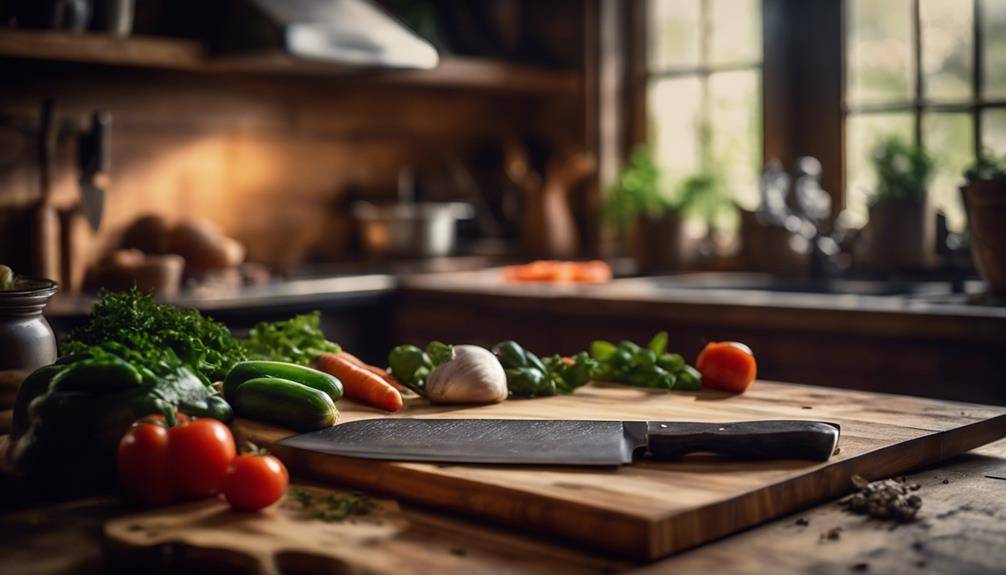
High-Quality Wooden Cutting Boards Reviews: If you're in the market for high-quality wooden cutting boards, you've got some excellent options. Maple and walnut boards offer durability and aesthetic appeal, with natural antimicrobial properties that enhance food safety. Bamboo boards are eco-friendly and lightweight, but they may dull knives quicker. Consider dimensions, wood grain, and maintenance needs. Brands like John Boos and Teakhaus are known for their craftsmanship and longevity. You can find budget-friendly choices too, without sacrificing quality. Curious about the best picks and maintenance tips? Stick around to discover more insights that can help you choose the perfect board for your kitchen.
Click Here and Turn Every Masterpiece into a Showstopper!
Types of Wooden Cutting Boards
When choosing a wooden cutting board, you'll find several types, each designed to suit different cooking needs and preferences. Among the most popular options are bamboo boards and hardwood options. Understanding the differences between these types can help you make the best choice for your kitchen.
Bamboo boards are known for their eco-friendliness and lightweight properties. They're made from a fast-growing grass, making them a sustainable choice. These boards are often harder than traditional hardwoods, which means they resist knife marks and scratches well. However, they can be less forgiving on your knives, so you might want to reflect on this if you own high-quality kitchen cutlery.
On the other hand, hardwood options, such as maple, walnut, and cherry, bring their own unique features to the table. Maple boards are durable and have a fine grain, which helps prevent bacteria from entering the wood. Walnut boards are not only beautiful but also provide a natural resistance to bacteria, making them a favorite among professional chefs. Cherry boards deepen in color over time, adding character to your kitchen.
When selecting between bamboo and hardwood, think about your cooking style and how you'll use the board. If you need something lightweight and easy to clean, bamboo boards are a great choice. If you prioritize durability and aesthetics, hardwood options might be the way to go. Each type has distinct advantages that can enhance your cooking experience.
Benefits of Wooden Cutting Boards
When you choose a wooden cutting board, you're not just getting a surface to chop on; you're gaining a tool with natural antimicrobial properties that help keep your food safe. Plus, the knife-friendly surface guarantees your blades stay sharp longer, saving you money in the long run. With their aesthetic appeal and durability, wooden boards can enhance your kitchen's look while standing the test of time.
Natural Antimicrobial Properties
Many wooden cutting boards possess natural antimicrobial properties that help keep your kitchen safer from harmful bacteria. Unlike plastic boards, which can harbor bacteria in their grooves and scratches, natural wood has an inherent ability to resist microbial growth. This is due to the unique structure of wood fibers and the presence of certain compounds that inhibit bacteria.
When you use a wooden cutting board, you benefit from this protective feature. Bacteria that land on the surface often can't survive for long, as the natural wood's antimicrobial properties create an environment that's less hospitable to them. Regularly maintaining your board by cleaning it properly and applying mineral oil can enhance these benefits further, ensuring the wood remains in good condition.
Additionally, using wooden boards can reduce the risk of cross-contamination in your kitchen. When chopping different food items, you can feel confident that your natural wood board will help minimize bacterial transfer. Overall, the antimicrobial properties of wooden cutting boards not only contribute to food safety but also provide peace of mind while you prepare your meals.
Knife-Friendly Surface
A wooden cutting board offers a knife-friendly surface that helps maintain the sharpness of your blades longer than plastic or glass alternatives. When you chop or slice on wood, the fibers of the board gently grip your knife's edge, preventing it from dulling too quickly. This means you'll spend less time on knife maintenance and more time enjoying your culinary creations.
Moreover, wooden boards provide excellent surface protection for your knives. Unlike harder materials, they offer a slight give, which reduces the impact on the blade. This cushioning effect minimizes nicks and scratches that can compromise the performance of your knives over time. With proper care, a high-quality wooden cutting board can last for years, continually safeguarding your blades.
Aesthetic Appeal and Longevity
Wooden cutting boards often enhance your kitchen's aesthetic, bringing warmth and a touch of nature to your culinary space. When you choose a wooden board, you're opting for an item that complements various design trends, from rustic farmhouse to modern minimalist. The rich grains and textures of wood serve as aesthetic materials that draw the eye and can even inspire your cooking creativity.
Not only do these boards look stunning, but their longevity is another key benefit. With proper care, a high-quality wooden cutting board can last for years, even decades. While plastic boards can warp or stain over time, wood maintains its integrity, providing a reliable surface for your culinary tasks. Plus, wood has natural antibacterial properties, which means it's more hygienic than you might think.
Key Features to Consider
When choosing a cutting board, it's essential to take into account factors like durability, maintenance, and design to guarantee it meets your cooking needs. First, reflect on the cutting board dimensions. The size of your board should align with your kitchen space and cooking habits. If you often prepare large meals, a bigger board will give you ample workspace. Conversely, if you have limited counter space, a smaller board might be more practical.
Next, think about wood grain types. Different woods have unique properties that affect their performance and longevity. Hardwoods like maple and walnut are popular due to their durability and resistance to knife marks. They also have natural antimicrobial properties, making them a healthier choice for food preparation. On the other hand, softer woods, while aesthetically pleasing, may wear down faster.
Maintenance is another key feature to reflect on. Some boards require more care than others. A cutting board with a smooth surface is easier to clean and less likely to harbor bacteria. Additionally, ponder whether the board needs regular oiling to maintain its condition.
Lastly, aesthetics play a role in your selection. A beautifully designed board can enhance your kitchen's décor while serving its practical purpose. By evaluating these key features—cutting board dimensions, wood grain types, and maintenance requirements—you'll be well-equipped to make an informed decision that suits your culinary lifestyle.
Top Wooden Cutting Board Reviews
When choosing the best wooden cutting board, you'll want to take into account the material and durability to guarantee it withstands daily use. Maintenance tips can help keep your board looking great and functioning well over time. Plus, the design and aesthetics can enhance your kitchen's style while providing a practical tool for food prep.
Material and Durability
Choosing the right material for your cutting board can greatly impact its durability and performance in the kitchen. When you opt for high-quality wood, you're not just investing in a tool; you're selecting a piece that can withstand daily use while enhancing your cooking experience. Hardwoods like maple, walnut, and cherry are excellent choices due to their dense wood grain, which resists deep cuts and scratches better than softer woods.
The finish options available for wooden cutting boards also play an essential role in their longevity. Food-safe finishes, such as mineral oil or beeswax, help protect the wood from moisture and staining while enhancing the natural beauty of the grain. These finishes create a barrier against bacteria, making your cutting board not only durable but also hygienic.
Ultimately, choosing a cutting board made from quality hardwood and applying the right finish will guarantee you have a reliable kitchen companion that can handle all your chopping, slicing, and dicing needs for years to come. Investing in the best material will pay off in both performance and aesthetics.
Maintenance Tips
Proper maintenance is key to ensuring your wooden cutting board remains in top condition and lasts for years. Start by adopting effective cleaning techniques after each use. Simply wash your board with warm, soapy water and a soft sponge. Avoid soaking it or putting it in the dishwasher, as excess moisture can warp the wood.
After cleaning, it is important to dry your board thoroughly with a towel or let it air dry. This prevents any lingering moisture that could lead to mold or bacteria growth. To maintain the wood's natural beauty and prevent cracking, regular oil application is vital. Use food-safe mineral oil or a specialized cutting board oil every few weeks, depending on usage. Simply apply a generous amount to the board, and spread it evenly with a clean cloth. Let it absorb for a few hours or overnight, then wipe off any excess oil.
Lastly, avoid exposing your board to heat sources or extreme temperature changes. By following these maintenance tips, you'll keep your wooden cutting board looking great and performing well, making it an invaluable tool in your kitchen for years to come.
Design and Aesthetics
A well-maintained wooden cutting board not only serves a practical purpose but also enhances your kitchen's design and aesthetic appeal. When choosing a cutting board, consider the color combinations of the wood. Rich, warm tones like walnut or cherry can create a striking contrast with lighter woods such as maple or birch, allowing you to customize the look to fit your kitchen decor.
Artistic engravings can elevate your cutting board from a simple kitchen tool to a statement piece. Whether you opt for a monogram, a decorative pattern, or a personalized message, these engravings add a unique touch that reflects your personal style. They can also make the board a perfect gift for weddings or housewarmings, showcasing thoughtfulness in your selection.
Incorporating a wooden cutting board into your kitchen not only makes meal prep more enjoyable but also adds character to the space. You can easily display it on your countertop or hang it as art when not in use. Ultimately, choosing a cutting board that resonates with your aesthetic will enhance your cooking experience and complement your kitchen's overall design.
Click Here and Turn Every Masterpiece into a Showstopper!
Comparison of Popular Brands
Which popular brands of wooden cutting boards stand out for their quality and durability? When you're looking for the best, it's useful to evaluate brand comparisons based on user experiences. One standout brand is John Boos, known for its thick, sturdy boards made from hard maple. Users rave about its long-lasting performance and beautiful craftsmanship, making it a favorite among chefs.
Another top contender is Epicurean, which offers eco-friendly cutting boards made from a composite material that resembles wood. Although it's not traditional wood, many users appreciate its lightweight design and easy maintenance. The boards are dishwasher-safe, which is a huge bonus for those who prioritize convenience.
If you're after a more artisanal touch, check out the boards from Teakhaus. Their boards are made from sustainably sourced teak, and users love the natural antimicrobial properties, which add an extra layer of hygiene. Many also appreciate the unique grain patterns that make each board one-of-a-kind.
Care and Maintenance Tips
To keep your wooden cutting board in top shape, regularly clean it with mild soap and warm water after each use. Avoid soaking it or putting it in the dishwasher, as excessive moisture can warp the wood. Instead, use a soft sponge or cloth to gently scrub the surface, making sure you remove any food particles and bacteria. For stubborn stains or odors, consider using a mixture of baking soda and water as a natural cleaning technique.
Once your board is clean, it's important to dry it thoroughly to prevent moisture retention. After cleaning, you should also think about oiling your board. Oiling frequency is vital for maintaining the wood's integrity; aim to oil your cutting board every month or whenever it appears dry. Use food-safe mineral oil, as it penetrates the wood effectively and helps create a barrier against moisture and bacteria.
To apply the oil, pour a small amount onto the board and rub it in using a clean cloth, following the wood grain. Let it sit for a few hours or overnight to allow the oil to soak in fully. Wipe off any excess oil afterward. This routine will not only keep your cutting board looking great but also extend its life. By following these care and maintenance tips, you'll make sure that your wooden cutting board remains a reliable kitchen tool for years to come.
Sustainable Wood Options
Choosing sustainable wood options for your cutting board not only benefits the environment but also enhances your kitchen experience. When you choose boards made from sustainably sourced materials, you support responsible forestry practices that help preserve forests and biodiversity. Woods like bamboo, maple, and walnut are often favored for their beauty and durability, but make sure they come from reputable suppliers who prioritize sustainable sourcing.
Using a cutting board made from sustainably harvested wood means you're reducing your carbon footprint. Many manufacturers now offer boards that are certified by organizations like the Forest Stewardship Council (FSC), ensuring that the wood is harvested in a way that maintains ecological balance. This certification provides peace of mind that you're making a responsible choice.
Additionally, consider cutting boards treated with eco-friendly finishes. Many brands use natural oils or waxes that are safe for food contact, enhancing the wood's longevity without harmful chemicals leaching into your food. These finishes not only protect the wood but also make it easier to clean and maintain.
Investing in a sustainable cutting board is a win-win. You get a high-quality kitchen tool that's not only functional but also contributes to the health of our planet. By opting for sustainable wood options, you're making your cooking space a little greener while enjoying the benefits of a beautiful, well-crafted cutting board. Make the switch today, and feel good about your culinary choices!
Budget-Friendly Choices
Even on a tight budget, you can find high-quality wooden cutting boards that deliver excellent performance and durability. You don't need to spend a fortune to get a product that meets your cooking needs and looks great in your kitchen. There are plenty of options made from affordable materials that don't compromise on quality.
When you're shopping around, consider boards made from bamboo or rubberwood. These materials are not only cost-effective but also eco-friendly. Bamboo, for instance, is highly durable and resistant to knife marks, making it a smart choice for everyday use. Rubberwood is another excellent option, as it's both sturdy and sustainable, providing a good balance between price and performance.
To make informed budget comparisons, look for boards that are well-reviewed for their longevity and ease of maintenance. Reading customer feedback can help you identify which options stand up to regular use without warping or cracking. Additionally, many brands offer budget-friendly lines that still maintain quality craftsmanship.
Don't forget to check for sales or discounts that can make a real difference in your final purchase price. You may even find a premium board at a more accessible price point during special promotions. By prioritizing affordable materials and doing your research, you'll discover wooden cutting boards that not only fit your budget but also enhance your cooking experience.
Click Here and Turn Every Masterpiece into a Showstopper!
Frequently Asked Questions: High-Quality Wooden Cutting Boards Reviews
Are Wooden Cutting Boards Safe for Raw Meat Preparation?
When preparing raw meat, you'll want to follow safety guidelines to guarantee food safety. Wooden cutting boards can be safe if you clean and disinfect them properly after each use to prevent cross-contamination.
How Long Do Wooden Cutting Boards Typically Last?
Wooden cutting boards typically last several years, depending on maintenance tips and lifespan factors like wood type, frequency of use, and care. Regular oiling and proper cleaning can greatly extend their durability and performance.
Can Wooden Cutting Boards Be Repaired if Damaged?
Yes, you can repair your wooden cutting board using various repair techniques. Sanding out scratches and applying food-safe oils are great maintenance tips to keep it looking good and extend its lifespan.
What Wood Types Are Best for Antibacterial Properties?
When considering wood types for antibacterial properties, you'll find maple benefits from its tight grain and natural resistance to bacteria, while bamboo properties offer similar advantages due to its antimicrobial qualities. Choose wisely for your kitchen!
Do Wooden Cutting Boards Hold Odors From Food?
Yes, wooden cutting boards can hold odors from food due to their natural fibers. While some woods resist scent absorption better than others, regular cleaning and maintenance help minimize odor retention effectively.

Conclusion
Ultimately, choosing a high-quality wooden cutting board can elevate your kitchen experience, offering durability and aesthetic appeal. By understanding the types, benefits, and key features, you can find the perfect board to suit your needs. Don't forget to take into account sustainable options and budget-friendly choices that fit your lifestyle. With proper care and maintenance, your wooden cutting board will serve you well for years to come, making meal prep both enjoyable and efficient.