The History and Origin of Easy Espresso Brownies
History and Origin of Easy Espresso Brownies; Few desserts embody the blissful marriage of flavor and energy quite like espresso brownies. Rich, fudgy, and aromatic, espresso brownies combine two of the world’s most beloved indulgences—chocolate and coffee—into one irresistible bite. They capture the heart of dessert lovers everywhere, satisfying both the chocolate craving and the coffee obsession that fuels so many of our days.
But how did espresso brownies come to be? This dessert didn’t just appear overnight—it evolved through centuries of chocolate innovation, culinary experimentation, and a growing global love for coffee. Understanding the history and origin of espresso brownies offers a deeper appreciation for how simple ingredients transformed into a dessert that has become a staple in bakeries and homes around the world.
The Birth of Brownies: A Chocolate Revolution
Before espresso brownies could come into existence, there had to be brownies—and their history begins in the late 19th century. Brownies were born in the United States, a country whose culinary innovation was on the rise during the Gilded Age. The earliest known printed brownie recipe appeared in the 1890s, though legends about their accidental creation had circulated for years.
One popular story claims that a chef at Chicago’s Palmer House Hotel forgot to add baking powder to a chocolate cake recipe, resulting in a dense yet moist dessert that became known as the brownie. Whether true or not, that early brownie set the stage for countless variations to follow.
By the early 20th century, brownies were a household favorite in America. The dessert’s easy preparation, long shelf life, and portable nature made it a perfect choice for potlucks, bake sales, and family gatherings. Classic brownies were originally made with cocoa powder rather than melted chocolate, giving them a lighter, cake-like texture. Over time, bakers began to prefer richer, fudgier versions that used melted chocolate, butter, and sugar in generous proportions.
The Rise of Coffee and Espresso in Desserts
Coffee has a long and storied history of its own, tracing its origins back to Ethiopia and the Arabian Peninsula. By the 17th century, it had spread throughout Europe, becoming a central feature of daily life in places like Italy, France, and Austria.
Espresso, in particular, became synonymous with Italian coffee culture. Invented in the early 1900s, espresso was a new method of brewing coffee by forcing pressurized water through finely ground beans. This technique produced a concentrated, flavorful shot of coffee that became the backbone of Italian cafés.
By the mid-20th century, espresso had gained international fame, influencing a range of culinary creations. Its robust flavor made it a perfect partner for chocolate, enhancing the depth and complexity of cocoa-based desserts. Pastry chefs around the world began incorporating coffee into cakes, cookies, ice creams, and frostings.
The combination of chocolate and coffee—known as mocha—became one of the most popular dessert flavor profiles in Europe and the United States. This natural pairing eventually paved the way for espresso brownies to make their debut.
The Birth of Espresso Brownies
Espresso brownies likely emerged during the 1970s or 1980s, a period of culinary creativity and experimentation in home kitchens and bakeries alike. As espresso gained popularity outside of Italy—especially in the U.S.—chefs began using it to elevate traditional desserts.
Adding espresso powder or brewed espresso to brownies became a clever way to intensify the chocolate flavor. The small amount of coffee didn’t make the dessert taste overtly like coffee—it simply deepened the richness and enhanced the natural bitterness of cocoa.
Home bakers loved this discovery. Recipes for “mocha brownies” and “espresso brownies” started appearing in cookbooks and magazines, offering a grown-up twist on a childhood favorite. By the 1990s, espresso brownies had become a staple in coffee shops, often served alongside lattes and cappuccinos for an extra dose of indulgence.
Espresso Brownies and the Coffeehouse Boom
The 1990s and early 2000s marked a cultural explosion in coffee consumption, fueled by the rise of major coffee chains and an increased interest in espresso-based beverages. As the coffeehouse culture spread across the globe, espresso brownies found their perfect audience.
Coffee lovers embraced these brownies as the ideal companion to their favorite drinks. Cafés often showcased them in display cases, marketing them as the perfect afternoon treat or post-dinner dessert. The combination of caffeine and chocolate proved irresistible.
This era also introduced more creative interpretations—some bakers added a swirl of espresso-infused ganache, while others topped their brownies with espresso buttercream frosting or chocolate-covered espresso beans. These innovations turned espresso brownies into an artisanal treat, blurring the line between casual comfort food and gourmet dessert.
The Science Behind Espresso and Chocolate
What makes espresso such a magical addition to brownies? The answer lies in chemistry. Coffee contains hundreds of aromatic compounds that interact beautifully with the natural flavors in chocolate.
Chocolate, particularly dark chocolate, is inherently bitter. Espresso’s roasted, earthy notes complement and amplify this bitterness, making the chocolate taste richer and more intense. Even a teaspoon of espresso powder can transform a standard brownie into a decadent masterpiece.
This flavor-enhancing relationship between espresso and chocolate is why professional pastry chefs use coffee in nearly all chocolate desserts—from truffles to layer cakes. Espresso doesn’t dominate; it balances and deepens the overall flavor profile.
Modern Twists on the Classic Espresso Brownie
In recent decades, espresso brownies have continued to evolve. Health-conscious bakers experiment with almond flour, coconut sugar, and dairy-free alternatives, creating gluten-free or vegan versions without sacrificing texture or flavor.
Meanwhile, craft bakers and home enthusiasts alike have embraced bold add-ins such as caramel swirls, sea salt flakes, chili powder, or hazelnut spread. The inclusion of espresso allows these combinations to maintain balance, keeping the sweetness in check while highlighting the chocolate’s complexity.
The dessert also fits perfectly within today’s “coffee and dessert fusion” trend—think espresso brownies topped with mascarpone cream or paired with cold brew ice cream. These creative takes keep the beloved classic fresh, relevant, and endlessly adaptable.
Espresso Brownies in Pop Culture and the Culinary World
Espresso brownies have transcended the kitchen to become a symbol of indulgence and sophistication. They frequently appear on café menus, in cookbooks, and even as part of dessert samplers at upscale restaurants. Their elegant simplicity makes them versatile enough for both casual coffee dates and refined dinner parties.
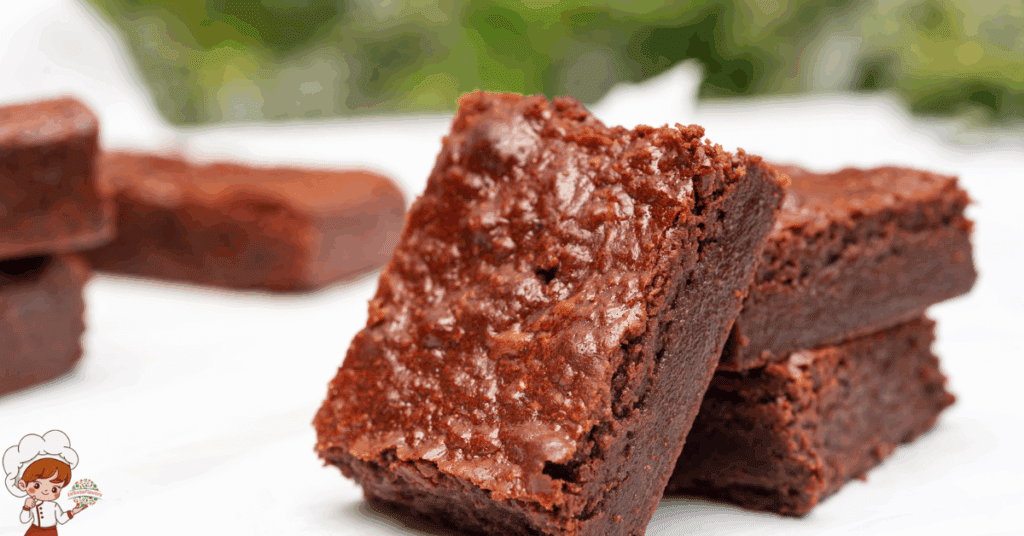
Social media platforms like Instagram and Pinterest have also boosted their popularity. The glossy, fudgy texture and deep, dark color of espresso brownies photograph beautifully, capturing the attention of dessert enthusiasts around the world.
Food stylists often emphasize the sensory contrast—a moist, dense center paired with a crisp, crackly top, often garnished with a dusting of espresso powder or a drizzle of melted chocolate. These visual and aromatic elements have helped espresso brownies maintain their allure for more than four decades.
The Global Appeal of Espresso Brownies
Although espresso brownies originated in the United States, their global appeal has made them a favorite in coffee-loving cultures everywhere. In Italy, they are seen as a natural extension of espresso tradition; in France, they pair beautifully with dark roast café au lait; and in Japan, where coffee desserts are hugely popular, espresso brownies are often served in elegant bite-sized portions.
This international embrace reflects how desserts evolve and adapt to cultural tastes. The espresso brownie, though rooted in American baking, speaks a universal language of chocolate and coffee—a combination beloved across continents.
Why Espresso Brownies Stand the Test of Time
The continued success of espresso brownies lies in their perfect balance. They are at once simple and sophisticated, comforting yet complex. They appeal to chocolate lovers and coffee enthusiasts alike.
The use of espresso elevates the humble brownie into something more refined, offering an intensity of flavor that feels indulgent without being overwhelming. For this reason, espresso brownies remain a timeless dessert—one that bridges the gap between home baking and professional pastry artistry.
As long as people continue to love the energizing aroma of coffee and the comforting richness of chocolate, espresso brownies will hold a permanent place in the culinary world.
Easy Espresso Brownies
Ingredients
- – 1/2 cup butter
- – 1 cup sugar
- – 2 eggs
- – 1 tsp vanilla extract
- – 1/3 cup cocoa powder
- – 1/2 cup flour
- – 1 tbsp instant espresso
Instructions
- . Preheat oven to 350°F (175°C). Grease an 8×8 inch pan.
- Melt butter and mix with sugar, eggs, and vanilla.
- Stir in cocoa, flour, and espresso.
- Pour into the pan.
- Bake for 25 minutes.
- Cool and cut into squares.
Frequently Asked Questions: History and Origin of Easy Espresso Brownies
1. When were espresso brownies first made?
Espresso brownies are believed to have appeared in the 1970s or 1980s when coffee culture was expanding and bakers began adding espresso to intensify the flavor of chocolate desserts.
2. What’s the difference between espresso brownies and mocha brownies?
Mocha brownies typically have a stronger coffee flavor, while espresso brownies focus more on enhancing the chocolate. Espresso is often used in smaller amounts to deepen the cocoa’s richness rather than dominate it.
3. Do espresso brownies contain caffeine?
Yes, they do contain caffeine, though in small amounts. The caffeine content depends on how much espresso or espresso powder is used in the recipe.
4. Can espresso brownies be made without espresso powder?
Yes. You can use instant coffee granules or brewed espresso instead. However, espresso powder provides a more concentrated flavor that blends seamlessly into the batter.
5. Why does espresso make brownies taste more chocolatey?
Espresso brings out the bitter and roasted notes in cocoa, enhancing its depth and making the chocolate taste more intense and balanced.
6. Are espresso brownies considered gourmet desserts?
Absolutely. While easy to make, espresso brownies are often considered a gourmet twist on the traditional brownie because of their rich, complex flavor and elegant presentation.
7. Can espresso brownies be made gluten-free or vegan?
Yes. Many modern bakers use almond flour, coconut oil, or flax eggs to create gluten-free and vegan versions without losing their signature fudgy texture.
8. What beverages pair best with espresso brownies?
They pair beautifully with coffee, milk, or red wine. For a truly decadent experience, try them with an espresso martini or dark roast coffee.

The Timeless Allure of Espresso Brownies
From their roots in early American baking to their modern status as a coffeehouse favorite, espresso brownies have traveled a long and flavorful journey. They represent the best of both worlds—the comforting familiarity of the classic brownie and the sophisticated intensity of espresso.
These brownies are more than just a dessert; they’re a reflection of culinary evolution and cultural connection. Each bite tells a story of how creativity, innovation, and passion for flavor can turn simple ingredients into something extraordinary.
As trends come and go, the espresso brownie continues to hold its ground—a rich, velvety symbol of indulgence that appeals to both coffee drinkers and dessert lovers alike. Whether served warm with a scoop of ice cream or enjoyed alongside a freshly brewed espresso, this timeless treat will always remain a beloved classic in kitchens around the world.
If you enjoyed exploring this topic and want to dive even deeper, be sure to check out some of our other articles here on Infinite Flavors. From rich culinary histories to creative twists on classic recipes, there’s always something new to discover. Whether you’re curious about the origins of a dish, looking for fresh inspiration in the kitchen, or simply love learning about food culture, our collection of posts is the perfect next step on your flavor journey.
The History Easy Slow Cooker Hot Fudge Brownie Cake
The History And Origin Of Easy Fudgy Brownies
The Great History Of Mint Chocolate Chip Brownies